
Best Car Interior Protectants of 2026 (Dashboard, Plastic & Leather Protection)
Most car interiors don’t fail suddenly. They age quietly. The dashboard spends years baking under direct sunlight, plastics dry out from constant heat, and leather slowly loses its flexibility. By the time cracks or fading become obvious, the damage has already been happening for a long time.
That’s why people searching for the best car interior protectant aren’t just looking to make their dashboard look clean. They’re trying to stop long-term wear before it becomes permanent. A proper interior protectant isn’t about shine — it’s about UV resistance, moisture balance, and keeping materials stable in harsh cabin conditions.
Many interior products blur the line between a cleaner and a protectant. Cleaners remove dirt; they don’t prevent fading. Cheap dressings can make surfaces glossy for a day or two, but they often attract dust, feel greasy, or rely on silicone-heavy formulas that offer little real protection against sun damage. Over time, those shortcuts can actually make interiors age faster.
A good interior protectant works quietly in the background. It shields dashboards from UV exposure, keeps plastics and vinyl from drying out, and helps leather retain its original texture. The finish matters too — most drivers prefer a factory-style matte or satin look that doesn’t reflect sunlight or feel slippery while driving.
This guide focuses on interior protectants that hold up in real use, not just right after application. Products that are safe for modern dashboards, door panels, center consoles, and leather surfaces — and that continue doing their job weeks after they’re applied. Whether you’re maintaining a new car or trying to extend the life of an older interior, the right protectant makes a visible difference over time.
Below are six car interior protectants chosen for their protection quality, finish control, and consistency — products that prioritize long-term interior care over short-term shine.
6 Best Car Interior Protectants of 2026 for Dashboard, Plastic & Leather
#1. Marine 31 Vinyl Protectant with SunBlock (Best for Extreme Sun & Hot Climates)
#2. Chemical Guys Total Interior Cleaner & Protectant (Best All-in-One Interior Maintenance)
#3. Armor All Protectant, Glass & Cleaning Wipes (Best for Quick Cleanups & Convenience)
#4. MAXLONE™ Car Spray with Triphene® Technology (Best Multi-Surface Long-Lasting Protection)
#5. Cerakote Rapid Ceramic Plastic Restorer & Protectant (Best Long-Term Ceramic Protection)
#6. 303 Products Marine Aerospace Protectant (Best OEM-Style Matte Finish)
Also Check:
#1. Marine 31 Vinyl Protectant with SunBlock
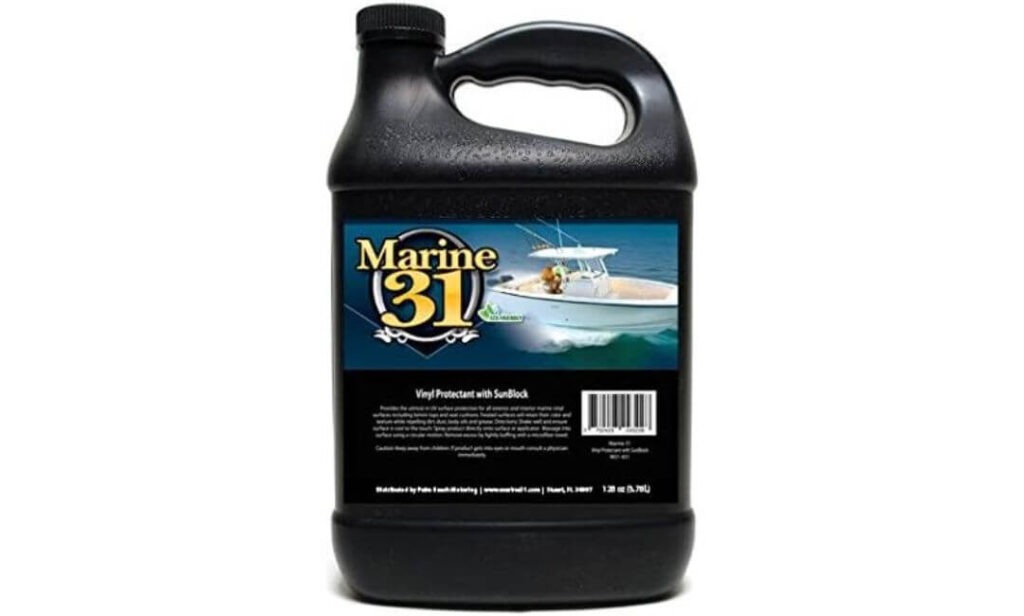
Car interiors usually don’t show damage overnight. It starts slowly — the dashboard losing depth in color, vinyl trims feeling dry, and surfaces heating up faster than they used to. Marine 31 Vinyl Protectant is designed for conditions where sunlight is constant, which is why it translates well into interior use for cars that spend real time under the sun.
This product isn’t built around shine or quick visual impact. Its strength lies in the way it handles long-term exposure. By using Ciba Tinuvin UV blockers, it helps slow the kind of fading and material breakdown that shows up after months of heat and UV stress. Dashboards and vinyl panels stay more stable, rather than drying out and aging unevenly.
What you’ll notice immediately is what isn’t there. No greasy residue. No slick feel. The silicone-free formula leaves surfaces feeling clean and natural, which matters on dashboards and door panels where glare and slipperiness can become annoying. It keeps the original look intact instead of changing the character of the interior.
Over time, the protection becomes more noticeable. Dust doesn’t cling as easily, body oils wipe off without effort, and surfaces don’t need constant reapplication. For drivers dealing with strong sun or outdoor parking, that consistency is where this product earns its place.
Key Features:
- Real UV resistance using Ciba Tinuvin UV blockers
- Silicone-free formula with a dry, natural feel
- Safe for vinyl, plastic, rubber, and interior trim
- Helps reduce dust buildup and frequent wiping
Where This Protectant Works Best
This protectant makes the most sense for vehicles that live in hot, sunny environments or spend most of their time parked outdoors. It performs especially well on dashboards, vinyl trims, and plastic panels that are constantly exposed to direct sunlight through the windshield. Drivers who prefer a factory-style interior look — without added shine or reflection — will appreciate how it protects without changing the appearance. It’s also a good fit for people who want protection that lasts weeks rather than something that needs to be reapplied every few days.
When It May Not Be the Right Fit
If your priority is visual enhancement rather than preservation, this may not be the product you’re looking for. It doesn’t add gloss or a “wet” finish, and it isn’t meant to condition soft leather the way dedicated leather creams do. Drivers who enjoy a freshly polished, high-shine interior or want instant cosmetic impact may find it too subtle. This product is aimed more at slowing wear than dressing surfaces for looks.
Long-Term Protection Note: This is a protectant you stop noticing after application — and that’s a good thing. Weeks later, when the dashboard hasn’t faded further and the interior still feels clean instead of coated, its purpose becomes clear. It’s designed to quietly extend the life of interior surfaces rather than impress for a single afternoon.
#2. Chemical Guys Total Interior Cleaner & Protectant
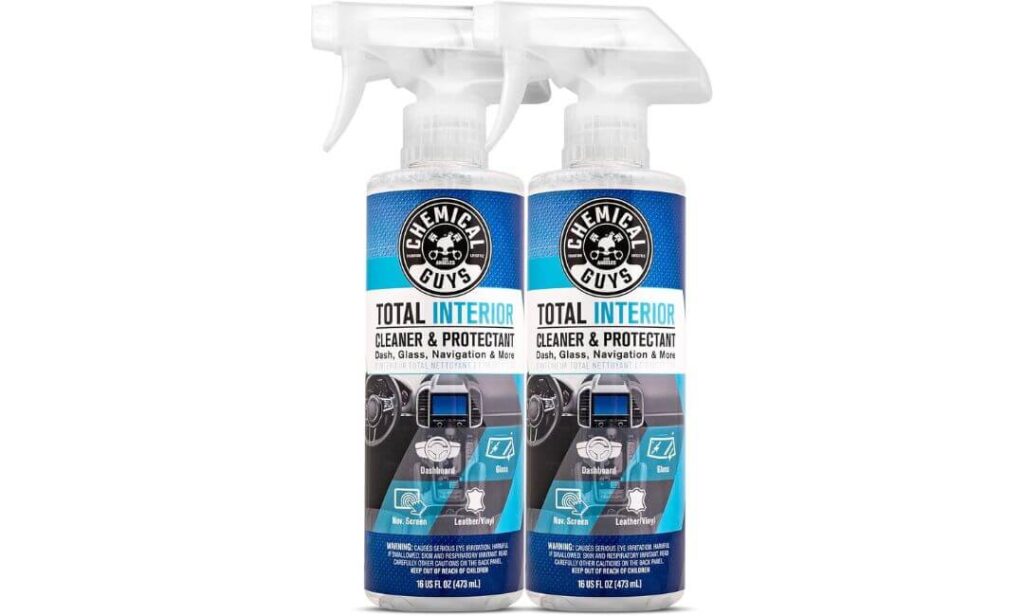
This stuff is pretty good coz it doesn’t try to do too much flash at once. Chemical Guys Total Interior Cleaner & Protectant is built for people who want a single product that actually works across the entire cabin without worrying about surface compatibility. It cleans first, then quietly leaves behind protection, which is exactly how an interior product should behave.
What stands out is how well it handles mixed materials. Dashboards, door panels, leather seats, plastic trims, rubber surfaces, even glass — everything can be wiped down without switching bottles. Dirt, dust, and body oils lift easily, and surfaces return to a clean, natural look instead of looking dressed or coated.
The finish is another reason this product is popular with detailers. It leaves a matte-to-satin OEM-style appearance, not a glossy or greasy shine. There’s no slippery feel on dashboards or steering-area plastics, which makes it comfortable for regular use. The built-in UV protection helps slow fading and discoloration, especially on older interiors that already see daily sun exposure.
Where it really fits into real life is convenience. Spray, wipe, and move on. No rinsing, no buffing, no second step. For people who clean their interior regularly or want quick touch-ups that still provide protection, this formula strikes a solid balance between ease and long-term care.
Key Features:
- Cleans and protects leather, vinyl, plastic, rubber, and glass
- Built-in UV blockers to help prevent fading and cracking
- Non-greasy, factory-style matte to satin finish
- Simple spray-and-wipe application with no residue
Where This Protectant Works Best
This product works best for drivers who want one interior spray they can safely use everywhere. It’s ideal for daily-driven cars where dust, fingerprints, and light grime build up quickly, and where frequent cleaning is part of routine maintenance. If you prefer keeping your interior looking consistently clean without adding shine, and you want UV protection without a dedicated dressing step, this fits naturally into that routine. It’s also a strong choice for newer cars where maintaining the original factory look matters more than cosmetic enhancement.
When It May Not Be the Right Fit
If your interior needs heavy restoration or deep conditioning — especially cracked or dried-out leather — this product may feel too mild. It’s designed more for maintenance than revival. Drivers who like a bold, glossy interior finish or want a product that dramatically changes the look of surfaces may find it understated. Its strength is balance and safety, not visual drama.
Long-Term Use Note: Used regularly, this cleaner-protectant helps interiors age more evenly. Instead of letting dust, oils, and sun exposure slowly wear things down, it keeps surfaces stable and easier to maintain — which is often what matters most over years of ownership.
#3. Armor All Protectant, Glass & Cleaning Wipes (Multi-Pack)
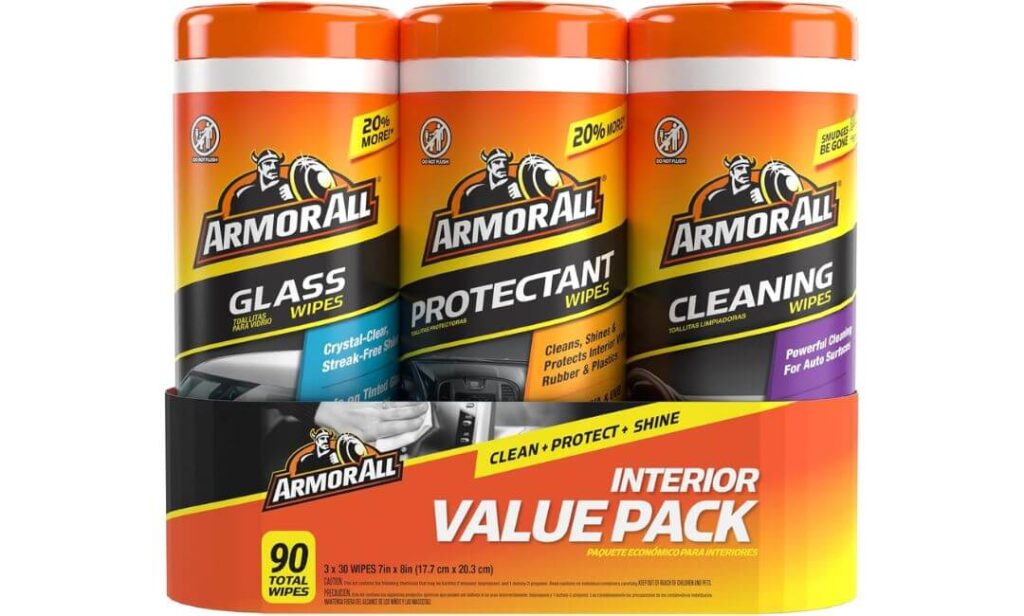
Armor All wipes are built around one idea: convenience without wrecking your interior. This multi-pack combines cleaning wipes, protectant wipes, and glass wipes into a simple system that works when you don’t have time—or patience—for a full detailing setup. Toss the canisters in your car and you’re covered for most everyday messes.
The cleaning wipes handle the basics well. Dust, fingerprints, light grime, and everyday buildup come off interior surfaces without aggressive scrubbing. Dashboards, door panels, center consoles, and trim clean up quickly, and the wipes feel safe even on softer plastics and coated surfaces.
The protectant wipes focus more on preservation than appearance. They provide UV protection to help slow fading and oxidation, but the finish stays controlled. There’s no heavy gloss and no greasy film left behind, which makes them comfortable for dashboards and high-touch areas. Compared to liquid spray protectants, the protection is lighter and may require more frequent use, especially on sun-exposed surfaces.
The glass wipes are the strongest part of the kit. They remove haze, fingerprints, and road film efficiently and leave glass clear without streaks. For quick visibility touch-ups before a drive, they do exactly what they’re supposed to do.
Key Features:
- Separate wipes for cleaning, protecting, and glass care
- UV protection to help prevent fading and interior aging
- Lint-free wipes with no greasy residue
- Extremely quick and portable solution
Where This Protectant Works Best
This kit works best for drivers who value speed and simplicity over deep detailing. It’s ideal for daily commuters, rideshare vehicles, family cars, or anyone who wants to keep the interior under control with minimal effort. If your interior is already in decent shape and you just want to maintain cleanliness and basic UV protection, these wipes fit naturally into regular use.
When It May Not Be the Right Fit
If your dashboard or interior plastics are already dry, faded, or cracked, these wipes won’t be enough on their own. The protection layer is lighter than liquid protectants, and heavily exposed surfaces may need repeated passes. Drivers looking for long-term conditioning or stronger UV resistance may prefer a dedicated spray or cream-based product.
Everyday Maintenance Note: Armor All wipes aren’t about transformation. They’re about consistency. Used regularly, they help keep interiors clean, presentable, and protected without turning maintenance into a chore.
#4. MAXLONE™ Car Spray with Triphene® Technology
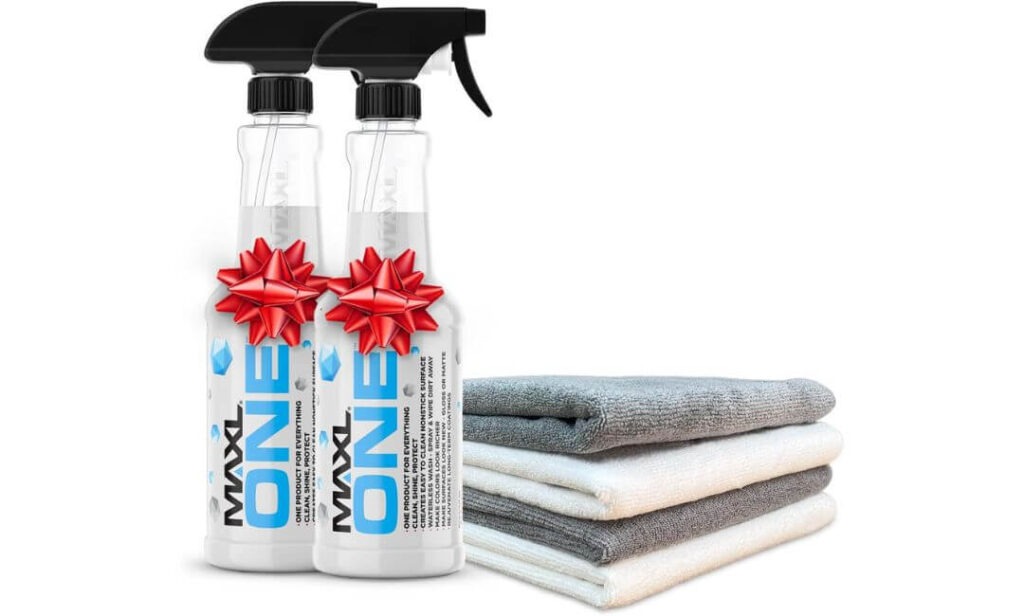
With 5K bought every month and a strong 4.4-star rating on Amazon, MAXLONE isn’t popular because of flashy claims — it’s popular because it simplifies car care without cutting corners. This is a true spray-and-wipe product that handles cleaning and protection in one step, which immediately sets it apart from traditional interior dressings.
The defining element here is Triphene® technology. Instead of sitting on the surface like a temporary dressing, it forms a thin, bonded barrier that repels water, oils, and grime. On interior plastics and dashboards, that translates into surfaces that stay cleaner longer and don’t feel coated or slick. Dust buildup slows down, and wipe-downs become easier with each use.
Unlike many “shine-first” sprays, MAXLONE keeps the finish controlled. Interior surfaces end up with a smooth satin look — not glossy, not oily. There’s no residue left behind, even on areas exposed to heat like dashboards near the windshield or vents. The UV resistance is real-world practical, helping slow fading and discoloration rather than masking it.
Durability is another reason this product earns attention. It’s heat-resistant up to 600°F and chemically stable, which means it doesn’t break down quickly in hot cabins. While marketed as an all-purpose detailer, it performs surprisingly well as an interior protectant when used consistently, especially for drivers who want fewer products and fewer steps.
Key Features:
- Triphene® barrier technology for long-lasting protection
- UV-resistant and heat-stable up to 600°F
- Non-greasy satin finish that doesn’t attract dust
- Safe for dashboards, plastic, vinyl, leather, glass, and trim
Where This Protectant Works Best
MAXLONE works best for drivers who want efficiency without sacrificing protection. It’s ideal for modern interiors with lots of plastic and soft-touch surfaces, especially in vehicles exposed to heat and sunlight. If you prefer a single product that cleans lightly, protects consistently, and reduces how often you need to re-detail your interior, this fits that role well. It’s also a strong option for people who maintain their cars frequently and want protection that builds with regular use.
When It May Not Be the Right Fit
If you’re dealing with heavily faded dashboards, cracked vinyl, or interiors that need deep conditioning, this won’t replace a dedicated restorer or leather treatment. It’s designed to preserve and protect, not reverse years of neglect. Drivers who want a bold gloss finish or visible shine may also find the look too restrained.
Long-Term Protection Note: MAXLONE doesn’t impress in the first five minutes — it shows its value weeks later. Interiors stay cleaner, surfaces don’t dry out as quickly, and repeat applications become faster instead of more frequent. It’s a maintenance-first product that rewards consistency.
#5. Cerakote Rapid Ceramic Plastic Restorer and Protectant
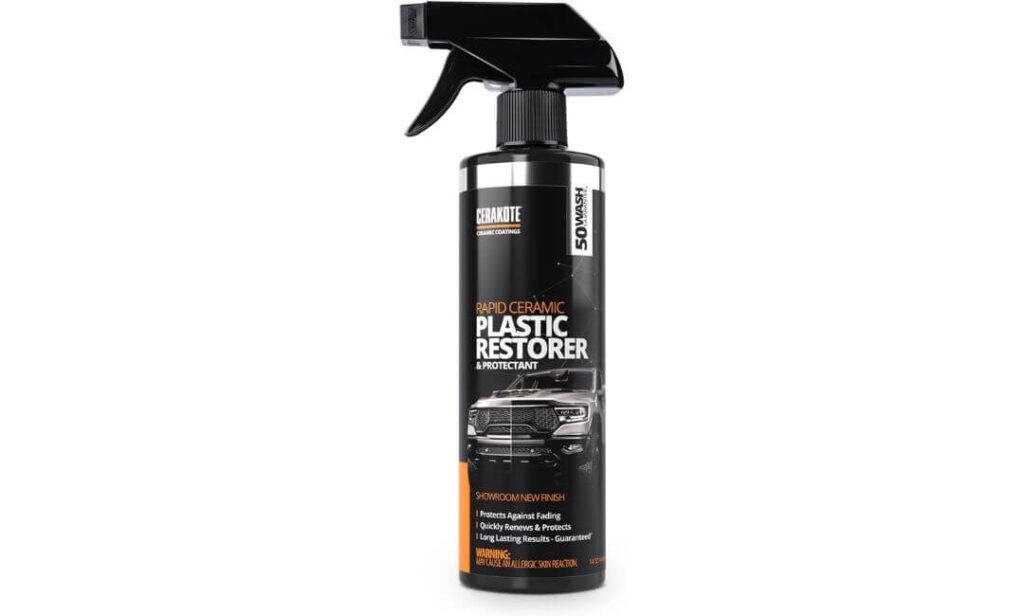
Cerakote’s name carries weight for a reason, and this product feels engineered rather than dressed up. The Rapid Ceramic Plastic Restorer and Protectant is built around real ceramic chemistry, not cosmetic shine, which makes it noticeably different from traditional plastic protectants once it’s been on the surface for a while.
On interior plastics and trim, the goal here isn’t flash — it’s stability. The ceramic coating forms a cured layer that helps plastics resist UV exposure and oxidation, keeping surfaces from drying out or fading unevenly. On faded trim, it deepens color in a controlled way, but the bigger benefit shows up over time as surfaces stop degrading as quickly.
The finish is clean and dry. After application, the product cures fully, leaving no oily residue or slick feel. Dashboards and plastic panels keep a natural appearance rather than looking freshly “dressed,” which matters in bright sunlight or when glare becomes distracting. Once cured, it doesn’t feel like something sitting on top of the surface — it feels bonded.
Longevity is where Cerakote separates itself. With a 50-wash durability rating, this is not a frequent-application product. While it’s often associated with exterior trim restoration, it performs just as well on interior plastics that see constant sun exposure, especially in vehicles parked outdoors or driven in hot climates.
Key Features:
- True ceramic technology for long-term protection
- UV resistance to help prevent fading and oxidation
- Non-greasy, dry-to-the-touch finish
- Rated to last up to 50 washes
Where This Protectant Works Best
This product works best for drivers who want long-term protection rather than weekly maintenance. It’s ideal for dashboards, hard plastics, and trim that are exposed to strong sunlight and heat. If you prefer applying a protectant once and not thinking about it again for a long time, Cerakote fits that mindset. It’s especially useful for newer vehicles you want to keep looking new, or lightly faded interiors where prevention matters more than constant reapplication.
When It May Not Be the Right Fit
If you enjoy frequent detailing or like adjusting the finish of your interior every few weeks, this may feel too permanent. It’s not designed for quick wipe-downs or temporary shine. Drivers who want a glossy look or instant visual change may also find it too subtle, as its focus is durability rather than appearance.
Long-Term Protection Note: Cerakote is the kind of protectant you forget about after applying — and that’s the point. Months later, when plastics still look stable and unfaded, the value of the ceramic layer becomes obvious. It’s built for longevity, not touch-ups.
#6. 303 Products Marine Aerospace Protectant
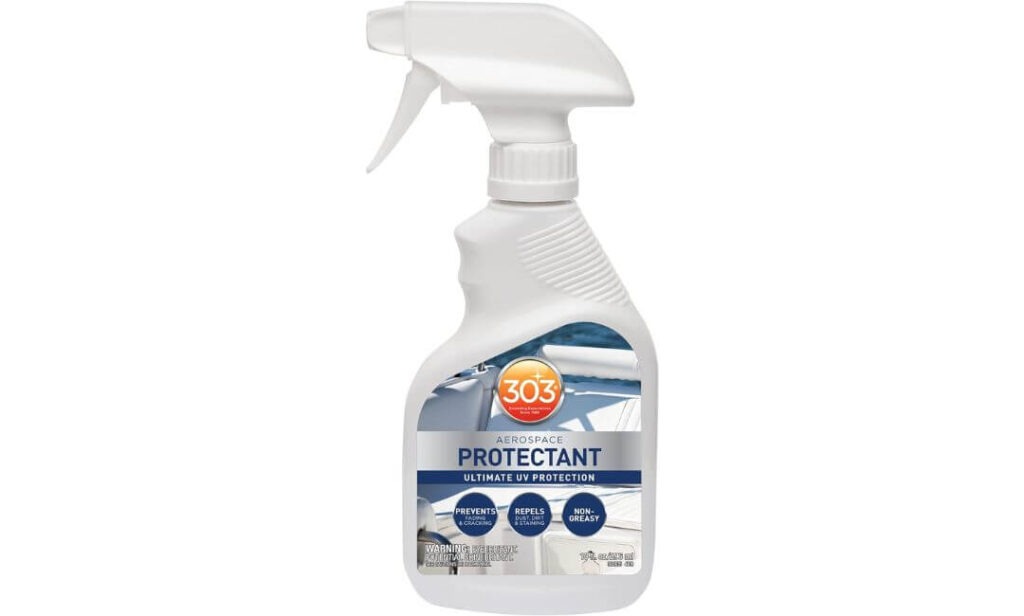
303 Aerospace Protectant has been around long enough that it doesn’t need to prove itself anymore. Originally developed for aircraft exposed to extreme UV at high altitudes, it brings that same protection-first mindset into vehicle interiors. This is not a cosmetic product — it’s built to slow down material breakdown before it becomes visible.
On dashboards, vinyl panels, and interior plastics, the strength of 303 is how evenly it protects. UV exposure is the main reason interiors fade and crack over time, and this formula focuses directly on that problem. Instead of darkening surfaces or masking wear, it helps stabilize the material itself, keeping colors consistent and surfaces flexible.
The finish is one of its biggest advantages. Once wiped dry, it leaves a smooth, matte appearance that blends in naturally. There’s no oily residue, no slick feel, and no artificial shine. Dashboards stay glare-free, which makes a noticeable difference during daytime driving. It also resists dust buildup better than most silicone-based protectants.
Longevity is practical rather than exaggerated. Applied every three to five weeks, it maintains a steady level of protection that works well for daily-driven vehicles. Over time, interiors treated with 303 tend to age more slowly and evenly, especially in sunny or coastal environments where UV and heat are constant factors.
Key Features:
- High-level UV protection designed to prevent fading and cracking
- Smooth, non-greasy matte finish
- Safe for vinyl, plastic, rubber, and finished interior surfaces
- Helps repel dust, dirt, and light staining
Where This Protectant Works Best
This product works best for drivers who care about long-term interior preservation rather than short-term appearance. It’s ideal for dashboards and interior trim that see regular sun exposure, especially in hot climates or vehicles parked outdoors. If you want your interior to look unchanged year after year instead of freshly dressed for a few days, 303 fits that approach well. It’s also a strong choice for people who prefer a factory-correct, low-glare finish.
When It May Not Be the Right Fit
If you’re looking for dramatic color restoration or a glossy, freshly-polished look, this won’t deliver that effect. It’s not a shine product, and it won’t hide deep fading or surface damage. Drivers who enjoy frequent detailing or visible cosmetic changes may find it too subtle, as its benefits show over time rather than immediately.
Long-Term Protection Note: 303 Aerospace Protectant is the kind of product you trust quietly. Weeks later, when the dashboard still looks the same and hasn’t dried out further, that consistency becomes the payoff. It’s designed to protect materials, not decorate them.
Car Interior Protectants Compared: UV Protection, Finish & Durability
How to Choose the Right Car Interior Protectant (Without Ruining Your Interior)
Most people pick an interior protectant the wrong way. They judge it by how shiny the dashboard looks right after application. That’s exactly how interiors end up faded, sticky, or cracked a year later.
A good interior protectant doesn’t announce itself. It works quietly, in the background, slowing down the damage that heat, sunlight, and daily use cause over time. Once you understand what actually matters, choosing the right one becomes surprisingly simple.
UV Protection Matters More Than Anything Else
Interior damage is almost never caused by dirt alone. It’s caused by UV exposure. Sunlight breaks down plastics and vinyl at a molecular level, drying them out and pulling color from the surface. A protectant without real UV blockers may look fine today, but it won’t stop long-term fading or cracking.
If your car is parked outdoors, driven daily, or used in hot climates, UV resistance should be the first thing you look for — even before finish or brand name.
Finish Isn’t About Looks — It’s About Control
Shine feels satisfying at first, but it comes with trade-offs. Glossy interiors reflect sunlight, create glare on the windshield, and often feel slippery. Matte and satin finishes exist for a reason: they keep the interior calm, readable, and closer to factory condition.
If you want your interior to age evenly and stay comfortable to live with, a non-greasy matte or satin finish is almost always the safer choice.
Durability Should Match How You Use Your Car
Not every protectant needs to last months — but some absolutely should. If you enjoy quick wipe-downs every week, lighter products are fine. If you don’t want to think about interior care often, durability becomes critical.
Wipes are convenient but short-lived. Spray protectants last longer. Ceramic-based formulas are built for people who want protection to stay put even when the car sits in the sun day after day. The right choice depends on how much maintenance you realistically want to do — not how much you think you’ll do.
Multi-Surface Safety Saves You From Costly Mistakes
Modern interiors mix soft-touch plastics, coated panels, rubberized trims, and leather. Using the wrong product on the wrong surface is one of the fastest ways to create discoloration or texture damage.
A protectant that’s safe across dashboard plastics, vinyl, rubber, and finished leather removes that risk. You spend less time worrying and more time maintaining consistency.
The Real Test Happens Weeks Later
The best interior protectants don’t impress in the first five minutes. They show their value weeks later, when dust builds up slower, surfaces don’t dry out, and the interior still looks the same without constant reapplication.
If a product still feels clean, natural, and unchanged after a month of driving, that’s when you know you chose correctly.
One Simple Rule to Remember: If your interior still looks good weeks after application, the protectant is doing its job — even if it never looked flashy to begin with.
Quick Decision Guide: Pick the Right Interior Protectant in 10 Seconds
By now, you’ve seen the products and the differences. This section exists for one reason: to stop overthinking and help you choose what actually fits your car and your habits.
If Your Car Stays Parked in the Sun Most of the Time
Choose a protectant built around UV resistance, not convenience. Long-term exposure is what destroys dashboards and trim, not dust. Products with marine-grade or ceramic protection make the most sense here because they’re designed to hold up under constant heat.
What matters most: UV blockers, durability, non-greasy finish
What doesn’t: Instant shine
If You Want a Factory-Clean Look With Minimal Effort
Go for a balanced cleaner-protectant that keeps the interior looking natural without changing how it feels. These are ideal for people who clean regularly and want consistency rather than dramatic results.
What matters most: Matte or satin finish, surface safety
What doesn’t: Deep restoration claims
If You Just Want Fast, No-Thinking Maintenance
Wipes exist for a reason. They’re not the longest-lasting, but they’re easy to use and easy to keep in the car. If you value convenience and quick touch-ups over durability, this route makes sense.
What matters most: Speed, portability
What doesn’t: Long-term protection
If You Don’t Want to Reapply Often
This is where ceramic-style protectants earn their place. They take a little more care during application, but they reward you by staying effective for weeks or months instead of days.
What matters most: Bonded protection, heat resistance
What doesn’t: Frequent detailing
If Your Interior Is Already Faded or Aging
Avoid shine-heavy products. They can make damage look worse over time. Focus on protectants that stabilize materials and slow further degradation rather than trying to mask wear.
What matters most: Material preservation
What doesn’t: Visual drama
The One Decision Rule That Rarely Fails
Pick the product that matches how often you actually maintain your car — not how often you plan to.
That single choice prevents most buying regret.
Common Mistakes That Slowly Ruin Car Interiors (Even When You’re Trying to Care for Them)
Most interior damage doesn’t come from neglect. It comes from small, repeated mistakes people make while thinking they’re doing the right thing. These issues don’t show up immediately — they show up months later, when the damage is already permanent.
Using Shine as a Measure of Quality
A shiny dashboard feels satisfying, but it’s often the worst long-term choice. High-gloss products usually rely on silicone-heavy formulas that sit on the surface instead of protecting it. Over time, they attract dust, increase glare, and can actually accelerate drying underneath the shine.
If a product looks impressive immediately but feels slick or oily, that’s a warning sign — not a feature.
Treating Cleaners and Protectants as the Same Thing
Cleaning removes dirt. Protection slows damage. Many people assume that because a product cleans well, it must also protect well. That’s rarely true. A cleaner without real UV blockers does nothing to stop fading, even if the surface looks spotless afterward.
This is how dashboards end up clean but cracked.
Overapplying Product
More product does not mean more protection. Overapplication leaves residue that attracts dust, smears under sunlight, and can cause uneven aging. Interior protectants are meant to be applied thin and wiped fully dry — not layered like wax.
If you’re constantly wiping off excess, you’re using too much.
Ignoring Heat and Sun Exposure
Interior damage doesn’t happen evenly. Dashboards, upper door panels, and center consoles near the windshield take the most abuse. Treating all surfaces the same — or worse, skipping the high-exposure areas — defeats the purpose of using a protectant at all.
Protection should be focused where the sun hits hardest.
Expecting One Product to Fix Years of Damage
Protectants preserve. They don’t reverse time. Applying a protectant to already cracked, faded, or brittle plastic won’t magically restore it. Expecting that leads to disappointment — and to applying stronger products that often make things worse.
Restoration and protection are two different jobs.
Switching Products Too Often
Constantly rotating products prevents any single protectant from doing its job properly. Some formulas work best when they’re allowed to build consistency over time. Jumping between wipes, sprays, and dressings often leads to uneven results and unpredictable finishes.
Pick one approach and stick with it.
The Interior Care Rule Most People Learn Too Late
If a product makes your interior look dramatically different after one use, it’s probably doing less to protect it long term.
Slow, boring protection is usually the right kind.
FAQs About Car Interior Protectants
Does a car interior protectant really prevent dashboard fading?
Yes, a quality car interior protectant with UV blockers slows down fading by shielding plastics and vinyl from sun damage. Cleaning alone can’t stop UV exposure. Long-term protection comes from consistent use of a UV-focused protectant.
How often should I apply a car interior protectant?
That depends on the product type. Wipes usually need weekly use, spray protectants last a few weeks, and ceramic-style protectants can last months. Reapply based on exposure to sunlight, not just appearance.
Is a matte finish better than a glossy finish for car interiors?
For most drivers, yes. Matte or satin finishes reduce glare, don’t feel slippery, and keep the interior closer to its factory look. Glossy finishes may look good initially but often attract dust and reflect sunlight.
Can I use the same interior protectant on leather and plastic?
Only if the product specifically states it’s safe for both. Some protectants work well on plastics but can dry out or darken leather. Always choose a multi-surface-safe protectant for mixed interiors.
Are ceramic interior protectants worth it?
They are if you want long-lasting protection with minimal reapplication. Ceramic protectants bond to surfaces and resist heat and UV better than traditional sprays. They’re ideal for cars parked outdoors or driven daily.
Final Buying Call: Choosing the Best Car Interior Protectant for Long-Term Care
The best car interior protectant isn’t the one that makes your dashboard look shiny for a day — it’s the one that keeps it from fading, cracking, or drying out months later. UV protection, a non-greasy finish, and durability matter far more than instant visual impact.
If your car spends time in the sun, prioritize protectants with proven UV resistance. If you clean often, an all-in-one interior cleaner and protectant makes sense. And if you want the least maintenance, ceramic or long-lasting formulas are worth it. Match the product to how you actually use your car, not how you plan to.
Choose once, use it consistently, and your interior will age far better than most.