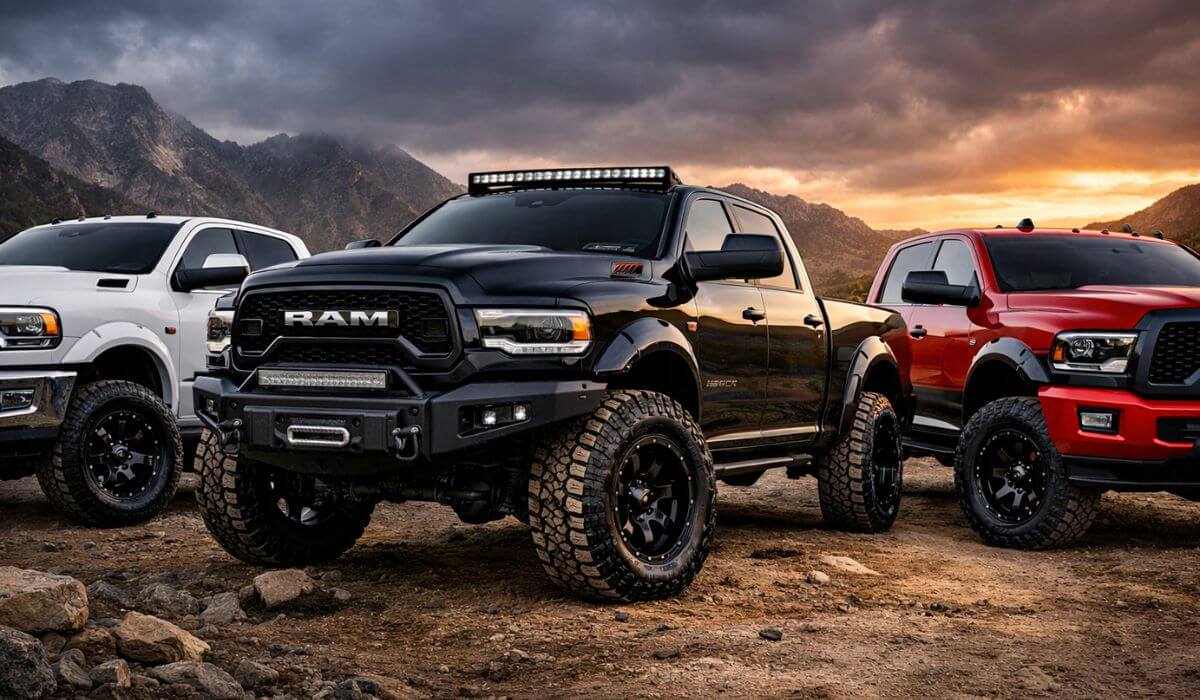
6 Best Fender Flares for Ram 2500 in 2026: Perfect Fit, Aggressive Style, No Drill Install
If you own a Ram 2500, you already know it’s not built to sit stock forever. The moment you throw on bigger tires or a mild lift, the stance looks right—but the gaps don’t. Tires start poking out, mud lines creep up the doors, and suddenly that clean, heavy-duty look turns messy fast.
That’s where most people go wrong. They either grab cheap flares that don’t sit flush, or overpay for something that looks aggressive online but doesn’t line up properly in real life. Fitment, coverage, and install matter way more than branding—and especially on the 2019–2026 Ram 2500, not every flare gets those details right.
I’ve gone through the current options that actually make sense right now—no outdated picks, no hype. These are the flares that sit right, cover wide tires properly, and don’t turn installation into a weekend headache. Whether you want a clean OEM-style upgrade or a bold riveted look, the goal is simple: tight fit, proper coverage, and a finish that doesn’t look cheap after a few months.
Best Dodge Ram 2500 Fender Flares: Top 2026 Picks with Durable ABS & Clean Fitment
#1. Husky Liners DRT Style Fender Flares (2805938)
Best heavy-duty Ram 2500 fender flares for factory-tight fit and rugged protection
#2. Rough Country Sport Fender Flares
Best budget-friendly Ram 2500 fender flares with extra tire coverage and clean sport styling
#3. Bushwacker Pocket / Rivet Style Fender Flares (50930-02)
Best premium pocket-style fender flares for Ram 2500 with aggressive bolt-on look
#4. Tyger Auto Bolt-Riveted Fender Flares (TG-FF8D4418)
Best value smooth-style Ram 2500 fender flares with paintable finish
#5. YHTAUTO Pocket Bolt-Riveted Fender Flares
Best affordable rivet-style fender flares for Ram 2500 with full hardware kit
#6. G-PLUS Pocket Rivet Smooth Fender Flares
Best entry-level Ram 2500 fender flares for basic coverage and daily use
Expert Tip (From Real-World Fitment Experience)
If you want your Ram 2500 to look right and stay clean, don’t chase the most aggressive design first—start with fitment and coverage. A flare that sits tight against the body and actually covers your tire poke will always look better long-term than something flashy with gaps or uneven edges.
Most owners realize this late—after the first muddy drive or after seeing uneven spacing around the wheel arch. The difference between a truck that looks “built” and one that looks “modified in a rush” comes down to how clean the flare sits along the body line.
And one more thing people don’t talk about enough: if you’re not ready to drill, stick with options that are truly no-drill friendly. Forcing a poor fit just to install a certain style never ends well.
How We Chose These Ram 2500 Fender Flares
This list isn’t thrown together from specs sheets or brand names. It’s built around what actually works on a 2019–2026 Ram 2500 when you care about fit, finish, and long-term use—not just first impressions.
First thing we looked at was real fitment consistency. The Ram 2500 has very specific body lines, especially around the rear arches. Some flares look perfect in photos but leave visible gaps once mounted. Every option here is known to sit properly along those curves without forcing alignment or needing modifications.
Next was tire coverage that actually solves the problem. A lot of flares claim coverage, but once you run wider tires or a slight offset, they fall short. Products like Rough Country and Bushwacker stand out because they give usable extension—not just cosmetic width. That matters if you’re trying to keep mud off your doors or stay within legal coverage.
We also paid attention to material quality over time. Cheap ABS fades, warps, or turns chalky within months. The flares listed here—especially Husky and Bushwacker—hold their texture and shape through heat, dust, and regular use. That’s the difference between something that looks good on install day and something that still looks right after a year.
Another key factor was installation reality. Not everyone wants to drill into their truck, and honestly, you shouldn’t have to unless you’re going for a very specific build. These picks lean toward clean installs with factory mounting points or minimal hassle, because that’s what most Ram 2500 owners actually prefer.
We also separated style with purpose. Pocket-style riveted flares like Bushwacker or YHTAUTO aren’t just for looks—they suit lifted trucks and aggressive setups. Smooth styles like Tyger Auto make more sense for daily-driven builds that need a cleaner finish. Every product here fits a specific type of owner, not just a random spot on a list.
Finally, we filtered out anything that creates confusion for this truck—especially dually incompatibility issues. If a flare doesn’t make sense for a standard Ram 2500 setup, it doesn’t belong here. Simple as that.
At the end of the day, this selection is built around one idea:
these are the flares that actually fit right, cover what they should, and don’t give you problems after installation.
That’s what matters when you’re spending money on a truck like this—and that’s exactly what this list delivers.
#1. Husky Liners DRT Style Fender Flares (2805938)
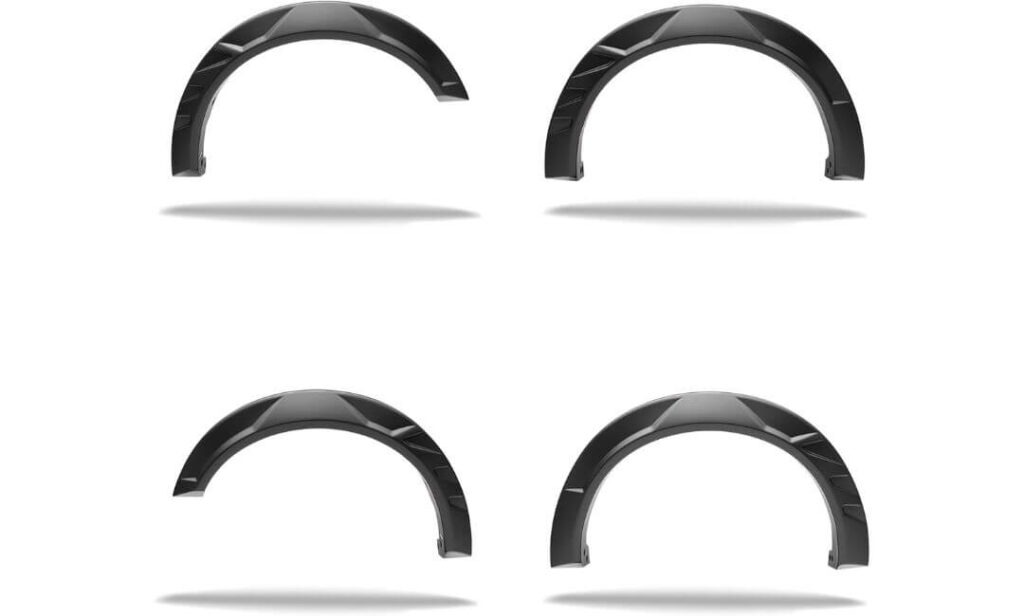
Quick Specs:
- Fitment: 2019–2026 Dodge Ram 2500 (exact body-line matched, no guesswork)
- Coverage: Up to ~3” tire coverage (works with wider setups, not just stock)
- Material: Dura-Flex 2000 ABS (tested for long-term UV + impact resistance)
- Finish: Matte black with vented DRT styling (no cheap plastic shine)
- Install: True no-drill, uses factory mounting points
- Build Origin: Made in USA with lifetime backing
You don’t realize how off your truck looks until you bolt these on—and suddenly everything lines up the way it should have from the factory. The stance tightens, the wheel arches look complete, and those wider tires finally sit under something that actually covers them. No awkward gaps, no uneven edges—just a clean, aggressive finish that feels intentional, not forced.
The vented DRT design isn’t just for show either. It adds that rugged, functional vibe without going overboard like some bulky rivet-style flares. And when you’re running wider tires, that extra ~3-inch coverage actually does its job—less mud on the doors, less debris hitting the body. It’s the kind of upgrade you notice more after a few drives than on day one.
Material-wise, this is where most cheaper options fall apart. This uses Dura-Flex 2000 ABS, which doesn’t fade into that grey, chalky look after a few months in the sun. It holds its texture, keeps its shape, and doesn’t feel flimsy when you handle it. (once you see how clean they sit on the truck, going back to stock just doesn’t feel right)
What Stands Out in Daily Use
- Consistent fit along factory lines — no weird spacing or forced alignment
- Real tire coverage that actually protects, not just looks wide
- Matte finish stays clean-looking (no cheap plastic shine over time)
- No-drill install that doesn’t mess with your truck permanently
- Strong, flexible material that doesn’t crack under pressure
Where It Falls Short (Slightly)
- Not ideal if you specifically want a bolt-on rivet/pocket style look
Ram 2500 Fitment Reality
On the 2019–2026 Ram 2500, fitment is where most flares fail—and this is exactly where this one gets it right. The curves match properly, especially around the rear arch where cheaper flares usually leave uneven gaps. Once installed, it looks like it belongs there, not like an add-on.
It also works well whether you’re running stock wheels or slightly aggressive offsets. That extra coverage gives you breathing room without making the truck look oversized or bulky.
Installation Notes (What to Expect)
This is one of those installs that actually respects your time. No cutting, no drilling—everything lines up with factory points. Just remove the lower trim pieces, position the flare, and bolt it in.
Take your time with alignment before tightening everything down—that’s where the final look comes from. Realistically, you’re looking at a 2–3 hour job, and having a second set of hands makes it smoother. Once it’s on, it feels solid—no rattling, no shifting, no second-guessing the install.
#2. Rough Country Sport Fender Flares (2019–2026)
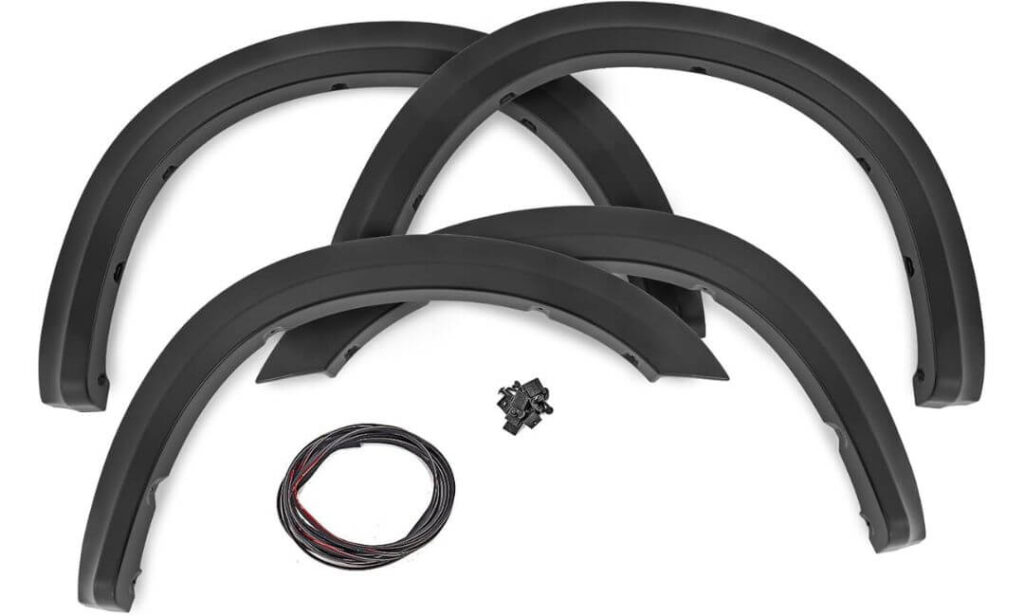
Quick Specs:
- Fitment: 2019–2026 Dodge Ram 2500 (non-dually only, proper body-line alignment)
- Coverage: +2” extra width with 4.5” flare height (noticeable stance upgrade)
- Material: Tri-Blend ABS (impact-resistant, not brittle like cheap plastic)
- Finish: Matte black, paint-ready if you want color match
- Install: No-drill, factory mounting points
- Durability: UV-protected (resists fading, chalking, cracking over time)
This is what most Ram 2500 owners actually expect when they say “I just want it to look right.” Not overbuilt, not flashy—just the kind of flare that fixes the stance, adds usable coverage, and doesn’t fight you during install.
The moment these go on, the truck looks wider in a way that feels natural. That 2-inch extension with 4.5-inch height isn’t just numbers—it visually balances bigger tires without making the body look bulky. It’s the kind of upgrade where people won’t ask what you added… they’ll just say your truck looks better.
Where this really makes sense is daily use. Gravel, mud, highway debris—this setup actually blocks what it’s supposed to. And because it’s built from Tri-Blend ABS, it doesn’t feel fragile when you handle it or when the truck takes a hit from road debris. (it’s one of those setups that quietly does its job every single day without needing attention)
What Makes It a Smart Pick
- Balanced coverage — enough to handle wider tires without overdoing the look
- Clean sport-style design — works for both stock and mildly lifted builds
- Paint-ready finish — easy to match with your truck color if needed
- UV-resistant material — holds its look through heat and weather
- Straightforward install — no drilling, no unnecessary complications
Where It Holds Back (Slightly)
- Doesn’t give that bold rivet/pocket-style aggression if that’s your goal
Ram 2500 Fitment Insight
On the 2019–2026 Ram 2500, this setup lands right in the sweet spot. It doesn’t try to overcompensate with excessive width—it just gives you the coverage you actually need when running slightly wider tires or offsets.
The fit sits clean along the fender lines, especially around the front arches where misalignment is common with cheaper kits. Once installed, it looks consistent from every angle—not something that only looks good in photos.
Installation Notes (Keep It Clean)
This is a true no-drill install, but the final look depends on patience. Start loose, align properly, then tighten—don’t rush it. The biggest mistake people make is locking everything down too early.
Expect around 2–3 hours total, and having a second person makes alignment much easier. If you’re planning to paint them, prep properly—ABS needs the right primer to hold finish long-term. Once installed right, they stay put—no rattles, no adjustments needed later.
#3. Bushwacker Pocket / Rivet Style Fender Flares (50930-02)
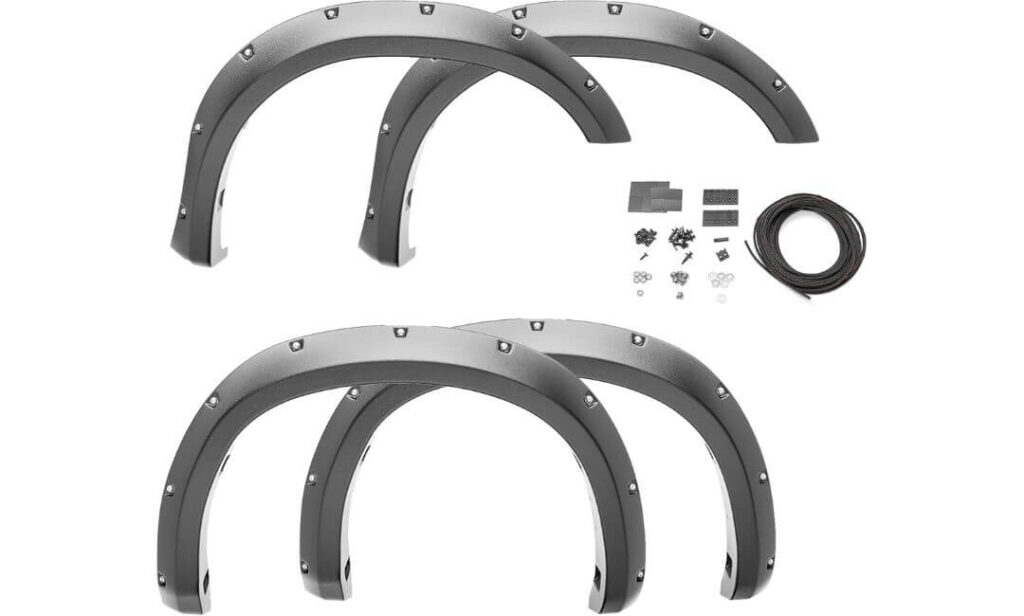
Quick Specs:
- Fitment: 2019–2026 Dodge Ram 2500 (non-dually, all cab styles)
- Coverage: Wide pocket-style design for oversized tire setups
- Material: Dura-Flex 2000 ABS (impact-absorbing, UV-protected)
- Style: Iconic recessed stainless bolt look (true off-road presence)
- Finish: Black, paintable if needed
- Install: Bolt-on using factory (no drilling in most cases)
- Origin: Made in USA
If your Ram 2500 build is even slightly aggressive—bigger tires, offset wheels, lifted stance—this is the point where subtle flares stop making sense. You need something that visually matches the truck’s attitude, and this is exactly where this setup lands.
The moment these go on, the truck doesn’t just look wider—it looks purpose-built. The pocket-style design with those recessed bolts gives it that proper off-road identity, not the “added later” vibe. And unlike cheaper rivet-style copies, this one actually sits with presence without looking oversized or awkward.
Coverage is where it backs up the look. This isn’t just cosmetic width—it’s built to handle oversized tire setups, keeping mud, gravel, and road spray off the body. Combined with Dura-Flex 2000, it takes hits without cracking or losing shape, and it doesn’t fade into that dull grey over time. (this is the kind of setup that makes your truck look finished, not halfway built)
What Stands Out When You Run It
- True pocket-style aggression — not fake rivets, real visual depth
- Maximum usable coverage for lifted or wide-offset setups
- Strong flexible build — absorbs impact instead of cracking
- UV protection that actually holds color over time
- Paintable option if you want a custom-matched finish
Where It Needs Patience
- Rear fitment can take extra alignment time to sit perfectly flush
Ram 2500 Fitment Reality
On the 2019–2026 Ram 2500, this is one of those setups that either looks incredible—or rushed—depending on how carefully it’s installed. The front usually lines up clean, but the rear needs attention to detail to get that factory-level finish.
Once aligned properly, though, it transforms the truck. It fills out the wheel arches in a way that matches bigger tires and aggressive builds—something smoother flares just can’t replicate.
Installation Notes (Do It Right Once)
This isn’t difficult, but it’s not something you rush. Start by removing all factory trim and mud flaps completely—don’t try to work around them.
Test fit everything before tightening, especially the rear pieces. Some users notice slight misalignment initially, but careful positioning fixes it. Plan for 2–3 hours, and ideally have a second person hold the flare while you secure it.
Take your time with the rubber edge trim—that’s what gives it that clean, finished seal. Once done right, it sits solid with no movement, no gaps, and no second thoughts.
#4. Tyger Auto Smooth Textured Fender Flares (TG-FF8D4418)
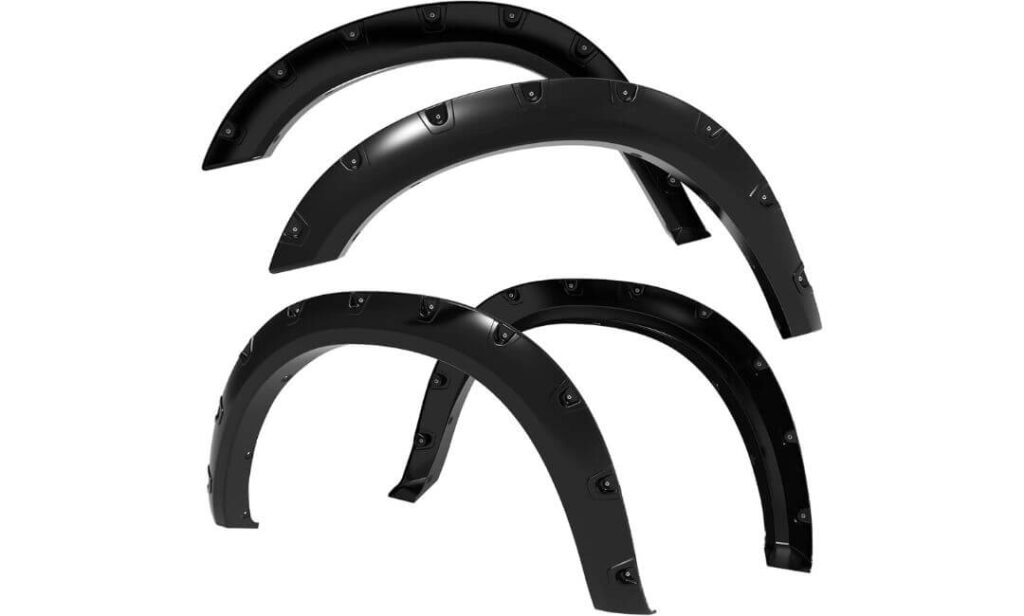
Quick Specs:
- Fitment: 2019–2026 Dodge Ram 2500 (non-dually, requires mud flap removal)
- Coverage: ~2” front / ~2.6” rear (balanced extension for daily + wider setups)
- Height: 6.42” front / 5.95” rear (fills arch properly, not oversized)
- Material: Injection-molded polypropylene (flexible, impact-resistant)
- Finish: Smooth textured black, paintable
- Install: No-drill, bolt-on with included hardware
This is the one you go for when you don’t want your Ram 2500 screaming for attention—but you still want it to look finished, clean, and properly set up. Not every build needs bulky rivets or oversized flares, and this hits that middle ground better than most.
Once installed, the truck just looks… right. The arches feel complete, the tire coverage is there, and the overall profile stays clean without adding unnecessary bulk. That 2–2.6 inch coverage is enough to handle slightly aggressive wheels without making the body look stretched or overdone.
What really works here is the material and finish combo. The injection-molded polypropylene has just enough flex to avoid cracking under pressure, and the smooth textured surface doesn’t fade into that cheap plastic look. Plus, if you care about matching your truck color, this is one of the easier options to paint cleanly. (it’s the kind of upgrade that quietly improves your truck every time you look at it, without trying too hard)
What Makes It Worth Picking
- Clean smooth style — perfect for daily-driven Ram 2500 builds
- Balanced coverage — enough for wider tires without overdoing it
- Flexible material — handles minor impacts without cracking
- Paint-friendly finish — easy to color match properly
- No-drill install — straightforward setup using factory نقاط
Where It Needs Attention
- Fitment can need extra pressure/alignment during install to sit perfectly flush
Ram 2500 Fitment Insight
On the 2019–2026 Ram 2500, this sits in that ideal zone for owners who don’t want an aggressive off-road look but still need proper coverage. It follows the body lines well, especially once aligned correctly during install.
It’s also one of the better options for mixed use—daily driving, highway, light off-road—without making the truck feel overbuilt or heavy visually.
Installation Notes (Do It Clean, Not Fast)
Before anything, remove mud flaps and lower trim—don’t try shortcuts here. Test fit each flare first, then start tightening gradually.
Because of the material, applying slight inward pressure while tightening helps it sit flush along the curves. If needed, a little heat (sun or heat gun) can help shape it perfectly.
Plan around 2 hours, take your time with alignment, and double-check bolts after a few days of driving. Once properly seated, it holds strong and looks factory-level clean.
#5. YHTAUTO Pocket Bolt-Riveted Fender Flares (2019–2024)
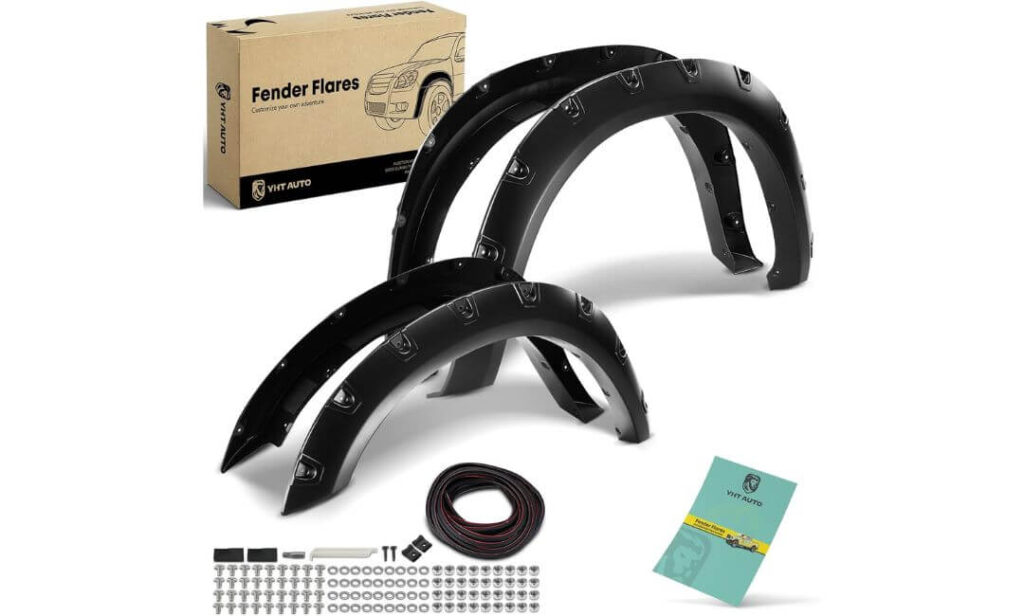
Quick Specs:
- Fitment: 2019–2024 Dodge Ram 2500 (non-dually, contoured to body lines)
- Coverage: ~2” front / ~2.6” rear (usable width for bigger tires)
- Height: 6.42” front / 5.95” rear (fills arches properly)
- Material: Lightweight polypropylene (flexible + UV-resistant)
- Style: Pocket bolt-riveted (aggressive look, bolts are visual)
- Finish: Shiny black, paintable
- Install: Bolt-on with hardware kit (no drilling in most setups)
If you want that bold, riveted look on your Ram 2500 without spending premium money, this is where things start making real sense. Not everyone wants to drop top-dollar just for style—and honestly, this delivers more than expected for what it costs.
The first thing you notice is the presence. That pocket bolt-riveted design instantly changes how the truck looks—wider, tougher, more planted. It’s not subtle, and that’s exactly the point. But what makes it work is that it still follows the factory body lines instead of looking oversized or out of place.
Coverage is also surprisingly usable here. With 2–2.6 inches of extension, it actually helps with tire poke and road spray, especially if you’re running slightly aggressive wheels. And the polypropylene build keeps things lightweight but flexible enough to handle daily use without cracking or fading out. (for the price, it delivers a look and presence most people expect from much more expensive kits)
What Makes It a Strong Value Pick
- Aggressive rivet-style look without premium pricing
- Good real-world coverage for wider tires and offsets
- Lightweight but flexible build — doesn’t feel brittle
- UV resistance holds finish better than cheap plastics
- Complete hardware kit included for straightforward install
Where It Needs a Bit of Effort
- Rear flares may need minor trimming or adjustment for perfect flush fit
Ram 2500 Fitment Insight
On the 2019–2024 Ram 2500, this sits right in that value-performance zone. It follows the body lines well, especially on the front, and once aligned properly, the overall look comes together clean and aggressive.
It’s ideal for owners who want that bold, wide-stance appearance without overcomplicating the setup—or overspending to get there.
Installation Notes (Take Your Time Here)
Start by removing mud flaps completely—this is non-negotiable for proper fitment. Test fit each piece before tightening, especially the rear flares where slight adjustment might be needed.
Keep bolts slightly loose until everything is aligned, then tighten gradually. Plan around 2–3 hours, and if possible, have someone help hold the flares in place.
Once installed and aligned right, they sit solid and give your truck that full, aggressive finish without constant adjustments later.
#6. G-PLUS Pocket Rivet Smooth Fender Flares (2019–2024)
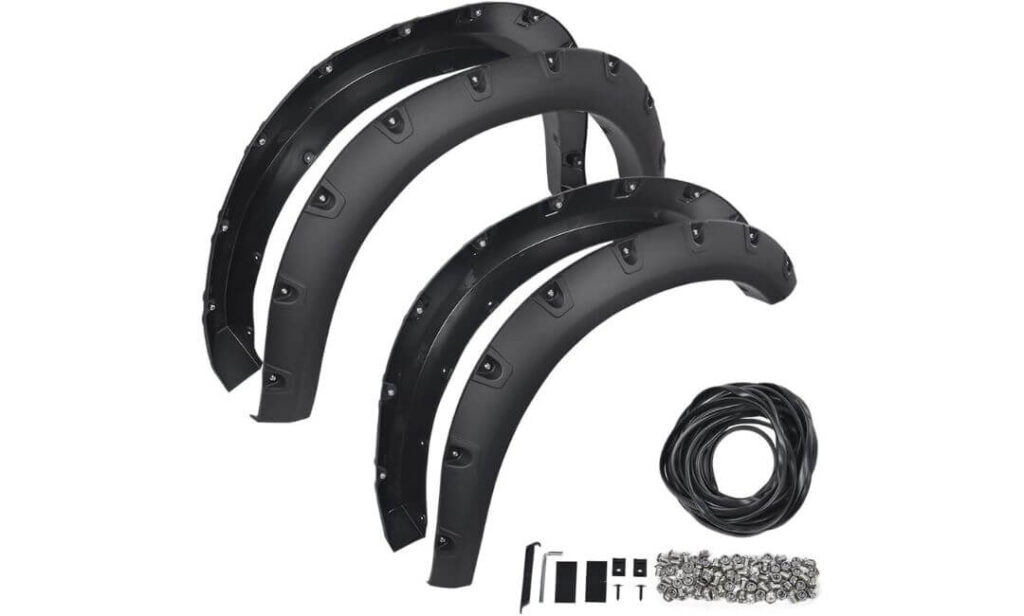
Quick Specs:
- Fitment: 2019–2024 Dodge Ram 2500 (non-dually, factory-spec alignment)
- Coverage: 2”+ front & rear (usable width for bigger tires)
- Material: Injection-molded polypropylene (flexible, impact-resistant)
- Style: Pocket rivet + smooth blend (aggressive but not bulky)
- Finish: Matte black (paintable if needed)
- Install: Bolt-on, factory mounting points (no drilling in most cases)
Sometimes you just want your Ram 2500 to look right without overthinking brands or spending big—and this is exactly where this setup fits in. No hype, no overpromise—just a clean, aggressive upgrade that does what most owners actually need.
Once installed, the truck instantly looks wider and more planted. The 2-inch+ coverage isn’t just for show—it actually helps with tire poke and road spray, especially if you’re running slightly bigger wheels. And the mix of smooth finish with rivet detailing gives it that off-road touch without going full heavy-duty pocket style.
The material holds up better than you’d expect at this level. The injection-molded polypropylene has enough flexibility to avoid cracking and enough strength to keep its shape over time. It doesn’t feel like a throwaway upgrade—it feels like something you can run daily without worrying about fading or warping. (it’s the kind of setup you install once and just enjoy without thinking about it again)
What Makes It a Practical Pick
- Balanced aggressive look — rivet style without excessive bulk
- Real coverage for wider tires — not just cosmetic width
- Flexible, durable material — handles daily use without cracking
- Matte finish looks clean — no cheap glossy plastic effect
- Simple bolt-on install — no major modifications needed
Where It Falls a Bit Short
- Doesn’t have the same premium finish depth as higher-end brands
Ram 2500 Fitment Insight
On the 2019–2024 Ram 2500, this fits right into that everyday upgrade zone. It follows the body lines well enough to look intentional, especially once aligned properly during install.
It’s a solid choice for owners who want a wider, tougher stance without going all-in on aggressive builds or premium-priced options.
Installation Notes (Keep It Straightforward)
Start by removing all factory trim and mud flaps—don’t skip this step. Test fit each flare before tightening, and keep bolts loose until everything lines up evenly.
Alignment is key here. Take a few extra minutes to make sure gaps are consistent before locking everything down. Expect around 2–3 hours total, and having a second person helps a lot with positioning.
If you want to paint them, the surface is ready for it—just prep it properly with the right primer. Once installed cleanly, they stay secure and do exactly what you expect.
Best Dodge Ram 2500 Fender Flares Comparison: Real Fitment, Materials & Value Picks
| Fender Flare | Fitment | Coverage | Style | Material | Install | Best For |
|---|---|---|---|---|---|---|
|
Husky Liners DRT
Top Overall
|
2019–2026 Ram 2500 | ~3” Wide | Vented Rugged | Dura-Flex ABS | No Drill | Clean fit + max protection without bulk |
|
Rough Country Sport
Best Value
|
2019–2026 Ram 2500 | 2” / 4.5” Height | Sport Clean | Tri-Blend ABS | No Drill | Daily use + balanced aggressive stance |
|
Bushwacker Pocket
Aggressive Pick
|
2019–2026 Ram 2500 | Max Coverage | Rivet / Pocket | Dura-Flex ABS | Bolt-On | Lifted trucks + bold off-road builds |
|
Tyger Auto Smooth
Smart Choice
|
2019–2026 Ram 2500 | 2”–2.6” | Smooth Clean | Polypropylene | No Drill | OEM-style clean daily look |
|
YHTAUTO Rivet
Budget Style
|
2019–2024 Ram 2500 | 2”–2.6” | Rivet Aggressive | Polypropylene | No Drill | Low-cost aggressive appearance |
|
G-PLUS Rivet Smooth
Entry Pick
|
2019–2024 Ram 2500 | 2”+ | Smooth + Rivet | Polypropylene | Bolt-On | Simple upgrade for wider stance |
Ram 2500 Fender Flares Buying Guide (Before You Spend Your Money)
If you’ve made it this far, you’re already ahead of most buyers. The mistake people make isn’t choosing the wrong brand—it’s skipping the basics that actually decide whether the flares will look right on their Ram 2500 or end up being a regret after install.
This is the part where you slow down for a minute and get it right.
Fitment Comes First (Not Style)
Every flare in this list is designed around the 2019–2026 Ram 2500 body, but that doesn’t mean every option fits your exact setup the same way.
You need to check:
- Model year range (some stop at 2024, some go to 2026)
- Dually vs non-dually (most here are non-dually only)
- Existing mods like lift kits, offsets, or oversized tires
A flare can look perfect online and still sit wrong on your truck if the alignment isn’t dialed in. Real-world fitment is about how it follows the rear arch curve and front edge transitions—that’s where cheap or rushed designs fail.
Material Isn’t Just a Spec — It Changes Everything
You’ll see terms like ABS, polypropylene, thermoplastic—but what matters is how they behave after months on the truck.
- Dura-Flex ABS (Husky, Bushwacker) → stronger, holds shape better, resists fading
- Tri-Blend ABS (Rough Country) → balanced durability with some flexibility
- Polypropylene (Tyger, YHTAUTO, G-PLUS) → lighter, more flexible, but needs proper install to sit flush
Steel or aluminum isn’t used here for a reason—they’re heavy, harder to install, and don’t flex with the truck’s body. For a Ram 2500, flex + durability combo is what keeps flares from cracking or warping over time.
Finish & Style — Don’t Pick Blind
This is where most buyers rush—and regret it later.
- Matte / textured black → hides scratches, looks rugged long-term
- Smooth finish (paintable) → best for clean, factory-style builds
- Pocket / rivet style → aggressive, works best with lifted or wide setups
- Vented / sport style → balanced look, not too loud, not too plain
The key is matching the flare to your truck’s build. A smooth flare on a lifted truck can look underdone. A bulky rivet flare on a stock truck can look forced.
You’re not just adding coverage—you’re shaping the truck’s entire stance.
Installation Reality (No-Drill Doesn’t Mean Effortless)
Almost every option here is no-drill, but that doesn’t mean you just bolt it on and walk away.
What actually matters:
- Factory mounting alignment (some need patience, especially rear)
- Removing mud flaps and trim before install
- Keeping bolts loose first, then tightening after alignment
- Sometimes applying slight pressure or heat for perfect fit (polypropylene flares)
If you rush install, even the best flare will look off.
If you take your time, even a budget option can look factory-level clean.
Tire Coverage & Real Clearance
This is where function meets reality.
You’ll see numbers like:
- 2” – 2.6” coverage → good for mild offsets, daily use
- ~3” coverage → better for wider tires and aggressive setups
But here’s the real point—coverage should actually solve something:
- Tire poke
- Mud spray on doors
- Legal tire exposure issues in some regions
Too little coverage = pointless
Too much = bulky look without benefit
Pick based on your wheel setup, not just numbers.
Compatibility & Small Details People Ignore
These small things decide whether install goes smooth or turns frustrating:
- Some flares don’t work with aftermarket mud flaps
- Badges (like HEMI) may need relocation
- Rear flare alignment can vary slightly between trucks
- Hardware quality matters—cheap bolts = future rattling
None of these are deal-breakers—but knowing them early saves time and effort.
What Actually Matters at the End
Forget the noise, the marketing, the brand hype.
For a Ram 2500, the right fender flare comes down to three things:
- How clean it fits along the body
- How well it covers your actual tire setup
- How it holds up after months, not just day one
Get those right, and the truck looks complete.
Miss even one, and it always feels slightly off.
That’s the difference between a random upgrade—and one that actually makes your Ram 2500 feel finished.
No-Drill Install for Ram 2500 Fender Flares (Clean Fit Without Guesswork)
Most of the options in this lineup promise no-drill installation—and they do deliver—but here’s the truth: no-drill doesn’t mean effortless. It means you’re working with factory mounting points, and the final result depends on how carefully you align everything.
If you want that tight, factory-level finish on your Ram 2500, this is the part that actually decides it.
How a Proper No-Drill Install Should Go (Real Workflow)
Start by clearing the area completely. That means removing factory mud flaps, lower trim pieces, and any clips that sit in the mounting zone. Trying to install over existing trim is the fastest way to ruin alignment.
Once the surface is clean, hold the flare against the fender and test fit before touching any hardware. You’re checking how naturally it follows the body line—especially around the rear arch where most misalignment happens.
Now begin mounting:
- Hand-tighten all bolts first (don’t lock anything yet)
- Work from one end to the other, not randomly
- Keep stepping back and checking alignment visually
Only when everything sits flush and even should you start tightening. This step alone is what separates a clean install from something that looks slightly “off” forever.
Where Most Installs Go Wrong (And How to Avoid It)
The biggest mistake is rushing. People tighten one side fully, then realize the other side doesn’t line up. At that point, you’re forcing the flare into position—and that’s where gaps, tension, or long-term issues start.
Another common issue is ignoring material behavior.
- Polypropylene flares (Tyger, YHTAUTO, G-PLUS) sometimes need slight inward pressure or mild heat to sit perfectly
- ABS flares (Husky, Bushwacker, Rough Country) are more rigid but still need careful alignment before tightening
Also, don’t skip checking rear fitment twice. Front flares usually go on easily, but the rear is where precision matters most.
What a Clean Install Should Look Like (Visual Expectation)
When done right, the flare should:
- Sit flush along the entire fender edge
- Have even spacing with no visible gaps
- Follow the truck’s body lines naturally (no forced curves)
- Feel solid when you press lightly—no flexing or movement
If you see uneven gaps or edges lifting slightly, that’s not “normal”—it means alignment needs adjustment before final tightening.
Small Details That Make a Big Difference
- Use the included rubber edge trim properly—this protects paint and gives a finished seal
- Keep bolts slightly loose until all four flares are mounted
- If needed, add automotive-grade tape (optional) for extra hold on certain edges
- After installation, drive a bit and recheck bolt tightness after 50–100 km
These small steps are what keep the flares looking tight months later—not just on install day.
Safety & Long-Term Fitment Notes
Avoid over-tightening bolts. It might feel like you’re making it more secure, but in reality, you’re stressing the material and risking cracks or warping over time.
Always let the flare sit naturally against the body—don’t force alignment by tightening harder. The mounting points are designed to hold it in place, not bend it into position.
Final Thought (What Actually Makes It Look Right)
A no-drill install only works as well as the alignment behind it. The hardware is simple—the precision is what matters.
Take your time, align everything properly, and the result looks like it came from the factory. Rush it, and even the best fender flares won’t look right on your Ram 2500.
Aggressive Style for Ram 2500 Fender Flares (How Each One Transforms Your Truck)
This is the part most people think they understand—until they install the flares and the truck doesn’t look the way they imagined. Style isn’t just about picking “aggressive” or “clean.” It’s about how the flare changes the entire stance of your Ram 2500 from every angle—front, side, and even rear quarter view.
Done right, the truck looks planted, wider, and complete. Done wrong, it looks mismatched—like parts from different builds forced together.
How Each Style Actually Changes the Stance
Every flare in this lineup shifts the truck’s presence in a different way. It’s not subtle.
- Husky Liners DRT (Vented Style)
This gives a functional aggressive look. Not oversized, not flashy—but the vented design adds depth. It makes the truck look tougher without shouting for attention. Perfect if you want something that feels factory-plus, not aftermarket-heavy. - Rough Country Sport (Clean Wide Look)
This widens the stance in a balanced, proportional way. The extra height and coverage make the truck look more planted without changing its personality. It’s what most people expect their truck to look like after upgrading tires. - Bushwacker Pocket Style (Full Aggression)
This is where the truck transforms completely. The riveted pocket design adds visual weight and width, making the Ram 2500 look like it belongs off-road even when parked. Best for lifted builds—on a stock truck, it can feel overpowering. - Tyger Auto Smooth (OEM+ Clean Look)
This doesn’t try to dominate—it refines. The truck looks cleaner, tighter, more finished, especially from side angles. Ideal if you want improvement without changing the truck’s original design language. - YHTAUTO Rivet Style (Budget Aggressive)
This brings the rivet-style presence at a lower cost, giving that wide, bold look without going premium. From a distance, it delivers the same visual punch—up close, it’s more about value than perfection. - G-PLUS Smooth Rivet Blend (Mild Aggression)
This sits between styles. You get a hint of rivet toughness without going full bulky. It slightly widens the truck and adds edge, but still keeps things manageable for daily use.
Factory Look vs Aftermarket Presence (What Changes Visually)
A stock Ram 2500 has clean arches—but once you add bigger tires, it starts to look incomplete. The wheels stick out, the body looks narrower, and the balance is off.
Adding the right flares fixes that instantly:
- The wheel arches look filled and intentional
- The truck appears wider and lower (even without lowering it)
- The side profile becomes more cohesive from front to rear
But here’s the key—aftermarket doesn’t always mean better.
If the flare is too bulky for your setup, it can make the truck look heavier or uneven. If it’s too subtle, it won’t solve the stance problem at all.
You’re not just adding parts—you’re correcting proportions.
Real-World Visual Angles That Matter (What You’ll Actually Notice)
Most product photos are taken from perfect angles. Real life isn’t.
Here’s what actually matters once you install them:
- Front 3/4 angle (first impression view)
This shows how the flare blends into the front fender and bumper line. Misalignment here is immediately noticeable. - Side profile (daily driving view)
This is where stance matters most. The flare should follow the body line smoothly without dips or gaps. - Rear quarter angle (most ignored, most important)
This is where cheap or poorly aligned flares fail. If the rear doesn’t sit flush, the whole truck looks off—even if the front looks perfect. - Lighting conditions (sun vs shade)
Matte and textured finishes hide imperfections better in sunlight. Gloss or smooth finishes show everything—good or bad.
Choosing the Right Style for Your Build (What Actually Works)
This is where you match the flare to your truck—not the other way around.
- Running stock wheels or mild upgrade → go smooth or sport (Tyger, Rough Country)
- Running wider tires or offset wheels → go for proper coverage (Husky, Bushwacker)
- Building a lifted or off-road setup → pocket/rivet style makes sense (Bushwacker, YHTAUTO)
- Want a clean daily look with subtle upgrade → smooth textured is the safest choice
The biggest mistake is chasing aggression without the setup to support it. A flare should match your tire width and stance—not try to create it on its own.
Final Thought (What Makes a Truck Look “Right”)
Aggressive style isn’t about how loud the flare looks—it’s about how well it fits the truck’s proportions.
When everything lines up—coverage, shape, stance—the Ram 2500 looks like it came that way from the factory, just better.
That’s the goal. Not more aggressive. Not more expensive. Just right.
Installation Difficulty & Maintenance for Ram 2500 Fender Flares
By now you’ve seen the styles, the fitment, the stance—but this is where ownership actually begins. Installation and maintenance decide whether your flares look tight for years or start looking tired within months. Most people underestimate this part, and that’s exactly why good products end up looking average on some trucks.
Installation Difficulty (What You’re Really Getting Into)
Every option here is technically no-drill, but difficulty isn’t about tools—it’s about alignment, material behavior, and patience.
- Husky Liners DRT — Easy
This is as close as it gets to a stress-free install. The fitment lines up clean with factory points, and the material holds its shape while mounting. Minimal adjustment needed. - Rough Country Sport — Easy to Moderate
Straightforward overall, but getting that perfect flush look takes a bit more attention. Nothing complicated, just don’t rush alignment. - Bushwacker Pocket Style — Moderate
Front goes on clean, but rear needs patience. Expect extra time aligning holes and making sure everything sits flush. Worth it, but not a quick job. - Tyger Auto Smooth — Moderate
Because of the flexible polypropylene, you’ll need to apply pressure during install to get a tight fit. Once aligned, it looks clean—but it takes effort to get there. - YHTAUTO Rivet Style — Moderate
Front is easy, rear may need slight trimming or adjustment. Not difficult, but requires attention if you want a proper finish. - G-PLUS Smooth Rivet — Easy to Moderate
Simple install overall, but alignment is key. If rushed, small gaps can show—take your time and it comes out clean.
The pattern is simple:
Rigid materials = easier alignment
Flexible materials = more control needed during install
Keeping Them Looking New (What Actually Works Long-Term)
Once installed, most people forget about maintenance—and that’s when fading, dullness, or uneven wear starts showing.
What works in real use:
- Wash regularly, especially after mud or highway runs
- Don’t let dirt sit in edges or around rivets
- Avoid harsh chemicals that dry out the plastic
The goal isn’t constant upkeep—it’s preventing buildup that slowly ruins the finish.
Cleaning Based on Finish (This Actually Matters)
Not all flares age the same way, and cleaning them the wrong way makes it worse.
- Textured / Matte Finishes (Husky, Rough Country)
These hide scratches well but trap dirt more easily. Use a soft brush or cloth to clean into the texture. Avoid oily dressings—they attract dust. - Smooth / Paintable Finishes (Tyger, G-PLUS)
Easier to clean, but show scratches and swirl marks more. Use microfiber and mild soap. If painted, treat them like body panels. - Rivet / Pocket Styles (Bushwacker, YHTAUTO)
Pay attention around rivets—dirt collects there. A quick detail brush keeps them looking sharp instead of dusty.
Cleaning isn’t about making them shiny—it’s about keeping the original finish intact.
Long-Term Durability & What to Expect
Over time, the difference between materials becomes obvious:
- Dura-Flex ABS (Husky, Bushwacker)
Holds color and shape the longest. Best for harsh conditions and long-term use. - Tri-Blend ABS (Rough Country)
Balanced durability—holds up well for daily driving and mixed conditions. - Polypropylene (Tyger, YHTAUTO, G-PLUS)
More flexible, which helps with impacts—but needs proper install and occasional checks to maintain alignment.
None of these fail overnight—the difference shows after months of sun, dust, and regular use.
Warranty & Support (What It Means in Real Use)
Warranty isn’t just a number—it tells you how confident the brand is in long-term durability.
- Husky Liners → Limited lifetime (strong confidence in material and fit)
- Bushwacker → Long-standing reputation, solid backing
- Rough Country → 3-year coverage, reliable support
- Tyger Auto → Lifetime against defects (good for peace of mind)
- YHTAUTO / G-PLUS → Shorter coverage, more value-focused
In real terms, premium brands back consistency and longevity, while budget options focus more on upfront value.
What Actually Makes the Difference Over Time
Installation and maintenance aren’t separate—they work together.
If you install carefully and keep them clean, even a budget flare can look great long-term.
If you rush install or ignore upkeep, even premium flares won’t stay looking right.
On a Ram 2500, where stance and presence matter, these small details decide whether your truck still looks sharp months down the road—or slowly starts to feel off.
Aesthetics vs Protection on Ram 2500 Fender Flares (Getting the Balance Right)
This is where most builds go off track—not because the product is wrong, but because the intent is unclear. Are you trying to protect the truck, or are you trying to change how it looks? The best setups do both, but only when the choice is made with a clear direction.
On a Ram 2500, fender flares aren’t just add-ons—they redefine the truck’s stance, how wide it feels, and how clean it stays after real driving.
Protection First vs Style First (Know Your Priority)
If your truck sees real use—gravel roads, mud, highway debris—then coverage matters more than design.
Flares like Husky or Bushwacker are built for this:
- Wider coverage that actually blocks debris
- Stronger materials that take hits without cracking
- Designs that prioritize function first, then style
You’ll notice the difference after a few drives—less dirt on doors, fewer paint chips, and a truck that stays cleaner longer.
But if your truck is mostly street-driven, daily use, or clean builds, then going too aggressive can work against you.
That’s where smoother options like Tyger or Rough Country make more sense:
- Enough coverage for light use
- Cleaner lines that match factory styling
- No unnecessary bulk that makes the truck feel overbuilt
The mistake is choosing aggressive flares without needing the protection—or choosing subtle ones when your setup actually demands more coverage.
Matching Finish & Color (What Actually Looks Right)
This part gets overlooked, but it’s what separates a clean build from something that feels pieced together.
- Matte / textured black
Works best for rugged builds. It blends with trims, hides dust, and doesn’t draw too much attention. Ideal for trucks that see real use. - Smooth paintable finish
Best for color-matched setups. When done right, it looks factory-level clean—like the truck came that way. - Gloss / shiny finishes
Stand out more, but also show imperfections more easily. Needs more upkeep to stay sharp.
The key is consistency.
If your truck has black accents—grille, mirrors, bumpers—stick with matte or textured.
If you’re going for a refined look, paint matching ties everything together.
Random mixing is what breaks the visual flow.
Tire Size & Wheel Setup (Where Everything Connects)
Fender flares only make sense when they match your wheel and tire setup. This is where stance is either fixed—or made worse.
- Stock wheels / mild upgrade
Go with subtle coverage (Tyger, Rough Country). Anything too wide will look unnecessary. - Wider tires / slight offset
Mid-level coverage (Husky, Tyger) keeps things clean and functional without overdoing it. - Aggressive offset / lifted builds
You need real width (Bushwacker, YHTAUTO). Otherwise, tires will stick out and throw debris everywhere.
Numbers matter here:
- Around 2” coverage → mild setups
- Around 3” coverage or more → aggressive builds
But it’s not just about inches—it’s about how the flare visually matches the tire position. If the tire still sticks out, it looks incomplete. If the flare sticks out too far, it looks forced.
Street Look vs Off-Road Presence (What You See Every Day)
A clean street build and an off-road build shouldn’t use the same flare style.
- Street-focused trucks look better with smooth or sport designs
- Off-road builds need pocket/rivet styles with real depth and width
Trying to mix both usually leads to a truck that doesn’t fully commit to either look.
You don’t need the most aggressive option—you need the one that matches how your truck is actually used.
What Brings It All Together
When aesthetics and protection are balanced properly:
- The truck looks wider without looking bulky
- The arches feel filled without gaps or overhang
- The body stays cleaner without sacrificing style
That’s when the upgrade feels complete—not like something added later, but something that belongs on the truck from the start.
And on a Ram 2500, that balance is what makes the difference between a build that just looks modified—and one that actually looks right.
FAQs About Dodge RAM 2500 Fender Flares
Will these fender flares actually fix tire poke on my Ram 2500, or just hide it visually?
Most flares don’t “fix” tire poke—they manage it properly. On a Ram 2500, if your wheels are aggressively offset, cheap flares will still leave the tire sticking out slightly, especially from the top angle.
The ones in this list (especially Husky and Bushwacker) give real coverage, not fake width. That means from a side and top view, your tires sit under the flare—not beyond it.
If your tires still poke after install, that’s not a flare problem—that’s a wheel setup mismatch.
On a Ram 2500 daily build, will aggressive pocket-style flares look overkill?
Yes—if the rest of your truck isn’t built to match.
Pocket-style flares (like Bushwacker or YHTAUTO) add visual weight, not just width. On a stock-height Ram 2500 with factory wheels, they can look too heavy and forced.
But the same flare on a lifted setup with wider tires? It suddenly looks perfect.
It’s not about the flare being too aggressive—it’s about whether your truck can carry that level of aggression.
Why do some rear fender flares on Ram 2500 never sit perfectly flush, even with good brands?
Because the rear arch on the Ram 2500 isn’t perfectly uniform across all trims and years.
Even with precise manufacturing, there are small factory variations—and that’s where alignment becomes everything. The front almost always fits clean, but the rear needs adjustment, patience, and sometimes minor tweaking.
People blame the product, but in reality, it’s a mix of:
- body variation
- install technique
- and how carefully alignment is done
When installed properly, even tricky rears can sit factory-clean.
Do fender flares actually protect paint long-term, or is that just marketing?
They do—but only if you pick the right coverage and install them correctly.
On a Ram 2500 with wider tires, most damage comes from top-down debris throw, not side impact. If your flare doesn’t extend far enough outward, it won’t stop that.
Proper flares:
- reduce mud spray on doors
- block small stones from hitting paint
- keep rocker panels cleaner over time
But they’re not armor. They reduce damage—they don’t eliminate it completely.
Is no-drill installation really safe long-term, or will flares loosen over time?
If installed correctly, no-drill setups are completely reliable. The issue isn’t the mounting method—it’s how people install them.
Problems only happen when:
- bolts are unevenly tightened
- alignment is forced instead of adjusted
- or hardware isn’t rechecked after initial driving
Factory mounting points are designed to hold trim securely. When you use them properly, the flare stays tight, doesn’t rattle, and doesn’t shift.
In fact, a clean no-drill install is often better than drilling, because you’re not stressing the body or forcing fitment.
Final Thoughts (What Actually Makes This Upgrade Worth It)
At this point, it’s not about which flare is “best”—it’s about which one fits your Ram 2500 the way it’s actually built and used.
That’s where most people get it wrong. They chase the most aggressive look, or the cheapest option, or whatever looks good in a product photo. But once it’s on the truck, reality hits—fitment feels slightly off, coverage doesn’t match the tires, or the style doesn’t flow with the build.
The difference between a truck that looks modified and one that looks dialed in comes down to small decisions:
- Choosing coverage that actually matches your tire setup
- Picking a style that complements—not fights—the truck’s stance
- Taking installation seriously instead of rushing it
Get those right, and everything clicks. The arches look filled, the body lines stay clean, and the truck carries a presence that feels intentional from every angle.
And here’s the part most people don’t say out loud—once you install the right set, you stop thinking about fender flares altogether. They just become part of the truck, doing their job quietly, making everything else look better.
That’s when you know you picked the right one.
Also Check: