
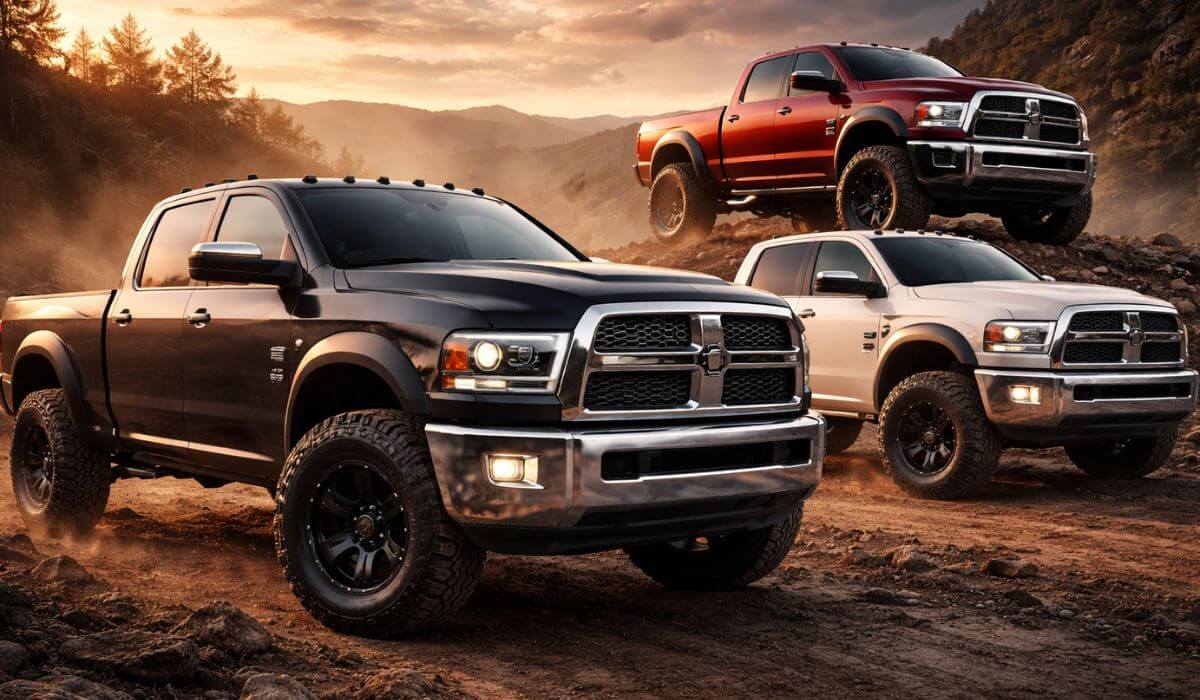
5 Best Fender Flares for Ram 3500 in 2026: Brutal Fit, Zero-Rub Clearance & Factory-Clean Finish
If you drive a Ram 3500 the way it’s meant to be driven—loaded, towing, or eating up rough roads—you already know one thing: factory wheel clearance isn’t built for real-world abuse. The first time gravel starts chipping your paint or your wider tires throw dirt down the sides, you stop thinking about “looks” and start thinking about protection that actually works.
I’ve seen too many Ram 3500 builds where guys either go too cheap and regret it, or overdo it with bulky flares that kill the truck’s clean stance. The sweet spot? Fender flares that fit like they came from the factory, cover what your tires actually throw, and don’t start fading or warping after one harsh season.
This list isn’t guesswork or recycled picks. These are the flares people are actually installing right now on 2019–2026 Ram 3500 builds (plus one older OE-style option that still holds up). Clean fit, real coverage, and no nonsense—exactly what a heavy-duty truck demands.
Best Dodge Ram 3500 Fender Flares: Top 2026 Picks for Zero-Rub Fit & Heavy-Duty Use
#1. Bushwacker OE Style Fender Flares – OEM Fit Fender Flares for Ram 3500 (Factory Look + Clean Tire Coverage)
#2. Rough Country Sport Fender Flares – Budget-Friendly Wide Coverage Flares for Ram 3500 (2″ Tire Coverage + Paintable Finish)
#3. Husky Liners DRT Style Fender Flares – Heavy-Duty DRT Style Flares for Ram 3500 (Rugged Build + Maximum Protection)
#4. Tyger Auto Bolt-Riveted Fender Flares – Aggressive Pocket Style Fender Flares for Ram 3500 (Bolt Look + Wide Stance Appeal)
#5. Monkey Autosports OE Design Fender Flares (2010–2018) – Classic OE Replacement Fender Flares for Ram 3500 (Older Models + Factory Style Upgrade)
Expert Tip
Before you pick any fender flare, walk to your Ram 3500 and look at it from the rear at tire level—not from standing height. That angle tells the truth. If your tires stick out even slightly, you don’t need “just style,” you need real coverage. Most guys buy flares based on photos, then realize too late their side panels are still getting blasted.
Also, don’t chase the widest flare blindly. On a Ram 3500, especially if you’re towing or daily driving, a clean, tight fit with correct coverage beats oversized plastic every single time. The trucks that look right are the ones where the flares don’t scream—they just belong there.
How We Chose These Fender Flares for Ram 3500
We didn’t pick these because they’re trending or heavily advertised. Every option here earns its place based on what actually matters once the truck leaves the driveway.
First thing we looked at was real fitment for Ram 3500, not generic “fits Ram trucks” claims. There’s a big difference between something that technically bolts on and something that lines up clean with factory body lines. That’s why options like Bushwacker and Husky made the cut—they sit right, not forced.
Then comes tire coverage that actually solves a problem. A lot of flares look wide in pictures but barely cover anything in real use. We focused on models that give usable extension—like Rough Country’s measured coverage and Tyger’s wider stance—because if your paint is still getting hit, the flare failed its job.
Material quality was non-negotiable. Cheap ABS starts fading, chalking, or warping faster than most people expect—especially on a heavy-duty truck that sees sun, load, and road abuse. Every product here uses UV-resistant material or proven durability, so it doesn’t look worn out in a few months.
We also balanced style vs purpose. Not every Ram 3500 owner wants aggressive bolt-on looks. Some want that factory-clean finish, others want a tougher stance. That’s why this list isn’t one-sided—you’ve got OEM-style, sport style, and pocket style, all chosen based on how they actually look installed, not just catalog photos.
And finally, we paid attention to something most lists ignore—long-term ownership feel. Does it stay tight after months of driving? Does it trap dirt or sit flush? Does it still look right after you’ve lived with it? These are the things you only understand after seeing these flares on real trucks, not product pages.
That’s the filter behind this list. Not hype, not filler—just options that make sense the moment you install them on a Ram 3500 and step back to look.
#1. Bushwacker OE Style Fender Flares
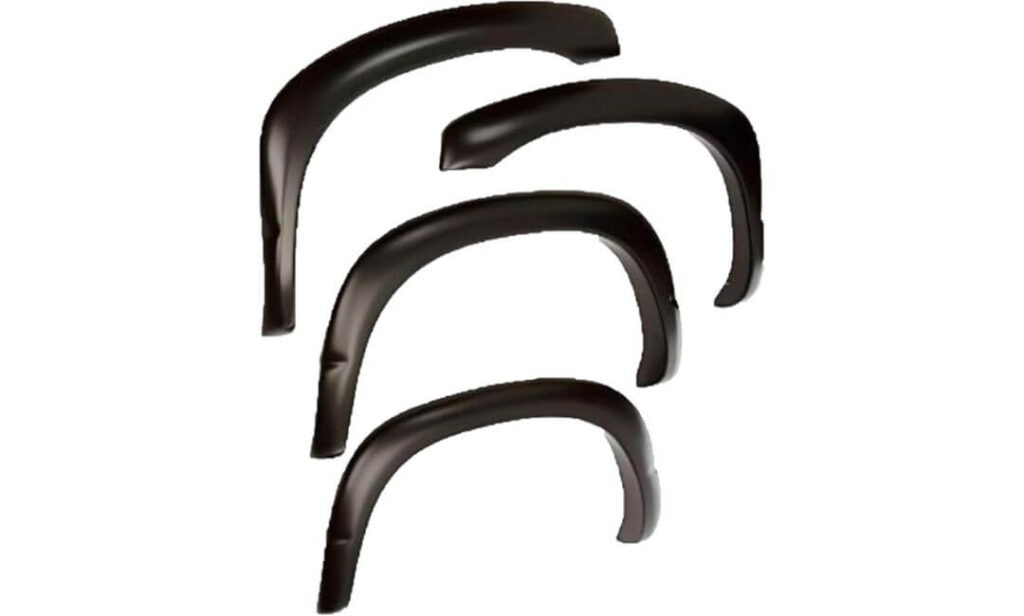
Quick Specs:
- Fitment: 2019–2026 Dodge Ram 3500 (single rear wheel only, no dually)
- Style: OEM-style, low-profile factory look (not bulky, not overdone)
- Material: Dura-Flex 2000 ABS (impact-resistant, doesn’t warp easily)
- Finish: Matte black (fully paintable if you want body color)
- Coverage: Subtle extension for real-world tire throw (not just cosmetic)
- Install: No drilling, uses factory mounting points
- Origin: Made in USA with tested material quality
Let’s be honest—most aftermarket flares either look too cheap or too loud on a Ram 3500. This one doesn’t fall into either trap. The moment you hold it up against the body, you realize it’s not trying to change the truck… it’s trying to complete it. The contour lines match so cleanly that once installed, it genuinely looks like it came from the factory that way (not like an add-on you slapped on over the weekend).
What actually makes the difference here is the material. This isn’t that brittle plastic that fades after one summer. The Dura-Flex 2000 build has just enough flex to absorb impact without cracking, and it holds its shape even after long exposure to sun and load use. On a Ram 3500—where the truck isn’t just for show—that matters more than people think. You’re getting real protection from tire throw, not just a visual upgrade.
And then there’s the fitment. No drilling, no weird gaps, no fighting with alignment for hours. Everything lines up with factory points, which means you’re not guessing during install. It sits tight, follows the body perfectly, and gives just enough extra coverage to stop dirt, rocks, and road grime from wrecking your paint over time. (This is the kind of upgrade you stop noticing after a week—because it just feels like it was always part of the truck.)
What Stands Out in Real Use
- The factory-style fit is on another level—no awkward gaps or forced alignment
- Material doesn’t feel flimsy; it has that solid, slightly flexible OEM feel
- Coverage is subtle but effective—actually reduces dirt spray on side panels
- Paintable finish gives you freedom (leave it black or match your truck color)
- Doesn’t ruin the truck’s stance—keeps that clean heavy-duty look intact
Where It Falls Short
- Not for dually models, and if you want an ultra-wide aggressive look, this will feel too subtle
Real Fitment Insight for Ram 3500
On a Ram 3500 single rear wheel setup, this is exactly the kind of flare that works long-term. It doesn’t interfere with the truck’s proportions or towing stance, and it doesn’t look oversized when viewed from the rear (which is where most flares fail visually).
It’s especially a strong fit if you’re running slightly wider tires or just want to protect your paint without turning your truck into a “show build.” It blends in when you want it to—but does its job when it matters.
Installation Notes (Real Talk)
Install is straightforward, but don’t rush it. Remove factory mud flaps first—no workaround there. Do a full test fit before tightening anything, especially on the rear where alignment can feel slightly off if you mix up sides.
Take your time with the edge seal—warming it slightly makes a big difference in how clean it sits. Keep bolts loose until everything is aligned, then tighten gradually. With two people, this is a smooth 2–3 hour job. Alone, it’s doable—but you’ll feel it.
#2. Rough Country Sport Fender Flares
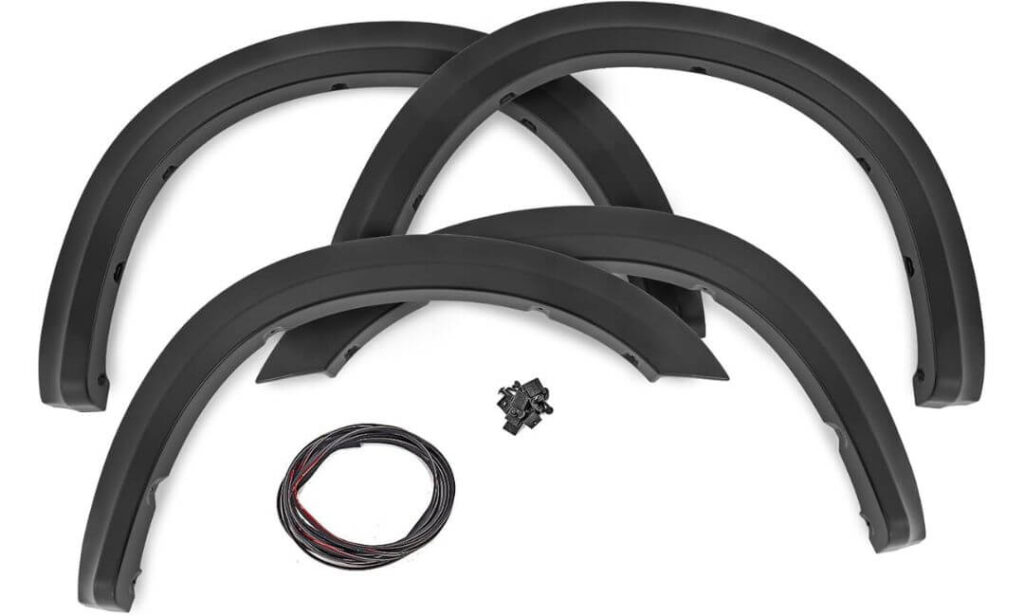
Quick Specs:
- Fitment: 2019–2026 Dodge Ram 3500 (single rear wheel only, not for dually)
- Coverage: True 2-inch extension beyond factory fender (noticeable, usable coverage)
- Height: 4.5-inch flare profile (adds visible presence without overdoing it)
- Material: Tri-Blend ABS (impact-resistant, built for heavy-duty use)
- Finish: Matte black (UV-protected + paint-ready if needed)
- Install: No-drill, factory mounting points
- Build Focus: Designed for wider tires and real-world debris protection
This is where things shift from “just enough” to actually solving the problem. If your Ram 3500 is running wider tires or you’ve noticed dirt and rocks still hitting your doors even with stock clearance—this is the kind of flare that fixes that, not just hides it. That 2-inch extension isn’t marketing fluff… you can see it, and more importantly, you’ll notice the difference after your first rough drive.
The stance it gives is another story. Not oversized, not cartoonish—but definitely more planted. That 4.5-inch height adds a proper edge to the truck without making it look like you bolted on something random. It still respects the Ram 3500’s original design, just pushes it slightly toward that aggressive, work-ready look people actually want.
Where this really earns trust is in the material. The Tri-Blend ABS construction isn’t brittle or cheap-feeling—it’s built to handle jobsite conditions, gravel hits, and daily abuse without losing shape. Add in the UV-resistant finish, and you’re not dealing with fading or chalking a few months down the line. It holds up, which is exactly what a heavy-duty truck setup demands. (If your goal is real coverage with a noticeable upgrade in stance—this is where most people finally feel satisfied.)
What Stands Out in Real Use
- The 2-inch coverage is legit—actually reduces side spray and debris hits
- Gives the truck a wider, more grounded stance without looking forced
- Material feels tough enough for real work use—not just city driving
- UV protection keeps the finish from turning dull over time
- Paintable surface lets you go factory-match or keep the rugged black look
Where It Falls Short
- Slightly more aggressive than OEM style, so if you want a completely stock look, this may feel a bit bold
Real Fitment Insight for Ram 3500
On a Ram 3500, especially with upgraded wheels or slightly wider tires, this fits the truck’s personality better than most subtle flares. It adds presence without clashing with the body lines—and more importantly, it covers what actually needs to be covered.
It’s a strong choice if your truck sees mixed use—highway, load work, rough patches—because it balances protection and appearance without leaning too far in either direction.
Installation Notes (Real Talk)
Start by clearing out anything that gets in the way—mud flaps, lower trim pieces—don’t try to force-fit around them. Do a full dry fit first; once you see how it lines up, the rest becomes easy.
Use factory points as intended—no shortcuts. Tighten everything gradually, not all at once, or you risk uneven gaps. Rear alignment can be tricky solo, so having a second set of hands saves time. Once installed, turn the wheel fully both ways and double-check clearance before calling it done.
#3. Husky Liners DRT Style Fender Flares
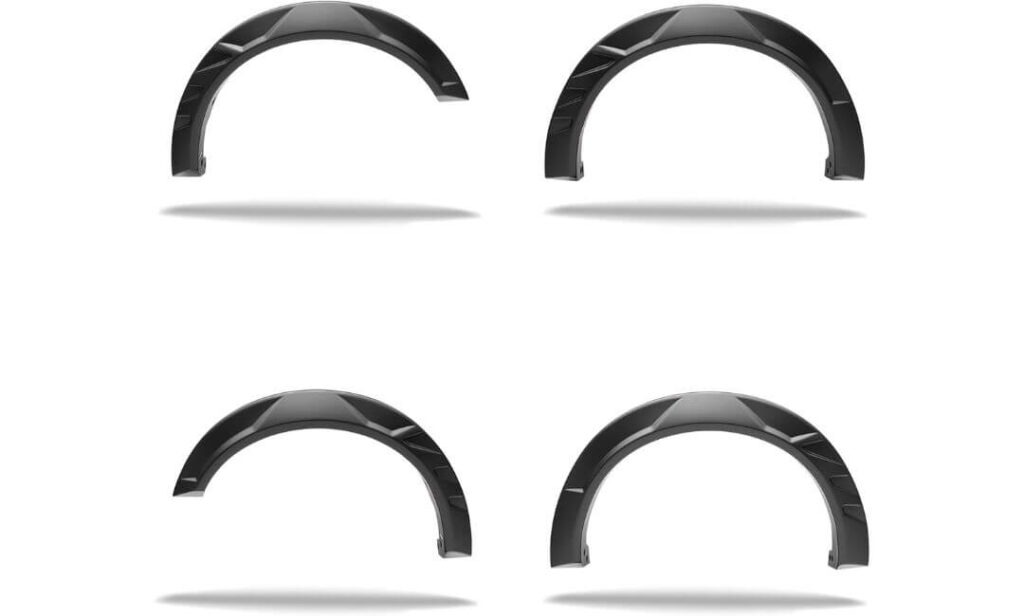
Quick Specs:
- Fitment: 2019–2026 Dodge Ram 3500 (single rear wheel, custom vehicle-specific fit)
- Coverage: Up to ~3-inch real tire coverage (built for wider setups)
- Style: DRT vented design (functional aggressive look, not fake vents)
- Material: Dura-Flex 2000 ABS (UV-tested, impact-resistant, long-term stable)
- Finish: Deep black textured finish (no immediate need to paint)
- Install: No drilling or cutting for most setups (full hardware included)
- Warranty: Limited Lifetime (USA-made build confidence)
If the last option felt like “more coverage,” this one feels like full control. The moment you see these on a Ram 3500 with wider tires, you understand what they’re built for—this isn’t about mild protection anymore, this is about shutting down tire throw completely. That near 3-inch coverage isn’t subtle… it’s the difference between constantly cleaning your truck and not worrying about it at all.
The design hits differently too. Those vented DRT cuts aren’t there just for looks—they break up the bulk and give the flare a more purpose-built feel. It looks aggressive, yes, but not in a cheap bolt-on way. It actually matches the kind of presence a Ram 3500 should have when it’s set up right. You don’t get that “stuck-on plastic” vibe here—it feels integrated, just tougher.
Where it really locks in trust is durability. Same Dura-Flex 2000 material, but pushed further with heavy UV testing (we’re talking long-term exposure, not short-term shine). No chalking, no weird fading patches, no warping after heat cycles. On a truck that sees load, weather, and real miles, that’s the difference between something you replace in a year and something you forget about because it just holds up. (If your setup includes wider tires or you’re tired of constant dirt spray—this is where the problem actually ends.)
What Stands Out in Real Use
- Maximum coverage feel—you immediately notice less dirt hitting doors and rockers
- Vented design adds a purpose-built aggressive look, not just decoration
- Material feels thick and durable—built for trucks that actually get used
- Holds color and texture even after long sun exposure
- Doesn’t look temporary—it blends into a serious Ram 3500 build
Where It Falls Short
- Slightly more aggressive styling, so if you want a completely factory-stock appearance, this leans more rugged
Real Fitment Insight for Ram 3500
On a Ram 3500 with wider tires or offset wheels, this is where fitment finally feels “complete.” It doesn’t just follow the body—it extends it properly, covering what stock lines can’t. From the rear angle especially, it gives that full-width, planted look that lighter flares fail to achieve.
It’s best suited for builds that aren’t afraid to look a bit tougher—work trucks, off-road setups, or anything running beyond factory tire specs. This isn’t subtle… but it’s not overdone either. It just fits the truck’s purpose.
Installation Notes (Professional Insight)
Start clean—seriously, don’t skip surface prep or you’ll fight alignment later. Remove mud flaps first, then dry-fit everything before tightening. Fronts usually line up easily, rears need a bit more patience to sit perfectly flush.
Use all hardware provided, no shortcuts. Don’t overtighten—this material is strong, but forcing it can create stress points. After install, give it a day, then recheck bolts once everything settles. That small step makes a big difference long-term.
#4. Tyger Auto Bolt-Riveted Fender Flares
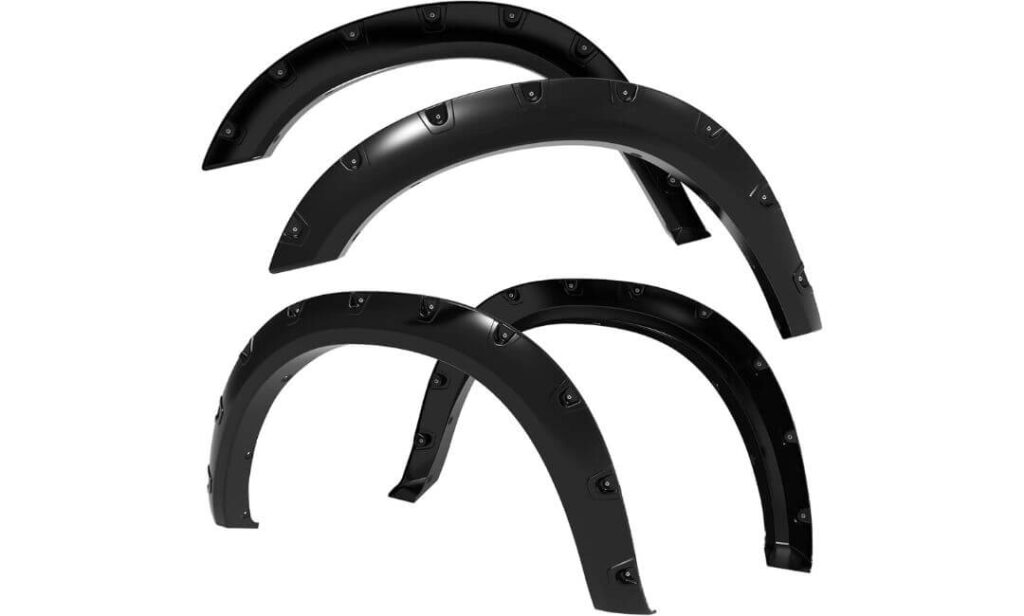
Quick Specs:
- Fitment: 2019–2026 Dodge Ram 3500 (single rear wheel only, not for dually)
- Coverage: ~2″ front / ~2.6″ rear (noticeably wider rear protection)
- Height: 6.42″ front / 5.95″ rear (taller profile for aggressive builds)
- Style: Pocket-style with exposed rivet look (bolt-on visual appeal)
- Material: Injection-molded polypropylene (flexible, crack-resistant)
- Finish: Smooth textured black (fully paintable, UV-resistant)
- Install: No drilling, hardware included (2+ hour typical install)
This is where the build stops playing safe. If the earlier options felt clean or functional, this one leans straight into visual attitude with real coverage behind it. On a Ram 3500, especially with wider tires or offset wheels, these flares don’t just blend in—they change how the truck looks from every angle, particularly from the rear where that extra 2.6″ coverage actually fills the stance properly.
The pocket-style design with exposed rivets gives that “built, not bought” feel—but what matters is it’s not just cosmetic. The flare height (over 6 inches up front) adds vertical presence, so it doesn’t look flat or undersized against the truck’s body. It sits bold, but still follows the lines well enough that it doesn’t feel out of place.
Material-wise, this is smarter than most people expect. The injection-molded polypropylene has just enough flex to deal with heat, pressure, and minor impacts without cracking like cheaper rigid plastics. Add in UV resistance and a paintable surface, and you’ve got something that can either stay rugged black or be color-matched cleanly. (If your Ram 3500 build needs presence as much as protection—this is the one that finally makes it feel complete.)
What Stands Out in Real Use
- Rear coverage is noticeably wider, which actually improves real protection
- Pocket-style rivet design adds a true aggressive stance, not fake styling
- Flexible material handles heat and pressure better than rigid plastics
- Paintable finish gives full customization freedom
- Taller flare height balances well with lifted or wide-tire setups
Where It Falls Short
- Fitment can require a bit more patience during install compared to OEM-style options
Real Fitment Insight for Ram 3500
On a Ram 3500 running wider tires, this is where the truck starts to look “finished” instead of halfway built. The extra rear coverage especially fixes that common issue where the back still throws debris even after installing basic flares.
It suits builds that are meant to stand out—lifted setups, offset wheels, or anyone who feels stock proportions look too narrow. It’s not subtle, but it doesn’t feel mismatched either—it fits the truck’s size and presence.
Installation Notes (Professional Insight)
Start with prep—mud flaps and any interfering trim have to go. Test fit everything before locking it in, especially around the rear where alignment matters more. Use the provided rubber gasket properly—it’s not optional if you want a clean finish.
Adding 3M tape at contact points is a smart move to prevent shifting over time. If you notice slight gaps, gentle heat (heat gun or sunlight) helps the material settle and conform. Tighten while applying inward pressure for a snug fit—and don’t rush it, this one rewards patience.
#5. Monkey Autosports OE Design Fender Flares (2010–2018)
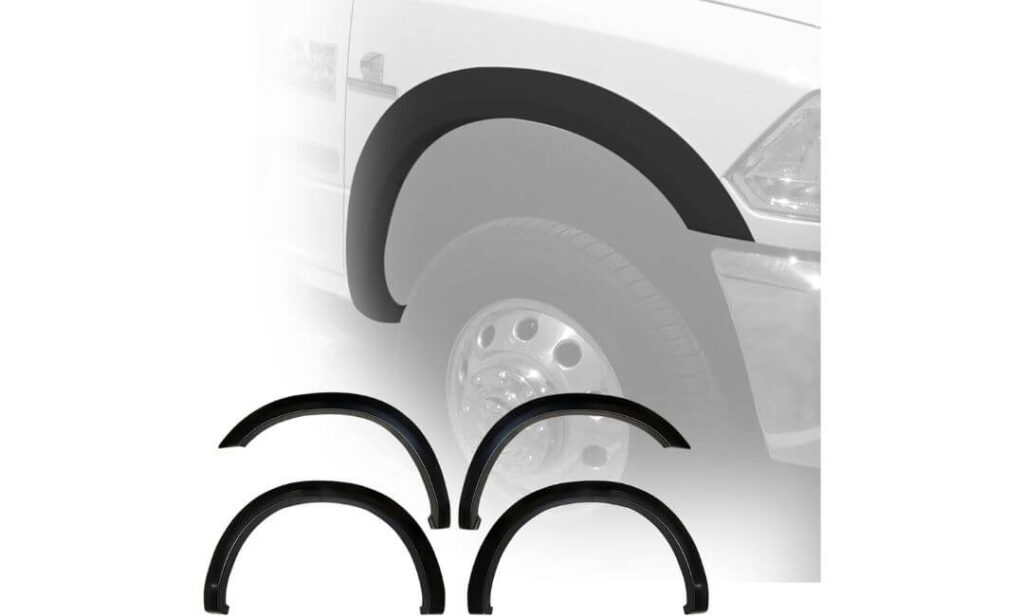
Quick Specs:
- Fitment: 2010–2018 Dodge Ram 3500 (single rear wheel focus, not ideal for dually rear setups)
- Style: Factory/OE design with satin micro-textured finish (true stock-like appearance)
- Material: ABS composite (lightweight but impact-resistant)
- Finish: Black OE-style (paintable if you want exact color match)
- Coverage: Subtle, factory-level extension (not oversized, clean protection)
- Install: Uses factory screws + 3M tape support (no heavy modification required)
- Set: Full 4-piece kit (front + rear complete setup)
If you’re running an older Ram 3500 and don’t want to ruin its original character, this is exactly where you stop searching. Most aftermarket flares for older models either look outdated or don’t sit right—but this one stays true to what the truck was meant to look like. It doesn’t try to modernize it… it just restores that clean factory presence the right way.
The finish is what really sells it. That satin micro-textured black isn’t flashy, and that’s the whole point—it blends in like OEM trim, not like something added later. Once installed, it doesn’t stand out… it fits in. And on a 2010–2018 Ram 3500, that’s exactly what most owners are after—a clean upgrade that doesn’t scream aftermarket.
Build quality is solid where it matters. The ABS composite construction keeps things lightweight but tough enough to handle daily use—gravel hits, road debris, normal work conditions. It’s not oversized coverage, but it’s enough to protect your fenders while keeping the truck’s original proportions intact. (If your goal is to bring back that factory-clean look without overdoing anything—this is the one that just feels right.)
What Stands Out in Real Use
- Matches factory body lines so well it looks original, not added later
- Clean satin finish doesn’t fade into cheap grey tones quickly
- Lightweight but strong enough for daily driving conditions
- Perfect for restoring trucks that lost or damaged original flares
- Doesn’t mess with the truck’s proportions—keeps that classic Ram stance
Where It Falls Short
- Coverage is minimal compared to modern wide flares, so not ideal for wide tire setups
Real Fitment Insight for Ram 3500
On a 2010–2018 Ram 3500, this fits the truck’s design language perfectly. It doesn’t try to compete with newer aggressive styles—it stays true to the original shape and enhances it just enough to feel refreshed.
It’s best suited for stock or near-stock builds where you want protection and a clean look without changing the truck’s identity. If your goal is restoration or subtle upgrade, this fits better than most newer bulky options.
Installation Notes (Professional Insight)
Start by removing mud flaps and cleaning the mounting area properly—don’t skip that or the tape won’t hold well. Do a full dry fit before committing, especially since some holes may not line up perfectly depending on model year.
Use 3M tape carefully along contact edges—this prevents paint rub long-term. If alignment feels slightly off, mark and adjust instead of forcing it into place. Take your time here—once installed correctly, it sits clean and stays that way.
Best Dodge Ram 3500 Fender Flares Comparison: OEM vs Sport vs DRT vs Pocket Styles
| Product | Real Coverage | Style Feel | Material Quality | Best For |
|---|---|---|---|---|
|
OEM Clean Bushwacker OE Style
|
Subtle but effective Stops daily dirt & chips |
Factory-level clean Blends perfectly |
Dura-Flex 2000 Flexible + long-lasting |
Stock look lovers Clean builds |
|
Best Value Rough Country Sport
|
2″ real extension Noticeable protection upgrade |
Slightly aggressive Balanced stance |
Tri-Blend ABS Strong for daily abuse |
Wider tires Budget builds |
|
Max Protection Husky Liners DRT
|
Up to ~3″ Full side protection feel |
Rugged + vented Purpose-built look |
Dura-Flex ABS Heavy-duty tested |
Off-road use Wide setups |
|
Aggressive Build Tyger Auto Pocket
|
2″–2.6″ Better rear coverage |
Bolt-riveted Wide stance look |
Polypropylene Flexible + tough |
Lifted trucks Show + stance builds |
|
OEM Restore Monkey Autosports OE
|
Light coverage Basic protection only |
Classic factory Stock appearance |
ABS composite Lightweight durable |
Older models Restoration builds |
Ram 3500 Fender Flares Buying Guide (Real Fit, Real Coverage, No Guesswork)
You don’t buy fender flares for a Ram 3500 the same way you would for a half-ton truck. This isn’t about dressing it up—it’s about making sure the truck actually works the way it should once you’ve changed tires, wheels, or usage. Most people get this wrong because they chase looks first and fix problems later. This guide flips that.
Start With Fitment—Not Just “It Fits Ram 3500”
Every product on paper “fits,” but real fitment is about how it sits on your exact truck.
2019–2026 Ram 3500 models have tighter body lines and different mounting expectations compared to older trucks. Even within those years, small differences matter—trim, existing flares, and whether your truck came pre-drilled or not.
Also, this is where most people mess up:
Dually vs single rear wheel is not optional detail—it changes everything.
All the flares in this list are for single rear wheel setups. If you ignore that, nothing else matters because it simply won’t sit right.
A proper flare should line up without forcing, follow the fender curve naturally, and not leave uneven gaps when viewed from the rear angle. That’s the real test—not the product description.
Coverage & Clearance—Where Most Buyers Regret Later
This is the part you only understand after driving a few weeks.
If your tires stick out even slightly, you need actual coverage, not visual width.
- Around 1–2 inches → daily driving, mild upgrade
- Around 2–2.5 inches → wider tires, noticeable protection
- Around 3 inches → full coverage, minimal side spray
The goal isn’t to go widest—it’s to match your tire setup so you get zero-rub clearance and stop debris from hitting your doors and bed.
A good flare should protect without interfering. If it rubs, shifts, or sits too close, it’s not doing its job—no matter how good it looks.
Material & Build Quality—Where Cheap Options Fail Fast
On a Ram 3500, material matters more than design.
- Dura-Flex / Tri-Blend ABS → Best balance of flexibility + durability
- Polypropylene → Slightly more flexible, handles heat better
- Basic ABS (cheap builds) → Looks fine initially, fades or cracks early
You want something that can handle:
- Sun exposure (no chalking or fading)
- Minor impacts (rocks, debris)
- Temperature changes (no warping)
If the material feels too rigid or too thin, it won’t last. The good ones have a slight flex—you’ll feel it immediately when handling them.
Installation Reality—Easy on Paper vs Easy in Real Life
“No drilling required” sounds simple—but install experience still varies a lot.
The best setups:
- Use factory mounting points
- Include proper hardware (not cheap clips)
- Sit correctly during dry fit (before tightening)
But real talk—
Rear flares almost always take more patience than fronts. Alignment matters more there, and rushing it is where most people mess up the final look.
If you want clean results:
- Always dry fit first
- Tighten gradually, not all at once
- Use edge seals properly (prevents paint damage long-term)
A flare that installs cleanly is usually a flare that fits properly.
Style—Where Most People Overdo It
There are only three directions here, and each one fits a different type of Ram 3500 build:
- OEM Style → clean, factory look (best for daily + work trucks)
- Sport / Extended → slightly wider, balanced stance
- Pocket / Riveted → aggressive, wide-build appearance
The mistake?
Choosing a style that doesn’t match your truck setup.
If your truck is mostly stock → aggressive flares will look forced
If your truck is lifted with wide tires → OEM flares will look too small
The right flare doesn’t stand out—it makes the truck look complete.
Paint vs Black Finish—What Actually Makes Sense
Paintable flares sound great, but not everyone needs them.
- Leaving them matte black → easier, rugged look, no maintenance
- Painting them → cleaner, factory-style finish
But here’s the truth—bad paint ruins good flares.
If you’re not doing proper prep and paint, it’s better to leave them black.
Legal & Practical Use (Most People Ignore This)
Depending on your region, tires sticking out beyond the body can cause issues.
Fender flares help:
- Keep tires within legal width
- Reduce road spray (especially in rain)
- Improve safety for vehicles behind you
Also, once you install flares, factory mud flaps usually won’t fit. Plan that ahead instead of figuring it out later.
What “Brutal Fit” and “Factory-Clean Finish” Actually Mean
These aren’t just catchy terms—they define whether the flare feels right or not.
- Brutal Fit → sits tight, no weird gaps, follows body lines exactly, doesn’t shift over time
- Factory-Clean Finish → looks like it came with the truck, not added later, no bulky edges or mismatched curves
When both come together, you stop noticing the flares—and that’s the goal.
Final Thought (Real Talk)
The best fender flare for your Ram 3500 isn’t the widest, the cheapest, or the most aggressive—it’s the one that matches your truck’s setup so well that you don’t have to think about it again.
If you get fitment, coverage, and material right… everything else falls into place.
Installation & Maintenance Tips for Ram 3500 Fender Flares (Clean Fit That Actually Lasts)
Most people think installation ends once the bolts are tight. That’s where problems actually start. On a Ram 3500, a flare that’s installed casually will either sit uneven, start rubbing paint, or loosen over time. The goal isn’t just to “mount it”—it’s to make it feel like it was always part of the truck.
Getting That Zero-Rub, Tight Factory Fit (What Actually Matters)
Start with prep, not tools. If the surface isn’t clean, nothing sits right. Wash the wheel arch properly, remove all dirt buildup, and dry it fully. Any debris trapped behind the flare will create uneven pressure points—and that’s where rubbing begins later.
Always dry fit first. Hold each flare in place without tightening anything. Look at it from multiple angles—especially from the rear. This is where you’ll notice if something feels off. Don’t rely on bolt holes alone; trust alignment visually.
When mounting:
- Start all bolts loosely, never tighten one side fully first
- Work evenly across the flare, gradually bringing it into position
- Apply slight inward pressure while tightening so it sits flush
The edge seal matters more than people think. If it’s not applied cleanly, you’ll either get gaps or long-term paint wear. Warming it slightly (hair dryer level heat) helps it conform better to the body line.
Before calling it done, turn your wheels fully left and right and check clearance. If anything feels tight now, it will only get worse on the road.
Paint Protection & Keeping That Factory-Clean Look
This is the step most people skip—and regret later.
Anywhere the flare touches paint, there should be a buffer layer. Either the included rubber seal or an added strip of automotive-grade tape (like 3M). Without it, even a perfectly installed flare can slowly mark the paint over time due to vibration.
If you’re planning to paint the flares:
- Use proper primer designed for plastic (not optional)
- Avoid rushing curing time—this is where most finishes fail
- Match texture carefully; too glossy or too flat can ruin the OEM look
If you’re leaving them black, maintenance is easier—but still important. Use trim-safe cleaners, not harsh chemicals that dry out the surface. A good UV protectant every few weeks keeps the finish from turning dull.
Cleaning & Long-Term Care (What Keeps Them Looking Right After Months)
Fender flares don’t fail in the first week—they fail slowly when ignored.
Dirt, mud, and moisture tend to collect behind the edges. Over time, that buildup can lead to:
- Paint wear
- Moisture retention
- Surface dullness
Every few weeks, especially after rough driving or rain:
- Rinse around the edges thoroughly
- Check for trapped debris behind the lip
- Wipe down the surface with a soft cloth (avoid rough brushes)
If you live in areas with heavy dust or moisture, it’s worth occasionally loosening and checking behind the flare. It sounds excessive—but it’s the difference between a truck that stays clean long-term and one that slowly shows wear around the edges.
What Most People Only Learn After Installation (Real Talk)
- Rear flares always take more patience—don’t rush them
- Tight doesn’t mean correct—alignment matters more than force
- A small gap now becomes a bigger problem later
- Good install = you forget they’re even aftermarket
Final Thought
A properly installed fender flare on a Ram 3500 shouldn’t draw attention to itself. It should sit so clean, so tight, that it feels like it came from the factory that way—and still look the same months down the road.
Do it once, do it right, and you won’t have to think about it again.
FAQs About Dodge RAM 3500 Fender Flares
Do fender flares actually fix paint damage on a Dodge Ram 3500, or is it just a temporary solution?
If your Ram 3500 is already throwing debris onto the doors and bed, flares don’t “fix” past damage—but they absolutely stop it from getting worse. The key is choosing the right coverage. A weak OEM-style flare won’t save you if your tires are sticking out. But once you step into that 2”–3” coverage range, you’ll notice the difference almost immediately—less dirt spray, fewer rock chips, and way less cleaning.
The truth most people miss?
If your tires extend beyond the flare, even slightly, you’re still exposed. The flare has to match your tire setup, not just your truck model.
On a Dodge Ram 3500, is there a real difference between cheap ABS flares and premium ones after 6–12 months?
Day one? Not much difference.
After 6 months? Big difference.
Cheap ABS starts showing signs fast—fading unevenly, turning slightly grey, or even losing shape in heat. Premium materials like Dura-Flex or Tri-Blend ABS hold their structure, keep their color, and don’t develop that “dry plastic” look.
On a Ram 3500, where the truck is bigger and sees more exposure, these issues show up faster than on smaller vehicles. That’s why spending a bit more upfront usually saves you from replacing them later.
Why do some Ram 3500 builds still look “off” even after installing fender flares?
Because most people focus on the flare… not the overall stance.
A flare can be perfect on its own, but if:
- Tire width doesn’t match coverage
- Rear still looks tucked in
- Flare height doesn’t balance the body
…then the truck ends up looking unfinished.
The real trick is balance. The flare should visually “complete” the tire setup. If it looks like an add-on instead of an extension of the body, something’s mismatched—usually coverage or style.
Is zero-rub clearance actually realistic on a Ram 3500 with wider tires, or just marketing?
It’s real—but only if everything lines up properly.
Zero-rub doesn’t come from the flare alone. It depends on:
- Tire size and offset
- Suspension setup
- Correct flare alignment during install
The flare’s job is to give space and coverage, not fix bad wheel fitment. If your setup is already pushing limits, even the best flare won’t completely eliminate rubbing.
But with a balanced setup and proper install, yes—you can achieve true zero-rub clearance where nothing touches, even at full turn.
Do fender flares affect long-term ownership on a Ram 3500 (maintenance, resale, or hidden issues)?
They can—both positively and negatively.
Done right:
- They protect paint, which helps resale
- They give the truck a more complete, premium look
- They reduce wear from daily driving
Done wrong:
- Poor install can cause paint rub or moisture traps
- Cheap materials can make the truck look aged faster
- Misaligned flares hurt overall appearance more than help
The biggest hidden factor? What’s happening underneath the flare.
If dirt and moisture build up over time, it can affect the paint. That’s why occasional cleaning around edges matters more than people think.
Final Verdict (What Actually Makes Sense for a Ram 3500)
At this point, you’ve seen it—there’s no single “best” fender flare for every Ram 3500. What separates a smart upgrade from a regret isn’t the brand name or price… it’s how well the flare matches your truck’s reality.
If your build is clean, mostly stock, and you just want protection without changing the truck’s identity—OEM-style options make the most sense. They disappear into the body lines and do their job quietly.
If you’ve stepped into wider tires or a more functional setup, you already know subtle won’t cut it. That’s where extended or DRT-style flares start to feel right—they don’t just look better, they solve a real problem.
And if your truck is built to stand out—lifted, offset, aggressive stance—then holding back on flare size actually makes the build look incomplete. That’s when going bold finally makes everything come together.
But here’s the part most people won’t say—
even the best flare in this list will disappoint if the fitment is off, install is rushed, or coverage doesn’t match your tires.
Get those three things right, and something interesting happens:
you stop noticing the flares altogether.
They don’t feel like an upgrade anymore.
They feel like the truck was always supposed to look that way.
(And that’s when you know you chose right.)
Also Check:


