
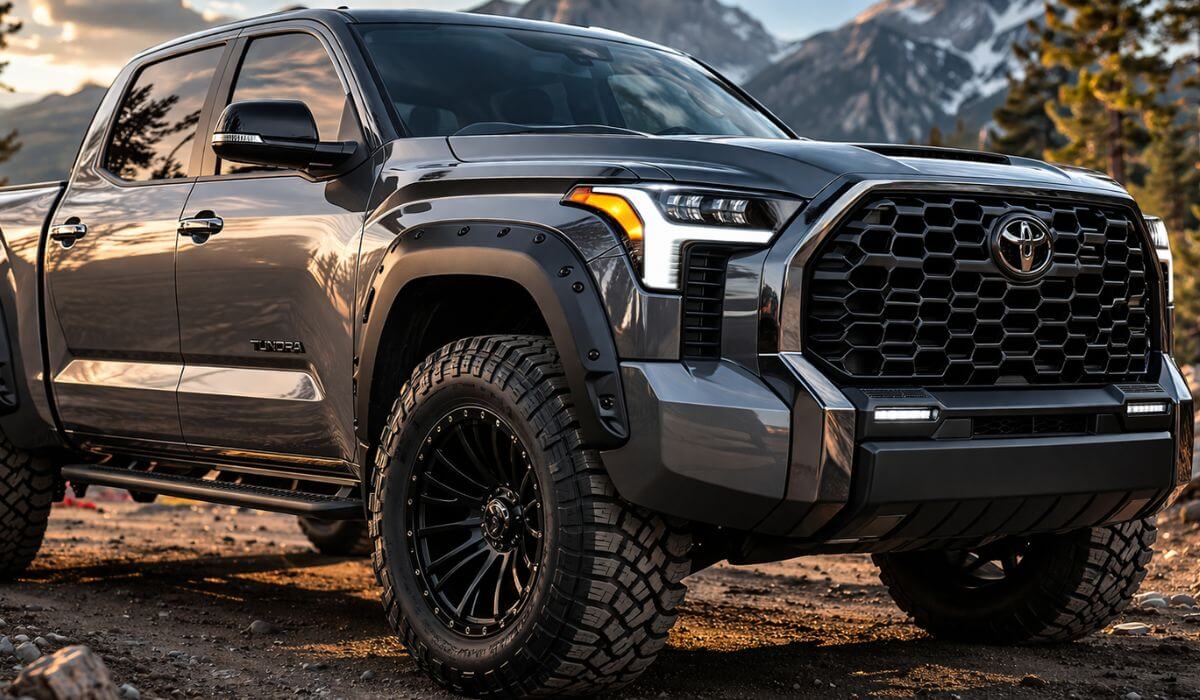
6 Best Fender Flares for Toyota Tundra in 2026: No-Drill Install, Wide Tire Coverage & Heavy-Duty ABS OEM Fit
If you’ve spent even a few weeks driving a Toyota Tundra—especially the newer 2022+ models—you already know one thing: stock fender coverage doesn’t cut it once you go wider on tires or start pushing it off-road. Mud splatter, stone chips, and that awkward tire poke start showing up fast. And yeah, you can ignore it… until your paint starts paying the price.
Here’s the honest truth most lists won’t tell you—not all fender flares fit the Tundra properly, even if they claim they do. Some leave gaps, some fade in a few months, and some just don’t match the truck’s body lines. The real difference comes down to fitment accuracy, material quality (ABS vs PP), and how clean the install actually looks once it’s on your truck—not in product photos.
So instead of throwing random options at you, this list is built around what actually matters in the real world—no-drill installs that don’t mess up your truck, proper wide tire coverage, and builds that can handle sun, mud, and daily abuse without looking cheap after 3 months. If you’re serious about upgrading your Tundra’s stance and protecting it properly, these are the ones worth your attention.
Best Toyota Tundra Fender Flares: Top 2026 Picks for OEM Fit, ABS Build and Clean Install
Compatible with 2022–2026 Toyota Tundra SR5, Limited, Platinum, 1794 Edition, and TRD Pro trims (excluding SR models where specified)
#1. IKON MOTORSPORTS Fender Flares (2022–2026 Tundra)
OE style design with PP injection build, textured black finish, and factory-style fit for full coverage
#2. Tyger Auto Fender Flare TG-FF8T4518 (2022–2026 Tundra)
Bolt riveted style with smooth paintable finish, no drill install, and aggressive stance upgrade
#3. Husky Liners Pocket Style Fender Flares 2803925 (2022–2026 Tundra)
Heavy duty pocket style build with extended tire coverage and reliable all weather protection
#4. YHTAUTO Fender Flares Kit (2022–2026 Tundra)
Rivet style flares with hardware kit, shiny black finish, and clean direct fit coverage
#5. Rough Country Sport Fender Flares (2022–2026 Tundra)
Sport style design with added tire coverage, UV resistant matte black finish, and paintable build
#6. YITAMOTOR Fender Flares (2022–2026 Tundra)
Pocket riveted design with smooth black finish, wide coverage, and budget friendly fitment
Expert Tip (From Real Tundra Use)
Most people chase the look first and regret it later. On a newer Toyota Tundra, what actually matters is how the flare sits against the body line after a few weeks of driving. Cheap or poorly molded flares start showing tiny gaps near the wheel arch, especially after heat cycles and highway runs.
If you’re running wider tires or planning a lift, don’t just pick the most aggressive style. Go for something that gives real tire coverage and stable mounting points, not just visual bolts. A clean, tight fit that stays consistent over time will always look better than a flashy flare that starts lifting at the edges.
How We Chose These Fender Flares for Toyota Tundra
We didn’t build this list by copying specs or repeating brand claims. Every option here was filtered based on what actually holds up on a 2022–2026 Tundra in daily driving, heat, dust, and real road conditions.
First thing we focused on was fitment accuracy. The newer Tundra has sharper body lines, and a lot of flares in the market simply don’t align cleanly. We only kept options that are known for consistent edge alignment and proper contour matching, so they don’t look like an add-on piece after installation.
Then comes material quality, which most people ignore. You’ll notice this list leans heavily toward ABS and PP-based builds. That’s intentional. These materials handle sun exposure, minor flex, and long-term use far better than cheaper plastics that turn grey or brittle. A flare might look solid out of the box, but what matters is how it looks after 3–4 months outside.
We also paid close attention to installation type. Not everyone wants to drill into a new truck. So options with no-drill or clean bolt-on setups were prioritized—but only if they still felt secure after mounting. Easy install means nothing if the flare shifts or loosens over time.
Another key factor was real tire coverage. Some flares claim wide coverage but barely extend enough to make a difference. The ones included here actually help with mud control, stone protection, and wider wheel setups, especially if you’re running offset wheels or planning upgrades.
Finally, we balanced in style realism. Pocket style, OE style, sport style—it’s not just about looks. It’s about how that style integrates with the Tundra’s design. Every product here was selected because it doesn’t feel out of place once installed—it looks like it belongs there.
Bottom line, this isn’t a random list. These are the fender flares that make sense when you look at fit, durability, install, and real-world use together—not just how they look in product images.
#1. IKON MOTORSPORTS Fender Flares (2022–2026 Tundra)
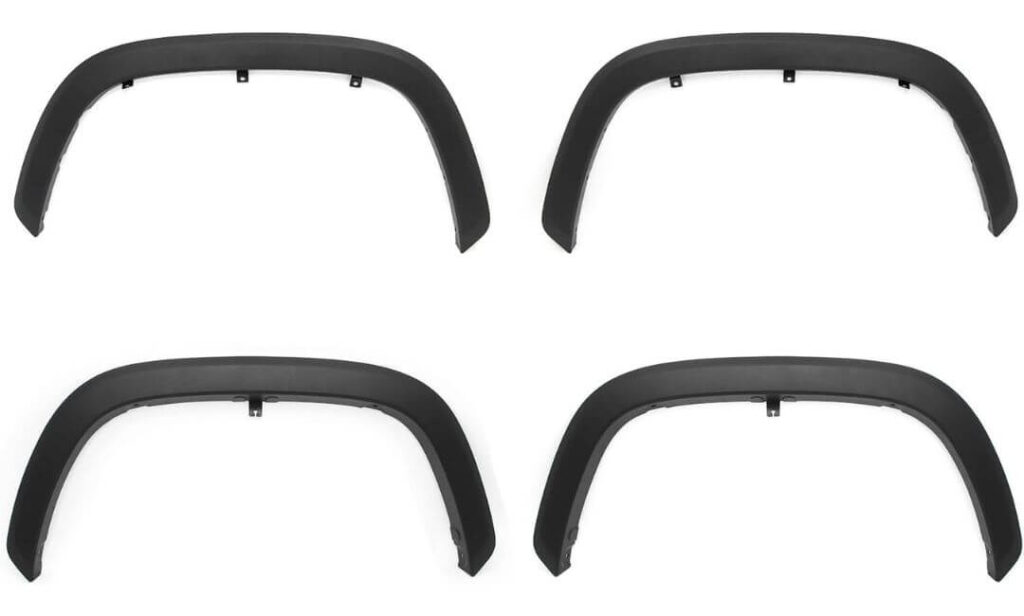
Quick Specs:
- Material: high-grade PP injection polypropylene (flexible yet impact-resistant)
- Finish: textured black, fade-resistant, paintable surface
- Coverage: wider than stock for proper tire poke control
- Install Type: bolt-on style with included hardware (no drilling required in most cases)
- Set: full 4-piece kit (front + rear)
- Fitment: custom-molded for 2022–2026 Tundra (not compatible with SR trim)
Right out of the box, this is the kind of flare that doesn’t try too hard—and that’s exactly why it works so well on a Toyota Tundra. The OE-style design follows the truck’s natural body line instead of fighting it, so once installed, it actually looks like it came from the factory—not like an aftermarket add-on slapped over the wheel arch.
The real strength here is in the PP injection build. It has just enough flex to handle rough roads and minor hits without cracking, but still feels solid in hand. Add in the UV-resistant textured finish, and you’re not dealing with that cheap plastic fade after a few months in the sun. For daily drivers and weekend off-road use, this balance between durability and clean styling makes a noticeable difference.
Coverage is where most people get surprised. It’s not overly wide, but it’s just enough to control tire poke, reduce mud splash, and protect the lower body panels without making the truck look bulky. Installation is straightforward if you take your time—everything lines up properly as long as you test-fit first and don’t rush the tightening phase.
(once installed right, it blends so clean you’ll forget it wasn’t factory)
What Stands Out in Real Use
- clean OE-style look that actually matches Tundra body lines
- PP material holds shape well without becoming brittle over time
- textured finish hides dust, scratches, and daily wear better than smooth flares
- balanced tire coverage without making the truck look oversized
- hardware included and mounting points align properly when installed carefully
Where It Falls Short
- no instruction manual included, so first-time installers may need a guide or video reference
Real Fitment for Toyota Tundra
On 2022–2026 models, the contour alignment is surprisingly accurate. Edges sit close to the fender without awkward spacing, which is usually where cheaper flares fail. As long as you’re not running the SR trim, fitment stays consistent across variants.
For stock to slightly wider setups, the coverage feels natural—not forced. It protects where needed without overextending beyond the body, which keeps the truck looking proportionate even after installation.
Installation Notes (Professional Insight)
Take your time with test fitting before tightening anything down—this is where most people mess up. Once aligned properly, the bolt-on setup holds well, but rushing it can lead to uneven gaps.
Also, after a few days of driving, it’s worth checking the hardware again. Minor vibrations can loosen things slightly, and a quick retightening keeps everything sitting flush long term.
#2. Tyger Auto Fender Flare TG-FF8T4518 (2022–2026 Tundra)
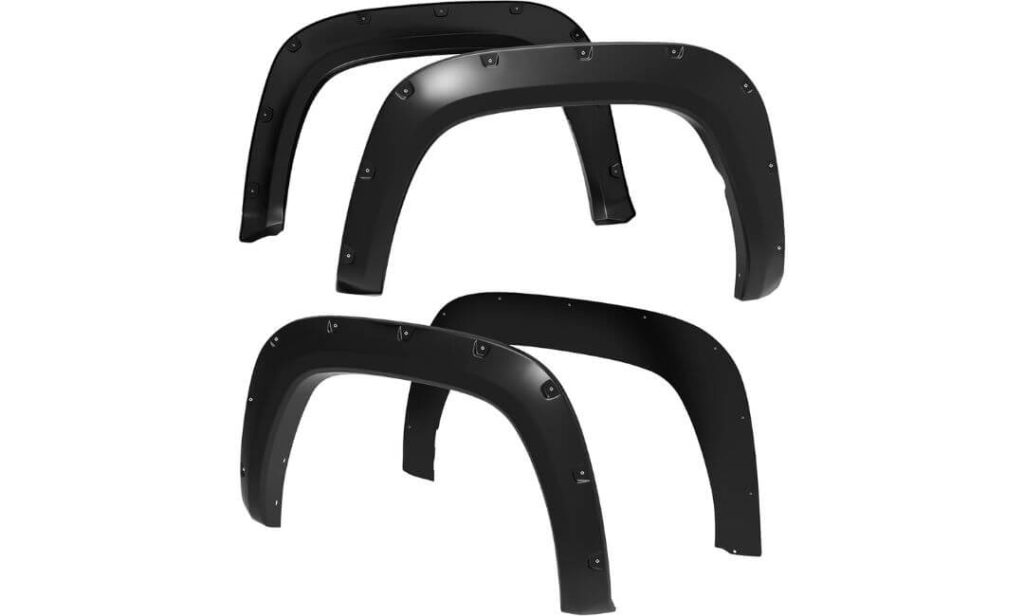
Quick Specs:
- Material: injection-molded polypropylene with added flexibility
- Finish: smooth textured black, fully paintable surface
- Coverage: full-width tire coverage for wider wheels and offsets
- Install Type: bolt-on using factory mounting points with hardware included
- Design: bolt-riveted pocket style with stainless steel accents
- Warranty: limited lifetime against cracks and factory defects
This is where things shift from subtle to noticeably aggressive. The moment you line these up against a Toyota Tundra, you can tell they’re not trying to blend in quietly—they’re built to change the truck’s stance completely, especially if you’re running wider wheels or planning to.
What stands out immediately is the smooth paintable finish. Unlike textured flares that stay black forever, this gives you the option to color match or custom paint without extra prep headaches. Underneath that clean surface, the injection-molded polypropylene build adds real durability—it flexes just enough to avoid cracking but stays rigid enough to hold shape over time, even with daily use and off-road vibration.
Coverage here is properly done. Not just for looks, but actual function. It extends enough to handle tire poke, block mud spray, and protect the side panels, especially on wider setups. The bolt-riveted design isn’t just cosmetic either—it gives that rugged, off-road-ready appearance without feeling overdone. Installation can take some patience, but once aligned correctly, the end result looks tight and intentional.
(this is the kind of upgrade that makes the truck look built, not modified)
What Actually Feels Right on the Truck
- aggressive pocket style that instantly upgrades overall stance
- paintable surface gives full control over final look
- strong polypropylene build resists warping and long-term wear
- proper tire coverage for wider wheels and offsets
- lifetime warranty adds real confidence in material quality
What Could Be Better
- hole alignment may need slight adjustment during install, so rushing the process can affect final fit
Real Fitment for Toyota Tundra
Designed specifically for 2022–2026 models, these flares sit well along the Tundra’s sharper body lines once properly aligned. The edges follow the arch closely, but you need to take your time during install to get that clean, even spacing.
For trucks running aftermarket wheels or slightly aggressive offsets, the coverage feels more functional than most. It doesn’t just sit there for looks—it actually helps manage debris and keeps the truck cleaner during daily use.
Installation Notes (Professional Insight)
Don’t expect a quick 30-minute job here—this is a patience game. Start by loosely mounting everything and aligning first before tightening anything down. Some mounting points may not line up perfectly on the first try, and forcing bolts is the fastest way to mess it up.
Use proper tools (flex attachment helps a lot), and tighten gradually. Once installed right, the fit feels solid—but the difference between a clean install and a messy one comes down to how carefully you handle those first alignment steps.
#3. Husky Liners Pocket Style Fender Flares 2803925 (2022–2026 Tundra)
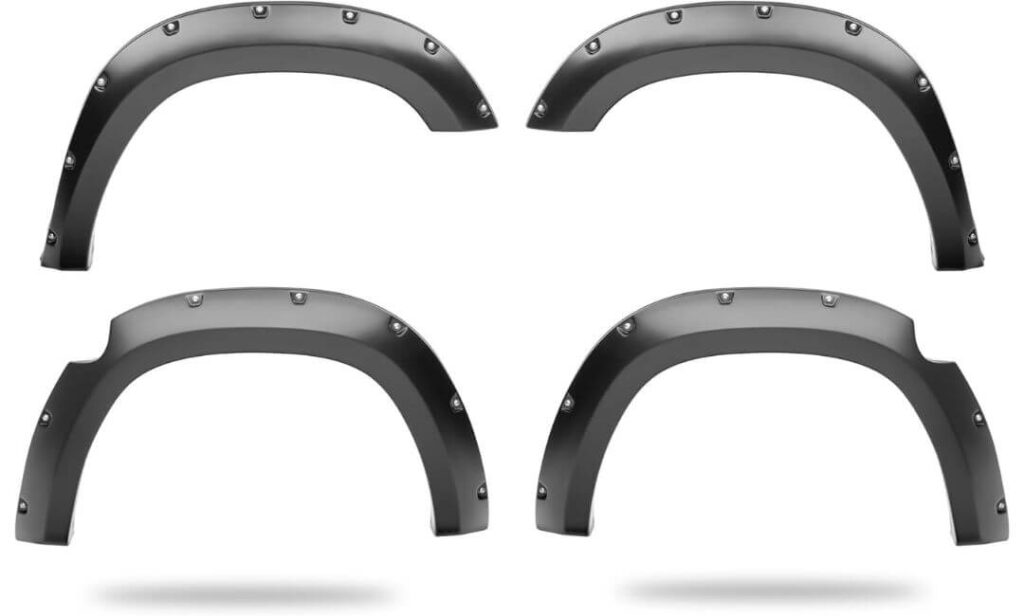
Quick Specs:
- Material: Dura-Flex 2000 ABS (high-strength, flexible, UV-tested)
- Finish: smooth black, paintable surface
- Coverage: full-width extension for oversized and low-offset tires
- Install Type: no-drill install using factory mounting points
- Design: recessed pocket style with exposed rivets
- Set: complete 4-piece (front + rear)
If you’re building your Toyota Tundra to actually take hits—not just look good parked—this is where things start making real sense. The first thing you notice isn’t just the aggressive pocket styling, it’s how solid these feel even before installation. There’s a certain weight and flexibility here that cheap flares just don’t have.
The core of it is the Dura-Flex 2000 ABS material, and this isn’t just marketing talk. It’s been pushed through 1000+ hours of UV testing, which directly translates to real-world resistance against fading, cracking, and warping. Whether it’s harsh sun, long highway runs, or off-road vibration, this material holds its shape and finish far longer than standard plastics.
Coverage is where these quietly outperform most options. They extend enough to properly cover oversized tires and low-offset setups, meaning less mud on the doors, fewer stone chips on the side panels, and a cleaner truck after rough drives. And despite the rugged look, the fit stays tight to the body—no awkward overhang, no cheap gaps.
(this feels less like an accessory and more like a protective upgrade you actually needed)
What Actually Makes Sense Here
- Dura-Flex ABS build that stays strong without becoming brittle
- proper full-width coverage for bigger tires and aggressive setups
- pocket style design that looks rugged but still fits clean
- UV-tested material that holds color and structure over time
- no-drill install that doesn’t compromise body integrity
What Could Be Better
- smooth finish may need paint if you want a perfect color match with certain Tundra builds
Real Fitment for Toyota Tundra
On 2022–2026 models, these sit exactly how you’d expect from something engineered properly. The edges follow the wheel arch without forcing alignment, and once mounted, they stay consistent—no shifting or uneven spacing.
For trucks running oversized tires or lower offsets, the extra width actually does its job. It’s not just visual bulk—it actively reduces debris throw and keeps the truck cleaner during everyday use and longer drives.
Installation Notes (Professional Insight)
This is one of the easier installs in this category, but don’t let that make you careless. Start with a proper test fit and alignment check before tightening anything down. The factory mounting points do most of the work—you just need to guide everything into place.
Once installed, give it a quick recheck after a few drives. The hardware holds well, but like any bolt-on setup, a quick tightening after initial use keeps everything sitting exactly where it should.
#4. YHTAUTO Fender Flares Kit (2022–2026 Tundra)
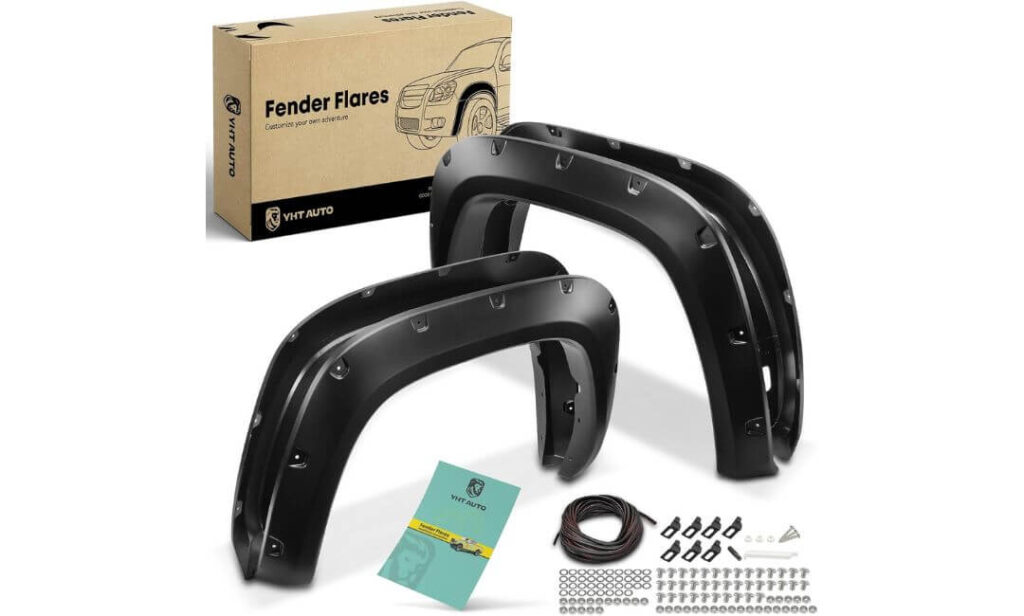
Quick Specs:
- Material: high-grade polypropylene with balanced rigidity and flex
- Finish: shiny black, ready-to-install glossy surface
- Coverage: extended coverage for wider tires and daily protection
- Install Type: bolt-on with included hardware and manual
- Design: pocket bolt-riveted style with visual hardware accents
- Set: full 4-piece kit (front + rear)
This is the kind of setup you go for when you want your Toyota Tundra to feel new again without overthinking it. Straight away, the shiny black finish hits differently—it’s cleaner, sharper, and gives that freshly detailed look even before you step back and take it all in.
Underneath that finish, the polypropylene build does exactly what it should. It stays light enough to handle easily during install, but strong enough to deal with sun exposure, daily driving, and the occasional rough patch without turning dull or chalky. You don’t get that cheap plastic feel here—it holds up, both visually and structurally.
The pocket riveted design brings that rugged look, but without going overboard. It adds presence to the truck while still keeping things balanced. Coverage is practical too—it helps manage mud splash, road debris, and tire exposure, especially if you’re running slightly wider wheels. And because it’s molded to match the Tundra’s body lines, it doesn’t look forced once installed.
(this is more about clean upgrade than loud styling, and that’s exactly why it works)
What Actually Works in Daily Use
- glossy black finish gives a fresh, clean upgrade instantly
- polypropylene build resists fading and surface wear over time
- pocket rivet design adds rugged detail without looking excessive
- hardware kit and manual included for more controlled installation
- good balance between coverage and clean body alignment
What Could Be Better
- mud flaps need to be removed before installation, which adds an extra step
Real Fitment for Toyota Tundra
On 2022–2026 models, these follow the wheel arch quite naturally. The edges sit close without leaving awkward gaps, and once aligned properly, the overall fit looks consistent from front to rear.
For stock and mildly upgraded setups, the coverage feels right—it protects where needed without making the truck look oversized or bulky.
Installation Notes (Professional Insight)
Start by removing mud flaps before anything else—this step is not optional. Once that’s done, test fit each flare and loosely mount all bolts first. This gives you room to adjust alignment before locking everything down.
Use a torque wrench if possible and avoid over-tightening. The material is strong, but forcing bolts too hard can create unnecessary stress points. After a few drives, recheck the bolts to keep everything sitting tight and clean.
#5. Rough Country Sport Fender Flares (2022–2026 Tundra)
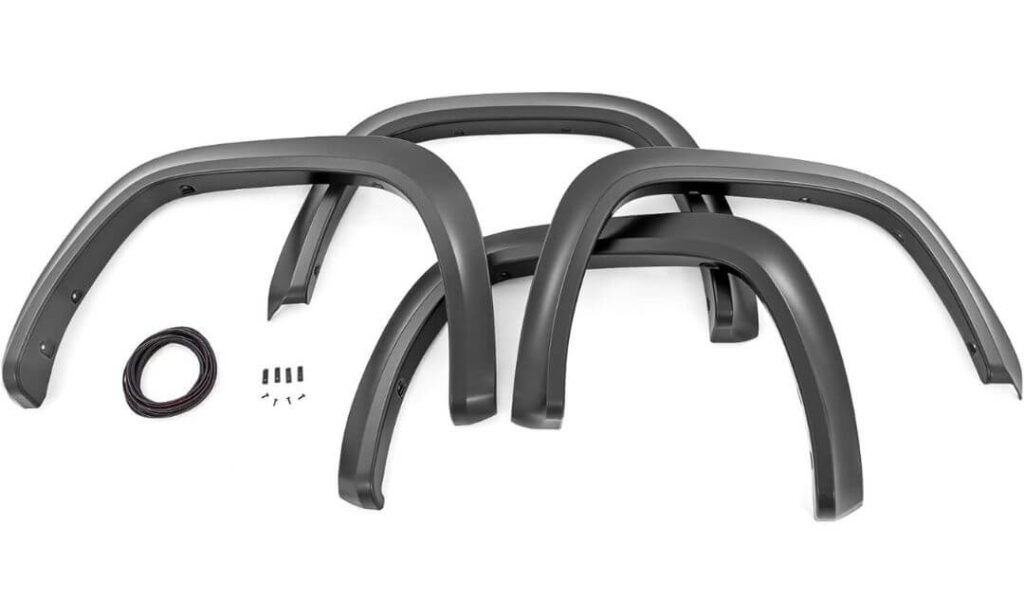
Quick Specs:
- Material: Tri-Blend ABS (impact-resistant, long-term durability)
- Finish: matte black, UV-protected, paint-ready
- Coverage: extends ~1 inch beyond factory fender with ~5-inch height
- Install Type: no-drill bolt-on using factory mounting points
- Compatibility: fits 2WD and 4WD models
- Warranty: 3-year limited coverage
This is what you pick when you don’t want anything flashy—you just want something that works every single day without drawing attention to itself. On a Toyota Tundra, this setup feels more like a functional extension than an upgrade you added later.
The standout here is the extra 1-inch tire coverage combined with a taller 5-inch profile. It’s not extreme, but it’s exactly what most Tundra owners actually need—enough to stop mud, gravel, and road debris from constantly hitting the side panels, especially if you’re running slightly wider tires or drive on rough roads often.
Material-wise, the Tri-Blend ABS construction holds up where cheaper builds don’t. It absorbs minor impacts, deals with heat cycles, and doesn’t lose its shape easily. Add in the UV-protected matte finish, and you’re not dealing with fading or that chalky look after months in the sun. It stays consistent, which is what matters long term.
(this is one of those upgrades you install once and don’t have to think about again)
What Actually Works in Real Life
- practical 1-inch extension that genuinely improves tire coverage
- Tri-Blend ABS build handles daily abuse and rough conditions
- UV-protected matte finish stays consistent over time
- clean sport style that doesn’t overpower the truck’s design
- quick no-drill install that fits well using factory points
What Could Be Better
- not as wide or aggressive as pocket-style flares for heavily modified setups
Real Fitment for Toyota Tundra
On 2022–2026 models, these sit exactly where they should—tight to the body with no unnecessary overhang. The sport style design follows the factory lines closely, so it doesn’t look like an aftermarket add-on once installed.
For stock and mildly upgraded trucks, the coverage feels natural. It protects the body without changing the overall proportions of the Tundra.
Installation Notes (Professional Insight)
This is one of the more straightforward installs. Everything mounts to factory attachment points, so there’s no drilling or complicated adjustments involved. Most people can finish it within an hour if they take their time.
Just pay attention while applying the weather strip—that’s the only part where precision matters. Align it carefully, press evenly, and don’t rush it. Once done right, the rest of the install feels solid and secure.
#6. YITAMOTOR Fender Flares (2022–2026 Tundra)
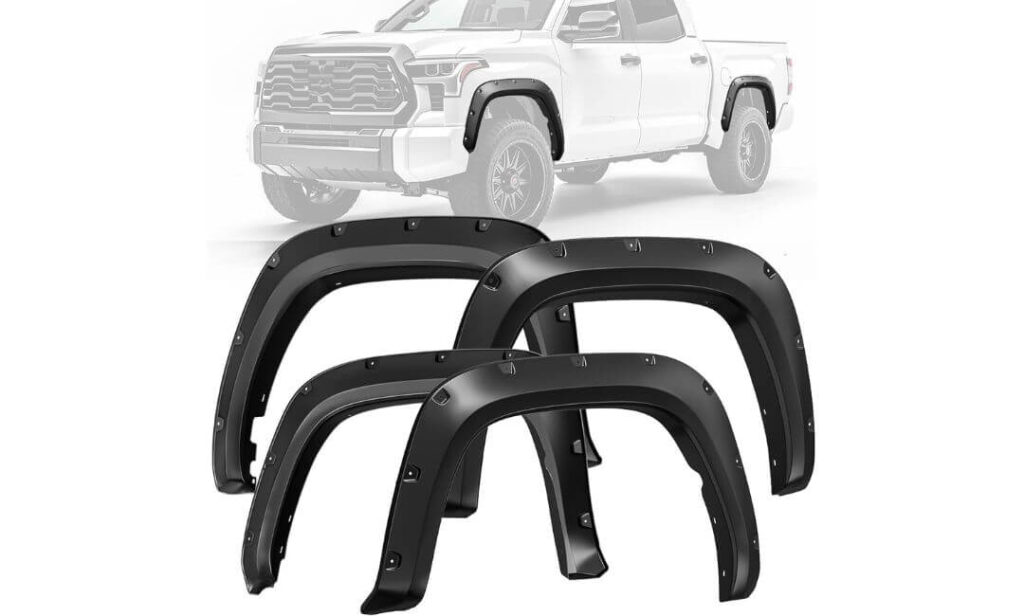
Quick Specs:
- Material: durable polypropylene with impact and UV resistance
- Finish: smooth black, paintable surface
- Coverage: widebody-style coverage for full tire protection
- Install Type: bolt-on using factory holes with included hardware
- Design: pocket riveted style with uniform injection-molded structure
- Set: complete 4-piece kit (front + rear)
Sometimes you don’t need the most hyped option—you just need something that does the job properly without overcomplicating things. On a Toyota Tundra, this setup hits that balance where you get the look, the protection, and the usability without spending unnecessary money.
The first thing you notice is the smooth black finish. It’s clean, simple, and gives you flexibility—leave it as it is for a subtle look or paint it later to match your build. Under that, the polypropylene construction keeps things practical. It’s flexible enough to handle minor impacts and daily use, but strong enough to avoid cracking or losing shape over time.
Coverage is where this really earns its place. The design extends enough to block mud, sand, and road debris effectively, especially if you’re driving in mixed conditions or dealing with rough roads regularly. It’s not overly aggressive, but it’s wide enough to make a real difference in keeping the truck cleaner and protected.
(this feels like a smart, no-nonsense upgrade that quietly improves your truck every day)
What Actually Makes Sense Here
- balanced wide coverage that protects without looking bulky
- smooth paintable finish gives flexibility for future customization
- polypropylene build handles daily wear and minor impacts well
- easy to clean surface that doesn’t hold dirt or stains
- consistent hole alignment thanks to injection-molded design
What Could Be Better
- overall finish feels simpler compared to premium options
Real Fitment for Toyota Tundra
On 2022–2026 models, these sit evenly across the wheel arch with a stable fit once installed correctly. The edges follow the body lines well enough to avoid that “aftermarket gap” look.
For stock and slightly wider setups, the coverage feels practical—it protects the body without making the truck look overbuilt or disproportionate.
Installation Notes (Professional Insight)
Even though it’s a bolt-on setup, don’t rush it. Start with a proper test fit using all mounting points loosely, then tighten gradually once everything lines up.
Avoid over-tightening the bolts—the material is durable but doesn’t need excessive force. After a few drives, do a quick check on the hardware to keep everything sitting secure and aligned.
Best Toyota Tundra Fender Flares Compared for Fit, Coverage and Real-World Durability
| Product | Build & Finish | Tire Coverage | Install | Best Use Case |
|---|---|---|---|---|
|
OEM Style IKON MOTORSPORTS |
PP injection build textured black OE look |
Balanced coverage for daily + stock setups |
No-drill bolt-on needs careful alignment |
Clean factory-style upgrade without overdoing it |
|
Aggressive Look Tyger Auto |
Polypropylene paintable smooth finish |
Wide coverage handles bigger tires |
Bolt-on takes time to align right |
Best for stance upgrade and bold appearance |
|
Off-Road Ready Husky Liners |
Dura-Flex ABS UV tested heavy-duty |
Full-width coverage for oversized setups |
Easy no-drill quick install |
Real protection for mud rocks and rough driving |
|
Glossy Finish YHTAUTO |
Polypropylene shiny black finish |
Moderate coverage daily protection |
Bolt-on hardware included |
Clean fresh look with simple upgrade feel |
|
Sport Style Rough Country |
Tri-Blend ABS UV matte black |
+1 inch extension practical coverage |
Very easy no-drill fast install |
Best for daily use no hassle ownership |
|
Best Value YITAMOTOR |
Polypropylene smooth black paintable |
Widebody coverage good for mixed use |
Bolt-on simple install |
Budget friendly option that still performs |
Buying Guide for Toyota Tundra Fender Flares That Actually Make Sense
If you’re putting fender flares on a Toyota Tundra, it shouldn’t be just for looks. The right set changes how your truck drives, stays clean, and ages over time. The wrong one? It becomes something you notice every single day—and not in a good way.
This isn’t about picking the most aggressive design or the cheapest option. It’s about choosing something that fits your real usage, your tire setup, and how long you plan to keep the truck.
What Fender Flares Actually Do (Beyond Looks)
Most people think flares are just for styling, but on a Tundra—especially 2022+—they solve very real problems.
First is spray and debris control. Once you go wider on tires or change offset, the stock body doesn’t cover enough. That means mud on doors, chips on paint, and constant cleaning. A proper flare setup reduces that mess significantly.
Second is tire coverage and legality. In many places, your tires are not supposed to stick out past the body line. Good flares bring things back into compliance while still letting you run wider wheels without issues.
Then comes long-term protection. Stone chips, sand, and road debris slowly damage paint near the wheel arch. Over time, that’s where trucks start looking old. A well-fitted flare acts like a shield in those exact areas.
And yes, resale value matters more than people admit. A truck with clean arches and no visible damage always feels better maintained—even if everything else is the same.
What Actually Matters When Choosing Fender Flares
The biggest mistake is focusing only on style. What matters more is how the flare behaves after installation and months of use.
Start with fitment quality. If the edges don’t sit tight against the body, you’ll notice gaps, uneven lines, and even vibration over time. Vehicle-specific molding makes a huge difference here.
Material is next. You’ll see a lot of options, but the ones that hold up are usually ABS or high-grade polypropylene. These materials handle heat, sunlight, and minor impacts without cracking or fading quickly. Cheap plastic might look fine initially but degrades fast.
Look closely at UV resistance. Sun exposure is what ruins most flares. Fading, chalking, and discoloration are common if the material isn’t treated properly. Once that happens, there’s no easy fix.
Then there’s coverage width. Not all flares extend enough to actually solve tire poke or debris issues. You need something that matches your setup—stock, slightly wider, or fully upgraded.
Also check the mounting system. Rust-free hardware, proper brackets, and stable mounting points matter more than people think. Loose or poorly mounted flares can shift, rattle, or damage the body over time.
No-Drill vs Drill Install — What You Should Actually Pick
No-drill setups are popular for a reason. They use factory mounting points and avoid permanent changes to your truck. For most users, this is the safer and cleaner option.
But here’s the reality—no-drill doesn’t mean effortless. Alignment still matters. Rushing installation can lead to uneven fitment even with a good product.
Drilled setups are less common for newer Tundras, but they exist for wider or more aggressive builds. They offer stronger mounting in some cases, but they’re permanent. Once you drill, there’s no going back.
For most Tundra owners, a well-designed bolt-on OEM-fit system is the best balance between ease, safety, and long-term reliability.
Style vs Real Use — Don’t Get This Wrong
OE style flares are for people who want a clean, factory-like look. They blend in and don’t change the truck’s character too much.
Pocket or riveted styles are more aggressive. They work well with off-road builds, lifted setups, and wider tires—but only if the fit is clean.
Sport style flares sit somewhere in between. They add coverage without making the truck look bulky.
The key is not choosing what looks best online, but what fits your truck’s setup in real life.
Small Details That Make a Big Difference
These are the things most buyers ignore—and regret later:
- Edge sealing or rubber trim helps prevent dirt buildup and improves fit
- Consistent thickness across the flare avoids weak spots
- Paintable vs textured finish affects long-term appearance
- Hardware quality determines how secure everything stays over time
- Weight balance affects how easily the flare holds position without sagging
Final Reality Check Before You Buy
A good fender flare should disappear into the truck once installed. It should feel like it was always meant to be there—no gaps, no weird angles, no second thoughts.
If you’re constantly noticing it after installation, something is off.
The right choice is the one that matches your tire setup, driving conditions, and how you actually use your Tundra every day—not just how it looks in a product image.
No-Drill Install Spotlight for Toyota Tundra Fender Flares That Actually Fit Right
On a modern Toyota Tundra, no-drill installation isn’t just about convenience—it’s about protecting your truck from unnecessary damage while keeping everything reversible and clean. Once you drill into body panels, you’re committing to that setup permanently. That’s why most serious Tundra owners lean toward factory mounting point designs that get the job done without cutting into the truck.
But here’s the part most people miss—no-drill doesn’t automatically mean perfect fit or easy install. The product still has to be molded right, and the installation still has to be done with patience. Otherwise, even a no-drill setup can look off.
Which Fender Flares in This List Truly Offer No-Drill Installation
Looking at the lineup we’ve covered, most of these options are designed to use existing factory holes and mounting points, which is exactly what you want.
- IKON MOTORSPORTS follows a factory-style mounting approach, keeping things clean without modifying the body
- Tyger Auto also uses bolt-on hardware through stock points, though alignment needs extra care
- Husky Liners is one of the easiest here, with a straightforward no-drill setup that locks in quickly
- YHTAUTO includes hardware and manual, sticking to factory mounting but requiring prep like mud flap removal
- Rough Country keeps things simple with fast bolt-on install using OEM locations
- YITAMOTOR uses injection-aligned holes for a more consistent no-drill fit across all four flares
So yes, across this list, you’re not dealing with cutting or drilling—but the quality of alignment and mounting stability still varies product to product, and that’s where real-world experience matters.
What Actually Happens During a No-Drill Install
This is where expectations need to be real.
Even with factory mounting points, you’re still dealing with panel alignment, hardware positioning, and body contour matching. The flare doesn’t magically snap into place. You have to guide it.
The right approach is simple but often ignored—mount everything loosely first. Don’t tighten bolts immediately. Let the flare sit naturally along the wheel arch, adjust the position, then gradually secure it.
Another thing most people rush is edge alignment. If the top edge isn’t sitting flush from the start, tightening bolts won’t fix it—it will just lock in a bad fit.
And then there’s hardware pressure. Over-tightening is one of the fastest ways to ruin a clean install. These materials are strong, but they’re not meant to be forced.
Common Mistakes That Ruin a Good No-Drill Setup
Even with a solid product, small mistakes can mess everything up:
- tightening bolts before confirming full alignment
- forcing misaligned holes instead of adjusting positioning
- skipping surface cleaning, which affects how the flare sits
- ignoring rubber seals or edge trims where provided
- not rechecking bolts after initial driving
These aren’t big mistakes individually, but together they’re the difference between a factory-like finish and something that always looks slightly off.
Why No-Drill Designs Matter Long Term
The biggest advantage is preserving your truck’s original condition. No extra holes, no risk of rust from exposed metal, and no permanent changes that affect resale value.
It also means flexibility. If you ever want to remove or upgrade later, you can do it without dealing with patched panels or visible damage.
And visually, when done right, no-drill flares maintain clean OEM body lines. They sit where they’re supposed to, without looking forced or over-modified.
The Real Bottom Line
No-drill installation is the right choice for most Tundra owners—but only if you treat it properly. The hardware and mounting points are already there. The job is to use them correctly, not rush them.
When installed with patience, these flares don’t just attach to your truck—they blend into it, protect it, and stay consistent over time without creating new problems.
Wide Tire Coverage on Toyota Tundra How to Match Fender Flares with Your Wheels and Setup
Once you move beyond stock wheels on a Toyota Tundra, everything changes—and tire coverage becomes one of those things you only understand after it’s too late. Wider tires and aggressive offsets look great, but they also push rubber outside the factory body line. That’s where the right fender flare setup stops being optional and starts being necessary.
This isn’t just about hiding tire poke. It’s about controlling how your truck behaves in real conditions—mud, water spray, road debris, even how clean it stays after a drive.
How to Actually Estimate the Coverage You Need
Most people guess this part, and that’s why they end up with flares that look right but don’t solve anything.
Start with your wheel and tire setup. If you’re running stock wheels, you usually need minimal extension—something that follows the body line and just adds slight protection. But the moment you move to negative offset wheels or wider tires, the outer edge of the tire starts pushing outward.
A simple way to judge this is by looking straight down from above the wheel arch. If you can clearly see the tire sticking out past the fender, you need additional coverage. The more visible the tire, the more extension your flare should provide.
Lifted trucks amplify this effect. Even if the tire size doesn’t change drastically, the angle and exposure increase, which means more debris gets thrown outward, especially at speed.
What Wide Tires Actually Change in Daily Driving
This is where things get real, because it’s not just visual.
With wider tires, you’ll notice more mud and water spray hitting the sides of the truck. After a rainy drive, the doors and rear panels take most of the impact. Without proper flares, this becomes constant.
Then there’s stone throw and paint damage. Small debris gets picked up by the tire and thrown outward. Over time, this leads to chips around the wheel arch and lower body panels—exactly the areas flares are meant to protect.
Steering feel can also change slightly. Wider setups can increase road feedback, and if the tire extends too far out, it can affect how stable the truck feels on uneven surfaces.
And in tight spaces or city driving, exposed tires can kick debris toward nearby vehicles or pedestrians, something most people don’t think about until it happens.
How Each Fender Flare in This List Handles Wide Tires
Not every flare here is built for the same level of coverage, and that’s intentional.
IKON MOTORSPORTS stays closer to OE style. It works best for stock or mildly upgraded setups where you just need clean, balanced coverage without changing the truck’s proportions.
Tyger Auto steps things up with wider extension and a more aggressive pocket design. It’s better suited for trucks running noticeable offsets or wanting that bold stance with functional coverage.
Husky Liners is where coverage becomes serious. It’s designed to handle oversized and low-offset wheels, giving full-width protection that actually reduces mud spray and debris impact in real conditions.
YHTAUTO sits in the middle. It offers enough coverage for daily use and light upgrades, while focusing more on clean appearance than extreme extension.
Rough Country Sport is more controlled and practical. The added extension is enough to improve protection without pushing into bulky territory—ideal for balanced daily setups.
YITAMOTOR provides wide coverage at a more accessible level. It handles moderate tire upgrades well and keeps the truck protected without overcomplicating the setup.
The Part Most People Overlook
Coverage isn’t just about how far the flare sticks out. It’s about how well it aligns with the tire’s outer edge.
If the flare is too narrow, it doesn’t solve the problem. If it’s too wide, it can look forced and affect the truck’s proportions. The goal is to match the flare width with your actual tire position—not guess based on appearance.
Also, coverage should be consistent from front to rear. Mismatched extension creates an uneven look that stands out immediately.
Making the Right Call for Your Setup
If your Tundra is mostly stock or lightly modified, go with something that adds subtle coverage and clean lines.
If you’re running wider wheels, offsets, or planning a more aggressive build, you need flares that extend properly and hold their position under real driving conditions.
The right setup doesn’t just improve how your truck looks—it controls how it behaves, how it stays clean, and how well it holds up over time.
Heavy-Duty ABS and OEM Fit on Toyota Tundra What Actually Holds Up Over Time
When you’re choosing fender flares for a Toyota Tundra, this is the part that decides whether you’ll be happy six months later or already looking for replacements. Style gets attention, but material quality and real fitment are what you live with every single day.
Most flares look good when they’re new. The difference shows up after sun exposure, rough roads, and daily use. That’s where ABS builds and true OEM-style fit start separating themselves from everything else.
Why ABS and High-Grade Polypropylene Actually Matter
Not all plastics behave the same, even if they look identical at first.
ABS and advanced polypropylene blends are used because they handle impact, flex, and temperature changes better than cheaper materials. On a truck like the Tundra, that matters more than people expect. Gravel hits, minor contact, and constant vibration are normal—not exceptions.
A good ABS flare absorbs small impacts instead of cracking. It flexes just enough to avoid stress fractures but still returns to shape. That balance is what keeps the flare looking solid over time instead of developing weak points.
Then there’s UV resistance, which is one of the most underrated factors. Sun exposure is what causes fading, chalking, and surface breakdown. Once that starts, the flare never looks the same again. Materials that are properly treated—like the ones used in Husky Liners or Rough Country—hold their finish much longer without turning dull or grey.
Weight also plays a role. A well-built ABS flare feels solid but not overly heavy. Too light often means thin plastic. Too heavy can stress mounting points over time.
What OEM Fit Really Means on a Tundra
“OEM fit” gets thrown around a lot, but in real use, it comes down to how the flare sits against the body without effort.
On the 2022–2026 Tundra, the wheel arches have sharper, more defined lines. If a flare isn’t molded correctly, you’ll see it immediately—uneven edges, small gaps, or sections that don’t sit flush.
A true OEM-style fit means:
- the flare follows the exact curve of the wheel arch
- edges sit tight without forcing alignment
- mounting points line up naturally without stress
- the overall look feels integrated, not added on
Products like IKON MOTORSPORTS and Husky Liners lean more toward this clean integration, while others like Tyger Auto or YHTAUTO add a bit more visual presence but still need proper alignment to achieve that same tight fit.
The key difference is this—a good flare doesn’t need to be forced into place. If you’re struggling to make it sit right, it’s not a true OEM-level fit.
Finish Options and How They Age in Real Use
Finish is not just about appearance—it directly affects how the flare looks months later.
Textured finishes are the most forgiving. They hide dust, scratches, and minor wear better, which is why OE-style flares often use them.
Smooth or glossy finishes look cleaner initially and are ideal if you plan to paint-match. But they also show scratches and dirt more easily, so they require a bit more maintenance.
Matte finishes with UV protection strike a balance. They don’t reflect too much, don’t show wear as quickly, and tend to age well under sunlight.
Paintable surfaces give flexibility, but they only work well if the base material is stable. Otherwise, the paint won’t hold properly over time.
Warranty and What It Actually Tells You
Warranty is one of those things people glance at but don’t really read into.
A lifetime or multi-year warranty usually indicates confidence in material stability—especially against cracking, warping, or manufacturing defects. Brands like Tyger Auto offering lifetime coverage or Husky Liners with tested materials are signaling that their flares are built for long-term use.
But warranty doesn’t cover poor installation. If the flare is mounted incorrectly or stressed during install, that’s on the user.
The Real Difference You Notice Over Time
The combination of strong material and accurate fitment is what keeps everything looking right.
Cheap flares start showing issues gradually—slight fading, tiny gaps, edges that don’t sit flush anymore. It doesn’t happen overnight, but once it starts, it’s noticeable.
Good flares stay consistent. They keep their shape, their finish, and their alignment even after months of driving.
That’s the difference between something that feels like a temporary add-on and something that actually becomes part of your Tundra.
Installation and Maintenance Guide for Toyota Tundra Fender Flares That Stay Solid Over Time
Installing fender flares on a Toyota Tundra isn’t complicated—but doing it properly is what separates a clean, factory-like result from something that always looks slightly off. Most issues people blame on the product actually come from rushed installs or skipped prep.
If you take this part seriously once, you won’t have to deal with loose edges, uneven gaps, or constant adjustments later.
How to Install No-Drill Fender Flares the Right Way
No-drill setups make things easier, but they still demand attention to detail.
Start by removing anything in the way, like factory trim pieces or mud flaps if required. Don’t try to work around them—it always leads to poor alignment.
Next, clean the mounting area properly. Not just a quick wipe—use soap and water, and if possible, a light alcohol wipe. Any dirt left behind can affect how the flare sits against the body.
Before touching any hardware, do a full test fit. Hold the flare in place and check how it follows the wheel arch. Look closely at the top edge and corners. This is where alignment matters most.
Now comes the step most people rush—loose mounting first. Insert all bolts or clips lightly without tightening anything fully. This allows you to adjust positioning across the entire flare instead of locking one side too early.
Once everything looks even, start tightening gradually. Move from one side to the other instead of finishing one section at a time. This keeps pressure balanced and avoids pulling the flare out of alignment.
If your kit includes rubber seals or edge trim, install them carefully. They’re not just cosmetic—they help prevent dirt buildup and improve the final fit.
Tools That Actually Make the Job Easier
You don’t need a full workshop setup, but using the right tools makes a big difference.
A basic socket set is essential. An impact driver with a flexible extension helps reach tight mounting points without forcing angles. If you want to do it properly, a torque wrench ensures you don’t overtighten and stress the material.
Having a clean cloth, mild cleaner, and a trim tool (for removing clips or panels) also helps avoid unnecessary damage during prep.
If you’re working alone, take your time. If you have someone to hold the flare during alignment, the process becomes much smoother.
Common Installation Mistakes That Cause Problems Later
These are the things that lead to complaints—even with good products:
- tightening bolts before confirming full alignment
- forcing hardware into slightly misaligned holes
- skipping surface cleaning before mounting
- ignoring included seals or trims
- overtightening, which creates stress points in plastic
None of these feel like big mistakes in the moment, but they show up later as gaps, noise, or uneven fit.
Keeping Fender Flares Looking New Over Time
Maintenance is simple, but consistency matters.
Regular cleaning with mild soap and water is enough for most builds. Avoid harsh chemicals—they can damage the finish, especially on textured or matte surfaces.
If you’re using smooth or glossy flares, occasional wiping helps prevent buildup that can dull the finish over time.
For textured finishes, a soft brush can help remove dirt from grooves without scratching.
Long-Term Care That Most People Ignore
After installation, check the hardware once after a few drives. Road vibration can slightly loosen bolts, and a quick re-tightening keeps everything secure.
If your flares are exposed to strong sunlight regularly, applying a UV protectant designed for exterior plastics can help maintain color and prevent fading.
Also, keep an eye on edge alignment over time. If something feels off, it’s better to adjust early than let it worsen.
What a Proper Setup Feels Like
Once installed and maintained correctly, fender flares should feel like part of the truck—not something you added later. No movement, no noise, no constant adjustments.
They should stay aligned, hold their finish, and quietly do their job every time you drive—whether it’s daily commuting or rough road use.
FAQs About Toyota Tundra Fender Flares
Do wider fender flares on a Toyota Tundra actually fix tire poke or just hide it visually?
On a Toyota Tundra, wider flares don’t magically “fix” tire poke—they bring it under control in a way that actually works on the road. If your tires sit outside the body line, they will throw mud, water, and small debris outward no matter what. A properly sized flare extends just enough to catch that spray and redirect it downward instead of letting it hit your doors and rear panels every time you drive.
The difference becomes obvious after a few drives, not instantly. Trucks without proper coverage start showing consistent dirt lines, chipped paint near the arches, and messy side panels, especially in mixed conditions. When the flare width is matched correctly to your tire setup, it doesn’t just cover the poke—it reduces the real-world impact of running wider wheels, which is what most people actually need.
Will adding fender flares on a Toyota Tundra affect how the truck feels to drive daily?
Fender flares themselves don’t change steering or suspension behavior—but they change how the truck interacts with the environment around it. Once you go wider on tires, the truck naturally throws more debris outward, and that’s where flares step in. They reduce the amount of mud, gravel, and water hitting the body, which makes daily driving feel cleaner and less chaotic.
Over time, you also notice less wear around the wheel arches and lower panels. Without flares, that area constantly takes abuse. With proper coverage, the truck stays in better condition, and you spend less time worrying about cleaning or damage. It’s not a performance upgrade—it’s a daily usability upgrade that quietly makes a difference every time you drive.
Why do some fender flares on a Toyota Tundra start showing gaps after a few weeks?
This usually comes down to two things—material behavior and installation approach. Lower-quality plastics don’t handle heat and vibration well. After a few days in the sun and regular driving, they start to shift slightly, and that’s when gaps begin to show near edges or corners.
Installation plays an equally big role. If the flare wasn’t aligned properly during mounting, tightening the bolts won’t fix it—it locks the misalignment in place. Over time, that stress shows up as uneven spacing. A properly installed, well-molded flare should sit flush from day one and stay consistent even after weeks of driving, without needing constant adjustments.
Is paintable fender flare finish actually worth it or just marketing?
It depends on how you plan to use your truck. Paintable flares give you the option to match your Tundra’s body color, which looks clean—but only if done properly. If the base material isn’t stable or the prep isn’t done right, the paint won’t hold long-term, and you’ll start seeing peeling or uneven texture.
For most users, textured or matte finishes are more practical. They hide scratches, dust, and daily wear much better. Paintable options make sense if you’re going for a fully customized build, but for everyday use, durability and low maintenance usually matter more than perfect color matching.
How do you know if a fender flare will actually fit your Toyota Tundra properly before buying?
The biggest sign is whether the flare is vehicle-specific molded for your exact model years. Generic or loosely compatible options almost always lead to alignment issues. A proper flare should follow the wheel arch naturally without needing force during installation.
Beyond that, look at real-world indicators—consistent edge alignment, stable mounting points, and material flexibility. If a flare requires forcing bolts or adjusting holes significantly, it’s not a true fit. The right one should feel like it’s meant for the truck from the start, not something you have to “make work” after buying.
Final Thoughts on Choosing the Right Fender Flares for Your Toyota Tundra
At this point, it’s not really about which flare looks the best—it’s about which one makes sense once it’s on your truck. Because after the install is done and the excitement fades, what you’re left with is how it fits, how it holds up, and how it actually performs every day on your Toyota Tundra.
The difference between a good and bad choice doesn’t show on day one. It shows after a few weeks—when the sun hits it, when you drive through mud, when you wash your truck and notice whether everything still sits tight and clean. That’s where material quality, real fitment, and proper coverage quietly prove their value.
If you want something that blends in and feels factory, go with a clean OE-style option. If your build is wider and more aggressive, choose something that actually extends enough to match your setup—not just something that looks tough in photos. And if you just want a reliable upgrade without overthinking it, stick to flares that install clean, hold their shape, and don’t demand constant attention.
What matters most is this—once installed, you shouldn’t have to keep thinking about them. No gaps, no movement, no second thoughts. Just a truck that looks right, stays protected, and feels complete every time you walk up to it.
Also Check: