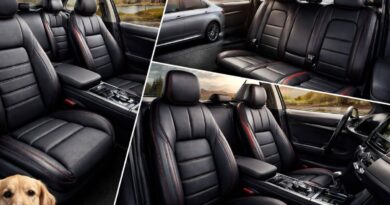
5 Best Seat Covers for Chevy Traverse (2026): Custom Fit, Waterproof & Airbag Safe
If you drive a Chevy Traverse long enough, you already know one thing—those factory seats don’t stay “new” for long. Between kids climbing in with muddy shoes, grocery runs that turn into spills, or just daily commuting heat and sweat, the interior starts showing wear way sooner than it should. I’ve seen it happen on everything from older 2010 models to the latest 2026 trims. And once the damage is there, there’s no easy fix—only cover it or live with it.
That’s exactly why choosing the right seat cover for your Chevy Traverse matters more than people think. Not just any universal cover, but something that actually fits your model, works with airbags, and doesn’t slide around every time you get in. I went through what real owners actually use—what holds up, what looks factory-installed, and what’s worth the money in 2026. No fluff here. Just options that make sense the moment you install them.
Best Chevy Traverse Seat Covers: Top 2026 Picks for Full Coverage & Premium Feel
#1. EKR Traverse Seat Covers — Custom Fit Faux Leather Seat Covers for Chevy Traverse 2024–2026 (Full 7-Seater Protection)
#2. AOMSAZTO Front Seat Covers — Waterproof Leather Seat Covers for Chevy Traverse 2018–2026 (Airbag Compatible Front Pair)
#3. JOJ Full Set Seat Covers — Premium Nappa Leather Seat Covers for Chevy Traverse 2009–2026 (Luxury Custom Fit 7 Seats)
#4. ZWCS Seat Covers Full Set — Durable Waterproof Nappa Leather Seat Covers for Chevy Traverse 2009–2026 (Easy Install Full Coverage)
#5. CTDS Sport Seat Covers — Stylish Nappa Leather Seat Covers for Chevy Traverse 2009–2026 (Budget-Friendly Front Seat Upgrade)
Expert Tip (from someone who’s seen these hold up over time)
Don’t just buy what looks premium—buy what you won’t notice after a week. The best seat covers are the ones that don’t shift when you slide in, don’t trap heat on long drives, and don’t make your interior feel “covered.” If you’re adjusting your seat every time you sit down or fixing wrinkles after a few days, that cover is already a bad buy. A good one disappears into your daily routine—and that’s exactly what you should aim for.
How We Chose These Seat Covers for Chevy Traverse
We didn’t pick these based on brand hype or product descriptions. Every option here earned its place because it solves real problems Traverse owners deal with—fit issues, loose installation, cheap material feel, and long-term durability.
First, fit was non-negotiable. The Chevy Traverse isn’t a small car—it’s a full-size 7-seater with different trims, split configurations, and seat-release mechanisms. Covers like EKR stood out because they are built specifically around newer trims like LT, Z71, RS, and High Country, including details like second-row split and shoulder-mounted levers. That kind of precision matters because if the cut isn’t right, everything else fails.
Then we looked at material quality in real use, not just on paper. Nappa leather options like JOJ and ZWCS weren’t included just because they sound premium—they actually hold shape, resist creasing, and don’t start looking tired after a few weeks. At the same time, we didn’t ignore practicality. AOMSAZTO makes sense for people who don’t need a full set but still want solid waterproof protection upfront—especially for daily driving or rideshare use.
Airbag compatibility was carefully considered, but not blindly trusted. A lot of covers claim it. We prioritized designs where stitching and side clearance actually support proper deployment instead of blocking it with thick padding.
Installation was another filter. If a seat cover takes hours, requires removing seats, or never sits tight, it doesn’t belong here. The ones listed here are the kind you can install properly without frustration—and once they’re on, they stay put.
Finally, we balanced real-world use cases. Not everyone needs a full luxury setup. That’s why something like CTDS is included—it’s a smart, budget-friendly front-seat upgrade for people who just want to improve feel and appearance without going all in.
At the end of the day, these picks aren’t random. Each one fits a specific type of Traverse owner—and more importantly, they solve the exact problems people run into after owning the car for a while. That’s the only standard that matters.
#1. EKR Traverse Seat Covers
Quick Specs:
- Vehicle-specific fit for Chevy Traverse LT, Z71 (2024–2026) & RS / High Country (2026)
- Full 7-seat coverage with proper 2nd-row 50/50 split support
- Faux leather build with waterproof + breathable finish
- Designed around shoulder-mounted seatback release lever (2nd row)
- Airbag-compatible stitching with full seat function access
- No-tool installation with guided setup
- Solvent-free material (safe for kids, pets, long drives)
- 2-year warranty coverage
The first thing you notice after installing this set isn’t the material—it’s the fit. On a Chevy Traverse, especially newer trims, most covers fail around the edges, folds, and split seats. This one doesn’t. It wraps tight, sits flush, and actually respects how the seats are built—no loose corners, no awkward gaps. The 50/50 split in the second row works the way it should, and even that shoulder-mounted release lever isn’t blocked or buried under fabric.
Then comes the everyday use. Spills, dust, heat—this is where most covers start showing their weakness. Here, the faux leather holds up well without feeling stiff or plastic-like. It wipes clean in seconds, doesn’t trap heat the way cheap covers do, and more importantly, it doesn’t start wrinkling after a few uses. You sit, drive, get out—and it stays exactly how you left it.
What makes it stand out is how it doesn’t interfere. Airbags, seat adjustments, armrests—everything works like stock. That’s rare. A lot of “custom fit” covers look good until you actually use your car daily. This one feels like it was built around the Traverse, not forced onto it. (once installed properly, it stops feeling like an accessory—and starts feeling like part of the car itself)
What Stood Out in Daily Use
- Fit actually follows seat shape (not just “close enough”)
- Second-row split and lever access works without adjustment hassle
- Material feels soft but doesn’t crease or sag over time
- No interference with airbags or seat functions
- Full interior upgrade look without overdoing it
What Could Be Better
- First-time installation can take patience if you want that perfect tight finish
Built Around Chevy Traverse Interior (Real Fit Talk)
On newer Traverse models, especially 2024–2026, seat design isn’t simple anymore—split layouts, trim-specific differences, and lever placements make most covers unreliable. This one is clearly shaped with those details in mind. The second row behaves like factory seating, not something you have to “work around.”
Even after regular use—folding seats, adjusting positions, getting in and out—the alignment stays intact. That’s the difference between something made for the Traverse and something just labeled for it.
The Insider Pro-Tip:
If you’re installing this for the first time, don’t rush it. Take an extra 20–30 minutes to properly tuck and secure every edge—especially around the seat base and split sections. That one step decides whether it looks like a seat cover… or like you upgraded your entire interior overnight.
#2. AOMSAZTO Front Seat Covers
Quick Specs:
- Custom-fit design for Chevy Traverse 2018–2026 (front seats only)
- Faux leather with layered padding (sponge + non-slip base)
- Waterproof, stain-resistant, easy wipe-clean surface
- Built-in airbag reserve stitching (side deployment safe)
- Supports seat heating without blocking function
- Anti-slip backing with hooks + chucks for secure hold
- Storage pockets integrated into front seatbacks
- Available in multiple colors (Red, Black, Dual-tone options)
Not everyone needs a full 7-seat setup—and that’s where this one hits differently. If your daily use revolves around the front seats (which it usually does), this feels like a smarter upgrade instead of overpaying for a full set you won’t fully use. The fit on the Traverse front seats is tight enough to stay in place without constant adjustments, which is honestly where most budget-friendly options fail.
Material-wise, it’s built for real-life mess. The faux leather isn’t just for looks—it’s layered with sponge padding underneath, so you don’t get that hard, flat seating feel. Long drives feel normal, not stiff. Spills, dust, or even shoe marks? A quick wipe and it’s gone. And importantly, it doesn’t start slipping or bunching up after a few days—the non-slip base actually does its job.
What stands out is the practicality. Airbag stitching is placed where it should be, seat heating still works, and those small storage pockets end up being more useful than expected (phone, keys, quick stuff). It’s not trying to be luxury—it’s trying to be reliable for daily driving, and it delivers on that. (if your focus is front-seat comfort + protection without overcomplicating things, this just makes sense instantly)
What Makes It Worth Considering
- Front-seat focused upgrade (no wasted spend on full set)
- Stays in place even with daily entry/exit use
- Waterproof layer actually handles real spills easily
- Comfortable padding—doesn’t feel thin or cheap
- Extra storage pockets add everyday convenience
What Could Be Better
- Rear seats remain uncovered (not ideal if you want full interior match)
Designed Around Traverse Daily Driving (Fit Reality Check)
For 2018–2026 Traverse models, front seat shape and dimensions stay fairly consistent—but cheap covers still miss the mark. This one doesn’t. It wraps around the seat cushion properly and holds its position even after repeated use.
Since it’s built specifically for front seats, you don’t deal with unnecessary adjustments or loose fittings. Everything sits where it should—clean, tight, and functional without effort.
The Insider Pro-Tip:
If you’re choosing this for daily driving, go for a color that contrasts slightly with your interior (like red or dual-tone). It not only hides wear better over time but also gives your Traverse that subtle “upgraded cabin” feel without changing everything.
#3. JOJ Full Set Seat Covers
Quick Specs:
- True custom fit for Chevy Traverse 2009–2026 (all trims, all 3 rows)
- Full 7-seat coverage including front, captain seats, and rear bench
- Premium Nappa leather with soft-touch + high durability
- Waterproof, UV-resistant, scratch-resistant surface
- Airbag-compatible design with precise side alignment
- Reinforced stitching + non-slip backing for long-term hold
- Tool-free installation with straps, hooks, and exact cutouts
- Breathable finish (doesn’t feel sealed or sweaty on long drives)
You know that moment when you sit inside a well-kept Traverse and everything just feels tight, clean, and premium? That’s exactly the level this set is trying to hit—and surprisingly, it gets close. This isn’t a quick cover-up job. It’s more like resetting your entire interior without replacing the seats.
The first thing that stands out is the Nappa leather itself. It doesn’t have that stiff, artificial feel most “leather covers” come with. It’s softer, slightly textured, and once it settles in, it starts looking less like a cover and more like factory upholstery. And because it’s built for full coverage—every seat, every row—you don’t get that mismatch look where only half the cabin feels upgraded.
Functionally, it’s built around real use. Kids climbing in, pets jumping around, long drives, heat, spills—it handles all of it without looking worn out after a few weeks. The stitching holds tight, the surface resists scratches better than expected, and even after repeated use, it doesn’t sag or loosen. Airbags, seat controls, headrests—everything works as it should without compromise. (this is the kind of setup where you stop worrying about your original seats altogether)
What Makes It Stand Out in This Category
- Full interior transformation (not just protection)
- Nappa leather feels soft, not stiff or plastic-like
- Holds shape well even with heavy daily use
- Covers all rows properly—no visual mismatch
- Designed with safety and functionality in mind
What Could Be Better
- Slightly premium price compared to basic seat cover sets
Built for Every Traverse Generation (Fit Confidence)
From older 2009 models to the latest 2026 Traverse, seat layouts and proportions vary—but this set accounts for that range surprisingly well. The alignment with headrests, seat controls, and airbags feels intentional, not forced.
Once installed, it doesn’t behave like something added later. Seats fold, adjust, and move the same way they should—no resistance, no awkward pull. That’s what proper fitment actually looks like.
The Insider Pro-Tip:
If you’re going for a full set like this, clean your original seats properly before installation—dust, moisture, everything. A clean base makes the covers sit tighter, last longer, and look noticeably more “factory-installed” from day one.
#4. ZWCS Full Set Seat Covers
Quick Specs:
- Custom-built for Chevy Traverse 7-seater (2+2+3 layout, 2009–2026)
- Full coverage for front, middle captain seats, and rear bench
- Nappa-style faux leather with abrasion-resistant surface
- Waterproof, stain-resistant, quick-clean finish
- Airbag-compatible with dedicated side openings
- Supports full seat movement (slide, recline, fold)
- Installs in ~15 minutes (no seat removal needed)
- Integrated rear storage pockets
There’s a difference between something that looks good on day one… and something that still looks right after months of real use. This set leans heavily into that second category. If your Traverse sees constant use—family trips, luggage loading, daily in-and-out—this is built for that kind of wear without falling apart or losing shape.
The material is where it earns its place. The Nappa-style leather isn’t just soft—it’s noticeably tougher. You don’t get that thin-layer feel that starts stretching or creasing after a few weeks. Entry and exit friction, bags sliding across seats, even rough use—it handles it without showing early damage. And when something spills, it’s a simple wipe, no marks left behind, no effort needed.
What makes it practical is how well it works with the actual seat behavior. The second and third rows move, slide, and fold exactly like they should. No pulling, no re-adjusting covers every time you change seat positions. It stays aligned, flat, and tight—almost like it’s stitched onto the seat rather than strapped over it. (this is the kind of setup that quietly does its job every single day without asking for attention)
What Makes It a Smart Pick Here
- Built for heavy daily use, not just occasional driving
- Holds up well against friction, weight, and repeated movement
- Seats can fold/slide freely without disturbing the cover
- Quick install without compromising final fit
- Clean, minimal design that matches most interiors
What Could Be Better
- Doesn’t feel as soft/luxury-focused as higher-end Nappa options
Designed for Traverse Seat Movement (Real Fit Insight)
The Traverse isn’t static—second-row captain seats slide, third row folds flat, and most covers struggle to keep up with that. This one is clearly designed with that movement in mind. It flexes with the seats instead of resisting them.
Even after repeated adjustments, everything stays in place. No bunching near hinges, no loose fabric near folds. That consistency is what separates a usable cover from a frustrating one.
The Insider Pro-Tip:
If your Traverse is used for both passengers and cargo, install this set tightly around hinge points and fold areas first—not last. That’s where most covers fail over time, and getting that part right early keeps everything looking clean months down the line.
#5. CTDS Sport Seat Covers
Quick Specs:
- Custom-fit for Chevy Traverse 2009–2026 (front seats focus)
- Premium faux/Nappa-style leather with wear-resistant surface
- Waterproof and easy wipe-clean protection
- Double-layer rebound sponge for added comfort
- Airbag-compatible side design with open deployment path
- Anti-deformation structure (holds shape over time)
- Quick installation with included guide
- Available in multiple colors (Coffee, Black, Dual tones)
If you’ve been driving your Traverse for a while and the front seats are starting to look a bit tired, this is the kind of upgrade that makes immediate sense. Not everyone wants to go all-in on a full 7-seat setup—and honestly, most of the daily wear happens right here in the front. This focuses exactly where it matters.
The material does more than expected for its price range. It’s got that slightly cushioned feel thanks to the double-layer sponge, so it doesn’t feel flat or cheap when you sit. Over time, it holds its shape well—no sagging corners or stretched-out surfaces. Even if you’ve got pets or rough use, the outer layer resists scratches better than typical budget covers.
Daily usability is where it quietly wins. Spills wipe off instantly, no staining, no lingering marks. The fit stays consistent, and because the sides are designed with airbag clearance, you’re not trading safety for looks. It’s simple, functional, and does exactly what most people actually need—protect and refresh without overcomplicating things. (for the price and purpose, it does more than you expect once it’s in place)
What Works Really Well Here
- Focused front-seat upgrade (where most wear happens)
- Comfortable padding—doesn’t feel thin or hollow
- Holds shape even after long-term use
- Handles spills and dirt without effort
- Clean, sporty look without overdoing it
What Could Be Better
- Not a full interior solution (rear seats remain stock)
Made for Everyday Traverse Use (Fit Perspective)
Across 2009–2026 Traverse models, front seat structure stays consistent—and this fits accordingly. It wraps snugly without needing constant adjustment, and once installed, it stays in position through daily use.
Because it’s not trying to cover everything, the fit feels more controlled and stable. No extra material, no unnecessary bulk—just a clean front-seat finish that blends in naturally.
The Insider Pro-Tip:
If you’re going with a front-only upgrade like this, match the color tone (like coffee or black) closely with your dashboard and door trims—not just the seats. That small detail makes the entire cabin feel intentionally upgraded, not partially changed.
Best Chevy Traverse Seat Covers: Side-by-Side Comparison
Chevy Traverse Seat Cover Buying Guide (What Actually Matters Before You Spend)
Most buying guides repeat the same checklist—material, price, looks. But if you’ve owned a Traverse (especially across different years), you already know the real problem isn’t choosing a seat cover… it’s choosing one that doesn’t annoy you after a week. That’s where most people go wrong.
Let’s cut through that.
1. Fit Isn’t a Feature — It’s Everything
On paper, almost every brand says “custom fit.” In reality, very few actually respect how the Traverse seats are built—especially with split rows, captain chairs, and those small details like shoulder-mounted levers.
If the fit is even slightly off:
- The cover will shift every time you sit
- Edges will lift within days
- Foldable seats will stop behaving normally
That’s why options like EKR or JOJ stand out—they don’t just cover the seat, they follow its structure. And once that’s right, everything else feels right.
2. Material Feel vs Long-Term Reality
A lot of buyers fall for “soft leather” claims. But here’s the truth—what feels good on day one isn’t always what holds up after 3 months.
You want a balance:
- Too soft → wrinkles, sagging, early wear
- Too stiff → uncomfortable, looks fake
That’s where Nappa-style materials (like JOJ, ZWCS) make sense for long-term use, while faux leather options (EKR, AOMSAZTO) hit a sweet spot for daily practicality.
Think beyond touch—think how it ages.
3. Full Set vs Front-Only — Don’t Overbuy
This is where most people waste money.
Ask yourself honestly:
- Do people actually sit in your 3rd row daily?
- Or is 80% of usage just front seats?
If it’s mostly front use → something like AOMSAZTO or CTDS is enough
If it’s family / full cabin use → go full set (EKR, JOJ, ZWCS)
Buying a full set when you don’t need it sounds good… until half your seats stay unused.
4. Real Waterproof vs “Marketing Waterproof”
Every product says waterproof. But there’s a difference between:
- “Resistant” (absorbs slowly)
- “True wipe-clean” (nothing soaks in)
For daily life—kids, coffee spills, sweat—you want the second type. The ones listed here actually handle spills without leaving marks or smell behind.
If you have to scrub it, it’s not waterproof.
5. Airbag Compatibility — Don’t Just Trust the Label
This is something people ignore—and they shouldn’t.
A proper airbag-compatible cover:
- Has side stitching designed to tear open cleanly
- Doesn’t block deployment path
- Doesn’t add thick padding on sides
All picks here respect that—but cheap alternatives often don’t. And this isn’t something you want to “test later.”
6. Installation Reality (No One Talks About This)
Here’s the truth—every seat cover says “easy install.”
What they don’t tell you:
- A proper install takes time if you want it to look factory
- Loose installation = bad experience forever
The difference between “this looks amazing” and “this feels cheap” is usually 20 extra minutes of proper fitting.
Don’t rush it.
7. Match Your Lifestyle, Not Just Your Taste
This is where smart buyers win.
- Kids / pets / heavy use → go durable (ZWCS)
- Clean look + modern fit → EKR
- Premium interior feel → JOJ
- Budget daily upgrade → AOMSAZTO / CTDS
The mistake is buying based on looks… instead of how your car is actually used.
Final Thought (Read This Before You Decide)
A good seat cover doesn’t just protect your seats—it changes how your car feels every single day.
If you choose wrong, you’ll notice it every time you sit.
If you choose right, you’ll forget it’s even there—and that’s exactly the point.
So don’t chase the “best-looking” option.
Pick the one that fits your real usage, not your imagination.
Install, Care & Long-Term Maintenance (What Keeps These Covers Looking Right)
You can buy the best seat cover on this list—but if it’s installed poorly or maintained casually, it won’t feel like a premium upgrade. This is the part most people skip… and then blame the product later. Here’s how to actually get it right.
Installation That Actually Looks Factory (Step-by-Step Reality)
Step 1: Start with a clean base
Before anything, wipe down your original seats properly—dust, crumbs, moisture. A dirty base causes slipping and uneven fit later.
Step 2: Identify each section first (don’t rush)
Lay out all pieces and match them to front, middle, and rear seats. Traverse layouts (especially 2+2+3) can confuse you if you jump in blindly.
Step 3: Install seatback first, then base
Slide the cover over the seatback fully, align headrest holes, then move to the base. This keeps the structure tight from the top.
Step 4: Lock it in place (this is where most fail)
Use hooks, straps, and anchors properly underneath. Don’t just “fit and leave”—secure it. That’s what stops shifting later.
Step 5: Focus on edges + corners
Tuck the edges deep into seat gaps. This is what gives that OEM-like finish instead of a loose cover look.
Step 6: Test seat functions immediately
Slide, recline, fold seats. If anything pulls or resists, fix it now—not later.
Real talk: The difference between average and perfect installation is just patience. Give it 20 extra minutes—you’ll see it every day after.
Cleaning by Material Type (What Actually Works)
Faux Leather (EKR, AOMSAZTO, CTDS)
- Use a damp microfiber cloth for daily cleaning
- Mild soap solution for stains (no harsh chemicals)
- Avoid alcohol-based cleaners—they dry the surface
Nappa / Premium Leather (JOJ, ZWCS)
- Light wipe regularly (don’t let dirt settle)
- Use leather-safe cleaner once in a while
- Keep it dry—don’t over-wet or soak
Important: If it doesn’t wipe clean easily, you’re either using the wrong cleaner… or waited too long.
Keeping Them Looking New (What Actually Makes the Difference)
- Don’t let spills sit—even “waterproof” isn’t meant for hours of neglect
- Park in shade when possible (UV still affects finish over time)
- Avoid sharp objects in pockets (keys, tools = slow damage)
- Re-adjust once after a week of use—covers settle in
Small habits = big difference after 3–6 months.
Compatibility With Real Traverse Features (What You Should Double-Check)
Fold-Down Seats (2nd & 3rd Row)
Full sets like EKR, JOJ, ZWCS are designed to move with seats—but only if installed tight around hinge points.
Armrests & Captain Seats
Make sure cutouts align properly during install. Don’t force-fit—realign instead.
Seat Heaters
All listed covers support heating—but thicker padding (like CTDS) may slightly delay heat feel. Not a flaw, just physics.
Airbags (Side Deployment)
Always keep side seams clear and untucked. Never add extra padding or accessories around that area.
Long-Term Reality Check (What to Expect After Months of Use)
- Good covers won’t stay “perfect”—but they should stay tight, clean, and consistent
- Minor creases early on are normal—they settle with use
- Cheap covers degrade fast—these don’t, if maintained right
Final Ownership Insight
Seat covers aren’t a one-time install—they’re part of how your Traverse feels every day.
Install them properly → they feel like an upgrade
Maintain them casually → they still hold up
Ignore both → even the best ones won’t save you
Do it right once… and you won’t have to think about it again.
FAQs About Chevy Traverse Seat Covers
For my Chevy Traverse, will these seat covers actually feel like original seats or always like an extra layer?
On a Chevy Traverse, you notice seat feel more than you expect—especially on longer drives. If the cover is truly custom-fit (like the better ones in this list), it won’t feel like a loose layer sitting on top. It wraps tight around the seat foam, holds the shape, and after a few days, your body adjusts to it like it’s part of the seat itself.
Where people go wrong is rushing installation or buying “almost-fit” covers. That’s when you feel folds under your legs, sliding when you brake, or that cheap padded sensation. A properly fitted cover on a Traverse should feel stable, slightly firmer than stock, and most importantly—predictable every time you sit. That’s when it starts feeling factory, not aftermarket.
On a Chevy Traverse with 2nd and 3rd row usage, will full seat covers mess with folding, sliding, or access?
This is one of the biggest concerns—and honestly, a valid one. The Chevy Traverse isn’t a static SUV; second-row captain seats slide, third-row folds flat, and access matters daily.
Good seat covers don’t stop that—but they do depend on how they’re installed. The right ones are designed with separate sections and flexibility at hinge points, so when you fold or slide seats, the cover moves with it instead of pulling against it.
But here’s the real talk: if the cover isn’t tucked properly around those hinge areas, you’ll feel resistance within days. Not because the product is bad—but because the install wasn’t done with movement in mind. Done right, you won’t even think about it while using your seats.
For daily driving in a Chevy Traverse, which actually holds up better long-term—faux leather or Nappa-style covers?
This comes down to how you use your Traverse, not just what sounds premium.
If your Chevy Traverse sees heavy daily use—kids, groceries, constant entry/exit—good faux leather (like EKR or AOMSAZTO) often holds up better in a practical sense. It’s easier to clean, less sensitive, and doesn’t demand attention.
Nappa-style covers (like JOJ or ZWCS) feel better and look more refined, but they’re slightly more about maintaining that premium feel over time. They don’t wear out fast—but they do show neglect faster if you ignore cleaning or care.
So the real answer isn’t “which is better”—it’s which one matches your usage without becoming a burden later.
How do I avoid that common problem where seat covers start sliding or loosening after a few weeks?
This is not just a product issue—it’s a usage + installation issue combined.
On a Chevy Traverse, you’re getting in and out multiple times a day, often with weight shifting sideways. If the base isn’t locked in properly (hooks, anchors, under-seat tension), the cover will move—no matter how expensive it is.
The fix is simple but ignored:
- Secure the base tightly under the seat (not just surface-level)
- Recheck and tighten once after a week of use
- Make sure edges are tucked deep into seat gaps
A good cover doesn’t stay perfect automatically—it stays stable because it’s installed like it matters.
If I install seat covers on my Chevy Traverse now, will it actually make a difference when I sell the car later?
It won’t magically increase your resale price—but it absolutely changes how your car is judged.
When someone checks a used Chevy Traverse, the first thing they notice isn’t the engine—it’s the interior condition. Clean, well-preserved seats instantly give the impression that the whole car was taken care of.
And here’s the part people don’t say: when you remove seat covers after years and the original seats still look fresh, it creates a “this car was maintained properly” effect. That alone can help you negotiate better.
So no, it’s not about adding value—it’s about not losing it unnecessarily.
Final Verdict — What Actually Makes Sense for Your Chevy Traverse
At this point, it’s not about which seat cover is “best” on paper—it’s about which one fits how you actually use your Chevy Traverse every day.
If you’re driving a newer model and care about that clean, factory-like finish, the EKR setup feels the most dialed-in. It doesn’t try too hard—it just fits right and stays out of your way.
If your focus is front-seat comfort and daily practicality, something like AOMSAZTO or CTDS already solves 80% of real-world problems without overcomplicating things.
And if you’re the kind of owner who notices interior feel every time you sit down, then JOJ or ZWCS make more sense—they don’t just protect your seats, they change how the whole cabin feels over time.
But here’s the part most guides won’t tell you—
the “right” choice isn’t about features… it’s about what you won’t have to think about later.
Because once a seat cover is installed properly:
- You shouldn’t be fixing it every week
- You shouldn’t be worrying about spills or wear
- You shouldn’t even notice it anymore
That’s when you know you chose right.
So don’t chase specs or marketing terms.
Pick the one that fits your usage, install it properly once, and let it do its job quietly.
That’s the difference between something you bought… and something that actually works.
Also Check: