

5 Best Seat Covers for Nissan Sentra in 2026: Custom Fit, Easy Install & All-Weather Protection
If you’ve spent even a few months with a Nissan Sentra, you already know this: the seats look clean and sharp when the car is new… but they don’t stay that way for long. Daily driving, heat, dust, sweat—especially in real-world conditions—start showing up faster than most people expect. And once the original fabric or leather starts wearing out, there’s no easy undo button.
I’ve seen Sentra interiors age in completely different ways depending on how they’re used—office commute, ride-share runs, family use—and one thing stays consistent: seat protection isn’t optional, it’s inevitable. The tricky part is not whether you need seat covers, but which ones actually fit right, don’t mess with airbags, and don’t feel cheap after a week.
That’s where most people get it wrong. They either go too cheap and regret it, or overpay for something that doesn’t even match the Sentra’s seat profile properly. A good seat cover should feel like it belongs in the car—not like an add-on. Tight fit, no slipping, breathable where it matters, and strong enough to handle daily abuse.
So instead of listing random options, I’ve put together real, current picks that actually make sense for Nissan Sentra owners in 2026—covers that focus on fit, durability, and real usability. No hype, no guesswork—just options that hold up when the car is actually used the way it’s meant to be.
Best Nissan Sentra Seat Covers: Top 2026 Picks for Comfort & Protection
#1. DZATTU Fit Sentra Car Seat Covers (2008–2026)
Full Coverage Waterproof Leather Seat Covers for Nissan Sentra – Custom Fit, Airbag Safe, All-Weather Protection
#2. Banklif Fit Sentra Car Seat Covers (2008–2026)
Premium Leather Seat Covers for Nissan Sentra – Breathable, Anti-Slip, Waterproof & Easy Install Full Set
#3. FH Group Custom Fit Seat Covers (2020–2026)
Custom Neoprene Seat Covers for Nissan Sentra – Ultraflex Material, Snug Fit, Comfortable Daily Driving Protection
#4. CTDS Sport Style Seat Covers (2000–2026)
Nappa Leather Sport Seat Covers for Nissan Sentra – Stylish Design, Premium Feel, Durable Interior Upgrade
#5. AOMSAZTO Custom Fit Seat Covers (2020–2026)
Custom Leather Seat Covers for Nissan Sentra – Full Set Cushion Design, OEM-Style Fit, Long-Term Protection
Expert Tip (From Real Use, Not Theory)
Don’t pick a seat cover just because it looks premium in photos. In a Nissan Sentra, the difference shows up after a week of driving. If the cover isn’t tight around the edges and bolsters, it will start shifting every time you get in and out. That constant movement is what ruins the experience—not the material itself.
Also, pay attention to how it feels after 30–40 minutes of driving, not the first 5. Some leather covers look great but trap heat, while cheaper ones wrinkle and lose shape fast. The sweet spot is simple: a cover that stays in place, doesn’t fight your posture, and feels normal after long drives. If you forget it’s even there, that’s when you’ve chosen right.
How We Chose These Nissan Sentra Seat Covers
We didn’t pick these based on hype, brand names, or recycled lists. The focus was simple—what actually works on a Nissan Sentra in real daily use.
First, fit came before everything. The Sentra has a specific seat shape, especially in newer models, and most generic covers fail here. Every option listed above either offers a true custom fit or a close, stable fit that doesn’t bunch up or slide. If it couldn’t hold its position properly, it didn’t make the list.
Second, we looked at material behavior in real conditions. Not just “premium leather” on paper—but how it handles heat, sweat, and daily friction. That’s why you’ll see a mix of leather, neoprene, and nappa finishes—each chosen for a reason. Some are better for all-weather protection, others for comfort on longer drives. We avoided anything that feels good for a day and annoying after a week.
Third, airbag compatibility and install practicality were non-negotiable. A lot of covers claim compatibility, but poorly designed stitching or tight wraps can interfere with deployment zones. Every pick here is designed to respect the Sentra’s safety layout and can be installed without turning it into a half-day project.
Then comes real usability over time. We focused on covers that:
- Don’t lose shape quickly
- Don’t start slipping after repeated use
- Don’t feel cheap once the initial shine wears off
This is where most low-quality options fail—and why many didn’t make this list.
Finally, we balanced different types of buyers. Not everyone uses their Sentra the same way. Some need full protection for daily commuting, some want a clean interior upgrade, and others just want something reliable without overspending. That’s why this list includes options across practical, premium, and comfort-focused use cases—but all of them pass the same baseline: they have to work in the real world.
No shortcuts, no filler picks. Just options that make sense when you actually live with the car.
#1. DZATTU Fit Sentra Car Seat Covers (2008–2026)
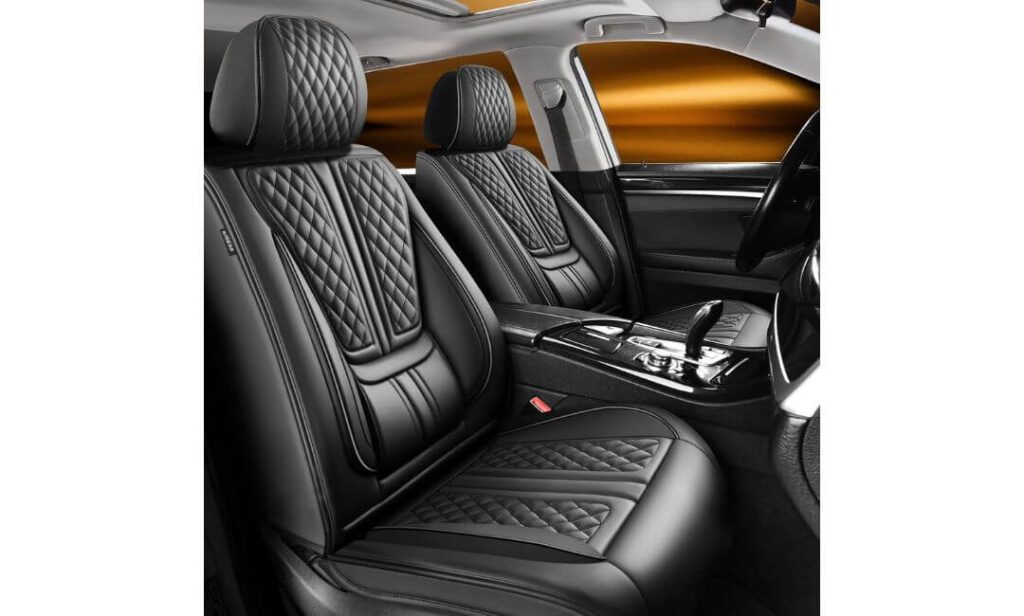
Quick Specs:
- True Sentra-specific fit (2008–2026) — not a loose universal cover
- Faux leather + memory foam padding — structured feel, not flat or cheap
- Full coverage (front + rear) — edges, bolsters, everything wrapped properly
- Waterproof & stain-resistant surface — real-world mess proof
- Airbag-safe side design — no compromise on safety zones
- Tool-free install — practical setup, not frustrating
First thing you notice isn’t the material—it’s the fit. The way it wraps around the Nissan Sentra seats, especially around the edges and sides, feels intentional… not like something you just threw on top. No awkward folds, no loose corners—just a clean, tight finish that actually looks like it belongs there.
Then comes the everyday reality. Coffee spills, dust, random scratches—this is where most covers start showing their weakness. Here, the waterproof leather surface + dense foam backing quietly does its job. You wipe it once, and it’s gone. No stains settling in, no fabric soaking things up. Even after regular use, it holds its shape instead of sagging or creasing like cheaper options.
And what really matters over time? It doesn’t interfere with how the car feels. The seating posture stays natural, the airbag zones remain untouched, and you don’t feel like you’re sitting on an add-on. It just blends in—protecting everything without constantly reminding you it’s there.
(feels like something the car should’ve come with from day one)
What Stood Out in Real Use
- Fit stays locked in place — no sliding every time you get in/out
- Surface doesn’t absorb mess — quick wipe is enough, even after spills
- Foam support actually noticeable — adds subtle comfort on longer drives
- Doesn’t look aftermarket — clean, factory-like finish inside the cabin
- Handles heat better than expected — no quick cracking or fading signs
Where It Could Be Better
- Leather feel is solid, but if someone prefers a soft fabric feel, this might feel slightly firm at first
Nissan Sentra Fit & Compatibility (Real Talk)
This is where it earns its place. Designed specifically for 2008–2026 Sentra models, it follows the seat contours properly—especially around the backrest and lower cushion. That means no weird gaps, no excess material bunching up after a few days.
Even small details are handled right—seatbelt access, airbag clearance, rear bench coverage—everything lines up the way it should. It’s not trying to “adjust” to your car, it’s built for it.
The Insider Pro-Tip:
If you’re installing this, don’t rush it. Take an extra 5–10 minutes to tighten the lower hooks and align the side panels properly—that’s what makes the difference between “just okay” and factory-level fit.
Most people skip this step… and then blame the product. Don’t.
#2. Banklif Fit Sentra Car Seat Covers (2008–2026)
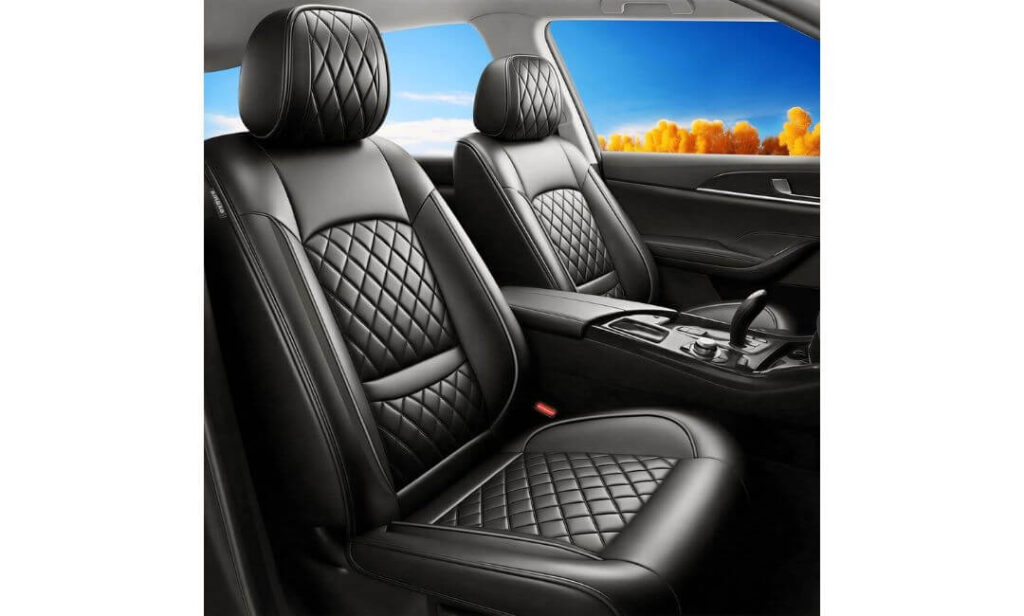
Quick Specs:
- 3D-scanned custom fit for Sentra (2008–2026) — shaped, not guessed
- Premium faux leather build — soft touch but holds structure
- Waterproof + temperature-resistant — doesn’t go stiff in cold or sticky in heat
- Anti-slip base + full coverage — stays put under daily use
- Airbag, seatbelt & heated seat compatible — no blocked functions
- DIY install with guide — no tools, no confusion
You can tell pretty quickly when a seat cover is made with actual intent—and this one doesn’t try to hide behind marketing words. The 3D-scanned fit is the first giveaway. It sits tighter along the Sentra’s seat lines, especially around the lower cushion and backrest, where most covers start to loosen after a few days.
Material-wise, it hits a balance that a lot of covers miss. The leather surface feels smooth but not overly glossy, and more importantly—it behaves well in real conditions. In heat, it doesn’t turn sticky; in cooler weather, it doesn’t harden up. That “temperature-neutral” feel is something you only notice after a few longer drives, not in the first impression.
And then there’s stability. The anti-slip base + full wrap design keeps everything in place even with constant use—daily commutes, getting in and out multiple times, even with passengers shifting around. Add in proper cutouts for airbags, seatbelts, and armrests, and it doesn’t feel like something you had to adjust your car for—it just works around it.
(one of those setups that quietly does everything right without needing attention)
What Stood Out in Real Use
- Fit feels mapped to the seat — especially noticeable on edges and corners
- Material adapts to temperature — no discomfort in extreme weather
- Doesn’t shift under movement — anti-slip backing actually effective
- Works with all seat functions — no blocking or awkward adjustments
- Easy to live with daily — clean, low-maintenance surface
Where It Could Be Better
- Installation is simple, but getting that perfect tight finish takes a bit of patience first time
Nissan Sentra Fit & Compatibility (Real Talk)
Built specifically for 2008–2026 Sentra models, this one doesn’t rely on stretch or adjustment tricks. The shape alignment is already there, which is why it sits properly without constant fixing.
It also respects the small things—heated seats, airbags, seatbelt flow, rear layout—nothing feels forced or compromised. That’s usually where cheaper covers cut corners, but here it’s handled cleanly.
The Insider Pro-Tip:
After installing, sit and adjust your driving position once, then press down along the seat edges and corners to lock everything in place.
That final step is what makes it feel like a proper fit—not just “installed.”
#3. FH Group Custom Fit Seat Covers (2020–2026)
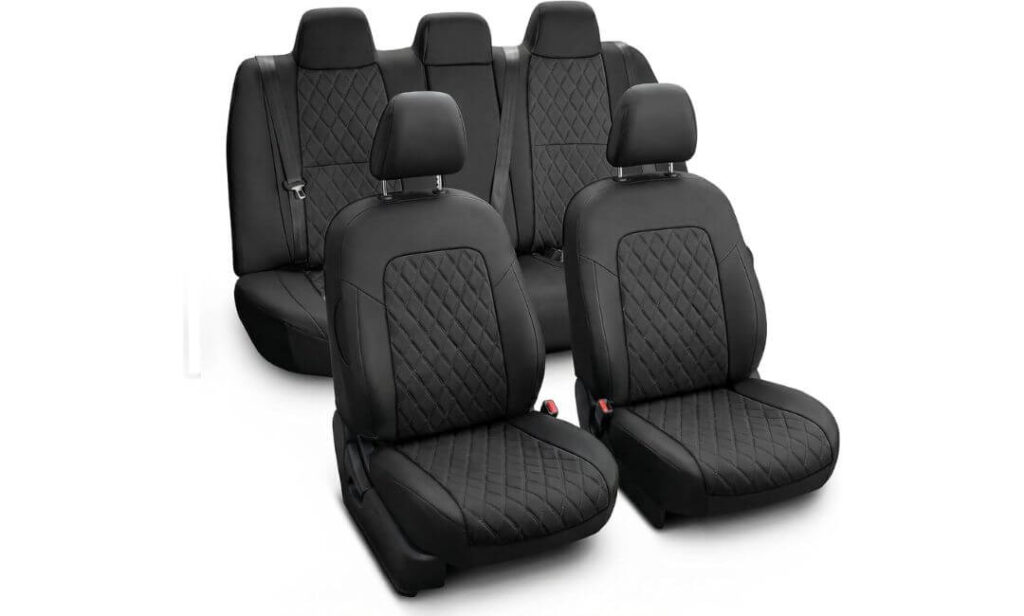
Quick Specs:
- Sentra-specific fit (2020–2026) — tailored for newer-gen seats
- Ultraflex neoprene material — soft, flexible, water-resistant
- Full set (front + rear bench) — proper cabin coverage
- Airbag-compatible front design — safety stays intact
- Integrated + removable headrest covers — cleaner OEM look
- Maintains rear seat usability — no compromise on function
Not everyone wants that shiny leather look—and this is exactly where this setup starts making sense. The moment you sit on it, the neoprene texture feels different… softer, slightly grippy, and way more forgiving on longer drives. It doesn’t try to look flashy—it focuses on how it actually feels when you live with it daily.
The fit is clearly built around the 2020+ Sentra seat shape. You’ll notice it around the shoulder area and lower back section—where most universal covers either stretch awkwardly or leave space. Here, it just follows the seat naturally. No pulling, no constant readjustment, just a consistent, snug wrap that holds its position.
And then comes everyday use. The water-resistant neoprene layer handles spills without panic, while still staying breathable enough for longer sitting hours. Add in proper headrest integration and rear seat usability, and it doesn’t disrupt how the car functions—it simply protects it quietly in the background.
(feels more like a comfort upgrade than just a protective layer)
What Stood Out in Real Use
- Soft-touch feel — noticeably more comfortable than typical leather covers
- Snug, natural fit on newer Sentra seats — no awkward stretching
- Doesn’t get overly hot — better airflow compared to leather options
- Holds position well — no constant slipping or bunching
- Rear seat remains fully usable — nothing blocked or restricted
Where It Could Be Better
- Doesn’t give that premium leather “luxury look”—more comfort-focused than visual upgrade
Nissan Sentra Fit & Compatibility (Real Talk)
This one is clearly built for the 2020–2026 Sentra generation, and it shows. The seat contours, especially on newer trims, are matched properly—so it doesn’t rely on stretching or forcing a fit.
Everything lines up the way it should—airbag zones, headrests, rear bench layout—and once installed, it feels integrated rather than added on. That’s a big difference in daily use.
The Insider Pro-Tip:
If comfort matters more to you than looks, this is the direction to go—but install it properly and smooth out the neoprene evenly across the seat surface.
That’s what brings out its real advantage—pressure-free sitting over long drives.
#4. CTDS Sport Style Seat Covers (2000–2026)
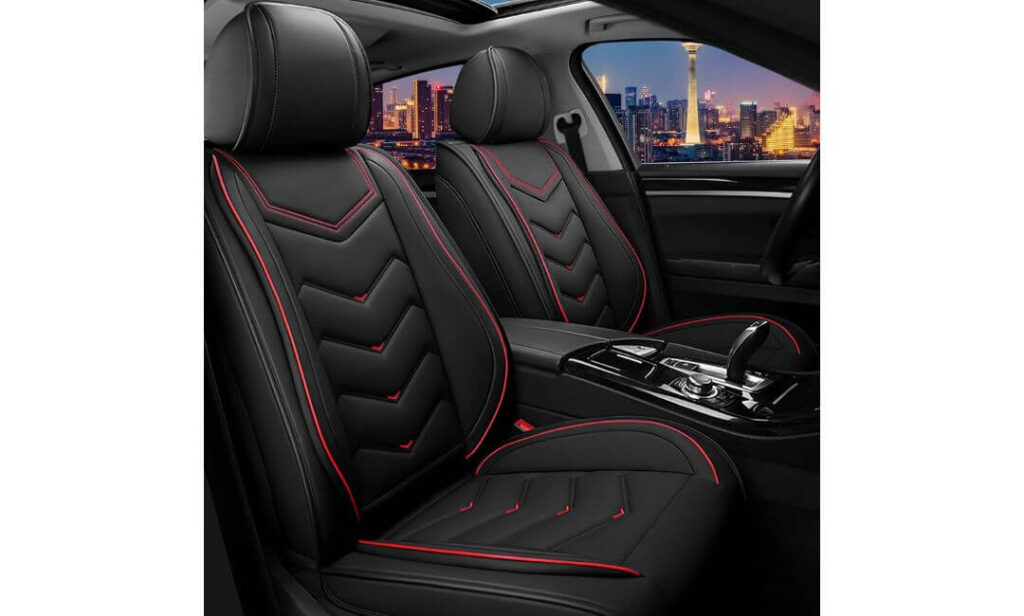
Quick Specs:
- Custom fit for Sentra (2000–2026) — wide compatibility without loose fit
- Premium faux (Nappa-style) leather — tougher surface, more refined look
- Double-layer foam padding — better rebound, keeps shape longer
- Front-focused coverage (2 seats) — clean upgrade for driver + passenger
- Water-resistant & easy-clean — wipe-and-go practicality
- Airbag & seatbelt compatible — safety zones left open
If you’re someone who cares more about how your Sentra looks and feels the moment you step in, this is where things shift. This setup leans heavily into that sport-luxury vibe—not flashy, but sharp enough that the interior instantly feels more intentional.
The first thing that stands out is the Nappa-style leather surface. It’s not overly soft like some premium covers, but that’s actually the point—it’s built to handle wear without losing structure. Pet scratches, daily friction, constant entry-exit… it doesn’t start showing fatigue early. The double-layer foam underneath keeps the seat from feeling flat, even after repeated use.
What makes it different from full-set covers is its focus. This is more about the front seat experience—driver and passenger—where most of your time is spent. The fit sits clean, the stitching holds its lines, and the overall look gives the Sentra cabin a more driver-focused upgrade feel rather than just protection.
(feels less like a cover… more like a deliberate interior upgrade choice)
What Stood Out in Real Use
- Strong surface durability — handles scratches and friction without early wear
- Maintains seat shape — foam doesn’t flatten quickly
- Sporty visual upgrade — instantly changes cabin feel
- Quick cleanup — spills don’t settle, easy wipe-off
- Focused front-seat improvement — where it actually matters daily
Where It Could Be Better
- Only covers front seats by default, so rear seats remain unchanged unless upgraded
Nissan Sentra Fit & Compatibility (Real Talk)
Designed to work across 2000–2026 Sentra models, it adapts well without looking oversized. The fit around the seat base and backrest is tight enough to avoid movement, especially in the front where precision matters more.
Safety-wise, it keeps things simple and correct—airbag exit zones, seatbelt access, side exposure—nothing blocked, nothing forced. It fits in without interfering.
The Insider Pro-Tip:
If you’re installing just the front set, take a minute to match the seat height and angle before tightening everything down.
That’s what gives you that clean, balanced “factory-upgraded” look instead of a rushed install.
#5. AOMSAZTO Custom Fit Seat Covers (2020–2026)
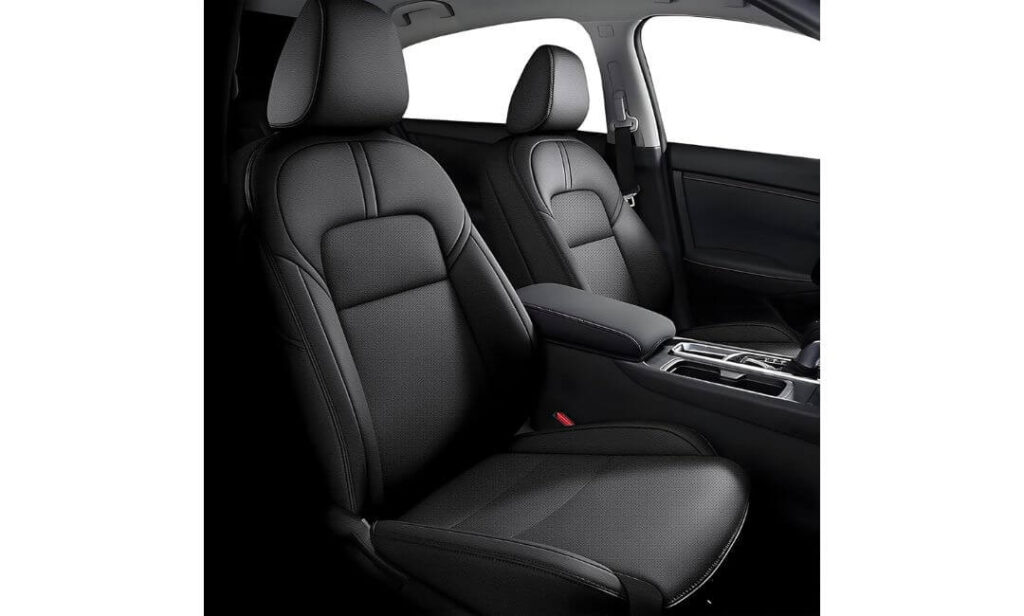
Quick Specs:
- Glove-like custom fit (2020–2026 Sentra) — built using updated modeling tech
- Full set coverage — front, rear, and headrests included
- Thick faux leather + sponge padding — structured comfort, not flat seating
- Stain-resistant surface — quick wipe, no deep cleaning stress
- Airbag & seat function compatible — no blocked controls or safety zones
- DIY install (guided) — takes time, but doable without tools
If you’re aiming for that clean, almost OEM-style interior look, this is where things start feeling different. The way it wraps around the seats—especially on newer Sentra models—feels more “fitted” than just placed. It doesn’t try to stand out loudly… it blends in, like it was meant to be there.
The full coverage design is what really defines it. Not just the main seating area, but edges, sides, rear bench, even headrests—it’s all covered properly. That matters more than people think, because partial coverage is where wear usually starts showing first. Here, everything stays protected evenly.
Material-wise, the leather surface + sponge padding combo gives a balanced feel. It’s not overly soft, but it’s not stiff either—just enough cushioning to stay comfortable on daily drives while still holding its structure. Cleaning is simple too—dust, spills, marks… wipe it, and it’s gone.
(one of those setups that quietly upgrades the cabin without screaming for attention)
What Stood Out in Real Use
- Full interior coverage — nothing left exposed or uneven
- Clean OEM-style appearance — doesn’t look aftermarket
- Balanced comfort + structure — not too soft, not too firm
- Handles daily mess easily — low-maintenance surface
- Works with all seat features — no compromises in function
Where It Could Be Better
- Rear section may need extra adjustment during install to get a perfectly tight finish
Nissan Sentra Fit & Compatibility (Real Talk)
Made for 2020–2026 Sentra models, this one focuses on that newer seat shape—and it shows in how it sits once installed. The alignment across front and rear is consistent, especially if installed properly.
It keeps everything functional—airbags, seat controls, headrests, rear usability—nothing feels blocked or forced. The only thing it asks from you is a bit of patience during setup.
The Insider Pro-Tip:
Don’t judge the fit in the first 10 minutes. After installing, sit, adjust, and press the covers into place over a couple of drives.
That’s when it settles in—and starts looking like a proper factory finish.
Best Nissan Sentra Seat Covers Compared (2026 Picks)
| Seat Cover | Fit & Feel | Material | Best Use Case | What Stands Out |
|---|---|---|---|---|
|
Best Overall
DZATTU
2008–2026 Fit
|
Tight, factory-like fit | Faux Leather + Memory Foam | Daily driving, full protection | Full coverage + stays locked in place |
|
Premium Pick
Banklif
2008–2026 Fit
|
3D-shaped snug fit | Premium Faux Leather | All-weather + long drives | Temperature balance + anti-slip base |
|
Comfort Focused
FH Group
2020–2026 Fit
|
Soft, flexible wrap | Neoprene | Comfort + daily commuting | Breathable feel, no heat buildup |
|
Sport Look
CTDS
2000–2026 Fit
|
Firm, structured fit | Nappa Style Leather | Front seat upgrade | Sporty interior + strong durability |
|
OEM Style
AOMSAZTO
2020–2026 Fit
|
Glove-like full wrap | Faux Leather + Padding | Clean interior upgrade | Full set + factory-style finish |
Why Seat Covers Actually Make Sense for Nissan Sentra Owners
Most people think seat covers are just about “keeping things clean.” That’s not the real story. In a Nissan Sentra, the seats take more daily abuse than you notice—constant entry, heat exposure, dust, small spills—and over time, it quietly kills the interior feel. Once the original material starts fading or flattening, the car just doesn’t feel the same anymore.
What changes things is choosing the right type of cover—not just any cover.
Protecting What Actually Holds Value
Interior condition is one of the first things anyone notices in a used Sentra. Not mileage, not features—how the seats look and feel. Even light cracks, stains, or faded fabric can bring down the perceived value instantly.
Good seat covers don’t just “hide” wear—they prevent it from happening in the first place. Especially with options that offer:
- Full coverage wrapping (edges + bolsters protected)
- Waterproof surfaces (no stains settling in)
- Fade-resistant materials (important in daily sun exposure)
It’s not about being careful every day—it’s about not having to worry at all.
Why Fit Matters More Than Material
A lot of people focus only on leather vs fabric—but in a Sentra, fit is what decides everything.
A loose cover:
- Starts shifting within days
- Creates folds that ruin comfort
- Ends up looking cheap no matter the material
A proper Sentra-specific fit, like the ones in this list, does the opposite:
- Stays aligned with the seat shape
- Doesn’t move with daily use
- Feels like part of the seat, not something sitting on top
That’s why custom-fit or properly shaped covers always outperform universal ones—especially in newer Sentra models where seat contours are more defined.
Built for Real Driving Conditions (Not Just Looks)
Daily driving isn’t clean. It’s coffee spills, sweat during summer, dust from outside, maybe pets, maybe passengers who don’t care as much as you do.
This is where all-weather protection actually matters—not as a feature, but as a necessity.
The right seat cover should:
- Handle heat without cracking or sticking
- Resist liquids without absorbing them
- Stay usable in both summer and winter conditions
And most importantly—it should do all this without making the seat uncomfortable.
The Real Difference You Notice Later
Here’s the part no one talks about: you don’t feel the benefit on day one. You feel it months later, when your Sentra still looks fresh inside while others start showing wear.
That’s when it clicks—this wasn’t just an accessory, it was a long-term interior decision.
Buying Guide: How to Choose the Right Seat Covers for Your Nissan Sentra
Choosing seat covers for a Sentra isn’t about picking the “best-looking” option—it’s about picking what actually works with your driving pattern, your climate, and your expectations over time. Most bad decisions happen when people ignore the basics and focus only on appearance.
Let’s break it down the way it actually matters.
Fit Options That Actually Change the Experience
This is where most people mess up first.
You’ll see two main setups:
- Full seat covers (front + rear full set)
- Front bucket seat covers (driver + passenger only)
If your Sentra is used daily—family, commute, passengers—full coverage makes more sense. It keeps everything consistent and protects areas you don’t think about (rear edges, backrests).
But if your focus is driver comfort + interior upgrade, front-only setups (like CTDS) work surprisingly well.
Also pay attention to:
- Split-fold rear compatibility (60/40 seats)
- Headrest integration vs removable covers
If the cover doesn’t respect your seat layout, you’ll feel it every day.
Materials Explained (What Actually Feels Good Later)
Material is not just about touch—it’s about how it behaves after weeks of use.
- Synthetic / Faux Leather
Most balanced option. Easy to clean, durable, looks premium. But quality varies—cheap ones crack, good ones (like DZATTU, Banklif) hold up. - Neoprene
Comfort-focused. Slightly soft, breathable, better for long drives. Doesn’t give luxury look but wins in daily usability (FH Group type). - Fabric / Cloth
Rare in premium setups now. Comfortable but harder to maintain. Absorbs spills. - Faux Suede / Hybrid finishes
Looks great initially, but requires more care. Not ideal for rough daily use.
If you want low maintenance → go leather
If you want comfort → go neoprene
All-Weather Reality (Not Just a Feature)
“All-weather” sounds like marketing—until you actually need it.
In real use, this means:
- Water resistance → spills don’t soak in
- Heat handling → doesn’t burn or stick in summer
- Cold flexibility → doesn’t harden in winter
If your Sentra is parked outside or used daily, this becomes non-negotiable. Without it, you’ll start noticing wear faster than expected.
Color & Styling (More Important Than You Think)
Black is safe—but not always the best choice.
Think about:
- Interior trim color (black, grey, dual-tone)
- Dust visibility (lighter colors show less dust)
- Cabin feel (matte vs glossy leather)
A good seat cover should blend in, not shout for attention. The best setups look like they came with the car.
Budget vs Value (Where Most People Go Wrong)
Cheap covers save money once—but cost comfort every day.
- Low budget ($50–$100) → usually loose fit, short lifespan
- Mid-range ($120–$250) → best balance (most picks in this article)
- Premium ($250+) → better materials, but only worth it if fit is perfect
The real value is not price—it’s how long it stays usable without annoying you.
Installation Tips That Decide Everything
Even a good cover can feel bad if installed poorly.
Before installing:
- Clean seats properly (dust ruins grip)
- Remove headrests first
- Check seatbelt paths and hooks
During install:
- Pull evenly—don’t rush
- Secure bottom hooks tightly
- Align side panels carefully
A proper install is the difference between “average” and “perfect fit.”
Installation Guide: Quick Start That Actually Works
Most guides overcomplicate things. The reality? Seat covers are simple—if you follow the right order.
Tools You Might Need
You won’t need much, but having these helps:
- Basic scissors (for minor adjustments if needed)
- Plastic tool or flat object (to tuck edges cleanly)
- Patience (seriously, this matters more than tools)
Step-by-Step (No Headache Process)
- Start with the backrest
Slide it over evenly, don’t force corners first - Move to the seat base
Align front edge, then pull toward the back - Secure hooks underneath
This is what locks everything in place - Fix headrests last
Keeps alignment clean and natural - Final adjustment
Press and smooth all surfaces
Done right, it should look tight—not stretched.
Common Mistakes to Avoid
- Installing in a hurry → leads to wrinkles
- Ignoring bottom hooks → causes slipping later
- Not aligning airbag sides → affects fit and safety
- Skipping final adjustments → looks unfinished
Most complaints about seat covers come from bad installation, not bad products.
After Install (What Most People Skip)
Once installed:
- Sit and adjust your driving position
- Press edges again after 1–2 days
- Let the material settle naturally
This is what gives that factory-finish feel.
Maintenance & Care: Keep Them Looking New (Long-Term)
Seat covers don’t fail suddenly—they slowly degrade if ignored. A little care keeps them looking fresh for years.
Cleaning Routine (Simple but Effective)
- Leather / Faux Leather
Wipe weekly with a damp cloth
Deep clean once a month - Neoprene
Light vacuum + occasional wipe
Avoid soaking it
Consistency matters more than effort.
Stain Removal (Do It Right)
- Clean spills immediately
- Use mild cleaners (no harsh chemicals)
- Don’t scrub aggressively—pat and wipe
Most stains become permanent because people wait too long.
What Not to Do
- Don’t use strong detergents
- Don’t leave moisture trapped under covers
- Don’t ignore early wrinkles or looseness
Small issues become big ones if ignored.
Seasonal Care (Underrated but Useful)
If you live in extreme conditions:
- Summer → wipe more often (sweat + dust buildup)
- Winter → check stiffness, adjust fit if needed
You don’t need to remove covers—but you do need to adapt your care slightly.
Final Real Talk
Seat covers don’t need constant attention—but they do need basic consistency.
Do that, and your Sentra’s interior won’t just stay protected…
it’ll stay fresh in a way most cars don’t after daily use.
FAQs About Nissan Sentra Seat Covers
Do seat covers ruin the original seat feel over time, especially in a Nissan Sentra?
Only if you pick the wrong type—or install them poorly.
A well-fitted cover doesn’t “sit on top,” it follows the seat structure. That means your back support, cushioning, even driving posture stays the same. Cheap or loose covers flatten the feel because they move around and create pressure points.
The right ones (like the tighter-fit leather or neoprene options in this list) actually do the opposite—they preserve the original seat feel while adding a layer of durability. After a few days, you stop noticing the cover and just feel the seat.
Is full-set coverage actually worth it, or is front-only enough for daily use?
Depends on how you use your Sentra—but here’s the honest truth:
Most wear doesn’t happen where you expect. People focus on front seats, but over time, rear seats fade, collect dust, and age unevenly, especially if you occasionally carry passengers or items.
Front-only works if:
- You mostly drive alone
- You care about driving comfort more than full interior look
Full set makes sense if:
- You want consistent interior aging
- You plan to keep or resell the car later
The difference shows up months later—not immediately.
Why do some “custom fit” seat covers still feel loose after a week?
Because “custom fit” on paper doesn’t always mean seat-specific engineering.
Some covers rely on stretch materials to adjust to multiple seat shapes. They fit okay on day one, but with daily movement, they start loosening.
A proper Sentra-fit cover:
- Uses structured panels (not just stretch)
- Has tight anchor points underneath
- Aligns with seat curves (especially sides and base)
If it’s still tight after a week—that’s a real fit. If not, it was never truly custom.
Do leather seat covers make the Sentra uncomfortable in hot weather?
Bad ones do. Good ones don’t.
The difference is in surface treatment and backing material. Cheap leather traps heat and becomes sticky. Better ones (like mid-range to premium picks here) use:
- Heat-resistant coatings
- Foam or breathable layers underneath
So instead of feeling hot, they stay neutral enough for daily driving.
If you’re in extreme heat and want zero compromise, neoprene is still the most forgiving—but modern leather covers are no longer as uncomfortable as they used to be.
How do you know a seat cover will still look good after 6–12 months?
You don’t judge it on day one—you judge it on how it handles repetition.
Ask yourself:
- Does it stay tight after multiple uses?
- Does the surface resist scratches and small friction marks?
- Does it clean easily without leaving patches or shine differences?
The covers that hold up long-term are the ones that don’t change behavior with use. Same fit, same feel, same look.
That’s the real difference between something that looks good for photos… and something that actually works in real life.
Final Verdict: What Actually Makes Sense for Your Nissan Sentra
By now, one thing should be clear—there’s no “one best” seat cover for every Nissan Sentra owner. It comes down to how you use your car every single day.
If you want something that just works—no adjustments, no second thoughts—go with a tight, full-coverage leather setup like DZATTU or Banklif. These are the kind of covers you install once and forget about. They protect, they hold their shape, and they don’t start annoying you after a few weeks.
If comfort matters more than looks, especially for longer drives, neoprene options like FH Group quietly win. They don’t try to impress visually—but they make daily driving easier on your body, which you’ll notice over time.
And if your focus is more on how the interior feels and looks when you step in, something like CTDS or AOMSAZTO makes more sense. These don’t just protect—they change the cabin vibe in a way that feels intentional, not temporary.
But here’s the part most people miss…
The real value of seat covers doesn’t show up on day one. It shows up months later—when your Sentra still looks clean, the seats still feel structured, and nothing has started wearing out prematurely. That’s when you realize this wasn’t just an accessory—it was a long-term decision for your car’s interior.
So don’t overthink it.
Pick the one that matches your use, install it properly, and let it do its job.
Because once it’s done right…
you won’t think about seat covers again—and that’s exactly how it should be.
Also Check:


