5 Best Running Boards for Ford Ranger in 2026 (Premium Nerf Bars & Side Steps Ranked)
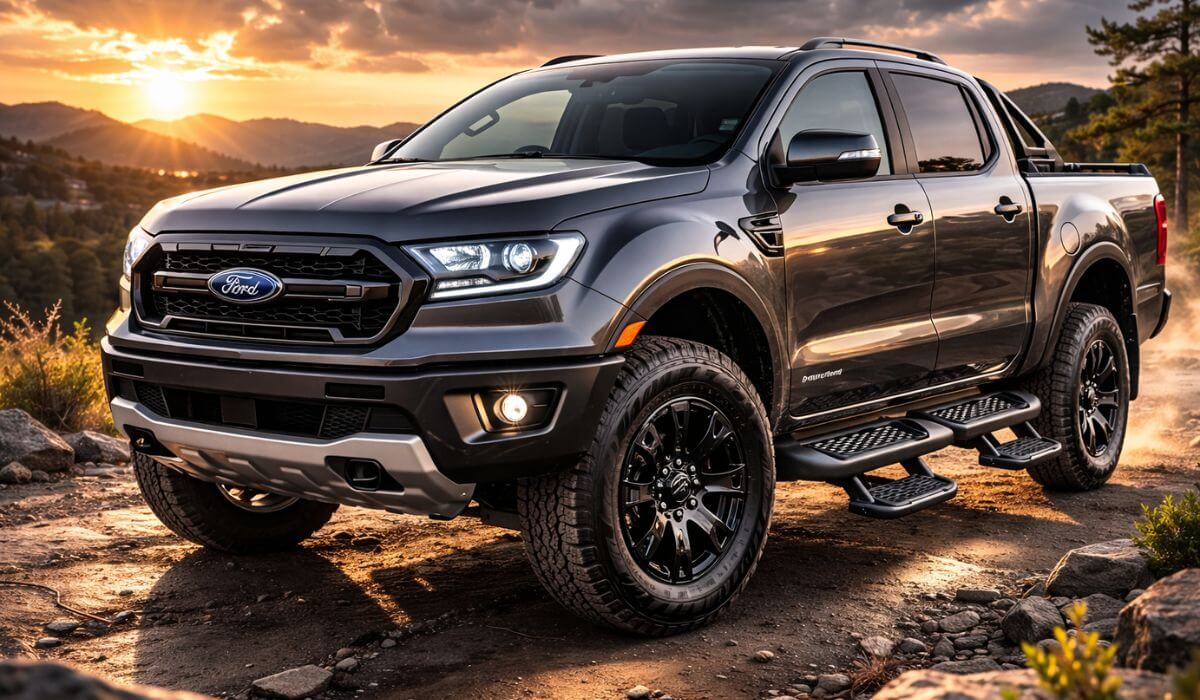
Ford didn’t build the Ranger to sit pretty at the mall curb — it’s a midsize truck that actually gets used. Whether it’s jobsite duty, weekend trails, or daily family hauling, climbing in and out of a stock (or lifted) Ranger gets old fast. That’s where the right set of running boards changes the ownership experience completely.
But here’s the problem: most Ranger owners end up buying steps that either sit too tight to the body, flex under weight, or start rusting after one bad monsoon or winter season. Fitment issues, weak brackets, narrow step pads — all common complaints we kept seeing across owner forums and real buyer reviews.
So for this guide, we didn’t just stack random Amazon bestsellers.
We shortlisted 5 running boards that actually make sense for 2019–2026 Ford Ranger owners — mixing wide step real estate, heavy-duty steel builds, aggressive drop designs, and OEM-style daily comfort. From budget nerf bars to premium side steps, every pick here is ranked based on real-world usability, install ease, and long-term durability — not spec sheet fluff.
If you want your Ranger to look tougher and become easier to live with every single day, this list cuts straight to the upgrades that are worth your money.
Top 5 Ford Ranger Running Boards (2026) — No-Drill Install & Perfect Fit Picks
#1. Tyger Auto 3.5″ Rider Running Boards — Best Budget Ford Ranger Running Boards
#2. SMANOW Running Boards Carbon Steel Step Bars — Best Heavy-Duty Ranger Running Boards
#3. TAC Sidewinder 4″ Drop Running Boards — Best Drop-Down Ford Ranger Running Boards
#4. MaxMate 3.5″ Oval Nerf Bar Side Steps — Best Value Ford Ranger Running Boards
#5. Raptor Series 6″ OEM Style Running Boards — Best Wide Ford Ranger Running Boards
Expert Tip: The 10-Second Install Check Most Ranger Owners Skip
Here’s something most guides won’t tell you.
After installing running boards, don’t just step up once and call it done. Put your full body weight on the outer edge — the farthest point from the frame — and bounce slightly. Not to break it, just to feel the flex.
If the board dips even a little or you hear a dull creak, stop right there. That’s bracket preload not sitting right.
Loosen the mounts, re-align the brackets flush to the frame, and torque them down again evenly — front to back. This one small correction makes the difference between boards that feel OEM-solid for years… and ones that start talking back every time you step in.
Do this once, and you’ll avoid 90% of long-term sag and hardware noise issues Ranger owners complain about later.
Simple check. Massive payoff.
How We Chose These Ford Ranger Running Boards
There’s a lot of fluff in the truck accessory space — shiny pictures, recycled specs, and “best seller” tags that mean nothing once the boards are on your truck in real life.
So we filtered everything through actual Ranger-owner reality — how these steps feel after install, after mud, after months of use — not just how they look out of the box.
Here’s the exact lens we used before putting any product on this list:
Frame-Mount Confidence Came First
The Ranger’s mounting points are strong — but only if the brackets use them properly.
We eliminated designs that rely on thin stamped brackets or awkward offset mounts. Every board here sits flush against factory points with balanced weight distribution. That’s why options like Tyger Auto and SMANOW feel planted instead of springy when you step up.
No diving-board flex. No long-term sag.
Step Real Estate Actually Matters
A lot of nerf bars look aggressive but give you half a boot of usable space.
We prioritized boards that give real footing — whether it’s the wider 6-inch platform on the Raptor Series or the stable oval stepping surface on the MaxMate.
Because when your boots are wet, muddy, or dusty, step width stops being cosmetic and starts being safety.
Finish Quality Was a Dealbreaker
Ranger owners deal with rain, slush, dust, and trail grime — so coating quality couldn’t be average.
We looked for dual-stage powder coating, textured anti-slip pads, and corrosion-resistant aluminum where it made sense. Finishes that still look deep black months later — not chalky grey after two washes.
If it couldn’t survive weather and road abuse, it didn’t make this list.
Install Reality — Not Shop Fantasy
Most owners install these at home, not in a workshop.
So anything requiring drilling, frame mods, or bracket guesswork was cut immediately. Every running board here is true bolt-on — designed to line up cleanly with factory holes using basic tools.
No fabrication. No headaches. No regret installs.
Real-Use Versatility
We balanced this list intentionally:
- Steel heavy-duty builds for work trucks
- Drop steps for lifted Rangers
- OEM-style boards for daily drivers
- Wide platforms for family access
Because the “best” running board depends on how the truck is actually used — not just how it looks in photos.
Bottom line — these aren’t random picks.
Every board here earned its spot by delivering where Ranger owners actually care: stability, usable step space, rust resistance, and install simplicity.
If it wouldn’t hold up to daily abuse or feel solid under a full-weight step, it never made it past our shortlist.
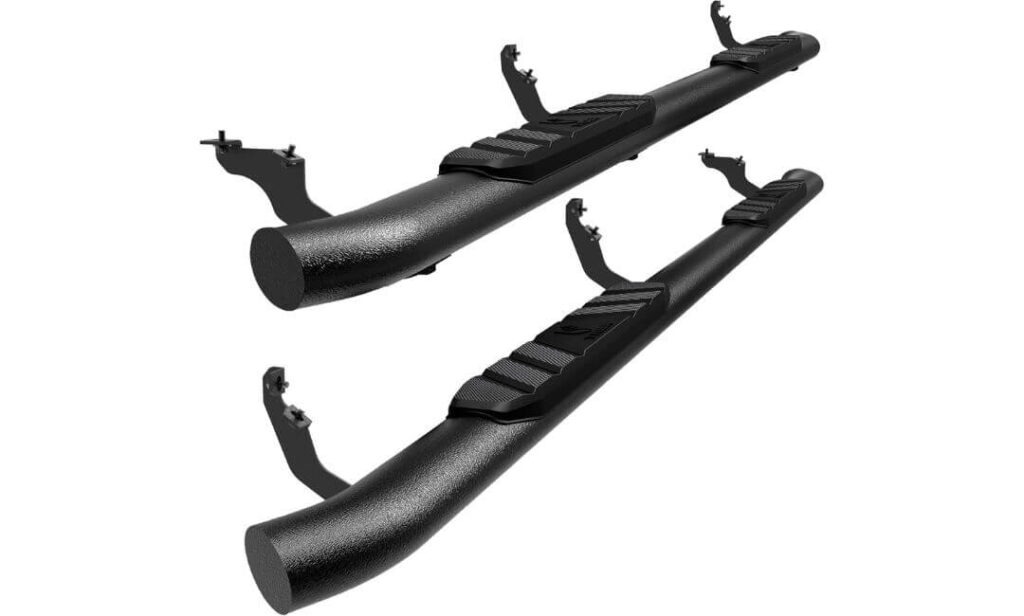
#1. Tyger Auto 3.5″ Rider Running Boards
Quick Specs:
- Material: Carbon Steel
- Finish: Heavy Textured Black Powder Coat
- Step Width: 3.5 Inches (Oval Pad Design)
- Weight Capacity: 500 lbs per side
- Cab Fitment: SuperCrew (4 Full Doors Only)
- Install Type: Bolt-On | No Drilling
- Board Weight: ~34 lbs Pair
First thing you notice after bolting these onto a Ranger isn’t the look — it’s the stance shift. The truck suddenly feels “finished.” That exposed gap under the cab disappears, and the side profile gets that planted, work-ready vibe most owners are chasing when they start accessorizing.
The 3.5-inch oval stepping surface hits a sweet spot most budget boards miss. It’s wider than round nerf bars but doesn’t stick out awkwardly like oversized platforms. Real talk — you can step up with muddy boots, work shoes, even sliders, and still feel stable. That textured pad isn’t cosmetic either; it actually grips instead of turning slick after rain.
Structurally, the carbon steel build is where these punch above their price bracket. Once mounted to the Ranger’s factory points, they sit tight — no hollow echo, no tinny flex. You feel the frame taking the load, not the bar tubing. For daily entry, roof access, or loading gear, they behave more like OEM boards than entry-level aftermarket steps.
What Stood Out to Us
- Oval 3.5″ pad gives noticeably better footing than round tubes
- Textured powder coat hides scratches & resists fading
- Tight frame mounting = minimal flex under load
- Clean cab-length coverage improves side profile visually
- Install hardware & brackets feel thicker than typical budget kits
Where It Falls Slightly Short
- Step width is solid — but wide-boot users may still prefer a 5–6″ board
Ford Ranger Compatibility & Real Install Insight
These are built specifically for 2019–2026 Ranger SuperCrew models — meaning full four-door trucks only. If you’re running a SuperCab (rear half-doors), these won’t line up. Mounting brackets are shaped to match factory rocker points on the SuperCrew frame, which is why install feels straightforward instead of forced.
Once up, ground clearance stays practical. You’re not losing off-road height, but you’re gaining enough drop to make daily climbs easier — especially helpful on leveled or mildly lifted Rangers where cab entry starts feeling like a gym step-up.
Pro Install Tip (From Experience, Not Manuals)
Before final torque, step back and check board alignment from the rear wheel angle — not the side.
Why? Because Ranger cab lines taper slightly, and if you tighten brackets while focusing only on bolt holes, the board can sit visually nose-high or tail-low without you noticing during install.
A 10-second visual check from the rear saves you from living with a board that functions fine but looks off forever.
Small detail — big satisfaction every time you walk up to the truck.
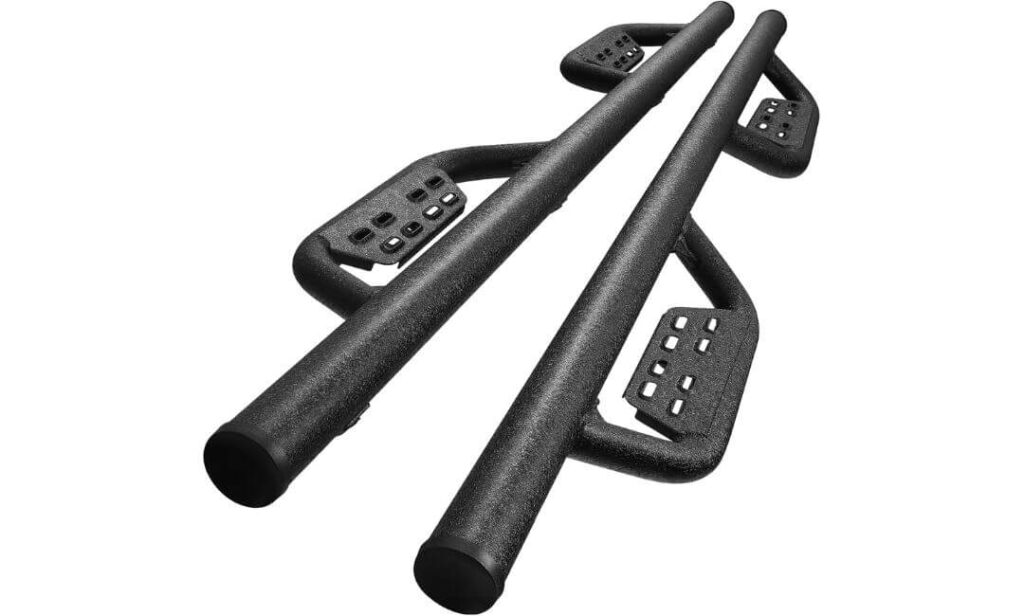
#2. SMANOW Carbon Steel Drop Running Boards
Quick Specs:
- Material: Carbon Steel
- Finish: Dual-Stage Textured Black Powder Coat
- Design: Drop-Down Step Style
- Weight Capacity: 350+ lbs
- Cab Fitment: 2019–2026 Ranger SuperCrew (4 Full Doors)
- Install Type: Bolt-On | No Drilling
- Board Weight: ~43 lbs Pair
You know that moment when you step into a truck and your knee has to come up just a little higher than it should? That’s exactly the problem these solve — aggressively and properly.
The first thing you’ll notice isn’t the width. It’s the drop. These sit lower than most straight nerf bars, which makes entry noticeably easier, especially on leveled or slightly lifted Rangers. It feels natural — not like you’re climbing into a gym box jump every morning.
Structurally, these are heavier than the Tyger set, and you can feel that extra steel in the brackets. At roughly 43 pounds for the pair, they don’t feel hollow. The dual-stage powder coating gives them a matte, slightly rugged finish that hides scuffs instead of highlighting them. And the non-slip tread isn’t just textured for show — it actually grips when boots are wet.
The drop-down design also gives the truck a tougher profile. From the side, they look more “rock slider” than grocery-store step bar. If your Ranger leans toward work truck or trail build territory, these visually match that personality.
What Really Impressed Us
- Noticeable drop makes daily entry easier
- Heavier steel construction feels solid under load
- Textured step pads offer real grip in rain or mud
- Dual-stage coating resists rust and surface fading
- Clean vehicle-specific fitment with no drilling
Where It’s Not Perfect
- Drop design slightly reduces ground clearance compared to straight boards
Ford Ranger SuperCrew Fitment Notes
These are built specifically for 2019–2026 Ranger SuperCrew models with four full-size doors. Brackets align directly with factory mounting points, so there’s no guessing or modification involved.
Because of the drop-down shape, these sit a bit lower than straight oval boards — which is great for access but something to consider if you frequently tackle tight off-road terrain. For daily drivers and mild trail use, though, they strike a smart balance between function and clearance.
Pro Install Insight
During install, loosely mount all brackets first before tightening anything down. Because these are heavier steel boards, letting them “settle” naturally against the mounting points ensures they sit level along the cab line.
Tighten front to back evenly — not one side at a time — and you’ll get that factory-straight look instead of a slight tilt that only you’ll notice every time you walk up to the truck.
Small patience upfront = long-term satisfaction every single day.
#3. TAC Sidewinder 4″ Drop Running Boards
Quick Specs:
- Material: Carbon Steel
- Finish: Fine Texture Black
- Design: 4″ Drop Step / Rock Slider Style
- Weight Capacity: 500 lbs
- Cab Fitment: Ranger SuperCrew (4 Full Doors)
- Install Type: Direct Bolt-On
- Board Weight: ~61 lbs Pair
Some running boards are built to help you step in.
These feel like they’re built to take a hit first — and stepping in just happens to be a bonus.
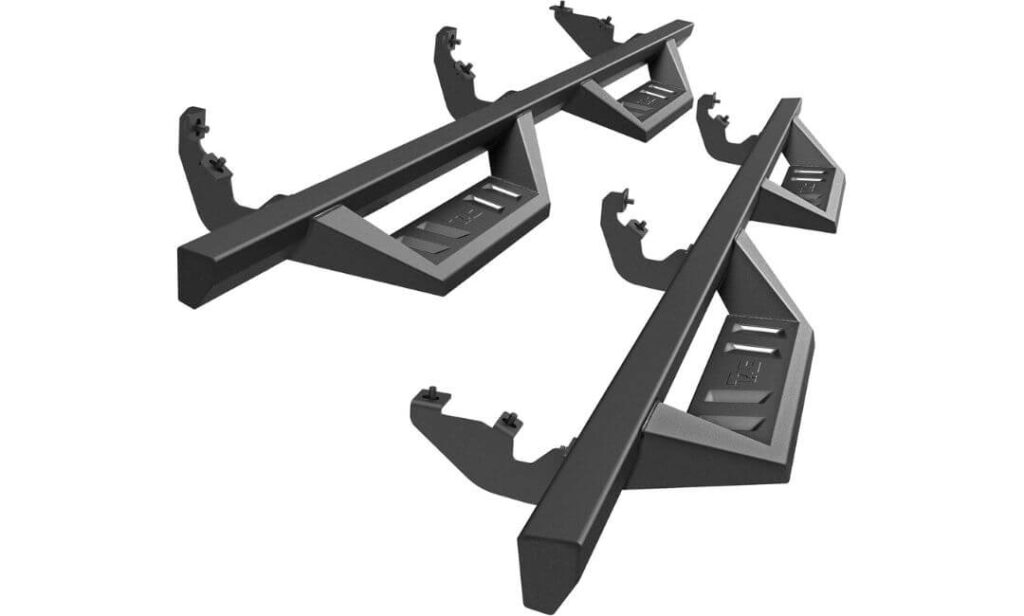
The Sidewinder design instantly changes the Ranger’s side profile. Instead of looking like a bolt-on accessory, these blend into the truck’s body lines like factory armor. That angled, drop-down layout gives you a deeper step zone — not just downward but slightly outward — which makes climbing in feel natural even on leveled setups.
And then there’s the weight. At over 60 pounds for the pair, these are easily the heaviest boards on this list. That extra steel isn’t for bragging rights — it translates into zero hesitation when you plant your full weight on them. No vibration, no hollow echo. They feel planted like frame-mounted sliders rather than entry steps.
Grip is another quiet win here. The step plates are wide, recessed, and aggressively textured. Wet boots, trail dust, jobsite mud — footing stays predictable. You’re not searching for balance mid-step.
What Earned Them a Spot
- Deep 4″ drop makes lifted Rangers easier to enter
- Rock slider-inspired design adds side protection feel
- Extremely solid under load — no flex sensation
- Wide recessed step plates improve footing security
- Textured finish holds up well against scuffs
Where It’s Slightly Compromised
- Heavier build can make solo installation a two-person job
Ford Ranger SuperCrew Fitment Reality
These are designed around SuperCrew Rangers with four full-size doors, aligning directly with factory mounting points for a clean bolt-on install. No drilling, no bracket improvisation — everything lines up where it should.
Because of the aggressive drop and outward angle, they sit lower and wider than standard oval boards. That’s great for access and side presence — but if your Ranger lives on tight rock trails, it’s something to factor into clearance expectations.
For daily driving, work duty, and moderate off-road use though — they strike a confident balance between step function and side protection feel.
Pro Fitment Tip (Most Installers Miss This)
When mounting Sidewinders, don’t fully tighten the center brackets first.
Start with the front and rear mounts, snug them lightly, then align the middle. This prevents the bar from “bowing” slightly under its own weight — something that can happen with heavier steel boards.
Tighten in sequence, and the board will sit perfectly straight along the cab line — not subtly dipped in the center like poorly installed heavy steps often do.
It’s a small install discipline — but it separates a clean build from an average one every time you look at the truck.
#4. MaxMate 3.5″ Oval Nerf Bar Side Steps
Quick Specs:
- Material: Carbon Steel
- Finish: Textured Matte Black E-Coating
- Step Width: 3.5″ Oval Tube
- Weight Capacity: 500 lbs
- Cab Fitment: 2019–2026 Ranger SuperCrew
- Install Type: Bolt-On | No Drilling
- Board Weight: ~32 lbs Pair
If you parked a Ranger with these installed next to one running factory boards, most people wouldn’t clock them as aftermarket — and that’s exactly the appeal here.
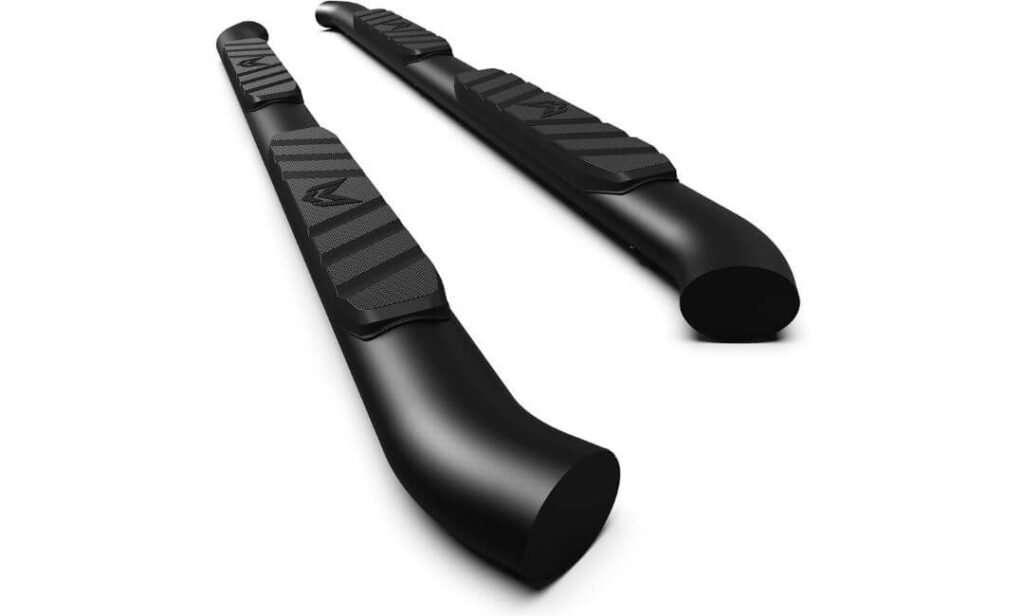
The oval tube profile is clean, proportionate, and sits close enough to the cab to look integrated rather than bolted on as an afterthought. It doesn’t try too hard visually — but it finishes the truck’s side profile in a way that feels intentional.
Step usability is where these quietly win people over. That 3.5-inch pad gives just enough surface to plant your foot confidently without sacrificing ground clearance. You’re not stepping on a skinny round tube, and you’re also not hanging low like oversized drop steps. It’s balanced — daily-driver practical.
Build quality holds its own too. The carbon steel tubing paired with matte black E-coating creates a smoother, more uniform finish than basic powder coat alone. Dirt doesn’t cling as aggressively, and the pre-welded end caps keep moisture from creeping inside the bars — something that silently kills cheaper nerf bars from the inside out.
What We Appreciated Most
- Clean OEM-like side profile once installed
- Balanced step width without excess bulk
- E-coating adds deeper corrosion resistance
- Seamless end caps prevent internal rust buildup
- Lighter weight makes install easier solo
Where It’s Slightly Limited
- Doesn’t provide the lower drop height lifted trucks sometimes need
Ford Ranger SuperCrew Fitment Insight
These are designed strictly for 2019–2026 Ranger SuperCrew models with four full-size doors. Mounting brackets line up directly with factory rocker points, keeping installation straightforward and predictable.
Because the bars sit closer to the cab and don’t drop aggressively, they maintain better ground clearance than drop-style boards. That makes them a smarter fit for owners who mix daily driving with occasional trail or uneven terrain use.
You’re getting accessibility — without sacrificing the Ranger’s natural ride height advantage.
Pro Alignment Tip
When installing oval boards like these, measure the distance between the board edge and the rocker panel at both front and rear before final tightening.
Even a half-inch difference can make the bar look slightly angled when viewed from the side — something your eye will catch every time you approach the truck.
Level spacing front to back keeps the install looking factory — not rushed.
#5. Raptor Series 6″ OEM Style Running Boards
Quick Specs:
- Material: Aircraft-Grade Aluminum
- Finish: Textured Black Powder Coat
- Step Width: 6 Inches
- Weight Capacity: 400 lbs per side
- Cab Fitment: 2019–2026 Ranger Crew Cab (4 Full Doors)
- Install Type: Bolt-On | No Drilling
- Board Weight: ~32 lbs Pair
If the earlier boards on this list felt tough or aggressive — these go the opposite direction: refined, factory-like, almost premium SUV in execution.
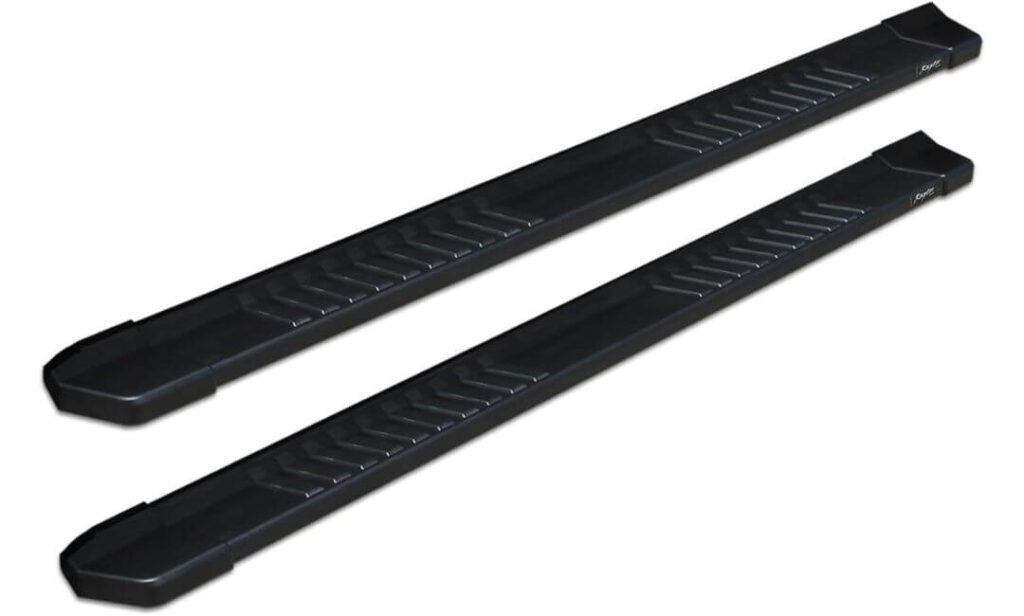
The first step onto these immediately explains the 6-inch width. Your entire foot lands flat — no balancing, no half-step planting. Whether it’s kids hopping in, parents climbing up, or you stepping in with gear in hand, the platform feels forgiving and confidence-inspiring.
Because they’re built from aircraft-grade aluminum, the feel underfoot is different from steel. Still solid — but lighter, quieter, and more resistant to corrosion long term. That matters if your Ranger sees rain, coastal air, or salted winter roads. Steel can fight rust… aluminum simply doesn’t play that game the same way.
Visually, the OEM-style design keeps things clean. The angled end caps and straight body lines make these look like they came installed from the factory — not added later. Perfect for owners who want function without turning the truck into a full off-road build.
What We Liked Most
- Wide 6″ step area makes entry effortless
- Lightweight aluminum resists rust long-term
- OEM-style profile suits daily drivers perfectly
- Adjustable slide-track mounting system
- Slip-resistant tread works well in wet conditions
Where It’s Slightly Limited
- Aluminum build isn’t as impact-tough as heavy steel sliders
Ford Ranger Crew Cab Fitment Reality
These are engineered for 2019–2026 Ranger Crew Cab models with four full-size doors. The bracket system uses factory rocker panel mounting points, keeping install clean and drill-free.
One underrated advantage here is the adjustable slide-track system. You can position the boards slightly forward or backward depending on personal stepping comfort — something fixed-bracket boards don’t allow.
For family trucks, daily commuters, or road-focused Rangers, this adjustability makes a noticeable usability difference over time.
Pro Positioning Tip
Before locking the boards in place, sit in the driver’s seat and step out naturally — don’t “aim” for the board.
Where your foot lands instinctively is where the board should sit. Adjust the slide-track to match that motion rather than forcing your step pattern to adapt to the board.
Do that, and entry will feel natural every single time — not like you’re searching for footing.
Ford Ranger Running Boards Comparison (Specs, Step Width, Build & Real-World Use Ranked)
Ford Ranger Running Boards Buying Guide (What Actually Matters Before You Spend Money)
By the time most Ranger owners reach this stage, they’ve already made one mistake — they’ve shortlisted boards based only on looks.
And that’s exactly how people end up replacing running boards within a year.
So instead of repeating recycled “material vs price” advice, here’s the real-world filter you should run before choosing any step setup for your truck.
1. Start With How Your Ranger Is Actually Used
Not how it looks. Not how you want it to look on Instagram — how it’s used Monday to Sunday.
- Daily office + family entry → Wide OEM boards make more sense
- Worksite / tools / boots → Steel nerf bars handle abuse better
- Lifted truck builds → Drop steps save your knees long-term
- Trail / uneven terrain → High-clearance straight boards win
Running boards aren’t cosmetic upgrades — they’re daily contact hardware. Every entry, every exit, every roof reach depends on this choice.
Pick for lifestyle, not aesthetics.
2. Steel vs Aluminum — Don’t Follow Internet Myths
Here’s the grounded take most guides miss:
- Steel boards feel tougher and absorb step impact better
- Aluminum boards resist rust longer and weigh less
If your Ranger sees mud, gravel, tools, jobsite abuse — steel makes sense.
If it’s a commuter or family truck facing rain and weather — aluminum stays cleaner longer.
Neither is “better.” They’re built for different ownership patterns.
3. Step Width Is More Important Than You Think
People underestimate this badly.
- 3–4 inch pads → Fine for quick entry
- 5–6 inch boards → Comfortable for all passengers
Kids, elderly passengers, or even grocery runs become easier with wider boards. Narrow nerf bars work — but wide platforms feel effortless.
It’s the difference between stepping on something vs stepping onto something.
4. Drop Height vs Ground Clearance Trade-Off
Drop boards solve entry height — but they sit lower.
So ask yourself:
- Stock ride height → Straight boards are enough
- Leveled / lifted → Drop steps help daily usability
- Frequent off-road → Higher boards avoid scraping
It’s always a balance between access comfort and terrain clearance.
No design wins both fully.
5. Install Simplicity Matters More Than Specs
Most Ranger running boards today are bolt-on — but bracket design still affects install time and alignment.
Cleaner kits include:
- Pre-welded end caps
- Labeled brackets
- Factory mount alignment
Messy kits require holding bars mid-air while aligning bolts — that’s where frustration starts.
Ease of install = ease of long-term ownership satisfaction.
Real Owner Installation Reality (What the Process Actually Looks Like on a Ford Ranger)
Here’s the part most buying guides either oversimplify… or completely fake.
Running boards are marketed as “easy bolt-on upgrades,” and technically that’s true — but the real install experience depends on board weight, bracket design, and how patient you are with alignment.
So instead of sugarcoating it, here’s what actual Ranger owners experience in their driveway installs.
It Starts Under the Cab — Not With the Boards
First thing you’ll do isn’t lifting the boards — it’s locating the factory mounting points along the rocker panel.
Ford already leaves pre-threaded holes in the frame for accessories like these. You’ll usually find them covered with rubber plugs or light road grime, so a quick wipe-down helps before mounting anything.
No drilling. No frame modification. The truck is already designed to accept step bars.
That’s why Ranger installs feel less intimidating than most first-timers expect.
Bracket Alignment Is the Real Work
This is where patience matters more than tools.
You loosely mount all brackets first — never tighten immediately. Each bracket needs slight play so the running board can sit level across the cab length.
Heavier boards like drop steps or steel sliders can pull slightly downward while hanging, so keeping bolts hand-tight lets you adjust height and angle before locking everything down.
Rush this stage… and you’ll see it forever in the side profile.
Lifting the Boards — Steel vs Aluminum Difference
This part separates solo installs from two-person jobs.
- Aluminum boards → Light enough to lift and mount alone
- Steel boards → Manageable, but easier with a second set of hands
You’re aligning bolt holes while supporting weight, so having help prevents scratched paint or misaligned brackets.
Most installs don’t require two people — but heavier builds definitely benefit from it.
Final Alignment Sets the Visual Finish
Before final torque, step back 6–8 feet and look at the truck from an angle — not directly side-on.
This reveals whether the boards sit level with the cab line or tilt slightly front or rear. Small bracket adjustments here make the difference between a factory-clean install and one that looks subtly “off.”
Once satisfied, torque bolts evenly front → middle → rear.
That sequence prevents bracket tension imbalance.
Time Reality — Not Marketing Claims
Here’s the honest timing range:
- Experienced DIYer → 45–60 minutes
- First-time installer → 90 minutes
- Heavy steel drop steps → Add 15–20 mins
No specialty tools needed — just a socket set, ratchet, and patience.
It’s one of the few truck upgrades where visual payoff vs install effort feels heavily in your favor.
Post-Install Habit Most Owners Skip
After 50–100 miles of driving, recheck bolt torque once.
Fresh installs settle slightly after vibration and heat cycles. A quick re-tightening ensures long-term silence — no creaks, no micro-movement under load.
Do this once, and your boards will feel factory-mounted for years.
Final Fitment & Cab Compatibility Check (Don’t Skip This — It Decides Everything)
This is the step where most return requests are born.
Not because the running boards were bad… but because buyers assumed “Ford Ranger is Ford Ranger” — when in reality, cab configuration changes everything underneath the truck.
Before you hit checkout, this is the last 60-second verification that saves you from install-day frustration.
Know Your Cab First — Not Your Model Year
Ford Ranger fitment isn’t just about 2019–2026 compatibility. It’s about cab length and door configuration.
There are two main setups:
- SuperCrew → Four full-size doors
- SuperCab → Smaller rear half-doors
Running board length, bracket spacing, and mounting alignment differ between the two. A SuperCrew board physically won’t sit correctly on a SuperCab frame — bolt points won’t line up, and even if forced, the proportions look off.
Every board in this guide is built around SuperCrew geometry — full four-door trucks.
Quick Visual Check Anyone Can Do
If you’re unsure which cab you own, don’t dig through paperwork — just look at the rear doors.
- If rear doors open normally → SuperCrew
- If rear doors are smaller / reverse-hinged → SuperCab
That single glance tells you whether these boards will fit properly or not.
No VIN decoder needed.
Why Length Matching Matters More Than People Think
Improper-length boards don’t just look odd — they affect usability.
Too short:
- Rear passengers struggle stepping in
- Step placement feels awkward
Too long:
- Board sticks past cab line
- Visual imbalance from wheel to wheel
Proper SuperCrew boards run cab-length — door-to-door coverage that matches factory proportions.
That’s what gives the truck that finished, intentional side profile.
Bracket Geometry Is the Hidden Factor
Even if two boards look identical online, bracket design can differ.
Vehicle-specific kits — like the ones in this guide — use Ranger-mapped mounting points, meaning:
- No drilling
- No bracket bending
- No alignment guesswork
Universal boards often cause install headaches because the bracket spacing isn’t tuned to the Ranger frame.
Fitment isn’t just about length — it’s about how cleanly the hardware integrates underneath.
Pro Fitment Tip Most Buyers Miss
If your Ranger has mud flaps, factory splash guards, or aftermarket fender accessories — test-fit the running board before final tightening.
Some drop steps or wider boards can sit close to flap edges. Minor bracket adjustment usually solves it, but checking early prevents rubbing or clearance annoyance later.
It’s a 2-minute check that saves long-term irritation.
FAQs — Ford Ranger Running Boards
Do running boards make a real difference on a stock Ford Ranger — or only lifted trucks?
Massive difference — even on stock height.
Most owners realize this only after install. The Ranger’s cab floor already sits high compared to SUVs, so daily entry always involves a slight knee lift. Running boards flatten that motion into a natural step instead of a climb.
On lifted trucks, they feel necessary.
On stock trucks, they feel like something the factory should’ve included.
Will running boards reduce ground clearance or off-road capability?
Depends on design — not the concept.
Straight oval nerf bars sit close to the cab and barely affect clearance. Drop steps and rock slider–style boards hang lower, trading a bit of clearance for easier entry.
If your Ranger sees rock crawling or tight trail work → go high-clearance boards.
If it’s daily driving + light trails → drop steps won’t realistically hold you back.
It’s about matching board style to truck use — not avoiding running boards entirely.
Are aluminum running boards weaker than steel ones?
Not weaker — just built for different priorities.
Steel boards:
- Feel heavier and more impact-tough
- Better for work trucks, jobsite abuse
Aluminum boards:
- Lighter
- Naturally rust-resistant
- Better for daily drivers and long-term corrosion resistance
Under normal stepping load, both feel solid. The difference only shows under hard side impacts or extreme off-road hits.
Can one person install Ford Ranger running boards at home?
Yes — most of the time.
Aluminum boards are easy solo installs. Steel boards — especially drop steps — are doable alone but smoother with two people during alignment.
No drilling is required on Ranger-specific kits. Factory mounting points do all the work. Basic socket tools + driveway space is enough.
For most owners, install difficulty sits closer to “weekend DIY” than “garage project.”
Do running boards affect fuel economy or driving feel?
Realistically — no noticeable impact.
They add side weight, but it’s minimal compared to the truck’s overall mass. You won’t feel handling changes, and MPG differences are usually too small to measure in real-world driving.
The only time aerodynamics come into play is with oversized rock sliders or very wide drop boards — and even then, the difference is negligible for daily use.
Final Verdict — The Running Board Upgrade You’ll Appreciate Every Single Day
By now you’ve probably realized something most Ranger owners learn late…
Running boards aren’t one of those upgrades you install for photos — they’re something you physically interact with every time you touch the truck.
Every morning climb-in.
Every fuel stop.
Every time someone asks for a ride.
Every roof reach.
And that’s exactly why choosing the right set matters more than people expect going in.
If you’re building a budget-friendly daily driver, the Tyger Auto and MaxMate setups deliver clean looks and dependable footing without overcomplicating things.
If your Ranger sits higher, works harder, or leans aggressive in stance, the SMANOW and TAC Sidewinder drop designs make daily entry noticeably easier while adding that tougher side profile.
And if comfort, family usability, and factory-style finish matter most — the Raptor Series 6-inch boards bring the widest stepping confidence on this list.
Different boards — different ownership personalities.
But here’s the bigger takeaway most buyers don’t think about upfront:
The “best” running boards aren’t the most expensive…
They’re the ones that match how your Ranger is actually used.
Work truck.
Family hauler.
Weekend trail build.
Daily commuter.
When the board design aligns with the truck’s lifestyle, satisfaction lasts for years — not months.
One thing is certain though:
Once they’re installed, you stop thinking about the purchase price… and start wondering how you ever lived with the truck without them.
That awkward climb disappears.
Passengers step in confidently.
The truck looks visually complete.
It’s one of the rare upgrades where function and presence improve at the same time.
Bottom line:
Any of the five picks in this guide will transform daily usability — the only decision left is whether you prioritize toughness, drop access, or stepping comfort.
Either way, your Ranger gets easier to live with the very next drive.
And that’s an upgrade you’ll feel… every single day.
Also Check: