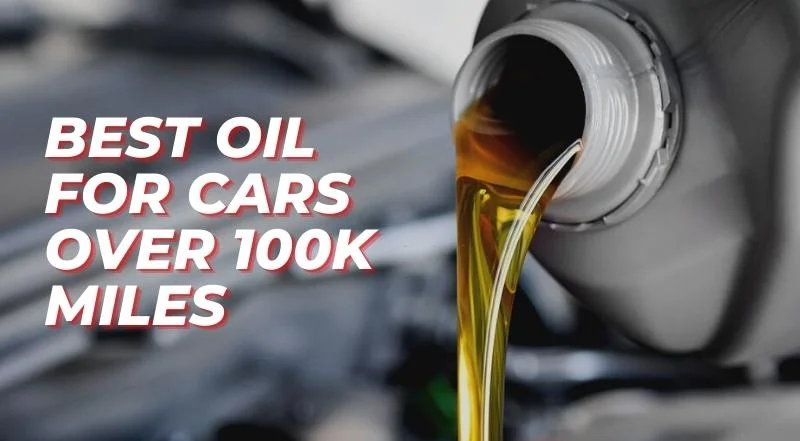
Best Oil for Cars Over 100K Miles in 2026 (Expert-Recommended Picks)
When a car crosses high mileage, the engine is not the same anymore. It still runs, but things inside are not tight like before. Small gaps form, parts wear slowly, and problems start little by little.
With time, seals and gaskets become hard. Because of this, oil starts leaking or slowly burning. Oil also gets dirty faster in old engines, and that dirt can cause rough running if it builds up. Even cars like Toyota and Honda, which are known to last long, face oil-related issues after many miles.
That’s why oil choice becomes important after 100,000 miles. Regular oil may work, but it doesn’t help much with wear and leaks. High-mileage oil is made for engines like these. It helps manage wear, keeps the engine cleaner, and supports old seals. Using the right oil won’t fix everything, but it helps keep the engine running better for longer.
10 Best Oil for Cars Over 100K Miles (2026 Top Picks)
The best type of oil contains preservatives that will help older engines stay greased better and will ensure that their seal is protected or not. The most important is that the oil will decrease the chances of oil dust building in the engine.
As a result, your engine‘s life will be increased and you can get extra miles for your truck or car. You will automatically see an increase in performance.
Below are the top 10 best oils for cars over 100k miles. Every oil has its strengths and you can make your decision according to your car mileage, normal driving conditions, and your budget.
| #1 | Castrol Edge High Mileage Full Synthetic Motor Oil | Check Latest Price |
| #2 | Valvoline Full Synthetic High Mileage with MaxLife Technology | Check Latest Price |
| #3 | Royal Purple High Performance Synthetic Motor Oil | Check Latest Price |
| #4 | Mobil 1 High Mileage Full Synthetic Motor Oil | Check Latest Price |
| #5 | Castrol GTX High Mileage 10W-30 Motor Oil | Check Latest Price |
| #6 | Gumout Regane High Mileage Fuel System Cleaner | Check Latest Price |
| #7 | Pennzoil High Mileage Synthetic Blend Motor Oil | Check Latest Price |
| #8 | Shell Rotella T5 Synthetic Blend Diesel Engine Oil | Check Latest Price |
| #9 | Chevron Supreme Motor Oil 10W-30 | Check Latest Price |
| #10 | HAVOLINE High Mileage Synthetic Motor Oil | Check Latest Price |
Also Check:
What to look for before buying oil for cars over 100k miles
Buying the right car oil can be overwhelming, but it doesn’t have to be. Find the key things you should consider when buying oil for a car over 100k miles.
Compatibility
The most important thing you need to think about before buying engine oil is compatibility with existing oil before adding the new synthetic oil properties. If your oil is not compatible with the previous one, you will need to drain the previous oil first.
After this, you can fill up this engine oil. But if it is conventional oil, it will harm your synthetic oil properties. So it’s important to verify your motor’s oil needs.
Application
What kind of oil you will need for your vehicle depends on the particular application. You will need the oil for many applications like better engine performance, mileage, diesel and gasoline engines, etc. so you should consider the condition of your vehicle before purchasing the oil for your needs.
Price
Now the next factor that you need to look at before buying engine oil is price. When you are going to purchase new engine oil then it’s much more complex. But sometimes expensive products are not always better than more affordable brands.
Additives
Additives work as a booster and your engine oil may conclude different types of additives to increase engine performance.
Some main additives are anti-foaming and antioxidants, corrosion inhibitors, anti-wear agents, detergents, dispersants, viscosity index improvers, conditioners, etc. these types of additives help your engine in boosting your performance according to your engine need.
Grade of viscosity
Before buying engine oil you need to look at the viscosity grade. This is one of the most relevant factors to select the engine oil as per your engine need. The viscosity grade depends on the motors travelling weather, operating temperature, and purposes like trucking and racing.
10 Oil for Cars Over 100K Miles (2026 Buyer’s Guide & Real-World Recommendations)
Not all types of oil are the same. When buying engine oil for your car, there are several features to consider, including climate, mileage, and driving habits.
We’ve put together this list of the best oil for cars with over 100k miles reviews so you can easily find the best products and decide what to purchase. Take a look at our recommendations and see which one sounds like it might work for you.
#1. Castrol Edge High Mileage Full Synthetic Motor Oil
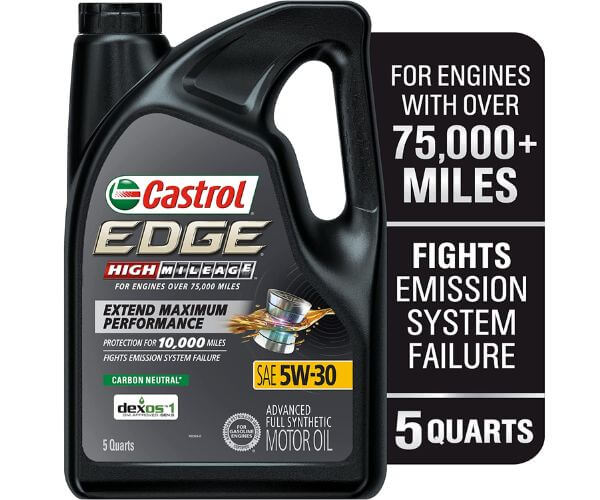
If you are searching for the best engine oil for use in your vehicle, then this will be the best without any doubt. This oil is a British global brand. It increases fuel efficiency by decreasing fuel consumption.
The oil features extra fluid titanium technology. This technology increases oil film strength. Therefore it helps in maximising engine performance.
This engine oil provides high mileage by increasing the engine performance for a long or short period. It also reduces the formulation of robbing deposits and dust. If you want synthetic oil for 150000 miles long run then this oil is perfect for you.
Features:
- Full synthetic high-mileage engine oil
- Phosphorus replacement tech to protect emission systems
- Reduces oil burn-off and leaks
- Designed for cars with 75K+ miles
- Works in wide temp range
Pros
- Strong protection against wear and sludge
- Helps reduce leaks in older engines
- Stable at high temperatures
- Good for long highway driving
- Widely compatible with many cars
Cons
- More expensive than basic oils
- Benefits may be subtle in lightly used engines
#2. Valvoline Full Synthetic High Mileage with MaxLife Technology

If you are panicking about your previous oil Engine then Valvoline full synthetic high mileage is the perfect motor oil for your car. This is one of the best oils for your car which is over 100k miles.
This motor oil is available with anti-wear additives. These anti-wear additives produce a wide as well as a durable layer of anti-wear film. So they can convert your older engine with a new one by preventing auto engine breakdown.
It comes with premium seal conditioners. So you don’t need to worry about anything related to the leaking problem. Thus this oil provides protection for your car’s engine.
Features:
- Synthetic base with high-mileage additives
- Seal conditioning to help reduce seepage
- Extra detergents to clean deposits
- Good for engines over ~100,000 miles
- Helps improve oil consumption
Pros
- Helps reduce small leaks and seepage
- Improves engine smoothness
- Suitable for both petrol and diesel engines
- Solid anti-wear protection
- Good overall balance of protection and price
Cons
- More expensive than conventional oil
- Not as aggressive at cleaning heavy sludge
#3. Royal Purple High Performance Synthetic Motor Oil
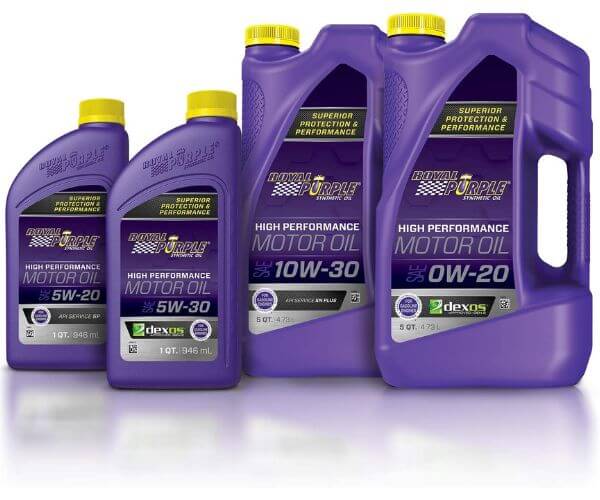
Royal purple oil is formulated for your modified and high-performance car engine. It will provide you best wear protection as compared to other branded oils.
This oil has the feature that it has enhanced patented additive technology. It comes with a phosphorus/zinc anti-wear additive that helps in protecting metal-to-metal contact. In the lubricant industry, this oil acts as a superior and high-performing synthetic lubricant to other conventional lubricants.
It also protects your engine from white sludge buildings in your engine. It enhances fuel consumption efficiency and protects exhaust emissions equipment.
Features:
- Full synthetic formulation
- Proprietary additive package
- Good high temp stability and oxidation resistance
- Helps reduce friction
- Suitable for high-mileage and performance applications
Pros
- Improves overall engine efficiency
- Good protection at high temps
- Can help reduce wear and friction
- Smooth performance feel
- Works well in both daily and spirited driving
Cons
- Price is usually high
- Additives may be overkill for basic commuter cars
#4. Mobil 1 High Mileage Full Synthetic Motor Oil
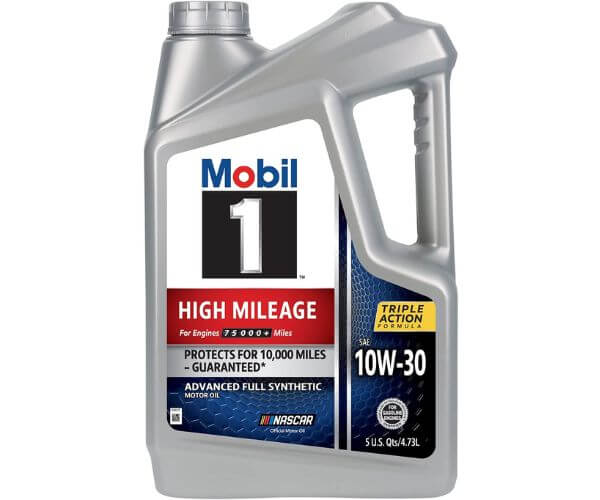
Mobil 1 is one of the renowned motor oils for high-mileage motors. It is mostly intended for those engines that have run over 75,000 miles. Thus your car needs to change its oil up to 10000 miles.
This motor oil also protects your engine from internal heat and it protects your engine even in low temperatures. If you want to maintain fuel economy and keep your engine clean, then this will be the best option for you.
It controls oxidation and protects the engine from breaking down the oil. This oil can be used in all types of vehicles such as SUVs, light trucks, supercharged gasoline, and turbocharged vehicles.
Features:
- Full synthetic high-mileage oil
- Special anti-wear additive pack
- Designed for engines >75,000 miles
- Helps reduce oil consumption and leaks
- Strong oxidation resistance
Pros
- Excellent wear protection
- Helps slow down leaks and burn-off
- Maintains performance in hot climates
- Works well on long drives
- Trusted brand reputation
Cons
- Higher price than many blends
- Slight benefits if engine isn’t leaking
#5. Castrol GTX High Mileage 10W-30 Motor Oil
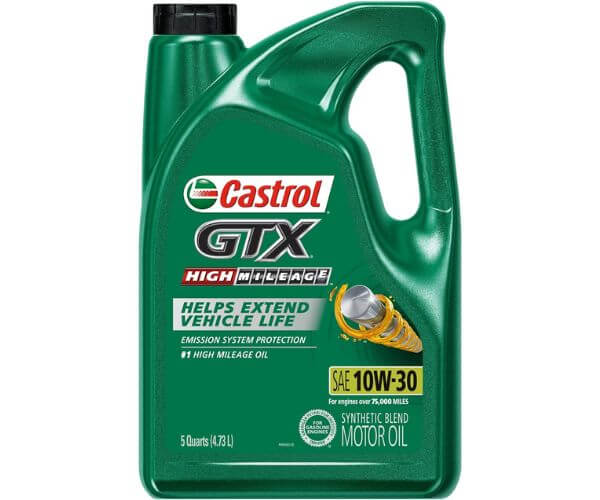
Castrol provides your engine extra anti-wear protection. It is formulated with patented advanced technology. This technology ensures you have less phosphorus in your oil. It includes additional additives. These additives help in preventing engine wear by preventing catalytic converters.
This oil is available with super detergents. This detergent feature of the oil protects your engine from the building of dust and deposits.
It protects a lot of oil burn as compared to any leading conventional oil. It includes seal conditioners. These conditioners help to lessen oil leaks.
Features:
- Synthetic blend designed for high-mileage cars
- Detergents and seal conditioners
- Helps control sludge build-up
- Suitable as a step up from conventional oils
- Good thermal stability
Pros
- Affordable compared to full synthetics
- Improves engine cleanliness
- Helps reduce minor leaks
- Good everyday protection
- Easier on the wallet
Cons
- Not as strong at high temps as full synthetics
- Less resistance to extended drain intervals
#6. Gumout Regane High Mileage Fuel System Cleaner
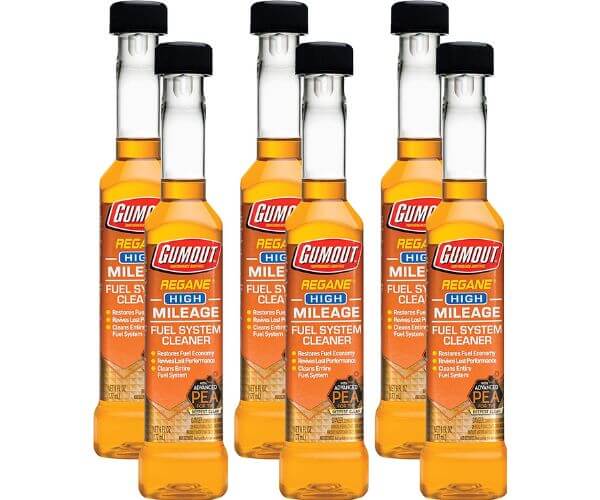
This oil is good if you are looking to reduce fuel consumption. It helps your engine from collecting sludge and dirt in it. So you need to change your oil after a particular time period and from this, you don’t need to struggle while starting.
It offers better protection to the engine. It prevents wear protection to your engine and from oxidation and from corrosion.
Features:
- Not an engine oil — fuel system additive
- Cleans fuel injectors and carburetors
- Reduces deposits in intake system
- Helps restore lost power and efficiency
- Works in gas engines
Pros
- Improves fuel system cleanliness
- Can help reduce rough idle issues
- Easy to add to fuel tank
- Affordable maintenance boost
- Helps reduce emissions
Cons
- Not an engine oil (different product type)
- Only affects fuel system, not engine lubrication
#7. Pennzoil High Mileage Synthetic Blend Motor Oil
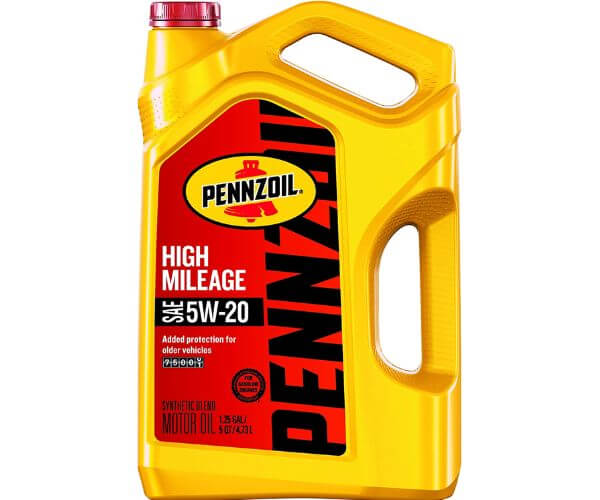
Natural oil is used to make Pennzoil high-mileage oil. It features gas-to-liquid PurePlus technology. So this oil has some impurities. So it helps in preventing deposits and sludge formulation.
It reduces your fuel economy and you can drive an extra 550 miles easily on average in a year. This feature makes this oil unique from others. It also helps in cleaning up your piston by up to 45%. It also helps the engine from losing power.
This comes with excellent lubricant ability. This ability of oil provides you best wear-protection and also prevents metal-to-metal. So it is easier to carry and pour.
Features:
- Synthetic blend with high-mileage benefits
- Additives for leak reduction
- Helps with sludge and wear
- Good balance between price and performance
- Works for engines ≳100,000 miles
Pros
- More affordable than full synthetics
- Helps protect aging engine parts
- Cleaner engine than conventional oil
- Strong brand name
- Good everyday reliability
Cons
- Not as protective as full synthetic
- Additive package is mid-range
#8. Shell Rotella T5 Synthetic Blend Diesel Engine Oil
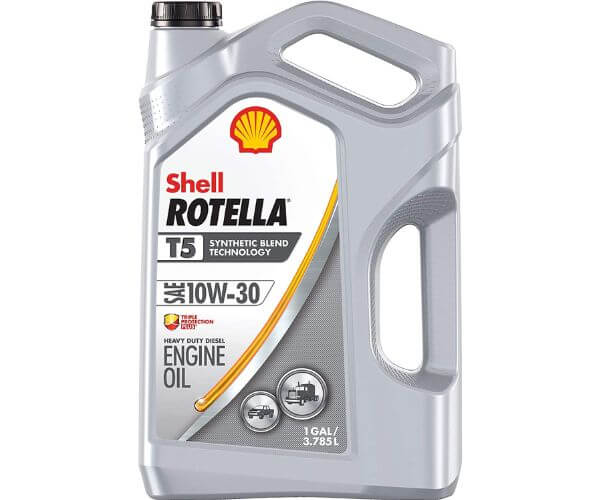
Shell Rotella engine oil meets the European and USA engine manufacturers’ needs. This oil has an advanced low-ash formula and controls exhaust poison clocks in engines.
This oil protects your engine from piston deposits and keeps your engine clean. It also ensures the reliability of the components.
It helps your engine in starting even in cold conditions and utilises base oil components. It provides long-term engine protection and below are its features, pros, and cons that you must read.
Features:
- Synthetic blend heavy-duty diesel oil
- Built for trucks and diesel engines
- Triple protection against wear, deposits, and oxidation
- Works in high load conditions
- Meets diesel engine ratings
Pros
- Excellent for diesel and heavy loads
- Strong resistance to breakdown
- Good for engines under stress
- Great choice in mixed usage
- Trusted diesel brand
Cons
- Not ideal for typical petrol engines
- Heavier viscosity may not suit all cars
#9. Chevron Supreme Motor Oil 10W-30
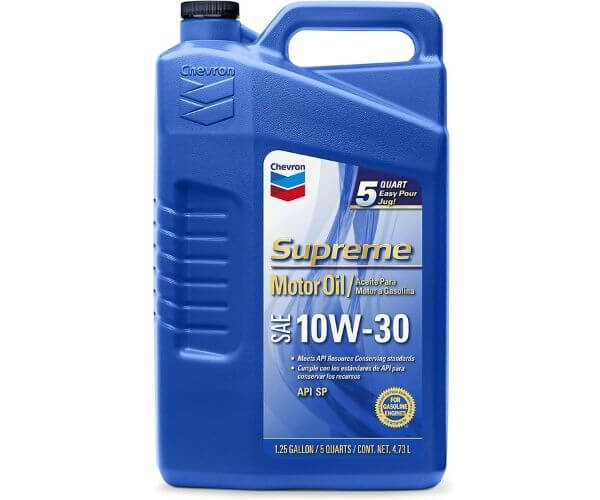
Chevron supreme engine oil is high-quality motor oil for four-stroke gasoline engine usage. This oil comes with good quality base stocks and robust additive packages. This package has shear stability improvers, corrosion inhibitors, antioxidants, anti-wear agents, detergents, dispersants, etc.
If you are having a critical engine then you must use this oil because if you are having a critical engine then parts of your vehicle will get super anti-wear protection.
This engine oil is perfect for different types of vehicles including passenger cars, motorcycles, powerboats, light trucks, and other mobiles as well as stationary equipment.
Features:
- Conventional or synthetic-blend format
- Balanced protection for aging engines
- Helps reduce friction and wear
- Reliable everyday oil
- Good range of viscosities
Pros
- Budget-friendly
- Solid protection for daily driving
- Suitable for older non-leaky engines
- Easy to source
- Good all-around performance
Cons
- Not premium protection
- Shorter drain intervals
#10. HAVOLINE High Mileage Synthetic Motor Oil
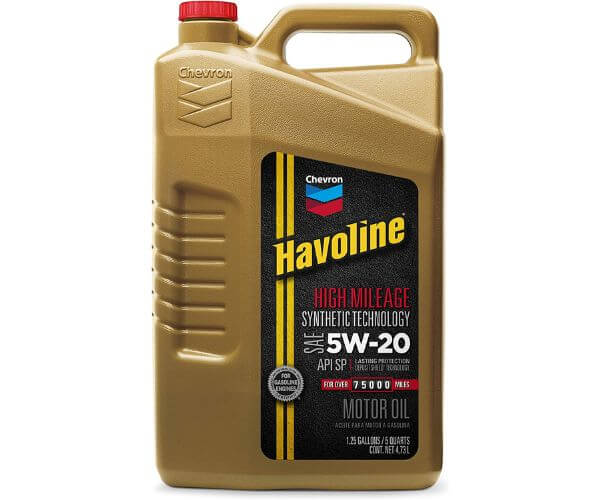
If you want to have a deposit shield in your engine, then you must use Havoline engine oil. It helps in preventing excessive fuel consumption and also increases fuel efficiency for your high-mileage motor.
This engine performance will decrease after a certain time period. This occurs due to having compromised gaskets and collapsed seals.
It includes antioxidants and provides you with high engine performance.
Features:
- Synthetic or synthetic blend
- Additives for high-mileage engines
- Helps reduce leaks and oil consumption
- Improves sludge protection
- Works in wide temp ranges
Pros
- Strong everyday protection
- Good anti-wear chemistry
- Helps older engines keep oil pressure
- Better than conventional
- Fair price for performance
Cons
- Not the top tier compared with premium brands
- Benefits less noticeable in very old engines
Best Oil for Cars Over 100K Miles – Side-by-Side Comparison
| # | Product | Type | Best Use | Rating | Tag |
|---|---|---|---|---|---|
| 1 | Castrol Edge High Mileage Full Synthetic | Full Synthetic | Heat resistance, long engine life | 4.8/5 | Best Overall |
| 2 | Valvoline Full Synthetic High Mileage (MaxLife) | Full Synthetic | Oil consumption, seal protection | 4.7/5 | Leak Control |
| 3 | Royal Purple High Performance Synthetic | Full Synthetic | High RPM, performance driving | 4.6/5 | Performance |
| 4 | Mobil 1 High Mileage Full Synthetic | Full Synthetic | Highway use, hot climates | 4.8/5 | Long Drives |
| 5 | Castrol GTX High Mileage 10W-30 | Synthetic Blend | Daily city driving | 4.5/5 | Budget Pick |
| 6 | Gumout Regane High Mileage Fuel Cleaner | Fuel Additive | Injector & fuel system cleaning | 4.4/5 | Add-On |
| 7 | Pennzoil High Mileage Synthetic Blend | Synthetic Blend | Regular oil changes | 4.5/5 | Value Choice |
| 8 | Shell Rotella T5 Synthetic Blend (Diesel) | Diesel Synthetic Blend | Diesel engines, heavy loads | 4.6/5 | Diesel Only |
| 9 | Chevron Supreme 10W-30 | Conventional / Blend | Older basic engines | 4.2/5 | Low Cost |
| 10 | Havoline High Mileage Synthetic | Synthetic / Blend | Smooth everyday driving | 4.4/5 | Balanced |
High-Mileage Oil vs Regular Oil (What Actually Changes After 100K Miles)
The difference between high-mileage oil and regular oil doesn’t really show up on day one. It shows up after a few weeks of driving—when the engine is fully heat-cycled, seals have had time to react, and the oil has been stressed in real conditions, not just poured in fresh.
After 100,000 miles, most engines don’t fail because of one big problem. They age through dozens of small ones: seals harden slightly, tolerances open up, oil control rings don’t scrape as clean as they once did, and internal surfaces lose their factory sharpness. Regular oil is designed to maintain a healthy engine. High-mileage oil is designed to manage wear that already exists.
One of the biggest real-world differences is seal behavior. High-mileage oils contain seal-conditioning agents that gently rehydrate aging rubber over time. This doesn’t “fix” leaks, but it often slows seepage that regular oil simply flows past. That’s why many drivers notice reduced oil spots or slower dipstick drop after switching—even though nothing mechanical was repaired.
Detergent balance is another quiet change. Regular oils focus on keeping clean engines clean. High-mileage oils usually dial detergents differently—strong enough to prevent new sludge, but not so aggressive that they dislodge large deposits all at once. This matters in older engines, where sudden heavy cleaning can sometimes increase oil consumption temporarily.
There’s also a film strength difference under load. As clearances widen with age, oil needs to maintain a protective layer between parts that no longer fit as tightly as they did at 20,000 miles. High-mileage oils are tuned to hold that film a bit more consistently during hot idling, long highway runs, and stop-and-go traffic—conditions where older engines feel stress first.
What doesn’t really change is viscosity in the way most people think. High-mileage oil is not just “thicker oil.” In fact, many high-mileage oils stay closer to their rated viscosity longer than regular oils once heat and mileage build up. The goal isn’t thickness—it’s stability.
The biggest misconception is expecting high-mileage oil to act like a repair. It won’t fix worn valve seals, broken rings, or cracked gaskets. What it does well is slow the rate of decline. Engines that were gradually getting noisier, burning more oil, or feeling rough often stabilize after the switch—not because the engine became new again, but because the oil finally matched the engine’s stage of life.
In short, regular oil works best when the engine is still close to factory condition. High-mileage oil works best when the engine has a history—and needs lubrication that respects that history instead of pretending it doesn’t exist.
Common Mistakes Owners Make After 100K Miles
One of the biggest mistakes owners make after 100,000 miles is treating the car the same way they did at 30,000. By this point, the engine may still run fine, but it no longer behaves like a tight, factory-fresh machine. Small changes in sound, oil usage, and response are normal—and ignoring them or fighting them usually makes things worse, not better.
A very common error is changing oil viscosity too aggressively. When owners notice oil consumption, the instinct is to jump straight to a much thicker oil. Sometimes this masks the symptom temporarily, but it can also slow oil flow on cold starts and stress parts that are already worn. Older engines usually respond better to the right formulation rather than a drastic viscosity change.
Another mistake is stretching oil change intervals too far. Many drivers keep following long synthetic intervals meant for newer engines. After 100K miles, oil degrades faster due to heat, blow-by, and contamination. The oil may still look fine, but its protective ability drops sooner. Longer intervals save time, but they quietly accelerate wear in aging engines.
Some owners also expect oil to fix mechanical problems. High-mileage oil can slow leaks, reduce noise, and stabilize consumption—but it can’t repair worn valve seals, stuck rings, or cracked gaskets. When oil is treated as a repair tool instead of a maintenance choice, disappointment usually follows.
Switching brands too often is another overlooked issue. Many older engines seem to “learn” the oil they run on. Jumping between different brands and formulations every change can upset seal behavior and oil consumption patterns. Consistency often matters more after 100K miles than chasing the newest formula.
Finally, there’s the mistake of ignoring how the car is actually driven now. Driving habits change over time. A car that once did long highway trips may now see short city runs, traffic heat, or infrequent use. Oil choice should reflect current usage, not how the car was driven years ago. When oil and usage fall out of sync, wear accelerates quietly.
Most engines don’t fail suddenly after 100,000 miles. They wear down gradually, usually because small, well-intended decisions stack up over time. Avoiding these mistakes doesn’t make an old engine new—but it does help it age more slowly and predictably.
FAQs About Best Oil for Cars Over 100K Miles
Why is high mileage good for cars over 100k miles?
High mileage is good for cars over 100k miles Because the engine is being burned continuously and can burn any carbon build-up.
Should You Use High-Mileage Oil in Your Car?
If you talk about the high mileage oil of your high-mileage car, it is the most critical aspect of keeping your car’s engine healthy for a much longer lifespan.
Is it ok switching to Synthetic Oil after 100K Miles?
Yes, you can switch to synthetic oil after 100k miles.
Is High-Mileage Oil Worth It?
As compared to other mileage oil high mileage oil may be more difficult to keep your car healthier for a longer time.
Does high mileage oil make a difference?
High mileage oil is different because it contains veal enhancers and some additives that are capable of minimising external and internal engine oil leaks.
Quick Decision Box: Choose Based on How You Actually Drive
If your car has crossed 100,000 miles, the “best” oil depends less on brand names and more on how the car is used today.
- Mostly short city drives, traffic, frequent cold starts
Choose a high-mileage full synthetic with good detergent balance and seal conditioning. It handles heat cycles better and keeps deposits from building up during short trips. - Long highway drives, steady speeds, fewer cold starts
A full synthetic high-mileage oil focused on thermal stability works best. These oils maintain film strength during long runs and resist breakdown over extended mileage. - Noticeable oil consumption or minor seepage
Look for a high-mileage oil with seal conditioners, not a thicker viscosity jump. The right formulation often slows consumption without hurting cold-start flow. - Hot climate or heavy stop-and-go use
Prioritize oils known for high-temperature stability. Heat is harder on older engines than mileage itself, and stable oil pressure matters more here than extended drain claims. - Budget-focused, regular oil changes
A high-mileage synthetic blend changed on time is better than stretching intervals on a premium oil. Consistency matters more after 100K miles.
Conclusion
Once a car crosses 100,000 miles, oil choice stops being about brand hype and starts being about understanding what your engine actually needs. At this stage, the goal isn’t to make the engine feel new again—it’s to keep it running smoothly, quietly, and consistently for as long as possible.
The oils covered in this guide were chosen because they work well in the real world, not just on paper. Whether your car deals with daily traffic, long highway runs, minor oil consumption, or just the normal wear that comes with age, there’s an option here that fits how you drive today. The right oil won’t fix mechanical wear, but it can slow it down, stabilize performance, and make an older engine feel more settled mile after mile.
If you’re happy with how your car runs, stick with an oil that has proven reliable for your driving style and stay consistent with oil changes. That consistency matters more after 100K miles than chasing every new formula on the shelf.
If you’ve used any of the oils listed here—or noticed a difference after switching—your experience can help other owners in the same situation. Older cars all age differently, and real feedback is often more useful than any spec sheet.
More Guides for Smarter Car Ownership