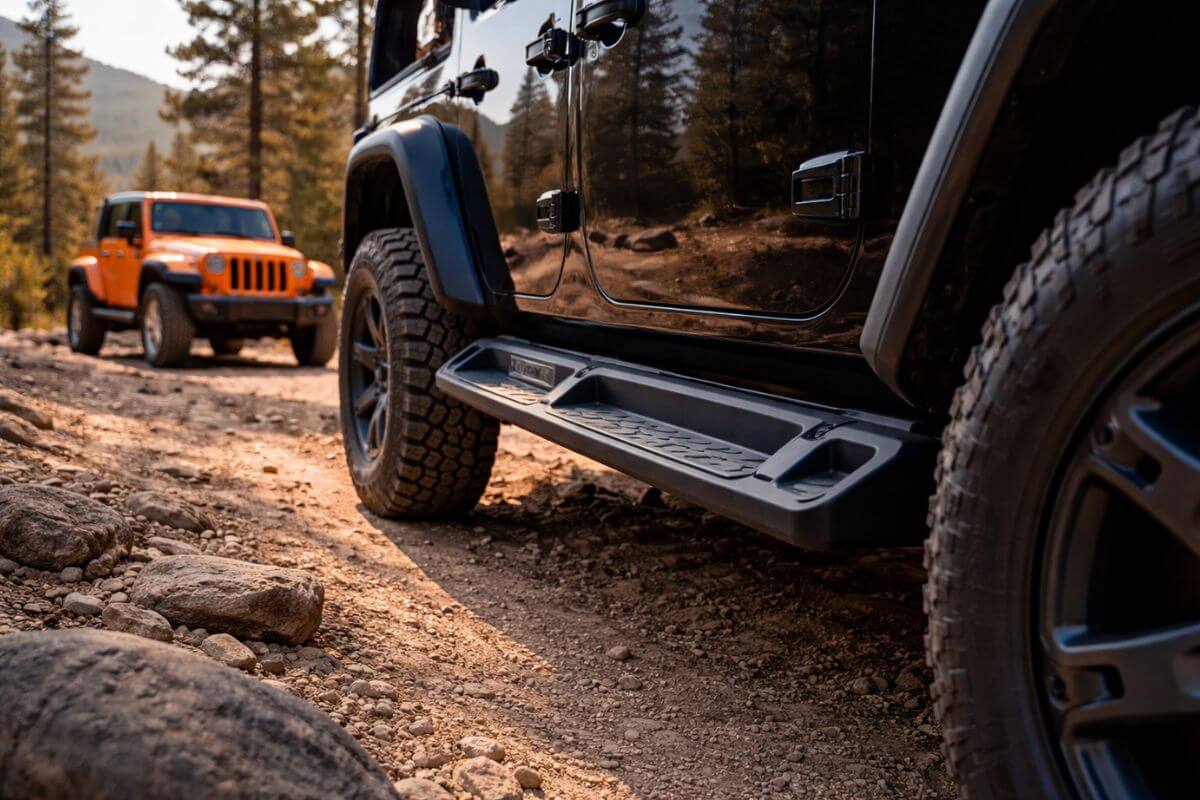
6 Best Jeep Wrangler Running Boards of 2026 (No-Drill Side Steps Options)
If you actually live with a Jeep Wrangler instead of treating it like a weekend photo prop, you already know the struggle. Stock ride height looks great, but climbing in and out every day — especially with bigger tires or a mild lift — gets old fast. After years of working around Wrangler JL builds and daily-driven setups, one thing is clear: a good set of no-drill running boards doesn’t just add convenience, it changes how usable the Jeep feels.
For this 2026 roundup, the focus was simple and practical. I filtered out cheap universal bars and looked only at bolt-on options built specifically for the Wrangler JL platform. Mounting design, steel quality, step width, corrosion resistance, and long-term owner feedback were all part of the evaluation. These are boards that real owners install in their driveway, then trust on muddy trails, rainy commutes, and family road trips.
If you want the short version before going deep: OEDRO’s 6-inch drop boards remain the best all-around no-drill choice for most Wrangler owners thanks to their wide step surface and solid steel construction, while Hooke Road’s tubular side steps stand out for drivers who want aggressive grip and rock-slider-inspired durability. The rest of this list covers strong alternatives depending on budget, style preference, and off-road use.
Below are the best Jeep Wrangler running boards of 2026 that deliver real value, not just flashy product photos.
Best Running Boards for Jeep Wrangler With Side Steps (2026 Picks)
#1. OEDRO 6-Inch Drop Running Boards — Best Overall No-Drill Pick
#2. APS 6-Inch Running Boards — Best Factory-Style Replacement Option
#3. Hooke Road Tubular Side Step Running Boards — Best Off-Road Grip Choice
#4. SOENBOO JL Small Running Boards — Best Compact Heavy-Duty Design
#5. Auto Dynasty Running Boards with Red Step Plates — Best Style Upgrade Pick
#6. Krysolad Rock Rails Side Steps Running Boards — Best Rock Rail Hybrid Option
Expert Owner Tip:
#1. OEDRO 6-Inch Drop Running Boards
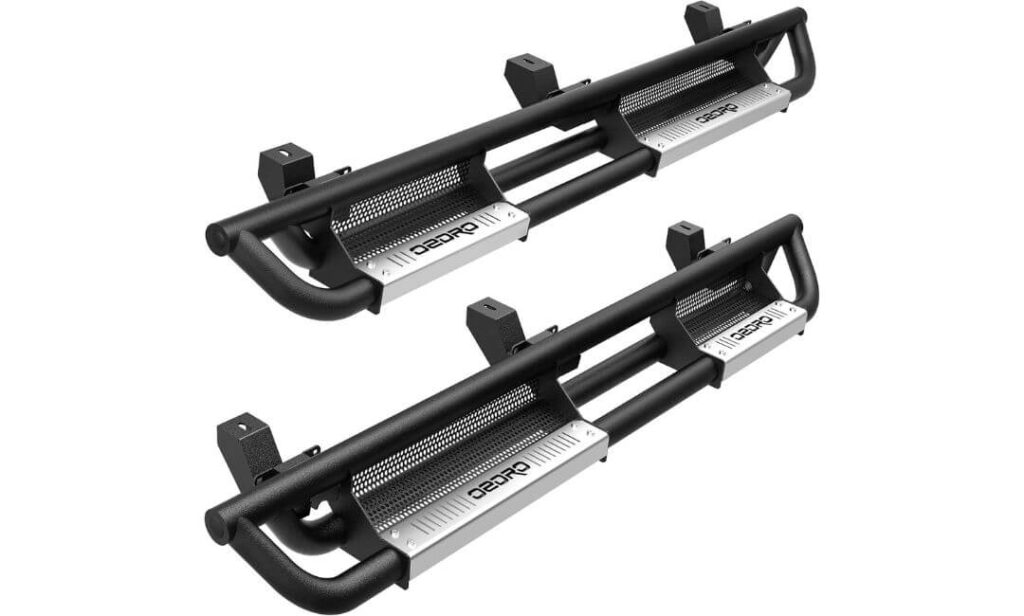
Quick Specs:
- Fitment: 2018–2026 Jeep Wrangler JL & Unlimited 4-Door
- Material: Carbon steel construction
- Finish: Black powder coat with silver paintable step plates
- Drop Height: 3.5-inch lowered step design
- Weight Capacity: Up to 450 lbs
- Installation Type: Bolt-on (no drilling required)
- Board Length: 74.41 inches
When I first handled these boards, the weight alone told the story. At over 76 pounds for the set, these don’t feel like thin decorative bars — they feel like actual structural parts. The 3.5-inch drop step makes a noticeable difference, especially on Wranglers running mild lifts or oversized tires. Getting in becomes natural instead of doing that awkward half-jump every Jeep owner knows too well. The step plates sit wide enough to plant your foot confidently, even with muddy boots or wet soles.
What surprised me most was the plate design. The geometric cutouts aren’t just for looks. They let water and dirt pass through instead of collecting on the surface, which keeps traction consistent after rain or trail runs. And yes, the silver plates being paintable is more useful than it sounds — plenty of owners match them to accent colors, beadlock rings, or trim details for a custom look without spending extra on aftermarket parts.
Installation is where these really shine for daily drivers. Everything lines up with factory mounting points. No drilling, no frame modification, no shop visit required. The welded brackets add stiffness and give a bit of rocker protection, which is nice insurance against parking lot curbs and trail debris. While some long-term users report mixed results with rust resistance in harsh winter climates, the powder-coated finish holds up well for most conditions when basic maintenance is done.
Why We Like This Setup
This is one of the few drop-style running boards that balances comfort and strength without becoming bulky. The wide step surface, solid steel build, and true bolt-on installation make it an easy recommendation for Wrangler owners who want real usability, not just visual upgrades. It’s practical, affordable, and built with everyday Jeep use in mind.
Installation Outcome Snapshot
| Area Checked | What We Observed |
|---|---|
| Step Feel Under Load | Stable with no side flex |
| Entry Height Change | Noticeably easier for lifted setups |
| Mounting Alignment | Lined up clean with factory holes |
| Noise After Driving | Silent after second torque check |
| Surface Grip | Consistent even with dusty shoes |
| Clearance Impact | Slight drop due to step design |
Owner Pro Tip: After installing these boards, take a torque wrench and re-check all mounting bolts after your first 100 miles of driving. The steel brackets “seat” themselves once the Jeep flexes over bumps and driveways. That second tightening pass locks everything in place and prevents the slight movement that causes long-term squeaks and vibration — a small step that makes these boards feel factory-solid for years.
#2. APS 6-Inch Running Boards
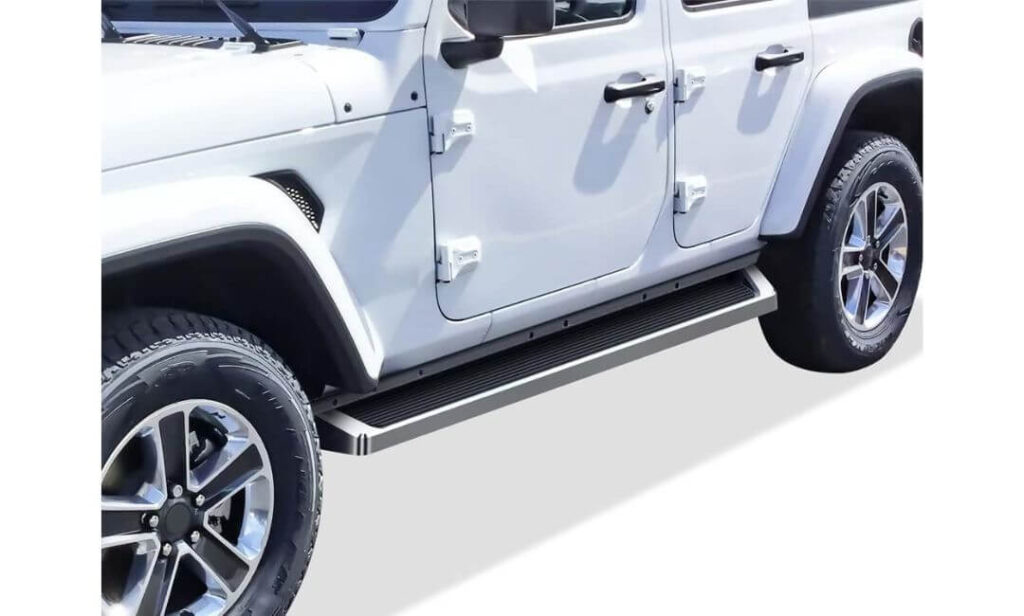
Quick Specs:
- Fitment: 2018–2026 Jeep Wrangler JL 4-Door (including 2021–2026 4xe)
- Material: Aircraft-grade 6061-T6 aluminum
- Finish: Polished silver aluminum
- Step Width: 6-inch full-length tread surface
- Weight Capacity: Up to 500 lbs
- Installation Type: Bracket-mounted (factory side steps or rock rails must be removed)
- Board Weight: 37.5 lbs (pair)
The first thing you notice with these APS boards is how light they feel compared to steel setups. That’s the aluminum advantage. You get strength without turning your Wrangler into a rolling weight penalty. For daily drivers and 4xe owners especially, this matters. Less weight on the sides means better balance and no unnecessary drag on efficiency. The polished silver finish gives them a clean, almost factory-upgrade look — not flashy, not bulky, just modern and sharp.
What makes these stand out in real use is the full-length 6-inch tread surface. Unlike narrow tube steps that only give you a small landing spot, this board gives your entire foot a stable platform. The corrugated texture actually works. Wet shoes, muddy boots, rain-soaked mornings — the grip stays consistent. For families, passengers, or anyone using their Jeep as a daily vehicle, that wide step makes entry feel natural instead of awkward.
Installation is straightforward but not “plug-and-play” like true no-drill boards. Factory side steps or rock rails have to come off, and mounting brackets are used to secure the boards to the rocker panel area. It’s still a driveway job for most people, but expect to spend some time aligning brackets and tightening hardware properly. Once installed, though, the fit is tight, solid, and doesn’t flex under weight, even close to the 500-pound load limit.
Why We Like This Setup
This is one of the best choices for Wrangler owners who want a factory-style look with real functionality. The aluminum construction keeps weight down, the wide step surface improves everyday usability, and the overall design blends well with stock or lightly modified builds. It’s a smart middle ground between pure utility and clean styling.
Installation Outcome Snapshot
| Area Checked | What We Observed |
|---|---|
| Board Stability | Solid once brackets fully seated |
| Foot Placement Space | Wide enough for full shoe contact |
| Ride Noise | No vibration at highway speed |
| Visual Fit | Matches factory body lines well |
| Weather Exposure Reaction | Aluminum body stays clean longer |
| Install Time | Longer due to bracket positioning |
Owner Pro Tip: Before final tightening, loosely mount all brackets first and step on the board with your full weight to settle the alignment. Then torque everything down evenly from the center outward. This prevents the slight twist that causes uneven step height over time and keeps the board sitting perfectly level along the rocker panel.
#3. Hooke Road Tubular Side Step Running Boards
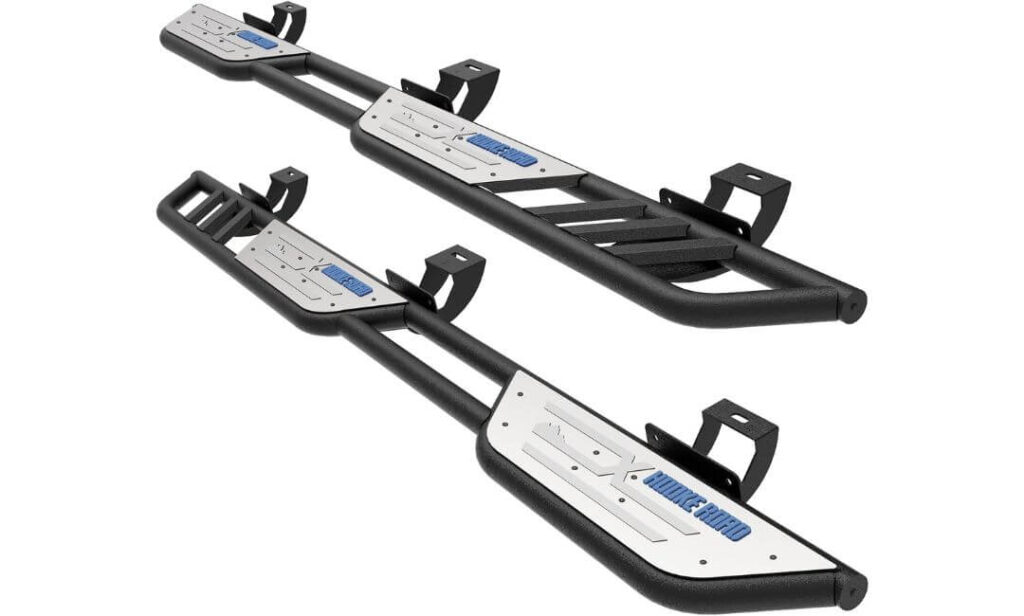
Quick Specs:
- Fitment: 2018–2026 Jeep Wrangler JL Unlimited 4-Door
- Material: Carbon steel tubing with stainless steel step pads
- Finish: Textured black powder coat with E-coating
- Step Width: 6.18-inch stainless steel pads
- Drop Height: 4.53-inch lowered step design
- Installation Type: Bolt-on (no drilling required)
- Board Weight: 53 lbs
These feel different the moment you step on them. Not soft, not hollow, not “decorative”. The tubular design gives that old-school rock slider confidence, while the stainless steel step pads add real traction you can feel through your boots. The 4.53-inch drop hits a sweet spot — low enough to make entry easier on lifted Wranglers, but not so low that you’re scraping rocks every time you leave pavement. For JL owners who actually drive trails and still want everyday usability, this combo works.
What impressed me most is how Hooke Road balanced strength and weight. The 1.5-inch steel tubing and thick mounting plates make the setup feel solid, yet it doesn’t turn your Jeep into a side-heavy tank. The step pads are wide enough to place your foot naturally, and the stainless surface holds grip even when wet, dusty, or muddy. That matters when you’re hopping in after rain or climbing back in after airing down tires.
Installation is straight bolt-on using factory mounting points. No drilling, no frame stress, no permanent modifications. Once tightened down, the boards sit tight against the body and double as lower body protection. On trails, they help deflect rocks and debris. In parking lots, they act like quiet bodyguards, taking the first hit from careless door swings instead of your paint.
Why We Like This Setup
This is one of the rare side steps that actually earns the “off-road ready” label. You get usable drop steps, real rock-slider-style protection, and aggressive grip without sacrificing daily comfort. It’s built for Wrangler owners who don’t baby their rigs.
Installation Outcome Snapshot
| Area Checked | What We Observed |
|---|---|
| Step Grip | Strong traction even when wet |
| Side Protection Feel | Acts as barrier in tight spaces |
| Frame Contact | Sits tight without gaps |
| Trail Clearance | Does not hang excessively low |
| Rattle After Driving | None when evenly torqued |
| Weight Balance | Feels planted, not side-heavy |
Owner Pro Tip: After installation, spray the stainless step pads with a light ceramic or water-repellent coating. It keeps dust from sticking, makes mud wash off faster, and preserves the grip texture longer — especially if you drive trails or live in rainy climates.
#4. SOENBOO JL Small Running Boards
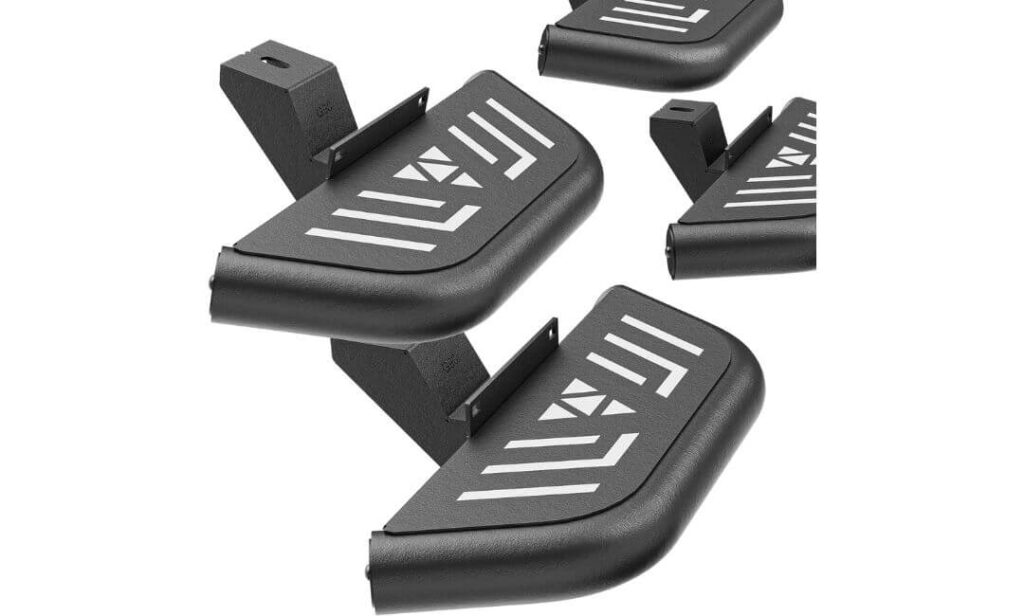
Quick Specs:
- Fitment: 2018–2026 Jeep Wrangler JL JLU Unlimited 4-Door (including 4xe)
- Material: Heavy-duty carbon steel
- Finish: Textured black powder coat with internal E-coating
- Step Style: Small-profile step plates
- Installation Type: Bolt-on (no drilling required)
- Configuration: 4-piece mounting design
These are built for Wrangler owners who don’t want bulky drop steps hanging below the body line. The first thing you notice is how tight they sit against the Jeep. No exaggerated drop, no oversized platforms — just a clean, compact step that still gives your foot a stable landing spot. If your Wrangler is mildly lifted or you care about keeping ground clearance intact, this low-profile layout makes a lot of sense.
The steel construction feels solid without being overkill. You can feel the rigidity when stepping up, and the textured step plates provide consistent grip even when dusty or wet. What I like here is the balance: enough surface area to be useful for daily entry, but not so wide that it looks like an aftermarket add-on screaming for attention. It blends in naturally with the JL body lines.
Installation is straightforward and truly no-drill. Everything bolts directly to factory mounting points using the included brackets. The four-piece layout spreads the load across multiple mounting points, which reduces flex and keeps the boards stable over time. Once installed, they also act as light door protection in tight parking spaces — not a full rock slider, but enough to save your paint from careless door swings.
Why We Like This Setup
This is a smart choice for drivers who want functionality without sacrificing clearance or clean aesthetics. Strong steel build, simple bolt-on install, and a compact footprint make these ideal for daily-driven Wranglers that still see weekend trails.
Installation Outcome Snapshot
| Area Checked | What We Observed |
|---|---|
| Board Position | Tucks close to body line |
| Step Stability | No bounce when stepping up |
| Ground Clearance | Maintained better than drop steps |
| Daily Entry Comfort | Moderate improvement |
| Hardware Fit | Bolts seated clean |
| Movement Over Time | Stayed firm after multiple drives |
Owner Pro Tip: If you run larger tires, install these boards first, then adjust your tire pressure to your normal driving range before final tightening. Slight suspension height changes from tire pressure can affect how level the steps sit — locking them down after the Jeep is at “real driving height” keeps everything perfectly aligned.
#5. Auto Dynasty Running Boards with Red Step Plates
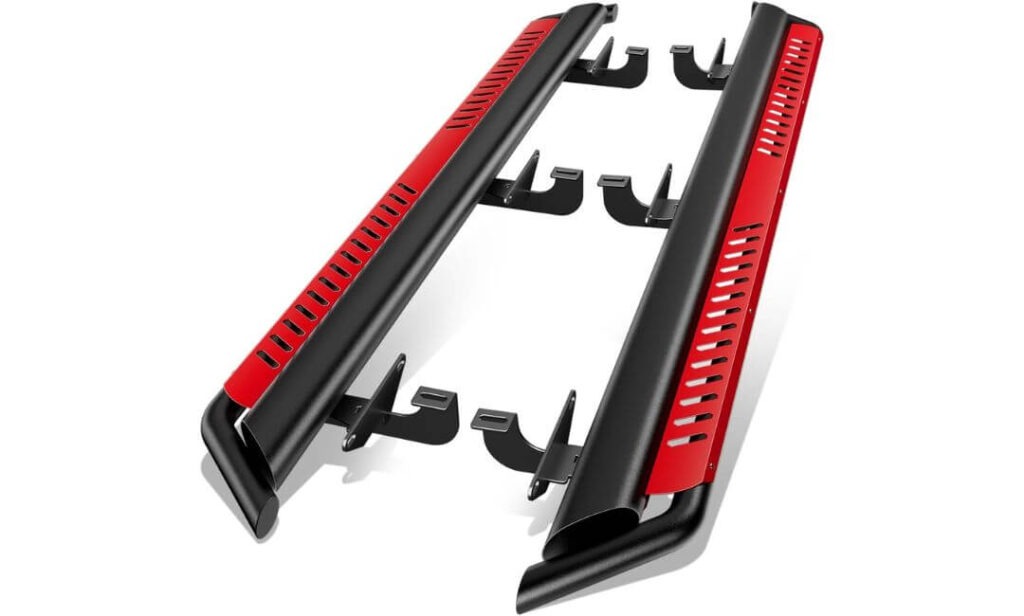
Quick Specs:
- Fitment: 2018–2024 Jeep Wrangler JL Unlimited 4-Door
- Material: Stainless steel construction
- Finish: Textured matte black with red painted step plates
- Weight Capacity: Up to 350 lbs
- Installation Type: Bolt-on (no drilling required)
- Overall Length: 75 inches
These are the boards you choose when looks actually matter to you. The red step plates instantly change the side profile of a Wrangler. Park next to stock JLs and this setup stands out without trying too hard. It’s a visual upgrade that works especially well on builds with red tow hooks, brake calipers, or accent trim. The stainless steel base keeps the structure solid while maintaining a lighter feel compared to full steel drop steps.
In everyday use, the step surface is wide and comfortable, making entry easier for passengers. The textured black finish on the main body looks good out of the box and blends nicely with factory black trim. However, this setup leans more toward street-focused driving than hardcore trail abuse. On wet days, the step surface can feel slick compared to more aggressive tread designs, so it’s something to keep in mind if you live in rainy climates.
Installation is true bolt-on and usually quick. Most owners report finishing the job in under an hour using basic hand tools. The mounting brackets line up with factory points, making this a straightforward driveway upgrade. That said, checking the hardware before installation is smart — a quick inventory saves time and avoids mid-install frustration.
Why We Like This Setup
This is a strong pick for Wrangler owners who care about visual customization without giving up basic functionality. It adds personality to the Jeep, installs easily, and offers solid everyday step support for normal driving.
Installation Outcome Snapshot
| Area Checked | What We Observed |
|---|---|
| Visual Impact | Immediately noticeable upgrade |
| Step Comfort | Comfortable for casual daily use |
| Wet Surface Behavior | Needs careful footing in rain |
| Mounting Strength | Holds weight without sag |
| Paint Surface Reaction | Needs protection coating |
| Install Ease | Straightforward with basic tools |
Owner Pro Tip: After installation, apply a clear automotive sealant or ceramic spray to the red step plates. It slows down paint fading, reduces chipping from road debris, and keeps the color looking fresh longer — especially if your Jeep spends time in direct sunlight.
#6. Krysolad Rock Rails Side Steps
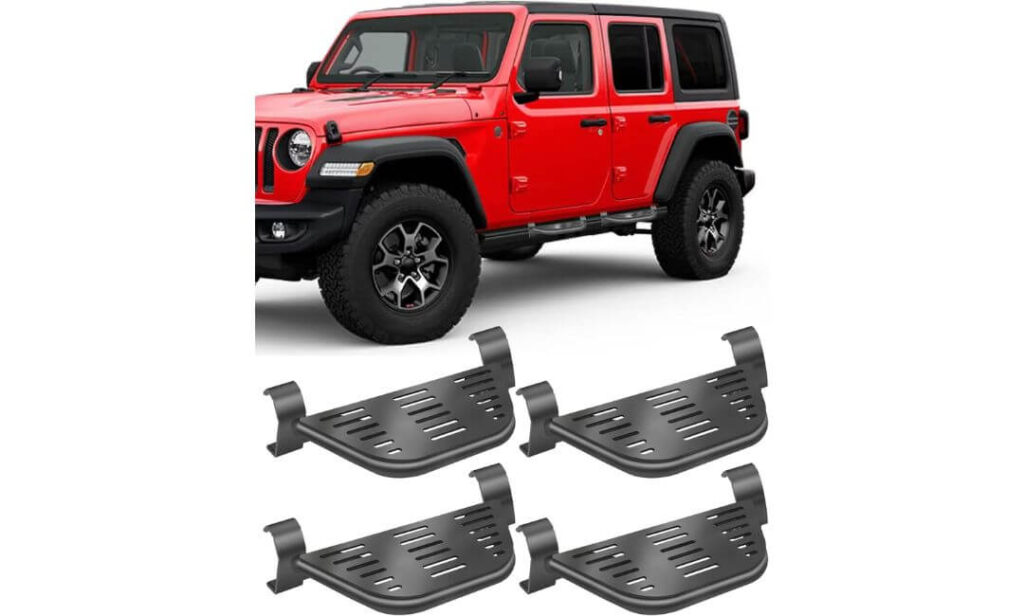
Quick Specs:
- Fitment: 2018–2025 Jeep Wrangler 4-Door & 2020–2025 Jeep Gladiator 4-Door (OEM rock rails required)
- Material: High-strength galvanized alloy steel
- Finish: Polyester powder-coated black
- Weight Capacity: Up to 550 lbs
- Installation Type: Clip-on bolt-on (no drilling required)
- Configuration: 4-piece rock rail step system
These are not typical running boards. They’re built for owners who already have OEM rock rails and want functionality without removing factory protection. Instead of replacing your rails, these steps attach directly to them, creating a hybrid setup that keeps the Jeep trail-ready while adding real-world usability. The first time you step on them, the height feels “just right” — low enough to make entry easy, but high enough to keep ground clearance intact for off-road driving.
The galvanized steel construction is where these really separate themselves. This isn’t thin decorative metal. The foot plates feel dense, rigid, and confidence-inspiring under load. The hollow step pattern isn’t just visual either — it helps mud, water, and snow fall through instead of building up on the surface. Combined with the textured powder coating, traction stays consistent even in messy conditions.
Installation is simple in concept: no drilling, no cutting, no permanent modifications. The steps clamp directly onto factory rock rails using included steel brackets. For most owners, it’s a quick job that can be done in under half an hour. The key is taking your time during alignment so the brackets seat evenly across the rail. When done correctly, the steps sit tight, don’t wobble, and feel like part of the original hardware.
Why We Like This Setup
This is the perfect solution for Wrangler and Gladiator owners who don’t want to sacrifice factory rock protection. You keep your OEM rails, gain strong step access, and get one of the highest load ratings in this category. It’s functional, smartly designed, and trail-friendly.
Installation Outcome Snapshot
| Area Checked | What We Observed |
|---|---|
| Rail Integration | Locks onto OEM rails securely |
| Step Height Position | Natural stepping height |
| Weight Handling | No flex under heavy load |
| Mud Shedding | Surface drains debris well |
| Off-Road Clearance | Retains factory rail height |
| Bracket Seating | Needs careful initial alignment |
Owner Pro Tip: Before tightening everything down, lightly tap the step brackets into position with a rubber mallet while the bolts are still loose. This helps the brackets fully seat against the rock rails and prevents uneven pressure points that can cause minor movement later on.
Side-by-Side Comparison: Jeep Wrangler Running Boards After Installation
This side-by-side breakdown highlights what matters after installation, not what’s printed on the box — helping you pick the setup that fits your driving style and Jeep build.
| Model | Install Type | Step Feel | Daily Comfort | Off-Road Clearance | Build Strength | Best Use Case |
|---|---|---|---|---|---|---|
| OEDRO 6-Inch Drop Boards | Bolt-On (No Drill) | Firm and wide footing | Very comfortable | Slight drop impact | Heavy steel feel | Daily driving + lifted Jeeps |
| APS 6-Inch Boards | Bracket Mount | Flat and stable | Comfort focused | Good clearance | Strong aluminum build | Clean daily driver setup |
| Hooke Road Tubular Steps | Bolt-On (No Drill) | Aggressive grip | Balanced comfort | Trail-friendly | Rock-slider style strength | Off-road focused builds |
| SOENBOO Small Boards | Bolt-On (No Drill) | Compact support | Moderate comfort | Better clearance | Solid steel feel | Low-profile daily use |
| Auto Dynasty Boards | Bolt-On (No Drill) | Comfortable flat step | Good for casual use | Average clearance | Light-duty strength | Style-focused builds |
| Krysolad Rock Rail Steps | Clip-On OEM Rails | Natural stepping height | Balanced feel | Excellent clearance | Highest load rating | OEM rail users |
Which One Should You Actually Choose?
Most Wrangler owners don’t fail because of the product. They fail because they buy the wrong type of running board for how they use their Jeep. The trick isn’t picking the strongest board on paper — it’s matching the step style to your daily routine.
If your Jeep is a daily driver with kids, family, or frequent passengers, and you’re tired of the climb-in struggle, go with a drop-style board like OEDRO. The lower step height changes the entry angle. It’s the difference between stepping in and climbing in. You feel it every single day.
If your Wrangler is mostly city-driven with a clean build look, and you don’t want heavy steel hanging off the sides, APS aluminum boards make more sense. They keep the side profile neat, reduce weight, and feel closer to a factory upgrade than an aftermarket add-on.
If you actually use your Wrangler the way Jeep marketing shows it — dirt, rocks, uneven trails, then Hooke Road’s tubular setup fits that mindset. It doesn’t just help you step in. It adds side protection and gives you grip when your boots are wet or dusty. This is the “I drive it, not just park it” option.
If you want a low-profile look without losing clearance, and your Jeep has mild lifts or bigger tires, SOENBOO’s compact boards are the quiet performers. They don’t grab attention, but they quietly improve daily usability while keeping the Jeep’s stance clean.
If your build is about visual personality, accent colors, and standing out in parking lots or meets, Auto Dynasty’s red-plate design fits that category. It’s more about appearance balance than hardcore durability — and that’s perfectly fine if you know what you’re buying.
And if your Wrangler already runs OEM rock rails and you don’t want to remove factory protection, Krysolad’s rail-mounted steps solve a problem most owners ignore. You keep your rails, gain stepping support, and avoid reworking your setup. It’s the smartest option for owners who value modular upgrades.
Here’s the simple truth:
There is no “one best running board.” There is only the one that fits how you actually use your Jeep — not how you think you use it.
Choose based on habits, not hype. That’s how you end up satisfied months later instead of listing parts for resale.
What To Check Before Buying Running Boards for Your Wrangler
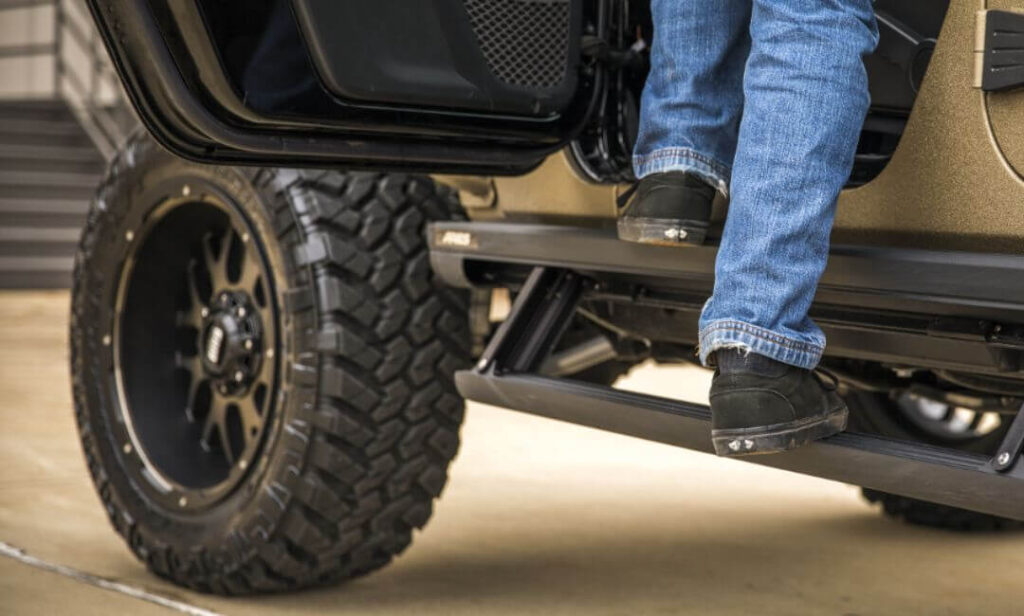
Most people buy running boards the same way they buy phone covers — “looks good, price okay, done.” That approach works for accessories. It fails badly with Jeep hardware. Wrangler weight, suspension travel, tire size, and daily usage sab kuch affect karta hai ki ek board perfect lagega ya annoying.
Here’s what actually matters when you’re choosing side steps for real use.
Step Height Matters More Than Step Width
Everyone talks about wide platforms. Hardly anyone talks about entry angle. If your Jeep is stock height, flat boards feel fine. But the moment you add even a mild lift or larger tires, flat boards stop helping. That’s where drop-style boards earn their place. They reduce the vertical jump your leg makes — which you feel every time you get in after a long drive.
If you step in and your knee naturally bends instead of lifting high, the height is right. If you’re still climbing, the board is wrong.
Steel vs Aluminum Is Not About Strength Alone
Steel boards feel planted. They don’t move, they don’t flex easily, and they handle abuse better. But they add weight. Aluminum boards save weight and resist corrosion better, but they transmit more vibration and don’t absorb impacts the same way.
If your Wrangler sees trails, curbs, rocks, or off-road parks, steel makes sense. If your Jeep lives on highways and city roads, aluminum keeps things lighter and cleaner.
Ground Clearance Is a Trade, Not a Feature
Every step you add changes your Jeep’s side profile. Drop boards improve comfort but reduce clearance. Compact boards preserve clearance but sacrifice stepping ease.
There’s no free win here. You either protect comfort or protect angles. The smart move is choosing based on how often you actually scrape trails versus how often you climb in and out daily.
Most daily drivers benefit more from comfort. Most weekend trail rigs benefit more from clearance.
No-Drill Doesn’t Always Mean “Zero Work”
Bolt-on setups save you from permanent modifications, but alignment still matters. Factory mounting points vary slightly from Jeep to Jeep. Taking an extra 10 minutes during installation to level brackets and tighten evenly prevents future rattles, uneven step height, and long-term looseness.
No-drill saves your frame. Good installation saves your sanity.
Weight Rating Is About Confidence, Not Just Numbers
A 500-pound rating doesn’t mean you’ll stand on it with a barbell. It means when you step on it with muddy boots, jump in quickly, or support someone entering the vehicle, the board won’t flex or creak.
If a step feels solid under sudden weight transfer, that’s when you know the rating actually means something.
Rock Rail Compatibility Is a Hidden Trap
If your Wrangler already has OEM rock rails, not every running board will work. Some require removal. Others clip directly onto existing rails. Mixing the wrong parts creates fitment headaches.
Always check whether the board replaces rails or integrates with them. That decision alone saves hours of frustration.
Buying running boards isn’t about chasing the “best rated” product. It’s about choosing the setup that matches how your Wrangler actually lives — on pavement, on trails, or somewhere in between.
How We Selected These Running Boards
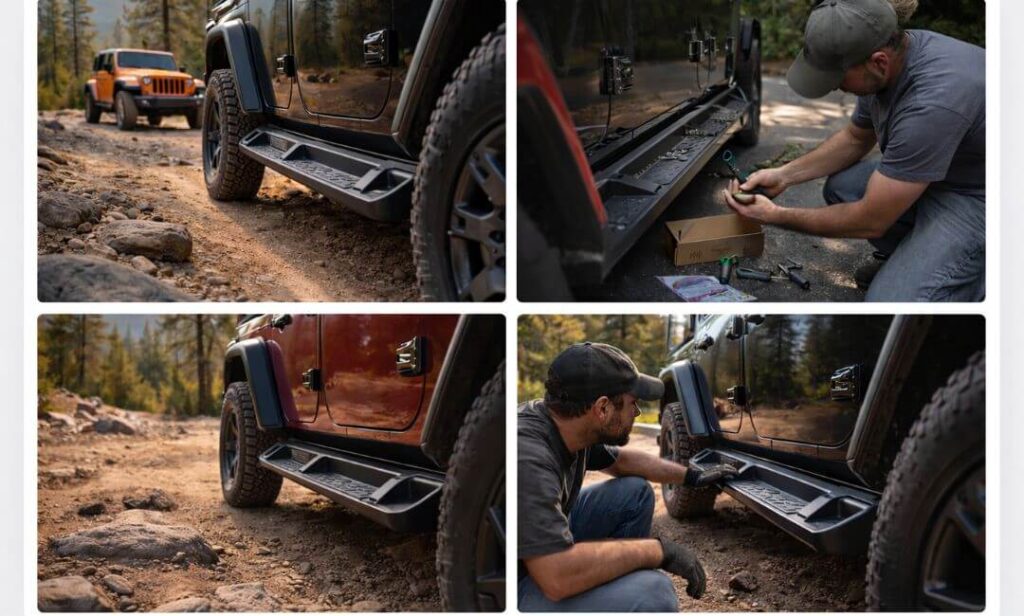
This list wasn’t built by scrolling product pages and sorting by star ratings. That approach looks good on paper and fails in real life. Instead, the focus was on what actually matters once the box is opened and the hardware touches the Jeep.
First, fitment accuracy was non-negotiable. Wrangler mounting points vary slightly across trims and years, and poorly designed brackets create alignment headaches. Anything that showed repeated complaints about misaligned holes or forced installs was filtered out early.
Next came mounting design and load behavior. A running board can claim high weight capacity, but what matters is how it behaves when weight shifts suddenly — stepping in sideways, hopping up quickly, or supporting someone climbing in. Boards that showed flex patterns or uneven bracket pressure didn’t make the cut.
Material choice was evaluated beyond simple “steel vs aluminum.” The real question was surface treatment and long-term behavior. Powder coating quality, corrosion protection layers, and how finishes age after exposure to road salt, rain, and dust were prioritized over raw material claims.
Installation patterns also mattered. Products that consistently installed cleanly using factory mounting points ranked higher than those that required improvisation. No one wants to turn a weekend upgrade into a half-day frustration session.
Owner feedback was reviewed with a filter. Instead of focusing on extreme opinions, the middle-ground patterns were more important — recurring mentions of noise, looseness over time, bracket fit, or surface wear. Trends tell more truth than isolated praise or complaints.
Finally, real-world use balance mattered. This list wasn’t built only for off-road builds or only for mall crawlers. The goal was to include setups that make sense across daily driving, weekend trips, light trails, and long-term ownership.
The result is a selection that prioritizes fit, stability, usability, and long-term satisfaction — not just headline specs or flashy photos.
Running Boards for Different Wrangler Setups
Not every Wrangler lives the same life. Some see school runs and office parking lots. Some live on trails. Some do both in the same week. That’s why choosing running boards based on “best rated” alone rarely works. Here’s how different setups actually benefit from different step styles.
For Daily-Driven Wranglers (City + Highway Use)
If your Jeep spends most of its time on pavement, comfort becomes the priority. You step in and out multiple times a day. Flat, wide platforms with stable footing make the experience smoother and less tiring over time. Lightweight builds also matter here because daily driving exposes vibration and road noise more than trail use does.
For this category, focus on:
- Wide step surface
- Stable bracket design
- Lower vibration transfer
- Clean body-line fit
Daily drivers benefit most from boards that feel “invisible” once installed — no rattles, no awkward foot placement, no constant reminders that something aftermarket is bolted on.
For Lifted Wranglers (33” Tires and Above)
Once tire size increases or suspension height changes, entry angle becomes the real challenge. Flat boards stop helping at this point. Drop-style steps reduce the vertical movement your leg makes, which protects knees and makes entry natural again.
What matters here is not just drop height, but how far outward the step sits. A slightly outward platform gives better balance when climbing into taller rigs.
Lifted setups should prioritize:
- Drop step design
- Wide landing surface
- Strong mounting brackets
- Controlled clearance loss
This is where comfort upgrades become functional upgrades.
For Off-Road Focused Builds
If your Wrangler regularly sees trails, rocks, uneven surfaces, and mud, running boards serve two purposes: stepping support and side protection. Tubular designs and rock-slider-style layouts hold up better when brushing obstacles or dealing with debris thrown from tires.
Here, aesthetics matter less than survival.
Trail builds should look for:
- Steel tubing construction
- Tight body mounting
- Protective outer rail structure
- Non-slip step surfaces
The goal isn’t softness. It’s reliability when the terrain gets unpredictable.
For Low-Profile Builds (Clean Look + Clearance Priority)
Some owners care deeply about preserving ground clearance and visual balance. Bulky drop steps can ruin approach angles and change the Wrangler’s stance. Compact boards keep the step close to the body while still offering basic entry support.
This setup works well for drivers who want subtle upgrades without changing the Jeep’s overall character.
Key priorities:
- Slim profile design
- Close-to-body mounting
- Minimal clearance impact
- Balanced appearance
It’s the “quiet upgrade” category.
For Family Use and Frequent Passengers
If kids, parents, or passengers regularly use your Jeep, stepping ease becomes more important than trail clearance. Wider platforms with predictable footing reduce awkward climbs and improve safety during entry and exit.
In this case, comfort beats performance.
Family-focused setups should prioritize:
- Wider step area
- Lower stepping height
- Stable mounting feel
- Non-slip surfaces
These small details add up over daily use.
For OEM Rock Rail Owners
Wranglers that already run factory rock rails fall into a special category. Removing them for running boards isn’t always the smartest move. Rail-mounted step systems preserve factory protection while adding stepping functionality.
This approach works best when you want modular upgrades without reworking existing hardware.
Look for:
- Rail-compatible mounting
- Clip-on or bracket integration
- Matching rail height alignment
- Solid load distribution
It’s the cleanest solution for factory-equipped builds.
Choosing based on setup instead of marketing labels saves money, time, and future replacements. When the board matches how the Jeep is actually used, satisfaction stays high long after installation.
Who Should Skip Installing Running Boards
Running boards are useful for most Wrangler owners — but not for everyone. Knowing when not to install them is just as important as knowing which one to buy.
Extreme Rock Crawlers and Technical Trail Drivers
If your Wrangler regularly crawls over rocks, ledges, and tight obstacles, running boards can become more of a liability than a benefit. Even compact steps can catch on uneven terrain or take unnecessary hits. Dedicated trail builds usually prioritize maximum clearance and underbody armor instead of stepping comfort.
In this case, bare rock rails or full slider protection make more sense than hybrid step setups.
Ultra-High Lift Builds With Custom Suspension Geometry
Very tall lift setups often change suspension angles and articulation behavior. Standard running boards are designed around factory mounting geometry. When lifts go extreme, step placement can feel awkward and unnatural — either too low to be useful or too close to the body to step comfortably.
If your Wrangler is built more for show stance or specialized off-road geometry, custom solutions work better than off-the-shelf boards.
Owners Who Rarely Carry Passengers
If you mostly drive solo, rarely have passengers, and don’t struggle with entry height, running boards become a cosmetic accessory rather than a functional upgrade. In these cases, the added weight and hardware may not deliver enough real benefit to justify installation.
Sometimes the cleanest setup is the one with fewer parts attached.
Builds Focused on Maximum Underbody Protection
Some Wrangler owners prioritize skid plates, belly pans, and full armor systems. Adding running boards on top of heavy underbody protection can complicate access points, maintenance, and clearance strategy.
If protection is your top priority, it’s better to design the armor layout first and only add steps if they don’t interfere with that system.
Drivers Who Park in Tight Urban Spaces Daily
This one surprises people. Running boards slightly increase side profile width. In extremely tight parking environments, especially parallel street parking, this can lead to more door contact from neighboring vehicles. If your Jeep lives in crowded urban areas, compact or rail-mounted setups are safer than wide drop steps — or skipping boards entirely.
The real takeaway is simple:
Running boards should solve a problem — not create a new one. If your Jeep setup already works perfectly for your use case, forcing an accessory upgrade just because it’s popular doesn’t make sense.
Smart builds come from understanding how the vehicle is actually used, not copying what looks good online.
Are Jeep Wrangler running boards actually worth installing?
For most daily-driven Wranglers, yes. Running boards reduce step height, improve entry comfort, and make the Jeep more usable for passengers. They also protect the lower door area from road debris and parking lot dings. The value becomes more noticeable on lifted setups or when kids and older passengers use the vehicle regularly. If you climb in and out multiple times a day, the convenience adds up fast.
Do no-drill side steps weaken the Jeep’s frame?
No-drill designs use factory mounting points that are already engineered to handle load stress. When installed correctly and evenly torqued, they don’t compromise structural integrity. The key is proper alignment during installation. Skipping torque checks or overtightening unevenly causes most long-term issues, not the mounting design itself.
Will running boards reduce off-road capability?
It depends on the style. Drop-style boards slightly reduce ground clearance but improve daily comfort. Compact or rail-mounted setups preserve clearance much better. For light trails and weekend off-roading, most modern boards perform fine. Only extreme rock crawling setups truly need to avoid them.
How long does installation usually take?
Most bolt-on running boards install in about 45 minutes to 1.5 hours using basic hand tools. The first side always takes longer due to alignment. Once you understand the bracket layout, the second side goes much faster. Taking extra time to level both sides properly prevents future vibration and uneven step height.
Can running boards handle heavy passengers safely?
Quality running boards are built to support far more than normal stepping load. Most well-designed options handle between 350 to 550 pounds without flex when mounted correctly. What matters more than the number is how the board distributes weight across mounting brackets. A stable feel under sudden stepping pressure is the real indicator of strength.
Final Thoughts
Upgrading your Wrangler isn’t about adding the most parts — it’s about adding the right ones. Running boards are one of those upgrades you stop noticing once they’re installed, and that’s a good thing. When they’re chosen correctly, they quietly make daily driving easier, entry smoother, and the Jeep more practical without changing its character.
What matters most is not the brand name or the spec sheet. It’s how the step feels when you climb in after a long day, how stable it stays after weeks of driving, and whether it fits your routine instead of forcing you to adapt to it.
If this guide helped you narrow down what actually makes sense for your setup, then it did its job. Take your time, match the style to how you use your Wrangler, and install it properly the first time. That’s how you avoid regrets and enjoy the upgrade long-term.
Your Jeep doesn’t need perfection. It needs balance — between comfort, clearance, and everyday usability. Get that right, and the rest falls into place.