How to Avoid Common Mistakes After Buying a Used Car
Purchasing a used car can be an exciting milestone, but the journey doesn’t end when you drive off the lot. Many new owners make critical mistakes in the days and weeks following their purchase that can lead to unexpected costs, safety issues, and frustrating complications down the road.Understanding what to do immediately after buying a used vehicle is just as important as the purchase decision itself. The period right after acquisition is crucial for protecting your investment and ensuring your car remains reliable for years to come.
Getting Your Documentation in Order
One of the most overlooked steps after buying a used car involves properly organizing and securing all necessary paperwork. Your title, bill of sale, and registration documents need immediate attention to avoid legal complications that could prevent you from legally operating your vehicle.
Many buyers assume the dealership or previous owner will handle everything, but taking personal responsibility for documentation ensures nothing falls through the cracks. Missing or incomplete paperwork can result in hefty fines and the inability to prove ownership if questions arise later.
Make copies of all documents and store them in multiple secure locations. Keep one set in your home files, another in a safe deposit box, and digital copies in cloud storage for easy access whenever needed.
Scheduling a Comprehensive Mechanical Inspection
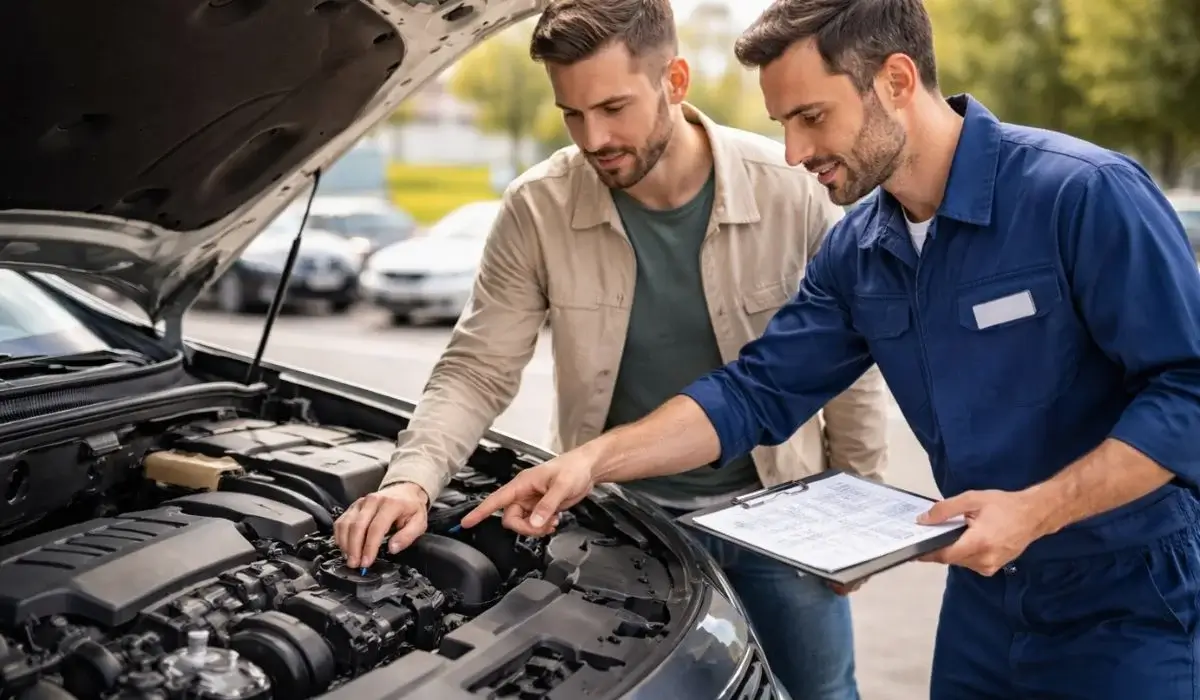
Even if you had the car inspected before purchase, scheduling another thorough examination with your trusted mechanic provides peace of mind and catches issues the initial inspection might have missed. This second opinion approach has saved countless buyers from discovering expensive problems too late.
Your personal mechanic knows your driving habits and can offer tailored advice about maintenance priorities based on how you’ll actually use the vehicle. They can also establish a baseline for future service needs and help you develop a realistic maintenance schedule.
Don’t skip this step even if the car seems perfect. Hidden issues often don’t reveal themselves during short test drives, and a professional inspection catches problems before they become dangerous or prohibitively expensive to repair.
Establishing a Maintenance Schedule
Creating and following a detailed maintenance schedule immediately after purchase prevents small issues from snowballing into major repairs. Review the owner’s manual to understand recommended service intervals for oil changes, tire rotations, and other routine maintenance tasks.
Check the vehicle’s service history to identify what maintenance has been completed recently and what’s overdue. If the previous owner neglected regular service, prioritize catching up on deferred maintenance before it causes mechanical failures that leave you stranded.
Set calendar reminders for upcoming service appointments and keep meticulous records of all work performed. This documentation not only helps maintain your car’s value but also provides proof of proper care if warranty claims arise later.
Reassessing the Previous Owner’s Insurance Coverage
One critical mistake many buyers make involves assuming they understand what insurance coverage the previous owner carried or that it somehow transfers with the vehicle.
According to Infinity Insurance Agency, a company that offers business car insurance, policies are tied to individuals, not cars, meaning the previous owner’s coverage ended the moment ownership changed hands.
You need to secure your own insurance policy before driving your newly purchased car anywhere. Even if you already have auto insurance on another vehicle, you must notify your insurance company about the new purchase and add it to your policy immediately.
Contact your insurance agent before completing the purchase to get quotes and understand exactly what coverage you’ll need. Different vehicles require different coverage levels, and a used car might need different protection than a new one depending on its value and condition.
Failing to obtain proper insurance coverage leaves you personally liable for any accidents, damage, or injuries that occur while driving. The financial consequences of driving uninsured can be devastating, including personal lawsuits, license suspension, and the inability to register your vehicle legally.
Review your policy details carefully to ensure you understand deductibles, coverage limits, and any exclusions that might apply. Many people discover too late that their coverage doesn’t include specific situations or that their deductible is higher than they can comfortably afford in an emergency.
Consider whether the previous owner’s insurance claims history might affect your rates, as some insurers check vehicle history for frequent claims. While you won’t be held responsible for past claims, understanding a vehicle’s claim history helps you make informed decisions about appropriate coverage levels.
Updating Registration and Title Transfer
Promptly transferring the title into your name protects you from liability issues related to the previous owner’s actions and establishes your legal ownership. Each state has specific deadlines for completing title transfers, and missing these deadlines results in penalties and fines.
Visit your local Department of Motor Vehicles with all necessary documentation, including the signed title, bill of sale, and proof of insurance. Some states also require emissions testing or safety inspections before allowing registration, so research your local requirements in advance.
Keep your registration current and displayed properly according to state law. Expired registration tags give police officers reason to stop you and can result in fines, impoundment, or other legal complications that are easily avoided.
Changing All Locks and Keys
Security should be a top priority after purchasing any used vehicle. The previous owner may have given keys to family members, friends, or service providers who could still have access to your car.
Have a locksmith rekey your locks or, if your vehicle has an electronic key system, have the dealership reprogram the security system. This relatively small investment provides invaluable peace of mind and prevents unauthorized access to your vehicle and belongings.
Protecting Your Investment Long-Term
The mistakes you avoid in the first few weeks after purchase set the foundation for years of reliable service. Stay proactive about maintenance, keep detailed records, and address small problems before they become major headaches.
Your used car can provide excellent value and dependable transportation when you take these essential steps seriously. By avoiding common post-purchase mistakes, you’ll enjoy your vehicle while protecting both your safety and your financial investment for the long haul.


