5 Best Dash Cams for Nissan Pathfinder in 2026: STARVIS 2 Night Vision, GPS Tracking & 24/7 Protection
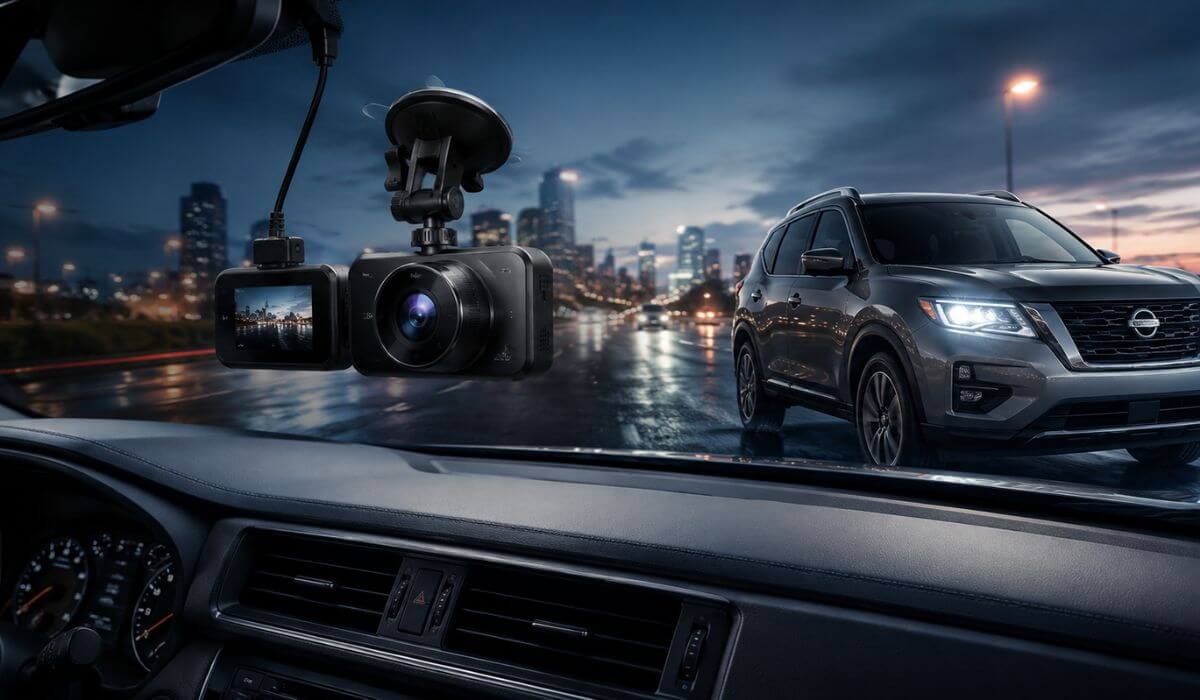
The Nissan Pathfinder has earned a reputation as one of the most practical three-row SUVs on the market. Whether you drive a newer 2025–2026 Pathfinder loaded with the latest safety technology or an older model that’s still handling daily commutes and family road trips, a quality dash cam can add an extra layer of protection that factory cameras simply don’t provide.
What makes the Pathfinder a little different from many midsize SUVs is its size. The higher seating position, large windshield, and family-focused cabin make features like wide-angle recording, strong night vision, GPS tracking, and reliable parking protection especially valuable. A dash cam that works well in a compact sedan isn’t always the best match for an SUV that’s regularly carrying passengers, luggage, and hundreds of highway miles every month.
For this guide, we focused on dash cams that stand out in the areas Pathfinder owners actually care about: clear footage after dark, dependable parking monitoring, easy smartphone access, and long-term reliability. Some excel at capturing incredibly sharp 4K video, while others offer full vehicle coverage or advanced cloud-connected security. The goal is simple—help you choose a dash cam you’ll trust every time you start the engine.
Best Nissan Pathfinder Dash Cams: Top 2026 Picks for Front-and-Rear Coverage, Wi-Fi Access & Reliable Monitoring
#1. VIOFO A329S 4K 60FPS Dash Cam Front and Rear
Best Nissan Pathfinder Dash Cam for Owners Seeking 4K Recording, STARVIS 2 Night Vision, GPS Tracking, Wi-Fi 6 Connectivity, and Long-Distance Road Trip Protection
#2. BlackVue DR900X-2CH Plus
Premium 4K Dash Camera for Nissan Pathfinder With Cloud Monitoring, Remote Vehicle Access, GPS Logging, and Advanced Parking Surveillance
#3. Vantrue N4 Pro S 4K 3-Channel Dash Cam
Best Front and Rear Dash Cam for Nissan Pathfinder Featuring Triple-Camera Coverage, HDR Night Vision, Interior Recording, and 24/7 Parking Mode
#4. Garmin Dash Cam Mini 2
Best Compact Dash Cam for Nissan Pathfinder With Discreet Installation, Voice Control, Smartphone Connectivity, and Everyday Driving Security
#5. PRUVEEO 360° 4-Channel Dash Cam
Best Multi-Camera Dash Cam for Nissan Pathfinder Offering 360-Degree Coverage, GPS Tracking, Parking Monitoring, and Complete Vehicle Visibility
Expert Tip for Nissan Pathfinder Owners
One mistake we see over and over is people shopping for a dash cam based almost entirely on video resolution. On paper, every model promises sharp footage. In the real world, what matters is how well that camera captures a license plate at night, handles glare from oncoming headlights, survives summer heat, and continues recording when your Pathfinder is parked for hours at a time.
That’s why features like STARVIS 2 sensors, HDR processing, reliable parking mode, and stable app connectivity carried far more weight in our rankings than marketing claims alone. For most Pathfinder owners, a dependable camera that records every drive is worth far more than a camera packed with features you’ll never actually use.
How We Chose These Nissan Pathfinder Dash Cams
The Pathfinder is used differently than many vehicles. Some spend their lives commuting. Others are loaded with kids, luggage, camping gear, and road-trip miles. Because of that, we didn’t build this list around a single feature or price point.
First, we prioritized real-world video quality, especially after dark. A dash cam isn’t much help if important details disappear at night. That’s one reason models like the VIOFO A329S, Vantrue N4 Pro, and BlackVue DR900X-2CH Plus stood out. Their newer imaging hardware and advanced night-vision systems consistently perform better in the situations where evidence matters most.
Next, we looked closely at parking protection. Pathfinder owners often leave their vehicles in driveways, airport lots, shopping centers, and hotel parking areas during long trips. We favored models that offer dependable parking monitoring, impact detection, buffered recording, and long-term reliability rather than basic motion alerts that can generate unnecessary recordings.
We also considered coverage area. A larger SUV creates different blind spots than a compact car. Some owners simply need premium front-and-rear recording, while others want interior monitoring or full multi-angle coverage. That’s why this list includes both traditional dual-channel systems and more specialized multi-camera options.
Storage capacity was another major factor. Higher-quality footage is only useful if the camera can retain it. Models supporting larger memory cards or SSD storage earned extra consideration because they can store significantly more driving footage before overwriting older files.
Finally, we paid close attention to long-term ownership experience. Smartphone apps, GPS reliability, firmware support, installation flexibility, and day-to-day usability often determine whether a dash cam remains useful after the first few months. The products that ranked highest weren’t simply the ones with the longest feature sheets—they were the ones most likely to remain dependable years down the road.
Every dash cam on this list earned its place because it offers a meaningful advantage for Nissan Pathfinder owners, whether that’s industry-leading image quality, premium cloud connectivity, complete cabin coverage, ultra-compact installation, or broader vehicle surveillance. Instead of chasing specifications alone, we focused on the features drivers are most likely to appreciate every time they get behind the wheel.
#1. VIOFO A329S 4K 60FPS Dash Cam Front and Rear
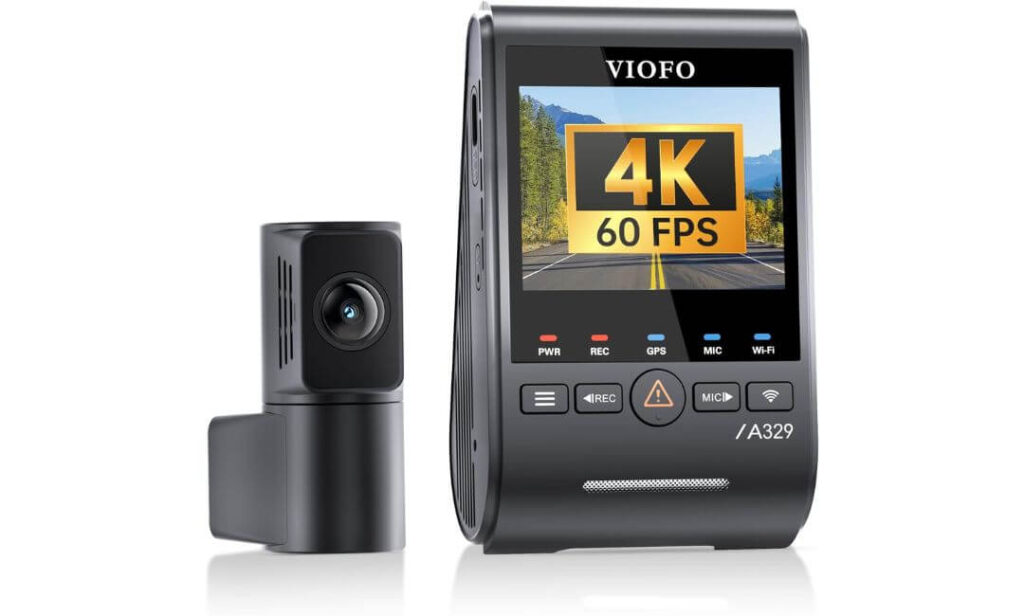
Quick Specs:
- 4K 60FPS front recording + 2K rear recording
- Dual Sony STARVIS 2 image sensors
- Built-in GPS tracking
- Wi-Fi 6 smartphone connectivity
- HDR license plate capture
- Impact-detection parking mode
- Voice command support
- Supports up to 4TB SSD storage
- Included anti-glare CPL filter
- Slim coaxial cable for cleaner installation
The first thing that stands out isn’t the feature sheet—it’s how complete the overall package feels once installed in a Nissan Pathfinder. Between the SUV’s large windshield, elevated driving position, and family-road-trip nature, you need a camera capable of capturing details far beyond the vehicle directly in front of you. That’s exactly where the combination of 4K 60FPS recording, HDR processing, and the newer STARVIS 2 sensors starts making a noticeable difference.
What impressed us most was how balanced everything feels. Some dash cams chase resolution numbers. Others focus heavily on parking mode. This one manages to deliver both. Whether you’re driving through bright afternoon traffic, entering a poorly lit parking garage, or dealing with rain on a late-night highway run, footage remains consistently detailed. Small details—road signs, lane markings, vehicle movements, and license plates—stay surprisingly easy to identify.
Storage is another area where this model separates itself from many competitors. Support for up to 4TB SSD storage is rare, and for Pathfinder owners who spend weekends traveling, towing, camping, or covering long interstate distances, it means significantly more recording time before older footage starts overwriting itself. Add Wi-Fi 6 transfer speeds, voice control, built-in GPS, and an included CPL filter, and you get a setup that feels designed for long-term ownership rather than short-term novelty.
(If your goal is buying one dash cam and not thinking about upgrading again for years, this is the closest thing to a “set it and forget it” solution currently available.)
Where It Earned Our Respect
- Outstanding 4K 60FPS front video quality
- Excellent nighttime clarity thanks to dual STARVIS 2 sensors
- Fast and reliable Wi-Fi 6 video transfers
- Massive 4TB SSD support for extended recording
- Well-executed HDR performance for clearer license plate capture
- Clean installation using premium slim coaxial cabling
One Thing Worth Knowing
- Full-time parking protection requires a separate hardwire kit for the best experience.
How It Fits the Nissan Pathfinder Lifestyle
The Pathfinder is often used as a family hauler, road-trip machine, commuter, and weekend adventure vehicle all at once. That means owners typically benefit more from dependable recording quality than from gimmicky features. This setup matches that reality extremely well.
The included rear camera works particularly well with the Pathfinder’s larger cabin layout, while the wide dynamic range performance helps when transitioning between open highways, tunnels, parking structures, and urban traffic. For most owners, it checks every major box without introducing unnecessary complexity.
The Insider Pro-Tip
Many buyers focus entirely on advertised resolution numbers, but experienced dash cam users know the real difference shows up after sunset. A poorly tuned 4K camera can still miss critical details at night. That’s why the combination of STARVIS 2 sensors, HDR processing, and higher frame-rate recording matters more than resolution alone.
If you’re investing in a dash cam primarily for protection—not just recording scenery—prioritize image quality in difficult lighting conditions. That’s the reason this model earned the top position on our list. When something unexpected happens, clear evidence is usually worth far more than an extra feature you’ll rarely use.
#2. BlackVue DR900X-2CH Plus
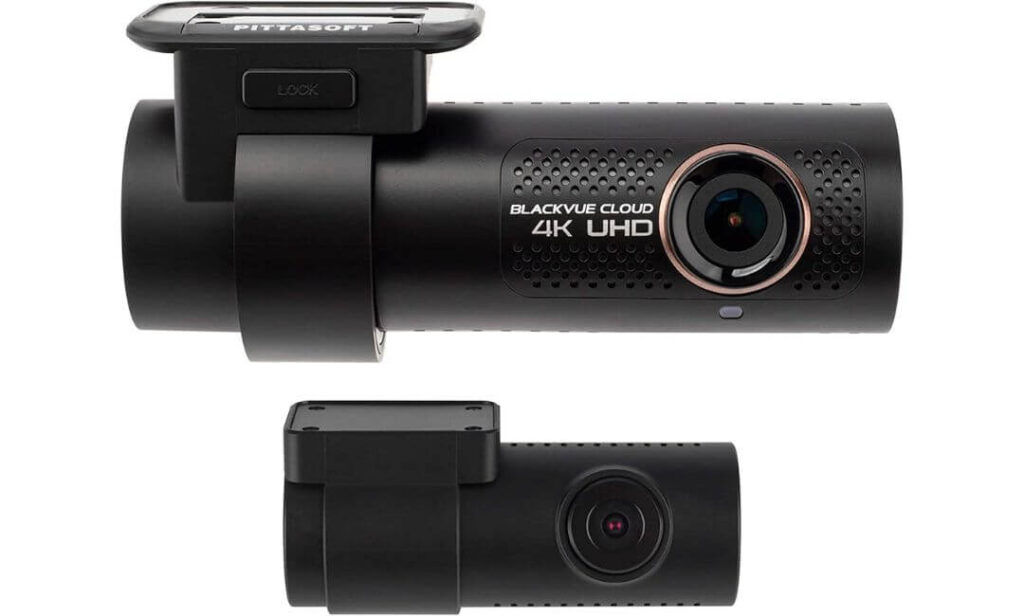
Quick Specs:
- 4K UHD front camera + Full HD rear camera
- 162° ultra-wide front field of view
- Built-in Wi-Fi and GPS
- Native parking mode support
- Integrated battery voltage monitoring
- BlackVue Cloud remote access
- Optional 4G LTE connectivity
- 32GB microSD card included
- Adhesive windshield mounting system
- Remote vehicle monitoring capabilities
Interestingly, what makes this system special isn’t necessarily the image quality alone—although the 4K front camera remains excellent. It’s the feeling that your Pathfinder remains connected even when you’re nowhere near it. Few dash cams are designed around that philosophy as well as this one.
For owners who regularly leave their SUV at airports, office parking garages, hotels, or public lots, the cloud ecosystem becomes the real attraction. Through the BlackVue app, you can check on your vehicle remotely, receive notifications, review recordings, and stay connected in ways most traditional dash cams simply don’t offer. Add the optional LTE module and the system becomes even more capable, turning the dash cam into a mobile hotspot while maintaining remote access features.
The hardware itself is equally impressive. The 8MP front sensor records in 4K UHD, while the rear camera captures Full HD footage with strong low-light performance. Combined with the wide 162-degree viewing angle, the system does an excellent job covering the road ahead of a larger SUV like the Pathfinder. The included hardwiring solution and built-in voltage monitoring also help make parking mode practical for long-term use rather than something owners are afraid to leave enabled.
(If security while parked matters almost as much as recording while driving, this is one of the strongest options currently available.)
Highlights That Stood Out During Our Evaluation
- Excellent 4K UHD front recording quality
- Industry-leading cloud connectivity features
- Built-in GPS tracking and route data
- Reliable battery protection through voltage monitoring
- Easy smartphone management through the BlackVue app
- Optional LTE expansion for true remote access
One Thing Worth Knowing Before Purchase
- Most of the platform’s most impressive remote-monitoring features shine brightest when paired with the optional LTE module.
Why It Makes Sense for Many Pathfinder Owners
The Nissan Pathfinder is often used for family travel, long-distance driving, weekend adventures, and daily commuting. Vehicles that spend significant time parked away from home can benefit from a dash cam that does more than simply record video.
That’s where this setup separates itself. Rather than focusing exclusively on footage quality, it adds a layer of remote awareness that many drivers appreciate once they’ve experienced it. Whether you’re parked outside an office, hotel, airport terminal, or shopping center, the ability to stay connected to your vehicle can provide additional peace of mind.
The Insider Pro-Tip
Many shoppers compare dash cams by resolution alone. In reality, premium ownership often comes down to what happens when you’re not driving. The ability to check on your Pathfinder remotely, receive parking notifications, and access footage without physically returning to the vehicle can completely change how useful a dash cam feels over time.
If your SUV regularly spends hours parked in public places, prioritize connectivity and parking protection just as much as video quality. For many owners, those are the features that end up delivering the most value long after the initial purchase.
#3. Vantrue N4 Pro S 4K 3-Channel Dash Cam
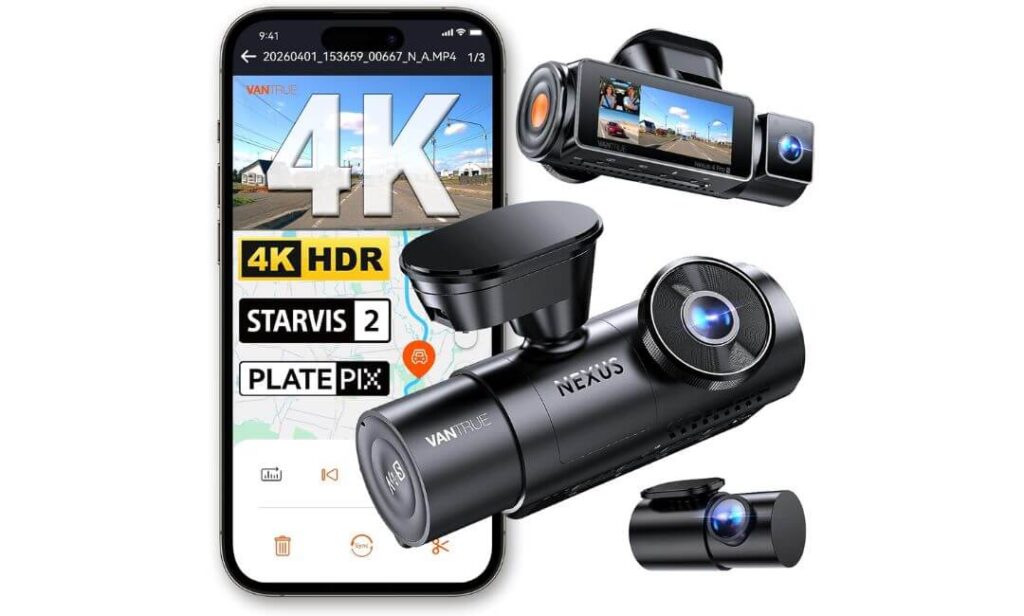
Quick Specs:
- 4K front + 2.5K rear + 1080P cabin recording
- Triple Sony STARVIS 2 image sensors
- 155° + 160° + 165° wide-angle coverage
- Triple HDR processing
- IR-powered interior night vision
- Buffered 24/7 parking monitoring
- Built-in GPS tracking
- 5GHz Wi-Fi connectivity
- Voice command support
- Supports up to 1TB microSD storage
Here’s something many Pathfinder owners discover after buying their first dash cam: front-and-rear coverage is great—until something happens beside the vehicle or inside the cabin. That’s where this setup immediately feels different.
Instead of focusing on just two viewing angles, this system records front, rear, and interior footage simultaneously, creating a much more complete picture of what’s happening around the vehicle. For larger family SUVs like the Pathfinder, that extra visibility can be surprisingly valuable. Whether you’re traveling with passengers, managing school pickups, heading out on long road trips, or simply wanting more complete incident documentation, the third camera adds a layer of coverage many owners end up appreciating more than expected.
The hardware itself is impressive. The combination of 4K front recording, 2.5K rear recording, and Triple STARVIS 2 sensors creates excellent image quality across all three channels. Add triple HDR processing, enhanced low-light performance, and dedicated interior IR illumination, and the system remains effective long after sunset. The result is footage that stays usable in situations where lesser cameras often struggle.
(If your priority is documenting everything happening around your Pathfinder—not just what’s directly ahead—this is easily one of the strongest solutions available today.)
Features That Made It Stand Out
- Complete three-channel recording coverage
- Excellent STARVIS 2-powered nighttime performance
- Interior camera with dedicated IR night vision
- Buffered parking mode captures footage before an event occurs
- Fast 5GHz Wi-Fi video transfers
- Reliable GPS tracking and voice controls
- Large 1TB storage support for extended recording
One Thing Worth Knowing Before Purchase
- Drivers who only need front-and-rear recording may not fully utilize the interior camera’s capabilities.
Why It Works So Well in a Nissan Pathfinder
The Pathfinder’s spacious cabin is one of its biggest strengths. Unlike smaller vehicles where interior recording may feel unnecessary, this SUV is often carrying family members, friends, luggage, pets, or passengers across long distances. That makes comprehensive recording more useful than many buyers initially assume.
The included 20-foot rear camera cable is also a practical advantage. It provides plenty of flexibility when routing wiring through the Pathfinder’s larger interior layout, helping create a cleaner installation without complicated modifications.
The Insider Pro-Tip
Many shoppers compare dash cams by looking at the front camera alone. Experienced owners know the real question is simpler: “If something happens, how many angles will I wish I had recorded?”
That’s the reason three-channel systems continue gaining popularity among SUV owners. The additional cabin perspective often becomes the footage that fills in critical details a traditional front-and-rear setup simply can’t capture. If your Pathfinder regularly serves family-duty, road-trip-duty, or passenger-duty, comprehensive coverage can be worth far more than chasing slightly higher resolution numbers alone.
#4. Garmin Dash Cam Mini 2
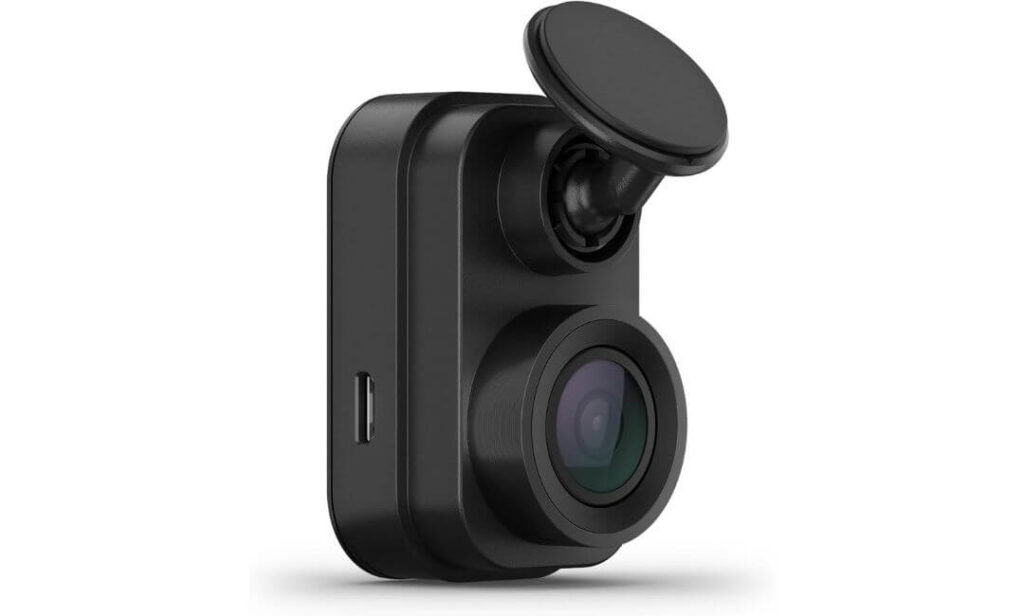
Quick Specs:
- Ultra-compact key-sized design
- 1080P recording with Garmin Clarity HDR
- 140° wide viewing angle
- Built-in Wi-Fi connectivity
- Voice command support
- Live View remote monitoring
- Parking Guard incident alerts
- Automatic secure cloud uploads
- Supports up to 512GB microSD cards
- Designed for high-temperature vehicle environments
Oddly enough, the biggest selling point here isn’t resolution, storage, or advanced hardware. It’s the fact that after installation, many Pathfinder owners completely forget it’s even there.
Mounted discreetly behind the rearview mirror, this camera virtually disappears from sight. There’s no large screen attracting attention, no bulky housing hanging down into your field of vision, and no cluttered appearance disrupting the clean look of the cabin. For drivers who value simplicity, that alone can be a major advantage.
Despite its tiny footprint, it still delivers surprisingly capable functionality. The 1080P HDR recording provides clear everyday footage, while built-in Wi-Fi automatically uploads saved clips to Garmin’s secure Vault when connected. Features such as Parking Guard, Live View monitoring, and voice controls add an extra layer of convenience that many compact dash cams simply don’t offer. Combined with Garmin’s reputation for automotive electronics, the overall ownership experience feels straightforward and approachable.
(Not everyone wants a windshield full of technology. Some drivers simply want dependable recording in the background—and that’s exactly where this model shines.)
Reasons It Earned a Spot on This List
- Extremely discreet installation behind the mirror
- Compact design blends naturally into the Pathfinder cabin
- Reliable 1080P HDR recording
- Convenient cloud backup functionality
- Useful Parking Guard and Live View features
- Easy voice-command operation
- Excellent choice for drivers who prefer simplicity
One Thing Worth Knowing Before Purchase
- Drivers seeking front-and-rear recording coverage may prefer one of the dual-camera systems ranked higher on this list.
Why It Makes Sense for Many Pathfinder Owners
Not every Pathfinder owner needs a multi-camera setup with advanced parking surveillance and terabytes of storage. Some simply want reliable evidence recording without adding visual clutter to the vehicle.
That’s exactly the audience this camera serves. The Pathfinder already offers a clean, practical driving environment, and this dash cam preserves that feeling while still providing essential protection. Its compact size also makes it particularly appealing for drivers who dislike large devices mounted on the windshield.
The Insider Pro-Tip
One of the most overlooked aspects of dash cam ownership is visibility. A camera can have incredible specifications, but if it constantly distracts you, blocks part of your view, or becomes something you’re always adjusting, the experience quickly becomes frustrating.
That’s why many long-term owners eventually gravitate toward smaller designs. A dash cam you never think about often ends up being more valuable than a larger system packed with features you rarely use. For drivers who prioritize a clean factory-like appearance, this remains one of the easiest recommendations in the entire category.
#5. PRUVEEO 360° 4 Channel Dash Cam
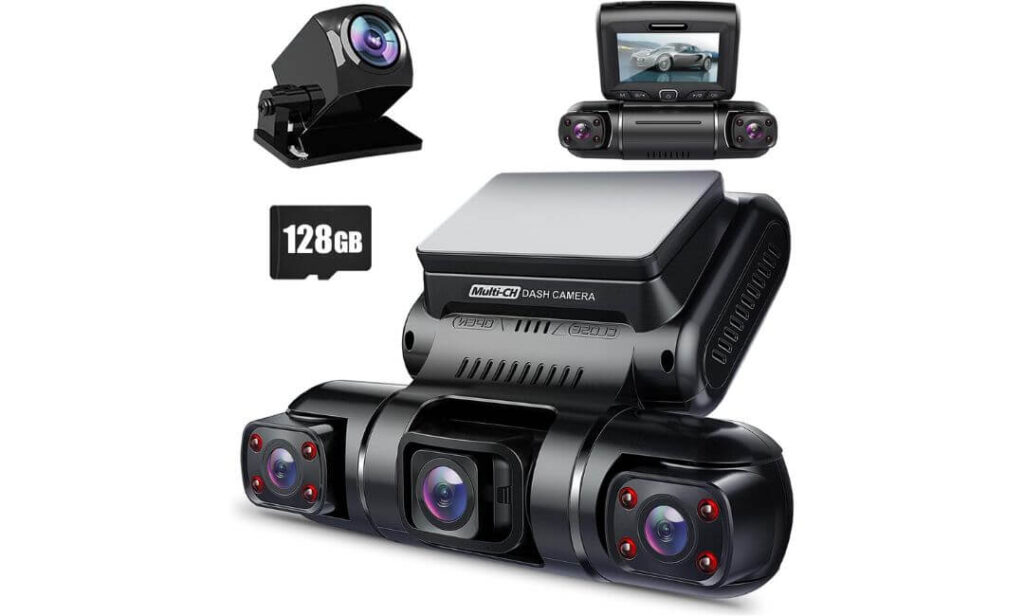
Quick Specs:
- Four simultaneous 1080P recording channels
- Front, rear, left, and right-side coverage
- True 360-degree recording setup
- Built-in GPS route tracking
- Built-in Wi-Fi connectivity
- Infrared-assisted night vision
- 24/7 parking monitoring support
- Loop recording with collision lock
- 128GB memory card included
- Adjustable multi-angle camera system
Most dash cams focus on what’s happening ahead of the vehicle. Some add a rear camera. This setup takes a completely different approach by recording all four sides of the vehicle at the same time, creating coverage that’s difficult to match without installing multiple separate cameras.
For Nissan Pathfinder owners who regularly navigate crowded parking lots, busy city streets, tight parking garages, rideshare environments, or areas where side impacts are a concern, that additional visibility can be genuinely useful. The ability to record the front, rear, left, and right sides simultaneously helps capture incidents that traditional dual-camera systems might miss entirely.
The overall package is surprisingly practical. Built-in GPS tracking records location and speed data, Wi-Fi simplifies access to footage, and the included 128GB memory card means you’re ready to start recording immediately rather than shopping for additional accessories. Add infrared-assisted night vision and parking-monitoring functionality, and the result is a setup focused more on comprehensive awareness than maximum video resolution.
(If your priority is documenting as many angles as possible around your Pathfinder, few systems in this price range offer this level of coverage.)
Features That Helped It Earn a Place on This List
- Unique 360-degree four-camera recording
- Captures front, rear, left, and right sides simultaneously
- Built-in GPS tracking for route and speed records
- Included 128GB memory card
- Adjustable camera positioning for customized coverage
- Useful Wi-Fi connectivity for quick footage access
- Infrared-assisted visibility for low-light situations
One Thing Worth Knowing Before Purchase
- This system prioritizes maximum coverage area over ultra-high-resolution 4K recording.
Why It Fits Certain Pathfinder Owners Better Than Others
The Pathfinder’s larger footprint means there is simply more vehicle to monitor compared to a compact crossover or sedan. That’s especially true when parking in crowded spaces where activity can occur alongside the SUV rather than directly in front of it.
For owners who value seeing more angles instead of chasing the highest resolution numbers, this setup offers a compelling alternative. The four-camera design creates a broader picture of what’s happening around the vehicle and can provide additional context when reviewing footage after an incident.
The Insider Pro-Tip
Many buyers assume better protection always means higher resolution. In reality, coverage can be just as important. A crystal-clear recording doesn’t help much if the incident occurred outside the camera’s field of view.
That’s why some experienced owners specifically seek out multi-angle systems. The ability to capture activity around multiple sides of the vehicle can sometimes provide more useful evidence than a single ultra-high-resolution camera pointed in one direction. If your Pathfinder spends most of its time in busy parking lots, urban traffic, or crowded public spaces, broader coverage may end up being the feature you appreciate most over the long run.
Best Nissan Pathfinder Dash Cam Comparison: Side-by-Side Breakdown of Features, Coverage & Night Performance
Buying Guide: How to Choose the Right Dash Cam for Your Nissan Pathfinder
A Nissan Pathfinder is often asked to do a little bit of everything. One day it’s handling school drop-offs, the next it’s packed for a weekend road trip, and sometimes it’s spending hours parked in airport lots or crowded shopping centers. That’s why choosing a dash cam isn’t simply about buying the model with the highest resolution. The best choice depends on how you actually use your SUV and which features will matter most over the next several years of ownership.
Video Quality: Is 4K Really Worth It for a Nissan Pathfinder?
For most Pathfinder owners, video quality should be near the top of the priority list. Higher-resolution footage doesn’t just make videos look better—it can make critical details easier to identify when reviewing an incident.
Modern 4K dash cams such as the VIOFO A329S and BlackVue DR900X-2CH Plus capture significantly more detail than traditional 1080P units. That extra clarity can help when reading license plates, identifying vehicles farther ahead, or reviewing footage from high-speed highway driving.
That said, not everyone needs 4K. If your priority is discreet installation and basic evidence recording, a well-designed 1080P model can still provide dependable protection. The key is finding the right balance between image quality, budget, and everyday usability.
Night Vision Matters More Than Most Buyers Realize
Many incidents occur after sunset, during poor weather, or in parking lots with inconsistent lighting. That’s why nighttime performance is often more important than daytime video quality.
Newer image technologies such as Sony’s STARVIS 2 sensors have raised the standard considerably. Cameras equipped with these sensors generally produce cleaner footage, better contrast, reduced motion blur, and improved visibility in low-light conditions.
Features like HDR processing can also make a major difference by balancing bright headlights against dark surroundings. In practical terms, this often means clearer license plates, sharper road signs, and more usable footage when visibility becomes challenging.
GPS Logging: More Useful Than It Sounds
Built-in GPS does more than show where you drove.
A quality GPS-enabled dash cam records speed, route information, location data, and timestamps directly alongside your footage. If you’re ever reviewing an incident, this information can help provide additional context that video alone may not fully capture.
For drivers who regularly travel long distances, GPS data can also help organize recordings and simplify reviewing specific trips later.
Parking Protection Can Be Just as Important as Driving Protection
Many Pathfinder owners spend significant time parked in public areas, office lots, shopping centers, hotels, and airports. Because of that, parking mode deserves serious attention.
Modern systems can automatically begin recording when motion is detected, when an impact occurs, or when activity takes place near the vehicle. More advanced models even capture footage before the event itself occurs through buffered recording technology.
If protecting your vehicle while parked is a priority, look for features such as impact detection, buffered recording, motion monitoring, and battery-voltage protection.
Single-Channel vs. Dual-Channel vs. Multi-Channel Systems
Not every driver needs the same level of coverage.
A single-camera system records only the road ahead and typically offers the simplest installation. Dual-channel setups add rear protection and remain the most popular choice among Pathfinder owners because they provide balanced coverage without adding excessive complexity.
Multi-channel systems expand coverage further by monitoring additional areas such as the cabin, side windows, or multiple exterior angles. These setups can be especially valuable for larger SUVs that regularly carry passengers or spend time in crowded urban environments.
The best option ultimately depends on how much visibility you want around the vehicle.
Discreet Designs and Clean Installations
One feature that rarely appears on specification sheets is how a dash cam looks once installed.
Large screens and bulky housings may offer additional controls, but they can also become more noticeable on the windshield. Compact models such as the Garmin Dash Cam Mini 2 appeal to drivers who prefer a cleaner, factory-like appearance.
Equally important is cable management. Systems that use thinner wiring, smaller connectors, or more flexible installation routes generally produce a cleaner finished result inside the Pathfinder’s cabin.
Storage Capacity and Long-Term Reliability
Storage becomes increasingly important as video quality improves.
Higher-resolution footage consumes significantly more space than standard recordings. If you frequently take road trips or spend long hours behind the wheel, larger storage capacities can help preserve footage for longer periods before older recordings are overwritten.
It’s also worth considering long-term durability. Dash cams operate inside vehicles that experience heat, cold, direct sunlight, vibration, and constant daily use. Features such as supercapacitors, heat-resistant designs, and stable firmware support often contribute more to long-term satisfaction than flashy marketing claims.
Understanding Your Power Options
Most dash cams can operate directly from the Pathfinder’s 12V outlet, making installation straightforward for most owners.
However, drivers who want advanced parking-mode functionality often choose a hardwire kit. Hardwiring connects the camera directly to the vehicle’s electrical system and allows parking features to operate when the engine is turned off.
Many premium systems include battery-voltage monitoring to help prevent excessive battery drain while maintaining protection during extended parking periods.
Installation Considerations for Nissan Pathfinder Owners
Fortunately, the Pathfinder is generally a very dash-cam-friendly vehicle.
Its large windshield provides multiple mounting locations, while the spacious interior creates flexible routing paths for rear-camera wiring. Dual-channel and three-channel systems can usually be installed cleanly along factory trim panels for a more professional appearance.
Owners planning to use parking-mode features should consider installation requirements early, especially if a hardwire kit will be part of the setup. Taking the time to route cables properly during installation often results in a cleaner appearance and a more reliable long-term experience.
Final Buying Advice
If you’re looking for the strongest all-around option, prioritize image quality, night performance, parking protection, and long-term reliability before focusing on secondary features. The dash cam you appreciate most years from now is usually the one that records consistently, performs well in difficult conditions, and stays out of your way until the moment you actually need it.
Feature Spotlight: STARVIS 2 Night Vision, GPS Tracking & Around-the-Clock Vehicle Protection
On a specification sheet, features like STARVIS 2, GPS logging, HDR processing, and parking mode can sound like marketing terms. In real-world Pathfinder ownership, however, these are often the features that separate footage you’ll actually be able to use from footage that simply exists on a memory card.
After reviewing the models featured in this guide, one trend became obvious: the biggest improvements in modern dash cams aren’t necessarily coming from higher resolution alone. They’re coming from better sensors, smarter parking protection, faster data handling, and more reliable evidence collection in situations where drivers need it most.
Why STARVIS 2 Technology Makes a Noticeable Difference in a Nissan Pathfinder
A Nissan Pathfinder sits higher off the ground than many sedans and compact crossovers. While that provides excellent visibility from the driver’s seat, it also creates unique recording challenges for a dash cam.
The camera must handle bright headlights, reflective road signs, dark side streets, changing weather conditions, parking garages, and long-distance highway driving—all while maintaining enough clarity to capture useful details.
That’s where Sony’s STARVIS 2 imaging technology begins to show its value.
Unlike older image sensors that often struggle once daylight disappears, STARVIS 2 sensors are designed to gather significantly more light while reducing image noise and motion blur. The result is footage that remains cleaner, sharper, and easier to interpret after sunset.
In practical terms, Pathfinder owners are more likely to notice:
- Better visibility on poorly lit suburban roads
- Improved license plate readability
- Reduced glare from headlights
- More balanced exposure in mixed lighting environments
- Stronger detail retention during rain and bad weather
- Less image degradation during highway-speed recording
This is one of the primary reasons the VIOFO A329S and Vantrue N4 Pro S ranked so highly in our recommendations. Their STARVIS 2-equipped systems consistently provide some of the strongest low-light performance currently available in consumer dash cams.
Understanding What GPS Actually Adds to Dash Cam Footage
Many first-time buyers underestimate the value of GPS tracking because they assume the video itself tells the entire story.
In reality, location data often provides important context.
A GPS-enabled dash cam records information such as speed, route history, coordinates, direction of travel, and timestamps directly alongside the footage. When reviewing an event later, that information can help clarify exactly where and when something occurred.
For Pathfinder owners who regularly travel long distances, commute through unfamiliar areas, or take frequent road trips, GPS data can make footage significantly easier to organize and review.
It also helps create a more complete record of an incident rather than relying solely on visual evidence.
How Modern Parking Mode Creates True 24/7 Protection
One of the biggest misconceptions surrounding dash cams is that protection ends when the engine shuts off.
Today’s better systems work differently.
When paired with the proper power setup, advanced parking modes continue monitoring the vehicle even after you’ve walked away. Depending on the system, the camera can respond to impacts, movement near the vehicle, vibrations, or suspicious activity occurring around the Pathfinder.
More advanced implementations go even further through buffered recording.
Instead of waiting until an impact occurs, buffered systems continuously save short segments in the background. If an event happens, the camera preserves footage from before, during, and after the incident.
That additional context can be incredibly valuable because it often shows what caused the event—not just the moment of impact itself.
What Real-World Performance Looks Like During Everyday Driving
The true test of a dash cam isn’t what it records on a bright afternoon. It’s how it performs when conditions become less predictable.
For example, nighttime city driving creates constant exposure changes as the camera moves between dark roads, illuminated intersections, store signs, headlights, and traffic signals. Lesser systems often struggle to adapt quickly enough.
Heavy rain introduces a different challenge. Reflections increase, visibility decreases, and water droplets can create additional glare across the windshield. Better image sensors and HDR processing help maintain usable detail when conditions deteriorate.
Highway travel presents another test entirely. Vehicles approach and disappear quickly, speeds are higher, and critical details can pass through the frame in seconds. Higher frame rates, stronger image processing, and quality optics all contribute to more useful footage in these situations.
Even routine parking-lot use places demands on a dash cam. Tight spaces, passing vehicles, shopping carts, pedestrians, and unexpected impacts all benefit from reliable parking monitoring and broad camera coverage.
Why These Features Matter More Than Raw Resolution Numbers
It’s easy to focus on 4K, 2K, or 1080P when comparing products. Resolution certainly matters, but it tells only part of the story.
A well-tuned camera equipped with STARVIS 2 sensors, quality HDR processing, dependable GPS logging, and intelligent parking protection will often provide more useful evidence than a higher-resolution camera lacking those features.
That’s why our highest-ranked recommendations consistently combine multiple technologies rather than relying on one headline specification.
The goal isn’t simply recording video. The goal is capturing footage that remains clear, usable, and trustworthy when you actually need it—and for most Nissan Pathfinder owners, that’s exactly where advanced night vision, GPS tracking, and modern parking protection deliver their greatest value.
Installation Guide: Nissan Pathfinder Dash Cam Installation Tips for a Clean, Reliable Setup
Buying the right dash cam is only half the equation. Even the best camera can deliver disappointing results if it’s mounted in the wrong place, wired poorly, or installed without considering how the Pathfinder is actually used.
The good news is that the Nissan Pathfinder is one of the easier SUVs to work with. Its large windshield, spacious cabin, wide trim panels, and generous interior layout provide plenty of flexibility for both basic single-camera systems and more advanced front-and-rear installations. A little extra attention during installation can improve video quality, reduce distractions, and create a setup that looks factory-installed rather than added as an afterthought.
Choosing the Best Mounting Position for Maximum Coverage
One of the most common mistakes owners make is placing the dash cam wherever it seems convenient instead of where it performs best.
For most Pathfinder installations, the ideal front-camera location is directly behind or slightly beside the rearview mirror. This position offers several advantages at once. It keeps the camera within the natural sweep of the windshield wipers, minimizes driver distraction, and provides a balanced field of view across multiple lanes of traffic.
A properly positioned camera should capture:
- The entire lane ahead
- Portions of neighboring lanes
- Traffic signals and road signs
- Vehicle movements approaching from the sides
- Enough roadway immediately in front of the vehicle
Mounting too low often introduces dashboard reflections into the footage. Mounting too high can reduce the camera’s view of nearby traffic. Finding the right balance helps maximize image quality while maintaining a clean appearance.
For rear cameras, placement near the top-center portion of the rear glass generally provides the widest and most natural perspective while minimizing interference from passengers, cargo, or interior objects.
Understanding the Different Power and Wiring Options
Most Pathfinder owners begin with the simplest installation method: plugging the dash cam directly into the vehicle’s 12V power outlet.
This approach works well for basic recording and requires no modifications to the vehicle. Installation is quick, reversible, and suitable for drivers who primarily want protection while driving.
However, many of the advanced features discussed throughout this guide—such as parking mode, impact detection, buffered recording, and remote vehicle monitoring—typically require a constant power source.
That’s where hardwire kits become useful.
A hardwire kit connects the dash cam directly to the vehicle’s fuse panel, allowing the camera to continue operating even after the ignition is switched off. Most premium systems include battery-voltage protection to help prevent excessive battery drain while maintaining parking surveillance.
When properly installed, hardwired systems often provide the cleanest appearance because the power cable remains hidden behind interior trim rather than running toward a visible accessory outlet.
Cable Routing Tips That Create a Factory-Like Appearance
The difference between a professional-looking installation and a messy one usually comes down to cable management.
Fortunately, the Pathfinder’s interior trim provides multiple opportunities to conceal wiring. Most owners can route cables along the headliner, down the A-pillar, behind weather stripping, and beneath trim panels without major modifications.
When routing cables, consider the following best practices:
- Keep wiring away from moving components
- Avoid placing cables where airbags deploy
- Secure loose sections to prevent rattles
- Leave slight service loops near camera connections
- Test all functions before permanently securing trim panels
Taking an additional thirty minutes during installation often results in a cleaner setup that remains trouble-free for years.
Reducing Glare and Improving Real-World Video Quality
Many drivers focus entirely on camera specifications and overlook one factor that can dramatically affect footage quality: windshield reflections.
Large SUVs like the Pathfinder can produce noticeable dashboard reflections under certain lighting conditions, particularly during sunrise, sunset, and bright daytime driving.
Several simple installation choices can help:
- Mount the camera within the wiper sweep area
- Keep the windshield clean inside and out
- Use a CPL filter if supported by the camera
- Avoid positioning the camera where dashboard reflections dominate the image
- Verify footage during different times of day after installation
Even premium 4K cameras benefit from careful placement and glare reduction.
Heat Management and Long-Term Reliability
Vehicle interiors experience conditions that are far more demanding than most consumer electronics environments.
During summer months, temperatures inside a parked Pathfinder can rise dramatically, especially when exposed to direct sunlight for extended periods. Over time, heat becomes one of the primary factors affecting dash cam longevity.
This is one reason many of the cameras featured in this guide use supercapacitors rather than traditional internal batteries. Supercapacitor-based systems generally tolerate extreme temperatures more effectively and often provide better long-term durability.
If possible, avoid placing the camera in areas receiving excessive direct sunlight beyond what is necessary for recording. Choosing heat-resistant models and using high-quality memory cards can also contribute to improved reliability over time.
Planning for Parking Mode Before Installation
One of the easiest mistakes to avoid is waiting until after installation to think about parking mode.
If you already know you want impact detection, motion monitoring, buffered recording, or remote parking surveillance, it’s often easier to install the necessary hardwire components from the beginning rather than upgrading later.
Several of the top-ranked models in this guide—including the VIOFO A329S, BlackVue DR900X-2CH Plus, and Vantrue N4 Pro S—offer advanced parking protection features that work best when paired with the proper power setup.
Thinking about these requirements before installation can save time, effort, and additional disassembly later.
Safety, Visibility, and Legal Considerations
Dash cams should enhance safety, not compromise it.
Regardless of which system you choose, the camera should never obstruct your view of the road or interfere with vehicle controls. Most drivers find that mounting near the rearview mirror provides the best balance between visibility and performance.
It’s also worth remembering that windshield regulations can vary by jurisdiction. Before installation, review local laws regarding windshield-mounted devices and recording requirements in your area.
For GPS-enabled cameras, remember that location and speed data may be stored alongside video footage. While many drivers appreciate the additional documentation, it’s worth understanding how that information is recorded and managed within the dash cam ecosystem.
Final Installation Advice
The best dash cam installation is the one you’ll stop noticing after a week. The camera records automatically, the cables remain hidden, the footage stays clear, and the system simply works whenever you need it.
Spend a little extra time choosing the correct mounting position, routing cables properly, and planning for future features such as parking mode. In most cases, those decisions will have a greater impact on long-term satisfaction than any single specification listed on the product box.
Real-World Scenarios: Where a Dash Cam Can Make a Difference for Nissan Pathfinder Owners
It’s easy to compare resolutions, sensors, storage capacities, and feature lists. What’s harder to appreciate is how those specifications translate into real-world situations that Pathfinder owners encounter every day.
The reality is that most people never buy a dash cam expecting to use the footage. The camera quietly records in the background for months or even years. Then one unexpected moment happens—a close call on the highway, a parking lot incident, a late-night encounter in bad weather—and suddenly the value of having reliable video evidence becomes very clear.
The situations below are some of the most common scenarios where modern dash cams can prove useful for Pathfinder drivers.
Highway Incidents Where Every Second Matters
The Nissan Pathfinder is built for long-distance comfort, which means many owners spend significant time on highways, interstates, and high-speed travel routes.
Unfortunately, higher speeds often leave less time to react when something unexpected happens.
A vehicle suddenly changes lanes without warning. A truck drops debris into traffic. Another driver brakes aggressively. A chain-reaction collision develops several vehicles ahead.
In moments like these, events unfold incredibly quickly. Details that seem obvious at the time often become difficult to recall later.
This is where high-quality dash cam footage becomes valuable.
Modern systems such as the VIOFO A329S and BlackVue DR900X-2CH Plus record continuously, preserving details such as:
- Traffic flow before an incident
- Vehicle positioning
- Lane changes
- Road conditions
- Speed and GPS information
- Driver behavior leading up to an event
Rather than relying solely on memory, drivers have access to a visual record that captures exactly what occurred.
Parking Lot Damage That Happens When You’re Not Around
Many Pathfinder owners spend just as much time parked as they do driving.
Shopping centers, grocery stores, sporting events, hotels, office buildings, airports, and public garages all create situations where the vehicle may be left unattended for hours.
Most parking-related incidents aren’t dramatic. A shopping cart rolls into a door. Another driver misjudges a parking maneuver. Someone backs into the bumper while leaving a space.
The frustrating part is that these events often occur when nobody is present to witness them.
Advanced parking-monitoring systems help address this problem by continuing to watch over the vehicle even after the ignition has been turned off.
Instead of discovering unexplained damage days later, owners may have footage showing exactly what happened and when it occurred.
Why Hit-and-Run Situations Are Driving More Buyers Toward Parking Mode
One of the biggest reasons many drivers upgrade from basic dash cams to more advanced systems is parking protection.
Hit-and-run incidents remain surprisingly common in parking lots, residential streets, and public garages.
Without video evidence, identifying the responsible vehicle can be difficult.
Modern parking systems improve the odds considerably by monitoring the vehicle for impacts, motion, and unusual activity.
Some systems only begin recording after an event occurs. Others use buffered recording technology, which continuously captures short segments in the background and preserves footage from before the impact happened.
That extra context can often be just as important as the collision itself because it may show:
- Which direction the vehicle approached from
- What happened immediately before contact
- Whether another driver left the scene
- Additional identifying details surrounding the incident
For owners who regularly leave their Pathfinder parked in public areas, parking mode can be one of the most valuable features a dash cam offers.
Night Driving Is Where Premium Sensors Earn Their Reputation
Most dash cams perform reasonably well on a bright afternoon.
The real challenge begins after dark.
Night driving introduces conditions that stress camera systems far more than daytime recording. Streetlights create uneven illumination. Headlights produce intense glare. Wet pavement reflects light in unpredictable ways. Visibility changes constantly from block to block.
These are the situations where advanced image sensors such as STARVIS 2 begin to separate themselves from older technology.
Rather than producing dark, grainy footage, cameras equipped with modern low-light sensors are often able to preserve:
- Better shadow detail
- More readable license plates
- Reduced motion blur
- Improved contrast
- Clearer road markings
- Better overall visibility during poor weather
For Pathfinder owners who frequently drive before sunrise, after sunset, or during long-distance nighttime travel, this improvement can be immediately noticeable.
Family Road Trips Create Unique Recording Challenges
The Pathfinder is one of those vehicles that often ends up carrying more than just the driver.
Family vacations, weekend getaways, sporting events, camping trips, and holiday travel all place unique demands on a vehicle.
Longer trips mean more hours on unfamiliar roads, more time in busy parking lots, and more exposure to changing traffic conditions.
That’s one reason models such as the Vantrue N4 Pro S have gained popularity among SUV owners. Multi-channel systems can provide a broader view of what’s happening around the vehicle while simultaneously documenting the journey itself.
The goal isn’t constant surveillance. It’s simply having additional visibility when traveling far from home.
Why Most Owners Appreciate Their Dash Cam After the Purchase
Interestingly, the biggest benefit of a dash cam is often psychological rather than technical.
Knowing that important events are being recorded can provide peace of mind during daily driving, long-distance travel, and extended parking situations.
The camera may go months without capturing anything noteworthy. Then one day it records something that would have been difficult to explain, remember, or document otherwise.
That’s why many experienced owners eventually stop focusing on specifications alone. Resolution, storage capacity, and connectivity matter, but the real value comes from having reliable footage available when an unexpected situation occurs.
For most Nissan Pathfinder owners, that simple reassurance is ultimately what makes a quality dash cam worthwhile.
FAQs About Nissan Pathfinder Dash Cam
Is a premium 4K dash cam really worth it in a Nissan Pathfinder, or is a cheaper 1080P model enough?
The honest answer depends less on resolution and more on how you use your Pathfinder.
If the vehicle spends most of its time making short local trips during daylight hours, a quality 1080P camera can still provide useful evidence. However, Pathfinder owners often use their SUVs differently. Long highway drives, family vacations, late-night travel, road trips, and extended parking in unfamiliar places all create situations where higher-end hardware becomes easier to justify.
Where premium models truly separate themselves is not during perfect conditions—it’s during difficult ones. Heavy rain, poorly lit roads, headlight glare, high-speed traffic, and distant license plates are the situations where cameras equipped with STARVIS 2 sensors, HDR processing, and higher bitrates tend to provide noticeably more useful footage.
For a Nissan Pathfinder, should I prioritize front-and-rear recording or a three-channel system?
This is one of the most overlooked buying decisions in the entire category.
A front-and-rear setup remains the best fit for most Pathfinder owners because it balances coverage, simplicity, installation ease, and long-term value. That’s one reason dual-channel models continue dominating the market.
A three-channel system starts making more sense when your driving habits involve situations such as:
- Frequent family transportation
- Rideshare or passenger-related use
- Business travel
- Long-distance road trips
- Desire for additional interior documentation
For many buyers, front-and-rear recording covers nearly every situation they’ll realistically encounter. The third camera becomes valuable when documenting what happens inside the vehicle matters just as much as recording what happens outside.
Why do experienced Pathfinder owners place so much importance on parking mode?
Because many incidents happen when nobody is driving.
A surprising percentage of vehicle damage occurs in parking lots, garages, driveways, apartment complexes, shopping centers, and public spaces. In many cases, the owner discovers the damage hours—or even days—later.
Modern parking systems help bridge that gap by monitoring the vehicle after the engine is turned off. The most effective systems combine impact detection, motion monitoring, buffered recording, and battery-protection features.
The goal isn’t recording every second of inactivity. The goal is preserving evidence when something unusual happens while the vehicle is unattended.
Does GPS data actually matter, or is it just another feature on the specification sheet?
Many buyers initially assume GPS is one of those features they’ll never use.
Then an incident occurs.
Video footage tells part of the story. GPS data often provides the missing context. Speed, location, route history, timestamps, and travel direction can all become useful when reviewing footage later.
The biggest benefit isn’t necessarily proving where you were. It’s helping create a complete timeline of events. When paired with quality video footage, GPS information often makes recordings significantly easier to interpret and organize.
That’s why GPS has quietly become one of the most valuable features in modern premium dash cams despite receiving far less attention than 4K resolution or night vision technology.
If I only plan to buy one dash cam for the next several years, what feature should I refuse to compromise on?
Most people expect the answer to be 4K recording.
It isn’t.
If there is one feature category worth prioritizing above everything else, it’s low-light performance. A dash cam spends its life recording unpredictable situations, and many of the most important moments happen when visibility is less than ideal.
That’s why technologies such as STARVIS 2 sensors, HDR processing, quality optics, and strong nighttime performance consistently matter more than flashy marketing specifications.
A dash cam can have cloud connectivity, voice controls, massive storage, smartphone apps, and dozens of advanced features. None of those matter if the footage becomes difficult to use after sunset.
When experienced buyers narrow down their final choices, they often end up asking a simple question:
“Will this camera still capture useful evidence when conditions are at their worst?”
The answer to that question usually reveals which model belongs on your windshield.
Final Thoughts
After spending time comparing the latest options available for Nissan Pathfinder owners, one thing became clear: there is no single “perfect” dash cam for everyone. The right choice depends on how you use your SUV, where you drive, how often you park in public areas, and how much coverage you want when something unexpected happens.
For most drivers, the VIOFO A329S stands out because it delivers the strongest overall combination of image quality, STARVIS 2 night performance, GPS tracking, parking protection, and long-term storage flexibility. Buyers looking for premium connected features will likely appreciate what BlackVue brings to the table, while families and drivers wanting maximum documentation may find the Vantrue N4 Pro S especially compelling. The Garmin Dash Cam Mini 2 remains one of the cleanest and most discreet solutions available, and the PRUVEEO 360° offers a unique approach for those who value broader vehicle coverage over sheer resolution.
What matters most isn’t chasing the longest feature list. It’s choosing a system that fits naturally into the way your Pathfinder is actually used. A dash cam should quietly do its job in the background, recording every drive, protecting the vehicle while parked, and staying ready for the rare moment you genuinely need the footage.
The best dash cam is usually the one you forget is there—right up until the day you’re grateful it was. On that day, clear video, reliable parking protection, strong night vision, and dependable recording matter far more than marketing claims or specification sheets ever will.
If you’re investing in a dash cam for the long haul, prioritize image quality, low-light performance, parking protection, and reliability first. Those are the features that continue delivering value long after the excitement of a new purchase fades, and they’re the same reasons every model featured in this guide earned its place on our list.
Also Check: