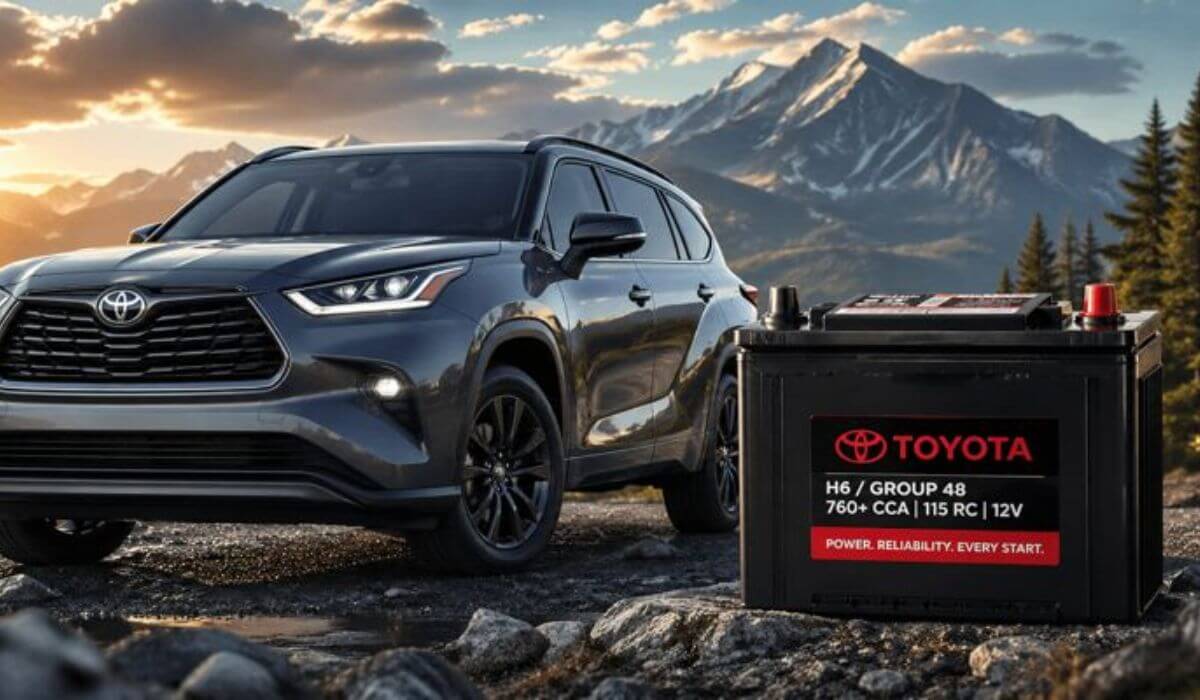
6 Best Batteries for Toyota Highlander in 2026: Top H6 Group 48 AGM Picks With 760+ CCA & Long Life
If your Toyota Highlander has started cranking slower in the morning, throwing battery warnings, or struggling after sitting for a few days, the 12V battery is usually the first place to look. Most newer Highlander models are commonly matched with an H6 Group 48 AGM battery, a size known for stronger cold starts, better reserve power, and the durability modern SUVs need for screens, sensors, safety tech, and stop-start systems. That matters more than ever in 2026, because a weak battery can trigger random electrical issues long before it fully dies.
The truth is, not every replacement battery is worth your money. Some cheaper options look good on paper but fall short on lifespan, warranty support, or real-world starting power. We reviewed the strongest H6 Group 48 picks that fit what Highlander owners actually want: dependable starts, long service life, proper fitment, and trusted value. If you want to buy once and avoid battery headaches, start here.
Best Toyota Highlander Battery: Top 2026 Picks for AGM Power & Long Life
#1. Interstate Batteries MTP-48/H6
Trusted Toyota Highlander battery replacement with strong starting power
#2. ACDelco Gold 48AGM
Premium AGM battery for Toyota Highlander owners wanting long warranty coverage
#3. Mighty Max Battery MM-H6
Value-priced H6 Group 48 battery with solid everyday performance
#4. MARXON Group 48 H6 AGM Battery
Reliable Toyota Highlander AGM battery for start-stop ready vehicles
#5. Weize Platinum AGM Battery Group 48
Popular Group 48 battery with strong specs and modern SUV fitment
#6. Goodyear 48-H6-AGM Platinum Series
Balanced Toyota Highlander battery choice for long life and dependable starts
Expert Tip Before You Buy
If your Highlander still starts fine, don’t assume the battery is healthy. Modern Toyotas can hide a weak battery longer than older vehicles because the electronics compensate until they suddenly can’t. What owners usually notice first is slower cranking, dimmer interior lights, stop-start acting strange, or random warning messages after the SUV sits overnight. That is the smart time to replace it—not the day you get stranded.
Also, match the battery size first, brand second. For most newer Highlander models, an H6 Group 48 AGM battery is the safe place to start. The wrong size or weak reserve capacity can create fitment issues, shorter life, or inconsistent starts. A properly sized AGM battery with around 760 CCA and solid reserve capacity will usually serve you better than a cheaper battery with flashy claims.
How We Chose These Toyota Highlander Batteries
We didn’t build this list around marketing slogans or whichever battery had the loudest specs on the box. We focused on what actually matters when a battery goes into a Toyota Highlander that may be carrying family duty, commuting daily, idling in traffic, or sitting for days between drives.
First, we prioritized correct fitment. Most newer Highlander models commonly use the H6 Group 48 footprint, so we centered the list around batteries that match the tray size, terminal layout, and hold-down expectations owners typically need. That saves buyers from the most common mistake: ordering a battery that looks strong online but doesn’t install cleanly.
Second, we looked at real starting power, not inflated numbers. A midsize SUV like the Highlander benefits from healthy cold-cranking amps, especially in winter mornings or after the vehicle sits. That’s why many picks here land around the 760 CCA range—a proven sweet spot for dependable starts without overpaying for unnecessary specs.
Third, we valued AGM construction over old-style flooded batteries where possible. AGM batteries generally handle vibration better, recover faster, and support modern electrical loads more confidently. In a Highlander packed with screens, safety systems, powered accessories, and frequent short trips, that matters more than many buyers realize.
Fourth, we considered brand confidence and warranty backing. Since some of these newer products have fewer long-term public reviews, we leaned toward batteries from brands with recognizable automotive presence, clear warranty terms, and specs that make sense on paper. That is often safer than chasing an unknown battery with suspiciously huge claims.
Finally, we balanced the list for different buyers. Some owners want the safest premium pick. Some want strong value. Some just need a reliable replacement this week. That’s why this list includes trusted names like Interstate and ACDelco, practical value options like Mighty Max and Weize, plus alternatives that still meet the Highlander’s real-world needs.
If a battery made this list, it’s because it offers something useful to an actual Highlander owner: proper fit, dependable starts, honest specs, or strong value—not just good packaging.
#1. Interstate Batteries MTP-48/H6
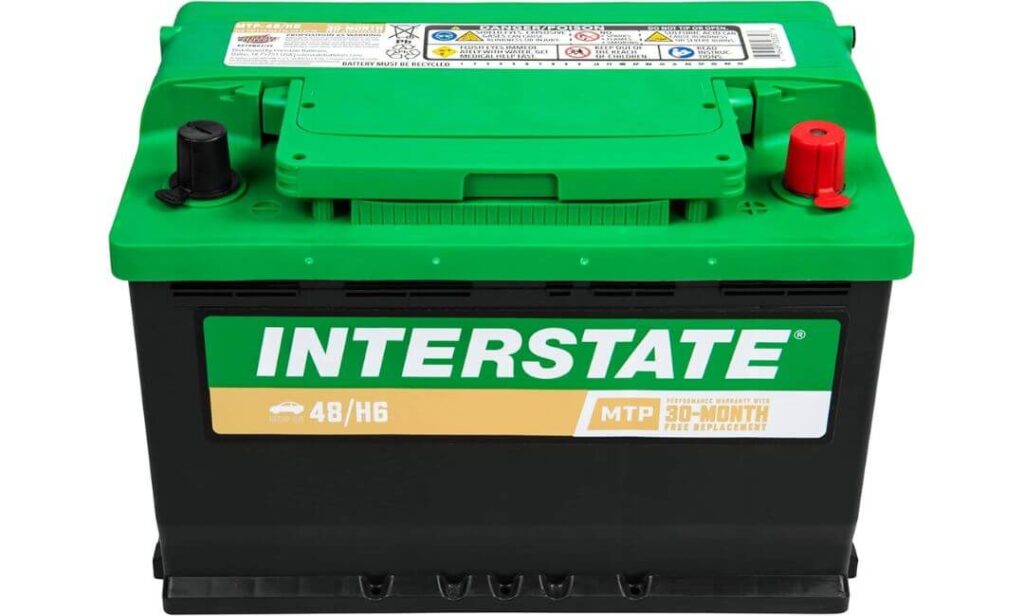
Quick Specs:
- Correct Size for Many Highlander Models: H6 / Group 48 case design
- Starting Confidence: 760 CCA for cold mornings and instant crank-ups
- Backup Power Reserve: 115-minute reserve capacity for lights, electronics, and unexpected charging strain
- Battery Design: Heavy-duty flooded lead-acid construction with proven daily-driver reliability
- Power Output: 12-volt standard automotive fitment
- Terminal Setup: Top-post layout for common factory-style connections
- Weight Class: 38.8 lbs solid full-size battery build
- Warranty Coverage: 30-month replacement support
- Best Owner Match: Drivers wanting trusted performance without paying AGM-level pricing
Right away, this one feels built for drivers who care more about dependable starts than flashy marketing. With 760 CCA, it has the muscle most Toyota Highlander owners need for cold mornings, long sits in the driveway, or daily stop-and-go use. Turn the key—or press the button—and it simply gets on with the job.
Where it quietly wins is balance. You get 115 minutes of reserve capacity, which matters more than people think. If the alternator is stressed, lights stay on, or accessories draw power while parked, that extra reserve gives breathing room instead of panic. In a family SUV packed with screens, charging ports, and constant short trips, that matters.
Then there’s the brand factor. Interstate has been around for decades because people buy them again after real use, not because of hype. For Highlander owners who just want something proven, properly sized, and ready to work, this is the kind of battery that makes sense. (Sometimes the smartest buy is the one you never have to think about again.)
What Impressed Us Most
- Strong 760 CCA output for reliable starts
- Correct H6 Group 48 sizing for many Highlander models
- Trusted name with long-standing reputation
- Good reserve power for daily SUV electrical loads
- Fair 30-month warranty coverage
What to Keep in Mind
- It is a flooded battery, so premium AGM buyers may want to step up to a different option.
Toyota Highlander Fitment Notes
For many Toyota Highlander gas models and several common trims, H6 Group 48 is a popular replacement size. The case dimensions and terminal setup on this battery make it a realistic fit candidate where H6 is specified.
Still, Highlander battery trays can vary by model year, engine setup, and hybrid/non-hybrid configuration. Always compare your current battery label or owner’s manual before ordering to avoid an unnecessary swap hassle.
The Insider Pro-Tip
If your Highlander is used for school runs, city driving, or lots of short trips, reserve capacity matters almost as much as CCA. That’s where this battery quietly earns its value—steady performance when charging cycles are less than ideal.
If you keep vehicles for years and hate surprise failures, choosing a known brand with honest specs is usually smarter than chasing the cheapest listing online. This one plays that role well.
#2. ACDelco Gold 48AGM
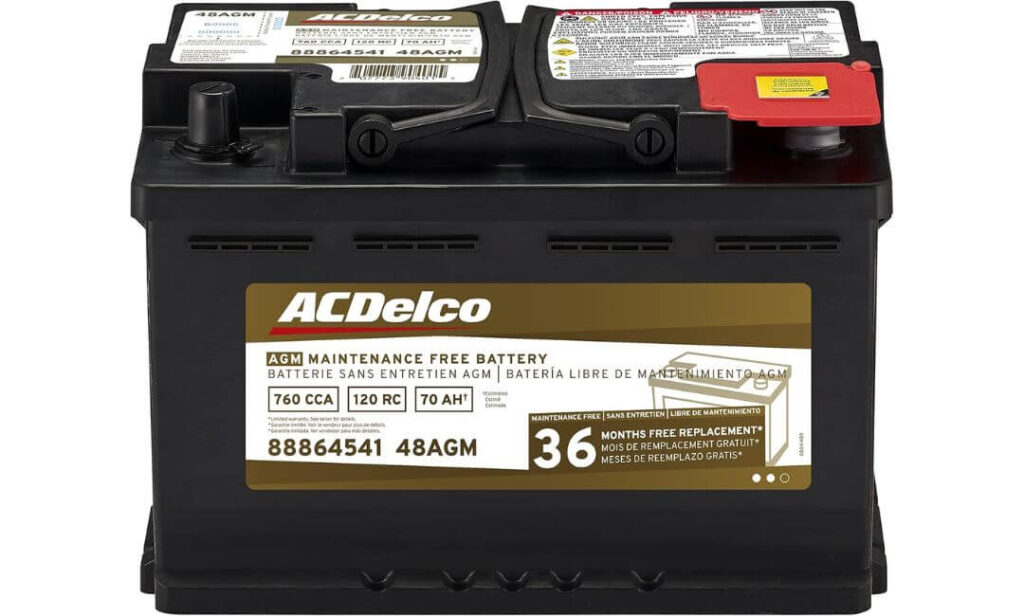
Quick Specs:
- Premium Highlander Match: BCI Group 48 / H6 footprint used in many Toyota Highlander applications
- Battery Type: Sealed AGM design for modern SUVs with heavier electrical demand
- Core Technology: Silver-Calcium internal components for stronger durability and cleaner power flow
- Warranty Support: 36-month replacement coverage
- Maintenance Style: Spill-resistant, maintenance-free ownership experience
- Cycle Strength: Better repeated charge/discharge handling than many standard batteries
- Daily Use Advantage: Excellent for stop-go driving, short trips, accessory-heavy use
- Best Owner Match: Highlander drivers wanting premium long-term reliability over bargain pricing
Immediately, this feels like the step-up option for owners who are tired of average batteries. The sealed AGM construction is built for vehicles that ask more from a battery every day—touchscreens, power liftgates, safety systems, seat electronics, chargers, and constant short-trip use. That sounds a lot like how many Toyota Highlanders live.
What separates it further is the internal build. Silver-Calcium components, high-density paste, and low-resistance grids are not just brochure words—they help with conductivity, heat control, and longer cycle life. In real life, that can mean steadier starts, less strain in harsh weather, and better durability when the battery gets repeatedly drained and recharged.
Then there is peace of mind. A 36-month warranty from a respected automotive name matters when you are spending more upfront. For Highlander owners who plan to keep the SUV and would rather buy quality once, this is the kind of battery that feels worth it. (Some batteries save money today—better batteries save headaches later.)
What Stood Out to Us
- Premium AGM technology for modern electrical systems
- Stronger cycling performance than many standard flooded batteries
- 36-month warranty adds real ownership confidence
- Silver-Calcium design aimed at longer service life
- Great fit for accessory-heavy family SUVs like Highlander
What to Keep in Mind
- It usually costs more than basic flooded batteries, but the added durability can justify it for many owners.
Toyota Highlander Fitment Notes
Many Toyota Highlander trims that use the H6 / Group 48 battery size can align well with this option, especially owners upgrading from a standard battery to AGM performance.
As always, verify battery tray dimensions, hold-down placement, and terminal orientation on your exact Highlander year and powertrain before purchase. Hybrid and non-hybrid setups can differ.
The Insider Pro-Tip
If your Highlander sees frequent short drives, school runs, or lots of electronics running while parked, AGM is often the smarter move. Those habits are tough on cheaper batteries.
When buyers complain a battery “died too soon,” it is often because they bought for price instead of usage style. This one is built more for how real families actually use an SUV.
#3. Mighty Max Battery MM-H6
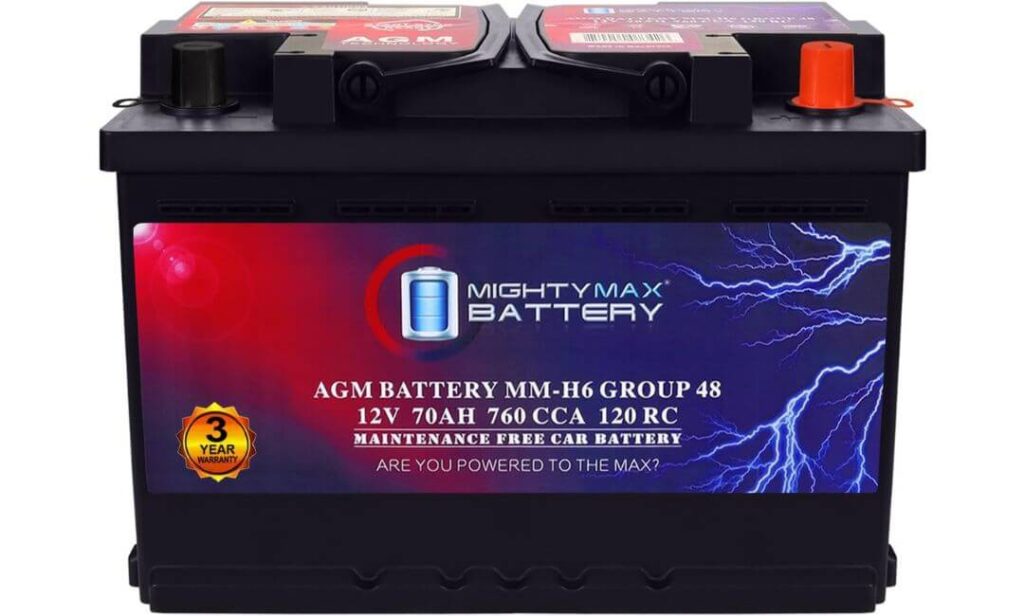
Quick Specs:
- Popular Highlander Size Match: H6 / Group 48 footprint for many Toyota Highlander applications
- Battery Type: Sealed AGM construction with maintenance-free ownership
- Cold Start Output: 760 CCA for dependable starts in heat, cold, and daily use
- Power Capacity: 70Ah for steady accessory support and repeated starts
- Reserve Capacity: 120 minutes of backup runtime when charging demand rises
- Durability Focus: Shock and vibration-resistant internal build
- Installation Notes: Multi-position mounting capability (except upside down)
- Warranty Coverage: 3-year manufacturer support
- Best Owner Match: Highlander drivers wanting AGM features without premium-brand pricing
Straight away, this feels like the smart-value AGM option for buyers who want real specs without paying luxury-brand money. With 760 CCA, it delivers the kind of starting power Highlander owners expect when mornings are cold, the SUV has sat for days, or accessories have been draining power in the background.
Where it becomes more interesting is the balance between power and runtime. The 70Ah capacity and 120-minute reserve capacity give it substance beyond startup numbers. That matters for family SUVs where chargers, infotainment, lighting, and frequent short drives slowly chip away at battery health over time.
Then there’s the practical side. Sealed AGM construction, resistance to vibration, and a 3-year warranty make it appealing for owners who want a modern battery without overspending. For many Highlander drivers, this is the “smart middle ground” pick. (Sometimes the best buy is not the cheapest or the most expensive—it’s the one that makes sense.)
What Stood Out to Us
- Strong 760 CCA starting performance
- AGM design with spill-resistant, maintenance-free ownership
- Healthy 70Ah capacity for real SUV use
- 120-minute reserve capacity adds confidence
- Competitive value compared with premium AGM brands
What to Keep in Mind
- Brand recognition is lower than legacy names, though the specs are solid for the price.
Toyota Highlander Fitment Notes
This battery uses the H6 / Group 48 size commonly found in many Toyota Highlander battery applications, making it a realistic option for owners replacing an existing Group 48 unit.
Before ordering, check terminal style, hold-down clearance, and your current battery label. Exact Highlander fitment can vary by year, engine, and whether the vehicle is hybrid or non-hybrid.
The Insider Pro-Tip
If you want AGM benefits but do not want to overspend, this is the type of battery worth watching. The specs hit the numbers that actually matter—CCA, reserve capacity, and capacity rating.
Many buyers focus only on brand logos. Smarter buyers compare the usable numbers first, then decide if the price gap is truly worth it.
#4. MARXON Group 48 H6 AGM Battery
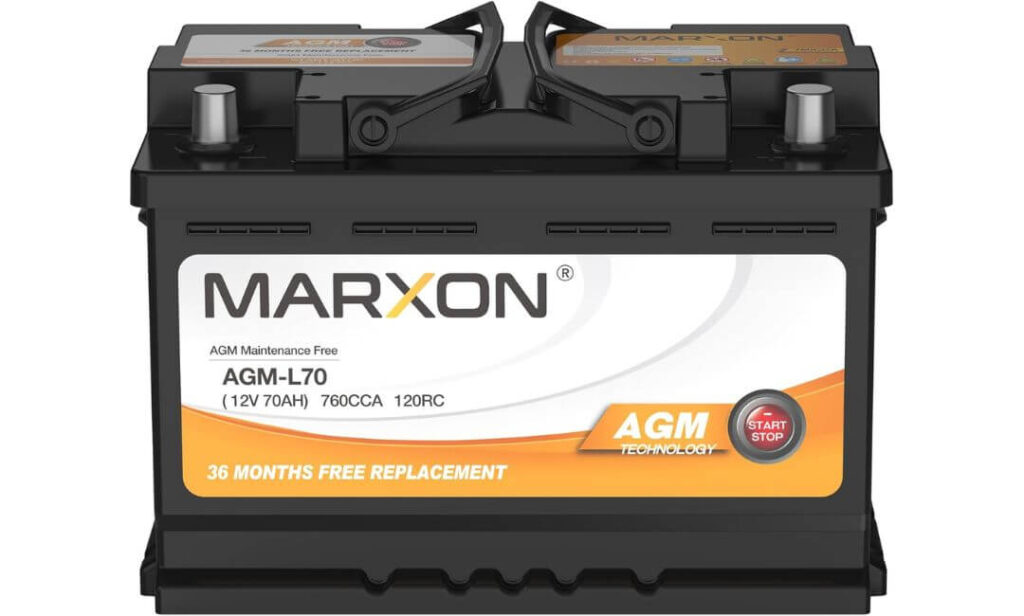
Quick Specs:
- Toyota Highlander Ready Size: H6 / Group 48 / L3 footprint used in many common applications
- Battery Type: Sealed AGM maintenance-free construction
- Cold Start Strength: 760 CCA for confident starts in harsh weather and daily use
- Capacity Rating: 70Ah for steady modern SUV power demands
- Reserve Capacity: 95 minutes of backup runtime support
- Charging Advantage: Faster charge acceptance than many standard SLA batteries
- Built for Modern Driving: Designed for start-stop compatible vehicles
- Warranty Coverage: 3-year manufacturer backing
- Best Owner Match: Highlander drivers wanting AGM specs at a value-focused price
Honestly, this is the kind of battery many buyers skip too quickly because the brand name is less familiar—yet the numbers deserve a second look. With 760 CCA and 70Ah capacity, it brings the core specs most Toyota Highlander owners actually need: reliable starts, steady accessory power, and enough muscle for everyday SUV life.
Where it stands out is modern-use readiness. This battery is built with AGM technology and supports start-stop style demands, making it better suited than older flooded batteries for repeated engine restarts, city traffic, and short-trip driving. If your Highlander spends more time in town than on open highways, that matters.
It also leans practical. Faster charge acceptance, leak-resistant design, and a 3-year warranty give it real-world appeal for buyers who want performance without paying top-shelf pricing. For many owners, this lands in the “surprisingly smart buy” category. (Sometimes value is not cheap—it is getting more than expected for the money.)
What Stood Out to Us
- Strong 760 CCA output for reliable starts
- AGM construction with maintenance-free ownership
- 70Ah capacity supports modern electrical loads
- Start-stop friendly design for city driving use
- Good value compared with premium-priced AGM rivals
What to Keep in Mind
- Brand familiarity is lower than legacy battery names, so some buyers may prefer a more established label.
Toyota Highlander Fitment Notes
This battery uses the H6 / Group 48 size that matches many Toyota Highlander battery applications, making it a realistic replacement option when your current battery carries the same group code.
Because Highlander fitment can vary by model year, trim, and hybrid/non-hybrid setup, confirm tray size, hold-down clearance, and terminal orientation before ordering for the smoothest install.
The Insider Pro-Tip
If your Highlander does a lot of short drives, school pickups, or stop-and-go commuting, AGM batteries like this often age better than cheaper flooded options. Those driving habits are harder on batteries than most owners realize.
Many people overpay for logos. When the fitment is right, specs like CCA, Ah rating, and warranty usually tell the smarter story.
#5. Weize Platinum AGM Battery Group 48
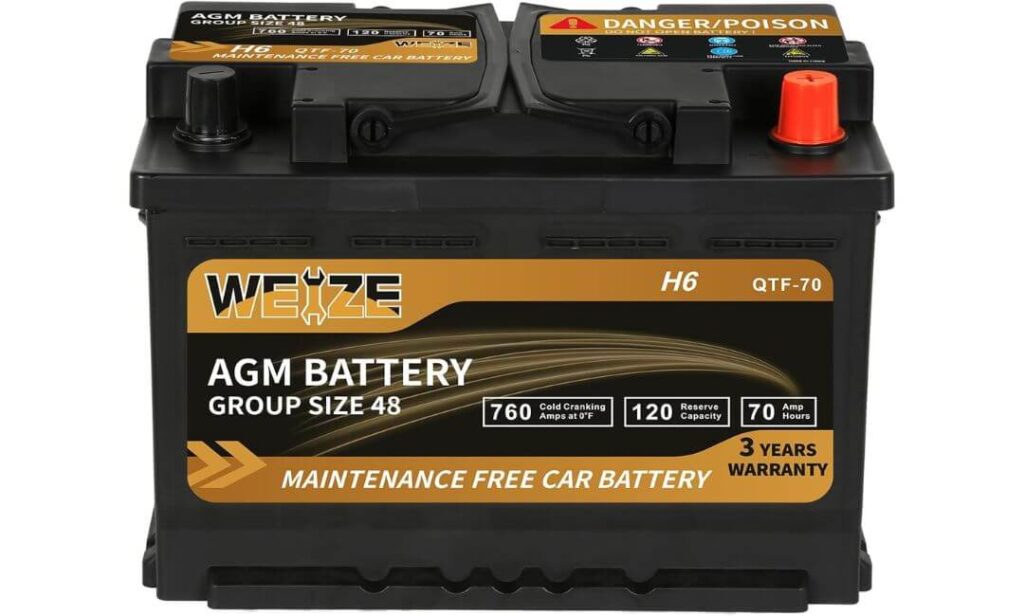
Quick Specs:
- Toyota Highlander Compatible Size: H6 / Group 48 case dimensions used in many common fitments
- Battery Type: Premium sealed AGM, maintenance-free design
- Cold Start Power: 760 CCA for dependable starts in winter, heat, and long parking gaps
- Capacity Rating: 70Ah for stable SUV electronics and repeated daily starts
- Reserve Capacity: 120 minutes of extra runtime support
- Warranty Coverage: 36-month replacement protection
- Terminal Layout: Left negative / right positive tapered terminals
- Durability Focus: Leak-proof, vibration-resistant construction
- Best Owner Match: Highlander drivers wanting strong specs with smart pricing
Right from the numbers, this one checks boxes that serious buyers usually care about. You get 760 CCA, 70Ah capacity, and a healthy 120-minute reserve capacity—the kind of combination that suits a Toyota Highlander far better than bargain batteries built only to meet minimum standards.
Where it becomes more valuable is everyday use. Highlanders often run multiple chargers, power accessories, infotainment systems, liftgates, and frequent short trips that never fully recharge the battery. A sealed AGM design with stronger cycle life helps handle that routine with less stress and better long-term consistency.
Then there is the ownership angle. 36 months of warranty coverage, maintenance-free construction, and competitive pricing make it attractive for buyers who want premium-style specs without premium-brand cost. For many Highlander owners, this could be the sweet spot pick. (Sometimes the smartest battery is the one that quietly overdelivers.)
What Stood Out to Us
- Excellent mix of 760 CCA + 70Ah + 120 RC
- AGM construction for modern SUV electrical demands
- 36-month warranty adds confidence
- Good value compared with higher-priced rivals
- Strong fit for daily-driven family vehicles
What to Keep in Mind
- Brand prestige is lower than traditional legacy battery names, though the spec sheet is impressively competitive.
Toyota Highlander Fitment Notes
This battery uses the H6 / Group 48 footprint commonly found in many Toyota Highlander battery setups, making it a realistic replacement candidate for owners already running that size.
Always verify terminal orientation, tray space, and hold-down compatibility with your specific Highlander year and engine configuration before purchase, especially if replacing the factory battery for the first time.
The Insider Pro-Tip
If your Highlander does lots of city driving and short errands, prioritize reserve capacity and cycle life—not just CCA. That is where batteries like this often outperform cheaper options over time.
Many buyers only compare prices on day one. Better buyers compare how many winters, summers, and trouble-free starts the battery may deliver later.
#6. Goodyear 48-H6-AGM Platinum Series
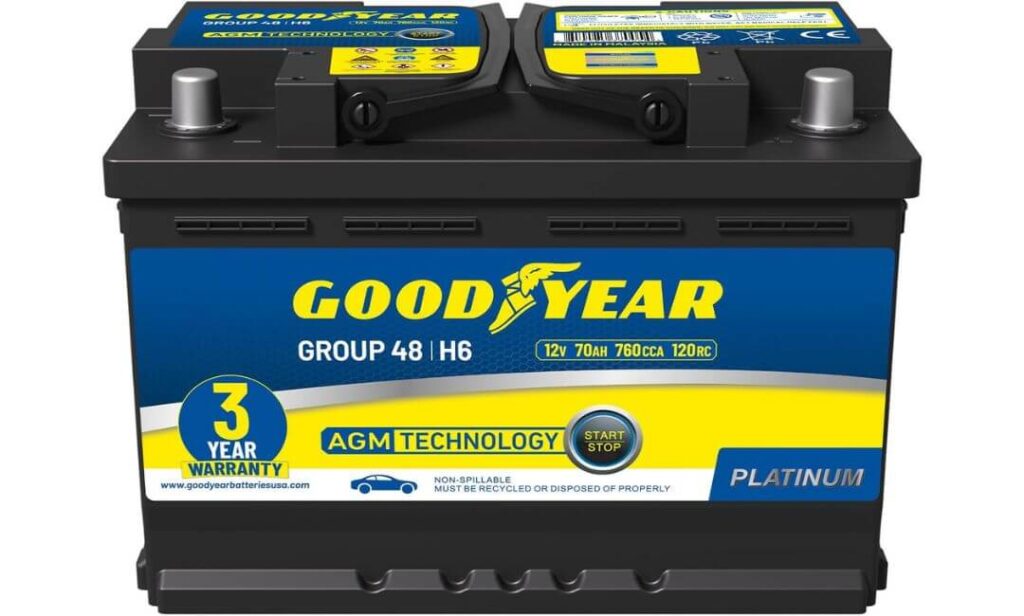
Quick Specs:
- Toyota Highlander Friendly Size: H6 / Group 48 footprint used in many common battery applications
- Battery Type: Sealed AGM maintenance-free construction
- Cold Start Output: 760 CCA for confident starts in winter and summer extremes
- Capacity Rating: 70Ah for modern SUV electronics and repeated starts
- Reserve Capacity: 120 minutes of added backup runtime
- Warranty Coverage: 36-month manufacturer support
- Durability Build: Shock and vibration-resistant internal design
- Terminal Layout: Right positive / left negative configuration
- Best Owner Match: Highlander drivers wanting known-brand appeal with solid AGM specs
At first glance, this is the kind of battery that feels familiar—and that matters to many buyers. The Goodyear name carries trust, but the real reason it earned a place here is the spec sheet: 760 CCA, 70Ah capacity, and 120-minute reserve capacity. Those are serious numbers for a Toyota Highlander, not just sticker appeal.
Where it earns respect is year-round consistency. Whether the SUV sits overnight in winter or spends summer days running A/C, chargers, and accessories, the sealed AGM design is built to stay steady under stress. That is especially useful for Highlanders used as family haulers, commuters, or road-trip machines.
Then there’s the ownership comfort factor. A 36-month warranty, maintenance-free design, and rugged construction make it appealing for buyers who want strong specs from a recognizable name. For many owners, this lands in the “safe, sensible AGM pick” zone. (Sometimes confidence at checkout matters as much as specs on paper.)
What Stood Out to Us
- Strong 760 CCA starting power
- Excellent 120 RC backup capacity
- AGM construction for modern electrical demands
- Trusted brand recognition many buyers appreciate
- 36-month warranty adds extra reassurance
What to Keep in Mind
- Like many AGM batteries, pricing can run higher than standard flooded replacements.
Toyota Highlander Fitment Notes
This battery uses the H6 / Group 48 size commonly found in many Toyota Highlander battery setups, making it a realistic replacement for owners already using that footprint.
Before buying, compare your current battery dimensions, terminal orientation, and hold-down style with your exact Highlander year and trim. That quick check can save time and returns.
The Insider Pro-Tip
If you plan to keep your Highlander several more years, paying a bit more for a balanced AGM battery often costs less than replacing a weak budget battery too soon.
Many people chase the cheapest option once. Smarter owners buy the battery they will not need to think about again next winter.
Best Toyota Highlander Battery Comparison Chart: Top H6 Group 48 Picks Ranked
| Battery | Type | Power | Warranty | Best For | Real Owner Take | Highlander Fit |
|---|---|---|---|---|---|---|
|
Interstate MTP-48/H6
Trusted replacement choice
|
Flooded |
760 CCA 115 RC |
30 Months | Drivers wanting proven reliability | Buy this if you want zero drama, strong starts, and a known name. | H6 / Group 48 |
|
ACDelco Gold 48AGM
Premium long-term pick
|
AGM |
High Output Strong cycle life |
36 Months | Owners keeping Highlander for years | Feels like the smarter upgrade when you care about lifespan more than price. | Group 48 |
|
Mighty Max MM-H6
Balanced value AGM
|
AGM |
760 CCA 120 RC / 70Ah |
3 Years | Budget buyers wanting AGM specs | Strong numbers for the money. Great if price matters but performance still counts. | H6 / Group 48 |
|
MARXON Group 48 H6
Value-focused modern option
|
AGM |
760 CCA 70Ah |
3 Years | City driving & start-stop use | Worth a look if you want AGM power without premium-brand pricing. | H6 / Group 48 |
|
Weize Platinum AGM
Best spec-to-price ratio
|
AGM |
760 CCA 120 RC / 70Ah |
36 Months | Shoppers chasing max value | One of the strongest paper-value picks in the lineup. | H6 / Group 48 |
|
Goodyear 48-H6-AGM
Recognizable all-rounder
|
AGM |
760 CCA 120 RC / 70Ah |
36 Months | Buyers wanting brand comfort + specs | Safe choice when you want a familiar badge and solid performance. | H6 / Group 48 |
Quick Guide: Understanding Toyota Highlander Battery Size and Proper Fit
Buying the right battery for a Toyota Highlander is not just about choosing a popular brand or the highest number on the label. Size, terminal layout, battery type, and power ratings all matter. Even a strong battery can become the wrong purchase if it does not sit correctly in the tray or match the Highlander’s electrical needs.
For many Highlander models, H6 / Group 48 is one of the most common battery sizes, especially in newer generations. But Toyota has used different setups across years, trims, engines, and hybrid configurations. That is why smart buyers always verify fitment before clicking “Buy Now.”
What Toyota Highlander Battery Size Usually Means
When you see terms like H6, Group 48, or BCI 48, they are referring to the battery’s physical case size and fitment category. This includes dimensions, terminal placement, and how the battery secures into the tray.
For many gas-powered Toyota Highlander models, H6 / Group 48 is a common replacement size because it balances strong starting power with the right footprint for midsize SUV battery compartments. It is large enough to support modern electronics while still fitting many factory trays properly.
That said, some Highlander years or trims may use a different group size, especially hybrid versions. Never assume every Highlander uses the same battery.
How to Verify the Correct Fit Before Buying
The easiest way to confirm fitment is to check the battery already installed in your Highlander. Look at the top label or side sticker. You will often find the group size printed clearly, such as H6, 48, or Group 48 AGM.
You can also verify fitment through:
- Your owner’s manual battery specifications
- Toyota dealer parts lookup using VIN
- Reputable battery fitment tools online
- Measuring the current battery dimensions and comparing them carefully
If your current battery fits cleanly, clamps properly, and has no cable strain, matching that footprint is usually the safest path.
How to Read a Toyota Highlander Battery Label
Battery labels can look technical, but once you know the key terms, they are easy to understand.
- Group 48 / H6 – Physical battery size and case fitment
- AGM – Absorbent Glass Mat battery, sealed and better for modern electrical loads
- Flooded – Traditional liquid-acid battery, usually cheaper but less advanced
- CCA – Cold Cranking Amps, the power used to start in cold weather
- RC – Reserve Capacity, how long the battery can supply power if charging stops
- Ah – Amp-hour rating, useful for sustained electrical demand and repeated cycling
- 12V – Standard voltage for passenger vehicles like the Highlander
These numbers matter more than flashy packaging. A battery with balanced real-world specs often outperforms one that only advertises one giant number.
AGM vs Flooded Battery: Which Is Better for Highlander Owners?
If your Highlander has lots of electronics, frequent short trips, power liftgate use, heated seats, multiple chargers, or start-stop systems, an AGM battery is often the better choice. AGM batteries usually handle repeated charge/discharge cycles better and tend to resist vibration more effectively.
A flooded battery can still be a smart buy for drivers who want lower upfront cost and mostly do regular highway driving. They remain a practical option when properly sized and from a trusted brand.
If your Highlander came with AGM from the factory, staying with AGM is usually the safer move.
What CCA Should You Look For?
For many Toyota Highlander applications, batteries in the 700 to 760+ CCA range are a strong target. This gives dependable starts in winter, after sitting overnight, or when the vehicle has added electrical demand.
Buying far below the recommended range can lead to slower starts and shorter battery life. Going extremely high is not always necessary if fitment and quality are already strong.
Why Reserve Capacity Matters More Than Many Buyers Realize
Reserve Capacity is often overlooked. It tells you how long the battery can continue powering essentials if the alternator output drops or the charging system is under stress.
For Highlander owners running lights, infotainment, charging ports, climate control, and accessories, a battery with 115 to 120 RC can offer extra peace of mind compared with weaker units.
Practical Fitment Tips Before Installation
- Compare old and new battery dimensions side by side
- Confirm positive and negative terminal positions
- Make sure the hold-down bracket lines up correctly
- Check cable reach without stretching or twisting
- Verify hood clearance after installation
- Clean terminals before connecting the new battery
A battery that technically “fits” but strains cables or sits loose is not the right fit.
Real Buyer Advice for Toyota Highlander Owners
If your Highlander is a daily family SUV, do not shop by price alone. A slightly better battery often pays for itself through fewer headaches, stronger starts, and longer service life.
The smartest purchase is usually the battery that matches correct size, proper terminal layout, solid CCA, healthy reserve capacity, and your driving habits—not simply the cheapest listing online.
Buyer’s Guide: How to Choose the Right Battery for Toyota Highlander
Choosing a battery for the Toyota Highlander should be simple, but many owners end up buying the wrong one because they focus only on brand names or price tags. A battery can look impressive online and still be a poor match if the size is wrong, the terminals do not line up, or the power reserve is too weak for how the vehicle is actually used.
The Highlander is a midsize SUV with more electrical demand than many smaller cars. Depending on trim and model year, it may run power liftgates, heated seats, advanced safety systems, multiple charging ports, large infotainment screens, and frequent short-trip driving. That means the right battery should match both the vehicle and your real driving habits.
Start With the Correct Toyota Highlander Battery Size
Before looking at brands, confirm the battery size already installed in the vehicle. For many Toyota Highlander applications, Group 48 / H6 is one of the most common fitments. This size typically offers the right footprint, terminal placement, and power capacity for many gas-powered Highlander setups.
However, not every Highlander uses the same battery. Hybrid trims, older generations, and specific engine packages may differ. The safest move is to check:
- Current battery label
- Owner’s manual
- VIN-based parts lookup
- Exact tray measurements and terminal position
Buying the correct size first avoids returns, loose hold-down brackets, and cable reach problems.
Why CCA Matters for a Highlander
CCA (Cold Cranking Amps) measures how much starting power the battery can deliver in cold temperatures. Even if you do not live in a freezing climate, CCA still matters because it reflects startup strength under stress.
For many Toyota Highlander owners, aiming for 760+ CCA is a smart target. That level usually provides confident starts when:
- The SUV has been parked for days
- Weather turns cold
- Electrical accessories have been used heavily
- The battery is no longer brand new
A weak battery often shows up first as slower starts, not total failure.
AGM vs Flooded: Which Battery Type Makes More Sense?
This is one of the most important decisions buyers make.
AGM batteries are usually the better fit for modern Highlander use. They are sealed, spill-resistant, and often handle vibration, repeated charging cycles, and accessory loads better than standard batteries. If your Highlander sees city driving, short trips, power features, or start-stop behavior, AGM is usually worth considering.
Flooded batteries remain a practical choice for owners who want lower upfront cost and mostly do steady highway driving. They can still perform well when correctly sized and bought from a reputable brand.
If the factory battery was AGM, staying with AGM is generally the smarter move.
Battery Life Cycles and Long-Term Value
The cheapest battery is often expensive in the long run if it fails early. A better battery may cost more upfront but last longer, start stronger, and reduce the chance of surprise replacement.
Look for:
- Strong internal build quality
- AGM design if your usage demands it
- Realistic warranty support
- Trusted manufacturing reputation
- Good reserve capacity
Battery life is affected by heat, driving habits, charging system health, and how often the vehicle sits unused.
Why Reserve Capacity Deserves More Attention
Reserve Capacity (RC) tells you how long the battery can continue powering essentials if the alternator output drops or charging demand becomes heavy.
For Highlander owners with passengers charging devices, climate control running, lights on, and accessory-heavy use, a battery around 115 to 120 RC can be a noticeable advantage.
Reserve capacity often separates “good enough” batteries from truly dependable ones.
Mounting, Venting, and Terminal Layout Matter Too
Many returns happen because buyers ignore fitment details.
Before ordering, verify:
- Positive and negative terminal orientation
- Hold-down bracket compatibility
- Case dimensions
- Hood clearance
- Venting requirements if applicable
- Cable reach without strain
Even a powerful battery becomes the wrong battery if it installs poorly.
6-Volt vs 12-Volt Systems: What Highlander Owners Need to Know
Toyota Highlander models use a 12-volt automotive battery system. You should be shopping for a 12V replacement battery, not a 6V battery.
Some shoppers get confused when browsing online because industrial, golf cart, or specialty batteries appear in search results. For the Highlander, the correct path is a properly sized 12V automotive battery built for passenger vehicles.
Does the Highlander Need Stop-Start Compatibility?
Some newer vehicles use automatic stop-start systems that restart the engine frequently in traffic. If your specific Highlander configuration uses this type of feature or sees heavy city driving, an AGM battery is often the safer choice because it handles repeated restart cycles better.
Even if your Highlander does not have stop-start, AGM can still be beneficial for modern electrical loads.
Quick Buyer Checklist for Toyota Highlander Owners
Before you buy, this is the smart checklist:
- Group 48 / H6 fitment confirmed
- 12V automotive battery
- Around 760+ CCA for strong starts
- 115–120 RC reserve capacity if possible
- AGM construction for modern use
- Good warranty coverage
- Correct terminal orientation
- Trusted brand or proven value option
Real Buyer Advice That Saves Money
Do not buy a battery for only today’s price. Buy for the next few winters, summers, road trips, and mornings when the SUV must start without excuses.
For most Highlander owners, the smartest battery is the one that combines correct size, strong starting power, healthy reserve capacity, and dependable build quality—not the cheapest listing on page one.
Installation & Maintenance Tips for the Toyota Highlander Battery
A new battery can perform poorly if it is installed carelessly. Many owners blame the battery when the real issue is a loose terminal, unclean connection, wrong reset procedure, or an alternator that was already weak. The Toyota Highlander is a modern SUV with multiple electronic systems, so replacing the battery should be handled with more care than an older basic vehicle.
The good news is that battery replacement is usually straightforward when done properly. A careful install, correct charging habits, and simple maintenance can add real life to the battery and help avoid early failure.
Before You Start: Choose the Correct Replacement Battery
Before touching tools, confirm the battery matches your Highlander’s required fitment. Many Highlander models commonly use H6 / Group 48, but exact needs can vary by year, trim, and hybrid or non-hybrid setup.
Check these details first:
- Group size / physical dimensions
- Terminal orientation
- Battery type (AGM or flooded)
- CCA and reserve capacity
- Hold-down compatibility
Starting with the wrong battery is the fastest way to turn a simple install into a frustrating one.
Safety Steps Before Removing the Old Battery
Always work with the engine off, key removed, and all accessories switched off. Give the vehicle a few minutes to power down electronic modules before disconnecting anything.
Use gloves and eye protection if possible. Batteries are heavy, and accidental sparks or corrosion exposure are avoidable risks.
A smart setup includes:
- 10mm wrench or socket (common terminal size)
- Battery terminal brush or cleaner
- Gloves
- Memory saver device if desired
- Rag or towel for cleanup
If the battery area is wet, oily, or heavily corroded, clean the space before starting.
Safe Installation Steps for a Toyota Highlander Battery Replacement
Begin by removing the negative terminal first. This reduces the chance of accidental shorting. After that, remove the positive terminal.
Next, remove the hold-down bracket carefully and lift the old battery straight up. Highlander batteries are heavy, so use proper lifting posture.
Once removed:
- Clean the tray area
- Remove corrosion from terminal clamps
- Inspect cables for cracks or fraying
- Check the hold-down hardware condition
Now place the new battery in the tray with the terminals facing the correct direction. Reinstall the hold-down bracket so the battery is secure but not over-tightened.
Reconnect in the reverse order:
- Positive terminal first
- Negative terminal second
That sequence helps reduce spark risk.
Finally, confirm the battery does not move when gently pushed.
What to Expect After Installation
Some Highlander owners notice temporary changes after battery replacement. This can include:
- Clock reset
- Window auto-up/down needing relearn
- Radio presets lost
- Idle speed adjusting briefly
- Warning lights that clear after driving
This is normal in many cases as systems reinitialize.
If warning lights remain after several drive cycles, a diagnostic scan may be needed.
AGM Battery Break-In and Initial Charging Tips
If you install an AGM battery, do not assume every new battery arrives at perfect charge level. Storage time and shipping conditions matter.
The smartest move is to check voltage or place the battery on a quality smart charger before or soon after installation if needed. AGM batteries appreciate proper charging more than many flooded batteries.
During the first few weeks:
- Avoid repeated short trips only
- Let the vehicle complete longer drives when possible
- Do not leave accessories running with engine off
- Keep charging system healthy
AGM batteries often reward good charging habits with longer life.
Maintenance Tips to Extend Battery Life
Battery care is not complicated, but it matters.
Every few months, inspect the battery area and look for:
- White or blue corrosion buildup
- Loose clamps
- Swollen case
- Moisture or leaks
- Frayed cables
Clean terminals when needed and keep connections tight. Poor contact creates resistance, heat, and charging issues.
If corrosion appears, remove it early. Waiting too long can damage clamps and reduce charging efficiency.
Another major factor is vehicle use. Batteries dislike long periods of sitting and constant short drives. If the Highlander is parked often, a maintenance charger can help preserve battery health.
Smart Charging Habits Most Owners Ignore
A battery is only as healthy as the charging system supporting it.
If headlights dim, starts slow down, or batteries fail repeatedly, test:
- Alternator output
- Parasitic drain
- Ground connections
- Charging voltage consistency
Replacing batteries again and again without checking the charging system wastes money.
Seasonal Tips for Longer Battery Life
Heat often damages batteries faster than cold. Summer can quietly shorten battery life months before winter exposes the weakness.
In hot weather:
- Keep terminals clean
- Avoid deep discharge
- Check charging health
In winter:
- Replace weak batteries before freezing weather
- Keep charge level healthy
- Drive long enough to recharge after starts
When to Seek Professional Help
DIY replacement is fine for many owners, but professional help is the better choice when:
- Battery access is blocked or complex
- Corrosion is severe
- Electrical faults remain after install
- Warning lights stay on
- Vehicle repeatedly kills batteries
- You own a hybrid model with added complexity
Paying for one correct diagnosis is often cheaper than guessing through multiple battery purchases.
Real Owner Advice That Actually Matters
Most “bad batteries” are not bad on day one—they are poorly charged, loosely connected, or installed into vehicles with existing electrical issues.
If you install the right battery correctly, keep terminals clean, and address charging problems early, your Toyota Highlander battery can deliver years of reliable starts instead of surprise breakdowns.
Common Myths vs. Facts About Toyota Highlander Batteries
Battery shopping for the Toyota Highlander is full of half-truths, outdated advice, and oversimplified claims. Many owners buy the wrong battery not because they ignored maintenance, but because they trusted myths that sound logical on the surface.
The Highlander is not a basic older vehicle with minimal electronics. It is a modern SUV that may run advanced safety systems, infotainment screens, powered accessories, climate controls, charging ports, and in some cases more demanding charging behavior than buyers realize. That means battery decisions should be based on fitment, usage, and real specs—not internet shortcuts.
Myth: AGM Always Lasts Longer Than Every Other Battery
Fact: AGM batteries often have advantages, but they do not automatically outlast every flooded battery in every situation.
AGM batteries usually handle vibration better, recover well from repeated cycling, and suit accessory-heavy or short-trip driving. That can make them a strong match for many Highlander owners.
But lifespan still depends on:
- Driving habits
- Climate and heat exposure
- Charging system health
- How long the vehicle sits unused
- Proper installation and maintenance
A premium AGM installed in a vehicle with parasitic drain or weak alternator output can fail early. Meanwhile, a quality flooded battery in ideal conditions may last years.
The better question is not “Which lasts longer on paper?” It is “Which fits how this Highlander is actually used?”
Myth: Bigger CCA Is Always Better
Fact: More CCA can help, but chasing the highest number is not always the smartest move.
CCA (Cold Cranking Amps) measures startup power in cold temperatures. For many Highlander owners, healthy numbers around the recommended range are important. But once you are already in the right zone, simply buying the highest CCA available does not guarantee a better experience.
Too many buyers ignore:
- Correct battery size
- Terminal layout
- Reserve capacity
- Charging compatibility
- Overall build quality
A properly fitting battery with balanced specs often performs better than an oversized “max CCA” battery that is the wrong match.
Myth: If the Engine Starts, the Battery Is Fine
Fact: A battery can still start the Highlander while already weakening.
Modern vehicles can mask battery decline longer than older cars. You may still get starts while noticing subtle warnings first:
- Slower cranking in the morning
- Auto start-stop acting strange
- Dim interior lights
- Random electrical warnings
- Weak performance after sitting overnight
By the time total failure happens, the warning signs were often there for weeks.
Myth: Any Group 48 Battery Will Fit Perfectly
Fact: Group size is important, but it is not the only fitment factor.
Even within H6 / Group 48 options, buyers should still verify:
- Terminal orientation
- Height clearance
- Hold-down compatibility
- Cable reach
- Venting needs if applicable
Two batteries can share a group code and still create installation headaches if details differ.
Myth: Warranty Length Tells You Everything
Fact: Warranty matters, but it does not tell the whole story.
A longer warranty can add confidence, but buyers should also consider:
- Brand reputation
- Real-world specs
- Fresh stock age
- Dealer support
- How claims are handled
A battery with a great warranty is still inconvenient if it leaves you stranded first.
Myth: Short Drives Keep the Battery Charged Enough
Fact: Frequent short trips can quietly shorten battery life.
Many Highlanders are used for errands, school runs, and commuting. Repeated short trips may not fully recharge what each start consumed, especially with accessories running.
Over time, partial charging can lead to:
- Reduced battery health
- Sulfation in flooded batteries
- Lower reserve performance
- Earlier replacement needs
Occasional longer drives or smart charging can help.
Myth: Replacing the Battery Fixes Every Starting Problem
Fact: Sometimes the battery is the symptom, not the cause.
If batteries fail repeatedly, investigate:
- Weak alternator output
- Parasitic electrical drain
- Corroded terminals
- Bad grounds
- Loose connections
Replacing battery after battery without diagnosing the vehicle is one of the most expensive mistakes owners make.
Myth: Expensive Always Means Best
Fact: Price alone does not equal the right battery.
Some Highlander owners need a premium AGM because of usage habits and electrical demand. Others may be perfectly served by a well-made mid-range option with the right fitment and honest specs.
The smartest battery is usually the one that matches:
- Correct size
- Real starting power
- Enough reserve capacity
- Your driving habits
- Trusted support
Real Owner Truth That Saves Money
Toyota Highlander battery shopping becomes much easier when you ignore slogans and focus on how the SUV is actually driven.
A correctly sized, properly installed battery with balanced specs will usually outperform the “biggest,” “cheapest,” or “most hyped” option bought for the wrong reasons.
FAQs About Toyota Highlander Battery
What is the best battery size for a Toyota Highlander, and is H6 / Group 48 always correct?
For many Toyota Highlander models, H6 / Group 48 is one of the most common battery sizes, especially in newer gas-powered applications. It offers a strong balance of fitment, starting power, and reserve capacity for a midsize SUV with modern electronics. That is why it appears so often in replacement guides.
But it is not automatically correct for every Highlander. Trim level, model year, hybrid vs non-hybrid setup, and regional specifications can change what the vehicle needs. The smartest move is to confirm the battery label already installed, check the owner’s manual, or run a VIN-based fitment lookup before buying. A battery that “usually fits” is not the same thing as the right battery for your exact Highlander.
Should Toyota Highlander owners upgrade to AGM, or stay with a standard flooded battery?
If your Toyota Highlander does frequent short trips, city driving, accessory-heavy use, or long periods of sitting between drives, AGM batteries often make more sense. They generally handle repeated charging cycles better, resist vibration more effectively, and support modern SUV electrical loads with less stress.
A standard flooded battery can still be a smart buy for owners who mostly do highway driving and want lower upfront cost. The real answer depends on usage, not marketing. If the Highlander originally came with AGM, staying with AGM is usually the safer route. If it came flooded and your usage is light, a quality flooded battery can still be practical.
How many CCA does a Toyota Highlander battery really need?
Many Highlander owners chase the highest CCA number they can find, but the better target is the right range, not the biggest number. For many H6 / Group 48 Highlander applications, around 760+ CCA is a strong sweet spot for dependable starts in winter, after sitting overnight, or during heavy accessory use.
What matters more than extreme CCA is overall balance:
- Correct battery size
- Healthy reserve capacity
- Strong internal build quality
- Proper charging system health
- Correct terminal fitment
A battery with realistic, well-balanced specs usually outperforms a flashy high-CCA battery that is the wrong fit.
Why does a Toyota Highlander battery fail early even after replacement?
Early battery failure is often blamed on the battery, but many times the battery is only revealing another issue. Modern Highlanders can shorten battery life through constant short trips, parasitic drains, loose terminal connections, or weak alternator output.
Common hidden causes include:
- Frequent stop-and-go driving without long recharge trips
- Accessories left running regularly
- Corrosion increasing charging resistance
- Vehicle sitting unused for days or weeks
- Charging system problems
If a new battery dies unusually fast, testing the vehicle is smarter than buying another battery immediately. Repeated replacements without diagnosis usually waste money.
Is it worth buying a premium battery for a Toyota Highlander, or is mid-range enough?
It depends on how the Highlander is used. If the SUV handles family duty, cold mornings, school runs, chargers plugged in daily, power liftgate use, and long ownership plans, a premium AGM battery can be worth the extra money because it often delivers better durability and fewer headaches over time.
If the vehicle is lightly driven, mostly highway-used, and ownership plans are shorter, a solid mid-range battery with the correct size and specs may be the smarter financial move. The best battery is not always the most expensive one—it is the one that matches your Highlander’s real life, not an imaginary brochure lifestyle.
Final Verdict
Choosing the best battery for a Toyota Highlander is not about chasing the loudest brand name or the biggest number on the label. It is about matching the SUV with a battery that fits correctly, starts confidently, supports modern electronics, and holds up to how the vehicle is actually driven. That is where many buyers get it wrong—and where smart buyers quietly win.
For most Highlander owners, an H6 / Group 48 battery with around 760+ CCA is a strong place to start, especially when paired with solid reserve capacity and dependable warranty support. If your SUV handles daily family duty, short trips, heavy accessory use, or long ownership plans, stepping into a quality AGM battery usually makes the most sense.
The real takeaway is simple: buy for the next few years, not just today’s price. A properly chosen battery can mean smoother mornings, fewer warning lights, stronger winter starts, and one less thing to worry about when life is already busy.
If you want the safest all-around move, prioritize correct fitment, balanced specs, and trusted reliability. Get those three right, and your Toyota Highlander will thank you every time it starts.
Also Check:

