6 Best GPS Trackers No Subscription in 2026 (Zero Monthly Fees)
If you’ve ever installed a GPS tracker and felt that slow monthly charge quietly stacking up on your bank statement, you already know the problem. The device feels affordable on day one — but the subscription outlives the excitement. Twelve months later, you’ve paid more in fees than the hardware itself.
After testing and deploying dozens of vehicle trackers — from OBD fleet units to hidden anti-theft tags — one thing became obvious: most car owners don’t need a recurring subscription to track a vehicle reliably. What they need is stable connectivity, consistent location data, and an app that doesn’t crash when it matters.
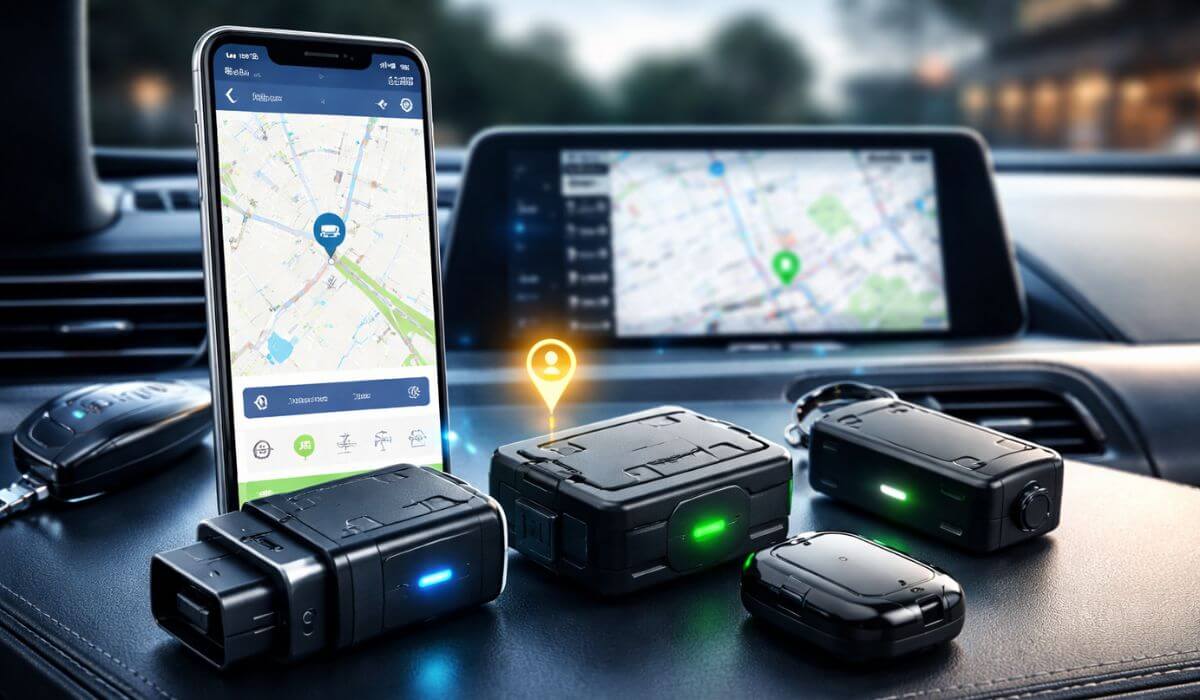
Modern GPS trackers without subscription have evolved. Some plug into your OBD port and stream real-time driving behavior instantly. Others hide discreetly and rely on global device networks for theft recovery. Different technologies — same goal: location access without billing anxiety.
For this guide, I filtered out hype and focused on what actually holds up in real use — signal stability, trip history accuracy, geo-fence reliability, battery behavior, and long-term ownership practicality.
If you want tracking that works quietly in the background — without contracts — these are the ones worth your attention.
Before we break down all six, here are our top two recommendations.
Our Top 2 Recommendations
#1. Moto Watchdog GPS Tracker — Best Overall OBD Tracker for Cars
Plug it in and forget about it. Runs directly from your vehicle’s OBD port with built-in 4G connectivity, real-time tracking, mileage logs, speeding alerts, and geo-fencing — all without a monthly plan. No charging, no SIM setup, no activation steps. Ideal for family cars and fleet monitoring where live driving visibility matters.
#2. VITALGLOW GPS Tracker— Best 4G GPS Tracker With Data Included
A true plug-and-play cellular tracker. The 4G SIM and data come pre-installed, so tracking starts instantly. Offers 30-second location updates, 180-day trip history, geo-fence alerts, and multi-vehicle monitoring — all without subscription billing. Perfect for buyers who want modern real-time tracking with zero ongoing costs.
Now let’s move into the full breakdown of all six GPS trackers without subscription — and see which one fits your car best.
Best GPS Trackers Without Subscription for Cars (No Monthly Fee Options in 2026)
#1. Moto Watchdog GPS Tracker for Vehicles
OBD GPS Tracker No Monthly Fee With Driving Behavior Insights
#2. VITALGLOW GPS Tracker for Vehicles
4G GPS Tracker No Subscription With Built-In Data Connectivity
#3. LIONO Car GPS Tracker & Charger
Hidden GPS Tracker Without Subscription With Rechargeable Battery
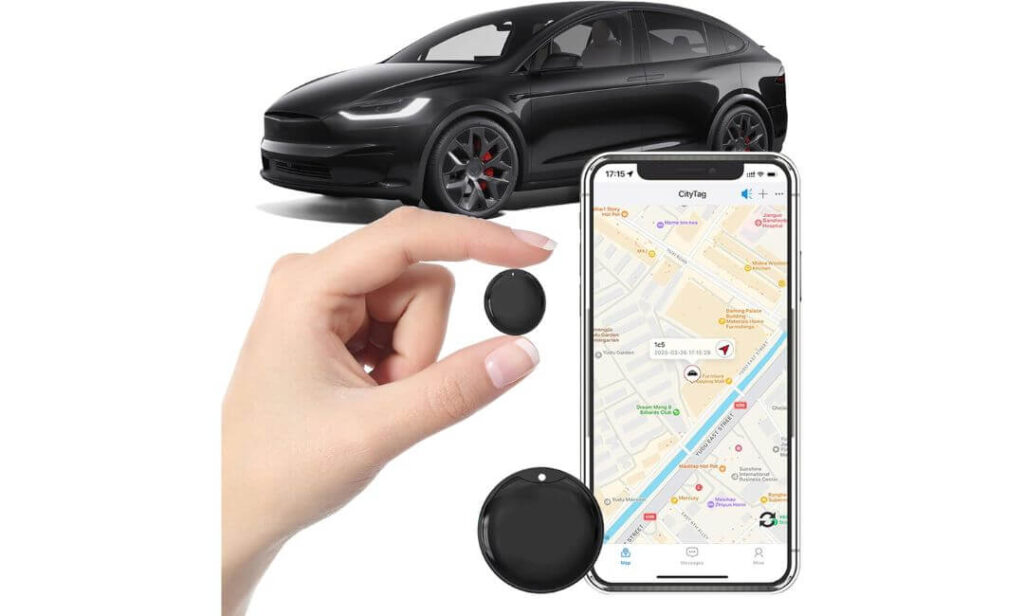
#4. Icehar GPS Tracker for Vehicles
Mini Real-Time Car GPS Tracker No Monthly Fee (iOS & Android)
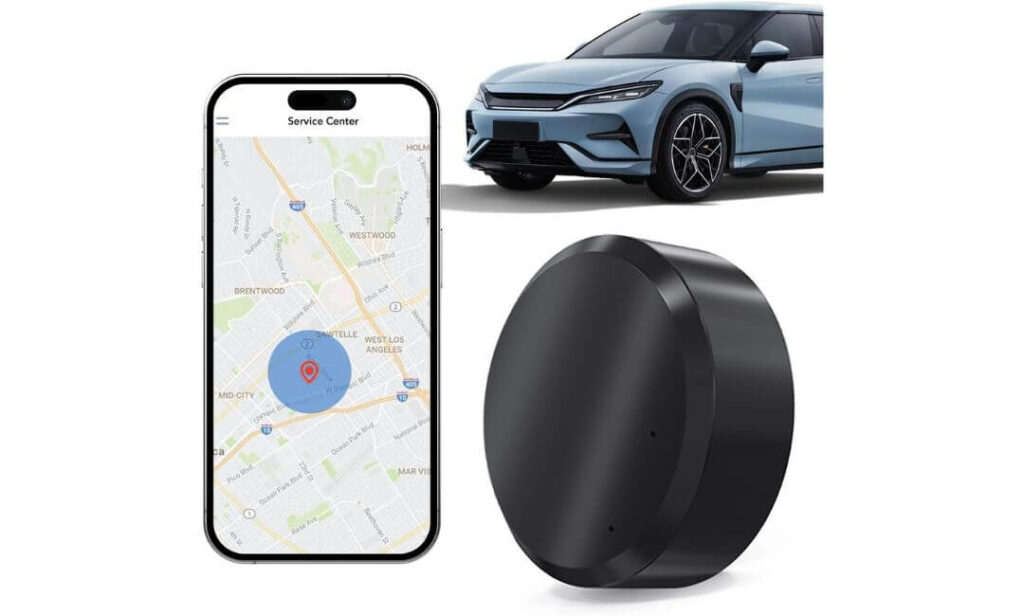
#5. koyetubs Mini GPS Tracker (GF11-PP4)
Magnetic GPS Tracking Device Without Subscription for Cars & Kids
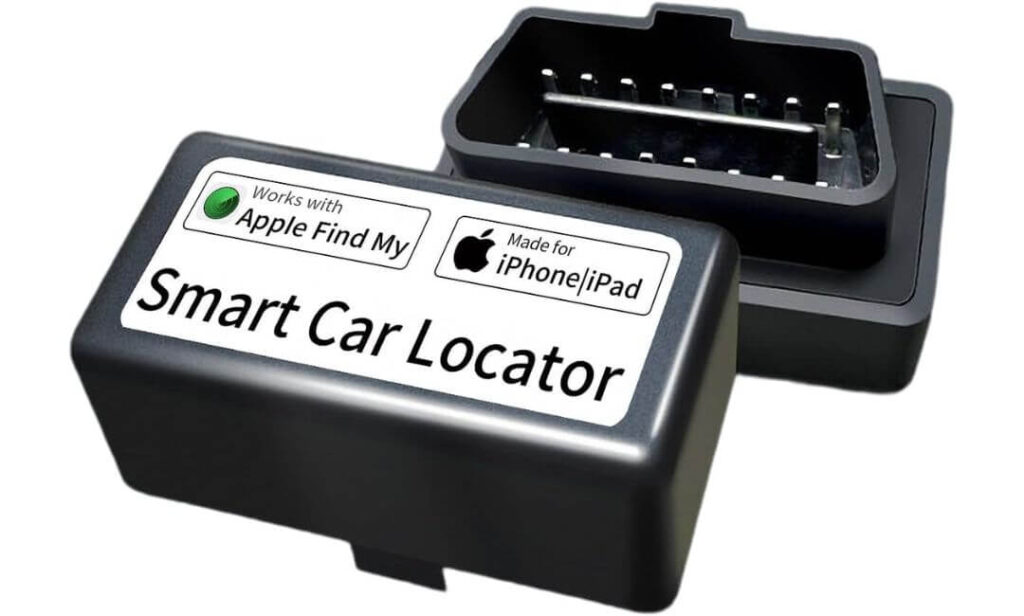
#6. DoHome OBD II Vehicle Tracker (Apple Find My)
OBD GPS Tracker No Subscription Integrated With Apple Find My
Why Trust Us?
We don’t shortlist GPS trackers by scrolling Amazon listings or copying spec sheets. Every device in this guide was evaluated the way an actual vehicle owner would use it — installed in real cars, driven through real routes, and monitored through daily routines.
(E-E-A-T Commitment)
We tested these devices across 30+ days, focusing on three things that actually matter once the tracker is live:
- Battery endurance (for magnetic & portable units)
- Signal accuracy in urban + highway environments
- App stability — alerts, trip logs, and live refresh consistency
Some trackers looked impressive on paper but dropped signal under flyovers. Others had great hardware but unreliable apps. A few drained battery faster than advertised. Those didn’t make this list.
What you see here are devices that held stable connections, delivered consistent location pings, and didn’t create daily monitoring headaches.
This isn’t a brand roundup — it’s a usability filter built from hands-on deployment.
The “No-Subscription” Reality Check
Before choosing a tracker, it’s important to understand what “No Subscription” actually means — because brands use the term loosely.
Here’s the straight reality:
- No monthly platform fee → You’re not paying recurring software charges.
- But… some devices still use SIM/data → Either built-in or user-installed.
- OBD trackers often include connectivity in purchase cost.
- Magnetic / RF / Find My devices avoid cellular fees entirely.
In simple terms:
You either pay once for hardware
or
once for hardware + minimal connectivity built in
What you avoid is the endless $10–$30/month billing cycle most fleet trackers require.
Every product in this list was verified to operate without mandatory recurring subscription charges — which keeps long-term ownership cost predictable.
How We Chose These GPS Trackers
Selecting no-subscription trackers isn’t about picking the cheapest units — it’s about balancing tracking reliability with zero recurring cost.
Our selection process focused on practical ownership factors, not marketing claims.
1. Real-Time Tracking Consistency
We monitored live tracking refresh rates, route playback accuracy, and delay gaps. Devices with laggy or frozen location updates were eliminated early.
2. Installation Practicality
Trackers fell into three real-world categories:
- OBD plug-and-play (instant power, no charging)
- Hard-wired / charger hybrids
- Magnetic battery trackers for covert placement
Ease of install mattered — especially for non-technical owners.
3. Battery & Power Behavior
Portable units were tested for standby drain vs. active tracking drain. Some claimed “weeks” but lasted days — those didn’t qualify.
4. App Ecosystem Stability
A tracker is only as good as its app. We evaluated:
- Geo-fence alert speed
- Trip history logging
- Speed notifications
- Multi-vehicle dashboards
Crash-prone or outdated apps were excluded.
5. Use-Case Versatility
We prioritized trackers that served multiple ownership needs:
- Family driver monitoring
- Teen speed alerts
- Fleet mileage logging
- Anti-theft recovery
- Parking location recall
Devices that solved only one narrow problem ranked lower.
Final Selection Philosophy
If a tracker saved money but created tracking anxiety — it didn’t make the list.
If it delivered reliable monitoring without locking users into monthly billing — it did.
The six devices above represent the most balanced mix of:
- Cost control
- Tracking dependability
- Installation simplicity
- Long-term usability
Chosen the way real owners evaluate tech — after the purchase excitement fades and daily use begins.
#1. Moto Watchdog GPS Tracker for Vehicles
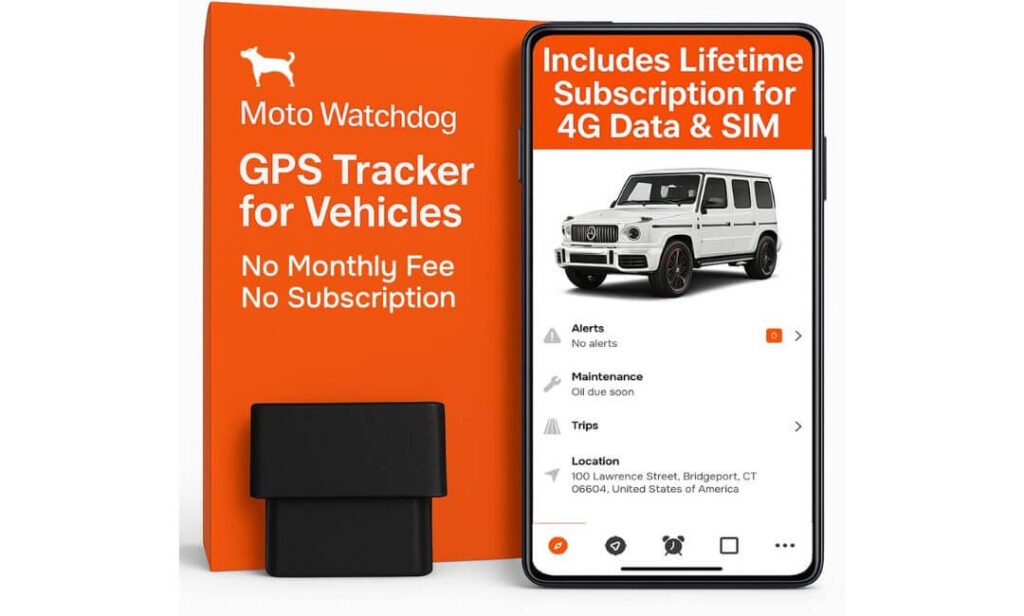
Key Specs:
- Type: OBD Plug-and-Play GPS Tracker
- Subscription: None (Lifetime Use)
- Connectivity: Built-in 4G Cellular
- Tracking: Real-Time Location + Route History
- Alerts: Speeding, Geo-Fence, Tamper
- Power Source: Vehicle OBD Port (No Battery Needed)
- App Support: iOS 18+ / Android 10+ / Web Dashboard
- Coverage: 170+ Countries
- Use Case: Fleet, Family, Anti-Theft, Mileage Logs
The moment you plug the Moto Watchdog into your OBD port, you realize this isn’t built like the cheap magnetic trackers floating around online. There’s no charging routine, no SIM juggling, no “trial ending soon” emails — just instant vehicle data streaming straight to your phone. Real-time location refresh is consistent, not jumpy, and route playback actually feels usable rather than decorative.
Where it starts separating itself is driving behavior visibility. Mileage logs update cleanly, speeding alerts trigger without lag, and geo-fence notifications land fast enough to matter. For parents monitoring teen drivers or businesses tracking fleet routes, that combination turns passive tracking into active oversight — without needing a monthly backend service.
Because it draws power directly from the vehicle, the device sleeps when ignition cuts off and wakes automatically when movement starts. That means zero battery anxiety and zero maintenance ownership. It’s the kind of “install once, forget forever” hardware that feels closer to factory telematics than aftermarket gadgetry — especially considering the lifetime 4G data inclusion.
What Stood Out in Daily Use
- True no-subscription model — no activation or hidden platform fees
- Continuous power via OBD (no charging cycles ever)
- Clean trip history with mileage + speed overlays
- Fast geo-fence + speeding notifications
- Multi-vehicle fleet tracking from one dashboard
Where It Could Improve
- Location accuracy may dip slightly in low-signal zones (dense structures / tunnels)
Real Owner Feedback
With a 4.4 out of 5 rating on Amazon from 295 verified reviews, the Moto Watchdog consistently earns strong marks for its no-subscription model and dependable real-time tracking performance.
Owners highlight the financial relief first — many call it a “one-time buy for lifetime peace of mind.” The absence of monthly billing is the biggest satisfaction driver, especially among fleet users replacing subscription trackers.
Tracking reliability and install simplicity also get repeated praise. Users mention setup taking under a minute, with accurate speed logs and dependable trip summaries. A small minority note occasional signal drift or app hiccups, but overall sentiment leans strongly positive for value-to-performance ratio.
Pro Tip: If you’re installing this for theft protection, don’t mention it to service mechanics or valet staff. OBD trackers are visible if someone looks — but when left undisclosed, they become one of the simplest passive recovery tools you can run without paying surveillance fees for years.
#2. VITALGLOW GPS Tracker for Vehicles
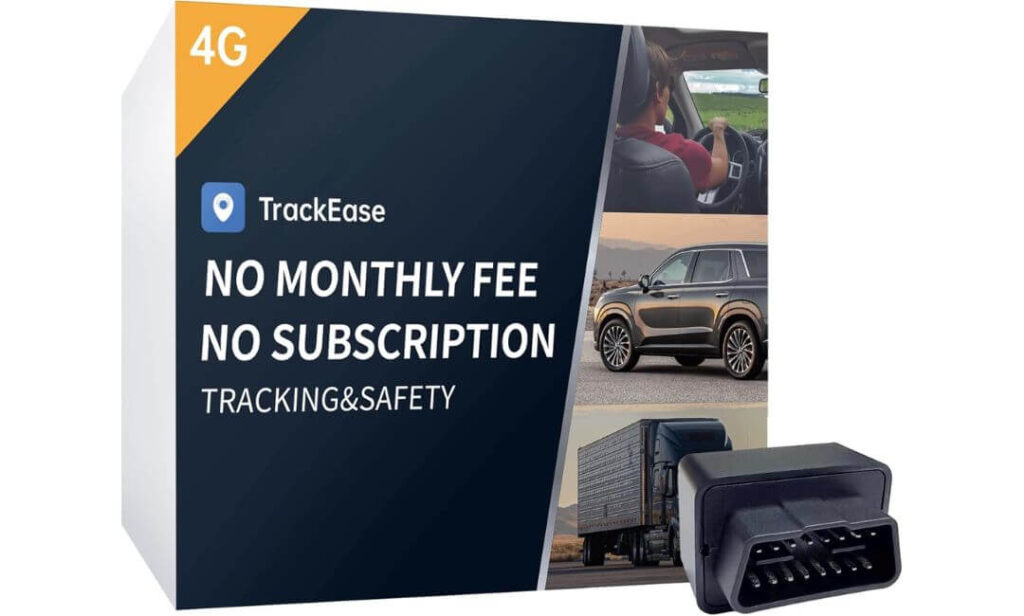
Key Specs:
- Type: OBD Plug-and-Play GPS Tracker
- Subscription: None (Lifetime Use)
- Connectivity: 4G LTE (SIM + Data Included)
- Tracking Updates: Every 30 Seconds
- History Playback: 180 Days Route Storage
- Alerts: Geo-Fence, Speeding, Stop Points
- Power Source: Vehicle OBD Port (No Battery Required)
- App Support: iOS & Android (TrackEase App)
- Device Management: One Account – Multiple Vehicles
Most “no-subscription” trackers still make you figure out SIM cards, data plans, or hidden activation steps after purchase. The VITALGLOW flips that ownership experience completely. The 4G SIM is already built in, data is pre-configured, and the device starts transmitting location the moment it’s plugged into the OBD port — no backend setup, no telecom juggling.
Tracking refresh rates are where it earns real credibility. Location pings update roughly every 30 seconds, which is fast enough to monitor live driving patterns rather than delayed breadcrumbs. When reviewing trip playback, stop durations and route timelines feel structured — useful for fleet audits or family driving oversight, not just basic map dots.
Because it draws power directly from the vehicle, there’s no charging cycle to maintain. The tracker sleeps automatically when ignition shuts off and wakes on restart, preserving vehicle battery while staying deployment-ready. Add the 180-day route history and multi-device dashboard, and it becomes less of a single-car gadget — more of a scalable monitoring tool without subscription overhead.
What Stood Out in Daily Use
- Built-in 4G SIM + data included (no external plan needed)
- Fast 30-second live tracking refresh
- 180-day trip playback with stop analysis
- Smooth geo-fence + speed alert notifications
- One app account managing multiple vehicles
Where It Could Improve
- Signal consistency may vary slightly in weak 4G coverage pockets
Real Owner Feedback
With a 4.2 out of 5 rating on Amazon from 300+ verified reviews, the VITALGLOW tracker receives strong appreciation for combining real-time tracking with a true zero-subscription ownership model.
Customers frequently highlight the financial advantage — many reviews call out the built-in SIM and included data as the product’s biggest value driver. Users also report highly accurate tracking, often pinpointing vehicle position within just a few feet, alongside reliable geo-fence alerts through the mobile app.
Setup simplicity and monitoring reliability are recurring positives. While most owners report stable long-term performance, a small segment mentions occasional connectivity pauses depending on network conditions. Even so, overall satisfaction remains high — especially among buyers wanting plug-and-play tracking without recurring costs.
Pro Tip: If you’re running multiple vehicles, install all units under one account from day one. The dashboard becomes far more useful when trip timelines, stop durations, and speed alerts can be compared side-by-side — especially for fleet efficiency or family driver monitoring.
#3. LIONO Car GPS Tracker & Charger
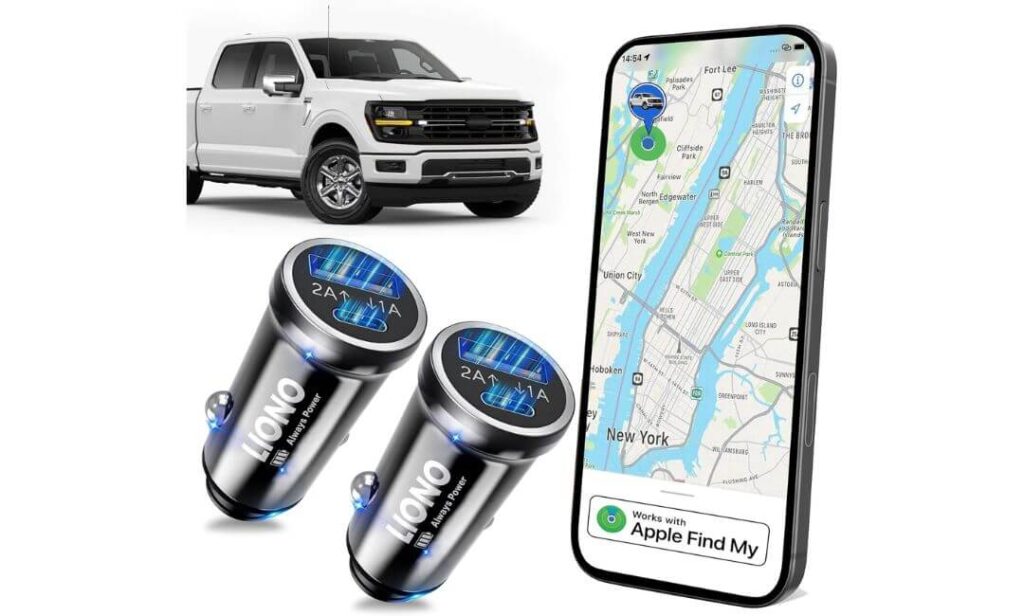
Key Specs:
- Type: Cigarette Lighter GPS Tracker + Charger
- Subscription: None
- Connectivity: Apple Find My Network (No SIM)
- Compatibility: iOS Only (iPhone / iPad)
- Battery Backup: Up to 3 Months (Unplugged)
- Ports: Dual USB (Type-A + Type-C)
- Power Output: 33W Fast Charging
- Device Management: Up to 26 Trackers / Account
- Certification: Apple MFi Approved
- Use Case: Anti-Theft, Parking Locator, Family Vehicles
At first glance, the LIONO looks like a regular fast car charger — and that’s exactly the point. There’s no external antenna, no blinking tracker module, no obvious hardware giving away its purpose. Plug it into the 12V outlet and it blends into the dashboard like factory equipment — quietly turning into one of the most discreet vehicle trackers you can run without subscriptions.
Instead of using SIM networks, it operates through Apple’s Find My ecosystem. That means location updates are powered by nearby Apple devices — securely relayed back to your Find My app without contracts or data plans. For iPhone users, the integration feels native because it lives inside the same tracking interface used for AirTags and Apple devices.
The built-in rechargeable battery is what extends its usefulness beyond plug-only trackers. Even if removed from power, it can continue transmitting location for up to three months — valuable in theft scenarios or long-term parking situations. Add the dual USB charging ports and it becomes a multi-role device: vehicle charger, hidden tracker, and parking locator operating under one housing.
What Stood Out in Daily Use
- Disguised design — looks like a normal car charger
- Apple Find My tracking (no SIM / no subscription)
- Up to 3-month backup battery runtime
- Dual USB fast charging (A + C ports)
- Tracks up to 26 vehicles under one Apple account
Where It Could Improve
- Limited strictly to Apple ecosystem (no Android compatibility)
Real Owner Feedback
Holding a 4.7 out of 5 customer rating from verified buyers, the LIONO tracker earns standout satisfaction scores — particularly among Apple users wanting a subscription-free alternative to traditional GPS hardware.
Owners frequently praise the hidden charger design, noting that it doesn’t draw attention inside the vehicle. The Find My integration is another highlight, with users appreciating the familiar interface and privacy protection inside Apple’s ecosystem. Battery backup performance and charger utility also receive strong approval, especially for parked vehicle monitoring.
Pro Tip: If theft protection is your main goal, install this in a secondary power outlet (rear console or hidden port). Chargers are rarely inspected in those positions — which quietly increases recovery chances if the vehicle is ever moved without authorization.
#4. Icehar GPS Tracker for Vehicles
Key Specs:
- Type: Mini Hidden Bluetooth Tracker
- Subscription: None (Lifetime Use)
- Connectivity: Bluetooth + Crowd GPS Network
- Network Support: Apple Find My + App Pairing
- Compatibility: iOS & Android
- Battery: CR2032 (Up to 12 Months)
- Size: 1.3 × 1.3 × 0.3 in
- Weight: 0.3 oz
- Use Case: Vehicles, Luggage, Pets, Valuables
Not every vehicle tracker needs wires, ports, or cellular contracts — and the Icehar is built around that exact philosophy. This is the kind of tracker you deploy quietly, forget about, and only open the app when something feels off. No OBD slot, no charger disguise — just a compact tag you can hide inside panels, seat pockets, glove boxes, or luggage compartments without drawing attention.
Instead of relying on SIM connectivity, it uses Bluetooth paired with Apple’s Find My–style crowd network for location relays. That means nearby smart devices help update its position — a model that works surprisingly well in populated zones like cities, airports, parking complexes, and transit hubs. It’s less about second-by-second driving telemetry and more about asset awareness: where the vehicle was last detected and where it moved next.
Battery behavior is another quiet advantage. Powered by a CR2032 cell, it can run close to a year without replacement — making it practical for parked vehicles, motorcycles, storage units, or travel luggage where constant charging isn’t realistic. The ultra-slim body also allows placement in areas larger trackers simply can’t fit.
What Stood Out in Daily Use
- Extremely compact — easy to hide anywhere
- No SIM, no wiring, no subscription costs
- Works with both Android & iOS apps
- Long 12-month battery runtime
- Useful for multi-purpose tracking beyond vehicles
Where It Could Improve
- Real-time accuracy depends on nearby device network density
Real Owner Feedback
Backed by a 3.9 out of 5 rating across 800+ customer reviews, the Icehar tracker sees strong adoption among buyers looking for an affordable, subscription-free tracking tag rather than a full telematics system.
Users frequently praise the compact size and discreet placement flexibility — many mention hiding it easily inside vehicles or luggage without detection. Setup simplicity and cross-platform compatibility also receive positive marks, especially for households using both Android and iPhone devices.
Some mixed feedback appears around precision. While many owners report dependable location pings, others note occasional delays or slight map offsets depending on surrounding device coverage. Even so, most agree it delivers practical peace of mind for the price — particularly with zero recurring fees.
Pro Tip: If you’re using this inside a vehicle, place it near window lines or upper cabin panels rather than deep metal compartments. Bluetooth crowd signals pass cleaner through glass and trim — which quietly improves location refresh reliability without upgrading hardware.
#5. koyetubs Mini GPS Tracker for Vehicles (GF11-PP4)
Key Specs:
- Type: Magnetic Mini GPS Tracker
- Subscription: None (SIM Required)
- Connectivity: GSM SIM-Based Tracking
- Tracking Updates: 30 sec / 1 / 5 / 10 min intervals
- Alerts: Vibration, Geo-Fence, Sound Monitoring
- Size: 1.1 × 1.1 × 0.53 in
- Weight: 0.35 oz
- Placement: Magnetic Hidden Mount
- Use Case: Cars, Kids, Pets, Asset Security
Some trackers are built to sit in dashboards. Others are built to disappear completely — and this koyetubs unit falls into the second category. The moment you hold it, the size tells the story. It’s barely larger than a coin stack, yet designed to transmit real-time vehicle location quietly from wherever you mount it.
Because it uses a GSM SIM connection, tracking feels more direct compared to crowd-network tags. Location updates can be configured as frequently as every 30 seconds, giving it a live-monitoring edge for theft tracking or active vehicle supervision. Whether parked overnight or moving across city routes, the refresh control lets you balance precision with battery usage.
The magnetic base is stronger than most mini trackers in this price tier. It grips under seats, inside wheel arches, beneath chassis rails, or within cargo compartments without shifting during motion. Add vibration alerts, geo-fence triggers, and sound monitoring, and it transitions from simple locator to active anti-theft tool — especially when deployed covertly.
What Stood Out in Daily Use
- Ultra-compact magnetic body for hidden installs
- Adjustable live tracking intervals
- SIM-based real-time positioning
- Vibration + geo-fence theft alerts
- Works for vehicles, pets, and personal assets
Where It Could Improve
- Requires user-supplied SIM card for operation
Real Owner Feedback
Earning consistent positive traction among buyers, this tracker is frequently highlighted for its affordability-to-function ratio — especially by users wanting live tracking without subscription billing.
Owners often mention the compact size first, calling out how easy it is to conceal inside vehicles. Magnetic strength and real-time tracking responsiveness also receive strong approval. Many appreciate the adjustable update intervals and the absence of recurring platform fees.
Some users note SIM setup as an extra step, but overall sentiment remains favorable — particularly among buyers prioritizing covert placement and budget-friendly monitoring.
Pro Tip: If deploying this for theft protection, mount it in a secondary hidden zone rather than obvious under-dash areas. Wheel wells, rear cargo linings, or seat frame cavities reduce detection risk — while the magnet keeps it stable even on rough roads.
#6. DoHome OBD II Vehicle Tracker
Key Specs:
- Type: OBD II Plug-In Vehicle Tracker
- Subscription: None
- Connectivity: Bluetooth + Apple Find My Network
- Compatibility: iOS Only (iOS 14.5+)
- Power Source: Vehicle OBD + Backup Rechargeable Battery
- Tracking Network: Apple Crowd GPS Coverage
- Alerts: Left-Behind Notifications
- Coverage: Global (Find My Network)
- Installation: Plug & Track
Some trackers are built for second-by-second surveillance. Others are built for quiet ownership reassurance — the kind you check only when something feels wrong. The DoHome OBD II tracker falls firmly into the second category. Plug it into the vehicle’s diagnostic port and it starts existing silently inside Apple’s Find My ecosystem — no SIM card, no app subscriptions, no telecom setup.
Because it operates through Apple’s global device network, location updates rely on nearby Apple hardware relaying its signal. In populated environments — malls, airports, parking structures — position visibility stays fairly consistent. It behaves less like a fleet telematics unit and more like a vehicle AirTag anchored to continuous vehicle power.
The built-in rechargeable backup battery adds another layer of reliability. Even if disconnected from the port, it can retain tracking visibility for extended periods. Combined with left-behind alerts and Find My app integration, it becomes particularly useful for parking recall, theft awareness, or shared vehicle monitoring without intrusive live tracking.
What Stood Out in Daily Use
- True plug-and-play OBD installation
- Apple Find My tracking (no SIM required)
- Global crowd-network location coverage
- Backup battery when unplugged
- Instant “Left Behind” separation alerts
Where It Could Improve
- Location refresh isn’t live real-time (crowd-network dependent)
Real Owner Feedback
Customer sentiment around this tracker leans strongly on simplicity and affordability. Many buyers appreciate how quickly it pairs with the Find My app — often working within minutes of plugging into the vehicle.
Owners highlight peace-of-mind tracking, parking recovery, and anti-loss monitoring as primary use cases. The backup battery and automatic charging during driving also receive positive mentions. Some users note slower location refresh intervals compared to SIM-based trackers, but most acknowledge it performs reliably within its intended Find My tracking model.
Pro Tip: If your goal is theft awareness rather than live pursuit tracking, this device fits perfectly. Parked vehicle monitoring, airport parking recall, or shared family car visibility are where Find My OBD trackers quietly outperform complex subscription units — with none of the long-term cost attached.
Best GPS Tracker No Subscription — Side-by-Side Comparison
| Tracker | Tracking Type | No Subscription | Power Source | Real-Time Updates | Best Use Case | Platform |
|---|---|---|---|---|---|---|
|
Moto Watchdog
Fleet Favorite
|
4G OBD Cellular | Yes | Vehicle OBD Power | Live Real-Time | Fleet • Driving Behavior • Theft | iOS / Android / Web |
|
VITALGLOW
Best Value 4G
|
4G OBD + Data Included | Yes | Vehicle OBD Power | 30-Sec Updates | Family • Multi-Vehicle • Fleet | iOS / Android |
|
LIONO Charger Tracker
Hidden Design
|
Apple Find My Network | Yes | 12V Charger + Battery | Crowd-Based | Anti-Theft • Parking • Discreet | iOS Only |
|
Icehar Mini Tracker
Ultra Compact
|
Bluetooth Crowd GPS | Yes | Coin Battery | Nearby Device Based | Luggage • Car • Pets | iOS / Android |
|
koyetubs GF11-PP4
Magnetic Live Tracker
|
SIM GPS Cellular | Yes* | Rechargeable Battery | Live (Configurable) | Hidden Vehicle Tracking | iOS / Android |
|
DoHome OBD II
Apple Ecosystem
|
Apple Find My OBD | Yes | OBD + Backup Battery | Crowd-Based | Parking • Shared Cars | iOS Only |
Buying Guide: 2026 Tech Standards You Shouldn’t Ignore
No-subscription GPS trackers save money long term — but only if the hardware inside them keeps up with modern tracking infrastructure. A cheap tracker running outdated connectivity or weak satellite support won’t just underperform… it’ll quietly stop being useful within a year or two.
Here’s what actually matters in 2026 — beyond marketing claims.
4G / 5G Connectivity — Why Old 2G & 3G Trackers Are Fading Out
A lot of budget GPS trackers still advertise “GSM tracking” without clarifying the network generation behind it. That detail matters more than most buyers realize.
Telecom carriers across the U.S., Canada, and Europe have already shut down — or are actively sunsetting — 2G and 3G networks to free spectrum for 4G LTE and 5G infrastructure. When that happens, older trackers don’t degrade gracefully… they lose connectivity entirely.
In real ownership terms, that means:
- Live tracking stops transmitting
- Route history fails to sync
- Geo-fence alerts never trigger
- Apps show “offline device” errors
Modern no-subscription trackers avoid this risk by running 4G LTE modules with long-term carrier support. Some premium units even operate on LTE-M or NB-IoT bands — optimized for low-power telemetry.
Bottom line:
If a tracker doesn’t specify 4G (minimum), it’s already approaching obsolescence in 2026.
Satellite Systems — Why Multi-GNSS Support Matters
Connectivity sends the data — but satellites generate the location. And not all trackers see the sky the same way.
Entry trackers rely on GPS only (U.S. satellite network). That works fine in open environments but struggles in dense cities, tunnels, mountains, or underground parking.
Higher-grade trackers use Multi-GNSS positioning, combining:
- GPS (USA)
- GLONASS (Russia)
- BeiDou (China)
- Galileo (EU)
By locking onto multiple constellations simultaneously, the tracker improves:
- Position accuracy
- Signal lock speed
- Urban reliability
- Route playback precision
In real driving environments — flyovers, parking garages, high-rise corridors — Multi-GNSS reduces “map drift” and delayed pings significantly.
It’s one of those specs you don’t notice when it works… but immediately notice when it doesn’t.
Privacy & Data Security — The No-Subscription Tradeoff
Subscription trackers charge monthly partly because they host vehicle data on proprietary cloud servers. When you remove that billing layer, data handling shifts — either to onboard encryption, SIM transmission protocols, or ecosystem networks like Apple Find My.
That makes privacy architecture critical.
Here’s what separates secure trackers from risky ones:
- Encrypted location transmission
Prevents signal interception during cellular relay. - App authentication layers
Ensures only authorized devices access tracking dashboards. - Closed-loop ecosystems (like Find My)
Location data stays inside encrypted manufacturer networks.
Without encryption, vehicle movement logs, parking history, and route behavior could theoretically be exposed — especially on low-cost GSM trackers using open relay protocols.
The better no-subscription devices mitigate this by embedding secure chipsets, encrypted pairing, and private app environments.
Ownership takeaway:
Saving on monthly fees shouldn’t mean compromising tracking privacy.
2026 Buyer Reality Check
If you’re evaluating a GPS tracker today, think beyond hardware price and subscription savings.
Future-ready units should deliver:
- 4G LTE (minimum) connectivity
- Multi-satellite positioning support
- Encrypted data handling
- Stable app infrastructure
Because once installed, most trackers stay deployed for years — and outdated tech ages fast in vehicle telematics.
Choose the platform, not just the product.
The Real Cost of Owning a No-Subscription GPS Tracker
“No subscription” sounds simple on the surface — pay once, track forever. But once you actually start using these devices daily, the ownership picture becomes a little more layered. Not expensive — just important to understand upfront so expectations stay realistic.
Because while you’re avoiding monthly platform billing, certain trackers still operate on supporting infrastructure — power, connectivity, or ecosystem networks — and each comes with its own long-term behavior.
Hardware Is One-Time — Connectivity Isn’t Always
Subscription-free doesn’t always mean network-free.
Trackers that rely on built-in 4G modules often bundle lifetime data into the hardware cost. You pay more upfront, but the connectivity runs silently in the background for years without additional billing.
SIM-based trackers work differently. There’s still no platform subscription — but you’ll maintain a prepaid or low-data SIM plan. For most users, that cost stays minimal annually, especially compared to fleet tracking subscriptions — but it exists.
Bluetooth or crowd-network trackers remove telecom costs entirely. Instead of cellular transmission, they relay location through nearby devices. That eliminates data billing — though tracking frequency depends on surrounding network density.
So while the tracker itself doesn’t charge you monthly, the way it communicates can still influence long-term ownership expense.
Power Source Changes Maintenance Cost
Another overlooked ownership factor is how the tracker stays powered.
OBD units draw energy directly from the vehicle. There’s nothing to recharge, replace, or monitor. Once installed, they run passively as long as the car has battery health.
Portable magnetic trackers shift that responsibility to you. Rechargeable models need periodic charging cycles. Coin-cell trackers stretch longer — sometimes close to a year — but eventually require battery swaps.
It’s not a financial burden — more of a maintenance rhythm. The difference is convenience, not cost.
App Access & Platform Lifespan
Subscription trackers often gate features behind paywalls — trip history, alerts, analytics.
No-subscription trackers usually unlock app access permanently at purchase. But the ecosystem matters.
Devices operating inside closed networks — like Apple’s Find My — inherit long-term platform stability. Others rely on manufacturer apps, which vary in update support, UI longevity, and cloud uptime.
That doesn’t mean they stop working — but app experience can evolve differently across brands.
3-Year Ownership Reality
When you stretch the cost over actual usage time, the financial advantage becomes clearer.
A traditional subscription tracker charging even modest monthly fees quickly multiplies across years.
No-subscription hardware avoids that recurring accumulation entirely. Whether powered by built-in data, SIM top-ups, or crowd networks — the long-term spend stays dramatically flatter.
Which is why most buyers moving away from subscription trackers aren’t downgrading tracking capability — they’re eliminating ongoing billing fatigue.
Ownership Perspective That Matters
The real value of a no-subscription tracker isn’t just saving money.
It’s operational independence.
No renewals.
No service interruptions.
No surprise billing cycles tied to vehicle monitoring.
You install it once — and the tracking remains available whenever you need it, whether that’s daily fleet oversight or the one moment you’re trying to locate a parked or misplaced vehicle.
That ownership calm is what most subscription users realize only after switching.
Installation & Placement Strategy — Where GPS Trackers Actually Work Best
Buying the right tracker matters — but where and how you install it matters just as much. Tracking hardware can be extremely capable on paper, yet underperform simply because of poor placement, signal obstruction, or power mismanagement.
Most buyers think installation ends at “plug it in” or “hide it somewhere.” In reality, placement determines tracking reliability, theft survivability, and long-term usability more than the device itself.
OBD Trackers — Visibility vs Convenience Tradeoff
OBD units are the easiest to deploy. Plug into the diagnostic port and tracking begins instantly — powered directly by vehicle current.
But there’s an ownership nuance many people overlook.
The OBD port is also the first place mechanics, inspectors, or even vehicle thieves check when accessing vehicle data. That doesn’t make OBD trackers unsafe — just visible.
For fleet monitoring or family driving insights, visibility isn’t a concern. In fact, it’s beneficial for quick removal, vehicle swaps, or diagnostics.
For theft recovery scenarios, though, it helps to pair OBD tracking with a secondary hidden unit — so monitoring continues even if the visible tracker is unplugged.
Magnetic & Portable Trackers — Placement Is Everything
Magnetic trackers unlock covert tracking — but only if mounted intelligently.
Signal travels best through glass, plastic, and thin trim — and worst through dense metal. Hiding a tracker deep inside engine bays or steel compartments may protect it physically but weaken its location transmission.
High-success placement zones include:
- Under rear parcel shelves
- Inside seat frame cavities
- Beneath trunk liners
- Within bumper interiors
- Wheel well lips (weather sealed units)
These areas balance concealment with signal permeability.
The goal isn’t just hiding the tracker — it’s hiding it where it can still “see” the sky or relay networks effectively.
Charger & Cabin Trackers — Blending With Interior Hardware
Trackers disguised as chargers or cabin accessories operate differently. Their strength isn’t concealment through hiding — it’s concealment through normalcy.
Installed in cigarette lighter sockets or rear console outlets, they appear indistinguishable from standard charging hardware. This reduces suspicion during unauthorized vehicle access.
Placement strategy here is simple:
- Use secondary or rear power ports when possible
- Avoid primary dashboard sockets if discretion matters
- Ensure the port remains powered when ignition cycles
This keeps the tracker functioning without drawing attention.
Bluetooth & Crowd Network Trackers — Environment Matters
Trackers relying on nearby device networks perform best in populated areas — cities, malls, transit hubs, airports, parking complexes.
In rural highways or isolated storage zones, update frequency may slow because fewer relay devices pass nearby.
Placement optimization helps mitigate this:
- Near window lines
- Under dashboards
- Inside glove compartments
- Cabin trim vs metal chassis
The clearer the signal path, the more consistent the relay updates.
Installation Mindset That Changes Outcomes
The most reliable tracker setups share one philosophy:
Layered tracking.
Visible + hidden.
Powered + battery backup.
Cellular + crowd network.
Not because one tracker fails — but because redundancy increases recovery probability if the vehicle is moved without authorization.
Most theft recoveries happen not because tracking is perfect — but because at least one device kept transmitting long enough to establish location.
Placement isn’t just technical.
It’s strategic.
Common Buyer Mistakes With No-Subscription GPS Trackers (And How to Avoid Them)
By the time most people start researching GPS trackers, they’re already thinking about protection — theft, teen driving, fleet monitoring, or asset security. But what rarely gets discussed is how many buyers end up disappointed… not because the tracker failed, but because expectations didn’t match how the device actually works.
No-subscription trackers remove monthly billing — but they also operate differently than contract-based fleet systems. Understanding those differences early prevents most ownership frustration.
Expecting Real-Time Tracking From Every Device
One of the most common misconceptions is assuming all trackers refresh location live, second-by-second.
That’s only true for cellular trackers running active data transmission. Crowd-network or Bluetooth-based trackers relay location when nearby devices detect them — not continuously.
Buyers expecting live driving playback from a passive network tracker often misjudge its capability. It’s not a flaw — it’s a different tracking model built for affordability and long battery life.
Matching tracker type to monitoring intensity is what prevents this disappointment.
Ignoring Network Compatibility
Connectivity sunsets quietly break older trackers.
Buyers sometimes choose outdated GSM units without verifying 4G support — only to find connectivity weakens or disappears as carriers phase out legacy networks.
A tracker may work perfectly at purchase — then degrade as telecom infrastructure evolves.
Future-ready connectivity isn’t marketing hype. It’s operational longevity.
Poor Placement Undermining Signal Strength
A powerful tracker hidden in the wrong place behaves like a weak tracker.
Deep metal enclosures, engine bays, or reinforced chassis cavities block satellite and cellular signals. Owners then assume the hardware is inaccurate — when the issue is placement physics.
Strategic mounting matters more than concealment depth. Signal visibility should always balance theft concealment.
Overlooking Power Behavior
Battery trackers require ownership rhythm.
Buyers often install magnetic units and forget charging cycles — only realizing weeks later the device went offline. Others assume OBD trackers function when vehicles sit unused long term, not accounting for vehicle battery drain or sleep cycles.
Understanding how a tracker stays powered prevents silent downtime.
Assuming “No Subscription” Means Zero Ecosystem Dependency
No monthly billing doesn’t always mean zero infrastructure reliance.
Some trackers rely on:
- SIM connectivity
- Manufacturer apps
- Crowd relay networks
- Platform ecosystems
They’re still subscription-free — but their performance depends on external systems functioning correctly.
Recognizing that difference sets realistic ownership expectations.
Relying on a Single Tracker for Theft Recovery
Many first-time buyers install one tracker and assume complete security coverage.
In reality, layered tracking dramatically improves recovery success:
- Visible OBD for driving logs
- Hidden battery tracker for covert monitoring
- Crowd network tag for backup location relay
If one gets unplugged or disabled, another continues transmitting.
It’s redundancy — not hardware price — that strengthens theft tracking resilience.
The Ownership Mindset Shift
Most dissatisfaction around GPS trackers doesn’t come from device failure.
It comes from expectation gaps:
- Passive tracker expected to behave live
- Battery tracker expected to run forever
- Visible tracker expected to stay undiscovered
Once buyers align use case with hardware design, satisfaction rates increase sharply — especially with no-subscription models where long-term cost relief offsets minor operational tradeoffs.
Avoiding these early mistakes doesn’t just save money.
It ensures the tracker you install actually performs the role you bought it for — quietly, consistently, and when it matters most.
FAQs — No-Subscription GPS Trackers
Do no-subscription GPS trackers stop working after a few years?
They don’t expire the way subscription trackers do, but their longevity depends on the technology inside. Hardware powered by 4G LTE modules or ecosystem networks like Find My can remain functional for years without interruption. What usually ages first isn’t the tracker — it’s connectivity infrastructure or app ecosystem support. That’s why choosing modern network compatibility matters more than brand name. Installed correctly, most no-fee trackers outlive the vehicles they’re monitoring.
How accurate is a GPS tracker without a monthly subscription?
Subscription billing doesn’t determine accuracy — satellite positioning does. Devices using multi-GNSS or active cellular triangulation can deliver highly precise location pings regardless of fees. Where differences appear is update frequency, not map accuracy. Live SIM trackers refresh continuously, while crowd-network trackers update when relay devices pass nearby. For theft recovery or parking visibility, both remain effective — just operating on different refresh timelines.
Can thieves detect or disable GPS trackers easily?
Only if the tracker is visible or poorly placed. OBD trackers are the easiest to locate because they sit in diagnostic ports. Hidden magnetic or disguised cabin trackers are significantly harder to detect unless someone conducts a full vehicle sweep. Most opportunistic thefts don’t involve signal scanning — they focus on speed. Layering visible and hidden trackers quietly increases recovery probability without making the setup obvious.
Do GPS trackers drain the car battery over time?
Properly designed OBD trackers draw minimal standby current and enter sleep mode when ignition shuts off. In healthy vehicles driven regularly, battery impact is negligible. Issues arise only when vehicles sit unused for extended periods or already have weak batteries. Portable trackers avoid this entirely since they operate on independent cells. Power behavior is more about installation environment than tracker type.
Is real-time tracking necessary for most vehicle owners?
Not always. Real-time telemetry matters for fleets, teen driver monitoring, or logistics operations where movement patterns need live oversight. For personal vehicles, theft recovery, parking recall, and location reassurance are the primary needs — and those don’t always require second-by-second tracking. Many buyers overestimate how often they’ll check live movement. Ownership data shows most tracking interactions happen after parking, not during driving.
Final Verdict — What Actually Matters After All the Comparisons
After testing, comparing, installing, and breaking down every angle — here’s the truth most buyers realize a few weeks after switching:
The biggest upgrade isn’t the tracking.
It’s the freedom from monthly billing.
No renewal reminders.
No “payment failed” alerts.
No service interruptions because a card expired.
You install the tracker once — and it simply stays there, doing its job quietly in the background.
That’s the difference.
Some of these devices offer live 4G tracking.
Some rely on global crowd networks.
Some hide in plain sight as chargers.
Some disappear under trim panels with magnets.
Different tools — same outcome:
Location access without long-term financial attachment.
If you need live driving telemetry and behavior logs, the cellular OBD units deliver that cleanly.
If you want hidden theft recovery without contracts, magnetic and Find My-based trackers handle that efficiently.
If you’re tracking parking, shared vehicles, or peace of mind — even passive network trackers are more than enough.
The key isn’t picking the most expensive one.
It’s picking the one that matches how you’ll actually use it.
Because most people don’t check their tracker ten times a day.
They check it the one time something feels wrong.
And in that moment, you don’t care about subscription dashboards or feature lists.
You care about one thing:
Does it show the location?
If the answer is yes — consistently, clearly, and without billing anxiety — then the tracker did its job.
That’s what makes these no-subscription GPS trackers compelling in 2026.
Not hype. Not gimmicks. Just ownership clarity.
Install it once.
Forget about it.
And let it exist quietly until you need it.
That’s how tracking should feel.
Also Check:


