

6 Best Batteries for Toyota 4Runner in 2026: Top 24F AGM Picks With 750 CCA Power & OEM Fit
If your Toyota 4Runner has been cranking slower in the morning, throwing random electrical warnings, or struggling after sitting for a few days, the battery is usually the first place to look. For most newer Toyota 4Runner models, Group 24F is the fitment owners should start with. It matches the tray size, terminal layout, and power needs better than the random battery sizes many stores try to push. Choosing the right one means faster starts, steadier voltage for modern electronics, and fewer headaches when weather turns hot or cold.
After comparing real-world specs that actually matter—CCA for cold starts, reserve capacity for accessories, AGM durability, warranty, and proper OEM-style fitment—two batteries stand above the rest.
- Interstate Batteries Group 24F Car Battery Replacement (MTP-24F)
Leads with 750 CCA, proven long-term reliability, and the kind of reputation 4Runner owners trust when they just want to install it once and move on. - Mighty Max Battery MM-G24F Start and Stop AGM Car Battery
A smarter pick for drivers who want AGM benefits, 710 CCA, 120 reserve minutes, and stronger support for stop-and-go use, lights, chargers, and weekend gear.
A good 4Runner battery should do more than start the engine. It should handle heat, vibration, short trips, long parking gaps, and the extra load from dash cams, phone charging, audio systems, and off-road accessories. That’s exactly why every battery in this list was chosen around 24F fitment, real specs, and owner-value—not marketing fluff.
Best Battery for Toyota 4Runner: Top 2026 Picks With 710-750 CCA Power
#1. Interstate Batteries Group 24F Car Battery Replacement (MTP-24F)
Best Overall Toyota 4Runner SR5, TRD Off-Road & Daily Driver Battery – 750 CCA Power
#2. Mighty Max Battery MM-G24F Start and Stop AGM Car Battery
Best AGM Upgrade for Toyota 4Runner Limited, Platinum & Accessory Use – 710 CCA / 120RC
#3. Weize Platinum AGM Battery BCI Group 24F
Best Long Warranty 4Runner Battery Choice – 36 Month Coverage / AGM Strength
#4. UPLUS BCI Group 24F Car Battery AGM
Best Start-Stop Ready Battery for Modern Toyota 4Runner Electronics – 70Ah / 120RC
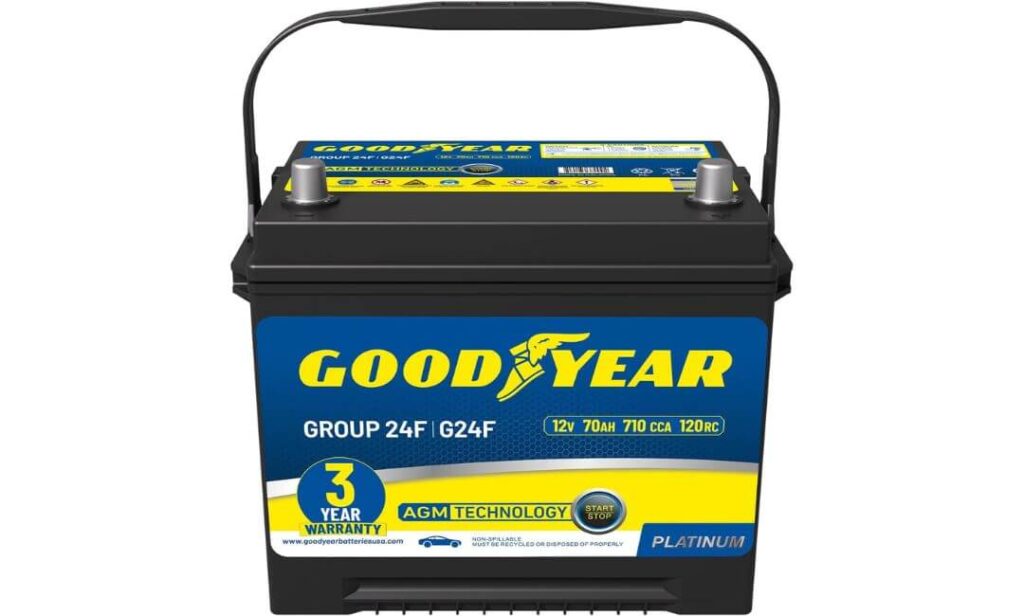
#5. Goodyear 24F-AGM Platinum Series Battery
Best Trusted Brand Replacement Battery for Toyota 4Runner Owners – Maintenance Free AGM
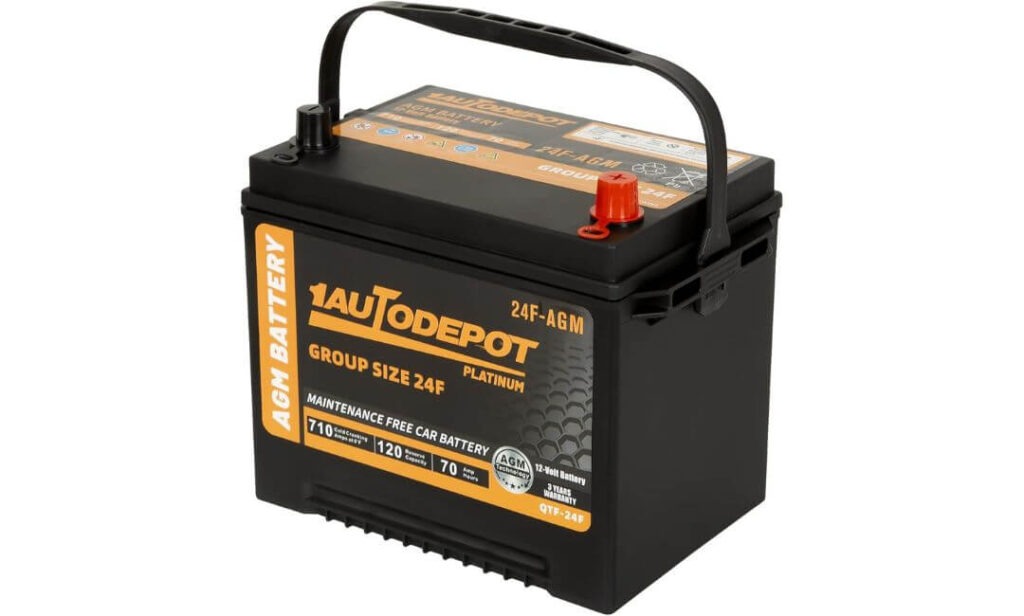
#6. 1AUTODEPOT BCI Group 24F Car Battery AGM
Best Budget-Friendly 24F Battery for Toyota 4Runner – 710 CCA / 36 Month Warranty
If you own a newer 4Runner and want the safest bet, start with Interstate. If you want AGM tech and better value, go Mighty Max. Both fit what most owners actually need: dependable starts, correct 24F sizing, and fewer battery problems later.
Expert Tip
If your 4Runner still starts “fine” but the battery is 3 to 5 years old, don’t wait for the one morning it leaves you stranded. Most batteries fail gradually first—slower cranking, dimmer lights at idle, weak starts after sitting, or electronics acting strange. Smart owners replace the battery before total failure, not after. On a newer 4Runner loaded with screens, sensors, charging ports, and modern electronics, a healthy battery keeps everything happier. Spending a little earlier usually saves a tow bill, wasted time, and a bad day later.
How We Chose These Batteries for Toyota 4Runner
We didn’t build this list around flashy brand names or paid hype. We started with the one thing that matters most on a newer Toyota 4Runner: correct Group 24F fitment. If a battery doesn’t sit properly in the tray, clamp down securely, or match terminal layout, nothing else matters. That’s why every battery here starts with the right physical size for what most newer 4Runner owners need.
Next came starting power. A midsize SUV like the 4Runner needs dependable cold-start performance, especially after sitting overnight, during winter mornings, or after short-trip city driving. That’s why we focused on batteries in the 710 to 750 CCA range. That level gives stronger crank confidence than bargain batteries that only look cheaper on day one.
Then we looked at reserve capacity, because real ownership is more than turning the key. Phone charging, dash cams, interior lighting, camping gear, audio systems, and accessories all pull power. Batteries with around 120RC earned priority because they handle extra load better and recover more confidently.
We also gave extra weight to AGM construction. AGM batteries generally resist vibration better, recharge faster, and tolerate stop-and-go use more effectively than many standard flooded designs. For 4Runner owners who drive short distances, add accessories, or use the vehicle for trips, AGM is often the smarter long-term move.
Warranty mattered too—but only when paired with real specs. A long warranty on a weak battery means very little. That’s why options like Weize, 1AUTODEPOT, and others made the list only when the numbers matched the promise.
Finally, we ranked these choices the same way experienced owners shop:
Fitment first. Power second. Durability third. Price last.
That’s why Interstate sits at the top for proven dependability, while Mighty Max ranks high for AGM value and balanced specs. Every battery here earned its spot because it makes sense for an actual 4Runner owner—not because it sounds good in an ad.
#1. Interstate Batteries Group 24F Car Battery Replacement (MTP-24F)
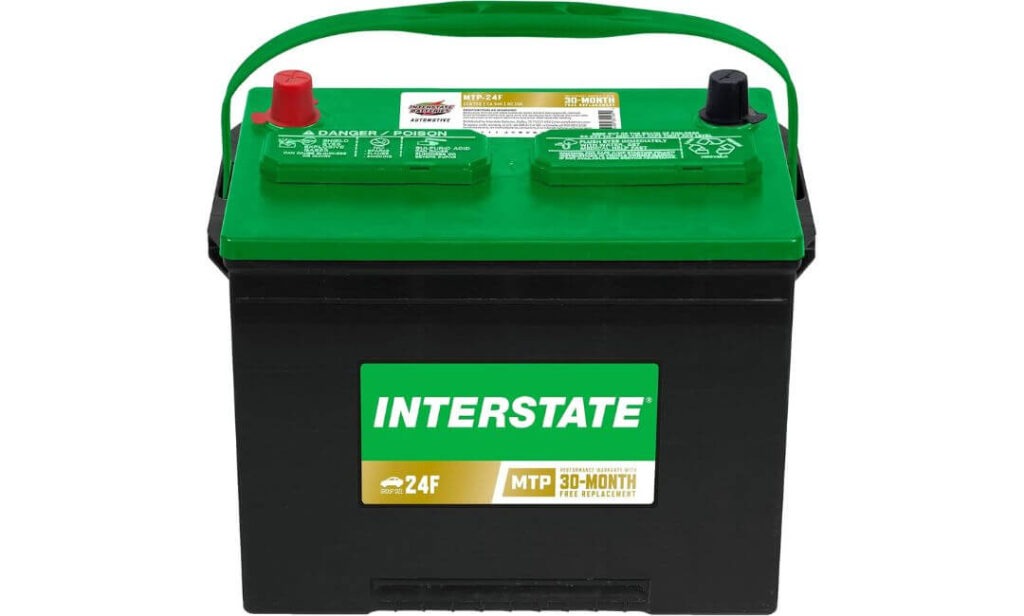
Quick Specs:
- Battery Type: Premium Flooded Lead-Acid (non-AGM)
- Group Size: 24F
- Cold Cranking Power: 750 CCA
- Cranking Amps: 935 CA
- Reserve Capacity: 130 Minutes
- Voltage: 12V
- Terminal Layout: Top Post
- Dimensions: 10.75″ L x 6.90″ W x 9.45″ H
- Weight: 43.8 lbs
- Warranty: 30 Months
- Best For: Stock daily drivers, long-life replacement, factory-style reliability
Some batteries look good on paper, then disappoint the first cold morning. This one earns respect the old-school way—by starting strong, staying steady, and doing its job without drama. With 750 CCA, it brings the kind of crank power a Toyota 4Runner appreciates, especially when the engine has been sitting overnight or temperatures dip unexpectedly.
The 130-minute reserve capacity is where this battery quietly separates itself. That extra reserve helps when interior lights stay on, doors are opened often, chargers stay plugged in, or the vehicle sits between drives. For real owners, that matters more than flashy marketing claims no one remembers after purchase.
Because it uses a traditional flooded design, replacement cost usually stays more reasonable than premium AGM options, while still delivering dependable everyday service. If your 4Runner is mostly used for commuting, errands, highway runs, or family duty, this is the type of battery many experienced owners install and forget about for years.
(Sometimes the smartest upgrade is not the fanciest one—it’s the battery that simply never lets you think about it.)
What Makes It Easy to Recommend
- Strong 750 CCA starting power for SUVs
- Excellent 130 RC for accessories and parked time
- Correct 24F footprint for many Toyota 4Runner applications
- Trusted long-running battery brand with real-world reputation
- Good balance of price, performance, and longevity
What to Keep in Mind
- It’s a flooded battery, so heavy accessory users may still prefer AGM.
Toyota 4Runner Fitment Notes
For many Toyota 4Runner setups that call for Group 24F, this battery lands in the sweet spot: correct physical size, solid starting power, and factory-style top post layout. That means less guesswork and a more straightforward replacement process.
If your 4Runner is stock or lightly modified, this is the kind of battery that feels “right” the moment it’s installed—strong starts, stable voltage, and no unnecessary overkill.
The Insider Pro-Tip
If your old battery lasted years and you were happy with how the truck behaved, don’t overcomplicate the next purchase. A high-quality 24F flooded battery with strong reserve capacity often delivers the best ownership experience for normal 4Runner use.
Before ordering, compare the height of your current battery and hold-down bracket clearance. Getting the right fit once is always cheaper than returning the wrong battery twice.
#2. Mighty Max Battery MM-G24F Start and Stop AGM Car Battery
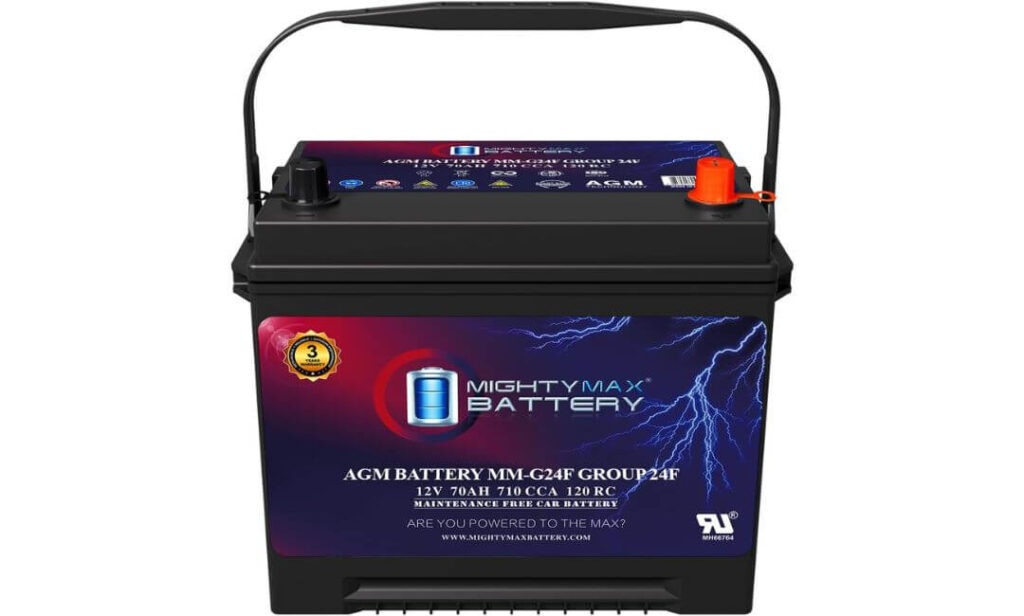
Quick Specs:
- Battery Type: AGM (sealed, spill-proof, maintenance-free)
- Group Size: 24F
- Cold Cranking Power: 710 CCA
- Reserve Capacity: 120 Minutes
- Capacity: 70Ah
- Voltage: 12V
- Terminal Layout: Post terminals (positive right / negative left)
- Dimensions: 10.75″ L x 6.75″ W x 9.00″ H
- Weight: 49.1 lbs
- Warranty: 3 Years
- Best For: Modern daily drivers, short-trip use, accessory loads, AGM upgrade seekers
Right away, this battery feels built for owners who expect more than “just starts the truck.” The 710 CCA output gives strong, consistent starts, while the AGM design adds the kind of stability many newer Toyota 4Runner owners appreciate when electronics, chargers, cameras, and daily stop-and-go driving become part of normal life.
The real value shows up in the details. A solid 120-minute reserve capacity means extra breathing room when accessories draw power or the vehicle sits longer than planned. That matters for drivers who camp, travel, commute in traffic, or use the truck for weekend runs where doors open often and devices stay plugged in.
Because it is sealed and maintenance-free, there is no mess, no fluid checks, and no typical flooded-battery fuss. Add in vibration resistance and deep discharge recovery, and this starts to look less like a budget AGM option and more like a genuinely smart buy.
(Sometimes the better battery is the one that matches how people actually use their SUV today.)
Why It Earned a High Spot on Our List
- Reliable 710 CCA for year-round starts
- AGM build handles modern electronics better
- 120 RC supports longer accessory use
- Spill-proof, maintenance-free ownership
- Strong value compared with many premium AGM names
What to Keep in Mind
- If maximum cold-crank numbers are your top priority, some higher-CCA options sit above it.
Toyota 4Runner Compatibility Notes
For Toyota 4Runner models that use Group 24F, this battery checks the boxes many owners care about most: proper footprint, practical AGM benefits, and enough reserve power for real-world use.
It especially makes sense for 4Runner owners who do frequent short drives, run accessories, or want to step up from a traditional flooded battery without overspending.
The Insider Pro-Tip
If your 4Runner sees city traffic, weekend gear, charging cables, dash cams, or longer parked periods, AGM often pays off in convenience alone. Less maintenance and steadier voltage can make the whole vehicle feel happier.
Before installing any AGM battery, make sure your charging system is healthy. Even the best battery can only perform as well as the alternator feeding it.
#3. Weize Platinum AGM Battery BCI Group 24F
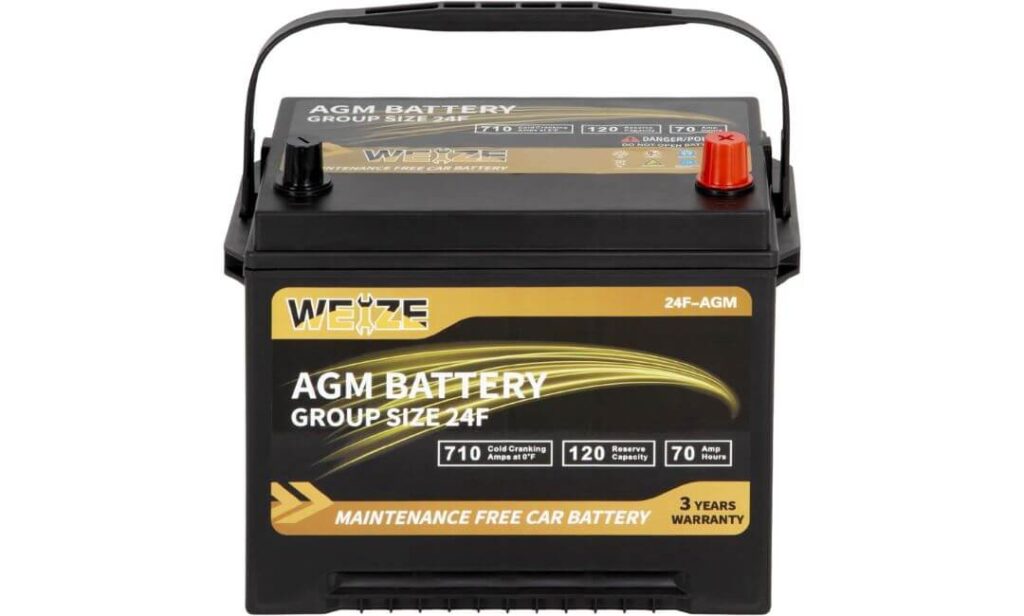
Quick Specs:
- Battery Type: AGM (sealed lead-acid, maintenance-free)
- Group Size: 24F
- Cold Cranking Power: 710 CCA
- Reserve Capacity: 120 Minutes
- Capacity: 70Ah
- Voltage: 12V
- Charging Range: 14.4V–15.0V
- Terminal Layout: Tapered terminal (Left negative / Right positive)
- Dimensions: 10.75″ L x 6.81″ W x 8.98″ H
- Weight: 46 lbs
- Warranty: 36 Months
- Best For: Value-focused owners, hot climates, stored vehicles, modern electronics
Here’s where smart buyers usually smile: this battery gives you AGM advantages, proper 24F sizing, and useful real-world specs without asking premium-brand money. With 710 CCA, it brings dependable starting power for a Toyota 4Runner, while the 120-minute reserve capacity adds confidence when lights, chargers, audio gear, or longer parked days become part of ownership.
What stands out most is how practical it feels. AGM batteries naturally resist leaks, vibration, and heat better than many standard flooded options. That matters in SUVs that see rough roads, summer heat, or stop-and-go driving. If your 4Runner spends time parked between trips, the lower self-discharge rate is another quiet win—less voltage loss, easier starts later.
The included 36-month warranty also helps this battery punch above its price class. It is the kind of option many owners buy after realizing they don’t need to overpay just to get strong numbers and AGM convenience.
(Sometimes the best battery isn’t the loudest brand—it’s the one that quietly overdelivers.)
Why It Earned Its Place on This List
- Solid 710 CCA for dependable starts
- 120 RC supports accessories and parked time
- AGM design resists spills, vibration, and corrosion
- Lower self-discharge for vehicles not driven daily
- 36-month warranty adds strong ownership value
What to Keep in Mind
- Like many value batteries, long-term lifespan can vary depending on charging system health and driving habits.
Toyota 4Runner Compatibility Notes
For Toyota 4Runner models using Group 24F, this battery lines up well with what owners actually need: proper dimensions, usable reserve capacity, and modern AGM reliability.
It is especially appealing for 4Runner owners who park the truck for days at a time, deal with hot weather, or want AGM benefits without jumping to a much higher price bracket.
The Insider Pro-Tip
If you choose a value-priced AGM battery, protect the investment with one simple habit: keep battery terminals clean and make sure the alternator is charging correctly. That alone can add meaningful life.
For 4Runners used occasionally, a short highway drive now and then does more for battery health than many people realize.
#4. UPLUS BCI Group 24F Car Battery Premium AGM
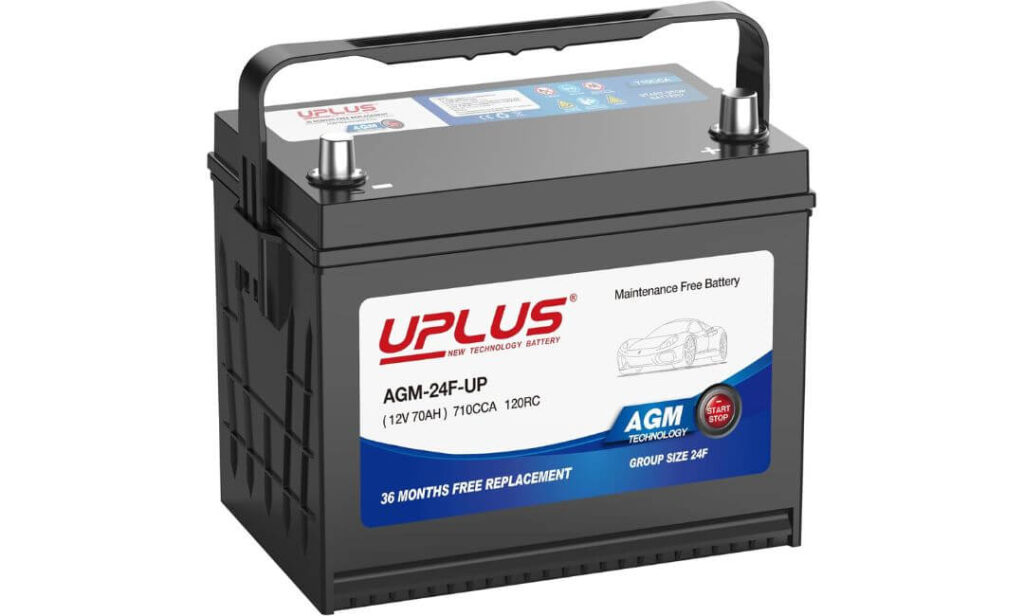
Quick Specs:
- Battery Type: Premium AGM (sealed, maintenance-free)
- Group Size: 24F
- Cold Cranking Power: 710 CCA
- Reserve Capacity: 120 Minutes
- Capacity: 70Ah class performance
- Voltage: 12V
- Terminal Layout: Left negative / Right positive
- Dimensions: 10.7″ L x 6.77″ W x 8.98″ H
- Weight: 46.8 lbs
- Warranty: 3 Years
- Best For: Short-trip drivers, stop-and-go traffic, accessory-heavy SUVs, parked vehicles
Truthfully, many Toyota 4Runner owners don’t need the most expensive battery—they need one that handles how the truck is actually used. This option was clearly built with that in mind. With 710 CCA, starts stay confident, while the 120-minute reserve capacity adds welcome backup for lights, chargers, audio gear, and the everyday power draw modern SUVs deal with.
Where it becomes more interesting is the internal design. The brand claims 4x extra cycle life over standard conventional batteries, which matters for vehicles used on short drives, repeated starts, city traffic, or long idle periods. That type of use quietly wears down weaker batteries faster than most people realize.
Its AGM construction also helps with vibration resistance, spill protection, and stable output. For a 4Runner that sees rough roads, family duty, work commutes, or weekend trips, this is the kind of battery that can feel smarter than chasing a flashy label.
(A battery earns trust when it handles daily abuse without asking for attention.)
Why It Deserves Consideration
- Reliable 710 CCA for dependable starts
- 120 RC supports electronics and parked time
- AGM design with maintenance-free ownership
- Built for stop-and-go and frequent restart use
- Strong vibration resistance for SUV life
What to Keep in Mind
- Brand recognition is lower than some legacy names, though specs remain competitive.
Toyota 4Runner Compatibility Notes
For Toyota 4Runner models requiring Group 24F, this battery offers the dimensions and terminal layout many owners need for a straightforward replacement.
It makes especially good sense for drivers who spend time in traffic, make frequent short trips, or leave the truck parked for several days between uses.
The Insider Pro-Tip
If your 4Runner mainly does errands, school runs, city traffic, or short hops, battery cycling matters almost as much as raw CCA. That’s where AGM batteries like this can quietly outperform cheaper conventional choices over time.
When replacing your battery, reset your expectations too: if the old one was weak, smoother starts and steadier electronics can feel like a mini vehicle refresh.
#5. Goodyear 24F-AGM Platinum Series Automotive Battery
Quick Specs:
- Battery Type: AGM (sealed, maintenance-free)
- Group Size: 24F
- Cold Cranking Power: 710 CCA
- Reserve Capacity: 120 Minutes
- Capacity: 70Ah
- Voltage: 12V
- Terminal Layout: Right positive / Left negative
- Dimensions: 10.5″ L x 6.75″ W x 9.0″ H
- Weight: 48+ lbs class
- Warranty: 36 Months
- Best For: Brand-trust buyers, daily use SUVs, climate extremes, clean AGM replacement
Sometimes the numbers matter, and sometimes the name on top matters too. This battery gives you both. With 710 CCA, 120 reserve minutes, and AGM construction, it delivers the core specs Toyota 4Runner owners usually look for—while the Goodyear name adds the kind of instant trust many buyers appreciate when choosing something as important as a battery.
Performance-wise, it checks smart boxes. The AGM build is sealed, spill-proof, and built to handle vibration better than many conventional designs. That becomes useful in SUVs that deal with rough roads, summer heat, winter mornings, or a cargo area full of gear moving around. The 120 RC also helps when the truck sits, accessories run, or doors are opened often during family trips and errands.
What makes it appealing is balance. It doesn’t try to be flashy or overcomplicated. It simply offers modern AGM convenience, practical output, and a familiar name many drivers already trust.
(Sometimes confidence starts before the engine does.)
Why It Made Our Recommended List
- Reliable 710 CCA starting power
- 120 RC for extra accessory support
- AGM construction with no maintenance fuss
- Good resistance to vibration and temperature swings
- Recognized brand name many buyers trust quickly
What to Keep in Mind
- Like several AGM value options, long-term lifespan can depend heavily on charging system condition and usage habits.
Toyota 4Runner Compatibility Notes
For Toyota 4Runner models that use Group 24F, this battery offers the sizing and terminal orientation many owners expect from a clean replacement option.
It is a strong fit for drivers who want AGM benefits without overthinking the purchase, especially when brand familiarity helps narrow the shortlist.
The Insider Pro-Tip
If you keep vehicles a long time, battery buying gets easier when you stop chasing hype and start chasing fitment, reserve capacity, and warranty. This option scores well in all three areas.
When installing any new battery in a 4Runner, clean the hold-down tray and terminals first. A fresh battery deserves a clean foundation.
#6. 1AUTODEPOT BCI Group 24F Car Battery Premium AGM
Quick Specs:
- Battery Type: AGM (sealed, maintenance-free)
- Group Size: 24F
- Cold Cranking Power: 710 CCA
- Reserve Capacity: 120 Minutes
- Capacity: 70Ah
- Voltage: 12V
- Charging Range: 14.4V–15.0V
- Terminal Layout: Left negative / Right positive
- Dimensions: 10.75″ L x 6.81″ W x 8.89″ H
- Weight: 46.07 lbs
- Warranty: 36 Months
- Best For: Budget-minded AGM buyers, occasional-use SUVs, daily drivers wanting modern battery tech
Let’s be honest—many Toyota 4Runner owners want AGM benefits without paying premium-brand prices. That is exactly where this battery enters the conversation. With 710 CCA, 120 reserve minutes, and a proper 24F footprint, it offers the kind of specs that matter in real use: dependable starts, stable accessory power, and easier ownership than many conventional batteries.
Its AGM construction helps in ways owners actually notice over time. Lower self-discharge means the truck is less likely to feel weak after sitting several days. The sealed design also reduces spill and corrosion concerns, while vibration resistance is a welcome plus for SUVs that see rough roads, cargo movement, or weekend adventures.
What makes this battery attractive is simple value math. You are getting modern battery technology, useful numbers, and a 36-month warranty without stepping into higher-price territory. For many buyers, that is the sweet spot.
(Sometimes the smartest buy is the one that gives you 90% of the premium experience for far less money.)
Why It Earned a Spot in This Lineup
- Strong 710 CCA starting performance
- 120 RC for accessories and backup runtime
- AGM design with no routine maintenance
- Lower self-discharge for parked vehicles
- 36-month warranty adds confidence at value pricing
What to Keep in Mind
- Because dimensions can run slightly taller than some OEM batteries, checking tray and hold-down clearance first is wise.
Toyota 4Runner Compatibility Notes
For Toyota 4Runner models that use Group 24F, this battery brings the sizing and power numbers many owners want in an affordable AGM replacement.
It is especially appealing for drivers who want to upgrade from a standard flooded battery, keep costs sensible, and still gain AGM convenience for everyday ownership.
The Insider Pro-Tip
If your 4Runner sits for days between drives, AGM batteries can feel like a bigger upgrade than many people expect. Better charge retention often matters more than chasing the highest CCA number.
Before buying any replacement battery, measure height under the hold-down bracket. Two minutes with a tape measure can save a frustrating return later.
Best Battery for a Toyota 4Runner Matchup: Top 24F Batteries Tested by Specs
| Battery | Power | Reserve | Type | Warranty | Best Use | 4Runner Fit | Value Score |
|---|---|---|---|---|---|---|---|
|
Interstate MTP-24F
Premium flooded choice with strongest numbers
|
750 CCA | 130 RC | Flooded | 30 Months | Best Overall | Excellent | 9.8 / 10 |
|
Mighty Max MM-G24F
AGM favorite for modern daily use
|
710 CCA | 120 RC | AGM | 36 Months | Best AGM Value | Excellent | 9.6 / 10 |
|
Weize Platinum 24F
Strong specs with long warranty appeal
|
710 CCA | 120 RC | AGM | 36 Months | Best Warranty | Very Good | 9.4 / 10 |
|
UPLUS 24F AGM
Made for short trips and traffic life
|
710 CCA | 120 RC | AGM | 36 Months | Best City Use | Very Good | 9.2 / 10 |
|
Goodyear 24F-AGM
Trusted name with balanced specs
|
710 CCA | 120 RC | AGM | 36 Months | Best Brand Trust | Very Good | 9.0 / 10 |
|
1AUTODEPOT 24F AGM
Budget AGM with solid real specs
|
710 CCA | 120 RC | AGM | 36 Months | Best Budget AGM | Good | 8.9 / 10 |
Buyer’s Guide: What to Look for When Choosing a 24F Battery for Toyota 4Runner
Buying a battery for a Toyota 4Runner sounds simple until you realize how many owners end up replacing the wrong one twice. On paper, many batteries can “work.” In real life, the right battery needs to fit properly, start reliably, support electronics, survive heat and vibration, and hold up over time. That is where smart shopping matters.
A newer 4Runner is not just an engine and starter anymore. It may carry multiple charging ports, infotainment systems, sensors, lighting upgrades, dash cams, towing accessories, or weekend gear. Choosing the right Group 24F battery means matching how you actually use the SUV—not just buying the cheapest box on the shelf.
Battery Size and Proper 24F Fitment Matter First
Before looking at brand names or warranty claims, confirm the battery size. For many Toyota Toyota 4Runner applications, Group 24F is the starting point because it matches tray space, hold-down placement, and terminal orientation many owners need.
Even small size differences can create annoying problems: loose hold-down brackets, cable strain, hood clearance issues, or batteries that technically fit but never sit correctly. That is why dimensions matter just as much as the label on the case.
If your old battery was installed cleanly and trouble-free, measure it before buying anything new. Correct fitment saves time, returns, and frustration.
Why Cold Cranking Amps (CCA) Deserve Attention
CCA measures how strongly a battery can start the engine in cold conditions. Even if you do not live in a freezing climate, higher CCA often still helps with stronger morning starts, aged starters, short-trip driving, and vehicles carrying extra electrical load.
For a 4Runner, batteries in the 710 to 750 CCA range are usually a smart target. That is why many top choices in this guide sit there.
A weak battery may still start the truck today, then suddenly struggle when weather changes or after sitting overnight. Buying enough CCA now is cheaper than dealing with a no-start later.
Why AGM Batteries Make Sense for Many 4Runner Owners
AGM (Absorbent Glass Mat) batteries cost more upfront, but many owners find the upgrade worth it. They are sealed, maintenance-free, spill-resistant, and generally handle vibration better than standard flooded batteries.
That matters in a Toyota 4Runner because many owners use them for rough roads, trails, towing, family travel, camping, and stop-and-go city life. AGM batteries also tend to recharge faster and cope better with repeated starts and accessory use.
If your SUV carries lights, audio upgrades, chargers, cameras, or sits between trips, AGM often feels like money well spent.
OEM Terminal Layout and Cable Reach Should Never Be Ignored
Many battery returns happen because people focus only on group size and forget terminals. You need the correct top-post layout, correct polarity, and enough cable reach to connect without stretching wires.
Most 24F batteries in this guide follow the layout many 4Runner owners need, but checking your current battery first is still the safest move. A battery that “almost fits” can become a headache fast.
Always compare:
- Positive and negative post location
- Height under hold-down bracket
- Cable length and angle
- Tray width and clamp points
Reserve Capacity, Warranty, and Real Ownership Value
Reserve Capacity (RC) tells you how long the battery can keep supplying power if the charging system is not keeping up. In daily ownership, this matters more than people think.
If doors stay open while loading gear, chargers remain plugged in, lights run during camping, or the vehicle sits, extra RC helps. Around 120 minutes RC is a strong number for many 4Runner owners.
Warranty matters too, but it should never be the only reason to buy. A long warranty on a weak battery is still a weak battery. Look for balanced combinations: good CCA, solid RC, AGM construction, and fair warranty coverage.
Trim Levels, Accessories, and How You Use the SUV
Not every 4Runner owner needs the same battery. A stock commuter SUV has different needs than one with off-road lights, audio gear, a fridge setup, winch, or towing duty.
Think honestly about your use:
- Mostly commuting and errands → strong flooded or AGM battery works
- Short trips and city traffic → AGM is often better
- Accessories and camping gear → prioritize reserve capacity
- Cold mornings or seasonal weather → prioritize higher CCA
- Long parking gaps → AGM with lower self-discharge helps
The right battery is the one that matches your habits, not someone else’s build.
One Smart Buying Rule Most Owners Ignore
Never buy a battery only because it is on sale. Buy the one you will not think about again for years.
That usually means correct 24F fitment, enough CCA, useful reserve capacity, solid build quality, and a warranty from a brand you trust. Do that once, and your Toyota 4Runner will remind you every morning that you chose well.
How to Install a New 24F Battery in Your Toyota 4Runner and Verify OEM Fit the Right Way
Installing a battery in a Toyota 4Runner is not difficult, but doing it carelessly creates the kind of problems owners blame on the battery later—loose terminals, warning lights, poor charging, random electrical glitches, or vibration damage from a battery that was never secured correctly.
A proper install is more than swapping two cables. You want the right Group 24F fitment, correct polarity, solid hold-down pressure, clean connections, and a quick system check once the engine is running. Done correctly, the truck starts stronger, electronics behave normally, and the battery has a better chance of lasting its full life.
Before You Start: Tools and Safety Basics
Gather a few simple tools before opening the hood:
- Socket set or wrench (commonly 10mm for terminals)
- Gloves
- Safety glasses
- Battery terminal brush or wire brush
- Rag or towel
- Baking soda + water mix for corrosion cleanup
- Multimeter if available
Turn the vehicle fully off, remove the key or fob from the immediate area, and make sure lights, accessories, and chargers are off.
If the old battery is swollen, leaking, or heavily corroded, handle it carefully and keep it upright.
Step 1: Confirm the New Battery Before Removing the Old One
Before disconnecting anything, compare the new battery to the old battery still installed in your Toyota Toyota 4Runner.
Check these points:
- Group size: 24F
- Similar length, width, and height
- Terminal posts in the same positions
- Hold-down ledge or case shape matches tray style
- Positive and negative cable reach looks natural
This is the easiest moment to catch a wrong battery before the old one is already out.
Step 2: Disconnect the Old Battery Correctly
Always remove the negative (-) terminal first. This reduces the chance of accidental shorting if a tool touches metal.
Then remove the positive (+) terminal.
After both cables are free:
- Undo the hold-down bracket or top clamp
- Lift the battery straight up with both hands
- Keep it upright to avoid spills from flooded batteries
Many batteries are heavy, so lift carefully.
Step 3: Clean the Tray and Terminals Before Installing Anything New
This step gets skipped constantly, and it matters.
Use a brush and rag to clean:
- Battery tray dirt or acid residue
- Hold-down bracket rust or debris
- Cable terminal corrosion
- Loose buildup around connectors
If corrosion is present, a light baking soda solution can help neutralize residue. Dry everything before installing the new battery.
A fresh battery placed on a dirty tray is like putting new shoes in mud.
Step 4: Set the New 24F Battery Into Place
Lower the new battery carefully into the tray with terminals facing the correct direction.
Make sure it sits:
- Flat on the tray
- Centered in the hold-down area
- With no rocking or tilt
- With enough hood clearance above it
If it does not sit naturally, stop and re-check fitment. Never force a battery that “almost fits.”
Step 5: Secure the Hold-Down Properly
Install the factory hold-down bracket or clamp and tighten it firmly.
The battery should not slide or shift when pushed by hand, but you also do not want to overtighten and crack the case.
This matters more than many people realize. Vibration shortens battery life, especially in SUVs that see rough roads or off-road use.
Step 6: Reconnect the Cables in the Correct Order
Now reverse the removal order:
- Connect positive (+) terminal first
- Connect negative (-) terminal second
Ensure both clamps are fully seated and snug. Loose terminals can cause:
- Slow cranking
- Flickering electronics
- Charging issues
- Heat at the connection point
- Random warning lights
A battery can be brand new and still perform badly if terminal contact is poor.
Step 7: Verify Voltage Before Starting
Use a multimeter across the battery terminals with the engine off.
Healthy resting voltage for a charged battery is commonly around:
- 12.6V to 12.8V = strong charge
- 12.4V = usable but not full
- Below 12.2V = needs charging or further inspection
Some newly shipped batteries may vary slightly, but low resting voltage should be noted.
Step 8: Start the Engine and Check Charging System Voltage
Start the 4Runner and watch crank strength. It should sound confident and immediate.
With the engine running, check battery voltage again. Most healthy charging systems will show roughly:
- 13.7V to 14.7V depending on conditions and system strategy
If voltage stays too low or spikes unusually high, the alternator or charging control system may need inspection.
Step 9: Final OEM Fit Check After Installation
Once installed, confirm these real-world fitment points:
- Hood closes without touching battery
- Hold-down bracket is secure
- Cables are not stretched or twisted
- No movement in tray
- Positive terminal cover fits if equipped
- No warning lights after startup
This final check separates a rushed install from a proper one.
How to Confirm OEM-Level Fit Before You Buy Next Time
The smartest owners verify fitment three ways, not one:
- Match Group 24F size
- Compare dimensions to old battery
- Check terminal orientation
- Review fitment notes for your trim
- Confirm tray and hold-down style
If your 4Runner has aftermarket lights, audio gear, fridge setups, winch wiring, or added accessories, also verify cable routing and clearance before purchase.
One Real-World Tip Most Owners Learn Late
If the battery barely fits, it does not fit.
A true OEM-style replacement drops in cleanly, clamps down properly, and reconnects without cable tension. That is the battery worth keeping in your Toyota 4Runner.
Toyota 4Runner Battery Maintenance Guide: Real Tips to Make Your Battery Last Longer
A good battery can feel invisible when everything works. The engine starts, lights come on, electronics behave, and you never think about it. Then one weak morning changes that fast. The truth is, most Toyota 4Runner battery failures give warning signs long before they die completely. Owners simply miss them.
Whether you use your 4Runner for daily driving, family trips, off-road weekends, towing, or occasional use, battery maintenance is one of the easiest ways to avoid no-start surprises and expensive inconvenience. A few smart habits can add meaningful life to almost any quality battery.
Check Battery Voltage Regularly, Not Only When Problems Start
Most people test the battery after it feels weak. Smarter owners check before that point.
Using a simple multimeter with the engine off after the vehicle has rested:
- 12.6V to 12.8V usually means healthy charge
- 12.4V means partly discharged
- 12.2V or lower deserves attention soon
- Below that repeatedly may signal battery wear or charging issues
Checking voltage every month or two gives you a trend, and trends matter more than one random reading.
If your Toyota Toyota 4Runner suddenly starts reading lower than usual after similar driving habits, something is changing.
Keep Battery Terminals Clean and Tight
Corroded terminals can mimic a bad battery. Slow starts, flickering electronics, warning lights, and charging complaints often come from poor connection rather than a dead battery.
Inspect terminals for:
- White or blue crust buildup
- Loose clamps
- Moisture or residue
- Damaged cable ends
Clean lightly with a battery brush and appropriate cleaner, then tighten properly. Not over-tight, just secure.
A strong battery connected badly will still act weak.
Know the Real Signs It’s Time to Replace the Battery
Many owners wait for complete failure. That usually happens at the worst time.
Watch for these early warning signs:
- Slower cranking than normal
- Interior lights dim during startup
- Battery needing jump starts
- Voltage dropping often after sitting
- Electronics acting strange at startup
- Sulfur smell
- Swollen or bulging battery case
- Age approaching 3 to 5 years depending on climate and use
If multiple signs appear together, replacement is often smarter than gambling on “one more season.”
Heat Is Often Harder on Batteries Than Cold
Cold weather exposes weakness, but heat often causes the damage first.
High temperatures accelerate internal wear, fluid loss in flooded batteries, and plate degradation. If your 4Runner lives in hot climates, parked outside often, or sees summer stop-and-go traffic, battery life may shorten even if winter never gets severe.
That is one reason many owners prefer AGM batteries—they generally tolerate heat and vibration better than standard flooded options.
Short Trips Quietly Reduce Battery Life
Frequent short drives can be harder on a battery than long highway miles.
Every startup takes energy. If the trip is too short, the alternator may not fully recharge what was used. Repeating that cycle daily slowly weakens the battery.
If your driving pattern is mostly:
- school runs
- grocery stops
- short city errands
- heavy traffic commuting
Then occasional longer drives help battery health more than many people realize.
Storage Tips for Long Parking or Seasonal Use
Some 4Runners are weekend toys, travel rigs, or secondary vehicles. Long sitting periods can drain batteries through natural self-discharge and vehicle electronics.
If parking for extended periods:
- Fully charge the battery first
- Turn off accessories and unplug add-ons
- Use a smart maintainer/trickle charger if safe to do so
- Start and drive the vehicle periodically when possible
- Keep battery top clean and dry
AGM batteries often handle storage better, but no battery likes neglect.
How Accessories Change Battery Life
Modern 4Runner owners love upgrades—and many upgrades draw power.
Examples include:
- Winches
- Off-road lighting
- Refrigerators
- Dash cams
- Amplifiers
- Air compressors
- Chargers and inverters
- Dual battery systems
These additions can shorten battery life if the battery is undersized or repeatedly drained.
If your build includes accessories, prioritize:
- Higher reserve capacity
- AGM construction
- Healthy alternator output
- Proper wiring and fusing
- Battery monitoring habits
The battery should match the build, not the other way around.
Lift Kits and Off-Road Use Matter Too
A lift kit itself does not kill batteries, but the lifestyle around it can.
Lifted 4Runners often see:
- rougher terrain
- more vibration
- more accessories
- slower trail speeds with lights running
- longer parked camp use
That environment rewards batteries with stronger construction and secure hold-down mounting.
One Habit That Extends Battery Life More Than People Expect
Drive the vehicle regularly and keep charging voltage healthy.
A battery that stays charged, stays clean, and avoids deep discharge usually lasts longer than one ignored until failure. Fancy branding cannot overcome poor maintenance.
Smart Owner Rule for Toyota 4Runner Batteries
Do not judge battery health by “it started today.”
A weakening battery may still start for weeks before it quits. Watch voltage, crank speed, age, and behavior. Replacing it early is often cheaper than a tow truck, missed plans, or being stranded in a parking lot.
FAQs About Toyota 4Runner Battery
What battery size should I actually buy for a Toyota 4Runner if online fitment tools show different answers?
This happens more than most buyers realize. Some fitment tools use broad databases, older trim carryovers, or incomplete updates, which can show multiple battery sizes for the same Toyota Toyota 4Runner model year. That does not always mean all of them are equally correct.
The smartest move is to verify three things on your actual vehicle:
- Current battery group size label
- Tray dimensions and hold-down style
- Terminal orientation and cable reach
If your truck already uses 24F cleanly from factory or previous correct replacement, that is usually the strongest clue. Real-world fitment on your own 4Runner beats generic database guesses every time.
Is an AGM battery really worth it for a Toyota 4Runner, or is it just marketing?
For some owners, AGM is unnecessary. For many 4Runner owners, it is a genuinely smart upgrade.
If your SUV is used for short trips, sits between drives, runs dash cams, chargers, off-road lights, camping gear, or sees rough roads, AGM batteries usually offer real advantages: better vibration resistance, sealed construction, stronger recharge behavior, and cleaner ownership with no fluid maintenance.
If your 4Runner is mostly a simple commuter with no accessories and regular long drives, a quality flooded battery can still make sense. But if the vehicle lives a harder life than average, AGM often earns its price back in convenience and consistency.
Can I use a higher CCA battery in my Toyota 4Runner than factory spec?
Yes—within the correct battery size and fitment, using a higher CCA battery is commonly fine and often beneficial. The starter only draws the power it needs; the battery does not “force” excess cranking amps into the system.
That means moving from a weaker battery to something in the 710–750 CCA range can help with:
- stronger cold starts
- aging starter performance
- short-trip recovery confidence
- accessory-heavy setups
What matters more than chasing the biggest CCA number is buying the right 24F fitment, solid reserve capacity, and quality construction.
Why does my 4Runner battery keep dying even after installing a new one?
A new battery does not always solve the real problem. Many repeat battery failures come from the vehicle, not the battery itself.
Common causes include:
- weak alternator charging output
- parasitic drain while parked
- loose or corroded terminals
- frequent short trips with poor recharge time
- accessories wired incorrectly
- old battery cables or bad grounds
If a fresh battery weakens quickly, test the charging system and parasitic draw before blaming the replacement battery. Many owners buy two batteries when they really needed one diagnosis.
How long should a Toyota 4Runner battery realistically last in real ownership?
Realistically, most batteries last around 3 to 5 years, but climate and usage matter more than calendar age. A battery in extreme heat, constant short-trip driving, or heavy accessory use may age faster than one living an easy highway life.
A 4Runner battery often lasts longer when it gets:
- regular longer drives
- clean terminals
- healthy charging voltage
- no repeated deep discharge
- proper secure mounting
The smartest owners do not wait for complete failure. If cranking slows, voltage drops often, or the battery is aging out, replacing early usually costs less stress than waiting for the bad morning.
Final Verdict: The Right Battery Makes a Good 4Runner Feel Better
A Toyota Toyota 4Runner is the kind of SUV people keep for years, sometimes decades. That is exactly why the battery you choose matters more than it would in an average vehicle. This is not just about starting the engine. It is about daily confidence, steady electronics, cleaner cold starts, reliable weekend trips, and knowing the truck will respond when you need it.
After comparing fitment, real-world power, reserve capacity, AGM advantages, warranty value, and ownership practicality, the strongest all-around pick remains Interstate MTP-24F for buyers who want proven dependability and serious starting strength. If you want AGM technology, maintenance-free convenience, and better value per dollar, Mighty Max MM-G24F stands out as the smarter upgrade.
The biggest mistake most owners make is waiting until the battery decides for them. By then, the choice usually happens in a parking lot, in bad weather, or when you are already late. Choosing the right 24F battery now means you stay in control later.
Buy for fitment first, quality second, and your actual driving habits third. Do that once, do it right, and your 4Runner will remind you every morning why it was worth it.
Also Check:

