6 Best Water Pumps for 6.7 Cummins (Fix Overheating, Leaks & Coolant Loss Fast)
If you’re here, chances are your 6.7 Cummins is either running hotter than it should, leaving coolant spots on the driveway, or you’ve started hearing that faint grinding noise that every diesel owner dreads. And let me tell you straight — when a water pump starts going out on a Cummins, it doesn’t fail politely. It takes thermostats, belts, and sometimes even head gaskets along for the ride if you ignore it too long.
Over the years — in the shop and out in the real world — I’ve seen stock pumps start weeping as early as 70–90K miles, especially on trucks that tow heavy, idle long, or run tuned. The factory design isn’t terrible, but once bearing play starts or the impeller loses efficiency, coolant flow drops fast — and that’s when temps creep up pulling grades or hauling loads.
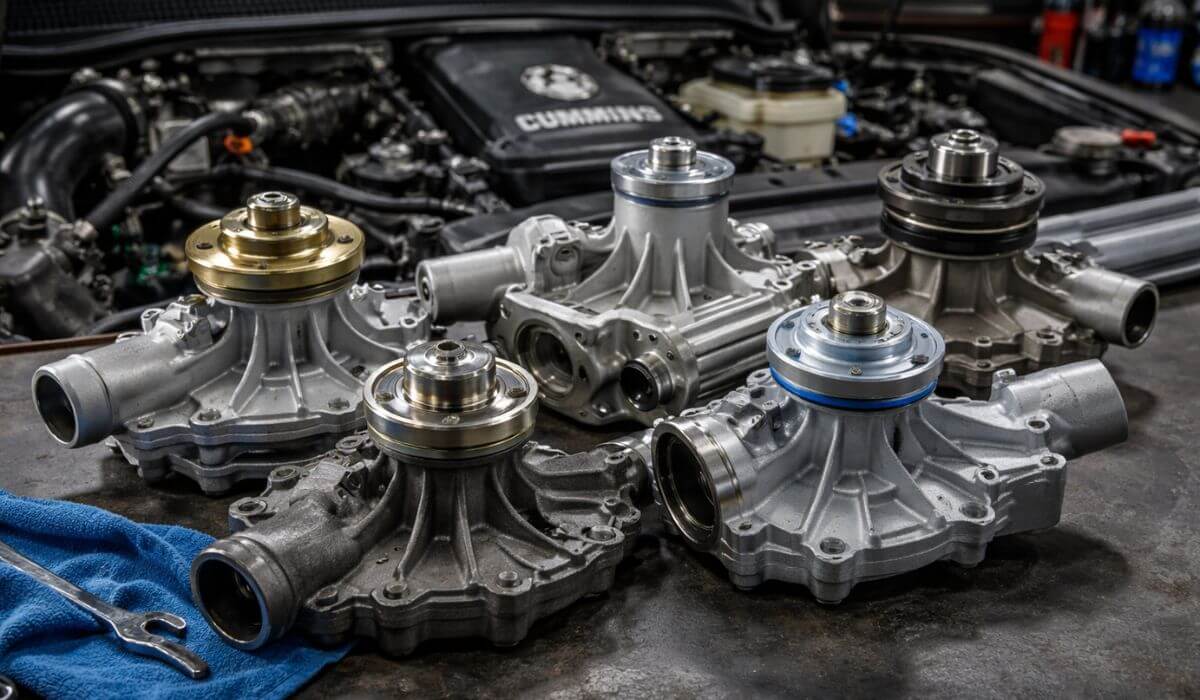
So instead of throwing random parts at your truck, we dug deep — parts catalogs, fleet maintenance records, diesel forums, and real mechanic feedback — to narrow this down to six water pumps that actually hold up on the 6.7L Cummins under real working conditions.
Two names kept coming up again and again in terms of reliability and install confidence:
- Gates 42291 Premium Engine Water Pump — known for OE-grade casting, precision bearings, and long service life.
- Vipcar 01021 Engine Water Pump — surprisingly solid cooling performance for the price, with fitment accuracy across multiple Ram HD model years.
The rest of the list covers budget replacements, fleet-grade alternates, and cross-compatible pumps that mechanics use when OEM stock is tight or customers want cost-effective cooling fixes.
Bottom line — every pump here fits Ram 2500 / 3500 (and larger chassis trucks) with the 6.7 Cummins, and more importantly, they’re chosen based on:
- Bearing durability under diesel vibration
- Impeller flow efficiency
- Housing strength & sealing
- Long-term leak resistance
- Real-world towing heat control
If your goal is to fix overheating, stop coolant loss, and not touch the job again for the next 100K miles, you’re in the right place.
6 Best Water Pumps for 6.7 Cummins (OEM & Aftermarket Tested)
#1. Gates 42291 Premium Engine Water Pump — Best Overall Replacement
#2. Vipcar 01021 Engine Water Pump — Best Budget Cooling Fix
#3. AULINK AW6222 Water Pump — Best OEM-Spec Bearing Build
#4. OAW CR4410 Water Pump — Best Direct OE Replacement
#5. BDFHYK AW6222 Engine Water Pump — Best Multi-Fit Fleet Option
#6. MOTOKU Engine Water Pump — Best Value Replacement Pump
Expert Mechanic Tip Before You Pick a Water Pump
Here’s something most parts stores — and honestly, most blogs — won’t tell you.
On the 6.7 Cummins, water pump failure usually isn’t just about the pump itself — it’s about cooling system pressure balance and belt load.
I’ve pulled pumps off trucks with barely 60K miles where the bearing was already shot… not because the pump was junk, but because the fan clutch was starting to drag or the serpentine belt tensioner was weak. That extra load transfers straight into the pump shaft bearing — and once that bearing develops play, the seal goes next. That’s when you see coolant dripping from the weep hole.
So before you bolt a new pump on, do this:
- Spin the fan clutch by hand — it should feel smooth, not gritty or overly stiff.
- Check belt tension — if the belt flutters at idle, the tensioner is tired.
- Look at pulley alignment — even slight wobble kills pump bearings early.
Another pro move most DIY installs skip:
Always flush the block before installing the new pump.
Cummins blocks hold sediment — especially if coolant changes were ignored. That debris eats impeller blades and seals over time. I’ve seen brand-new pumps start leaking within months because the system was full of scale.
And one more thing specific to the pumps in this list:
Premium units like Gates or OE-spec builds use tighter bearing tolerances. That’s great for longevity — but it also means they hate dry starts. Always pre-fill the pump cavity with coolant before first crank.
It takes 30 seconds… and can add years to pump life.
Do the install right once, and you won’t be back in there for another 100K miles — even if the truck tows hard.
That’s the difference between just replacing parts… and fixing the problem like a diesel tech.
#1. Gates 42291 Premium Engine Water Pump
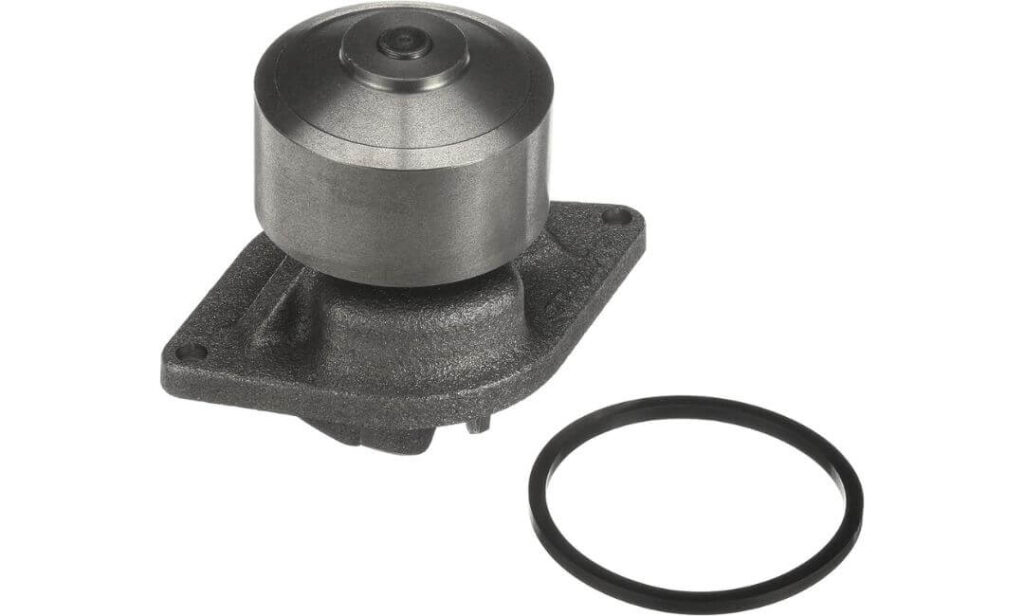
Key Specs:
- Fitment: 2007–2012 Ram 2500 / 3500 6.7L Cummins
- OEM Cross-Ref: 3800984, 4891252, 68003402AA, 68003402AB
- Build: Premium alloy housing, OE-spec impeller
- Seal: Included O-Ring
- Testing: 100% leak & bearing tested
- Warranty: Limited Lifetime
If you’ve worked around Cummins trucks long enough, you already know Gates isn’t some off-brand gamble — it’s one of those names that shows up both in OEM supply chains and heavy-duty fleet maintenance shelves. The 42291 follows that same pattern. Casting quality is tight, impeller machining is clean, and once you hold it side-by-side with a tired factory pump, the difference in bearing stiffness is obvious. No shaft wobble, no loose play — just that firm, resistance-loaded spin you want before bolting it onto a 6.7 that sees towing duty.
On actual installs (2007–2012 Rams), fitment is dead-on — bolt holes line up, pulley sits flush, and coolant passage ports seal properly with the supplied O-ring. Cooling flow stays consistent even under load — meaning highway pulls, trailer grades, and summer idle temps stay stable instead of creeping. Some guys point out the weep hole orientation looks different than stock — but in practice, it doesn’t affect pressure balance or leak detection. Once primed and bled right, it runs dry and quiet like an OE pump should.
Where this pump really earns trust is long-term sealing. Gates pressure-tests seals, bearings, and housings before boxing — and that shows. No early seepage, no gasket distortion, no premature shaft noise if belt tension is set correctly. For most Cummins owners, this ends up being a install-it-once-and-forget-it type replacement rather than a temporary fix.
What Makes It a Smart Buy for 6.7 Cummins Owners
- OE-grade bearing load capacity handles diesel vibration without early shaft play
- Precision-cast impeller maintains steady coolant circulation under towing heat loads
- Factory-spec housing thickness resists warping from long idle heat cycles
- Proven seal design minimizes weep-hole seepage over high-mileage use
Install Insight (From Shop Floor Experience)
Before installing this pump, lightly coat the O-ring with fresh coolant or assembly lube — never install it dry. Cummins front covers have tight sealing surfaces, and a dry O-ring can twist during torque-down, causing slow seep leaks weeks later.
Do it right on install… and this pump likely won’t need attention again for the next 100K miles.
#2. Vipcar 01021 Engine Water Pump
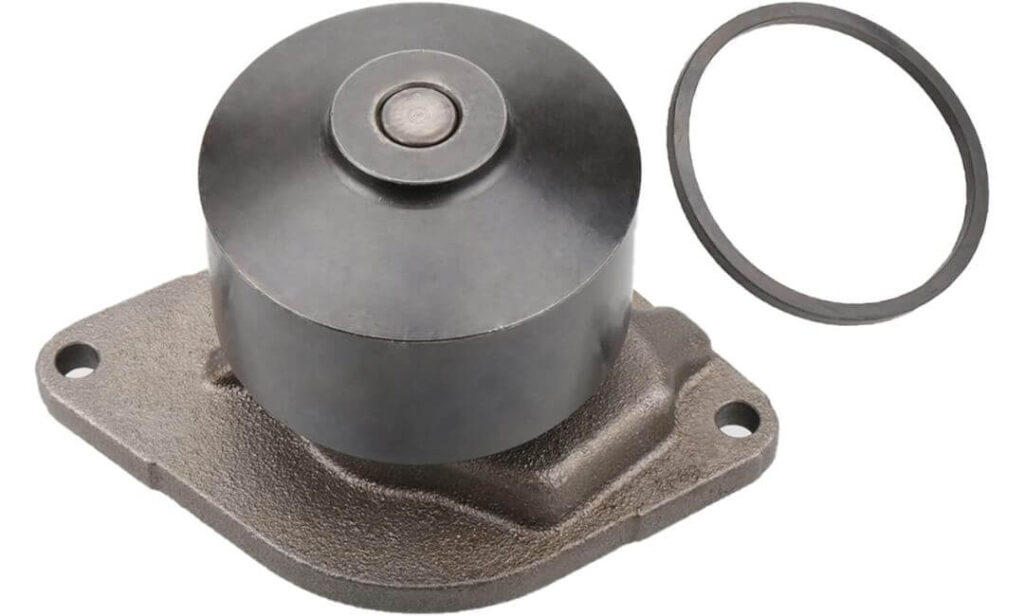
Key Specs:
- Fitment: 2007–2012 Ram 2500 / 3500 / 4500 / 5500 — 6.7L Cummins
- Housing Material: Cast Iron
- Impeller: 7-Vane Composite
- OEM Cross-Refs: 68003402AA / AB, 4891252, 5473238, 3800984, 2881804
- Build Standard: ISO/TS16949 OEM Factory
- Warranty: 24-Month / 30,000 Miles
If you’re trying to fix overheating on a 6.7 without dropping premium money, this is the pump that usually comes up in shop conversations — not because it’s flashy, but because it quietly does the job without drama. The cast-iron housing alone already puts it ahead of many budget pumps that use thinner alloy shells. You feel the weight difference the moment you pick it up — heavier body, tighter shaft resistance, and a more planted bearing feel when rotated by hand.
Flow performance is where it holds its ground. The 7-vane composite impeller moves coolant with enough force to stabilize temps even when the truck’s working — towing, long idle hours, summer traffic. It’s not marketed as “high-flow,” but real installs show it keeps gauge readings consistent once the system is properly bled. No sudden spikes, no slow climb under load — which is exactly what most Cummins owners want from a replacement pump in this price range.
Where Vipcar put serious effort is testing. These aren’t just boxed and shipped units — they’re run through pressure cycling, thermal fatigue simulations, hardness testing, and flow validation before leaving the plant. Basically replicating what your pump sees in the engine bay — heat expansion, coolant pressure swings, and shaft load stress. That kind of pre-validation reduces early seal failures — which is usually the first weak point on cheaper pumps.
Fitment-wise, installs land clean — bolt alignment matches OE housings, gasket surfaces seal properly, and pulley tracking stays true. Once torqued and primed, it runs quiet — no bearing chatter, no early seep from the weep channel.
What Makes It a Smart Buy for 6.7 Cummins Owners
- Cast-iron housing handles diesel heat cycles better than lightweight alloy pumps
- 7-vane impeller maintains steady coolant velocity across towing temps
- ISO-certified OEM manufacturing ensures OE-level machining tolerances
- Multi-stage pressure & fatigue testing reduces premature seal failure risk
Shop Insight Before Install
Because this pump uses a cast-iron body, always torque bolts in gradual cross-pattern steps — not one-by-one full torque. Iron housings expand differently under heat, and uneven torque can distort gasket sealing surfaces over time.
Seat it evenly, bleed the system right… and it’ll run cooler and longer than most budget replacements people gamble on.
#3. AULINK AW6222 Water Pump
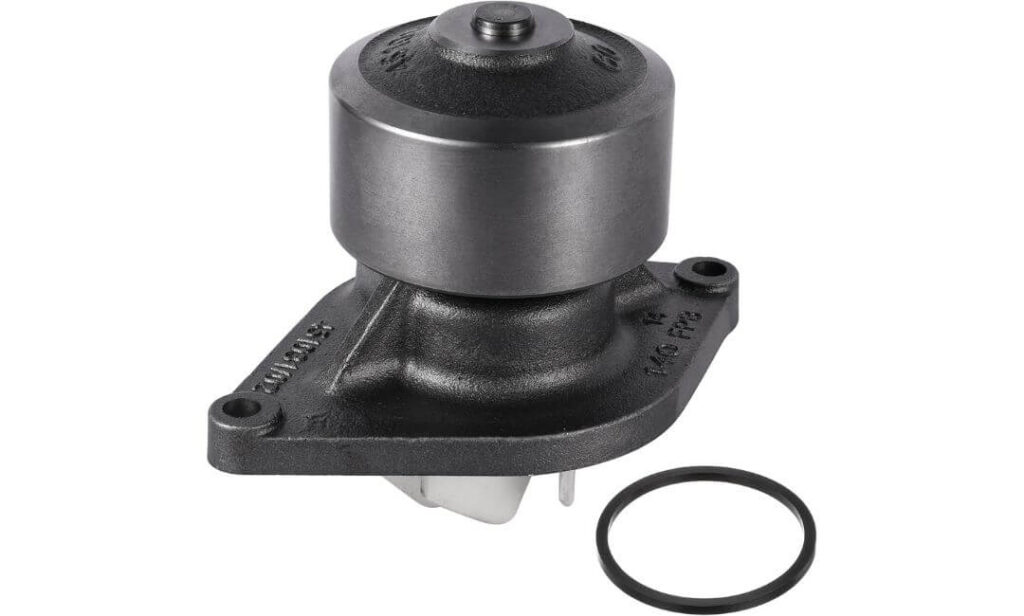
Key Specs:
- Fitment: 2002–2012 Ram 2500 / 3500 / 4500 / 5500 — 6.7L Cummins
- OEM Cross-Refs: 68003402AB / AA, 42291, 4891252, 5473238, 2881804
- Bearing Type: Case-Hardened C&U Bearing
- Testing: 100% Leak & Functional Tested
- Build Standard: TS16949 Certified Manufacturing
- Warranty: 1 Year / 50,000 km
What makes this pump interesting — especially for Cummins owners who actually use their trucks hard — is the bearing setup. AULINK didn’t just drop in a standard shaft bearing here; they’re running case-hardened C&U units, which are built to tolerate imbalance and vibration loads far better than entry-level pumps. And if you know the 6.7, you know front-end vibration isn’t light — between the fan clutch drag, belt tension, and diesel compression pulses, pump bearings take constant abuse. This one’s built with that reality in mind.
Housing machining is clean, gasket surfaces sit flat, and bolt alignment matches OE timing covers without needing persuasion during install. Once mounted, shaft rotation feels tight (no free-spin looseness, no dry grinding feel). Under operation, coolant transfer stays consistent — not flashy high-flow marketing, just stable circulation that keeps temps level whether the truck’s idling loaded or running highway miles.
The fact that it’s produced in TS16949-certified facilities and leak-tested before shipping adds another layer of confidence — especially for guys who don’t want to gamble on premature seal seepage or bearing noise 20K miles later. It’s not trying to be a performance upgrade — it’s built to be a durable, OE-behavior replacement that holds up under diesel workload.
What Makes It a Smart Buy for 6.7 Cummins Owners
- Case-hardened C&U bearings resist vibration-induced shaft wear
- Higher load tolerance handles fan clutch and belt stress better
- Precision-machined housing ensures true gasket sealing
- Pre-tested seals reduce early weep-hole seep risks
Install Insight From Diesel Bay
When installing pumps with hardened bearings like this, avoid over-tightening the belt right away. Let the pump run a short heat cycle first, then recheck belt tension.
Fresh hardened bearings need a brief run-in period — overtensioning from day one can shorten their lifespan instead of extending it.
#4. OAW CR4410 Water Pump
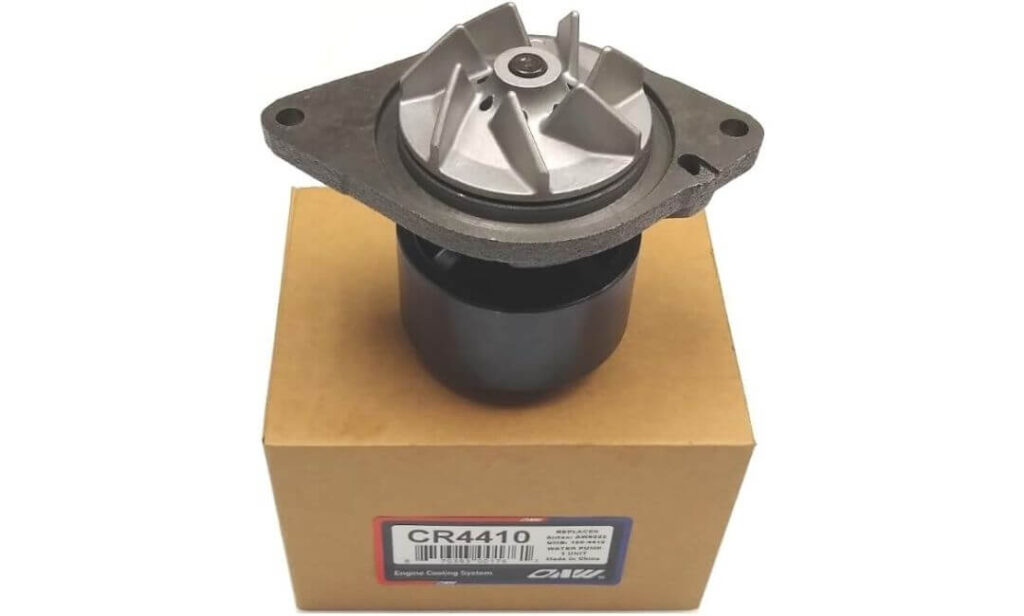
Key Specs:
- Fitment: 2007–2012 Ram 2500 / 3500 / 4500 / 5500 — 6.7L Cummins
- Housing Material: Aluminum
- Impeller: Metal (Upgraded from plastic OE style)
- OEM Cross-Refs: 68003402AA, 68003402AB, 5473238, 2881804
- Gasket: Included
- Build Type: OE Form, Fit & Function
If your goal is simple — pull the failing factory pump off and bolt something back on that behaves exactly like stock (but slightly tougher where it counts) — this OAW CR4410 lands right in that lane. The housing follows OE casting dimensions closely, so when you line it up on the timing cover, everything seats naturally — no bolt-hole fighting, no pulley misalignment, no sealing guesswork. It installs the way a factory pump should… smooth, square, and stress-free.
One upgrade that actually matters here is the metal impeller. Many stock Cummins pumps ran composite or plastic-style blades that, over time, lose edge sharpness or develop micro-cracks from heat cycling. This one swaps that weak point out for a full metal blade design — which holds coolant pressure better at sustained RPM and resists erosion from contaminated coolant. In real-world terms? More consistent coolant push when towing, idling loaded, or climbing grades in summer heat.
Cooling performance stays stable once bled properly — no erratic temp swings, no slow climbs in traffic. And because it ships with a gasket, install prep becomes quicker — especially helpful when you’re mid-job and don’t want parts-store runs slowing you down. Durability feedback varies — some trucks run it trouble-free for years, others see wear earlier — but within its price range, it consistently performs as a dependable OE-style replacement rather than a risky budget gamble.
What Makes It a Smart Buy for 6.7 Cummins Owners
- Metal impeller improves coolant force vs plastic factory blades
- OE-spec housing design ensures true bolt-on alignment
- Included gasket simplifies install prep
- Lightweight aluminum body dissipates heat faster than iron housings
Install Insight From the Bay
When installing aluminum-housing pumps like this, always clean the timing cover surface down to bare metal — no old gasket film, no sealant residue.
Aluminum expands faster than iron when hot… and even a thin leftover gasket layer can create slow seep leaks weeks after install. Clean surface, even torque — leak-free results.
#5. BDFHYK AW6222 Engine Water Pump
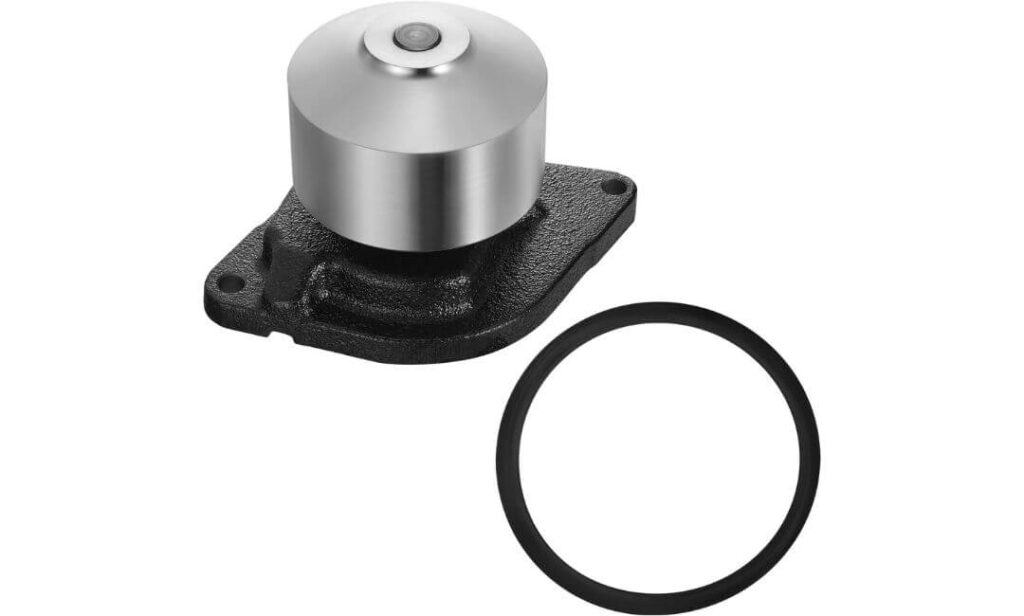
Key Specs:
- Fitment: 2002–2012 Ram 2500 / 3500 / 4500 / 5500 — 6.7L Cummins
- Cross-Platform Use: Ford F-650 / F-750, Freightliner, Kenworth, Bus Chassis
- Housing Material: Aluminum
- Impeller: Metal
- Bearings: Case-Hardened
- OEM Cross-Refs: AW6222, CR4410, 42291, 68003402AB
- Gaskets: Included
- Warranty: 1 Year
Spend enough time around medium-duty trucks and fleet Cummins platforms, and you’ll notice certain parts get reused across multiple chassis — not because they’re cheap, but because they’re built to survive mixed-duty workloads. That’s exactly where this AW6222 lands. It isn’t boxed as a flashy “performance upgrade,” but the internal build tells a different story — hardened bearings, CNC-machined sealing faces, and a metal impeller designed to handle sustained coolant torque without flexing under RPM load.
What stands out on installs is sealing confidence. The CNC surface finish sits flush against timing covers — meaning when you torque it down, gasket compression feels even (no rocking, no edge gaps). Add in the included gasket set, and it removes the usual install gamble of reusing old seals or hunting fitment kits mid-job. Once bled, coolant circulation stabilizes quickly — temps hold steady whether the truck’s hauling, idling, or running long highway pulls.
The multi-fit compatibility — from Ram HDs to F-series medium trucks and even bus platforms — indirectly speaks to durability expectations. Fleet applications don’t tolerate weak cooling components, and parts used across those systems usually carry reinforced internals to survive higher heat cycles and longer run hours. It’s not the most premium pump on the list — but structurally, it’s built tougher than most entry replacements.
What Makes It a Smart Buy for 6.7 Cummins Owners
- Multi-chassis compatibility reflects fleet-grade durability design
- Metal impeller resists blade fatigue under sustained RPM cooling loads
- CNC-machined gasket surfaces improve long-term seal integrity
- Case-hardened bearings handle diesel vibration and belt tension stress
Shop Insight From Heavy-Duty Cooling Jobs
On pumps that share fitment with medium-duty trucks like this one, always inspect pulley alignment after install — not just belt tension.
Fleet-spec pumps sometimes use slightly thicker hub faces… and even a minor pulley offset can accelerate bearing wear if ignored. Straight alignment = longer pump life.
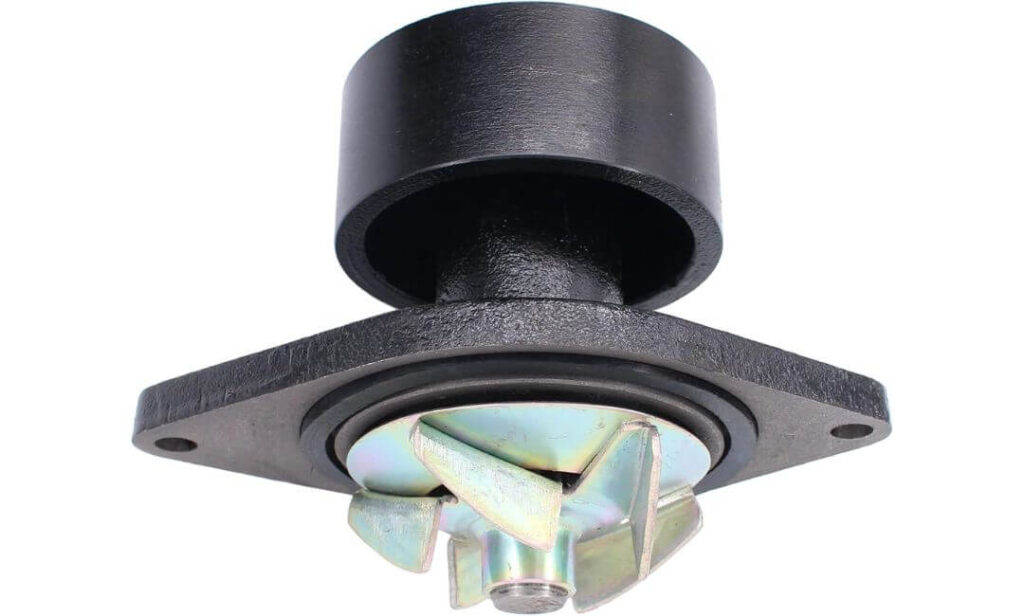
#6. MOTOKU Engine Water Pump
Key Specs:
- Fitment: 1998–2012 Ram 2500 / 3500 / 4500 / 5500 — 5.9L & 6.7L Cummins
- Cross-Platform Use: Ford F-650 / F-750, Sterling Bullet Series
- OEM Cross-Ref: 68003402AA
- Housing Build: OE-Style Alloy Construction
- Weight: 2.56 kg
- Warranty: 90-Day Manufacturer
Some replacement pumps try to win you over with marketing buzzwords — this one doesn’t bother. It’s built around a simple principle Cummins owners understand well: match factory cooling behavior, keep the install straightforward, and restore coolant flow without overcomplicating the system. The casting follows OE dimensions closely, so when you line it up against the front cover, bolt seating and gasket compression feel natural — no forced alignment or pulley offset adjustments needed.
Where it earns its place on this list is practical fitment range. Covering both 5.9L and 6.7L Cummins platforms — plus medium-duty cross applications — it’s designed as a universal OE-behavior replacement rather than a niche upgrade unit. Coolant transfer stays stable under normal working temps, and once the system is properly bled, gauge readings hold steady during idle cycles and highway runs. It’s not chasing “high-flow” numbers — it’s restoring stock circulation efficiency the way most daily-driven or work-duty Rams actually need.
Internally, shaft play stays controlled out of the box, bearing rotation feels tight, and seal seating lands evenly when torqued in sequence. For owners fixing leaks or early seepage on a budget — without stepping into premium pump pricing — it delivers the kind of straightforward cooling recovery that keeps trucks working without downtime.
What Makes It a Smart Buy for 6.7 Cummins Owners
- Broad Cummins fitment range supports both 5.9L and 6.7L platforms
- OE-spec coolant flow design restores factory temperature balance
- Straightforward bolt-on alignment reduces install complications
- Balanced shaft rotation minimizes early seal and bearing wear
Shop Insight From Budget Cooling Repairs
With value-tier OE-style pumps like this, always replace the thermostat if mileage is high.
A sticking thermostat forces the pump to work against restricted coolant flow — increasing internal pressure and shortening seal life. Pairing a fresh thermostat with a new pump keeps the entire cooling cycle balanced from day one.
Comparison of the Best 6.7 Cummins Water Pumps
Water Pump Buying Guide for 6.7 Cummins (What Actually Matters Before You Buy)
Replacing a water pump on a 6.7 Cummins isn’t like swapping one on a gas half-ton. This engine runs hotter under load, carries more belt-driven stress up front, and most of these trucks spend their lives towing, idling, or hauling weight. So picking the first pump that “fits” isn’t enough — you need one that survives real diesel duty, not just daily commuting.
Here’s how experienced Cummins techs and fleet mechanics usually judge which pump is worth installing — and which ones come back leaking months later.
1. Housing Material — Iron vs Aluminum vs Alloy
Pump housing strength directly affects long-term sealing and heat tolerance.
- Cast Iron (like Vipcar) → Heavier, better for heat stability and long idle cycles
- Aluminum (OAW / BDFHYK) → Lighter, dissipates heat faster but can warp if overheated
- Premium Alloy (Gates / OE-style builds) → Balanced strength + thermal control
If the truck tows often or runs tuned, heavier housings usually hold gasket seal longer.
2. Bearing Construction — The Real Lifespan Decider
Most pump failures don’t start with leaks — they start with bearing play.
On a 6.7 Cummins, the pump shaft handles:
- Fan clutch drag
- Serpentine belt tension
- Diesel vibration pulses
Look for:
- Case-hardened bearings (AULINK / BDFHYK)
- OE-load rated shafts (Gates)
Weak bearings = seal failure next = coolant loss = overheating.
3. Impeller Design & Coolant Flow
Impeller blade design controls how coolant actually moves through the block.
- Metal impellers → Better under sustained RPM & heat
- Composite impellers → Quieter but can wear faster
- Precision-cast OE impellers → Balanced flow, factory-style cooling
If overheating happens mainly while towing or climbing grades, impeller strength matters more than pump branding.
4. Seal Testing & Leak Protection
Weep-hole leaks are the #1 complaint after installs — usually from poor seal machining.
Better pumps are:
- Pressure tested
- Thermal fatigue tested
- Leak bench validated
Brands that test seals before shipping (like Gates or ISO-certified builds) statistically last longer without seepage.
5. Fitment Accuracy & Install Confidence
A pump can be well-built — but if machining tolerances are off, installs become a problem.
Signs of good fitment machining:
- Bolt holes line up without forcing
- Pulley sits flush
- Gasket compresses evenly
- No rocking on timing cover
OE-spec machining saves install time and prevents future leaks.
6. Match the Pump to How the Truck Is Used
Not every Cummins works the same — so pump choice should match workload.
| Truck Use | Pump Type That Makes Sense |
|---|---|
| Daily driving | OE-style alloy pump |
| Heavy towing | Cast iron / hardened bearing |
| Fleet / work trucks | Multi-fit heavy-duty builds |
| Budget repair | Value OE replacement |
Cooling demand decides pump stress — not just engine size.
Pro Buyer Insight Most People Miss
If your old pump failed early (under 80K miles), the issue often isn’t the pump alone.
Check these before installing the new one:
- Fan clutch drag
- Belt tensioner strength
- Pulley alignment
- Coolant contamination
A new pump installed into a stressed cooling system usually fails early too.
Fix the cause — not just the symptom.
Quick Checklist Before You Order
- Confirm model year fitment (2007–2012 variations matter)
- Match OEM part number cross-reference
- Decide iron vs aluminum housing
- Check bearing spec if towing heavy
- Make sure gasket / O-ring included
Do that — and you won’t be pulling the front cover apart again anytime soon.
Why Water Pumps Fail on 6.7 Cummins (Real Causes Most Owners Miss)
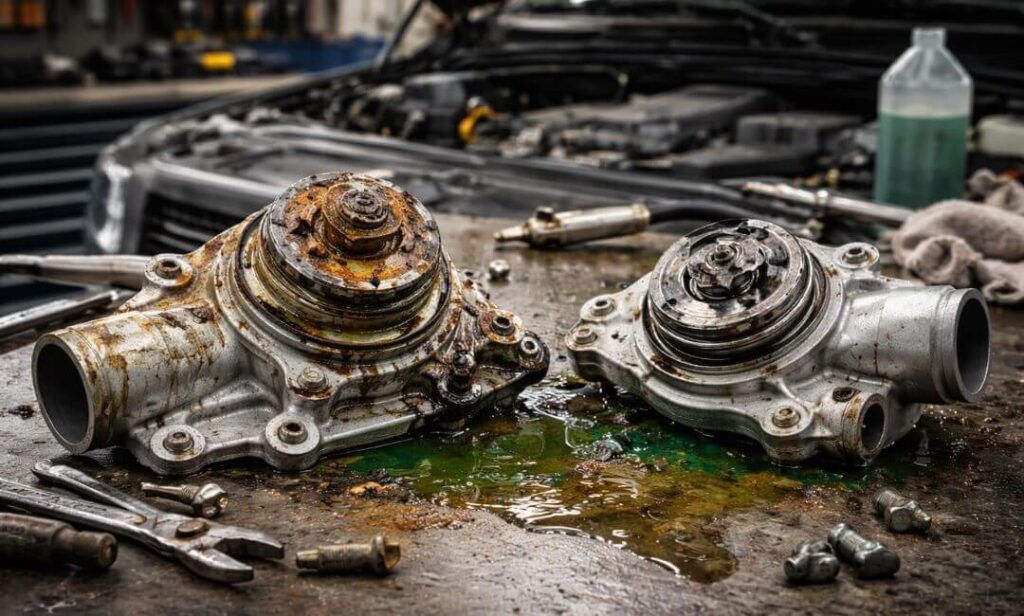
On paper, a water pump looks like a simple bolt-on cooling part — but on a 6.7 Cummins, it lives a much harder life than people realize. It isn’t just circulating coolant… it’s constantly fighting belt load, fan clutch drag, diesel vibration, and heat expansion cycles every time the truck works.
And when it fails, it usually doesn’t happen overnight — the warning signs build up quietly until temps spike or coolant starts disappearing.
Here’s what actually kills water pumps on these engines — straight from real tear-down patterns, not theory.
Bearing Wear From Constant Belt Load
This is the #1 killer.
The Cummins front drive system puts heavy strain on the pump shaft:
- Viscous fan clutch resistance
- Heavy serpentine belt tension
- Cold-start drag loads
- Diesel compression vibration
Over time, the bearing starts developing microscopic play. At first you can’t see it — but internally, the shaft begins wobbling slightly.
Once that wobble starts:
Seal alignment breaks → Coolant seeps → Weep hole leaks → Pump failure follows.
That’s why cheap pumps usually fail early — weak bearings can’t handle diesel load.
Heat Cycling & Housing Expansion
Every heat cycle expands and contracts the pump housing.
Now think about how these trucks are used:
- Long idle hours
- Towing uphill
- Stop-go traffic with load
- Hot shut-downs after hauling
Aluminum housings expand faster… iron slower… alloy somewhere in between.
Repeated expansion stress eventually:
- Distorts gasket surfaces
- Weakens seal compression
- Creates slow seep leaks
This is why overheating history often leads to repeat pump failures later.
Coolant Contamination & Scale Buildup
Inside older Cummins blocks, coolant rarely stays clean forever.
When coolant isn’t flushed on schedule:
- Rust particles circulate
- Mineral scale forms
- Seal faces wear faster
- Impeller edges erode
That debris acts like liquid sandpaper — grinding seals and reducing impeller efficiency.
Result?
Coolant flow drops → Engine runs hotter → Pump works harder → Failure accelerates.
Fan Clutch & Pulley Misalignment
A failing fan clutch doesn’t just affect cooling — it loads the pump bearing unevenly.
If the clutch begins dragging or wobbling:
- Shaft load increases
- Bearing heat rises
- Seal pressure shifts
Same goes for pulley misalignment — even a slight angle increases shaft stress dramatically over time.
Many pumps blamed as “defective” were actually victims of front-drive misalignment.
Dry Starts After Installation
This one happens during replacement — not before.
Installing a pump dry (without pre-filling coolant in the cavity) causes:
- Instant seal friction
- Micro-tearing on first crank
- Premature seepage weeks later
Premium pumps with tight seals are especially sensitive to dry starts.
A 30-second pre-fill can add years of lifespan.
Early Failure Symptoms to Watch For
Most Cummins pumps warn you before fully failing — if you know where to look.
1. Coolant Drip From Weep Hole
Small drops under the pump housing = seal starting to go.
2. Grinding or Chirping Noise
Bearing wear — usually louder on cold starts.
3. Engine Running Hot While Towing
Impeller wear or reduced coolant circulation.
4. Coolant Smell After Shutdown
Slow seep hitting hot engine surfaces.
5. Pulley Wobble
Advanced bearing play — failure is near.
Ignore these long enough… and overheating becomes inevitable.
Mechanic Reality Check
On the 6.7 Cummins, water pumps rarely fail alone.
Most early failures trace back to:
- Weak belt tensioners
- Dragging fan clutches
- Contaminated coolant
- Improper installs
Replace the pump without fixing those — and you’ll be doing the job twice.
Fix the system… not just the symptom.
Water Pump Replacement Cost for 6.7 Cummins (Parts + Labor Real Breakdown)
Replacing the water pump on a 6.7 Cummins isn’t the most expensive repair on these trucks — but it’s also not something you want to do twice because you cheaped out on parts or rushed the install.
Cost usually depends on three things: the pump you choose, labor rates in your area, and whether related cooling components get replaced at the same time.
Here’s how the numbers typically break down in real-world shop scenarios.
Parts Cost (Pump Only)
Water pump pricing varies by build quality and brand positioning.
- Budget replacement pumps → $50 – $90
- Mid-range OEM-style pumps → $90 – $140
- Premium / OE-grade pumps → $140 – $220
Pumps like Gates usually sit at the higher end because of bearing quality, seal testing, and warranty coverage. Budget units cost less upfront but may trade off long-term durability.
Labor Cost
Labor on a 6.7 Cummins water pump is moderate — not the worst job, but not a 30-minute swap either.
Most shops charge:
- Independent diesel shop → $250 – $400
- Dealership labor → $400 – $650
The pump sits behind the fan assembly, so removal of the fan clutch, shroud, and belt drive is required. Rusted bolts or seized fan nuts can push labor higher.
Total Replacement Cost
When you combine parts + labor, here’s the realistic out-the-door range:
- Budget repair total → $350 – $500
- Mid-range install → $500 – $700
- Premium pump at dealer → $700 – $900
Most Cummins owners land somewhere in the middle — using a quality aftermarket pump with independent shop labor.
Extra Costs That Often Come Up
Experienced techs rarely replace just the pump if mileage is high. You’ll often see add-ons like:
- Thermostat replacement → $40 – $120
- Coolant flush → $120 – $200
- Serpentine belt → $50 – $100
- Tensioner or idler pulley → $80 – $180
Adding these during the same job saves labor later since everything is already apart.
Labor Time Guide
For reference, book time usually sits around:
- 2.5 to 4.0 labor hours
Shops familiar with Cummins trucks finish faster. First-time DIY installs often take a full day, especially dealing with fan clutch removal.
Cost vs Failure Risk Insight
Here’s the reality most owners learn the hard way:
Saving $60 on a cheaper pump doesn’t matter if labor has to be paid twice.
Labor is the expensive part — not the pump.
That’s why many diesel techs recommend installing a higher-grade pump the first time, especially if the truck tows or works regularly.
DIY Replacement Difficulty — What You’re Really Getting Into on a 6.7 Cummins
A lot of owners look at a water pump job on paper and think, “It’s just a pump — drain coolant, swap it, done.”
On smaller gas engines, sure. On a 6.7 Cummins? Different story.
Not impossible by any means — but it’s one of those jobs where access, tool reach, and front-drive teardown decide how smooth (or frustrating) the day goes.
If you’ve done belts, fan clutches, or front-end cooling work before, you’ll be fine. If not, here’s the realistic breakdown before you grab a wrench.
Access & Tear-Down Required
The pump sits buried behind the fan assembly — so the first phase isn’t the pump… it’s clearing everything in front of it.
You’ll typically remove:
- Fan clutch
- Cooling fan
- Fan shroud
- Serpentine belt
- Idler clearance space
On high-mileage trucks, the fan clutch nut alone can test patience — heat cycles and corrosion tend to lock it in place.
Once that’s off, the pump itself becomes straightforward — bolt removal, gasket separation, surface cleaning, reinstall.
Tool Requirements Most DIYers Don’t Expect
Standard sockets won’t cover everything here. Cummins front-drive work usually needs:
- Fan clutch wrench set
- Long-reach ratchets
- Torque wrench
- Coolant drain pan (large capacity)
- Gasket scraper / surface prep tools
Without the proper fan tools, many DIY jobs stall before the pump even comes off.
Time Expectation
Realistically:
- Experienced DIYer → 3 to 5 hours
- First-time installer → 6 to 8 hours
Most extra time goes into fan removal, stuck bolts, and coolant cleanup — not the pump swap itself.
Rushing reassembly is where sealing mistakes happen.
Install Precision Matters More Than Speed
The pump install itself isn’t complicated — but sealing and torque accuracy matter.
Key areas where DIY installs go wrong:
- Old gasket residue left on timing cover
- Uneven bolt torque
- Dry O-ring installs
- Improper coolant bleeding
Any of those can lead to slow leaks weeks later — even with a brand-new pump.
When DIY Makes Sense — And When It Doesn’t
DIY is worth it if:
- You have fan clutch tools
- You’ve done front-drive work before
- You want to replace belt / thermostat at the same time
Shop install makes more sense if:
- Bolts show heavy corrosion
- Fan clutch is seized
- Cooling system contamination is heavy
- You need the truck back same day
Labor costs hurt — but downtime hurts more if the job drags.
Realistic Difficulty Rating
On a scale of basic maintenance to full engine teardown:
Water pump on a 6.7 Cummins sits right in the middle.
Not beginner-friendly… but very manageable with preparation, tools, and patience.
Do it carefully once — and you likely won’t be back in there again for years.
Preventive Maintenance Tips to Make Your 6.7 Cummins Water Pump Last Longer
Most water pumps on a 6.7 Cummins don’t fail early because they’re defective — they fail because the cooling system around them isn’t maintained the way a diesel work truck needs. The pump ends up carrying stress it was never meant to handle alone.
If you want the replacement you just installed to actually see 100K miles (or more), these are the maintenance habits diesel techs stick to — especially on trucks that tow, idle long hours, or run tuned.
Keep Coolant Fresh — Not Just Full
A lot of owners top off coolant but never fully flush the system. That’s where problems start.
Over time coolant loses:
- Corrosion inhibitors
- Lubrication properties for seals
- Scale resistance
Old coolant turns acidic — and that acidity eats away at pump seals and impeller surfaces from the inside out.
On a 6.7 Cummins, a full coolant flush every 60K–80K miles keeps internal pump wear dramatically lower than “top-off only” systems.
Replace Thermostat With the Pump (If Mileage Is High)
The thermostat controls coolant restriction. When it sticks partially closed, it forces the pump to push against higher resistance.
That extra pressure:
- Loads the pump shaft
- Increases seal stress
- Raises coolant temps
If the truck is already apart and mileage is past 100K, replacing the thermostat at the same time prevents the new pump from working against an aging restriction point.
Inspect Belt & Tensioner Load
The serpentine belt system directly drives the pump — so any weakness there transfers stress into the pump bearing.
Watch for:
- Belt flutter at idle
- Squeal on cold start
- Tensioner arm bounce
A weak tensioner allows belt slip and shock loading — both shorten pump bearing life.
Replacing a $90 tensioner can save a $500 repeat pump job.
Check Fan Clutch Resistance
Fan clutches stiffen with age. When they begin locking up or dragging excessively, they overload the pump shaft.
You’ll feel it when spinning the fan by hand — it shouldn’t feel seized or gritty.
Excess drag = constant bearing strain = premature pump wear.
Many early pump failures trace back to neglected fan clutches.
Flush Debris After Any Cooling Failure
If the previous pump failed catastrophically (seal blowout, impeller damage), the system may contain debris.
Metal fragments, seal particles, and scale circulate through the new pump immediately after install if the system isn’t flushed.
That debris damages:
- New seals
- Impeller edges
- Bearing lubrication
Always flush block + radiator after major cooling failures — not just refill.
Bleed the Cooling System Properly
Air pockets inside a Cummins cooling system create hot spots — and inconsistent coolant flow.
When air hits the pump:
- Seal lubrication drops
- Cavitation forms
- Impeller efficiency drops
Proper bleeding ensures steady coolant pressure and stable pump operation from the first drive.
Real-World Lifespan Reality
With no maintenance, some pumps fail before 80K miles.
With proper cooling care:
- Quality pumps routinely last 120K–150K miles
- Premium units can go longer
The pump itself isn’t always the weak link — system neglect is.
Take care of the cooling system as a whole, and the water pump becomes a long-term component… not a repeat repair.
FAQs — 6.7 Cummins Water Pump
How long does a water pump last on a 6.7 Cummins?
On a stock truck with normal driving, factory pumps usually last somewhere between 90K–120K miles. But trucks that tow heavy, idle for long hours, or run performance tuning tend to shorten that lifespan — sometimes down to 70K miles. Aftermarket premium pumps often last longer if the cooling system is maintained properly. Lifespan isn’t just pump quality — belt load, coolant condition, and fan clutch health all play a role.
Can a bad water pump cause coolant loss without visible leaks?
Yes — and it confuses a lot of owners. Early seal failure often releases coolant as vapor or micro-drip leaks that burn off on hot engine surfaces before hitting the ground. You might only notice a faint coolant smell or slow reservoir drop over weeks. By the time visible dripping starts, the seal is usually already far gone. Pressure testing the cooling system confirms hidden pump seepage.
Is it safe to drive with a failing water pump?
Short answer — only for very short distances, and even that’s risky. Once bearing play or seal leakage begins, pump efficiency drops fast. Coolant flow weakens, and the engine starts running hotter — especially under load. Continued driving can escalate from minor overheating to warped components or head gasket damage. If symptoms show, it’s smarter to repair before towing or long trips.
Do upgraded or high-flow pumps improve engine cooling on a stock 6.7 Cummins?
Not always. High-flow pumps are more beneficial on tuned engines, heavy towing setups, or trucks running upgraded radiators. On a completely stock cooling system, an OE-style pump already provides balanced circulation. Installing an aggressive high-flow pump without supporting upgrades can sometimes reduce coolant dwell time inside the radiator, slightly affecting heat dissipation efficiency.
Should you use sealant on the water pump gasket?
In most cases — no, unless specified by the manufacturer. Modern Cummins water pumps use precision-machined gasket surfaces designed to seal dry or with light coolant lubrication. Excess sealant can squeeze into coolant passages, break loose, and circulate through the system. The correct approach is clean mating surfaces, proper torque sequence, and a lightly lubricated O-ring or gasket if recommended.
Final Verdict
By the time a 6.7 Cummins owner starts shopping for a water pump, it’s usually not casual maintenance — it’s because something already went wrong. Temps climbed pulling a grade, coolant started disappearing, or the front of the engine picked up that faint bearing noise you can’t un-hear once you notice it.
And that’s exactly why pump choice matters more on this platform than most people think.
This engine doesn’t forgive weak cooling components — not when it’s moving the weight these trucks carry, not when fan clutches stay engaged in summer traffic, and definitely not when towing pushes EGTs and coolant temps up together. A pump might “fit” on paper… but real durability comes down to bearing load capacity, seal machining, and how well the impeller maintains circulation under stress.
That’s where the six pumps in this guide separate themselves from random catalog replacements.
If long-term reliability matters most, Gates sits at the top simply because of its OE-grade build confidence and seal testing. If budget matters but you still want structural strength, cast-iron builds like Vipcar hold their ground better than lightweight housings. Hardened-bearing units like AULINK and BDFHYK make sense for vibration-heavy work trucks, while OE-style replacements like OAW and MOTOKU restore factory cooling behavior without overcomplicating the system.
Different trucks need different solutions — but none of them benefit from installing the cheapest pump available and hoping for the best.
Because here’s the reality most Cummins owners learn the hard way:
The pump itself is the cheaper part of the job. Labor, downtime, overheating risk — that’s where the real cost sits.
Do the job once with a pump that matches how the truck is actually used… and you likely won’t touch the cooling system again for another 100K miles. Cut corners, ignore supporting components, or install dry — and you’re back in the front cover sooner than you planned.
Cooling reliability on a diesel isn’t about brand loyalty — it’s about mechanical margin.
Choose the pump that gives your 6.7 Cummins enough of it.
Also Check: