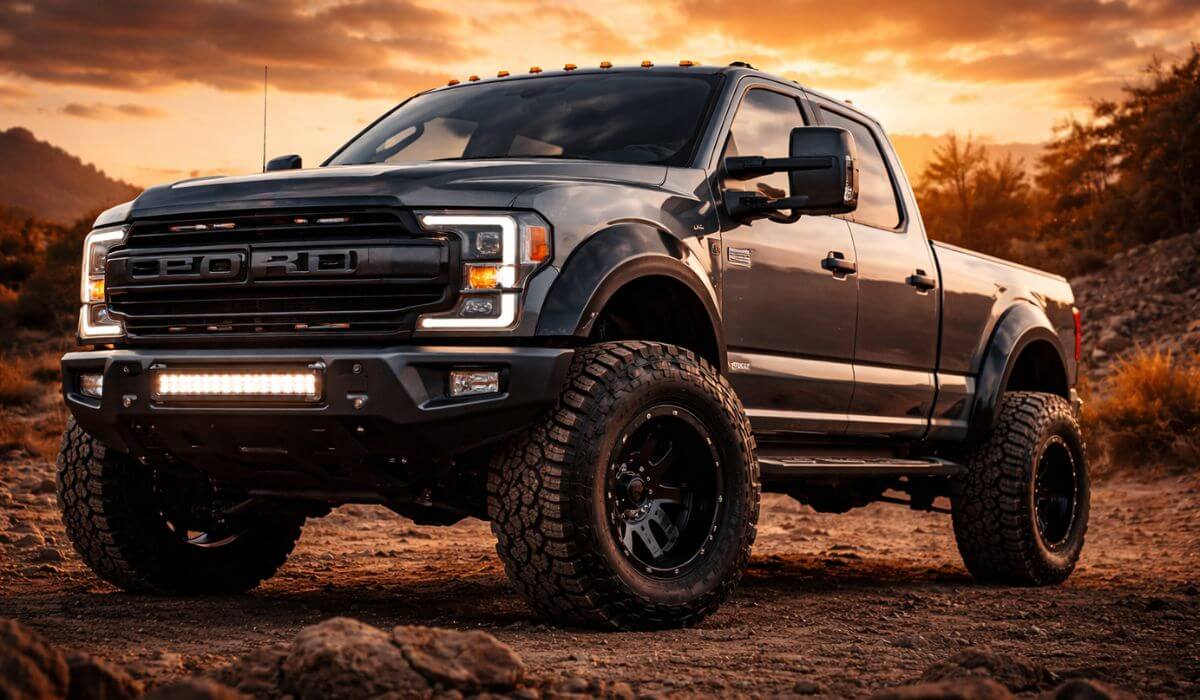
5 Best Fender Flares for Ford F350 in 2026: Aggressive Wide Stance & Easy Bolt-On Fit
If you’ve spent any real time around a Ford F350 Super Duty, you already know this isn’t a truck you keep stock for long. The moment you go bigger on tires or start using it the way it’s meant to be used—job sites, rough roads, or just daily abuse—the factory setup starts showing its limits. Paint chips, road spray, and that awkward tucked-in look around the wheels… it all adds up fast.
I’ve gone through enough builds and installs to tell you this straight: not all fender flares are worth your money, especially for the newer 2023–2026 models. Some look good online but fit poorly, some crack under real use, and some just don’t give you the coverage you actually need. That’s why this list isn’t fluff—it’s based on fitment accuracy, material quality, real-world install, and how they actually look on a truck like the F350.
Below are five options that genuinely make sense right now—whether you want that aggressive wide stance, a clean OEM-style upgrade, or something that installs without turning your truck into a weekend project.
Best Ford F350 Fender Flares: Top 2026 Picks for Perfect Fitment, Style & Protection
#1. YITAMOTOR Fender Flares (2023–2026 F350)
Budget-Friendly Pocket Style Fender Flares with Bolt-On Fit & Full Coverage
#2. Bushwacker Pocket/Rivet Style Fender Flares
Premium Rivet Style Fender Flares for F350 with Proven Fitment & Heavy-Duty Build
#3. YHTAUTO Pocket Bolt-Riveted Fender Flares Kit
Affordable Bolt-Riveted Fender Flares for Ford F350 with Hardware Included
#4. Rough Country Sport Fender Flares
Wide Coverage Fender Flares for F350 with Extra Tire Protection & Paintable Finish
#5. Husky Liners OE Style Fender Flares
OEM-Style Fender Flares for Ford F350 with Clean Fit & Factory-Like Finish
Expert Tip (From Someone Who’s Installed These on Real Trucks)
Before you hit “buy,” check one thing most people ignore — your actual tire setup and offset. Not what you plan, what you’re running right now. A flare that looks perfect on stock wheels can look completely off once you add wider tires or spacers.
Also, don’t chase the most aggressive style blindly. On an F350, fitment and coverage matter more than looks. A slightly cleaner flare that actually blocks road spray and lines up perfectly will age way better than something flashy that sits awkward or leaves gaps.
If you want it to look right every single day, go for tight fitment, solid mounting, and real coverage—not just rivets and marketing photos.
How We Chose These Fender Flares for Ford F350
There’s no shortage of fender flares online right now, especially for the newer 2023–2026 Super Duty trucks. But most lists out there are just recycled picks with zero real understanding of how these actually sit on a truck. That’s not what this is.
Every product you see above was picked based on how it performs on an actual F350, not just specs on a listing page.
First, we focused heavily on true fitment for the 2023–2026 body. These trucks have slightly updated lines, and a lot of older flares—even if labeled compatible—don’t sit right. The ones we included here are known to align properly with the wheel arches without awkward gaps or overhang.
Next was material quality and durability. Cheap ABS can look fine out of the box but fades, warps, or cracks under sun and real use. That’s why options like Rough Country and Bushwacker stand out—they use thicker, UV-resistant materials that actually hold up over time. Even the more affordable options like YITAMOTOR and YHTAUTO made the cut because they deliver decent build quality for the price, not just looks.
We also looked at installation in the real world. Most F350 owners don’t want to drill into a brand-new truck. So anything overly complicated or requiring risky modifications didn’t make it. The picks here lean toward bolt-on or no-drill setups, with proper hardware included and predictable installs.
Then comes what most people actually care about but few talk about properly—coverage and stance. Some flares look aggressive but barely extend enough to cover wider tires. Others offer real protection but kill the truck’s look. The selection above balances both:
- Options like Rough Country add measurable tire coverage
- Pocket-style flares from Bushwacker and YITAMOTOR bring that aggressive stance without sacrificing function
- Husky Liners gives a cleaner OEM route for those who don’t want over-the-top styling
Finally, we paid attention to real-world value. Not just price, but what you’re actually getting for it. Some brands charge premium money just for the name. Others quietly deliver solid fit and finish at a better cost. This list reflects both ends honestly—so you can choose based on your build, not hype.
Bottom line: these aren’t random picks. They’re flares that fit right, hold up, and actually make sense on a Ford F350. That’s the only standard that mattered here.
#1. YITAMOTOR Fender Flares (2023–2026 F350)
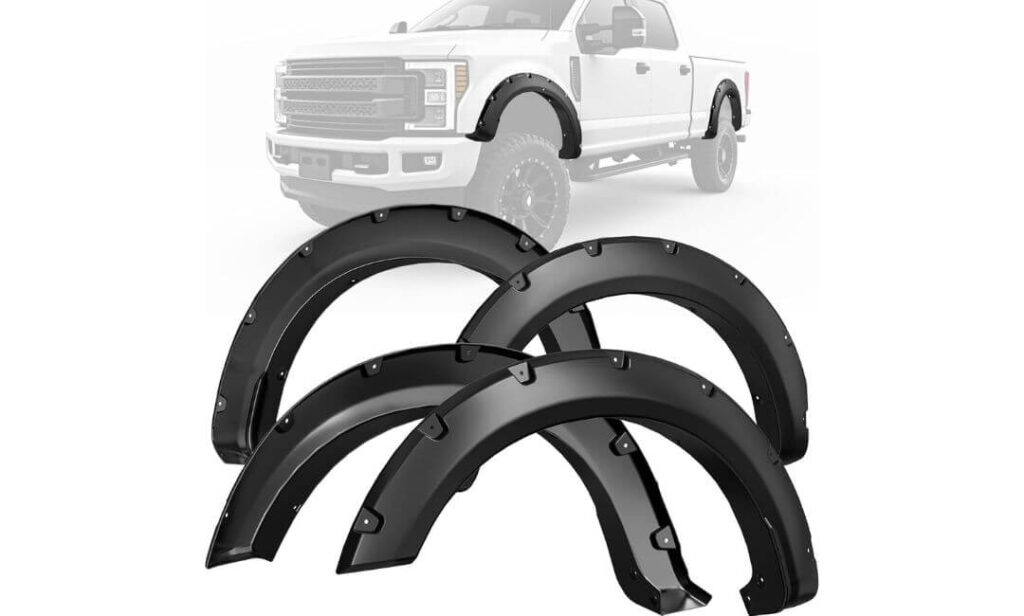
Quick Specs:
- Fitment: 2023–2026 Ford F350 Super Duty (precise body match, front + rear)
- Material: Flexible polypropylene (PP) — impact-resistant, UV-stable
- Style: Smooth pocket-riveted design (aggressive but clean)
- Finish: Matte black, fully paintable
- Coverage: Wide arch coverage for mud, debris & tire throw
- Install Type: Bolt-on (factory hole alignment, but not always perfect)
Let’s be honest—most budget fender flares look decent in photos and fall apart the moment you try to line them up on a real F350. This one doesn’t feel like that at first touch. The material has enough flex without feeling cheap, and once you hold it against the truck, you can see it’s actually designed with the newer Super Duty curves in mind—not just a generic mold.
On the road, the difference shows up quickly. The extra coverage actually works—especially if you’re running slightly wider tires or dealing with rough roads. Mud spray stays controlled, paint stays cleaner, and the truck starts to carry that wider, more planted stance without going overboard. The smooth riveted look gives it just enough aggression without turning your build into something loud or forced.
Where it really stands out is the balance. You’re getting a paintable finish, decent durability, and a style that fits both daily-driven trucks and weekend builds. It’s not pretending to be premium—but it also doesn’t cut corners where it matters. (And once it’s properly aligned, it genuinely transforms how the truck sits—subtle upgrade, big visual payoff.)
What Stands Out in Real Use
- Flexible PP material that doesn’t feel brittle during install
- Wide coverage that actually blocks mud and road spray
- Paintable surface for color-matched builds
- Pocket-style design that gives a true F350 wide stance look
- Good value for what you’re getting—not overpriced for the segment
Where It Falls Short
- Hardware quality isn’t perfect—you may need longer bolts for a proper fit
Real Fitment on Ford F350
On a 2023–2026 F350, these sit fairly close to the body lines, especially once you take time aligning them properly. They don’t have that awkward “floating flare” look you see on cheaper kits, but they’re also not precision-tight like premium brands—there’s a middle ground here.
If your truck is stock or mildly upgraded, the coverage is more than enough. With wider tires, they still hold up visually and functionally, but getting the alignment right becomes more important to avoid uneven gaps.
Installation Notes (What Actually Helps)
Don’t rush this install. Start every bolt loose, align the flare properly, then tighten gradually—this alone fixes most fitment complaints. Keep extra stainless bolts and washers ready because the included hardware isn’t always ideal.
If you’ve installed truck accessories before, you’ll manage. If not, getting it done professionally will save time and frustration—and the final fit will look exactly how it should.
#2. Bushwacker Pocket Style Fender Flares (2023–2026 F350)
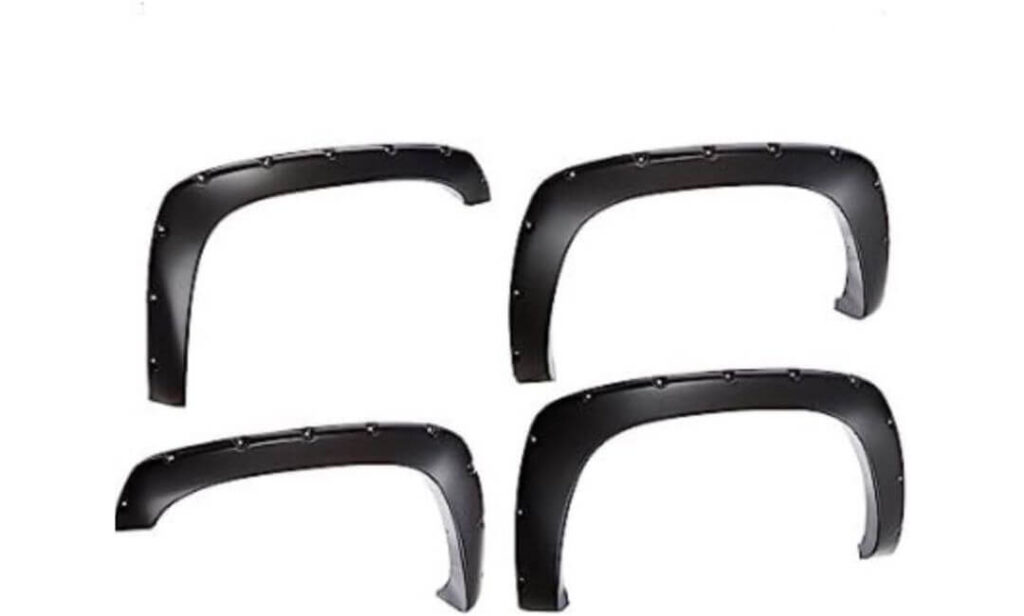
Quick Specs:
- Fitment: 2023–2026 Ford F350 Super Duty (front + rear, exact body match)
- Material: Dura-Flex 2000 ABS thermoplastic (impact-absorbing, warp-resistant)
- Style: Pocket/rivet design with recessed stainless steel bolts
- Finish: Textured black (UV-protected, fade-resistant)
- Coverage: Maximum tire coverage for oversized setups
- Install Type: True no-drill bolt-on with full hardware kit
This is the one most people think they’re buying when they picture a proper F350 build. The moment you hold it up against the truck, you can tell it’s built differently—thicker, more rigid, and shaped exactly to match the Super Duty lines. It doesn’t fight you during alignment, and it doesn’t feel like it’ll give up after a few months in the sun.
On the road, this is where it separates itself. That Dura-Flex 2000 material isn’t just marketing—it actually absorbs small hits, resists warping, and holds its shape even when the truck is used the way an F350 should be. Add to that the built-in UV protection, and you’re not dealing with fading or chalky surfaces down the line. It keeps that deep black finish intact, even after long exposure.
And then there’s the stance. The pocket-style rivets with recessed stainless bolts give it that bold, planted look—but it’s not just for show. The coverage is real. If you’re running bigger tires or planning to, this setup actually protects your truck while making it look the way a Super Duty should. (Once installed, it doesn’t just add presence—it makes the truck feel complete, like it should’ve come this way from factory.)
What Makes It Stand Out
- Dura-Flex 2000 ABS — absorbs impact, resists cracking and warping
- True no-drill install using factory mounting points
- Maximum tire coverage for lifted or wider setups
- Stainless recessed rivets that give a clean, aggressive OEM+ look
- Long-term durability—no fading, no chalking issues
Where It Falls Short
- Premium price—you’re paying for build quality and brand reliability
Real Fitment on Ford F350
On a 2023–2026 F350, this sits tight and consistent across all four arches. The gaps are even, the lines follow the body naturally, and once tightened, it feels like part of the truck—not an add-on.
Even with larger tires, the coverage stays functional without looking oversized or awkward. It’s one of those rare setups where fitment and stance both land exactly right without compromise.
Installation Notes (What Actually Matters)
This is one of the smoother installs in this category. Use the factory holes, keep the bolts slightly loose at first, align everything properly, then torque it down evenly. Don’t overtighten—the ABS is strong, but forcing it can still cause stress points.
If you’ve done basic truck mods before, this will feel straightforward. And if you take your time with alignment, the final result looks factory-level clean.
#3. YHTAUTO Pocket Bolt-Riveted Fender Flares (2023–2026 F350)
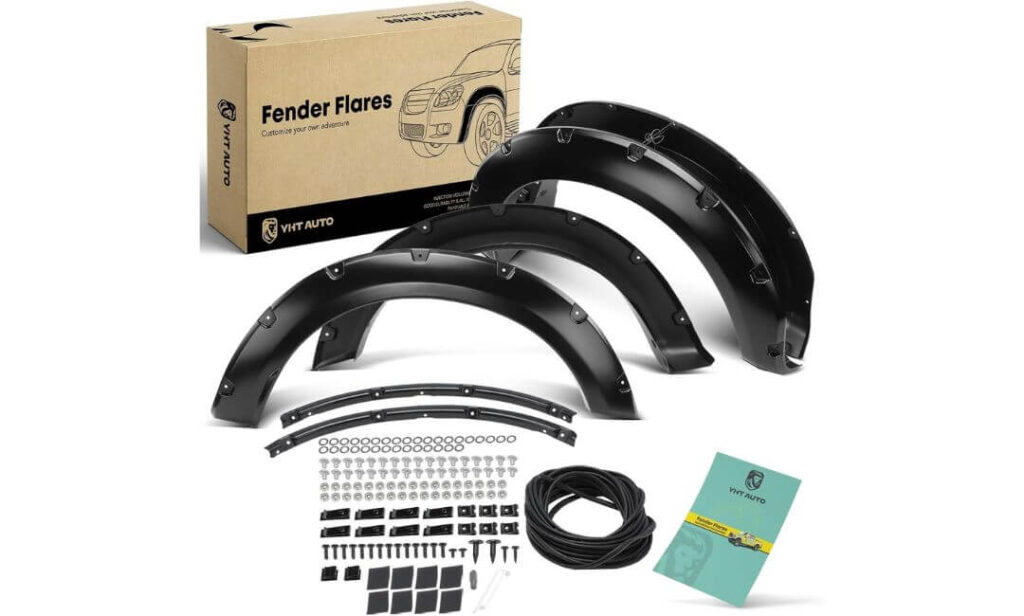
Quick Specs:
- Fitment: 2023–2026 Ford F350 Super Duty (front + rear, body-contoured design)
- Material: Polypropylene (PP) — lightweight, durable, UV-resistant
- Style: Pocket/bolt-riveted (visual bolts, aggressive look)
- Finish: Smooth shiny black
- Coverage: Extended wheel coverage for mud, rocks & debris control
- Install Type: Bolt-on with included hardware kit (mostly no-drill)
Not everyone wants to drop premium money just to get a decent-looking setup on their F350—and that’s exactly where this one starts making sense. The first thing you notice is how lightweight and manageable it feels compared to heavier kits, which actually makes a difference when you’re lining it up during install. It doesn’t fight you, and it doesn’t feel like it’ll snap under pressure either.
Once mounted, the look comes together better than expected. The pocket bolt-riveted styling gives that rugged, built-up appearance most F350 owners are after, but without going overly bulky. The bolts are mostly for visual effect, but the overall design still delivers real coverage—especially useful if you’re driving through loose gravel, mud, or uneven roads where debris tends to kick up.
Material-wise, the polypropylene construction does its job quietly. It’s resistant to sun damage, doesn’t chalk easily, and holds its finish over time if maintained properly. It’s not trying to compete with high-end brands—but for what it costs, it delivers a clean fit, decent protection, and a noticeable upgrade in stance. (For a budget-friendly setup, it hits that sweet spot where the truck looks tougher without overcomplicating things.)
What Works Well Here
- Lightweight build makes handling and alignment easier during install
- Body-contoured design sits naturally on F350 wheel arches
- Pocket style adds a rugged, aggressive visual upgrade
- UV-resistant material helps maintain finish over time
- Comes as a complete kit—hardware included, no guesswork
Where It Falls Short
- Finish is slightly glossier than expected—not a true matte OEM look
Real Fitment on Ford F350
On a 2023–2026 F350, these follow the factory body lines fairly closely, especially when aligned patiently. They don’t sit as tight as premium options, but they avoid the common “misfit” look you see in cheaper flares.
For stock and mildly upgraded trucks, the coverage feels right. With wider tires, they still hold their own visually, but getting the positioning right during install becomes key to maintaining a clean look.
Installation Notes (What Actually Helps)
Start with a dry fit before tightening anything—this saves you from redoing the whole setup later. Keep bolts slightly loose, align evenly across the arch, then tighten gradually using even pressure.
Don’t overtighten—the material is flexible but can crack under force. If you’re unsure, having a second person hold the flare while you line it up makes a noticeable difference in final fitment.
#4. Rough Country Sport Fender Flares (2023–2026 F350)
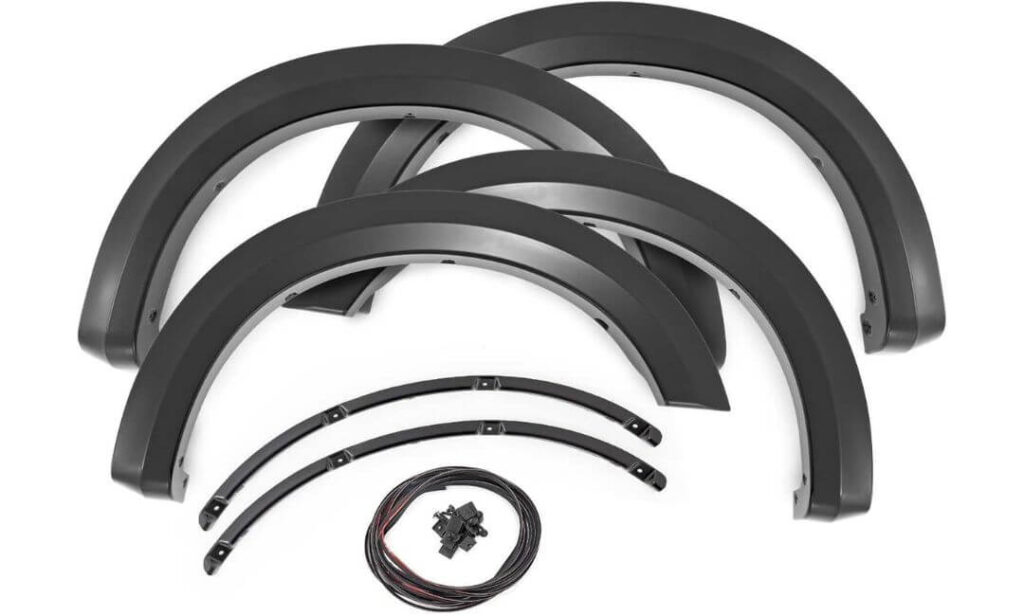
Quick Specs:
- Fitment: 2023–2026 Ford F350 Super Duty (front + rear, precise body alignment)
- Material: Tri-Blend ABS (reinforced, UV-resistant, impact-tolerant)
- Style: Clean sport-style flare (no fake rivets, modern look)
- Finish: Matte black, fully paintable
- Coverage: +1 inch extra tire coverage, ~5.75” flare height
- Install Type: No-drill bolt-on using factory mounting points
If you’re not chasing fake bolts and just want something that actually fits right, protects properly, and looks clean on an F350, this is where things start to feel serious. The first time you line these up, you notice how naturally they follow the truck’s shape—no forcing, no awkward bends, just a proper factory-like flow.
On the road, the difference is practical. That extra 1-inch tire coverage might not sound huge on paper, but in real use—especially with wider tires—it’s exactly what keeps mud, stones, and road grime from constantly hitting your doors and rear panels. Combine that with the 5.75-inch flare height, and you get a setup that actually works, not just something that looks good in photos.
The material is where Rough Country quietly gets it right. The Tri-Blend ABS feels stronger than standard plastic, and the UV-resistant finish holds up under heat, sun, and rough conditions without fading into that dull grey look. And because it’s a smooth, paintable matte, you can keep it subtle or match it to your truck perfectly. (Once installed, it gives the truck a more finished, purpose-built look—like it was meant to sit this way from day one.)
What Really Works Here
- Extra 1” coverage that actually makes a difference with wider tires
- Clean sport design—no unnecessary styling, just solid presence
- Tri-Blend ABS build feels stronger and more durable than basic plastics
- Matte finish that’s easy to paint-match for custom builds
- True no-drill install with factory mounting points
Where It Falls Short
- Doesn’t have the aggressive rivet look—more clean than rugged
Real Fitment on Ford F350
On a 2023–2026 F350, these sit exceptionally flush with the body, almost like an OEM upgrade rather than an aftermarket add-on. The edges align cleanly, and once installed, there’s no uneven spacing or awkward overhang.
If your build leans toward a clean, modern look, this fits perfectly. Even with slightly wider tires, the added coverage blends in naturally without making the truck look oversized or forced.
Installation Notes (What Actually Matters)
Take your time with alignment—these are designed to sit clean, so small adjustments make a big difference. Use all factory mounting points, keep bolts loose initially, then tighten evenly once everything lines up.
If you plan to paint them, install first, confirm fitment, then paint—this avoids mismatch issues later. With the right approach, the final result looks tight, clean, and properly finished.
#5. Husky Liners OE Style Fender Flares (2023–2026 F350)
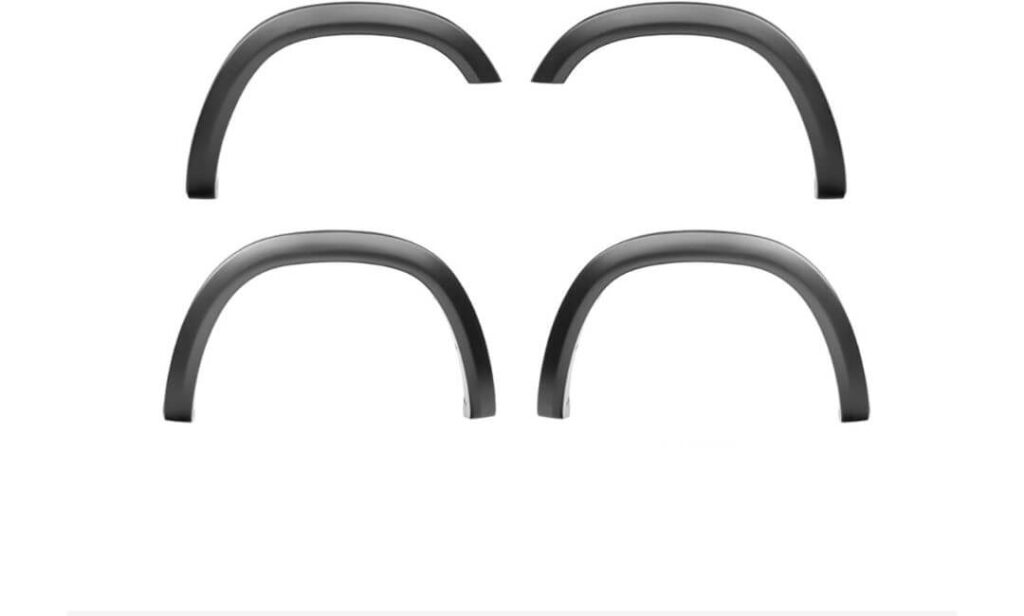
Quick Specs:
- Fitment: 2023–2026 Ford F350 Super Duty (front + rear, OE-contoured design)
- Material: Dura-Flex 2000 ABS (flexible, UV-resistant, long-life build)
- Style: Low-profile OEM-style flare (clean, non-aggressive)
- Finish: Smooth matte black, paintable if needed
- Coverage: Slightly extended beyond factory width for daily protection
- Install Type: Bolt-on with included hardware (may vary by setup)
Not every F350 build needs to scream for attention. Sometimes, the smartest upgrade is the one that looks like it came straight from the factory—but better. That’s exactly what this setup delivers. The moment you line it up against the body, it blends in so naturally it almost disappears… until you notice how much cleaner and more complete the truck looks.
On daily drives, this is where it earns its place. The extra tire coverage isn’t exaggerated, but it’s enough to stop that constant spray of dirt, water, and small debris that slowly ruins your paint over time. It’s built for real-world use—commuting, highway runs, job sites—not just parked builds. And because of the low-profile design, it doesn’t throw off the truck’s original proportions.
The Dura-Flex 2000 ABS material gives it quiet strength. It flexes when needed, resists UV damage, and holds its finish without fading into that worn-out look cheaper flares get. Add the smooth, paint-ready surface, and you’ve got something that works whether you leave it stock or color-match it later. (It’s the kind of upgrade you don’t notice at first—but once it’s on, you wouldn’t want the truck without it.)
What Makes Sense Here
- Clean OEM-style design that doesn’t overpower the truck
- Dura-Flex ABS build that resists cracking and fading
- Subtle but effective daily protection from debris and spray
- Smooth finish—easy to paint or keep factory look
- Ideal for stock or lightly upgraded F350 setups
Where It Falls Short
- Not meant for aggressive builds—limited coverage for very wide tires
Real Fitment on Ford F350
On a 2023–2026 F350, these sit tight and factory-aligned, following every curve without gaps or overhang. It’s one of the few options that truly looks like it belongs on the truck from day one.
If you’re running stock wheels or a mild upgrade, the fit and coverage feel just right. It doesn’t try to change the truck’s identity—it simply refines it.
Installation Notes (What Actually Matters)
Start with a proper dry fit and check alignment before tightening. Some setups may need minor prep or adjustment depending on your truck, so don’t rush the process.
Use all provided hardware, tighten evenly, and avoid over-torquing. If done right, the install is straightforward—and the end result looks clean, tight, and completely factory-level.
Best Ford F350 Fender Flares Comparison: Which One Actually Fits, Protects & Lasts
| Product | Style | Material | Coverage | Install | Best For | Pick Type |
|---|---|---|---|---|---|---|
| YITAMOTOR | Pocket Riveted | Polypropylene | Wide Coverage | Bolt-On (may need hardware tweak) | Budget aggressive look + daily use | Best Budget |
| Bushwacker | Pocket Rivet (Premium) | Dura-Flex ABS | Maximum Coverage | True No-Drill | Serious builds + oversized tires | Best Overall |
| YHTAUTO | Bolt Riveted | Polypropylene | Moderate-Wide | Bolt-On | Affordable clean upgrade | Best Value |
| Rough Country | Sport (Clean) | Tri-Blend ABS | +1″ Extra Coverage | No-Drill | Clean wide stance + protection | Best Balanced |
| Husky Liners | OEM Style | Dura-Flex ABS | Light Coverage | Bolt-On | Factory look + daily driving | Best OEM Style |
Why Fender Flares Actually Matter on a Ford F350 (Beyond Just Looks)
A lot of people treat fender flares like a cosmetic add-on—but on a truck like the F350 Super Duty, they’re doing way more work than just changing how it looks. Once you start running bigger tires, driving through rough conditions, or even just using the truck daily, you realize pretty quickly that the factory setup leaves a lot exposed.
First, let’s talk about stance and presence, because that’s what most people notice first. The F350 is already a big truck, but without proper flare coverage, wider tires can make it look slightly off—almost unfinished. A well-fitted flare fixes that instantly. It brings everything together visually, giving the truck a wider, planted stance that actually matches its size and capability. Not overdone, not forced—just right.
But where it really starts making sense is protection. These trucks take abuse—gravel roads, job sites, highway debris—and without proper coverage, all of that gets thrown straight onto your paint. Over time, that’s chips, scratches, and dull panels you can’t ignore. A good set of flares acts like a barrier, catching most of that before it even touches your truck. It’s not about being careful—it’s about reducing long-term damage without thinking about it every drive.
Then there’s the part most people skip until it becomes a problem—tire setup compatibility. The moment you go wider or change offset, your tires start sticking out past the body. That’s where flares stop being optional. They bring the setup back into alignment, giving you proper wheel coverage so your build looks intentional—not like something halfway done.
There’s also a practical side tied to road use and regulations. In many areas, having tires sticking out too far can get you flagged, especially if debris is being thrown onto other vehicles. Fender flares help keep things within acceptable limits while also making your truck safer for others on the road.
Another thing that doesn’t get enough attention is install simplicity vs long-term reliability. Most modern options for the F350 are designed as bolt-on setups using factory points, which means you’re not permanently modifying your truck. But the difference comes in how well they hold up after installation. A properly designed flare stays tight, doesn’t rattle, and doesn’t shift over time—something you’ll appreciate months down the line, not just on day one.
And finally, there’s the everyday usability factor. Whether it’s rain, slush, dust, or just regular road grime, flares help keep your truck cleaner for longer. Less spray along the sides, fewer streaks after a drive, and less time worrying about what your paint looks like after every trip.
Bottom line—on a Ford F350, fender flares aren’t just about style. They’re about finishing the truck properly, protecting it from real use, and making sure your setup actually works the way it should. Once you run them, going back to stock just feels incomplete.
Buying Guide: How to Choose the Right Fender Flares for Your Ford F350 (Without Regret Later)
Choosing fender flares for a Ford F350 isn’t just about picking what looks aggressive on a product page. The wrong choice shows up later—poor fitment, wasted money, or a truck that just doesn’t sit right. If you get this part right, everything else in your build starts to make sense.
Let’s break it down the way it actually matters in real use.
Coverage vs Stance — Where Most People Mess Up
This is the biggest mistake. People chase the widest, most aggressive flare thinking it’ll automatically look better. On an F350, that only works if your tire width and offset actually support it.
If you’re running stock wheels or mild upgrades, going too wide creates a weird “overhang” look—flare sticking out more than the tire. It looks off, no matter how expensive the flare is.
On the other hand, if you’re running wider tires or planning to, you need enough coverage to match or slightly exceed tire poke. That’s where options like Rough Country or Bushwacker make sense.
The goal isn’t “widest possible.” The goal is balanced stance—where tire and flare sit in sync.
Material Matters More Than Most Realize
Not all plastics are the same, and this is where cheap options quietly fail.
- Basic Polypropylene (PP) — lighter, flexible, budget-friendly. Works fine, but needs careful install and won’t feel as solid long-term.
- ABS / Dura-Flex (like Bushwacker, Husky) — stronger, holds shape better, resists cracking and fading. This is where you start getting real durability.
- Tri-Blend ABS (Rough Country) — slightly more reinforced, better for long-term use and rough conditions.
For a truck like the F350, you don’t want something that just “looks okay.” You want material that can handle sun, debris, and daily stress without aging badly.
Bolt-On vs Rivet Style — Looks vs Practicality
There’s confusion here.
Most “rivet-style” flares you see? The bolts are purely visual. They don’t actually mount the flare. It’s just for that rugged look.
What matters is how the flare actually installs:
- True bolt-on (no-drill) → easiest, safest, removable later
- Partial drill setups → sometimes needed for alignment on budget kits
- Clean sport/OEM styles → simpler install, less visual aggression
If you don’t want headaches, go with a true bolt-on system using factory holes. It keeps your truck untouched and resale-safe.
Tire Clearance & Wheel Well Gap — Real Fitment Check
This is something you only understand after installing.
A good flare doesn’t just cover the tire—it should also sit tight against the wheel arch without leaving visible gaps. Cheap or poorly designed flares often leave uneven spacing, which ruins the look instantly.
Also, think ahead:
- Planning bigger tires? Choose flares with extra coverage margin
- Staying stock? Don’t oversize your flares unnecessarily
Fitment should look intentional, not forced.
Finish & Customization — What Ages Well
You’ll see three main finishes:
- Matte black (paintable) — most versatile, blends well, can be color-matched
- Textured black — hides scratches better, more rugged look
- Gloss/smooth finishes — cleaner look but shows marks more easily
If you’re unsure, go matte and keep it simple. You can always paint later—but you can’t fix a bad finish choice easily.
Legal & Practical Road Use Considerations
This part gets ignored until it becomes a problem.
If your tires stick out beyond the body, you’re:
- Throwing debris at other vehicles
- Potentially violating local road rules (varies by region)
Fender flares bring your setup back into legal and functional alignment by covering exposed tire width.
Even if enforcement isn’t strict everywhere, it’s still about driving responsibly and protecting your truck long-term.
Installation Reality — Not All “Easy Install” Claims Are Equal
Every brand says “easy install.” Reality is different.
- Premium brands → smoother alignment, better hardware
- Budget options → may need adjustments, extra bolts, more time
If you’re doing it yourself, patience matters more than tools.
If not, a professional install saves time and gives you a clean, factory-level finish
What Actually Matters at the End
Forget marketing terms. When you step back and look at your F350 after installation, only three things matter:
- Does it fit clean without gaps?
- Does it match your tire setup?
- Does it hold up after months of real use?
If the answer is yes to all three, you chose right.
Everything else is just noise.
Installation Snapshot: What “Bolt-On” Really Means on a Ford F350 (And What to Expect)
“Bolt-on” sounds simple—and on paper, it is. But on a Ford F350, especially the newer 2023–2026 models, the difference between a clean install and a frustrating one comes down to preparation, patience, and understanding what you’re actually dealing with before you start.
This isn’t a step-by-step guide. It’s what actually matters when you’re standing in your garage with the flares in front of you.
Tools & Setup — What You Actually Need Before You Start
Most installs don’t require anything exotic, but having the right setup makes a huge difference.
You’ll want a basic socket set, a torque wrench, and a trim removal tool if your truck has factory liners or clips that need to come off. A drill may or may not be needed depending on the brand—but having one ready saves time if alignment requires slight adjustments.
Clean workspace matters more than people think. You’re working along painted panels, so dirt or debris between the flare and body can cause scratches during alignment.
How the Install Actually Flows (Without the Marketing Version)
It usually starts with prepping the wheel well area—cleaning it properly and checking factory mounting points. Some trucks may have small trim pieces or inner lip sections that need to be adjusted or removed to get a proper seat.
Next comes test fitting. This is where most people rush and regret it later. Holding the flare up, checking alignment, and seeing how it follows the body lines before tightening anything is what separates a clean result from something that looks off.
Once everything lines up, you move into mounting using factory holes where possible. This is where true bolt-on kits feel easy, and budget kits may need slight persuasion or adjustment.
In some cases, minor drilling may be required—not because the product is bad, but because real trucks aren’t always perfectly uniform. If done carefully, it doesn’t affect the truck structurally.
Then comes final tightening and sealing. Some setups benefit from small edge seals or proper pressure alignment to avoid gaps where dust or moisture can sneak in.
The last step is a full visual and physical check—making sure everything sits flush, bolts are secure, and nothing shifts when pressure is applied.
Real-World Tips That Actually Make a Difference
Temperature matters more than most expect. Installing in extremely cold conditions makes plastic less flexible, which can affect alignment. Warmer conditions help the material sit more naturally.
Having a second person isn’t optional—it’s practical. Holding a flare in place while aligning bolts avoids scratches and uneven mounting.
Use a torque wrench, not guesswork. Over-tightening is one of the fastest ways to ruin a good set of flares, especially with ABS materials.
A small amount of thread-locker helps prevent bolts from loosening over time, especially if the truck sees rough roads or off-road use.
And always step back after each side is done. Your eyes catch alignment issues better from a distance than up close.
Where Most Installations Go Wrong
Rushing alignment is the biggest mistake. Once bolts are tightened unevenly, the flare sits off—and fixing it means starting over.
Another common issue is relying fully on included hardware. Some kits, especially budget ones, may need better or slightly longer bolts for a proper secure fit.
Over-tightening is another problem. People assume tighter is better—but with plastic materials, it leads to stress points, cracks, or warped edges over time.
Skipping the test fit is probably the worst move. Every truck has slight variations, and without checking first, you’re guessing your way into a permanent install.
What a Proper Install Should Feel Like
When it’s done right, the flares should sit flush against the body, evenly spaced, and solid without movement. No rattling, no visible gaps, no forced angles.
It shouldn’t look like something you added later—it should look like it belongs on the truck.
That’s the difference between just installing fender flares… and actually finishing your F350 the right way.
Maintenance & Longevity: Keeping Your F350 Fender Flares Looking Right Year After Year
Most people think once fender flares are installed, the job is done. On a Ford F350, that’s not how it works. These parts sit in one of the harshest zones on the truck—constant road spray, mud, heat, UV exposure—and if you ignore them, even good flares start looking tired faster than they should.
The difference between flares that still look solid after a year and ones that fade, loosen, or collect grime comes down to how you maintain them in the first few months itself.
Cleaning the Right Way (Not Just Washing the Truck)
Regular washing isn’t enough here. Fender flares catch everything—mud, salt, sand—and a lot of it sits along the inner edges where you don’t normally look.
Use a mild automotive soap and actually get behind the flare edges when possible. That’s where buildup starts, and over time, it can trap moisture and dirt against the body.
Avoid harsh chemicals or cheap degreasers. They can dry out plastic surfaces, especially on polypropylene and ABS, leading to that faded, chalky look you see on neglected trucks.
If you drive through mud or construction areas often, don’t wait weeks—clean it early. It’s easier to maintain than restore.
UV Protection & Surface Care (Where Most Flares Age Poorly)
Sun exposure is what quietly ruins most fender flares—not impact.
Even UV-resistant materials like Dura-Flex or Tri-Blend ABS benefit from occasional protection. A simple plastic-safe protectant or trim restorer applied every few weeks keeps the surface from drying out and losing color depth.
Matte finishes hold up better visually, but they still fade over time if ignored. If you’ve painted your flares, treat them like body panels—wash properly and avoid abrasive contact.
The goal is simple: keep the surface looking deep black and consistent, not grey and uneven.
Hardware Checks — The Part Everyone Forgets
This is where long-term problems usually start.
After installation, bolts settle slightly over time—especially if the truck is driven on rough roads. A quick check after the first few weeks, and then every couple of months, keeps everything tight and aligned.
You’re not retightening aggressively—just making sure nothing has loosened. If you used thread-locker during install, this becomes even easier.
Loose hardware doesn’t just create noise—it leads to movement, uneven pressure, and eventually poor fitment.
Watch the Edges & Contact Points
The edges where the flare meets the body are critical. Dirt buildup or slight misalignment here can cause rubbing over time.
If you notice any uneven gaps or areas where the flare isn’t sitting flush anymore, fix it early. Small adjustments now prevent long-term wear on both the flare and your truck’s paint.
Some setups benefit from edge seals or protective tape, especially if you drive in harsh conditions regularly.
Seasonal Care (What Changes With Weather)
Different seasons hit differently.
- Summer: UV exposure is highest—focus on surface protection
- Monsoon / Wet conditions: dirt and moisture buildup increases—clean more frequently
- Winter / dusty roads: fine particles settle into edges—needs deeper cleaning
Your maintenance doesn’t need to be complicated—just slightly adjusted based on how you’re using the truck.
What Long-Term Durability Actually Looks Like
A well-maintained set of fender flares should still:
- Sit tight with no movement
- Hold a consistent color without fading patches
- Stay flush against the body with no gaps forming
If you’re seeing fading, loosening, or uneven fit within months, it’s not always the product—it’s usually lack of maintenance or rushed installation.
Bottom Line
On a Ford F350, fender flares aren’t just bolt-on parts—they’re exposed, working components. Treat them like that, and they’ll hold up for years without losing their look or function.
Ignore them, and even the best ones start looking like an afterthought.
It doesn’t take much—just consistent care, occasional checks, and a bit of attention where most people don’t look.
FAQs About Ford F-350 Fender Flares
Do fender flares actually fix tire poke on a Ford F350, or just hide it visually?
They do both—but only if you choose the right coverage. On a Ford F350, tire poke isn’t just a visual issue; it affects how debris gets thrown and how the truck sits overall. A properly sized flare doesn’t just “hide” the tire—it brings the setup back into alignment, meaning the tire sits within a controlled boundary instead of sticking out awkwardly.
But here’s the truth most won’t tell you: if your tires extend way beyond the body, even wide flares won’t fully fix it—they’ll just reduce the problem. That’s why flare choice should always match your actual tire width and offset, not just the look you’re going for.
On a 2023–2026 Ford F350, why do some fender flares still look misaligned even when installed correctly?
Because “correct install” doesn’t always mean “perfect fit.” These newer F350s have subtle variations in body panels, and budget flares especially don’t account for every minor difference.
What happens is this: the flare technically mounts using factory holes, but the mold tolerance isn’t tight enough, so you get slight gaps or uneven edges. It’s not always installer error—it’s how the product is made.
This is why premium options feel different. They’re designed with tighter contour matching, so even before tightening, they naturally sit closer to the body. With cheaper ones, alignment becomes part of the install process—not just a final step.
Will adding fender flares change how my Ford F350 drives or feels on the road?
Not in a mechanical sense—but visually and practically, yes.
You won’t feel a difference in steering or suspension, but you will notice:
- Less debris hitting your doors and side panels
- Cleaner body lines after long drives
- A more stable-looking stance, especially with wider tires
There’s also a subtle psychological effect—once flares are installed properly, the truck feels more complete and balanced, which changes how you perceive the drive itself.
Why do some fender flares start loosening or making noise after a few weeks—even on new installs?
This usually comes down to two things: hardware settling and uneven pressure during install.
After installation, the material slightly adjusts to the truck’s body and road vibrations. If bolts weren’t evenly tightened—or if the hardware wasn’t ideal—you can get minor movement. That leads to small gaps, and eventually, noise.
It’s not a defect in most cases. It’s just part of real-world use. A quick recheck and proper tightening after a couple of weeks usually fixes it completely. This is why installation isn’t just about putting them on—it’s about how evenly and carefully they’re mounted.
Is it worth going premium (like Bushwacker or Rough Country), or do budget fender flares work just as well?
Depends on what you expect long-term.
Budget options can absolutely work—they give you the look, decent protection, and a noticeable upgrade. But they usually require more effort during install, and over time, you may see small compromises in fitment or finish.
Premium flares don’t just look better—they install cleaner, hold shape longer, and stay consistent over time. You’re paying for fewer headaches, not just branding.
If you plan to keep your F350 for years or care about how it looks months down the line, premium makes sense. If you just want a solid upgrade without overthinking it, budget options still get the job done.
Final Verdict: What Actually Makes Sense for Your Ford F350
At this point, it’s not about which fender flare looks the most aggressive in photos—it’s about what actually fits your truck, your setup, and how you use it every day.
A Ford F350 isn’t a showpiece by default. It’s a working truck, a long-term build, something that takes real use. And the right fender flares should feel like they belong on it—not like something you added just to follow a trend.
If you want it simple and honest:
- Go premium (Bushwacker) if you want zero compromises—tight fit, long-term durability, and a finish that still looks right months later.
- Go balanced (Rough Country) if you want clean styling with real extra coverage that actually does something.
- Go budget-smart (YITAMOTOR / YHTAUTO) if you’re okay putting in a bit more effort during install for solid results.
- Go OEM-style (Husky Liners) if your goal is subtle, factory-level refinement without changing the truck’s character.
There’s no single “best” for everyone—and that’s the point. The right choice is the one that matches your tire setup, your expectations, and how long you plan to keep the truck looking right.
One thing is certain though—once you install the right set and step back, the truck changes. The stance feels complete, the body looks protected, and everything just lines up the way it should have from the start.
That’s when you know you didn’t just buy an accessory—you finished the build properly.
Also Check: