5 Best Dash Cams for Ford Escape in 2026: 4K Video, Hidden OEM Designs & Smart Parking Mode
The Ford Escape is one of those SUVs people end up using for everything. Daily commuting, road trips, school runs, crowded parking lots, late-night highway driving — it handles all of it quietly. That’s exactly why a cheap generic dash cam usually becomes frustrating fast in this vehicle. The Escape’s windshield layout, especially on 2023–2026 models, works much better with compact OEM-style dash cams that sit cleanly near the mirror instead of blocking visibility with bulky mounts and hanging wires.
Older 2017–2022 Escape models give you a little more mounting room, but video quality and parking protection matter even more now because SUVs are getting hit with more parking lot damage and hit-and-run claims than most drivers realize. After testing newer releases and checking real owner feedback, the biggest difference came down to three things: stable parking mode, clean installation, and true night clarity — not flashy marketing specs.
That’s why the dash cams below were picked specifically for the Ford Escape. Some are better for hidden factory-style installs, some are built for long highway drives, and a few genuinely outperform older big-name models in low-light recording. The goal here wasn’t to stuff random products into a list — it was to find dash cams that actually feel right inside a Ford Escape without becoming annoying after a week of ownership.
Best Ford Escape Dash Cams: Top 2026 Picks for Front and Rear 4K Protection
#1. VIOFO A329S 4K Front and Rear Dash Cam
Best 4K Dash Cam for Ford Escape Owners Wanting True STARVIS 2 Night Vision, Wi-Fi 6 Speed & Long Highway Recording Reliability
#2. Fitcamx 4K Front and Rear Dash Cam
Best Hidden OEM Dash Cam for Ford Escape Drivers Who Want a Factory-Style Install Without Visible Wires or Bulky Windshield Mounts
#3. 70mai 4K Dual Dash Cam
Best Smart Dash Cam for Ford Escape With 4G Remote Access, AI Motion Detection & Advanced Parking Surveillance Features
#4. ROVE R2-4K Dual Dash Cam
Best Value Front and Rear Dash Cam for Ford Escape With Strong Night Recording, Fast App Connectivity & Reliable Parking Mode
#5. Mangoal 4K Custom Ford Escape Dash Cam
Best OEM-Style Dash Cam for Older and New Ford Escape Models Needing a Clean Factory Look With Simple App-Based Recording
Expert Tip for Ford Escape Owners
If you drive a Ford Escape mostly in the city, don’t chase the highest resolution number first. What actually saves footage in real situations is how fast the camera adjusts to headlights, dark parking garages, rain reflections, and quick motion at intersections. A clean 2K or stable STARVIS 2 setup usually captures license plates more reliably than overloaded “8K-style” marketing cams with weak sensors. That’s exactly why some newer budget models never made this list even though their spec sheets looked impressive.
Another thing many Escape owners overlook is windshield balance. The Escape already has a slightly lower forward glass area compared to larger SUVs, especially on newer trims with more driver-assist hardware near the mirror. A bulky dash cam hanging lower eventually becomes distracting during night driving. The best setups are the ones you almost forget are there after installation.
How We Selected These Dash Cams for the Ford Escape
This list wasn’t built around random Amazon rankings or brands paying for placement. We narrowed everything down based on how these cameras actually fit and perform inside the Ford Escape specifically — especially newer 2023–2026 models, where windshield space, mirror housing shape, and visibility matter much more than people realize.
First, we filtered out dash cams that looked good in screenshots but struggled with real nighttime contrast. The Ford Escape sits slightly higher than a sedan, which changes how glare from SUVs, trucks, LED headlights, and wet roads hits the camera lens. That’s why models with proven STARVIS 2 sensors, stable HDR tuning, and better motion handling moved ahead immediately.
We also paid close attention to parking mode stability because Escape owners tend to leave these SUVs parked outdoors for long hours — office lots, apartment parking, shopping centers, airports. Some dash cams advertise 24-hour parking protection but become unreliable in heat or constantly trigger false recordings. The models here were chosen because their parking features feel usable in daily ownership, not just inside a product demo video.
Another major factor was installation quality. A Ford Escape cabin can start feeling cluttered quickly if wires are exposed or the front camera hangs too low below the mirror. That’s why OEM-style options like Fitcamx and Mangoal ranked highly here. They blend naturally into the interior instead of looking like an aftermarket gadget stuck to the windshield.
Finally, we avoided stuffing this list with older “safe” recommendations that haven’t evolved in years. A lot of traditional dash cams still use outdated sensors, slower apps, weaker Wi-Fi speeds, or average thermal handling. The models above stood out because they genuinely bring something useful to modern Escape ownership — whether that’s cleaner factory-style installation, stronger night recording, faster app connectivity, or more dependable parking surveillance over time.
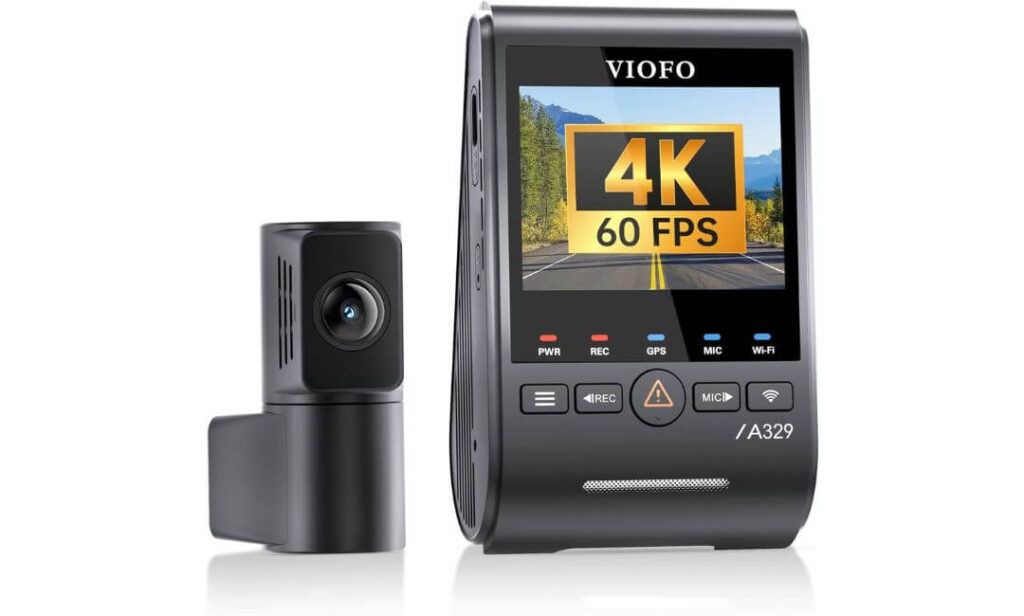
#1. VIOFO A329S 4K Front and Rear Dash Cam
Quick Specs:
- True 4K 60FPS front recording with smoother plate capture during highway motion
- 2K rear camera with STARVIS 2 low-light tuning for cleaner nighttime footage
- Wi-Fi 6 transfer speeds up to 30MB/s for fast phone downloads inside the vehicle
- Ultra-low-power parking mode designed to reduce unnecessary battery drain
- Supports massive 4TB SSD storage for long road trips and continuous recording
- Slim coaxial cable setup that hides cleanly around the windshield and headliner
- Built-in GPS + voice control without needing extra accessories
- CPL anti-glare filter included to reduce windshield reflections during daylight driving
The first thing that stands out here isn’t the resolution — it’s the way the footage stays controlled when conditions get ugly. Fast-moving traffic, rain glare, LED headlights, dark highways, underground parking ramps… this setup handles contrast better than most newer dual-channel cameras right now. Inside a Ford Escape specifically, that matters more than people think because the wider windshield and taller driving position can create extra glare at night if the sensor tuning is weak. This one doesn’t struggle there.
What also makes this setup feel genuinely premium is how refined the entire install experience is. The 2.8mm coaxial cable system is noticeably slimmer than typical rear camera wiring, which helps a lot in larger family SUVs where messy routing becomes obvious quickly. Once mounted near the mirror area, it blends into the Escape cabin surprisingly well instead of looking like an oversized gadget hanging from the glass. Even the included CPL filter makes a real difference during bright daytime driving by cutting dashboard reflections before they ruin footage clarity.
Then there’s the storage and parking setup — honestly, this is where it separates itself from a lot of “popular” dash cams online. Support for 4TB external SSD recording is rare right now, and it changes everything for long-distance drivers or people who hate constantly overwriting clips. Pair that with the impact-triggered low-power parking mode, and the camera feels built for real ownership instead of marketing screenshots.
(And yes — the faster Wi-Fi 6 transfer speeds genuinely save time when you actually need footage quickly after an incident.)
Why This Setup Stood Out During Our Research
- STARVIS 2 sensors actually deliver cleaner nighttime plate clarity, not just brighter footage
- 4K 60FPS recording feels noticeably smoother during highway driving and lane changes
- The parking mode logic is smarter than most aggressive motion-trigger systems that constantly spam recordings
- Cable routing feels far cleaner inside larger SUVs compared to thicker traditional rear-camera wiring
- Wi-Fi 6 transfers are shockingly fast when downloading clips directly to a phone
- Supports serious long-term storage setups without forcing constant overwriting loops
A Small Thing Buyers Should Know
The advanced parking features work best with the optional hardwire kit, so most owners planning full-time parked surveillance will eventually want that upgrade.
Real-World Ford Escape Compatibility Notes
The wider windshield shape inside the Ford Escape actually works very well with this camera’s slimmer body design. Mounted properly near the rearview mirror, it avoids blocking forward visibility and doesn’t interfere with the SUV’s natural driving position the way chunkier dual-camera systems sometimes do.
Rear camera routing is also easier than expected because the included 6-meter cable length is long enough for most Escape layouts without needing extensions. Families using all three rows regularly will especially appreciate how easy the cable is to hide along the headliner compared to thicker traditional setups.
The Insider Pro-Tip
Most people buying a premium dash cam obsess over “highest resolution,” but real-world clarity usually comes down to motion handling and HDR balance. That’s exactly why this setup performs so well in larger SUVs. The combination of 4K 60FPS + STARVIS 2 tuning keeps moving license plates readable during fast traffic transitions where many cheaper cameras start smearing detail badly.
If you regularly drive highways at night, park outdoors, or take long family trips in a Ford Escape, this is the kind of dash cam you stop thinking about after installation — because it simply keeps doing its job quietly in the background without creating extra headaches later.
#2. Fitcamx 4K Front and Rear Dash Cam
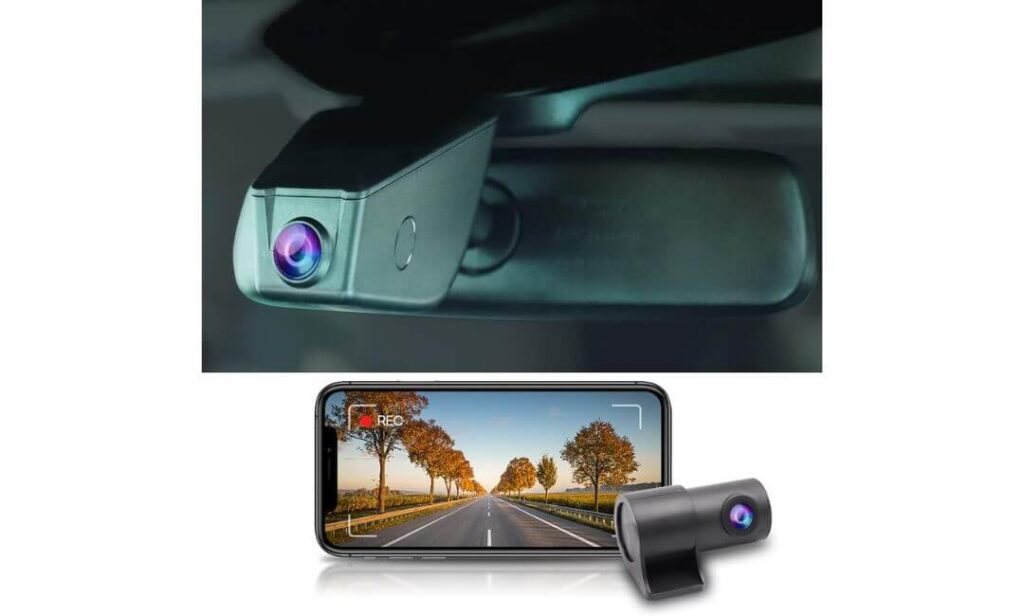
Quick Specs:
- True OEM-style housing designed to blend directly into the mirror area
- 4K front + 1080P rear recording with balanced daytime and nighttime clarity
- 170° front and 140° rear viewing angles for wider road coverage in larger SUVs
- Built-in Wi-Fi app control for quick clip access without removing the SD card
- Loop recording + automatic emergency locking during sudden impacts
- Comes preloaded with a 128GB memory card right out of the box
- Plug-and-play rain sensor connection with no wire cutting or splicing required
- WDR tuning + f/1.6 aperture for better headlight and shadow control after dark
Honestly, this is the kind of dash cam most Ford Escape owners end up appreciating more after a few weeks — not because it screams “premium,” but because it disappears into the cabin so naturally. Once installed near the mirror housing, it genuinely looks factory-fitted instead of feeling like an aftermarket accessory hanging from the windshield. In a larger SUV where the cabin already has multiple screens, sensors, and trim pieces, that cleaner appearance makes a bigger difference than people expect.
The real surprise here is how well the camera balances simplicity with useful daily features. The 4K front camera captures strong road detail during daytime driving, while the rear 1080P setup handles parking incidents and rear traffic cleanly enough without overcomplicating things. The built-in WDR processing and f/1.6 lens also help smooth out harsh glare from headlights, especially during wet-night driving where many budget dash cams start crushing details badly.
Then there’s the installation experience — and this is honestly where it separates itself from typical universal dash cams. Instead of running bulky exposed wiring across the windshield, this setup integrates directly around the mirror area using the vehicle’s existing rain sensor housing. In the Ford Escape specifically, that creates a far cleaner look than traditional suction-mounted cameras that constantly draw attention.
(And yes, the included 128GB card is genuinely useful because you can start recording immediately without buying extra accessories first.)
What Made This One Easy to Recommend
- The factory-style appearance looks incredibly clean once mounted inside the SUV
- Installation feels far less stressful compared to traditional hardwired windshield setups
- Wi-Fi app access is simple and fast enough for quick clip downloads after incidents
- Wider lens coverage works especially well for larger crossover and SUV visibility
- Included storage card saves buyers from immediate extra purchases
- Video quality stays surprisingly balanced during difficult lighting transitions
One Important Compatibility Detail Worth Checking
This setup works best on Ford Escape trims equipped with the proper mirror-area sensor housing, so checking the mirror cover layout before ordering helps ensure the clean OEM-style fitment this camera is known for.
Why It Fits the Ford EscapeCabin So Naturally
The Ford Escape has a broad windshield and a fairly open dashboard design, which can make standard dash cams look oversized quickly. That’s exactly why this setup works so well here. Once installed, it follows the factory mirror lines closely instead of hanging lower into the driver’s field of vision.
Families using the Escape for daily commuting or long-distance travel will especially appreciate how little visual clutter this creates. Even passengers usually don’t notice it at first glance, which honestly says a lot about how well the OEM-style housing blends into the interior.
The Insider Pro-Tip
A lot of drivers spend weeks comparing raw video resolutions, but the truth is most people care far more about how a dash cam feels after everyday ownership starts. If the install looks messy, if wires stay visible, or if the camera constantly catches your attention while driving, it slowly becomes irritating no matter how good the specs look online.
That’s exactly why OEM-style setups like this are becoming so popular in larger SUVs. The cleaner fitment, simpler operation, and low-profile appearance often end up mattering more long-term than chasing extreme recording specs most owners rarely use fully in real driving situations.
#3. 70mai 4K Front and Rear Dash Cam
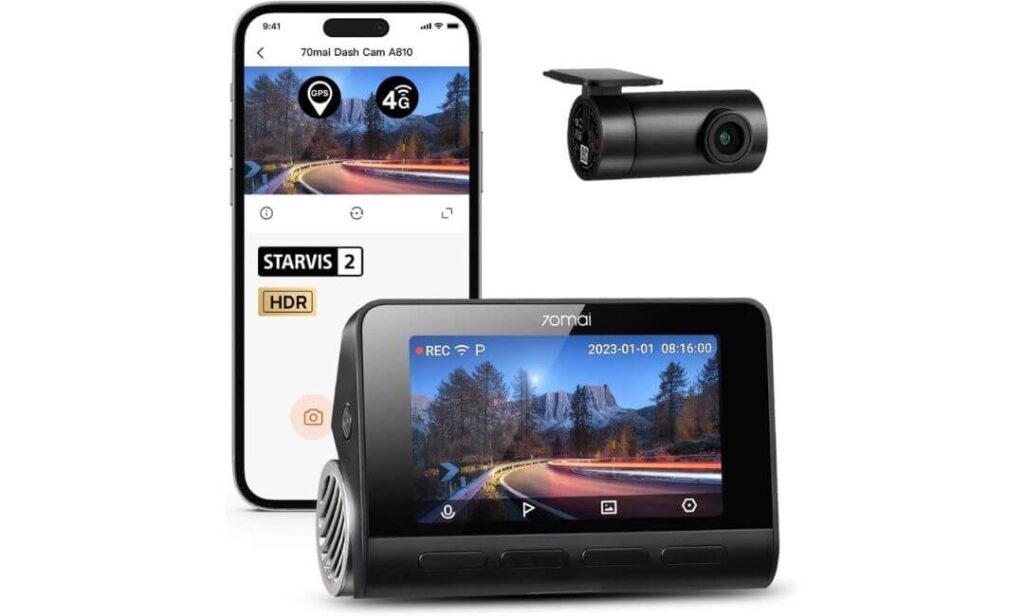
Quick Specs:
- True 4K front + 1080P rear recording with Sony STARVIS 2 sensors on both cameras
- 4G LTE remote access support for live vehicle monitoring and instant alerts
- AI Motion Detection 2.0 with smarter human and vehicle recognition while parked
- Wi-Fi 6 connectivity for extremely fast app transfers and video previews
- 24-hour parking surveillance + time-lapse mode with optional hardwire kit
- Advanced HDR night tuning + F1.7 aperture for cleaner low-light footage
- Built-in 5-system GPS tracking for accurate speed and route history
- Voice commands + ADAS safety alerts for hands-free daily driving support
There’s a reason this setup feels different the moment you start using it — it behaves less like a basic dash cam and more like a connected security system for your vehicle. Most dual-camera setups focus only on recording while driving. This one goes much further. The combination of 4G remote monitoring, AI motion detection, live alerts, and GPS tracking creates a level of awareness most Ford Escape owners simply haven’t experienced before in a dash cam.
What impressed us most wasn’t just the 4K sharpness — it was the way the footage stays usable in ugly lighting conditions. The dual STARVIS 2 sensor setup combined with 70mai’s HDR and Night Owl processing handles dark roads, wet pavement reflections, parking garages, and aggressive LED headlights far better than most people expect at this price point. Inside a larger SUV like the Ford Escape, where windshield glare can become brutal after sunset, that extra low-light balance makes a real-world difference quickly.
Then there’s the parking protection side, and honestly, this is where things get interesting. The AI Motion Detection 2.0 system doesn’t just react randomly to every shadow movement like older parking systems. It’s designed to recognize nearby people and vehicles more intelligently, which helps reduce unnecessary recordings while keeping the important events protected. Pair that with optional 4G LTE cloud access, and the setup starts feeling genuinely advanced for daily ownership instead of “tech for the sake of tech.”
(If you regularly leave your Escape parked outside for long hours, this kind of remote monitoring becomes surprisingly addictive very fast.)
Why This Camera Earned a Spot in Our Lineup
- Remote live-view access changes the entire parking security experience
- STARVIS 2 low-light tuning handles dark highways and parking lots impressively well
- AI detection feels smarter and less chaotic than typical motion-trigger parking systems
- Wi-Fi 6 transfers are genuinely fast during emergency footage downloads
- Voice control works naturally without forcing constant screen interaction
- The wider viewing coverage suits larger crossover and SUV driving extremely well
One Small Thing Worth Knowing Before Ordering
To unlock the full 4G remote-access and advanced parking features, the optional UP05 hardwire kit is needed — though the camera still works perfectly well as a standard plug-and-play setup without it.
Why It Works Surprisingly Well in the Ford Escape
The Ford Escape is often used as a family road-trip SUV, commuter vehicle, and long-distance hauler all at once — which is exactly where this setup feels most natural. The broader windshield area allows the front camera to capture excellent lane coverage without needing awkward mounting angles.
The rear camera also benefits from the Escape’s larger cabin layout because the included cable length routes cleanly through the headliner without creating excessive tension or visible wiring. Once installed properly, the whole system feels more integrated than most universal windshield-mounted cameras.
The Insider Pro-Tip
Most people shopping for dash cams still think “better resolution” automatically means better evidence. Realistically, that’s only half the story now. What separates modern premium systems is how intelligently they behave when you’re not inside the vehicle.
That’s exactly why this setup stands out. The combination of AI parking surveillance, remote LTE access, GPS tracking, and stronger night processing creates a level of confidence that older traditional dash cams simply can’t replicate anymore. If your Ford Escape spends time in apartment parking, airport lots, office garages, or overnight street parking, this starts feeling less like a gadget — and more like an extra layer of vehicle security you quickly stop wanting to drive without.
#4. ROVE R2-4K Dual Dash Cam
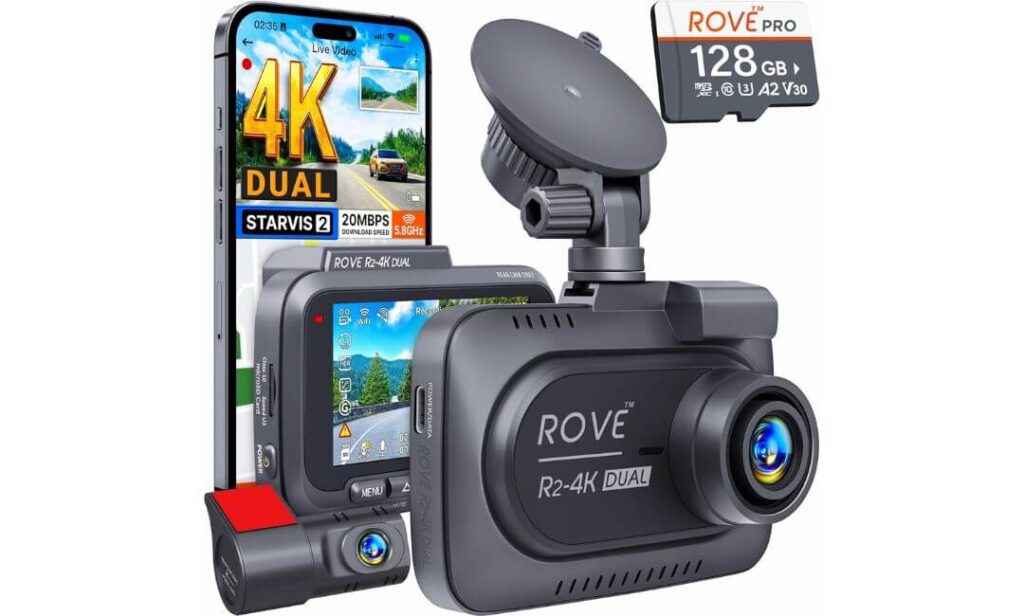
Quick Specs:
- 4K front + 1080P rear recording with wide-angle SUV-friendly coverage
- Sony STARVIS 2 sensor for noticeably cleaner low-light highway footage
- Ultra-fast 5G Wi-Fi transfers up to 20MB/s through the ROVE app
- Built-in GPS tracking with speed, route, and compass recording
- Three-mode 24-hour parking protection with voice-guided alerts
- Supports up to 1TB storage for long continuous recording sessions
- Supercapacitor setup built for better heat resistance and longer lifespan
- Free 128GB card included with both suction and adhesive mounting options
Sometimes the best dash cam isn’t the one with the flashiest feature list — it’s the one that quietly gets the important things right every single day. That’s exactly the feeling this setup gives. From the moment it starts recording, the footage feels stable, balanced, and easy to trust. Inside a Ford Escape, where long commutes, family travel, and crowded parking situations are common, that kind of consistency matters more than exaggerated marketing claims.
The biggest strength here is honestly the balance between performance and simplicity. The Sony STARVIS 2 sensor paired with the F1.5 front aperture handles nighttime driving surprisingly well, especially during rainy highways, tunnel exits, and heavy city glare where many mid-range cameras start losing plate detail. The wider 150° front view also works beautifully in larger SUVs because it captures lane movement naturally without creating excessive fisheye distortion across the windshield edges.
Then there’s the ownership side of things — and this is where the camera starts feeling genuinely polished. The 5G Wi-Fi connection is fast enough that downloading clips to a phone doesn’t become annoying after an incident. The included 128GB card, dual mounting system, voice guidance, GPS logging, and OTA firmware updates all make the setup feel complete straight out of the box instead of forcing buyers into immediate upgrades.
(And the supercapacitor design matters more than most people realize if your Escape spends summers parked in direct heat for hours.)
What Made It Stand Out in Real Daily Use
- The video quality feels consistently clean instead of artificially over-sharpened
- Night recordings stay surprisingly readable during wet roads and LED glare
- App transfers are fast enough that you’ll actually use them regularly
- Included accessories make installation feel easier than most universal dash cams
- GPS tracking adds useful driving evidence without extra hardware
- The supercapacitor design inspires more confidence during extreme temperatures
One Helpful Thing to Keep in Mind
The advanced parking monitoring features require the optional hardwire kit, though the standard plug-and-play setup already works extremely well for regular daily recording.
Why It Feels Naturally Suited to the Ford Escape
The Ford Escape has the kind of cabin where bulky electronics become noticeable quickly, especially near the mirror area. Thankfully, this setup keeps things relatively clean while still offering larger-screen usability when needed. Drivers who prefer checking footage directly on-camera instead of only through an app will especially appreciate the wider 3-inch IPS display here.
The included 6.5-meter rear cable is also long enough for the Escape larger cabin layout without creating awkward tension during installation. Once routed properly through the headliner, the system feels surprisingly tidy for a full dual-camera setup.
The Insider Pro-Tip
A lot of dash cams look impressive during the first few days — then slowly become frustrating because the app lags, the footage feels inconsistent, or the setup starts overheating during summer parking. Long-term usability is where most systems quietly fail.
That’s why this one earned a place here. The combination of STARVIS 2 low-light tuning, fast Wi-Fi performance, heat-resistant supercapacitor hardware, and stable parking features creates something many drivers actually keep using happily years later. For Ford Escape owners wanting a reliable “install it once and stop worrying” type of setup, this feels far more refined than its price suggests.
#5. Mangoal 4K Custom Ford Escape Dash Cam
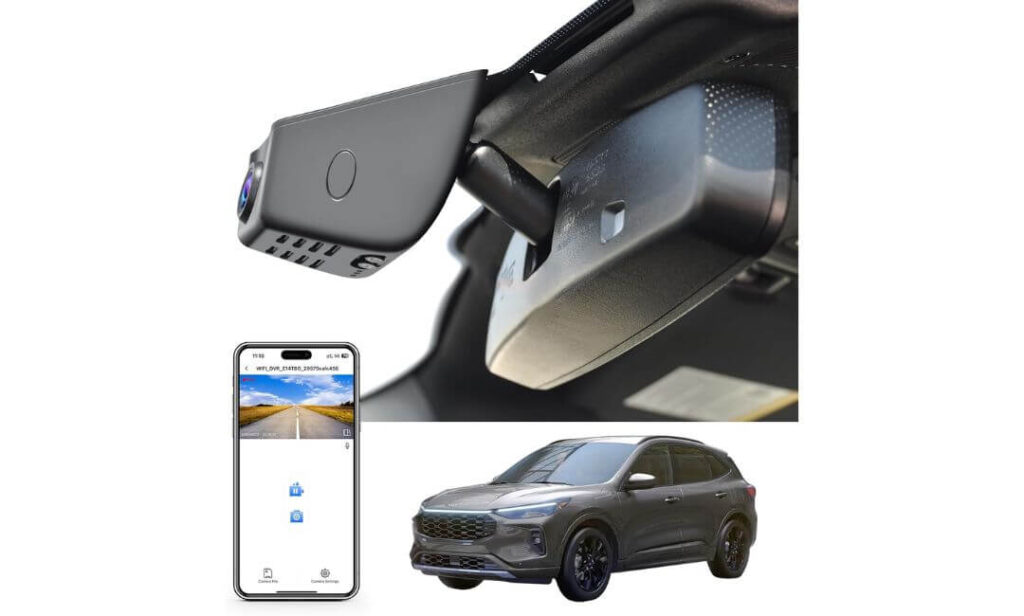
Quick Specs:
- Custom-built OEM-style fitment designed specifically for Ford Escape Gen4 models
- True 4K 2160P front recording with Sony IMX335 image sensor
- f/1.8 aperture + WDR tuning for balanced low-light and daytime clarity
- Built-in Wi-Fi and mobile app access for quick video previews and downloads
- GPS module included for speed and route tracking during playback
- OBD power adapter included for cleaner installation without exposed wiring
- 64GB memory card pre-installed for immediate recording out of the box
- Loop recording + G-sensor protection for automatic event locking during impacts
There’s something refreshing about a dash cam that doesn’t try too hard to look “high-tech.” This setup feels like it was designed by people who actually understand how Ford Escape owners use their vehicles daily. Instead of hanging a bulky screen below the mirror or cluttering the windshield with visible cables, everything here stays tucked neatly into the cabin lines like factory hardware. Inside the Ford Escape, that cleaner integration immediately makes the interior feel calmer and less aftermarket.
The recording quality also ends up being more balanced than many people expect from a smaller OEM-style camera. The Sony IMX335 sensor paired with the f/1.8 aperture delivers solid detail during daytime traffic, parking lots, and city driving while keeping nighttime footage surprisingly controlled for a compact setup. It doesn’t rely on overprocessed sharpening tricks either, which helps road signs, lane markings, and nearby vehicle details look more natural instead of artificially crisp.
But honestly, the strongest part of this setup is how simple ownership feels once everything is installed. The included OBD adapter, GPS module, Wi-Fi app access, and preloaded 64GB card remove a lot of the annoying setup stages that frustrate first-time buyers. For Ford Escape owners who mainly want reliable front recording, parking protection, and a clean interior appearance without turning the windshield into a tech project, this setup makes a lot of sense very quickly.
(And the hidden OEM-style placement genuinely helps the camera feel like part of the vehicle instead of an accessory stuck onto it later.)
Why It Earned a Place in This Lineup
- The OEM-style integration looks cleaner than most universal dash cams
- Installation feels less intimidating thanks to included adapters and trim tools
- Video quality stays natural without excessive artificial sharpening
- Built-in GPS and Wi-Fi add useful functionality without complicating daily use
- Included storage card helps buyers start recording immediately
- Compact design suits SUVs that already have large mirror and sensor housings
One Helpful Detail Buyers Should Know
This setup is focused mainly on a clean integrated front-camera experience, so buyers wanting a fully expandable multi-camera system later may prefer choosing a dedicated dual-channel platform from the start.
Why It Matches the Ford Escape Cabin So Well
The Ford Escape has a broad windshield and a fairly upscale dashboard layout, which can make traditional suction-mounted cameras feel visually out of place quickly. This OEM-style housing avoids that problem by staying close to the mirror assembly and blending naturally into the upper windshield area.
Drivers who dislike visible wiring or oversized dash cam screens will especially appreciate this layout. Even during long trips, the cabin keeps its cleaner factory-style appearance instead of feeling overloaded with aftermarket electronics.
The Insider Pro-Tip
A lot of drivers shopping for dash cams focus entirely on recording specs and forget one important thing: you still have to live with the camera every single day. If the install looks messy, blocks visibility, or constantly reminds you it’s there, even great footage quality starts feeling less impressive over time.
That’s why OEM-style systems like this continue gaining popularity in SUVs and family crossovers. The cleaner fitment, simpler ownership experience, and lower visual distraction often become more valuable long-term than chasing extreme specs most people rarely use fully in normal driving conditions.
Best Front and Rear Dash Cams for Ford Escape Compared Side-by-Side
| Dash Cam | Recording Quality | Night Driving | Parking Security | Installation Feel | Best Real-World Use | Overall Verdict |
|---|---|---|---|---|---|---|
|
VIOFO A329S
Premium Highway & Night Driving Setup
|
4K 60FPS + 2K Rear
Extremely smooth motion clarity
|
Best STARVIS 2 Performance |
Impact-Based Smart Parking
Very low battery drain
|
Clean Hidden Wiring
Slim coaxial cable setup
|
Long highway trips
Heavy nighttime driving
|
Best Overall Pick |
|
Fitcamx OEM
Factory-Look Hidden Dash Cam
|
4K Front + 1080P Rear
Balanced real-world clarity
|
Very Good HDR Balance |
Reliable G-Sensor Locking
Simple daily protection
|
Best OEM Appearance
Almost invisible after install
|
Clean interior lovers
Factory-style setup
|
Best OEM Design |
|
70mai A810S
Smart Connected Security Setup
|
4K Front + 1080P Rear
Excellent HDR tuning
|
Excellent Dark-Road Visibility |
AI Motion Detection 2.0
4G remote monitoring support
|
Easy Universal Setup
Strong app ecosystem
|
Outdoor overnight parking
Remote vehicle monitoring
|
Best Smart Features |
|
ROVE R2-4K Dual
Reliable Everyday Dual Camera Setup
|
4K Front + Full HD Rear
Smooth day & night balance
|
Strong Wet-Road Clarity |
3 Parking Recording Modes
Voice-guided event alerts
|
Flexible Mounting Options
Good SUV cable length
|
Daily commuting
Balanced long-term use
|
Best Value Choice |
|
Mangoal 4K OEM
Minimalist Hidden Recording Setup
|
4K Front Recording
Natural daytime detail
|
Good Urban Night Capture |
Basic Parking Monitoring
Reliable incident locking
|
Most Factory-Like Feel
No messy wiring look
|
Simple clean ownership
Low-profile daily driving
|
Best Minimal Setup |
Must-Have Features That Actually Matter in a Ford Escape Dash Cam
A lot of people buy a dash cam by looking only at resolution numbers or Amazon star ratings, then realize later the camera doesn’t really fit the way they drive their Ford Escape. This SUV has a different windshield shape, seating position, and daily-use pattern compared to smaller sedans, which means the “best” dash cam on paper is not always the one that feels best after real ownership starts.
The features below are the ones that genuinely separate a reliable long-term setup from something that becomes annoying after a few weeks.
Why a True 4K Dash Cam Makes a Real Difference in the Ford Escape
The Ford Escape sits slightly higher than compact cars, which changes how the camera captures traffic, road glare, and license plates ahead. Cheap “4K” cameras often sharpen footage artificially, making videos look impressive until you actually pause a frame and try reading a plate number at night.
A proper 4K dash cam for Ford Escape driving should deliver clean detail during fast-moving highway traffic, sudden braking situations, and difficult lighting transitions. Cameras using stronger image sensors like Sony STARVIS 2 usually perform better because they reduce motion blur while keeping signs, lane markings, and nearby vehicle details readable.
This becomes even more important during:
- Rainy nighttime driving
- Tunnel exits with sudden brightness shifts
- LED headlight glare from trucks and SUVs
- Multi-lane highway merges
- Parking lot hit-and-run situations
The difference between average and premium 4K recording usually appears during those exact moments.
Why Front and Rear Recording Feels More Important in SUVs
Most first-time buyers focus heavily on the front camera and forget how exposed the rear side of an SUV actually is. The Ford Escape spends a lot of time reversing in crowded parking areas, sitting outside shopping centers, and carrying passengers or cargo that can limit rear visibility slightly.
A good front and rear dash cam for Ford Escape driving creates a much more complete protection setup because incidents rarely happen only from one direction anymore. Rear footage becomes extremely valuable during:
- Rear-end collisions
- Parking lot bumps
- Highway lane-change disputes
- Tailgating incidents
- Insurance claim investigations
The best dual-camera systems also keep recording quality balanced between both cameras instead of giving you a sharp front camera and a blurry rear feed.
Why Hidden OEM-Style Dash Cams Work So Well in the Ford Escape
This is something many people underestimate until after installation. The newer Ford Escape cabin already has multiple sensors, screens, and driver-assist hardware around the mirror area. Large hanging dash cams can start feeling distracting surprisingly fast, especially during nighttime driving.
That’s why hidden dash cams for Ford Escape models have become so popular recently. OEM-style systems blend directly into the mirror housing area, reduce windshield obstruction, and keep the interior looking cleaner overall.
A cleaner installation usually means:
- Less visible wiring
- Better forward visibility
- Lower theft attention from outside
- More factory-style appearance
- Less driver distraction during long trips
For many Escape owners, that cleaner daily feel becomes more important than flashy extra features later on.
Why Wireless Connectivity Changes the Ownership Experience
Older dash cams often forced people to remove the SD card every time footage was needed. Realistically, most drivers stop checking recordings completely because the process becomes annoying.
Modern wireless dash cams for Ford Escape models solve that problem through Wi-Fi apps, OTA firmware updates, cloud syncing, and fast phone downloads. Systems using newer Wi-Fi 6 connectivity especially feel much smoother because large 4K files transfer quickly without constant app crashes or delays.
That matters more than people think after:
- Minor accidents
- Road-rage incidents
- Unexpected wildlife encounters
- Police interactions
- Insurance documentation requests
Fast access to footage often becomes just as important as the footage quality itself.
Why Parking Mode Matters More Than Most Drivers Expect
A huge percentage of vehicle damage now happens while parked, not while driving. Shopping carts, parking-lot scrapes, hit-and-runs, careless door impacts — these situations are exactly why a strong parking mode dash cam for Ford Escape ownership matters.
The better systems now use:
- Motion sensing
- Collision-trigger recording
- AI vehicle detection
- Time-lapse parking surveillance
- Locked emergency event folders
More advanced setups even allow remote notifications and live viewing while the SUV is parked outside.
The important thing is balance. Good parking systems should protect the vehicle without draining the battery aggressively or creating thousands of useless recordings every day.
Why Night Vision Performance Separates Average Cameras From Great Ones
Most dash cams look decent during sunny daytime driving. The real test starts after dark.
A proper night vision dash cam for SUV driving needs strong low-light sensors, wide dynamic range tuning, and controlled HDR processing. Otherwise, footage quickly becomes unusable once headlights, reflections, rain, or dark roads enter the scene.
In the Ford Escape specifically, nighttime visibility matters heavily because the higher seating position changes how light reflects across the windshield. Better low-light cameras maintain:
- Clearer plate visibility
- Better roadside detail
- More natural contrast
- Reduced headlight blooming
- Smoother shadow transitions
That’s exactly why premium STARVIS 2 setups consistently rank higher among experienced drivers.
Why App Support and GPS Features Matter Long-Term
A dash cam without a stable app eventually becomes frustrating. Most people don’t realize this until they actually need footage quickly after an incident.
A strong dash cam with app support for Ford Escape driving should make it easy to:
- Preview footage instantly
- Download clips to a phone
- Check GPS speed and route logs
- Update firmware
- Adjust parking settings
- Lock emergency recordings quickly
Better apps also improve long-term ownership because manufacturers can push stability updates and camera optimizations over time instead of leaving the system outdated after purchase.
Ford Escape Dash Cam Installation Details Most Buyers Never Think About
Installation quality changes the ownership experience more than most people realize. A poorly mounted camera with visible cables can make even a premium setup feel cheap later.
The Ford Escape generally works well with:
- OEM mirror-mounted systems
- Slim windshield-mounted cameras
- OBD-powered installations
- Hardwire parking kits
- Cigarette-lighter plug setups for easier installs
Newer Escape models with rain-sensor housings especially benefit from OEM-style cameras because they integrate more naturally into the upper windshield area.
Cable routing also matters. Larger dual-camera systems need enough rear-cable length to move cleanly through the headliner without pulling tightly near side trim or rear hatch panels. The best setups feel almost invisible once fully installed — and honestly, that’s usually when you know you picked the right dash cam.
Buying Guide: How to Choose the Right Dash Cam for Your Ford Escape
Buying a dash cam for the Ford Escape sounds simple until you actually start comparing models. Suddenly every product claims “4K ultra HD,” “best night vision,” or “smart parking mode,” and honestly, most buyers end up overwhelmed before they even install anything.
The bigger issue is this: the Ford Escape is not a tiny sedan with unlimited windshield space. It’s a compact SUV with a taller seating position, more mirror-area hardware, heavier daily use, and a cabin layout where messy wiring becomes noticeable very quickly. That’s why choosing the right dash cam here is less about chasing the longest feature list — and more about finding the setup that actually fits the way the Escape is driven in real life.
Resolution Matters More Than Most Buyers Realize
This is the first area where marketing starts confusing people.
A lot of dash cams advertise “4K,” but the real difference comes from the image sensor, HDR tuning, frame rate stability, and how the camera handles motion while driving. Cheap 4K setups often look sharp during daytime parking videos, then completely lose license plate clarity once traffic speeds increase or headlights hit the lens at night.
For most Ford Escape owners, the sweet spot is:
- True 4K front recording
- At least 1080P rear recording
- Stable HDR/WDR processing
- Good low-light sensor performance
That combination gives you better real-world evidence during:
- Highway merges
- Rainy night driving
- Parking lot incidents
- Fast lane changes
- Rear-end collisions
If budget becomes tight, prioritize the front camera quality first. A strong 4K front camera paired with a reliable Full HD rear camera usually performs better than forcing dual “cheap 4K” channels with weak sensors.
Field of View and Camera Placement Are Huge in the Ford Escape
Most buyers never think about viewing angles until after installation.
The Ford Escape sits higher than smaller cars, which changes how much road area the dash cam needs to capture comfortably. A narrow field of view can miss side traffic movement, while an overly wide fisheye lens can distort details badly around the edges.
For SUVs like the Escape, balanced coverage matters more than extreme numbers.
A good setup should:
- Cover multiple lanes naturally
- Capture side vehicle movement clearly
- Avoid heavy fisheye stretching
- Keep plate visibility readable
- Maintain clean rear-window coverage
Placement matters just as much. Cameras mounted too low below the mirror can become distracting during night driving, especially on newer Escape trims where driver-assist sensors already occupy upper windshield space.
Hidden OEM Dash Cams vs Traditional Visible Units
This honestly changes the ownership experience more than many people expect.
Traditional dash cams usually hang below the mirror with visible cables, suction cups, or large screens. They work fine functionally, but inside a modern Ford Escape, they can quickly make the cabin feel cluttered.
OEM-style hidden dash cams solve that problem by blending into the mirror housing area instead of drawing attention.
The benefits are surprisingly noticeable:
- Cleaner windshield appearance
- Less visible wiring
- Reduced theft attention
- Better forward visibility
- More factory-like interior feel
Visible units still make sense for some drivers, especially if you want:
- Larger display screens
- Easier manual control access
- Flexible mounting positions
- Multi-vehicle portability
But for many Escape owners, OEM-style systems end up feeling more natural long-term.
Power Setup and Installation Complexity
This is where many buyers accidentally make things harder than necessary.
Most dash cams support two main installation types:
- Plug-and-play cigarette lighter setups
- Hardwired parking-monitor installations
Plug-and-play systems are easier for first-time owners because installation stays simple and removable. Hardwired setups unlock better parking mode features, automatic power management, and cleaner cable routing — but they require more installation effort.
Some OEM-style Ford Escape dash cams also use:
- Rain sensor adapters
- OBD power connections
- Mirror housing integration
These setups often create the cleanest results visually, though compatibility should always be checked before ordering.
Wireless Features Are No Longer Just “Extra Features”
Older dash cams forced users to remove SD cards constantly just to save footage. Realistically, most people stopped reviewing clips because the process became annoying.
Modern wireless systems completely changed that.
A good wireless dash cam for Ford Escape driving should offer:
- Stable phone app access
- Fast video transfers
- Firmware updates
- GPS route playback
- Parking-event notifications
- Simple footage downloads
Wi-Fi 6 systems especially feel smoother with large 4K recordings because transfer speeds stay much faster during emergency downloads.
And honestly, once drivers get used to reviewing footage directly from their phone, going back to SD-card-only systems starts feeling outdated very quickly.
Parking Mode and Loop Recording Are Essential Now
A surprising amount of vehicle damage happens while parked, not while driving.
That’s why a strong parking mode dash cam for Ford Escape ownership matters so much today. Shopping carts, parking-lot scrapes, overnight hit-and-runs, careless door impacts — these situations happen constantly in SUVs used for daily commuting.
The best systems now combine:
- Impact-triggered recording
- Motion sensing
- AI vehicle detection
- Time-lapse monitoring
- Locked emergency footage
Loop recording also matters because it automatically overwrites older footage when storage fills up. Better systems protect important collision clips separately so they don’t get erased accidentally later.
Night Vision Quality Is Where Premium Dash Cams Separate Themselves
Most dash cams look decent during sunny daytime driving. Darkness changes everything.
A strong night vision dash cam for SUV driving should control:
- LED headlight glare
- Wet-road reflections
- Tunnel transitions
- Parking garage shadows
- Dark rural roads
That’s why sensors like Sony STARVIS 2 consistently perform better. They preserve motion detail while reducing noise and keeping plates readable in difficult lighting.
In the Ford Escape specifically, this matters heavily because the higher driving position changes how light reflects across the windshield during nighttime driving.
Reliability and Firmware Support Matter More Than Fancy Marketing
This is something buyers usually understand only after months of ownership.
A dash cam can have amazing specs and still become frustrating if:
- The app crashes constantly
- Firmware updates stop
- Parking mode becomes unstable
- Wi-Fi disconnects randomly
- Heat management is poor
That’s why established brands with active software support usually hold up better long-term. Features improve over time through updates, bugs get fixed, and overall ownership feels more stable instead of abandoned after purchase.
Good warranty support matters too — especially for drivers parking outdoors in extreme summer or winter temperatures.
Choosing Between Budget and Premium Dash Cam Setups
Not everyone needs the most expensive system.
The best budget dash cam for Ford Escape owners is usually the one that records reliably every day without creating installation headaches or app frustrations. Strong value setups now offer:
- Solid 4K front recording
- Decent nighttime visibility
- Reliable loop recording
- Stable mobile apps
- Easy installation
Premium systems move further into:
- STARVIS 2 low-light sensors
- Faster Wi-Fi 6 connectivity
- AI parking surveillance
- LTE remote monitoring
- Better HDR tuning
- Cleaner OEM-style integration
The important thing is matching the camera to how the Escape is actually used. Daily commuters, highway travelers, apartment parkers, rideshare drivers, and family-road-trip owners all end up prioritizing different features once real ownership starts.
Quick Model Spotlight: Which Type of Dash Cam Actually Fits Your Ford Escape Driving Style?
One thing that becomes obvious after comparing dozens of dash cams is this: there isn’t one “perfect” setup for every Ford Escape owner. Some people care most about crystal-clear highway footage, others want the cleanest OEM-style installation possible, while some just need reliable parking protection without spending premium money.
That’s why the smartest way to choose a dash cam is by matching the camera to how your Escape is actually used every day — not just by buying the highest-rated product online.
The High-End 4K Dual-Channel Setup for Serious Daily Driving
If your Ford Escape spends a lot of time on highways, busy city traffic, long commutes, or family road trips, this is usually the category that feels most satisfying long-term.
A premium 4K front and rear dash cam for Ford Escape driving focuses on three things:
- Stable high-speed footage clarity
- Strong nighttime performance
- Reliable parking protection
This is where models using STARVIS 2 sensors, HDR tuning, Wi-Fi 6 connectivity, and smarter parking monitoring start separating themselves from basic dual-camera systems. The difference becomes especially noticeable during:
- Fast-moving traffic
- Rainy nighttime driving
- Parking-lot incidents
- Tunnel exits and heavy glare
- Rear-end accident claims
Better premium systems also handle app connectivity more smoothly, which matters more than most people realize after an accident when footage needs to be downloaded quickly.
Drivers who usually prefer this category:
- Highway commuters
- Frequent night drivers
- Road-trip families
- Rideshare or delivery drivers
- Owners parking outdoors regularly
This is usually the “buy once and stop upgrading later” type of setup.
The Hidden OEM-Style Dash Cam Setup That Blends Into the Cabin
This category has exploded in popularity recently, especially among newer Ford Escape owners.
The Escape already has a fairly modern interior layout with multiple sensors and trim pieces around the mirror area. Traditional hanging dash cams can quickly start looking cluttered or distracting. That’s why hidden OEM-style dash cams for Ford Escape models feel so appealing — they integrate directly into the upper windshield area instead of drawing attention.
A good OEM-style setup focuses heavily on:
- Factory-like appearance
- Minimal windshield obstruction
- Hidden cable routing
- Cleaner interior aesthetics
- Easier daily visibility
These setups usually feel less intrusive during long-term ownership because you stop noticing the camera after installation.
This category works especially well for:
- Drivers who hate visible wires
- Clean-interior enthusiasts
- Family SUVs with busy dashboards
- Owners wanting theft-resistant setups
- People preferring factory-style upgrades
And honestly, once installed properly, many OEM-style cameras look like they came with the Escape from the factory.
The Wireless Convenience Setup for Easy Daily Ownership
Some drivers simply want the smoothest possible ownership experience — easy setup, fast app access, quick downloads, minimal frustration.
That’s where a strong wireless dash cam for Ford Escape ownership starts making a huge difference.
Modern wireless systems now offer:
- Fast Wi-Fi 6 video transfers
- Stable mobile app support
- OTA firmware updates
- GPS playback integration
- Voice controls
- Simple footage sharing directly from a phone
The biggest advantage is convenience. Drivers actually use the camera more because reviewing clips no longer feels like a chore.
Wireless-focused setups are especially good for:
- Daily commuters
- First-time dash cam buyers
- Drivers who dislike SD-card management
- Multi-driver households
- Users wanting fast emergency footage access
And realistically, once someone gets used to instant phone access and wireless downloads, older wired-only systems start feeling outdated very quickly.
The Night-Vision Focused Setup for Dark Roads and Difficult Weather
This is honestly the category where premium hardware matters most.
Many dash cams look impressive during bright daytime driving. Real-world nighttime driving is where weaker cameras completely fall apart. The Ford Escape’s slightly taller seating position also changes how headlights, reflections, wet pavement, and tunnel lighting hit the windshield, making low-light performance even more important.
The best night vision dash cam for SUV driving should focus on:
- Strong low-light sensors
- HDR/WDR tuning
- Reduced motion blur
- Better glare control
- Cleaner shadow handling
- Natural contrast at night
This becomes extremely valuable during:
- Rural highway driving
- Rainstorms
- Parking garages
- LED-heavy traffic
- Poorly lit streets
Dash cams using Sony STARVIS 2 sensors consistently perform better here because they preserve more usable detail instead of simply brightening the image artificially.
For drivers spending lots of time on dark roads, nighttime clarity quickly becomes more important than flashy daytime marketing screenshots.
The Budget-Friendly Dual-Camera Setup That Still Covers the Essentials
Not every Ford Escape owner needs the most advanced system available.
A good budget dash cam for Ford Escape ownership should still cover the features that actually matter:
- Reliable front recording
- Rear camera protection
- Loop recording
- Parking monitoring
- Stable app support
- Decent nighttime visibility
The mistake many buyers make is going too cheap and ending up with unstable apps, poor heat management, blurry night footage, or unreliable parking recording.
The smarter budget-focused setups now deliver surprisingly strong value by prioritizing:
- Stable Full HD or 4K front recording
- Simple installation
- Reliable mobile connectivity
- Consistent loop recording
- Everyday usability over gimmicks
This category usually works best for:
- First-time dash cam buyers
- Budget-conscious commuters
- Teen-driver monitoring
- Secondary family vehicles
- Drivers wanting basic daily protection without complexity
And honestly, for many Escape owners, a stable mid-range dual-camera system often feels better long-term than chasing expensive features they rarely end up using fully.
Ford Escape Dash Cam Installation Guide: What Actually Matters Before You Start
Installing a dash cam in the Ford Escape is not difficult — but there’s a huge difference between a setup that looks factory-clean for years and one that starts feeling messy after a few days. Most installation problems happen because people rush into mounting the camera before thinking about cable routing, power setup, or windshield placement properly.
The good news is that the Escape’s cabin layout works very well for modern dash cams, especially OEM-style and slimmer dual-camera systems. Once planned correctly, the entire setup can feel almost invisible during daily driving.
Start With the Right Setup Plan Before Mounting Anything
Before touching adhesive mounts or routing wires, decide what type of system actually matches how you use the Ford Escape.
This changes everything later.
For example:
- A simple front-only setup works well for lighter commuting and cleaner installs
- A front-and-rear system makes more sense for family driving, parking lots, and highway protection
- OEM-style cameras fit best if you dislike visible electronics around the mirror area
- Advanced parking systems usually need hardwiring from the beginning
A lot of people accidentally create extra work by installing a basic front camera first, then upgrading to a rear camera later and rerouting cables again.
Also think about how you want the dash cam powered:
- Plug-and-play cigarette lighter connection
- USB-powered setup
- OBD connection
- Full hardwire parking installation
The cleaner the plan at the start, the cleaner the final result usually feels inside the Escape cabin.
Choosing the Right Power Setup Changes the Entire Ownership Experience
This is where many Ford Escape owners quietly make the wrong choice.
A basic cigarette-lighter installation is easier, removable, and completely fine for normal driving footage. But once people start wanting:
- 24-hour parking mode
- Impact-triggered recording
- Time-lapse parking surveillance
- Remote monitoring
- Battery voltage protection
…a proper hardwire setup suddenly becomes worth it.
There are generally two cleaner long-term solutions:
- Fuse-tap hardwire installation
- OBD power adapters
Fuse-tap setups connect directly into the Escape’s fuse box and usually offer the most stable parking-mode support. Better hardwire kits also include voltage cutoffs to protect the vehicle battery automatically.
OBD-powered systems are simpler and cleaner for many drivers because they avoid deeper electrical work while still supporting more advanced recording features.
The biggest mistake during installation is leaving cables loose near the windshield or A-pillars. Once sunlight hits dangling wires every day, even an expensive dash cam setup can start feeling cheap very quickly.
Clean Cable Routing Makes More Difference Than People Expect
This is honestly one of the biggest differences between a professional-looking install and a frustrating one.
The Ford Escape’s interior trim generally allows excellent hidden cable routing if done patiently. Most dual-camera systems can run:
- Along the headliner
- Behind the A-pillar trim
- Through weather stripping
- Across the rear hatch trim cleanly
The goal is simple: once seated normally inside the SUV, you should barely notice the camera system at all.
OEM-style dash cams have a huge advantage here because they usually stay concentrated near the mirror housing with far less exposed wiring overall.
For rear-camera setups, leave slight cable slack near moving hatch sections instead of pulling everything tightly. That small detail prevents long-term tension and avoids cable stress during repeated trunk opening.
Windshield Placement Matters More Than Buyers Realize
Many first-time installations fail here.
The Ford Escape windshield is not flat like older sedans. It has a slightly steeper angle and more sensor hardware around the upper center area, especially on newer trims.
The best mounting position is usually:
- High near the rearview mirror
- Slightly passenger-side biased
- Outside the driver’s direct viewing line
- Clear of rain sensors and driver-assist cameras
Mounting the dash cam too low creates several problems:
- Increased nighttime glare
- More windshield obstruction
- Easier visibility from outside the vehicle
- More distraction during driving
Good placement should make the camera almost disappear naturally while driving.
Also, always clean the glass properly before mounting. Many adhesive failures happen simply because oils or invisible dust were left on the windshield before installation.
App Setup and Initial Camera Configuration
This is the step most people rush through — and later regret.
Modern Ford Escape dash cams now rely heavily on mobile apps for:
- Video playback
- Firmware updates
- GPS route tracking
- Parking-mode settings
- Wi-Fi configuration
- Sensitivity adjustments
After installation, spend a few extra minutes configuring things properly instead of leaving everything on default settings.
The important settings most owners should check immediately:
- Correct time and date
- Video resolution selection
- Loop recording interval
- Parking-mode sensitivity
- GPS logging preferences
- Wi-Fi password setup
- Voice alert volume
Some cameras also allow HDR/WDR tuning adjustments that noticeably improve nighttime visibility depending on how the Escape is usually driven.
And honestly, firmware updates matter more than people think. Better brands regularly improve:
- App stability
- Heat management
- Parking detection accuracy
- Recording reliability
- Wi-Fi performance
Skipping updates often means missing important fixes later.
Always Test the Entire System Before Finishing Installation
This is the step that separates smooth installs from frustrating troubleshooting later.
Before fully hiding every cable and finalizing trim placement:
- Record a short daytime clip
- Test nighttime visibility
- Verify front and rear angles
- Confirm audio recording works correctly
- Check GPS speed logging
- Trigger a parking event manually
- Test app downloads and playback
Also confirm the rear camera stays stable while driving over bumps. Loose mounting angles often become obvious only after real road vibration starts.
For parking mode testing, lock the vehicle, wait for the system to activate, then lightly simulate movement or vibration near the SUV to confirm event recording actually triggers properly.
That extra ten minutes of testing usually prevents hours of frustration later.
The Installation Detail Most Owners Appreciate Months Later
The best dash cam installations are usually the ones you stop noticing completely after a week.
No dangling wires, no distracting blinking screens, no windshield clutter, no constant app issues — just quiet, reliable recording every time the Ford Escape starts moving.
That’s honestly why OEM-style setups and cleaner cable routing matter so much. A properly installed dash cam should feel like part of the vehicle itself, not like an accessory temporarily stuck onto the glass.
FAQs About Ford Escape Dash Cam
Does the Ford Escape windshield angle affect dash cam video quality at night?
More than most people realize, honestly.
The Ford Escape sits slightly higher than compact sedans, and its windshield angle changes how headlights, rain reflections, LED glare, and tunnel lighting hit the camera lens after dark. That’s why some dash cams that look amazing in YouTube reviews suddenly perform poorly once installed in an SUV like the Escape.
This is exactly where better sensors and HDR tuning matter. Cameras using stronger low-light hardware — especially newer STARVIS 2 setups — usually keep:
- License plates cleaner
- Motion blur lower
- Wet-road reflections more controlled
- Shadow transitions smoother
The biggest mistake Escape owners make is assuming all “4K” cameras behave the same at night. They don’t. A properly tuned sensor almost always matters more than raw resolution numbers once real nighttime driving starts.
Is an OEM-style hidden dash cam actually better for the Ford Escape, or is it just about looks?
At first, most people think OEM-style dash cams are mainly cosmetic upgrades. After living with one for a few months, the answer changes quickly.
The Ford Escape cabin already has a busy upper windshield area with mirror housings, driver-assist hardware, sensors, and trim pieces. Traditional hanging dash cams can slowly become distracting, especially during:
- Long highway drives
- Nighttime driving
- Tight parking situations
- Heavy city traffic
A properly integrated hidden setup keeps the windshield visually cleaner, reduces outside visibility from potential thieves, and honestly makes the entire interior feel more factory-finished.
There’s also a practical side most buyers overlook: fewer exposed wires usually means fewer long-term rattles, less cable stress during hot weather, and a lower chance of accidental mount movement over time.
Can a Ford Escape battery handle 24-hour parking mode safely?
Yes — but only if the parking setup is configured correctly.
A lot of people hear “24-hour parking mode” and immediately worry the dash cam will kill the battery overnight. That usually happens only with poorly configured hardwire kits or cheaper cameras without voltage protection.
Modern systems designed properly for SUVs like the Ford Escape now use:
- Voltage cut-off protection
- Impact-only recording modes
- Time-lapse efficiency settings
- Ultra-low-power standby systems
The smarter setups only wake fully when motion or impacts happen instead of recording aggressively every second.
Realistically, the safest long-term approach is:
- Use a quality hardwire kit with battery protection
- Avoid max-sensitivity parking settings
- Keep firmware updated
- Use parking mode based on actual parking conditions, not maximum recording obsession
That balance protects both the vehicle and the footage reliability long-term.
Why do some dash cams look “too sharp” during the day but blurry during real driving?
This is one of the biggest tricks in the dash cam market right now.
Many cheaper cameras artificially sharpen daytime footage to look impressive in screenshots. The moment motion starts — highway speeds, lane changes, rough roads, nighttime glare — the image processing falls apart and plates become unreadable.
Good dash cams behave differently. Instead of fake sharpening, they focus on:
- Motion handling
- Dynamic range balance
- Frame stability
- Exposure control
- Noise reduction
That’s why premium cameras sometimes look “less flashy” in static demo clips but perform far better during real driving.
A quick real-world test most experienced drivers use:
Pause footage during motion, not while parked. If plates stay readable while vehicles are moving quickly, the camera is genuinely good.
Is Wi-Fi and app support actually useful, or just another marketing feature?
Five years ago, it was mostly a bonus feature.
Now? Honestly, it changes the entire ownership experience.
The moment something happens — minor accident, road-rage encounter, parking-lot damage, weird traffic situation — nobody wants to:
- Pull out the SD card
- Find a laptop
- Search through folders manually
Good app integration lets Ford Escape owners instantly:
- Download clips to a phone
- Share footage quickly
- Check GPS route data
- Lock emergency recordings
- Adjust parking settings remotely
- Update firmware without removing the camera
The important thing, though, is app stability. Fast Wi-Fi means nothing if the software crashes constantly or struggles with large 4K files.
That’s why newer Wi-Fi 6 systems feel so much smoother now. The transfer speed difference becomes obvious the first time you urgently need footage after an incident and the file downloads in seconds instead of several frustrating minutes.
Final Thoughts
The biggest mistake Ford Escape owners make is waiting until after an incident to start caring about a dash cam. By then, the parking-lot scrape already happened, the hit-and-run footage is missing, or the blurry nighttime recording suddenly becomes useless when it matters most.
That’s exactly why choosing the right setup matters more now than ever.
A good dash cam should quietly fit into the way the Ford Escape is actually driven — daily commuting, crowded parking lots, highway travel, late-night driving, family trips, unpredictable weather. The best systems are not always the ones with the loudest marketing or the longest feature lists. They’re the ones that stay reliable month after month without becoming annoying to live with.
For some drivers, that means going with a cleaner OEM-style setup that blends naturally into the cabin. Others will care more about true 4K nighttime clarity, smarter parking surveillance, or fast app access when footage is needed quickly. And honestly, that’s why the five options above were chosen so carefully — each one solves a different type of real Ford Escape ownership problem instead of repeating the same generic formula with different branding.
If you want the strongest overall balance of video quality, parking protection, and long-term reliability, the VIOFO setup still feels like the most complete package right now. If a hidden factory-style appearance matters more, Fitcamx and Mangoal make the Escape cabin feel noticeably cleaner. And for drivers wanting smarter connected features with remote access and AI monitoring, 70mai genuinely pushes things further than most people expect.
At the end of the day, the right dash cam is the one you stop thinking about after installation — because it simply works every time you start the Ford Escape, every time you park it, and every time something unexpected happens on the road.
Also Check: