5 Best Dash Cams for Mercedes GLB in 2026: 4K 60FPS, OEM Fit & STARVIS 2 Picks
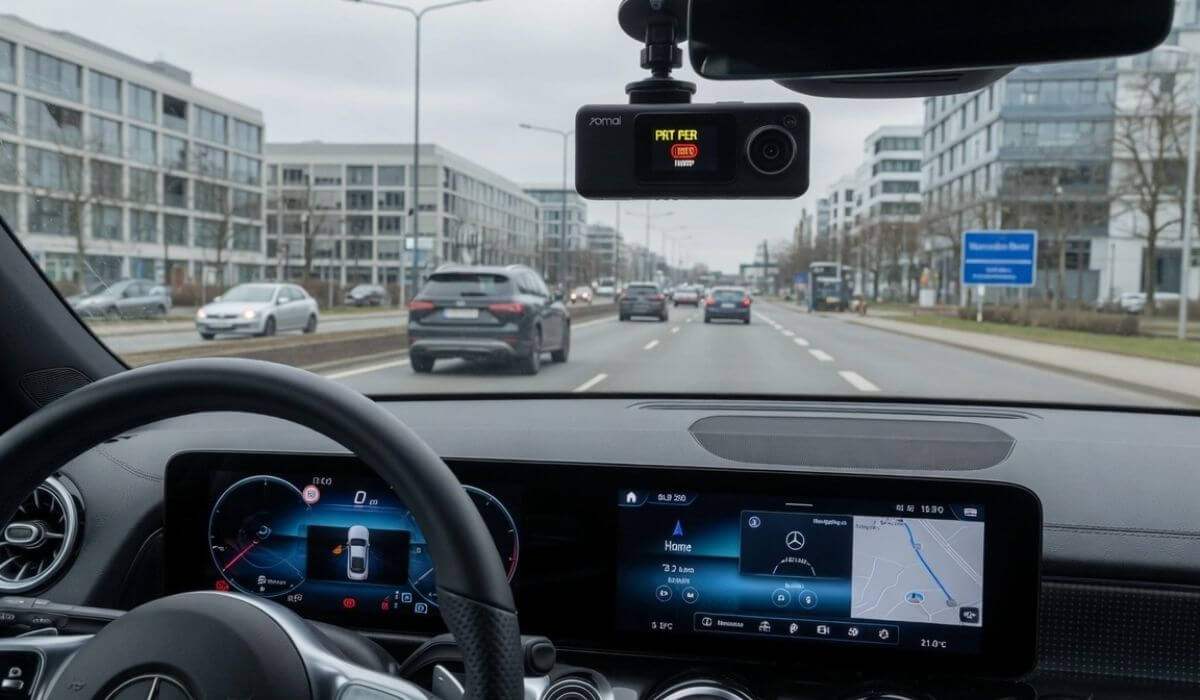
If you own a Mercedes-Benz GLB, choosing a dash cam isn’t as simple as picking the highest resolution on Amazon. The GLB’s upright windshield, advanced driver-assistance sensors behind the rear-view mirror, and premium cabin design mean that camera placement, cable routing, and long-term reliability matter just as much as video quality. A bulky camera that blocks sensors or leaves visible wiring can ruin the clean factory feel many GLB owners want.
This guide is built specifically for the Mercedes-Benz GLB-Class, including recent 2024-2026 models as well as older GLB variants with the same overall cabin layout. We didn’t rank these cameras by marketing claims or review counts alone. Instead, we focused on what actually makes sense for GLB owners: OEM-style integration, STARVIS 2 low-light performance, dependable parking surveillance, fast Wi-Fi transfers, and hardware that won’t become outdated after a year of ownership. Whether you drive a daily commuter, a family GLB 250, or a newer EQB with a similar interior, these picks are designed to fit the way Mercedes owners actually use their vehicles.
Best Mercedes GLB Dash Cams: Top 2026 Picks for 4K, OEM Fit & STARVIS 2
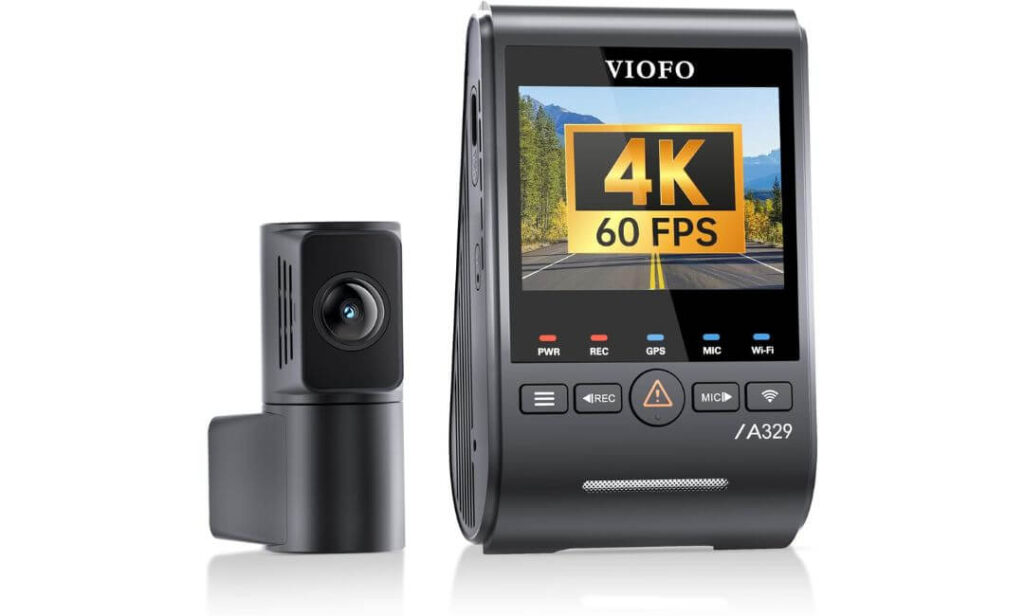
#1. VIOFO A329S 4K 60FPS Front and Rear Dash Cam
Best Mercedes GLB dash cam for 4K 60FPS recording, Dual STARVIS 2 sensors, future-ready SSD storage, and premium front & rear video quality without compromising long-term reliability.
#2. Fitcamx 4K Dash Cam for Mercedes-Benz GLB 2024-2026
Best OEM dash cam for Mercedes GLB owners who want a factory-look installation, hidden wiring, plug-and-play compatibility, and seamless integration with the original interior.
#3. Vantrue N5 4-Channel WiFi Dash Cam
Best front and rear dash cam for Mercedes GLB drivers needing 360° cabin coverage, STARVIS 2 night performance, voice control, and maximum security for family or rideshare use.
#4. ROVE R2-4K Dual PRO Dash Cam
Best 4K dash cam for Mercedes GLB buyers looking for excellent value, Dual STARVIS 2 imaging, Wi-Fi 6 connectivity, and a premium accessory bundle at a competitive price.
#5. Cobra Smart Dual View SC250R Dash Cam
Best Mercedes GLB WiFi dash cam for drivers who prefer connected smart features, live vehicle monitoring, emergency assistance, and effortless smartphone integration alongside crisp dual-camera recording.
Expert Tip
If you’re buying a dash cam for a Mercedes GLB, don’t start with the resolution—start with how the camera fits the vehicle. The GLB has a clean dashboard, a large windshield, and safety hardware mounted around the rear-view mirror, so a camera that sits naturally in that space usually delivers a better long-term experience than a larger unit with bigger numbers on the box. That’s why this list includes both OEM-style options for owners who want a factory appearance and premium universal models for those who prioritize image quality above everything else. A dash cam is something you’ll use for years, not weeks, so choose the one you’ll barely notice every time you get behind the wheel.
How We Chose the Best Dash Cams for Mercedes GLB
A good dash cam for a Mercedes GLB isn’t simply the newest release or the one with the highest star rating. Many recently launched models still have limited long-term ownership feedback, so we looked beyond review counts and focused on hardware quality, real-world practicality, and how each camera fits the way GLB owners actually drive.
Our first priority was image quality that still performs after sunset. Every camera selected here offers hardware capable of producing clear footage where it matters most—poorly lit roads, underground parking garages, rainy evenings, and fast-moving traffic. Models equipped with Sony STARVIS 2 sensors naturally stood out because they consistently deliver better detail, improved dynamic range, and stronger licence plate visibility than older sensor generations.
Next came installation and compatibility. The Mercedes GLB has a premium interior that many owners want to keep looking factory-finished. That’s why we included dedicated OEM-fit solutions alongside high-end universal cameras that are easy to position without interfering with the vehicle’s visibility or cabin layout. Clean cable routing and discreet placement mattered just as much as recording quality.
We also paid close attention to long-term ownership features instead of short-term marketing claims. Reliable parking recording, stable Wi-Fi performance, fast file transfers, quality GPS implementation, efficient heat management, and support for larger storage options all influenced our rankings because these are the features owners appreciate months or even years after installation.
Finally, we deliberately avoided filling this guide with products that looked impressive only because of advertising. Every recommendation had to offer a clear reason to be here. Some earned their place through class-leading 4K 60FPS recording, others through factory-style integration, 360-degree coverage, or excellent value for the money. The goal wasn’t to recommend the most expensive dash cams—it was to recommend the models that make the most sense for a Mercedes GLB owner who wants dependable performance without unnecessary compromises.
#1. VIOFO A329S 4K 60FPS Front and Rear Dash Cam
Quick Specs:
- Resolution: 4K 60FPS Front + 2K Rear
- Night Vision: Dual Sony STARVIS 2 (IMX678 + IMX675)
- Storage: Up to 4TB SSD or 512GB microSD
- Connectivity: Wi-Fi 6 App Control
- GPS: Built-in Multi-Satellite GPS
- Voice Control: Hands-Free Commands
- Parking Mode: Low-Power Impact Detection (Hardwire kit required)
- Installation: Slim 2.8mm Coaxial Cable
- Bonus: Pre-installed CPL Filter
The first thing that impressed us wasn’t the 4K 60FPS recording—it was how balanced the entire package feels once it’s installed in a Mercedes GLB. Plenty of dash cams advertise big numbers, but very few combine premium imaging hardware, practical installation, and future-proof storage in a way that actually benefits everyday driving. This one does exactly that. The combination of the Sony IMX678 front sensor and IMX675 rear sensor delivers sharp daytime footage while keeping night recordings remarkably clean, even when traffic is moving quickly or lighting conditions constantly change.
Just as important, it doesn’t feel out of place inside the GLB. The ultra-slim coaxial cable is noticeably easier to hide behind the headliner than conventional rear-camera wiring, helping preserve the clean factory appearance Mercedes owners expect. Add Wi-Fi 6, responsive app performance, built-in GPS, voice control, and support for external SSD storage, and it becomes clear this camera was designed for long-term ownership rather than short-term convenience.
Another reason it earned the top position is that it solves problems many drivers don’t think about until months later. Massive 4TB SSD support means extended recording without constantly overwriting files, while the included CPL filter reduces windshield reflections that can otherwise ruin important footage. The low-power parking mode is also designed with battery efficiency in mind, making it a practical choice for owners who regularly leave their GLB parked for extended periods. (If you want one dash cam that you can install once and confidently rely on for years, this is the benchmark in this guide.)
Why It Stands Above the Competition
- Outstanding 4K 60FPS recording captures fast-moving traffic with exceptional detail.
- Dual STARVIS 2 sensors produce cleaner night footage with stronger HDR performance.
- Wi-Fi 6 transfers large video files surprisingly quickly.
- 4TB SSD support is ideal for long road trips and frequent driving.
- Premium coaxial cable design allows a cleaner, factory-style installation.
One Thing Worth Knowing
- The hardwire kit is sold separately, so you’ll need it if you want to enable the intelligent parking mode.
Mercedes GLB Installation and Compatibility
This camera fits naturally inside the Mercedes GLB without overwhelming the cabin. Mounted behind the rear-view mirror, it remains discreet while maintaining a clear forward view and avoiding interference with the vehicle’s factory safety hardware. The slim rear cable also routes neatly through the headliner and rear hatch, making the finished installation look significantly cleaner than many traditional dual-camera systems.
If you plan to use parking mode regularly, installing the optional hardwire kit is the better approach because it unlocks the camera’s low-power monitoring features while managing battery consumption properly. Most experienced DIY owners can complete the installation at home, although professional installation delivers the cleanest factory-style finish.
The Insider Pro-Tip
Don’t choose this camera simply because it records in 4K 60FPS. Choose it because every major feature supports the next one. The STARVIS 2 sensors improve image quality, the Wi-Fi 6 connection makes those large files practical to access, the SSD support removes storage anxiety, and the slim cable ensures everything looks like it belongs inside a premium Mercedes cabin.
That’s ultimately why it sits at the top of this list. It isn’t trying to impress you with a single headline feature—it delivers a complete ownership experience that still feels premium long after the first drive.
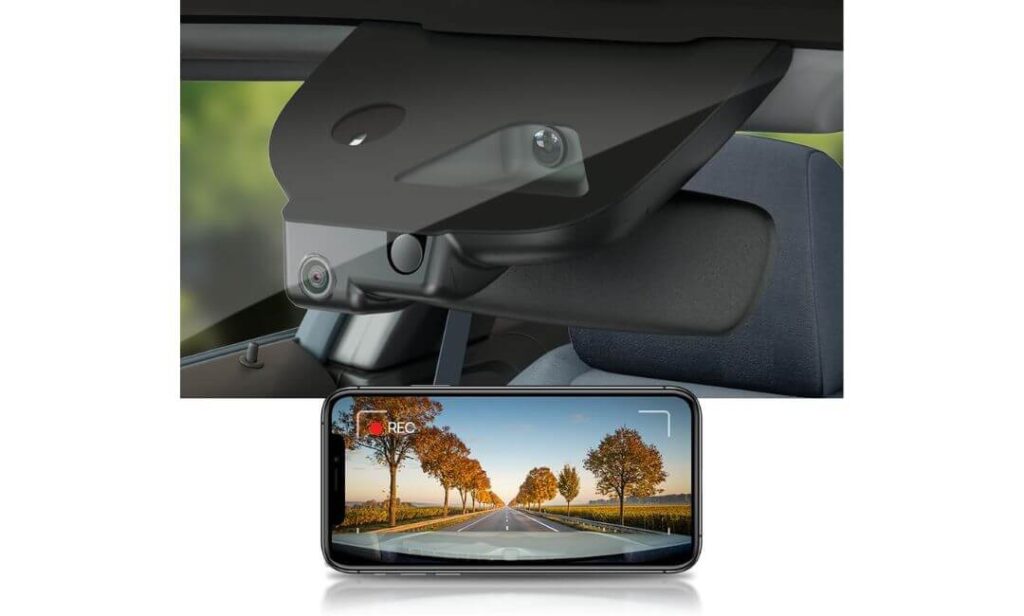
#2. Fitcamx 4K Dash Cam for Mercedes-Benz GLB 2024-2026
Quick Specs:
- Design: OEM Factory-Style Replacement
- Video Quality: 2160P Ultra HD Front Recording
- Lens: f/1.6 Aperture with HDR
- Connectivity: Built-in WiFi & FITCAMX App
- Installation: Plug-and-Play Mirror Housing
- Storage: 64GB Card Included (Supports up to 256GB)
- Build Quality: Heat Resistant (-20°C to 85°C)
- Best For: Owners Wanting a Factory Look
What makes this camera different isn’t its resolution—it’s the fact that most people won’t even realise it’s there. If you’re the type of Mercedes GLB owner who dislikes suction mounts, exposed wiring, or anything hanging from the windshield, this is easily one of the cleanest solutions available. Once installed, it blends into the original mirror housing so naturally that it looks like it left the factory that way rather than being added later.
That factory-style integration doesn’t come at the expense of recording quality. The 2160P Ultra HD camera, paired with an f/1.6 lens and HDR processing, captures impressive detail during both daytime commutes and low-light driving. Licence plates, road markings, and traffic signs remain clear in situations where many compact OEM-style cameras begin to lose sharpness. Built-in WiFi also makes reviewing footage simple without removing the memory card every time you need a recording.
Another reason this model earned such a high ranking is how well it suits owners who value simplicity. There’s no bulky windshield mount to reposition, no visible power cable running across the headliner, and no learning curve once it’s installed. It simply becomes part of the vehicle, which is exactly what many premium SUV owners are looking for. (If keeping your GLB looking original matters just as much as having reliable footage, very few dash cams match this level of integration.)
Why It Earned a Place on Our List
- Factory-style OEM design preserves the clean Mercedes interior.
- Plug-and-play installation eliminates visible windshield wiring.
- 2160P recording with HDR delivers dependable everyday footage.
- Built-in WiFi makes downloading and managing clips effortless.
- Ready to use immediately with the included 64GB memory card.
One Thing Worth Knowing
- This model is designed specifically for compatible Mercedes GLB and EQB mirror housings, so always confirm your exact model and trim before ordering.
Mercedes GLB Installation and Compatibility
Unlike traditional universal dash cams, this unit replaces the existing mirror cover, creating an installation that feels completely integrated with the vehicle. Because it follows the original housing design, nothing hangs below the mirror and nothing distracts from the driver’s forward view.
Installation is generally straightforward for owners comfortable removing interior trim pieces, but taking a few extra minutes to verify your GLB variant before ordering is worthwhile. Matching the correct mirror housing ensures the OEM finish fits exactly as intended and avoids unnecessary installation issues.
The Insider Pro-Tip
If your priority is having the best-looking installation rather than the biggest specification sheet, this is the camera that deserves your attention. A dash cam that disappears into the cabin is one you’ll never think about during daily driving, yet it’s always ready when you actually need the footage.
That’s what makes this recommendation different. It doesn’t try to transform your Mercedes GLB into a technology showcase—it simply adds dependable recording while preserving everything owners already love about the vehicle’s premium interior.
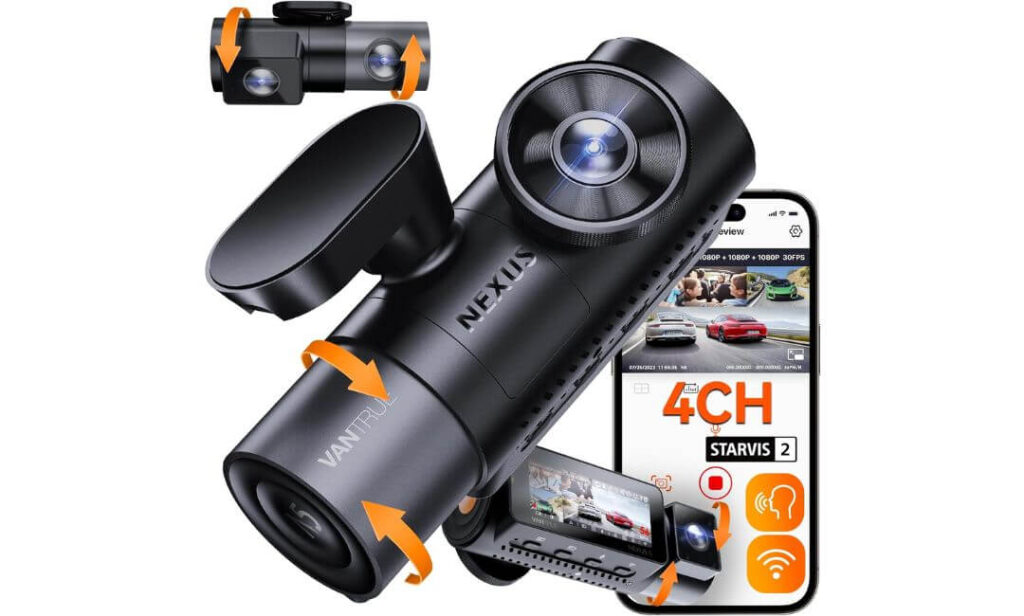
#3. Vantrue N5 4-Channel WiFi Dash Cam
Quick Specs:
- Coverage: 4-Channel 360° Recording
- Recording: 2.7K Front + 1080P Rear + Dual Interior Cameras
- Night Vision: Sony STARVIS 2 + IR Cabin Cameras
- Connectivity: 5GHz WiFi & Vantrue App
- Navigation: Built-in GPS
- Voice Control: Multi-Language Hands-Free Commands
- Parking Mode: Buffered Motion Detection (Hardwire kit required)
- Storage: Supports up to 512GB microSD
- Best For: Families, Rideshare & Maximum Vehicle Coverage
The biggest mistake people make when buying a dash cam for a Mercedes GLB is assuming the front view tells the whole story. It doesn’t. Side-window incidents, rear-seat activity, luggage movement, and parking lot damage often happen outside the view of a traditional dual-camera setup. That’s exactly where this system separates itself. With four individual cameras working together, it records virtually every important angle around and inside the vehicle without relying on complicated aftermarket accessories.
Its hardware also goes beyond simply adding more cameras. The STARVIS 2 front sensor delivers noticeably cleaner footage during difficult lighting, while the infrared interior cameras continue recording clear cabin video even when the interior is completely dark. Whether you’re travelling with children, carrying valuable equipment in the cargo area, or simply want complete documentation after an accident, the additional viewing angles provide evidence that many premium dual-camera systems simply cannot capture.
What impressed us just as much is how practical it feels once installed. The 5GHz WiFi connection speeds up video transfers, built-in GPS automatically records route information, voice commands reduce distractions while driving, and buffered parking mode captures events before and after an impact instead of recording only the moment of contact. (If complete coverage matters more to you than having the highest front-camera resolution alone, this is one of the strongest all-round security systems available.)
Why It Earned a Place on Our List
- True four-channel recording covers areas most dash cams simply cannot see.
- STARVIS 2 front camera produces excellent low-light image quality.
- Infrared cabin cameras remain effective even in complete darkness.
- Buffered parking mode records the moments leading up to an incident.
- Voice control and GPS make everyday operation surprisingly effortless.
One Thing Worth Knowing
- To unlock the full buffered parking mode, you’ll need the optional hardwire kit, which is sold separately.
Mercedes GLB Installation and Compatibility
The front unit mounts neatly on the windshield using the supplied adhesive mount, while the remaining cameras can be positioned to monitor the cabin and rear of the Mercedes GLB without obstructing passengers or cargo space. Keeping the front camera below the factory sensor housing helps maintain full visibility and avoids interfering with Mercedes’ driver-assistance systems.
Because this is a four-camera system, installation naturally takes a little more time than a standard front-and-rear setup. Taking extra care with cable routing around the headliner and rear hatch results in a much cleaner finish and ensures every camera delivers the intended viewing angle.
The Insider Pro-Tip
If you frequently carry family members, pets, expensive equipment, or simply leave your vehicle parked in busy public places, you’ll appreciate extra camera angles long before you appreciate an extra few pixels of resolution. Evidence is most valuable when it shows what happened from every direction, not just straight ahead.
That’s why this model stands out in this guide. It isn’t built for drivers chasing specifications on paper—it is built for owners who want the most complete visual record possible every time their Mercedes GLB leaves the driveway.
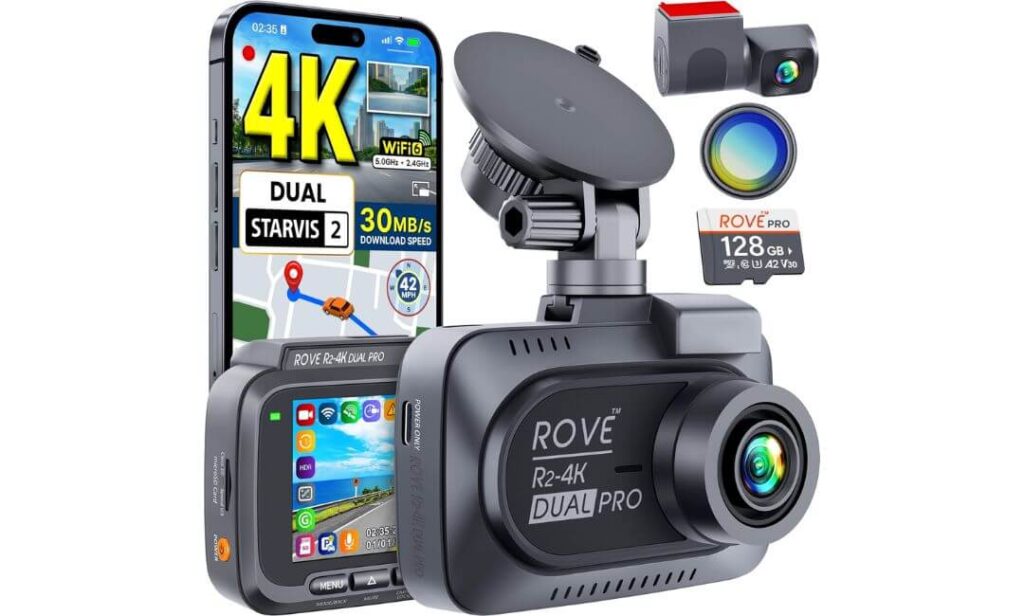
#4. ROVE R2-4K Dual PRO Dash Cam
Quick Specs:
- Recording: 4K Front + 2K Rear
- Image Sensors: Dual Sony STARVIS 2 (IMX678 + IMX675)
- Connectivity: Dual-Band Wi-Fi 6
- Navigation: Built-in Quad-Mode GPS
- Storage: 128GB Card Included (Supports up to 1TB)
- Parking Mode: Three Intelligent Recording Modes (Hardwire kit required)
- Display: 3-inch IPS Screen
- Optics: CPL Filter Included
- Best For: Premium Features at Excellent Value
What immediately stood out wasn’t a single headline feature—it was how much is already included before you spend another dollar. Most premium dash cams require buying accessories separately, but this package arrives with a 128GB high-speed memory card, a CPL filter, quality mounting options, and hardware that feels ready for daily use from the moment it’s installed. For Mercedes GLB owners looking for genuine value rather than the lowest price, that’s a meaningful difference.
Recording performance is equally impressive. The combination of 4K front, 2K rear, and Dual Sony STARVIS 2 sensors delivers consistently sharp footage across changing road conditions. Whether you’re driving through bright afternoon sunlight, entering underground parking, or travelling on poorly lit highways, HDR processing keeps exposure balanced while reducing motion blur around moving vehicles and licence plates. Add Wi-Fi 6 with transfer speeds of up to 30MB/s, and reviewing footage feels much faster than many older-generation systems.
Where this camera quietly earns extra points is long-term usability. The Quad-Mode GPS records accurate location and speed data, support for up to 1TB storage reduces the need for constant file management, and the intelligent parking modes give owners several monitoring options instead of forcing a single recording method. (If you want a premium dash cam package without immediately buying additional accessories, this is one of the strongest value choices available today.)
Why It Earned a Place on Our List
- Dual STARVIS 2 sensors produce sharp footage day and night.
- 4K + 2K recording captures excellent front and rear detail.
- Wi-Fi 6 provides noticeably faster wireless file transfers.
- 128GB memory card and CPL filter are included in the box.
- Quad-Mode GPS adds reliable route, speed, and location tracking.
One Thing Worth Knowing
- The advanced 24-hour parking features require the optional hardwire kit, which is sold separately.
Mercedes GLB Installation and Compatibility
The compact front camera fits comfortably on the Mercedes GLB windshield using either the supplied adhesive mount or suction mount, allowing owners to position it neatly below the factory driver-assistance sensors. The rear camera cable is also long enough to route cleanly through the headliner and rear hatch without creating an untidy appearance.
Because the package already includes the essential accessories needed for everyday use, installation feels refreshingly straightforward. For owners planning to activate parking surveillance, adding the optional hardwire kit completes the setup and unlocks all three intelligent parking recording modes.
The Insider Pro-Tip
A lot of buyers compare dash cams by resolution alone, but the real ownership experience comes down to everything surrounding that footage. Fast wireless transfers, dependable GPS, quality accessories, stable firmware, and storage flexibility are the features you’ll appreciate every week—not just on the day the camera arrives.
That’s why this recommendation continues to stand out. It delivers the kind of complete package that lets Mercedes GLB owners install it once, configure it properly, and simply enjoy dependable recording without feeling the need to upgrade or purchase additional essentials later.
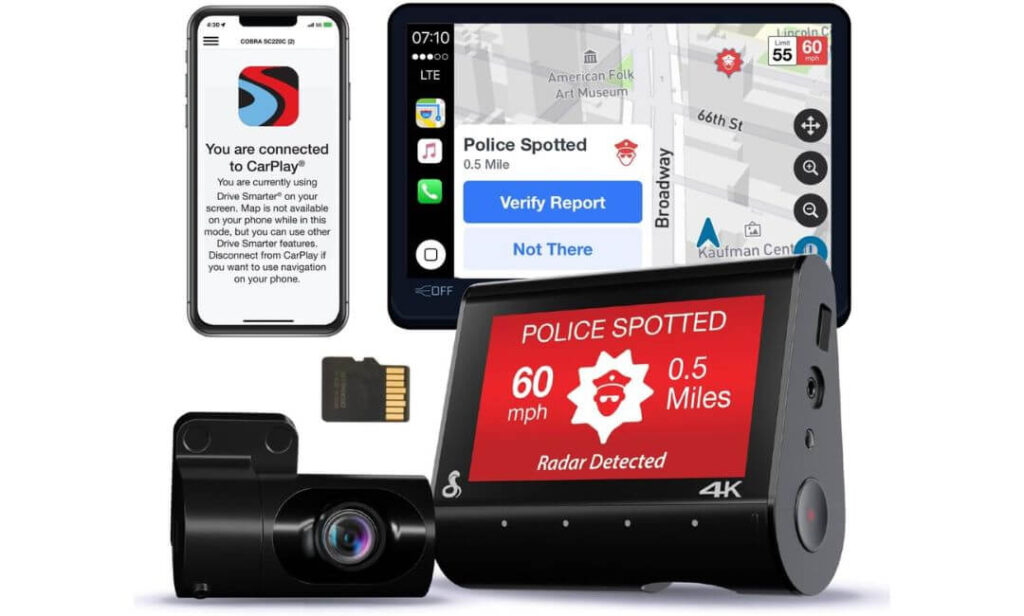
#5. Cobra Smart Dual View SC250R Dash Cam
Quick Specs:
- Recording: True 4K Front + Rear Camera
- Smart Features: 360 Alerts & Drive Smarter App
- Connectivity: Wi-Fi & Bluetooth
- Emergency Support: Automatic MayDay Alerts
- Remote Access: Parking Live View (Hardwire setup required)
- Compatibility: Apple CarPlay & Android Auto
- Storage: 32GB SD Card Included
- Viewing Angle: 140° Wide-Angle Lens
- Best For: Drivers Who Want Connected Safety Features
Not every Mercedes GLB owner is looking for the highest recording resolution or the most cameras. Some drivers simply want a dash cam that feels connected to the rest of their driving experience, and that’s exactly where this model takes a different approach. Instead of focusing only on recording, it combines True 4K video with features that continue helping long after you’ve left the driveway. Real-time 360 Alerts, remote monitoring, and emergency assistance make it feel closer to a connected driving companion than a traditional dash cam.
Video quality is exactly what you’d expect from a premium front-and-rear setup. True 4K recording captures road details with impressive clarity, while the rear camera adds valuable coverage for rear-end incidents and parking situations. Through the Drive Smarter App, footage is easy to access, and features like Parking Live View allow you to check on your vehicle remotely when the camera is connected through a hardwire installation. For owners who appreciate technology that extends beyond basic recording, it’s a refreshing approach.
What ultimately secured its place in this guide is the combination of convenience and safety. Automatic Incident Reports, Emergency MayDay notifications, and compatibility with Apple CarPlay and Android Auto create an ownership experience that feels more connected than many conventional dash cams. (If you value smart driving features just as much as recorded footage, this camera offers capabilities that very few competitors currently provide.)
Why It Earned a Place on Our List
- True 4K recording captures detailed front-road footage.
- 360 Alerts provide useful real-time road notifications.
- Parking Live View enables remote vehicle monitoring.
- Emergency MayDay can automatically notify emergency contacts.
- CarPlay and Android Auto compatibility adds extra everyday convenience.
One Thing Worth Knowing
- Some advanced connected features, including Parking Live View, require a hardwire installation and app setup for full functionality.
Mercedes GLB Installation and Compatibility
The compact windshield-mounted camera fits neatly behind the rear-view mirror of the Mercedes GLB, helping maintain a clean driving view while avoiding interference with the vehicle’s factory camera and sensor area. The included rear camera completes the dual-view setup without requiring complex modifications to the cabin.
Owners planning to use remote monitoring should consider installing the optional hardwire kit during the initial installation. It enables the connected features to work as intended while keeping the overall installation tidy and dependable.
The Insider Pro-Tip
If you spend a lot of time on unfamiliar roads or frequently leave your Mercedes GLB parked in public places, smart features can become just as valuable as image quality. Receiving live alerts, remotely checking your vehicle, or automatically sharing incident information can save valuable time when it matters most.
That’s the reason this camera earned the final position in our recommendations. It isn’t trying to outperform dedicated image-quality leaders—it offers something different: a connected ownership experience that many technology-focused drivers will genuinely appreciate every day.
Best Mercedes GLB Dash Cam Comparison: Features, Fit & Expert Picks
| Comparison | VIOFO A329S Editor’s Choice | Fitcamx 4K Best OEM Fit | Vantrue N5 Best 360° Coverage | ROVE R2-4K Dual PRO Best Value | Cobra SC250R Best Smart Features |
|---|---|---|---|---|---|
| Best For | Drivers wanting the highest overall video quality and future-proof hardware. | Owners who prefer a clean factory-installed appearance. | Maximum protection around and inside the vehicle. | Premium performance without paying flagship prices. | Connected driving, alerts and remote safety features. |
| Video Setup | 4K 60FPS Front + 2K Rear | 2160P Front | 2.7K Front + 3×1080P Cameras | 4K Front + 2K Rear | True 4K Front + Rear |
| Night Performance | Dual STARVIS 2 + HDR | HDR + f/1.6 Lens | STARVIS 2 + IR Cabin Vision | Dual STARVIS 2 + HDR | Good Low-Light Recording |
| Coverage | Front & Rear | Front Only | Full 360° Multi-Camera Coverage | Front & Rear | Front & Rear |
| Installation | Clean Universal Setup | Factory OEM Replacement | Advanced Multi-Camera Install | Simple Universal Installation | Standard Dual-Camera Install |
| Wireless Features | Wi-Fi 6 + Voice Control | WiFi App Control | 5GHz WiFi + Voice Control | Wi-Fi 6 + OTA Updates | WiFi + Bluetooth |
| GPS | Built-In Multi-Satellite GPS | — | Built-In GPS | Quad-Mode GPS | App-Based Smart Features |
| Parking Features | Low-Power Impact Recording | Loop Recording + G-Sensor | Buffered Parking Recording | 3 Intelligent Parking Modes | Parking Live View |
| Storage Support | Up to 4TB SSD | 64GB Included (Up to 256GB) | Up to 512GB | 128GB Included (Up to 1TB) | 32GB Included |
| Why We Picked It | Best balance of image quality, speed, reliability and future upgrades. | Looks completely factory-installed inside the Mercedes GLB. | Captures angles most dual dash cams simply cannot record. | Excellent hardware package with premium accessories included. | Ideal for drivers who want connected safety beyond recording. |
| Overall Recommendation | Best Overall Choice | Best Factory Look | Best Security Coverage | Best Value Buy | Best Smart Ecosystem |
Buying Guide: How to Choose the Right Dash Cam for Your Mercedes GLB
Buying a dash cam for a Mercedes GLB is different from buying one for an older compact car or pickup truck. The GLB combines a premium interior, advanced driver-assistance technology, and a large upright windshield, so the camera you choose should work with the vehicle—not against it. Below are the factors that genuinely matter before spending your money.
Video Quality: Don’t Chase Resolution Alone
A 4K dash cam for Mercedes GLB sounds impressive, but resolution is only part of the story. The sensor, frame rate, HDR performance, and lens quality determine whether important details remain readable when you actually need them.
If you regularly drive at highway speeds or in heavy traffic, a 4K 60FPS camera offers noticeably smoother footage than standard 30FPS recording. Fast-moving vehicles, road signs, and licence plates remain easier to identify because each second contains significantly more visual information.
Low-light performance deserves just as much attention. Dash cams using Sony STARVIS 2 sensors generally produce cleaner night footage with less image noise, improved dynamic range, and better licence plate readability under street lights, rain, tunnels, and headlight glare. For many Mercedes GLB owners, this upgrade is more valuable than simply increasing the advertised resolution.
Fit and Installation: Choose a Camera That Matches the Cabin
The Mercedes GLB has a clean dashboard and an integrated sensor cluster behind the rear-view mirror. A poorly positioned dash cam can distract the driver, interfere with visibility, or simply look out of place inside an otherwise premium cabin.
If maintaining the factory appearance is your highest priority, an OEM dash cam for Mercedes GLB offers the cleanest solution by integrating directly into the mirror housing. Drivers who prefer universal cameras should look for compact designs with slim cables that route neatly through the headliner without leaving exposed wiring.
Before ordering, always confirm compatibility with your exact GLB model and trim, especially when purchasing an OEM-style replacement unit.
Field of View and Camera Coverage
Not every driver needs the same level of coverage.
A quality front and rear dash cam for Mercedes GLB is the best choice for most owners because it records the two areas involved in the majority of road incidents.
However, if you frequently travel with children, transport valuable equipment, drive for rideshare services, or leave your SUV parked in busy public areas, a four-channel system provides additional cabin and side-window coverage that standard dual-camera setups simply cannot match.
The goal isn’t to buy the camera with the most lenses—it’s to choose the level of coverage that genuinely matches how you use your vehicle.
Connectivity and Everyday Convenience
A dash cam quickly becomes frustrating if accessing footage feels complicated after every drive.
Modern WiFi dash cams for Mercedes GLB allow you to review, download, and share recordings directly from your smartphone without removing the memory card. Models equipped with Wi-Fi 6 also transfer large 4K files considerably faster, making a noticeable difference when dealing with emergency footage or insurance claims.
Useful companion apps should also provide firmware updates, camera settings, GPS playback, and video management without unnecessary complexity.
Power Options, Parking Mode and Storage Capacity
Parking mode is one of the most valuable features a dash cam can offer, but it’s also one of the most misunderstood.
Many premium cameras require an optional hardwire kit to unlock advanced parking functions such as motion detection, buffered recording, impact detection, or remote monitoring. Installing the correct hardwire kit allows the dash cam to monitor your Mercedes GLB while managing battery usage safely.
Storage capacity also deserves careful consideration. A camera recording 4K video fills memory cards much faster than lower-resolution models. If you regularly drive long distances, choosing a dash cam that supports 512GB cards, 1TB storage, or even external SSD recording will reduce how often older footage is overwritten.
Reliability Matters More Than Long Feature Lists
Specifications look impressive on product pages, but long-term reliability is what you’ll remember after months of ownership.
Look for cameras that use supercapacitors instead of traditional lithium batteries, provide stable recording in hot and cold weather, and have a reputation for dependable operation during daily use. Features such as HDR, GPS, voice control, or smart alerts only add value when the camera records consistently every time you start the engine.
A dependable dash cam is the one that quietly records every journey without requiring constant attention.
Firmware Updates and Long-Term Brand Support
The purchase doesn’t end once the camera is installed.
Manufacturers that release regular firmware updates often improve video quality, fix software bugs, expand compatibility, and introduce new features over time. Responsive customer support and readily available replacement accessories are equally important, particularly for premium vehicles like the Mercedes GLB that owners often keep for many years.
Choosing a brand with an active update schedule usually provides a better ownership experience than selecting a camera based solely on its launch specifications.
Special Features That Actually Make a Difference in a Mercedes GLB Dash Cam
It’s easy to get distracted by long specification sheets, but after comparing these dash cams side by side, a few features consistently proved more valuable than everything else. These are the technologies that genuinely improve day-to-day ownership, deliver better evidence after an incident, and make living with a dash cam far easier over the long term.
Why STARVIS 2 Sensors Are Worth Paying Attention To
Not every 4K dash cam produces the same results after sunset. In fact, the image sensor has a greater impact on real-world footage than resolution alone.
That’s why several recommendations in this guide use Sony STARVIS 2 sensors. They collect more usable light, reduce digital image noise, and produce noticeably cleaner footage when driving through rain, poorly lit streets, underground parking garages, or highways illuminated only by vehicle headlights. Instead of creating grainy recordings with blown-out headlights, STARVIS 2 cameras preserve stronger contrast and more natural colours across challenging lighting conditions.
Another practical advantage is motion handling. Fast-moving vehicles, changing traffic signals, and licence plates remain clearer because these sensors minimise motion blur while maintaining balanced exposure. For Mercedes GLB owners who regularly drive early in the morning, late at night, or during winter weather, this improvement becomes obvious very quickly.
Why Front and Rear Recording Is the Sweet Spot for Most GLB Owners
A front-facing camera can document what happens ahead of your vehicle, but it rarely tells the complete story after an accident.
A quality front and rear dash cam records both directions at the same time, helping document rear-end collisions, parking incidents, lane-change disputes, and hit-and-run damage that would otherwise go unrecorded. Insurance claims become much easier to explain when footage clearly shows the sequence of events from multiple angles instead of relying only on the driver’s perspective.
Drivers who frequently travel with family members, carry valuable equipment, or simply want the highest level of documentation may also benefit from multi-channel systems that monitor the cabin and side windows. The right level of coverage should reflect how you actually use your Mercedes GLB rather than simply choosing the camera with the highest camera count.
Parking Mode Is Only as Good as Its Power Setup
Many buyers focus on parking mode without thinking about what allows it to function properly.
Advanced parking features such as buffered recording, collision detection, motion monitoring, or remote live viewing normally require a dedicated hardwire kit connected to the vehicle’s electrical system. This allows the dash cam to continue monitoring your Mercedes GLB after the engine is switched off while using intelligent voltage protection to help safeguard the vehicle’s battery.
The style of parking mode also matters. Some cameras continuously record using very little power, others wake only after detecting movement or an impact, while premium models buffer several seconds before an event so important evidence isn’t missed. Choosing the right parking mode is often more important than simply checking whether the feature exists.
WiFi and App Experience Matter More Than Most Buyers Expect
Owning a dash cam shouldn’t mean removing the memory card every time you need a video.
Modern WiFi-enabled dash cams let you preview recordings, adjust camera settings, download important clips, update firmware, and review GPS information directly from your smartphone. Models equipped with Wi-Fi 6 take this a step further by transferring large 4K files significantly faster, making it much easier to access footage immediately after an incident.
A well-designed mobile app also improves the overall ownership experience. Features such as automatic firmware updates, GPS route playback, emergency video management, parking event notifications, and quick sharing all reduce the amount of time spent managing the camera and allow you to focus on driving instead. Over months and years of ownership, a reliable app often becomes just as valuable as the hardware mounted on the windshield.
Mercedes GLB Dash Cam Installation Guide: A Clean Factory-Style Setup from Start to Finish
Installing a dash cam in a Mercedes GLB is easier than many owners expect, but the difference between an average installation and one that looks factory-installed comes down to preparation. A few extra minutes spent planning cable routes, camera placement, and power connections will usually produce a cleaner result than rushing through the installation.
The steps below apply to both OEM-style and universal front and rear dash cams, with only minor differences depending on the model you choose.
Prepare Everything Before Removing Interior Trim
Before attaching anything to the windshield, decide how the dash cam will receive power.
If you only need recording while driving, the supplied power cable plugged into the vehicle’s power outlet is usually sufficient. If you want parking mode, purchase the manufacturer-recommended hardwire kit before beginning the installation rather than adding it later.
It’s also worth gathering a few basic tools beforehand, including a trim removal tool, microfiber cloth, alcohol wipe for cleaning the windshield, cable clips if required, and a fuse tap if you’re installing a hardwire kit. Cleaning the mounting area thoroughly helps the adhesive achieve maximum strength, especially during hot summer months.
Plan the Installation Before Sticking the Camera
One of the biggest installation mistakes is mounting the camera first and thinking about the cables afterwards.
On the Mercedes GLB, the ideal location is generally behind the rear-view mirror where the camera remains hidden from the driver’s normal line of sight while maintaining a clear view of the road. Before removing the adhesive backing, sit in the driver’s seat and confirm that the camera won’t interfere with visibility or the factory driver-assistance sensors positioned near the mirror housing.
Taking a few minutes to test the camera position before permanently mounting it almost always results in a cleaner installation.
Route the Wiring Like the Factory Would
The best dash cam installation is the one nobody notices.
Instead of allowing cables to hang across the dashboard, tuck the power cable behind the headliner, continue along the A-pillar trim, and follow existing interior panels toward the chosen power source. If you’re installing a rear camera, continue routing the cable through the roof liner, above the rear passenger doors, and into the tailgate using the factory wiring path wherever possible.
Avoid pulling cables tightly around moving trim panels or sharp metal edges. Leaving a small amount of natural slack helps prevent unnecessary strain over time while maintaining a professional-looking finish.
Installing the Front and Rear Cameras
After securing the front camera, connect the rear camera cable before permanently fastening the rear unit.
For the rear camera, position it high on the rear window where the wiper clears the glass during poor weather. Before fixing it permanently, confirm that luggage, rear headrests, or passengers don’t obstruct its view. Once both cameras are powered, review the live image through the companion app or display and make small angle adjustments until the horizon appears level and both cameras capture the intended field of view.
This final alignment step often has a greater impact on video quality than many owners realise.
Keep the Interior Looking Like Mercedes Intended
One reason many owners choose premium dash cams is to preserve the refined appearance of the Mercedes GLB cabin.
Use cloth tape or the supplied clips wherever necessary to prevent cables from moving inside trim panels. If your camera uses a separate GPS module or external accessories, hide them behind trim rather than leaving them exposed. Excess cable should always be coiled neatly behind interior panels instead of being bundled beneath the dashboard.
A tidy installation not only looks better but also reduces the chance of rattles developing over time.
Final Checks Before Your First Drive
Before considering the installation complete, start the vehicle and confirm that both cameras begin recording automatically. Test WiFi connectivity, verify GPS reception if your model includes it, and make sure the memory card has been correctly formatted inside the camera.
If you’ve installed a hardwire kit, switch the ignition off and confirm that the selected parking mode activates as expected. Spending five extra minutes testing every function is far easier than discovering a configuration problem after an important event has already occurred.
Safety and Legal Considerations
A dash cam should improve your driving experience—not create unnecessary distractions.
Always position the front camera where it does not obstruct your forward view or interfere with the Mercedes GLB’s factory cameras, rain sensors, or driver-assistance systems. Avoid placing cables where they could interfere with airbags or become pinched by moving trim components.
Finally, remember that dash cam regulations differ between countries and regions. Some locations have specific rules regarding windshield-mounted devices, audio recording, or privacy. Taking a moment to understand the local requirements before installation helps ensure your dash cam remains both useful and legally compliant.
Mercedes GLB Parking Mode Guide: How to Protect Your SUV Even When You’re Away
For many Mercedes GLB owners, parking mode ends up being the feature they appreciate the most. Most accidents don’t happen while you’re driving—they happen when the vehicle is parked outside a supermarket, in an apartment garage, at the airport, or on a busy street. A properly configured parking mode can record valuable evidence when nobody is inside the vehicle, making it one of the smartest reasons to invest in a quality dash cam.
The key is understanding how it works, how it receives power, and how to configure it without putting unnecessary strain on your GLB’s electrical system.
How Parking Mode Actually Works on a Mercedes GLB
A dash cam doesn’t simply continue recording at full power after you switch the engine off.
Instead, once the ignition is turned off, compatible dash cams automatically change to a dedicated parking mode. Depending on the camera, this may include impact detection, motion detection, buffered recording, time-lapse recording, or a combination of these features.
Buffered parking mode is particularly useful because it saves several seconds before and after an event. If another vehicle reverses into your Mercedes GLB or someone damages it while parking, the recording captures what happened leading up to the impact rather than starting only after the collision has already occurred.
Some premium models also use intelligent low-power recording, allowing continuous monitoring while consuming significantly less power than normal driving mode.
Choosing the Right Power Solution for Your GLB
The power source determines how reliable your parking mode will be.
For most Mercedes GLB owners, a dedicated hardwire kit is the best long-term solution. It connects directly to the vehicle’s fuse box and allows the dash cam to switch automatically between driving mode and parking mode without requiring any daily interaction. Modern hardwire kits also include built-in voltage protection that disconnects power if the battery reaches a preset level, helping prevent excessive battery discharge.
Some drivers prefer an external dash cam battery pack, especially if the vehicle remains parked for extended periods every day. Battery packs reduce the load placed on the vehicle’s starter battery while allowing longer parking recordings. Although they cost more initially, they can be an excellent option for owners who frequently use airport parking, long-term public parking, or leave the vehicle unused for several days at a time.
Whichever option you choose, always use accessories recommended by the dash cam manufacturer to ensure stable power delivery and full compatibility.
Avoiding Battery Drain Without Losing Protection
One of the biggest concerns surrounding parking mode is battery health, but modern premium dash cams are designed to minimise unnecessary power consumption when configured correctly.
Choose a hardwire kit with adjustable low-voltage protection, allowing the system to shut down automatically before the vehicle’s battery reaches a level that could affect starting performance. Cameras offering impact detection, motion-triggered recording, or low-frame-rate parking mode also consume considerably less power than continuous full-resolution recording.
Storage settings matter as well. Recording only important parking events instead of every minute the vehicle is stationary reduces unnecessary writing to the memory card while preserving space for footage that actually matters.
If your Mercedes GLB isn’t driven regularly, start the engine periodically or consider reducing parking mode recording time to balance security with battery health. A properly configured parking setup should protect your vehicle without becoming a maintenance concern.
Parking Mode Settings That Make the Most Sense
Not every owner needs the same parking mode configuration.
If your GLB is usually parked in a secure garage, impact detection is often sufficient because it records only when the vehicle is disturbed. For shopping centres, office car parks, and busy streets where vehicles and pedestrians constantly pass by, buffered motion detection provides more complete evidence by recording the moments before movement is detected.
Drivers who regularly leave their SUV parked overnight in public areas may benefit from low-power continuous recording or time-lapse mode, provided the chosen power solution supports longer operating times safely.
Matching the parking mode to your actual parking environment usually produces better results than simply selecting the longest recording option available.
A Small Setup Decision That Pays Off Later
Before relying on parking mode, perform a simple test after installation. Turn the engine off, wait for the camera to enter parking mode, then gently walk around the vehicle or lightly tap a tyre to confirm the selected recording mode activates correctly. It’s a quick check, but it ensures your Mercedes GLB is actually being protected the way you expect before you leave it unattended.
FAQs About Mercedes GLB Dash Cam
Is an OEM-style dash cam better than a universal model for a Mercedes GLB?
It depends on what you expect from your dash cam after six months of ownership—not just on installation day. An OEM-style dash cam for the Mercedes GLB is the better choice if preserving the original cabin appearance is your highest priority. Once installed, it blends into the mirror housing, leaves no visible wiring, and feels like a factory feature rather than an aftermarket accessory.
A premium universal dash cam, however, usually offers more advanced imaging hardware, faster processors, larger storage support, and features such as STARVIS 2 sensors, Wi-Fi 6, SSD recording, or multi-channel coverage. If your priority is collecting the strongest possible evidence after an incident, the slight trade-off in appearance is often worth it. The right answer depends on whether you value factory integration or maximum recording capability.
Where should a dash cam be mounted on a Mercedes GLB to avoid interfering with driver-assistance systems?
The safest position is generally behind the rear-view mirror, where the camera remains outside the driver’s normal line of sight while still maintaining a clear view of the road. What you should avoid is placing the camera directly in front of the factory camera module, rain sensor, or forward-facing driver-assistance hardware mounted near the top centre of the windshield.
Before permanently attaching the mount, it’s worth following a simple check:
- Sit in the normal driving position.
- Confirm the camera is hidden by the mirror from your viewpoint.
- Verify the lens has an unobstructed forward view.
- Leave enough clearance around the factory sensor housing.
- Check the live preview before securing the adhesive permanently.
Taking five extra minutes here usually prevents the most common installation mistakes.
Is a four-channel dash cam unnecessary for a Mercedes GLB, or does it offer real advantages?
For many owners, a quality front-and-rear system is more than enough. However, there are situations where a four-channel setup genuinely provides evidence that dual-camera systems simply cannot capture.
A multi-camera system becomes worthwhile if you regularly:
- Travel with children or pets.
- Carry expensive photography, work, or sports equipment.
- Use your GLB for rideshare or business travel.
- Leave the vehicle parked in crowded public areas.
- Want documentation from side windows during attempted break-ins.
In these situations, additional camera angles aren’t just extra footage—they often become the missing part of the story after an incident.
Does continuous parking mode shorten the Mercedes GLB battery’s lifespan?
Parking mode itself isn’t usually the problem. Incorrect installation and poor power management are.
Modern premium dash cams use intelligent voltage protection through compatible hardwire kits. Once the battery reaches a preset voltage, power is automatically disconnected before the battery drops to a level that could affect starting the vehicle. Cameras offering buffered recording, impact detection, or low-power monitoring also consume significantly less energy than continuous full-resolution recording.
If your Mercedes GLB remains parked for several days at a time, using an external dash cam battery pack or selecting lower-power parking settings is often a better solution than disabling parking mode altogether.
Which specification matters most after a year of ownership: 4K resolution, STARVIS 2, Wi-Fi 6, or storage capacity?
Most buyers initially focus on 4K resolution, but experienced owners usually value the complete package instead of one specification.
After months of daily use, these features tend to have the biggest impact on ownership satisfaction:
- STARVIS 2 sensors improve footage every time lighting becomes difficult.
- Reliable parking mode protects the vehicle when you’re not there.
- Wi-Fi 6 makes retrieving large video files quick instead of frustrating.
- Larger storage support reduces how often important recordings are overwritten.
- Stable firmware and regular updates keep the camera dependable over the long term.
The best dash cam isn’t necessarily the one with the longest specification sheet. It’s the one that quietly records every drive, captures the details that matter, and continues doing so years after the excitement of buying it has faded.
Final Verdict
After comparing every model in this guide, one thing became very clear: the best dash cam for a Mercedes GLB isn’t automatically the one with the highest resolution or the longest feature list. The right choice depends on how you use your SUV every day and which features will still matter years from now.
If you want the strongest overall balance of video quality, future-ready hardware, storage flexibility, and long-term reliability, the VIOFO A329S remains our top recommendation. Owners who care most about preserving the premium factory appearance will appreciate the Fitcamx, while drivers wanting complete interior and exterior coverage will find the Vantrue N5 difficult to beat. The ROVE R2-4K Dual PRO offers exceptional value with a premium accessory bundle, and the Cobra SC250R stands out for connected safety features that go well beyond traditional recording.
Before making your final decision, think beyond today’s specifications. Consider where you park, how often you drive after dark, whether you need front-and-rear or multi-camera coverage, and how much you value a factory-style installation. Those practical factors will have a far greater impact on your ownership experience than an extra feature you’ll rarely use.
A well-chosen dash cam becomes something you almost forget is there—until the day it quietly records the one moment you wish you hadn’t missed. That’s exactly what we looked for when selecting every recommendation in this guide, and it’s why each model earned its place for Mercedes GLB owners looking for dependable protection rather than marketing promises.
Also Check: