
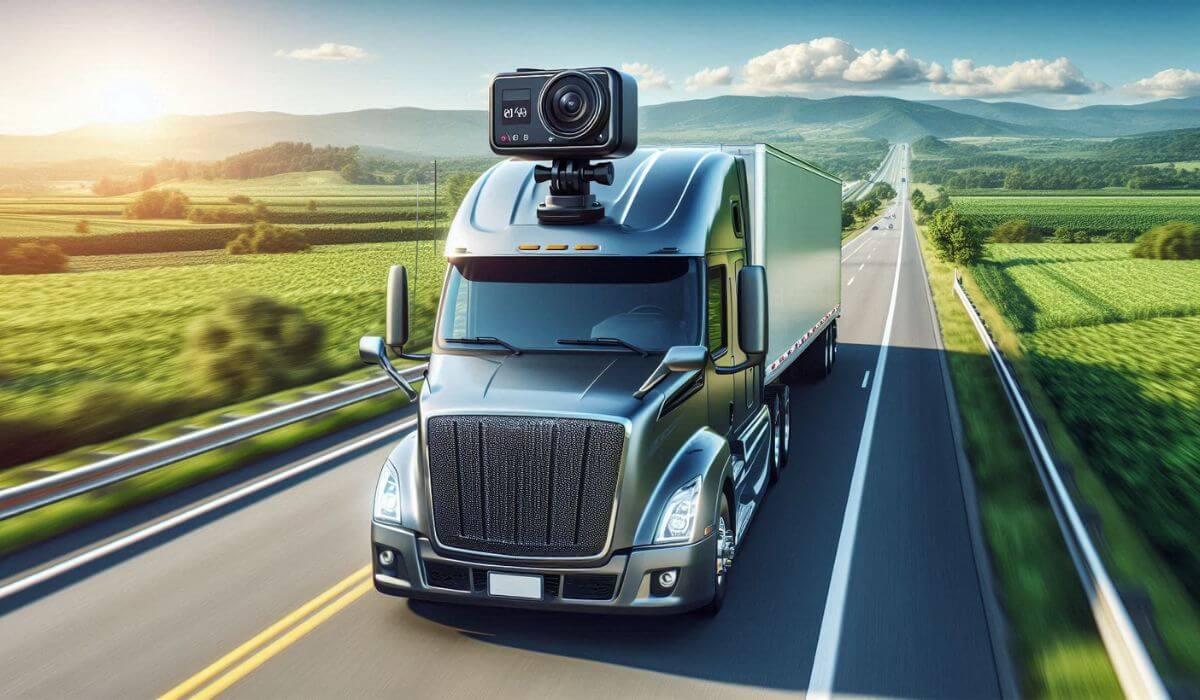
Best Rated Dash Cam for Semi Trucks in 2026 (Front and Rear Picks)
Driving a semi truck is not the same as driving a car. The windshield is higher, the stopping distance is longer, and when something goes wrong on the road, the questions always come later. What happened first. Who moved where. Who crossed the line. In those moments, a dash cam isn’t a gadget — it’s your only neutral witness.
That’s why searching for the best dash cam for a semi truck usually means more than just looking for a camera with a high resolution. Truck drivers want footage that stays clear after ten hours behind the wheel, doesn’t shut down from heat, and records both front and rear views without missing critical moments. You need something that keeps working on long highway runs, rough pavement, and constant vibration — not a camera designed for short city commutes.
This guide is built around how semi trucks are actually used. Long hauls. Early mornings. Night driving. Tight docks. We focused on dash cams that make sense inside a large cab, offer reliable front and rear recording, and hold up over time instead of just looking good on paper. No unnecessary extras, no overhyped features — just cameras that do their job when it matters.
Below, you’ll find five carefully selected dash cams that are well-suited for semi truck use in 2026. Each one offers dependable front and rear coverage, stable performance on long routes, and a track record drivers can trust when it comes to real-world driving and incident protection.
Truck Buyer Notes (Important for Semi Truck Drivers)
Before choosing any of the dash cams listed below, there are a few truck-specific details worth understanding. These aren’t deal breakers, but they do affect how well a camera works inside a semi truck.
Power compatibility
Most dash cams are built for standard 12-volt car systems. Many semi trucks operate on a 24-volt setup, which means you may need a proper step-down converter or a compatible hardwire kit. Skipping this can lead to unstable power or long-term damage to the camera.
Field of view matters more in a big cab
A semi truck covers more space on the road than a car, especially during lane changes. Cameras with a wider viewing angle do a better job of showing surrounding traffic, not just what’s directly ahead. Narrow lenses often miss critical side movement.
Location data and time stamps
Cameras that record speed, route, and accurate date-time information add another layer of protection. For long-distance drivers, this kind of data can make a difference during insurance claims or roadside disputes.
Useful add-ons for semi truck setups
Some accessories aren’t mandatory, but they make life easier in a larger cab:
- A hardwire kit if you want parking coverage during rest stops
- A longer rear camera cable to reach the back of the trailer or cabin area
- A high-capacity memory card to avoid overwriting footage too quickly
5 Best Rated Dash Cams for Semi Truck in 2026
#1. ROVE R2-4K DUAL Dash Cam (Balanced front and rear recording for long hauls)
#2. REDTIGER F77 Dual 4K Dash Cam (High-detail footage with built-in storage stability)
#3. VIOFO A129 Pro Duo Dash Cam (Proven reliability with a simple dual-camera setup)
#4. THINKWARE ARC 900 Dash Cam (Safety alerts and strong parking surveillance)
#5. TERUNSOUl D016 Dual 4K Dash Cam (Wide coverage with long rear cable for sleeper cabs)
Expert Tip for Semi Truck Dash Cam Setup
Also Check:
- Best Dash Cams for Truckers
- Best Wireless Dash Cam Front and Rear
- Best Bi-Directional Scanner Tools with OBD2
Why Semi Trucks Need a Different Kind of Dash Cam
A camera that works fine in a regular car doesn’t automatically survive life inside a semi. The view from the cab is higher, the glass is wider, and the truck itself never really feels still. Even on smooth highways, there’s a constant low-level vibration that slowly works loose anything that isn’t built for it. Over a long run, that’s where weaker cameras start to fail.
Then there’s the time factor. Semi trucks aren’t driven for quick errands or short commutes. They run for hours at a stretch, sometimes all day, sometimes deep into the night. Heat builds up in the cab, especially during summer hauls or when the truck sits parked between runs. A camera that only behaves well for short drives won’t last long in those conditions. What matters here is consistency — recording that keeps going without freezing, skipping clips, or shutting down halfway through a shift.
Coverage also plays a different role in a big rig. When you’re changing lanes, backing up, or slowing down with a full load, things happen behind you just as often as they do in front. Claims and blame don’t always match reality, and that’s where having a clear view in both directions changes the conversation. It’s less about proving someone wrong and more about showing exactly what happened.
Mounting becomes its own challenge too. The windshield angle, the size of the cab, and the constant movement mean the camera has to stay put and stay aligned. If it drifts even slightly over time, the footage loses its value when you need it most. A good setup in a semi truck is one you forget about — because it just keeps working.
That’s why choosing a camera for this kind of driving isn’t about chasing specs or hype. It’s about finding something that can live in the cab, handle long days, and quietly do its job without becoming another thing you have to worry about on the road.
#1 ROVE R2-4K DUAL Dash Cam
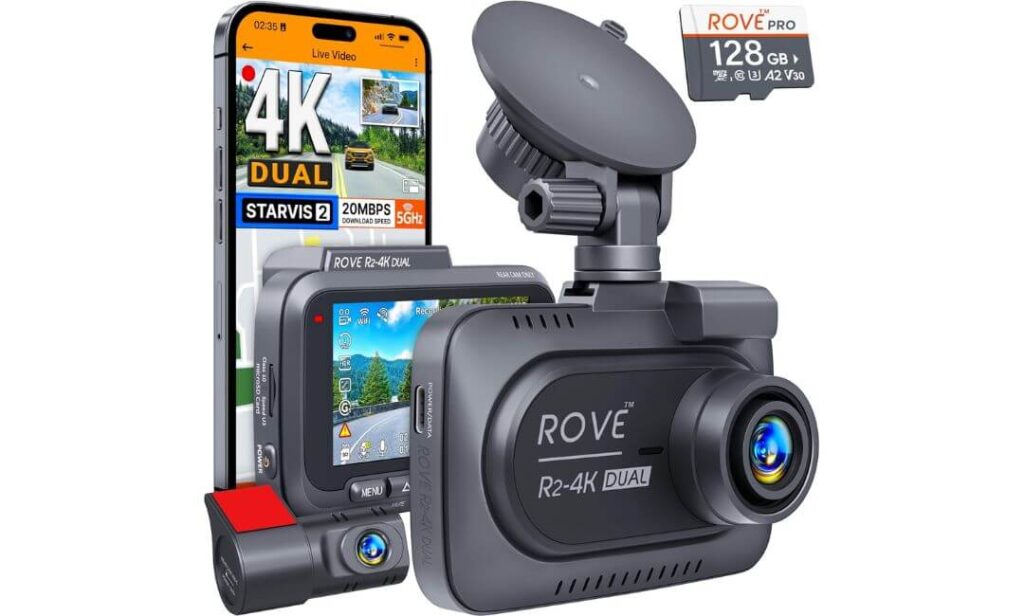
- 4K front and 1080p rear recording for daily long-haul clarity
- Supercapacitor design for heat and long driving hours
- Built-in GPS with speed and route stamping
- 21 ft rear cable suitable for most semi-truck cabs
When you spend most of your time in a semi truck, a dash cam needs to feel dependable, not delicate. The ROVE R2-4K DUAL fits into that category by focusing on stable recording and clear footage rather than unnecessary extras. It’s designed for drivers who want strong front and rear coverage without moving into complex fleet systems or subscription-based platforms.
What stands out early is how balanced the setup feels for long-haul use. The camera isn’t oversized, it doesn’t clutter the windshield, and once installed correctly, it blends into the cab instead of becoming another distraction. For owner-operators especially, that matters — you want something that does its job quietly in the background.
Another important point is longevity. This model uses a supercapacitor instead of a traditional battery, which is a better fit for truck interiors where heat buildup is common. Over long shifts and seasonal temperature changes, that choice alone makes a noticeable difference in reliability.
How it fits inside a semi truck
The ROVE R2-4K DUAL handles the semi-truck environment better than most car-focused cameras. The higher driving position and constant vibration don’t throw it off once mounted properly. Both suction and adhesive mounts are included, giving flexibility depending on windshield angle and available space.
The 3-inch screen is practical in a large cab — big enough to check framing and settings, but not so large that it becomes distracting while driving. Once aligned, it stays in place even on long highway runs.
Front and rear recording in real use
Front footage is captured in full 4K and holds detail well at highway speeds, including surrounding traffic and lane movement. The rear camera records in 1080p and is intended for interior rear coverage, not external trailer mounting. The included 6.5-meter cable is long enough for most semi-truck cabins, making it suitable for recording activity behind the cab or inside sleeper areas.
This front and rear combination is useful in situations where blame often falls on the truck driver — sudden braking, lane changes, or rear-end incidents. It gives a more complete picture instead of relying on a single forward-facing view.
Long drives heat and daily reliability
For drivers who run eight, ten, or more hours at a stretch, consistency matters more than specs. The ROVE performs steadily during long sessions without frequent freezes or corrupted files. Heat handling is solid thanks to the capacitor design, which is better suited to truck cabins than battery-powered alternatives.
Parking mode is available but requires a separate hardwire kit. For overnight stops or rest breaks, it can record events reliably as long as power is set up correctly.
Storage app and everyday use
The included 128GB memory card is a good starting point for long-distance driving, and the camera supports much larger cards if needed. The mobile app is straightforward and responsive, making it easy to pull clips quickly when time matters.
Built-in GPS records speed and route data directly into the footage, adding useful context if a clip ever needs to be reviewed or shared.
Who this works for and who should skip it
This camera makes sense for semi-truck drivers who want dependable front and rear recording inside the cab, clear night footage, and easy access to video without dealing with complex commercial systems. It’s especially well-suited for owner-operators.
If your setup requires an exterior rear camera mounted on the trailer or a system designed for full fleet monitoring, this isn’t the right fit. In that case, a weatherproof, multi-camera commercial solution would be a better choice.
Important semi-truck fit notes
- Designed for 12-volt systems; trucks running 24 volts will need a proper step-down converter or compatible hardwire kit
- Rear camera is not waterproof and should be mounted inside the cab only
- Cable length works for most cabs, but very long sleeper configurations should be measured before installation
#2 REDTIGER F77 Dual 4K Dash Cam
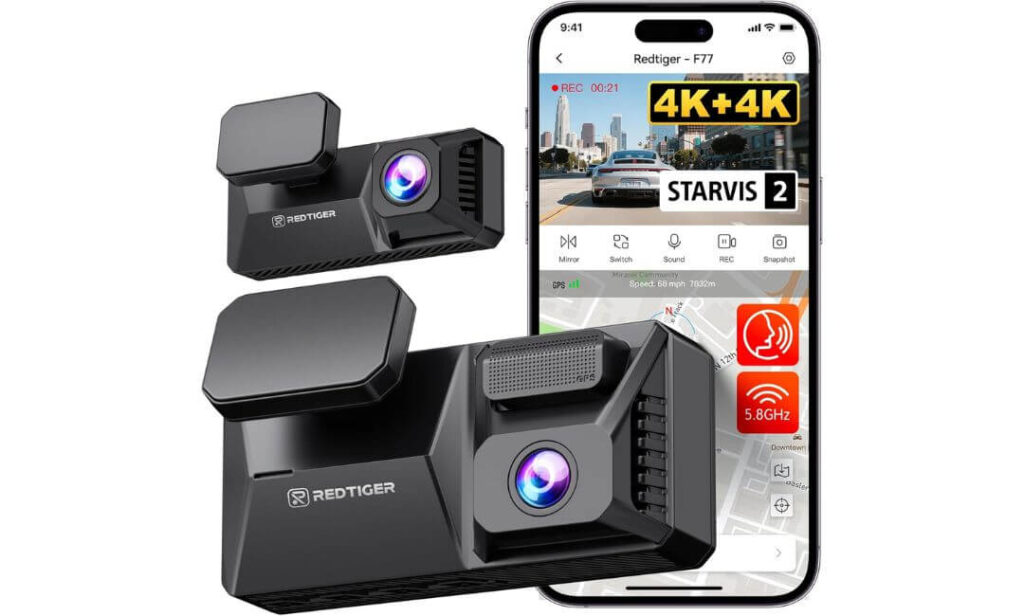
- True 4K recording on both front and rear cameras
- Built-in 128GB eMMC storage for vibration resistance
- Supercapacitor for stable performance in truck cabins
- Long rear cable ideal for sleeper cab layouts
The REDTIGER F77 feels like it was built with heavier vehicles in mind, not just regular cars. From the moment you handle it, the setup comes across as more solid and more deliberate. This isn’t a lightweight camera meant for short city drives — it’s aimed at drivers who spend serious time behind the wheel and want footage that doesn’t fall apart under pressure.
One of the biggest differences here is storage. Instead of relying on a removable memory card, the F77 uses built-in eMMC storage. For a semi truck, that’s a meaningful advantage. Constant vibration, long hours, and temperature swings are where SD cards usually start causing trouble. With internal storage, recording stays consistent without the worry of cards loosening or corrupting files over time.
The larger 4-inch touch screen also suits a truck cab better than smaller displays. It’s easier to check framing, review clips, or adjust settings during stops without squinting or digging through menus. Once set up, most drivers won’t need to touch it often, but when you do, it’s straightforward.
How it fits inside a semi truck
In a large cab, stability matters more than compact size. The F77 mounts securely and holds its position well, even over long highway runs where vibration is constant. The included 21.3-foot rear camera cable gives enough reach for most semi-truck layouts, including sleeper configurations, without needing extensions.
Because the camera uses a supercapacitor instead of a battery, it’s better suited for the heat that builds up inside a truck cab. This makes it more reliable during summer routes and extended parked periods compared to battery-based models.
Front and rear recording in real use
Both the front and rear cameras record in full 4K, which is rare in dual-channel setups. On the road, this translates into sharper detail when traffic is moving fast or when lighting conditions change suddenly. Lane movement, merging vehicles, and distance changes are captured cleanly instead of turning into blurred frames.
The rear camera is designed for interior mounting and works well for documenting what’s happening behind the cab. It’s not meant for external trailer mounting, but for in-cab rear coverage, the clarity is noticeably strong. For drivers who want equal importance given to front and rear views, this setup delivers.
Long runs heat and daily reliability
For long-haul driving, the F77 stays steady. It doesn’t rely on flashy features to mask instability. Recording remains smooth across long shifts, and the supercapacitor design handles heat far better than traditional battery-powered cameras.
Parking monitoring is available through a hardwire kit, which allows the camera to keep watch during rest stops or overnight parking. As with most semi-truck setups, proper power management is key, but once configured, it works as expected.
Storage controls and everyday use
The built-in 128GB eMMC storage removes one layer of maintenance entirely. There’s no card to format, replace, or troubleshoot. Loop recording works automatically, and locked event files stay protected.
Voice commands are available for basic actions, which can be useful when you want to save a clip without reaching for the screen. The mobile app connects quickly over high-speed WiFi, making it easy to pull footage when time matters.
Who this works for and who should skip it
This camera makes sense for semi-truck drivers who want high-detail recording from both directions and don’t want to deal with memory card issues. It’s a good fit for long-haul operators, owner-operators, and drivers who prioritize reliability over minimal size.
If your setup requires an exterior rear camera mounted outside the cab or a fully managed fleet system with cloud monitoring, this model isn’t designed for that role. In those cases, a dedicated commercial multi-camera system would be a better match.
Important semi-truck fit notes
- Designed for 12-volt systems; trucks running 24 volts will need a proper step-down converter or compatible hardwire kit
- Rear camera is for interior mounting only and is not weatherproof
- Rear cable length suits most semi-truck cabins, including sleepers, but measuring beforehand is recommended
#3 VIOFO A129 Pro Duo 4K Dash Cam
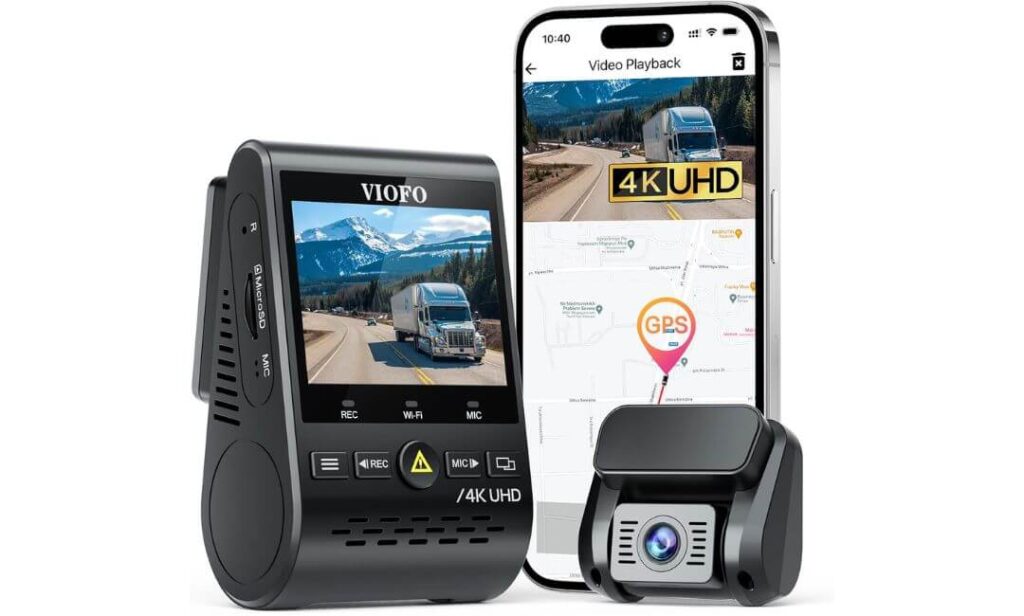
- 4K front camera with clean, natural video output
- Reliable supercapacitor for heat and cold tolerance
- Buffered parking mode for rest stops and overnight parking
- Proven hardware with support for high-endurance SD cards
The VIOFO A129 Pro Duo is the kind of camera drivers usually land on when they care more about reliability than flash. It’s been around long enough to earn its reputation, and that matters in a truck environment where proven hardware often beats the newest spec sheet. This is a straightforward dual-camera system that focuses on recording quality and consistency rather than extra layers of tech.
Inside a semi truck, the A129 Pro Duo feels familiar and predictable. The body is compact, the controls are simple, and once installed, it stays out of the way. It doesn’t rely on a large screen or touch controls, which some drivers actually prefer in a working cab. Less interaction, fewer distractions.
Another strong point is temperature handling. The supercapacitor design is better suited for long-haul conditions than battery-based cameras. Heat, cold starts, and extended parked periods are all things this model handles without turning unreliable over time.
How it fits inside a semi truck
The A129 Pro Duo mounts using adhesive pads and holds its position well, even on long highway runs. For most semi-truck windshields, the front camera placement is easy and stable. The rear camera setup, however, needs a bit more planning.
The included 6-meter rear camera cable works for many cab-only installs, but it can be tight for longer sleeper configurations. Drivers running extended sleepers or wanting deeper rear coverage should measure beforehand or plan for a longer cable solution.
Front and rear recording in real use
The front camera records in true 4K and does a solid job capturing road detail at distance. License plates, signage, and lane movement remain readable at highway speeds. The rear camera records in 1080p, which is enough for documenting following traffic and rear-end situations inside the cab.
This setup prioritizes clarity over gimmicks. It doesn’t try to oversharpen or exaggerate contrast, which helps footage hold up better when reviewed later. For drivers who value clean, usable video over visual tricks, this approach works well.
Long runs heat and daily reliability
Where the A129 Pro Duo earns its keep is long-term stability. It records consistently during extended shifts without random restarts or file corruption. The camera isn’t picky about temperature swings, making it a dependable option for year-round driving.
Buffered parking mode is available with a separate hardwire kit, allowing the camera to capture footage before and after an event. For overnight stops or rest areas, this adds another layer of coverage when set up properly.
Storage and everyday use
Unlike models with built-in storage, the A129 Pro Duo relies on a microSD card. This means choosing a high-endurance card is important, especially in a semi truck where vibration is constant. When paired with a quality card, loop recording works smoothly and locked files stay protected.
The app connection over dual-band Wi-Fi is stable enough for quick clip downloads, though it’s not designed for rapid bulk transfers. GPS data is embedded directly into the footage, adding useful context for later review.
Who this works for and who should skip it
This camera suits semi-truck drivers who want proven hardware, strong front footage, and a system that’s been tested over time. It’s a good fit for owner-operators who prefer a simple, dependable setup without touchscreens or voice controls.
If your truck requires a very long rear camera run or you want equal 4K quality on both front and rear cameras, this may feel limiting. In those cases, a newer dual-4K system with longer cabling would be a better match.
Important semi-truck fit notes
- Designed for 12-volt systems; 24-volt trucks will need a proper step-down converter or hardwire solution
- Rear camera cable may be short for long sleeper cabs; measure before installation
- Requires a high-endurance microSD card for best long-term reliability
#4 THINKWARE ARC 900 Dash Cam
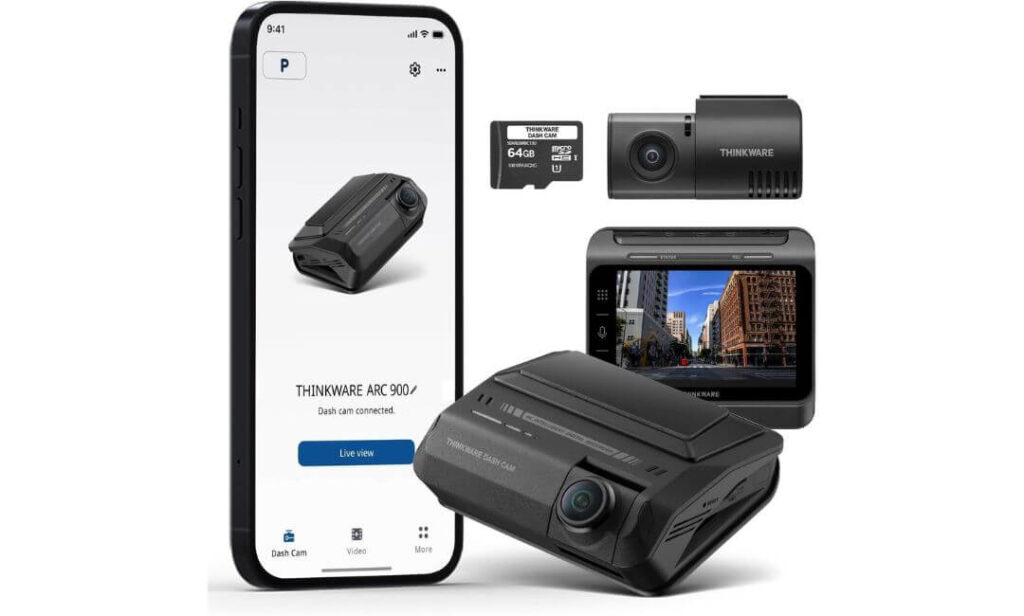
- 4K front and 2K rear recording with dual HDR support
- Advanced parking surveillance for truck stops
- Built-in GPS with driving and safety alerts
- Included hardwire kit for stable long-term power
The THINKWARE ARC 900 is built for drivers who want their dash cam to behave more like a safety system than a simple recorder. It’s not trying to impress with specs alone — it’s focused on awareness, consistency, and recording what matters during real driving conditions. In a semi truck, that difference shows up quickly.
From the start, the ARC 900 feels more structured. The build quality is solid, the interface is clear, and nothing about it feels rushed or experimental. This is the kind of camera drivers usually choose when they’ve already had one fail on them before and don’t want to repeat that mistake.
Another thing that stands out is that hardwiring isn’t treated as an afterthought. The required cable is included, which makes a big difference for trucks that need stable power for long shifts and overnight parking. It’s clearly meant to stay installed and working, not plugged in and forgotten.
How it fits inside a semi truck
Inside a large cab, the ARC 900 sits comfortably without blocking visibility. The windshield mount holds firm, and once positioned, it doesn’t drift out of alignment over time. The 3.5-inch touchscreen is a good middle ground — large enough to operate easily, even with work gloves, but not oversized.
The camera uses a supercapacitor instead of a battery, which suits the heat and temperature swings common in truck cabins. For drivers running long routes across different climates, that reliability matters more than compact size.
Front and rear recording in real use
The front camera records in 4K, while the rear captures in 2K. On the road, this setup delivers clear footage without over-processing. HDR works on both channels, helping balance harsh sunlight, shadows, and night lighting — situations truck drivers deal with daily.
Rear footage is especially useful in stop-and-go traffic and during sudden slowdowns, where claims often point fingers at the truck. The ARC 900 captures enough detail to show context rather than just impact.
Long runs heat and daily reliability
This camera is designed to stay active. Long driving hours don’t cause random restarts or missed clips, and the system handles heat buildup without becoming unstable. THINKWARE’s strength has always been reliability over time, and the ARC 900 follows that pattern.
Parking surveillance is one of its stronger areas. Motion and impact detection work well during rest stops or overnight parking, and the energy-saving modes help prevent unnecessary drain when the truck isn’t running.
Controls alerts and everyday use
Beyond recording, the ARC 900 provides driver alerts like front vehicle movement and traffic signal notifications. These aren’t aggressive or distracting — they’re subtle reminders that can be useful in heavy traffic or long waits at signals.
Footage access through Wi-Fi is straightforward, and GPS data is embedded into recordings for speed and route context. The included 64GB card is enough to get started, though many drivers will want to upgrade for longer retention.
Who this works for and who should skip it
This camera is a strong match for semi-truck drivers who value safety features, parking surveillance, and long-term stability over flashy tech. It works well for owner-operators and professional drivers who want a system that stays consistent day after day.
If you’re only looking for basic recording with minimal interaction, this may feel like more than you need. Drivers who prefer a very simple, screen-free setup might find this model unnecessary.
Important semi-truck fit notes
- Designed for 12-volt systems; 24-volt trucks will need a proper step-down converter
- Hardwiring cable is included, which simplifies parking mode setup
- Rear camera is intended for interior mounting; external trailer mounting isn’t supported
#5 TERUNSOUl D016 Dual 4K Dash Cam
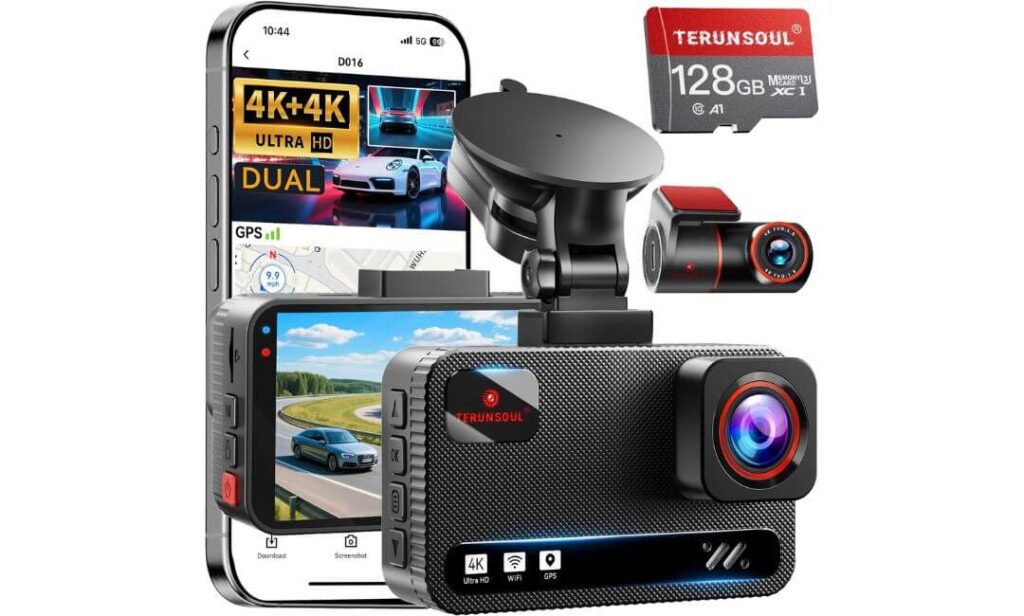
- 4K front and rear recording with wide 170° coverage
- 21 ft rear cable suited for large cabins and sleepers
- Built-in GPS with live speed and route data
- Supports up to 512GB storage for long recording cycles
The TERUNSOUl D016 is aimed at drivers who want maximum coverage without stepping into expensive commercial systems. Dual 4K recording on both the front and rear is its main selling point, but what makes it relevant for a semi truck is how much of the setup is already included and ready to go out of the box.
This camera doesn’t feel fragile or overly complex. It’s straightforward, clearly labeled, and built around the idea that once installed, it should just keep recording. For owner-operators who prefer fewer moving parts and fewer add-ons, that approach makes sense.
Another practical advantage is that storage isn’t an afterthought here. A 128GB card comes preinstalled, which means you can get everything running immediately without hunting for compatible memory cards on day one.
How it fits inside a semi truck
In a semi-truck cab, cable length and mounting options matter more than compact design. The included 21-foot rear camera cable is long enough for most sleeper configurations, giving flexibility when routing the rear camera toward the back of the cab.
The windshield mount uses suction rather than adhesive, which can be a plus or a minus depending on your windshield angle. On flatter glass, it holds well, but in some truck setups, drivers may prefer switching to an adhesive mount for long-term stability. Once positioned correctly, the camera itself stays aligned during long highway runs.
Front and rear recording in real use
Both cameras record in full 4K, which gives this setup an edge when it comes to capturing fast-moving traffic and wide road scenes. The 170-degree field of view covers multiple lanes, which is useful when driving in heavy highway traffic or dealing with vehicles cutting in close.
Rear footage is clear enough to document following vehicles and sudden braking situations inside the cab. This setup works best for interior rear coverage rather than exterior trailer mounting, but within the cab, it captures a wide and detailed view.
Long runs heat and daily reliability
The D016 is designed to handle extended recording sessions without overheating or cutting out unexpectedly. It doesn’t rely on flashy power-saving tricks — it simply records continuously and manages files through loop recording.
Parking monitoring is available but requires a separate hardwire kit for consistent power. When set up properly, time-lapse and impact detection work well for overnight stops and truck parking areas.
Storage app and everyday use
With support for cards up to 512GB, this camera allows longer retention times, which is helpful for drivers who don’t want footage overwritten too quickly. Loop recording and G-sensor locks function as expected, protecting important clips automatically.
The mobile app connects over high-speed Wi-Fi and makes it easy to pull clips without removing the card. GPS data is recorded directly into the footage, adding speed and route information that can be useful later.
Who this works for and who should skip it
This camera makes sense for semi-truck drivers who want wide coverage, strong detail from both directions, and a complete kit without buying many extras. It’s well suited for owner-operators who handle their own installation and want control over storage and footage.
If your windshield angle doesn’t work well with suction mounts or you need a system designed for exterior trailer cameras, this may not be the best fit. Drivers looking for fully commercial multi-channel systems should consider dedicated truck-specific options.
Important semi-truck fit notes
- Designed for 12-volt systems; 24-volt trucks will require a step-down converter or compatible hardwire kit
- Suction mount may need upgrading to adhesive for long-term stability in some cabs
- Rear camera is intended for interior use, not exterior trailer mounting
Side-by-Side Comparison of Dash Cams for Semi Trucks
| Model | Front | Rear | Rear Cable | GPS | Parking Mode | Storage | Best Fit For |
|---|---|---|---|---|---|---|---|
| ROVE R2-4K DUAL | 4K | 1080p | ~21 ft | Yes | Yes (Hardwire) | 128GB Included | Balanced daily long-haul use |
| REDTIGER F77 | 4K | 4K | ~21 ft | Yes | Yes (Hardwire) | 128GB eMMC | High-detail evidence front & rear |
| VIOFO A129 Pro Duo | 4K / 2K | 1080p | ~20 ft | Yes | Yes (Hardwire) | SD Card Required | Proven reliability over time |
| THINKWARE ARC 900 | 4K | 2K | Standard | Yes + Alerts | Advanced (Included) | 64GB Included | Safety-focused long haul driving |
| TERUNSOUl D016 | 4K | 4K | ~21 ft | Yes | Yes (Hardwire) | 128GB Included | Wide coverage, DIY installs |
Important Notes for Semi Truck Drivers
Power compatibility: All dash cams listed above operate on 12-volt systems. Many semi trucks run 24-volt electrical setups, which means a proper step-down converter or compatible hardwire kit is required for safe operation.
Rear camera placement: These rear cameras are designed for interior mounting. They are not weatherproof and should not be mounted externally on trailers.
Cable length matters: Sleeper cabs and extended interiors should be measured before installation. Models with 21-foot rear cables provide more flexibility out of the box.
Parking mode: For overnight stops and truck parking, hardwiring is recommended. This allows motion and impact recording without draining the starter battery.
What Actually Matters in a Dash Cam for Semi Truck Use
Choosing a camera for a semi truck isn’t about chasing the highest resolution or the longest feature list. The real test starts after a few weeks on the road, when vibration, heat, and long hours expose what a dash cam can actually handle. What works fine in a commuter car often breaks down in a working truck environment.
The first thing that matters is how the camera behaves over time, not how it performs in the first hour. Semi trucks don’t get driven for short hops. They run long shifts, sometimes day after day, with the camera recording continuously. If a dash cam struggles with heat buildup, power stability, or file handling, it won’t show up immediately — it shows up when you need the footage and it isn’t there.
Front and rear coverage also means something different in a truck. It’s not just about capturing what’s ahead. Lane changes take longer, braking distances are bigger, and situations behind the cab often matter just as much as what’s in front. A forward-only setup leaves too many unanswered questions when incidents happen. That’s why a dual-channel system makes sense for this type of driving, as long as the rear camera can actually reach where it needs to go.
Cable length is one of the most overlooked details. Many drivers assume all rear cameras will reach the back of a sleeper cab — that’s rarely true. If the cable barely makes it, installation turns messy and reliability suffers. A setup that fits cleanly, without tension on connectors, lasts longer and causes fewer recording issues down the road.
Heat resistance isn’t optional either. Truck cabins trap heat differently than cars, especially when parked. Cameras that rely on traditional batteries tend to fail quietly over time. Supercapacitor-based designs hold up better because they’re built to tolerate temperature swings instead of fighting them. This single detail often decides whether a dash cam lasts months or years in a semi truck.
Parking coverage is another area where expectations need to be realistic. Continuous overnight recording isn’t always practical without proper power management. What matters is how well the camera handles motion or impact events during stops, not whether it claims to record endlessly. When set up correctly, parking surveillance becomes a safety net instead of a battery drain.
Finally, ease of use matters more than most people admit. A dash cam in a semi truck should fade into the background. You shouldn’t need to reset it, reformat cards constantly, or check whether it’s still recording. The best setups are the ones drivers forget about — until the day they actually need the footage.
That’s the standard this guide follows. Every camera included here was evaluated based on how it fits into real semi-truck driving, not how impressive it looks on a spec sheet.
Front and Rear Recording in a Semi Truck What to Expect
In a semi truck, front and rear recording isn’t about getting cinematic footage — it’s about context. The front camera needs to clearly show lane position, traffic flow, and distance at highway speeds. The rear camera’s job is simpler but just as important: showing what was happening behind the cab before and during an incident.
Rear cameras in these setups are designed for interior mounting, not for the outside of a trailer. That’s normal. Inside the cab, rear footage is still valuable for documenting tailgating, sudden braking situations, and disputed rear-end claims. Expect clarity, not miracles — wide coverage and consistency matter more than extreme sharpness.
Parking Mode and Overnight Stops
Parking mode matters most when the truck is sitting still — rest areas, truck stops, loading docks. What you want here is event-based recording, not endless footage. Motion and impact detection are far more useful than continuous recording, especially when power management is a concern.
Hardwiring makes a big difference. Without it, parking features are limited and unreliable. When wired correctly, parking mode becomes a quiet safeguard instead of something you constantly worry about draining the battery.
Common Mistakes Semi Truck Drivers Make
One of the biggest mistakes is assuming all dash cams are ready for truck use out of the box. Cable length gets ignored, power systems don’t get checked, and rear camera placement is guessed instead of planned.
Another common issue is storage. Cheap or low-endurance memory cards fail under vibration and heat. When footage goes missing, the camera usually gets blamed — even though the problem is the card.
Mounting is another weak point. Suction mounts work, but only when the windshield angle supports them. If the camera shifts over time, the footage loses value.
Are These Semi Truck Dash Cams Suitable for Commercial Use
For owner-operators and independent drivers, setups like these make sense. They provide solid evidence, reliable recording, and enough coverage for daily work without moving into complex systems.
For full fleets or trucks that require exterior trailer cameras and cloud-based monitoring, these cameras aren’t designed for that role. In those cases, dedicated commercial systems are the better fit.
Final Buying Advice for Semi Truck Drivers
The right dash cam is the one that matches how you actually drive and park your truck. Some drivers value higher detail, others prioritize stability and ease of use. There’s no single perfect choice.
Focus on fit, reliability, and how little attention the camera demands once installed. If it records quietly in the background and delivers clear footage when needed, it’s doing its job.
FAQs About Dash Cams for Semi Trucks
Can I mount the rear camera outside on the trailer?
Most rear cameras in dual dash cam setups are designed for interior mounting only. They are not weatherproof and won’t survive road spray, dust, or vibration outside the trailer. For exterior trailer coverage, a dedicated commercial camera system is required.
Will these dash cams work on a 24-volt semi truck system?
These cameras are built for 12-volt power. On trucks running 24 volts, a proper step-down converter or compatible hardwire kit is needed. Skipping this can cause unstable recording or permanent damage.
How much storage is enough for long-haul driving?
For dual-camera recording, 128GB is a practical minimum. Drivers who stay on the road for multiple days without reviewing footage benefit from 256GB or more to avoid frequent overwriting.
Is parking mode actually useful at truck stops?
Yes, when set up correctly. Event-based parking mode records motion or impact incidents without running nonstop, making it useful during overnight stops without draining the battery unnecessarily.
Do I really need GPS in a dash cam for a semi truck?
GPS adds speed, route, and time data directly to the footage. This context can be valuable during disputes or insurance reviews, especially for long-distance and commercial driving.


