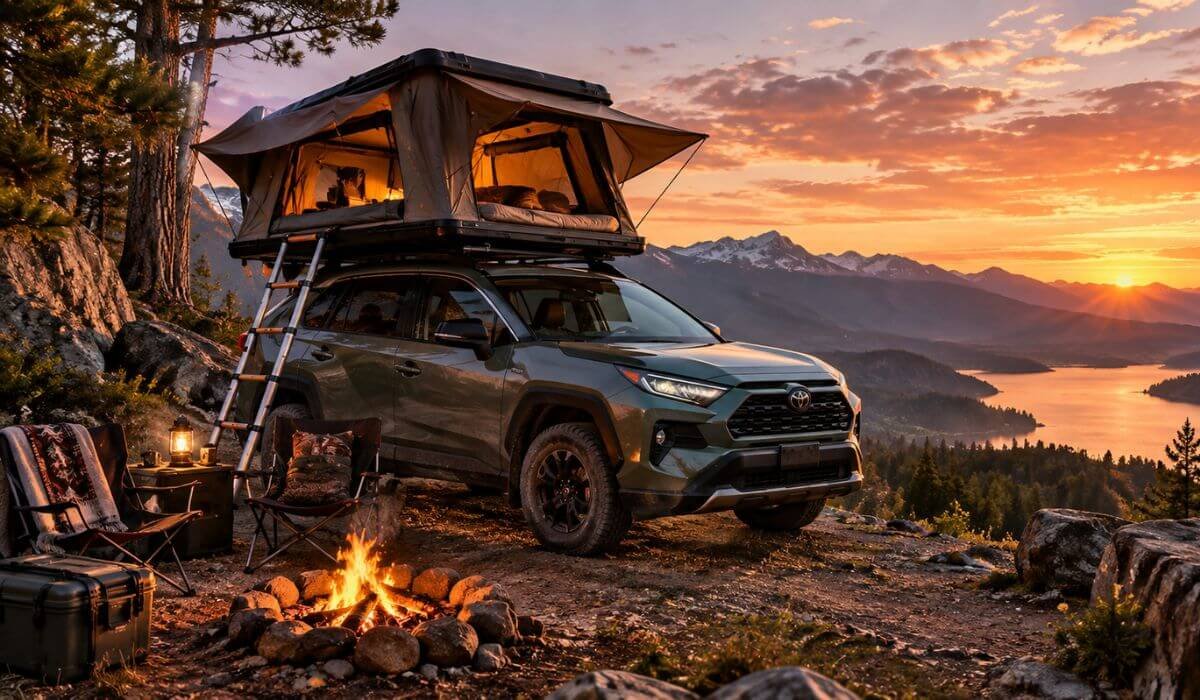
6 Best Rooftop Tents for Toyota RAV4 in 2026: Hard-Shell, 4-Season & 2–3 Person Picks
A rooftop tent can turn a Toyota RAV4 into a remarkably capable little base camp, but there is one thing I would check before looking at mattress thickness, solar panels or fancy hard shells: the roof-load number for your exact RAV4. Toyota’s roof-load specifications can vary by vehicle configuration, so the tent cannot be judged on its weight alone. The tent, crossbars, mounting hardware and any other permanent rooftop equipment all become part of the equation while you’re driving.
That matters with this particular roundup because several of these hard-shell tents weigh around 160–198 lb by themselves. So I would not tell a RAV4 owner that a tent is automatically suitable simply because the manufacturer lists “SUV” compatibility. Physical fit and load compatibility are two different things. Your owner’s manual and the specifications for your actual rack system should decide whether the complete setup is appropriate.
We selected these options around the things that matter once you actually live with a rooftop tent: weight, footprint, sleeping space, hard-shell construction, weather protection, ventilation, insulation, setup speed and useful camping features. Some bring genuinely interesting extras, from integrated solar power to ultra-fast pop-up systems, while others put more emphasis on insulation, durability or everyday convenience.
The goal here is straightforward: match the tent to the RAV4 you actually own, not just the vehicle shown in a product photograph. Check your vehicle and rack limits before ordering, then compare the tents on the features you’ll genuinely use. When the numbers work, a RAV4 makes a wonderfully simple camping platform—drive in, set up quickly, sleep above the ground, and pack away without turning every weekend into a construction project.
Best Toyota RAV4 Rooftop Tent: Top 2026 Picks by Weight, Comfort & Setup
#1. Bayati Naturnest Sirius 1 Plus Rooftop Tent
Best Toyota RAV4 rooftop tent for 4-season comfort, blackout sleeping and quick pop-up setup
#2. SanHima Hotham Aluminum Rooftop Tent
Best aluminum rooftop tent for RAV4 owners who prioritize rugged durability and weather protection
#3. ARCTWONDER Solar Panel Hard-Shell Rooftop Tent
Best RAV4 rooftop tent for off-grid camping with a hard shell and integrated solar capability
#4. HEYFUN Adventurer Pro Aluminum Rooftop Tent
Best RAV4 roof tent for 2–3 campers wanting an aluminum shell and practical sleeping space
#5. WildFinder Hard-Shell Rooftop Tent
Best rooftop camping tent for RAV4 owners looking for straightforward SUV adventure setup
#6. JOYINRUTE Insulated 4-Season Rooftop Tent
Best 4-season rooftop tent for RAV4 camping in colder conditions with added winter insulation
Expert Tip
If you own a RAV4, do not judge a rooftop tent by sleeping capacity alone. The smarter question is how much weight the complete setup puts on the roof while you are driving. The tent, crossbars or platform, mounting hardware, and anything permanently carried with the tent all count.
That matters with this particular group because these are hard-shell tents, and several are substantial aluminum builds. For example, the SanHima Hotham is listed at about 163 lb, while one WildFinder configuration is about 169.4 lb before you add the rack system.
So if you have an older RAV4, don’t assume that because the tent physically mounts to the crossbars, the combination is automatically suitable. Check your exact model year’s dynamic roof-load limit and your crossbar rating first. If those numbers leave you uncomfortable with the total, that is a better reason to skip a tent than any five-star review.
How We Chose These Rooftop Tents
We did not rank these tents simply by their feature lists. We looked at what actually makes sense on a RAV4 and then compared the products against those requirements.
Vehicle practicality came first. A RAV4 has less roof real estate than a full-size truck, so we gave more consideration to hard-shell designs that offer useful sleeping space without turning the vehicle into an unnecessarily bulky camping platform. We also considered closed dimensions and the way each tent uses its available footprint.
Weight was another major filter. This is particularly important here because aluminum hard-shell construction can add considerable weight. The Hotham, for instance, is listed at 163.1 lb, while the WildFinder model we reviewed is listed at 169.4 lb. Those figures make rack and vehicle compatibility something a buyer should verify before purchase, not something to discover after delivery.
We also looked at how the tent behaves once you are actually camping. Quick-opening gas-strut systems earned attention because they remove much of the setup hassle after a long drive. ARCTWONDER, for example, combines an aluminum shell with assisted opening, a 3-layer mattress system, approximately 5000 mm waterproof fabric, and a listed 216W integrated solar panel. That is a meaningful combination for someone building a more self-sufficient camping setup rather than buying a tent just for occasional overnight use.
Weather protection mattered as much as comfort. We looked for useful details such as waterproofing, ventilation, condensation management, insulation, blackout fabric, and cold-weather capability rather than treating the words “4-season” as proof by themselves. WildFinder, for example, lists 5000 mm waterproofing, level-6 wind resistance, level-4 snow protection, UV protection and a condensation-focused mattress system on its larger configuration.
Finally, we considered whether each tent gives a RAV4 owner a reason to choose it over the others. One may make more sense for all-season comfort, another for aluminum construction, another for off-grid power, while a different model may simply offer the most straightforward camping experience. That is why the list is not arranged by the number of features on the product page.
The goal was simple: find the tents that offer the strongest combination of usable features, construction, weather protection and real-world RAV4 practicality, while being honest about the one thing no product page can decide for you — whether its weight and mounting requirements work with your exact RAV4 and roof-rack setup.
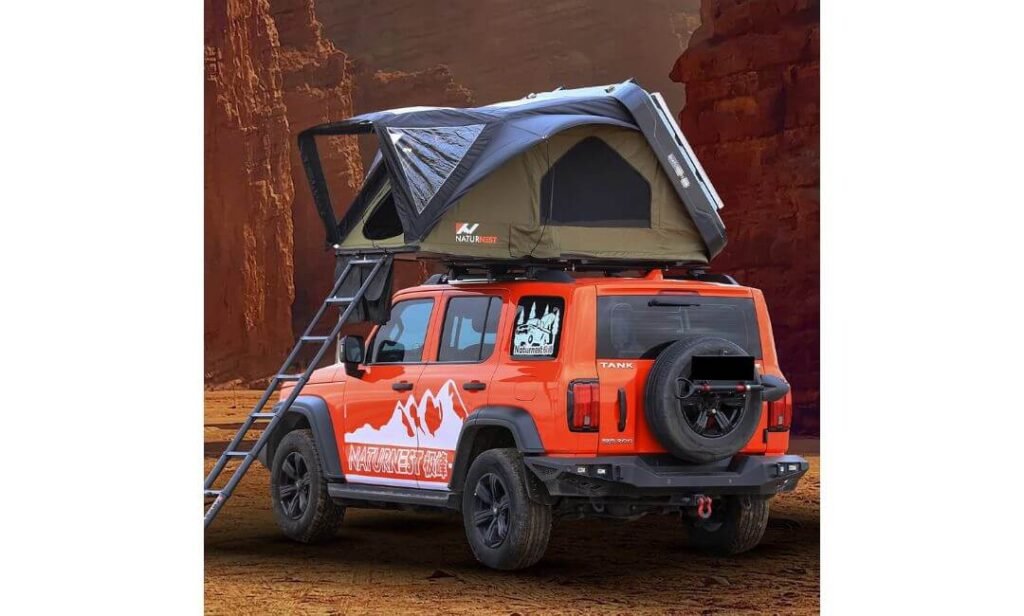
#1. Bayati Naturnest Sirius 1 Plus Rooftop Tent
Quick Specs:
- Occupancy: 2 adults + 1 child
- Item Weight: 160 lb
- Closed/Overall Dimensions: 82.7 × 63 × 47.2 in
- Floor Width: 63 in
- Season Rating: 4-season
- Shell: High-strength ABS hard shell
- Frame: Aluminum
- Mattress: 1.97-in thick
- Setup: Approximately 30 seconds
- Weather Protection: Waterproof, UV-resistant, blackout fabric
- Hardware: 316 stainless-steel gas struts and YKK zippers
The first thing that stands out here is how much camping space you’re getting without moving to a huge family tent. The 63-inch floor width and 82.7-inch length give two adults genuinely usable sleeping room, with enough capacity for a child when you’re traveling as a small family. The 1.97-inch mattress also matters more than it sounds; after a full day behind the wheel, having a proper sleeping surface instead of a thin pad can completely change how enjoyable the next morning feels.
Then there is the part RAV4 owners will appreciate most: setup is almost an afterthought. The hard shell releases and the ladder does the rest, with the manufacturer claiming roughly 30 seconds to get the shelter open. In real camping terms, that means you aren’t standing beside the vehicle unfolding poles and wrestling with fabric after arriving late at a campsite. The blackout interior is another genuinely useful touch, particularly if you’re trying to sleep past sunrise.
The construction is where this tent starts feeling more substantial. The ABS shell, aluminum frame, honeycomb insulating panels, waterproof fabric, stainless-steel gas struts and YKK zippers aren’t just decorative specifications; together they are aimed at making the tent quieter, better insulated and more resistant to repeated opening, closing and weather exposure. The dedicated ventilation point for connecting a heater or cooler is also a thoughtful detail for people who actually camp across different seasons rather than treating a rooftop tent as a summer-only accessory.
There is one number, however, that deserves your attention before anything else: 160 lb. That’s the tent alone. Add the crossbar or rack system and mounting hardware, and the roof is carrying more than 160 lb while you’re driving. So this is a tent I’d recommend for a RAV4 owner who has already confirmed the vehicle’s dynamic roof-load limit and has a properly rated rack—not someone buying first and checking afterward.
(In pratica: a spacious, properly insulated rooftop bedroom makes more sense than chasing features you will never use.)
What We Like
- Real sleeping space: 82.7 × 63 inches is generous for two adults and workable for a small family.
- Very quick deployment: The pop-up design removes much of the usual rooftop-tent setup work.
- Blackout interior: A surprisingly valuable feature when early sunlight normally ends your sleep.
- Built for more than fair weather: 4-season construction, waterproof fabric and insulating honeycomb panels give it a more serious all-weather character.
- Premium hardware: 316 stainless-steel gas struts and YKK zippers are the sort of details we like seeing on equipment intended for repeated use.
What We Don’t
- The 160-lb weight is the compromise. On a RAV4, there isn’t much room for casually adding a heavy rack and accessories, so the complete roof setup needs to be checked before purchase.
RAV4 Compatibility: What You Actually Need to Check
The manufacturer says the tent is designed to work with most factory and aftermarket roof racks, but that should not be read as a blanket guarantee for every RAV4. Your exact model year, crossbar system, bar spacing and rated load capacity matter. The tent’s 160-lb weight should be treated as the starting point, not the complete installed weight.
For a RAV4, the sensible installation is a properly rated crossbar or rack system with the required spacing and mounting capacity. Check Toyota’s specification for your particular year and the rack manufacturer’s dynamic load rating before ordering. If those numbers work with the tent plus mounting system, the physical SUV fit is much less concerning than the overall roof-load calculation.
The Insider Pro-Tip
Here’s the part I’d pay attention to before clicking Buy: don’t spend your entire roof-load allowance on the tent and then discover that the rack has consumed the remaining margin. With a 160-lb hard-shell tent, the rack isn’t an accessory you can choose as an afterthought. Buy the rack around the tent’s requirements, not the other way around.
And if your numbers check out, this is one of those setups where the premium is easier to understand after using it. You pull into camp, release the shell, drop the ladder, throw your bedding inside and you’re done. That reduction in setup hassle is the real luxury here—the blackout sleeping area, insulation and substantial shell simply make that convenience much easier to enjoy night after night.
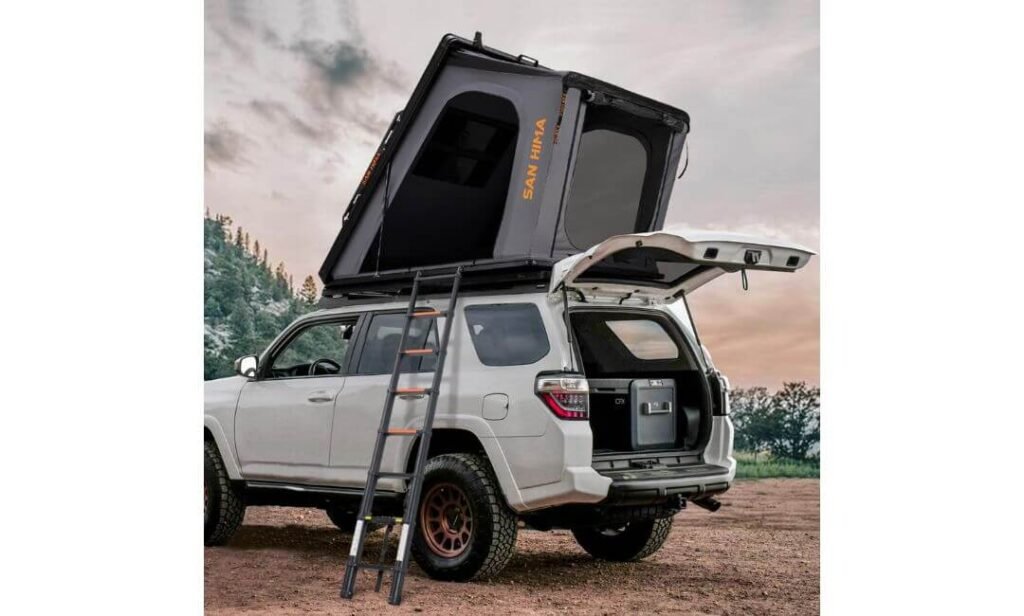
#2. SanHima Hotham Aluminum Rooftop Tent
Quick Specs:
- Occupancy: 2 people
- Item Weight: 163.1 lb
- Dimensions: 83.5 × 57.1 × 63.66 in
- Interior Width: 4.36 ft
- Season Rating: 4-season
- Shell: Aluminum hard shell
- Mattress: 1.97-in memory foam
- Waterproof Rating: 5,000 mm
- UV Protection: UV 50+
- Packed Height: 5.43 in
- Setup: About 30 seconds
- Included: Telescopic ladder, 2 crossbars, LED strip, shoe bag, anti-condensation mat
- Warranty: 2 years
The Hotham makes a strong case for itself with something that is easy to overlook when comparing rooftop tents: how little space it takes up when you’re actually driving the RAV4. At just 5.43 inches thick when packed, its slimline profile is a genuinely useful advantage for an SUV that may still need to fit into a garage or covered parking space. SanHima also says this generation is 45% slimmer than its predecessor, so the improvement isn’t just a marketing number on a spec sheet.
Inside, the approach is different from the Sirius 1 Plus. This is a dedicated two-person setup, measuring 83.5 inches long and 57.1 inches wide, with a 1.97-inch memory-foam mattress. The extra interior space compared with the previous generation should make it much easier for two adults to move around without feeling like every item has to have its own carefully negotiated corner. Then you have the skyview window above the sleeping area, two mesh windows and a roll-up fly—small details, but exactly the sort of things that make a rooftop tent feel pleasant once you’re spending an entire evening inside it.
The weather package is also unusually complete for this size. 420D Oxford fabric, 280GT poly-cotton, 5,000 mm waterproofing, UV 50+ protection and aluminum honeycomb panels give it a serious four-season specification. The raised 1.18-inch base adds another layer of protection against water reaching the sleeping area. I also like the digital panel because USB-C, USB-A and a CIG socket solve a very ordinary camping problem without requiring a collection of adapters and loose power accessories.
And then there is the practical stuff: a full-ceiling LED light, storage, shoe bag, anti-condensation mat, telescopic ladder and two crossbars are included. The AC duct opening is particularly thoughtful if you’re camping somewhere hot—you can route an AC hose inside while keeping the opening managed rather than improvising your own solution.
What We Like
- Exceptionally slim packed profile: At 5.43 inches, it is much easier to live with between trips.
- Excellent two-person layout: The 83.5-inch length and 57.1-inch width make good use of the available footprint.
- Proper all-weather specification: 5,000 mm waterproofing and UV 50+ protection give the fabric meaningful weather credentials.
- Useful built-in power: USB-C, USB-A and CIG connectivity are genuinely convenient on longer trips.
- Thoughtful camping extras: The anti-condensation mat, LED lighting, shoe storage and included crossbars mean fewer pieces to buy separately.
One Thing to Keep in Mind
- The weight still deserves attention on a RAV4. At 163.1 lb before you account for the complete rack installation, this is not a lightweight rooftop setup despite its slim packed shape.
Making Sense on a RAV4
The physical proportions are well suited to an SUV like the RAV4, and the manufacturer positions the tent for cars, SUVs and trucks. The included crossbars are useful, but don’t mistake that for confirmation that they are automatically the right choice for your particular RAV4. Your vehicle’s roof rating and the rack’s dynamic capacity are the deciding numbers.
For installation, you want a properly rated roof-rack or crossbar system with the required mounting points and spacing. More importantly, calculate the complete moving load rather than comparing the 163.1-lb tent weight with the vehicle limit by itself. The tent, rack, crossbars and mounting hardware all need to fit within the applicable limits for your exact RAV4.
The Insider Pro-Tip
The smartest reason to choose this tent isn’t actually the LED, USB ports or even the skyview window. It’s the 5.43-inch packed height. If your RAV4 spends weekdays in a garage, under a carport or anywhere clearance matters, that slim profile can save you from removing the entire tent every time you return home. That’s a quality-of-life advantage you’ll notice far more often than a flashy feature you use once.
One other thing is worth knowing before you buy: slim does not mean light. At 163.1 lb, this remains a serious roof load. If your RAV4 and rack combination checks out, though, the Hotham is an unusually well-rounded choice for a couple who wants a permanent, low-profile rooftop bedroom without giving up useful modern comforts.
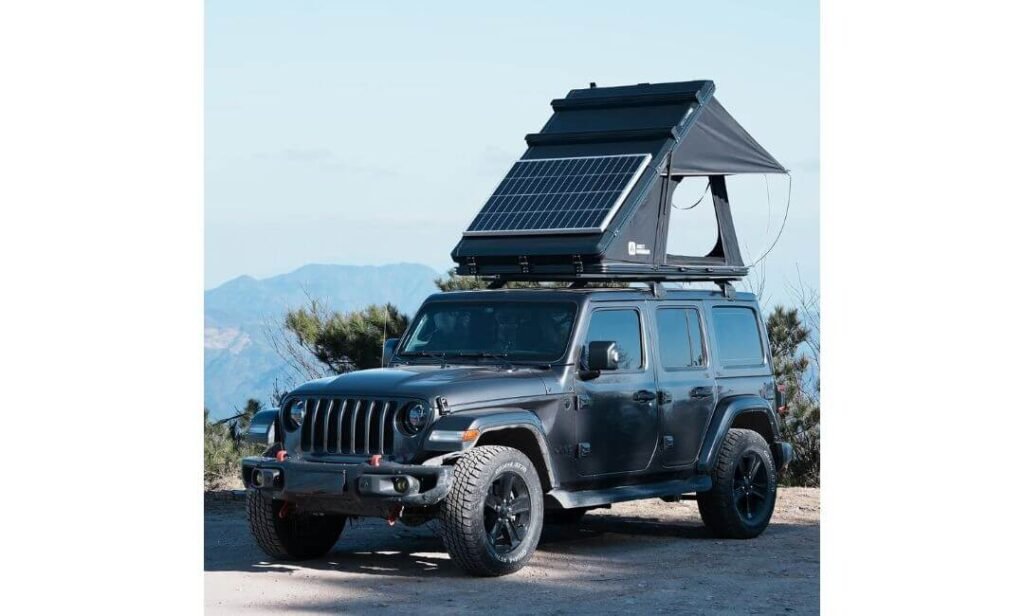
#3. ARCTWONDER Solar Panel Hard-Shell Rooftop Tent
Quick Specs:
- Occupancy: 2 adults + 1 child or pet
- Item Weight: 198 lb
- Sleeping Area: 85 × 52 in
- Interior Height: 59 in
- Shell Material: Aluminum alloy
- Fabric: 320g polyester
- Waterproof Rating: W/R 5000
- Solar Panel: 12V, 216W
- Packed Height: 7 in
- Setup: About 10 seconds
- Season Rating: 4-season
- Windows: 3 large windows with awnings
- Protection: Waterproof, sun protection and blackout construction
Most rooftop tents are basically asking you to bring your own power solution. This one takes a different route. The 12V 216W solar panel is built into the tent, so the roof is doing more than providing a place to sleep—it can also become part of your camping power setup. For someone spending several days away from hookups, that is a genuinely useful feature rather than another specification that looks impressive on a product page.
The sleeping area is also bigger than its relatively low packed profile might suggest. At 85 inches long, 52 inches wide and 59 inches high, there is room for two adults and a child or pet, while the three large windows help keep the interior from feeling closed in. The awnings are particularly useful because they let you open the windows for airflow without simply exposing the whole interior to direct sun or rain.
The construction is another reason this model stands apart. ARCTWONDER uses aluminum for the bottom plate, top cover and four corners, rather than relying entirely on plastic corner pieces. The tent fabric is 320g polyester with black rubber sun protection technology and waterproofed seams, with a listed W/R 5000 rating. Add the blackout treatment and this becomes a much more serious all-season shelter than a basic pop-up tent.
Setup is where it gets especially appealing after a long drive. The air-pressure rods are designed to open the tent in around 10 seconds, while the closed profile comes down to roughly 7 inches. That’s the sort of combination that makes sense on a daily-driven SUV: fast deployment at camp and a relatively low profile when you’re back on the road.
There is, however, no getting around the 198-lb weight. That’s heavier than the other tents above it on this list, and on a RAV4 that makes vehicle and rack compatibility the first question—not the solar panel, mattress or opening mechanism.
What We Like
- 216W integrated solar power: A genuinely useful differentiator for longer off-grid trips.
- Very fast deployment: The air-pressure system can open the shell in roughly 10 seconds.
- Low packed height: About 7 inches makes the closed tent surprisingly unobtrusive.
- Strong aluminum construction: Aluminum is used across the shell and corners rather than depending entirely on plastic components.
- Family-friendly interior: The 85-inch length and three large windows make it more versatile than a strictly two-person sleeping box.
One Thing to Keep in Mind
- 198 lb is a lot for a RAV4 roof. Even though the tent is impressive on paper, you need to verify the exact dynamic roof-load limit for your RAV4 and the rating of the complete rack system before purchasing.
Is It a Sensible RAV4 Setup?
This is where I would separate physical fit from load compatibility. The 85 × 52-inch sleeping footprint is quite reasonable for an SUV, and the 7-inch closed height is helpful for clearance and everyday driving. But those dimensions do not tell you whether the complete setup is within your vehicle’s permitted roof load.
For installation, you’ll need a roof-rack or crossbar system that is actually compatible with the RAV4 and the tent’s mounting requirements. More importantly, calculate the tent plus rack and mounting hardware against the vehicle’s applicable dynamic roof-load limit. A rack having a high static rating for a parked campsite does not mean the vehicle can safely carry that same weight while moving.
The Insider Pro-Tip
The solar panel is the reason this tent catches your eye, but the weight is the reason you should pause before ordering it. That’s not a criticism of the tent—it’s simply the reality of putting a 198-lb hard shell on a compact SUV. If your RAV4 and rack combination cannot accommodate that moving load, the 216W panel doesn’t make the setup a better purchase.
If the numbers do work for your particular vehicle, though, this becomes a genuinely interesting option for off-grid camping. You get a 10-second pop-up, a low 7-inch closed profile, a proper 4-season shell and built-in solar generation in one package. For the right RAV4 setup, that’s a much more compelling proposition than buying a standard tent and then adding separate power equipment afterward.
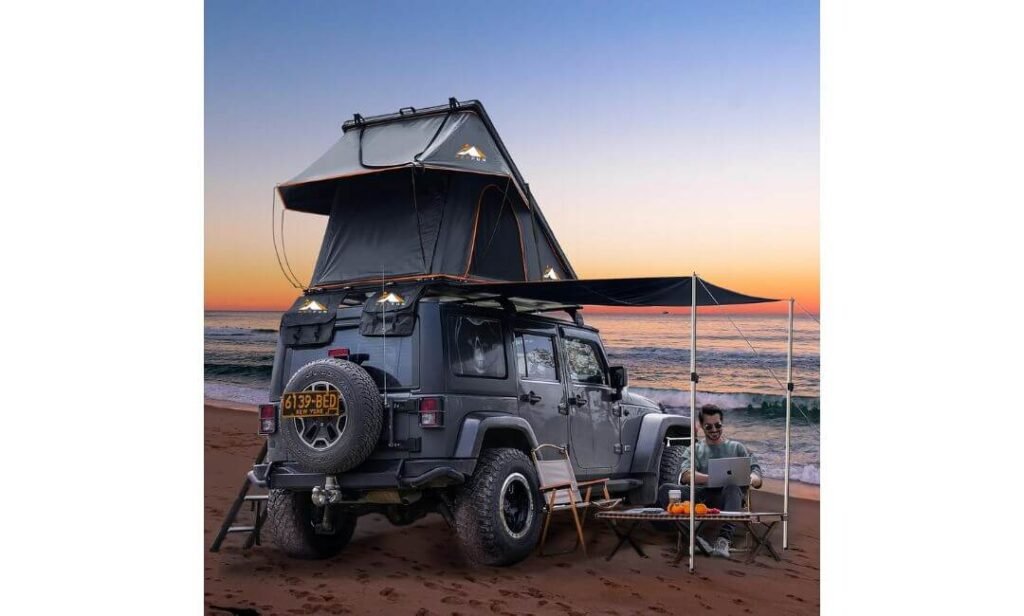
#4. HEYFUN Adventurer Pro Aluminum Rooftop Tent
Quick Specs:
- Occupancy: 2 adults + 1 child
- Item Weight: 160 lb
- Closed Dimensions: 83.86 × 51.57 × 7 in
- Opened Height: 62.99 in
- Floor Width: 51.57 in
- Season Rating: 4-season
- Shell: Aircraft-grade aluminum
- Fabric: 320g polyester
- Waterproof Rating: Up to 5,000 mm
- Setup: Approximately 5 seconds
- Maximum Interior Load: 660 lb
- Included: Side awning, sleeping mat, condensation mat, ladder, shoe bags, LED light strip and universal mounting hardware
Five seconds is the headline, but the more useful thing about this tent is how little effort it asks from you once you arrive. The hydraulic gas-strut system handles the opening and closing, so there is no elaborate tent frame to assemble when you’ve already driven for hours. For RAV4 camping, that simplicity has real value: pull into the campsite, open the shell, lower the ladder and you’re essentially ready to settle in.
The 83.86-inch length gives two adults plenty of sleeping length, while the 51.57-inch floor width keeps the overall footprint relatively narrow. HEYFUN rates the interior for two adults and one child, with a 660-lb maximum load. The flocked lining on the floor, sleeping mat and separate condensation mat are also sensible inclusions because they address things you actually notice after spending a night inside a rooftop tent—comfort, moisture and temperature rather than just headline features.
The aluminum construction is another strong point. The aircraft-grade aluminum hard shell, 320g polyester fabric and waterproof rubber sealing are designed for durability, while the windproof layers and zipper mesh help balance protection with ventilation. There are also 13 interior storage pouches, which may sound excessive until you realize how quickly phones, glasses, headlamps and other small camping items disappear inside a rooftop tent.
The side awning is perhaps the most useful extra. It gives you a little more sheltered space beside the vehicle without requiring a separate shelter, while the built-in LED strip takes care of basic nighttime lighting. It is a fairly complete package out of the box rather than a tent that leaves you immediately shopping for half a dozen accessories.
What We Like
- Five-second deployment: One of the quickest opening systems in this group.
- Narrow 51.57-inch footprint: Useful for keeping the setup proportionate on an SUV.
- Aircraft-grade aluminum shell: Gives the tent a sturdy, rigid structure without relying on a soft rooftop design.
- Useful storage: 13 internal pockets make the limited interior space much easier to organize.
- Side awning included: Adds practical sheltered space without another major piece of camping equipment.
One Thing to Keep in Mind
- The 51.57-inch width is efficient rather than luxurious. Two adults can use it comfortably, but anyone expecting a broad family-sized sleeping platform should look at the larger options above.
A Better Way to Think About RAV4 Fit
The dimensions are relatively RAV4-friendly, particularly the 83.86-inch length and 7-inch closed height, but the vehicle should still be treated as the final authority on compatibility. HEYFUN recommends crossbars supporting at least 165 lb, while the tent itself weighs 160 lb. That leaves very little room for treating the rack requirement casually.
For installation, use a properly rated crossbar or rack system with the required mounting spacing and hardware. Before ordering, compare the complete installed weight—tent, rack and mounting hardware—with your particular RAV4’s dynamic roof-load specification. The manufacturer’s 165-lb crossbar recommendation is a product requirement; it is not a replacement for checking Toyota’s vehicle limit.
The Insider Pro-Tip
The clever part of this tent isn’t that it opens in five seconds. It’s that the whole package has been designed around reducing campsite friction. The condensation mat, storage pouches, shoe bags, LED strip and side awning are all small conveniences, but together they mean fewer things to unpack, improvise or remember.
For a RAV4 owner who has confirmed the roof and rack ratings, I’d consider this one when fast setup and a sensible footprint matter more than having the widest possible sleeping area. It doesn’t try to be a giant rooftop cabin—and that’s exactly why its proportions make sense for an SUV that still needs to function like a normal vehicle when the camping trip is over.
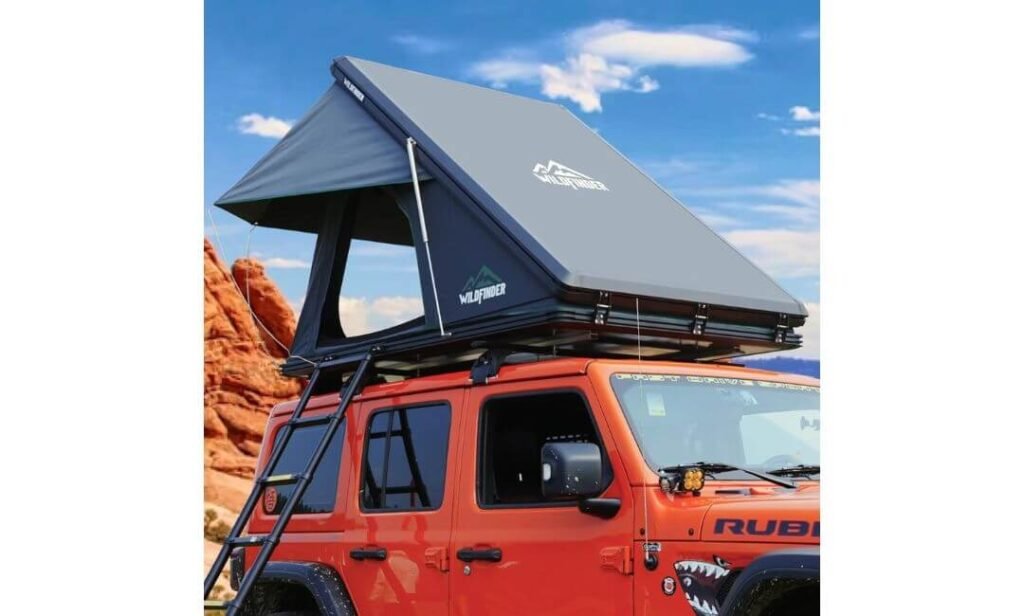
#5. WildFinder Aluminum Hard-Shell Rooftop Tent
Quick Specs:
- Occupancy: 2 adults + 1 child
- Item Weight: 197.6 lb
- Dimensions: 83 × 52 × 9 in
- Season Rating: 4-season
- Shell: Aircraft-grade aluminum alloy
- Mattress: 5 cm non-deforming mattress
- Waterproof Rating: 5,000 mm
- Wind Protection: Level 6
- Snow Protection: Level 4
- Sun Protection: 99.99%
- Windows: 3 mesh windows
- Included: 7.5-ft telescoping ladder, ladder organizer, 10 organizer bags, 2 shoe organizers, LED strip and condensation/marine pads
- Rack: Crossbars not included
Some rooftop tents try to win you over with a long list of extras. This one takes a more straightforward approach: build the shell properly, then make the sleeping environment comfortable. The aircraft-grade aluminum construction is the standout here, giving the tent a rigid structure designed to avoid the aging and deformation concerns associated with plastic components. For someone planning to leave the tent mounted and use it regularly, that is a meaningful difference.
The sleeping setup is equally practical. The 83 × 52-inch footprint gives two adults a useful amount of room, while the 5 cm non-deforming mattress provides substantially more substance than a basic camping pad. Underneath, the recessed marine pad and condensation pad are designed to deal with moisture—the sort of issue that rarely appears in a product photograph but becomes very real when you’re sleeping inside a sealed rooftop tent overnight.
Then comes the weather protection. WildFinder lists 5,000 mm rainproofing, Level 6 wind protection, Level 4 heavy-snow protection and 99.99% sun protection. Those numbers don’t mean you should treat any rooftop tent as invincible in severe weather, but they do show that the design is intended for more than a mild summer weekend. The blackout polyester fabric, stainless-steel pressure mechanism and three mesh windows also give you a useful balance between privacy, ventilation and protection.
I particularly like the amount of organization included. Ten organizer bags, two shoe organizers, a ladder organizer and LED lighting may sound like minor conveniences, but rooftop-tent interiors become cluttered surprisingly quickly. Keeping shoes, phones, headlamps and other small items off the sleeping surface makes the relatively compact 52-inch width much easier to live with.
What We Like
- Aircraft-grade aluminum construction: A strong choice for buyers prioritizing long-term shell durability.
- Serious weather specification: 5,000 mm waterproofing with Level 6 wind and Level 4 snow protection.
- Moisture-conscious sleeping system: Marine and condensation pads address a problem many buyers overlook.
- Excellent organization: Ten storage organizers plus dedicated shoe storage are genuinely useful in a compact tent.
- Substantial mattress: The 5 cm non-deforming mattress is a welcome comfort upgrade for longer trips.
One Thing to Keep in Mind
- It weighs 197.6 lb, and the crossbars aren’t included. That’s a significant complete-system consideration for a RAV4, so the vehicle and rack ratings need to be checked before purchase.
Making It Work on a RAV4
The 83 × 52-inch footprint is not the difficult part of this installation. The important calculation is the weight. At nearly 198 lb before adding the rack system, this is one of the heavier options in the roundup, so you should verify your exact RAV4’s dynamic roof-load specification and the crossbar manufacturer’s rating rather than relying on the generic SUV compatibility claim.
You will also need a suitable crossbar or platform system because crossbars are not included. Make sure the rack provides the correct mounting spacing and is approved for the tent’s installation requirements. Most importantly, consider the total moving load of the tent and rack together before buying.
The Insider Pro-Tip
If you are comparing this against lighter rooftop tents, don’t let the aluminum shell alone decide the purchase. The real advantage is the combination of shell construction and moisture management. A rigid aluminum enclosure is useful, but the condensation pad, recessed marine pad and 5 cm mattress are the details you’ll appreciate at 6 a.m. when the weather has changed overnight.
For a RAV4, I’d put this firmly in the “check the numbers first, then enjoy the hardware” category. If your vehicle and rack system can legitimately accommodate the complete setup, the reward is a highly structured 4-season shelter with excellent organization and a proper sleeping surface. If the load calculation doesn’t work, no amount of impressive weather specifications makes it the right choice.
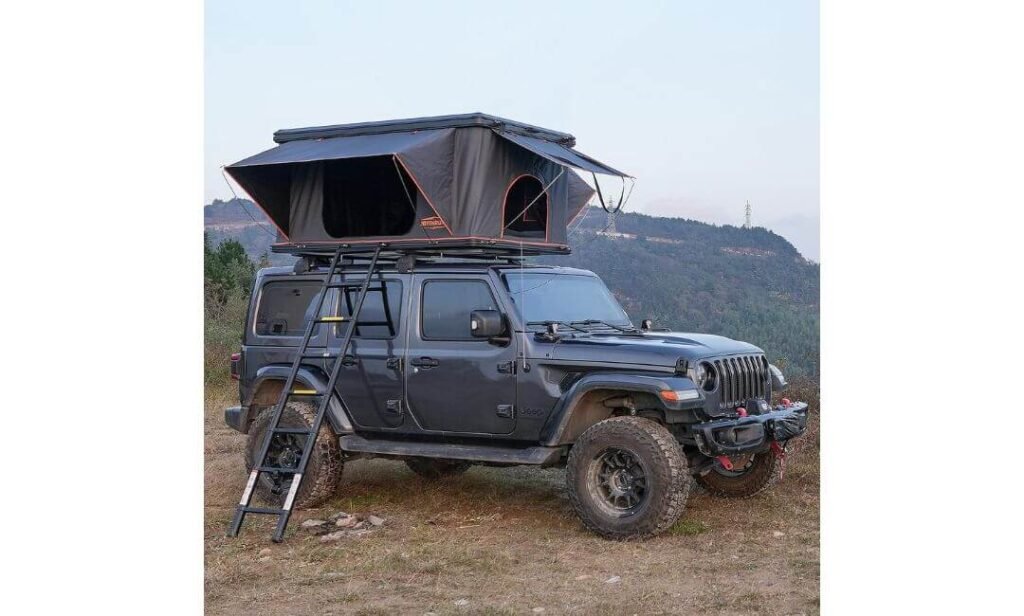
#6. JOYINRUTE Winter-Insulated Aluminum Rooftop Tent
Quick Specs:
- Occupancy: 2 people
- Item Weight: 178 lb
- Dimensions: 83 × 51.8 × 39.4 in
- Floor Width: 47.29 in
- Season Rating: 4-season
- Shell: Aircraft-grade aluminum alloy
- Fabric: 320g polyester with blackout coating
- Water Resistance: Up to 5,000 mm
- Sun Protection: 99%
- Wind Resistance: Grade 6
- Windows: 4, with mesh and windproof layers
- Support: 4 hydraulic support rods
- Included: Mattress, condensation pad, telescoping ladder, ladder organizer, 5 storage bags, 2 shoe organizers, LED strip and waterproof shoe bag
If your camping calendar doesn’t end when temperatures drop, this tent has a very specific advantage: the removable winter thermal liner. That’s a much more useful feature than simply putting “4-season” on the box. The liner adds insulation and wind protection when you need it, then can be removed when warmer weather arrives. For someone who camps through changing seasons, that flexibility makes considerably more sense than a permanently heavy winter-only interior.
The aluminum construction also gives it a reassuringly solid foundation. The aircraft-grade aluminum shell, 320g blackout polyester fabric and four hydraulic support rods are designed to make opening and closing straightforward while keeping the structure rigid. Once open, the 83 × 51.8-inch footprint provides a practical two-person sleeping area, although the 47.29-inch floor width means this is better viewed as a comfortable couple’s shelter than a spacious family bedroom.
What makes the weather package interesting is how many of the details work together. You get 5,000 mm water resistance, 99% sun protection and Grade 6 wind resistance, while four windows provide airflow through separate mesh and windproof layers. The flocked floor lining and condensation pad are another smart combination: they are there to help manage the temperature difference and moisture that can build up underneath a mattress during overnight camping.
The accessory package is also generous for a tent in this category. Five internal storage bags, two shoe organizers, an LED strip, condensation pad and telescoping ladder mean the basic camping setup is already fairly complete. There is less need to improvise storage around the sleeping area, which is especially helpful when you’re working with a narrower 47.29-inch floor.
What We Like
- Removable thermal liner: Lets the same tent adapt between winter and warmer-season camping.
- Strong aluminum shell: Aircraft-grade aluminum gives it a durable, rigid structure.
- Well-thought-out ventilation: Four windows combine mesh and windproof layers for airflow without leaving the interior completely exposed.
- Moisture-conscious floor: Flocked lining and a condensation pad are practical touches for overnight comfort.
- Useful accessory package: Storage, shoe organizers, lighting and ladder equipment are already included.
One Thing to Keep in Mind
- The 178-lb weight is substantial for a RAV4. The tent’s dimensions are manageable, but the complete rack-and-tent weight still needs to be checked against your exact vehicle and rack specifications.
What RAV4 Owners Should Check
The 83-inch length and 51.8-inch overall width are reasonable proportions for a compact SUV, but physical dimensions are only half of the fitment question. At 178 lb, this is not something I’d mount on a RAV4 without first confirming the vehicle’s dynamic roof-load specification and the rack system’s own rating.
You’ll need a suitable crossbar or roof-rack setup with compatible mounting hardware and spacing. When doing the calculation, include the tent, rack and mounting hardware together. That’s the number that matters while driving; a higher static rating for a parked vehicle doesn’t automatically make a heavier setup acceptable on the road.
The Insider Pro-Tip
The winter liner is the feature I’d focus on if you’re genuinely planning cold-weather RAV4 trips. Being able to remove it when the weather warms up means you’re not carrying a winter-specific interior through every summer trip. That’s the kind of practical design choice that tends to matter more over a full camping season than another flashy accessory.
There is also a useful reality check here: the tent’s 4-season capability doesn’t change the RAV4’s roof-load limit. If the weight works for your exact vehicle and rack, the combination of insulation, aluminum construction, blackout fabric and moisture management makes this a compelling cold-weather option. If the weight doesn’t work, choose a lighter setup rather than trying to make the numbers fit—the right rooftop tent is the one that works with the vehicle you actually own.
Best Toyota RAV4 Rooftop Tent: Side-by-Side Specs & Features
Toyota RAV4 Rooftop Tent Buying Guide: What Actually Matters Before You Buy
The easiest mistake is choosing a rooftop tent first and checking the vehicle afterward. With a RAV4, reverse that process. Start with your exact model year, roof configuration, crossbar system, and dynamic roof-load rating, then see which tents make sense within those limits.
RAV4 generations and trims do not all have identical roof specifications, and aftermarket crossbars can have their own limits. A tent may physically sit on the roof and still be a poor match once its weight, the rack, mounting hardware, and any permanent rooftop accessories are added together.
Also check the available roof width and crossbar spacing. A tent that technically mounts to a set of bars is not automatically a good installation if the bars are too close together, poorly positioned, or not rated for the tent’s mounting requirements.
Roof Weight Is the Number You Should Take Seriously
For a rooftop tent, there are two different situations to think about: driving and camping.
While driving, the dynamic roof-load limit is the critical figure. The calculation should include:
- Rooftop tent
- Crossbars or roof platform
- Mounting brackets and hardware
- Any permanently mounted rooftop accessories
Once parked, a properly designed rack and tent system can support considerably more load than it can while the vehicle is moving, because the forces involved are different. That does not mean a high static rack rating makes an overweight setup acceptable on the road.
This matters particularly with the tents in this roundup. Several are around 160–198 lb before the complete rack installation, so the weight difference between models is not something I’d treat as a minor specification. If your numbers are marginal, choosing a lighter tent is the smarter solution than trying to make the heavier one work.
Hard-Shell Construction Is Not Automatically Better
Every tent here uses a hard-shell approach, but the construction details still differ. Aluminum shells generally give you a rigid structure and can be attractive for buyers who leave the tent mounted for extended periods. ABS shells can offer a lighter alternative while still providing the aerodynamic protection and fast opening associated with hard-shell designs.
Look beyond the word “aluminum” and check what else you’re getting. Shell thickness, frame construction, seals, gas struts, fabric, zipper quality, floor construction, and condensation management all contribute to how the tent behaves after repeated use.
For a RAV4, the shell should also remain reasonably low-profile when closed. A slim tent reduces the visual bulk of the vehicle and can make everyday parking much easier.
Four-Season Claims Need a Closer Look
“4-season” is useful, but it should never be the only weather specification you read.
For genuine all-weather camping, look for a combination of water resistance, sealed seams, wind protection, ventilation, insulation, blackout material, and condensation control. A tent can be waterproof and still become uncomfortable if moisture builds up inside overnight.
Ventilation is particularly important in a rooftop tent because two sleeping adults produce a surprising amount of moisture. Mesh windows, breathable fabric and a dedicated condensation layer can make a bigger difference than another inch of mattress thickness.
For winter trips, insulation deserves separate attention. A removable thermal liner, insulated panels or a better-insulated shell can make cold-weather camping much more comfortable. If you plan to use a heater, follow the heater manufacturer’s safety requirements and use only the ventilation and ducting arrangements specifically intended for that equipment.
Choose the Sleeping Space You Will Actually Use
For most RAV4 owners, two-person rooftop tents are the easiest fit to live with, while 2–3-person models make more sense for couples who occasionally travel with a child or pet.
Don’t judge capacity by the advertised person count alone. Check the actual sleeping dimensions. An 85 × 52-inch floor, for example, gives a very different experience from a much wider sleeping platform even though both may be marketed for three people.
Also consider entry and exit height, ladder design, mattress thickness, ceiling clearance, storage pockets and window placement. These are the details you interact with every morning and night. A slightly smaller tent with an intelligently designed interior can be more comfortable than a larger one that wastes usable space.
Setup Speed Matters More Than It Looks
A rooftop tent that takes 30 seconds to open can be a much better camping companion than one that takes several minutes, particularly when you’re arriving after dark, dealing with rain, or moving between campsites.
The products in this list use gas-strut or hydraulic-assisted opening systems, which eliminate much of the traditional pole assembly. That’s one of the biggest reasons hard-shell tents work so well for quick weekend trips.
Still, don’t confuse opening time with the entire campsite setup. You may still need to position the ladder, arrange bedding, open windows, install an awning, connect power, and organize your gear. The best design is the one that keeps those remaining steps simple.
Installing a Rooftop Tent on a Toyota RAV4
Installation starts with a properly rated crossbar or roof-rack system, not with the tent itself. Confirm the rack’s load rating, mounting-bar spacing, and compatibility with the tent’s supplied brackets before lifting the tent onto the vehicle.
A typical installation looks like this:
- Confirm the RAV4’s applicable dynamic roof-load specification.
- Verify the crossbar or rack’s dynamic and static ratings.
- Check the tent’s mounting requirements and bar spacing.
- Position the rack so the tent is properly supported at the manufacturer’s recommended mounting points.
- Attach the supplied brackets and hardware evenly, following the tent manufacturer’s instructions.
- Check that the shell, ladder and surrounding roof area have adequate clearance.
- Tighten and recheck all mounting hardware before the first trip.
- After the first drive, inspect the mounting points again for movement or looseness.
The exact hardware and procedure can vary by tent and rack, so the manufacturer’s installation instructions should take priority over any generic installation guide.
Durability Goes Beyond the Shell
A strong rooftop tent is more than an aluminum or ABS box. Pay attention to the parts that experience repeated movement: gas struts, hinges, latches, ladder sections, mounting brackets, zippers and fabric seams.
A ladder should feel stable when fully extended, storage components should not interfere with the sleeping area, and the fabric should have enough abrasion resistance for repeated folding and deployment. Blackout coatings are useful for sleep, but the underlying fabric and seam construction still determine how well the tent handles regular outdoor use.
Warranty coverage is another useful signal. It cannot guarantee a product will never develop an issue, but a clearly stated warranty gives you a better path forward if a component fails after purchase.
Budget for the Complete RAV4 Setup
The tent price is only the beginning. A realistic budget should include the crossbars or rack, mounting hardware, adapters if required, shipping, and any accessories you actually need.
This is particularly important with heavier tents. If your existing crossbars are not appropriate, replacing them can change the value equation considerably. Likewise, a tent that looks cheaper initially may stop being the better deal after adding the rack components and camping accessories it does not include.
I’d rather spend a little more on a properly rated rack and a tent that genuinely suits the RAV4 than save money on the initial purchase and end up replacing incompatible equipment later. The best value is not the lowest checkout price; it is the setup that works properly, stays secure, and remains useful for years.
Toyota RAV4 Rooftop Tent Installation Basics: A Practical Setup Guide
Getting a rooftop tent onto a RAV4 is not difficult, but the preparation matters more than the lifting. A rushed installation can leave you with uneven weight distribution, poorly positioned crossbars, or hardware that feels tight but is not actually securing the tent correctly. Before starting, park on level ground, have the correct mounting hardware available, and use a second person to help lift and position the tent safely.
Check the Rack Before You Touch the Tent
Start with the vehicle and rack, not the tent. Make sure the crossbars are securely attached, correctly spaced, and rated for the complete rooftop setup. Check the RAV4 owner’s manual for the applicable dynamic roof-load limit, then compare it with the tent, rack and mounting hardware as one combined load.
Also inspect the bars themselves. They should sit firmly without excessive movement, and there should be enough usable bar surface for the mounting brackets. If the rack uses adjustable clamps or feet, make sure they are positioned according to the rack manufacturer’s instructions rather than simply pushed as far apart as possible.
Mount and Align the Tent Properly
With another person helping, lift the closed tent onto the crossbars and position it carefully. Do not drag the shell across the bars, because unnecessary friction can damage the finish and make precise positioning harder.
Once it is sitting on the rack:
- Center the tent across the vehicle as closely as the manufacturer’s mounting instructions allow.
- Check that the mounting channels or brackets line up correctly with the crossbars.
- Install the mounting plates and bolts without fully tightening them immediately.
- Check the front-to-rear position and make sure the tent does not interfere with the rear hatch.
- Confirm that the ladder will have a clear path to extend without contacting the bodywork.
- Once everything is aligned, tighten the mounting hardware evenly and progressively.
- Recheck every mounting point after the tent has been secured.
The goal is not simply to make the tent feel immovable. The goal is to have evenly distributed clamping force and proper support at every mounting point.
Set the Ladder Before Your First Trip
The ladder deserves more attention than it usually gets. Extend it on level ground and check that it reaches the ground at a comfortable angle without forcing the tent or shifting the vehicle.
The ladder should feel stable when you put your weight on it. If it has telescoping sections, make sure each locking mechanism is properly engaged before climbing. Keep the ladder clear of loose gravel, soft soil and other surfaces that can allow the feet to move.
Also open the tent fully for the first time at home. This gives you a chance to check ladder length, opening clearance, window access, mattress position and interior storage without discovering a problem at a campsite after dark.
Do These Safety Checks Before Driving
Before the first journey, walk around the entire vehicle and inspect the installation from every angle. A few minutes here can prevent a very expensive problem later.
Check:
- Every mounting bolt and bracket is correctly installed.
- The crossbars are still firmly attached to the RAV4.
- The tent does not contact the roof, antenna, rear hatch or other bodywork.
- The shell closes completely and all latches are secured.
- The ladder is fully retracted and properly stored.
- Loose accessories, bedding and bags are secured inside the tent.
- Nothing is protruding from the closed shell.
- The complete setup remains within the applicable vehicle and rack limits.
After the first short drive, stop somewhere safe and inspect the mounting points again. This is one of those checks that takes almost no time and is worth doing even when the installation appeared perfect at home.
Common Installation Mistakes to Avoid
The most common mistake is assuming that “fits an SUV” means “fits my RAV4.” Those are not the same thing. Vehicle generation, rack design, crossbar spacing and load limits can all change the answer.
Another mistake is looking only at the tent’s advertised weight. A 160-lb tent does not become a 160-lb roof load once you add the rack and mounting hardware. Always calculate the complete installed system.
Avoid placing heavy camping equipment inside the rooftop tent while driving unless the manufacturer specifically permits it and the total moving load remains within the applicable limits. Also don’t leave the ladder partially extended, force the shell closed against an obstruction, or overtighten mounting hardware beyond the manufacturer’s specified procedure.
And never assume a high static rack rating overrides the RAV4’s dynamic roof-load limit. Those ratings describe different conditions.
Keep the Tent Healthy After Every Trip
Maintenance is surprisingly simple if you stay ahead of it. After wet camping, open the tent at home and allow the fabric, mattress and interior surfaces to dry completely before closing the shell for storage. Trapping moisture inside is one of the easiest ways to create mildew, odors and unnecessary fabric wear.
Periodically inspect the fabric, stitching, zippers, seals, hinges, gas struts and mounting hardware. Clean dirt and salt from the shell and metal components with appropriate mild cleaning methods rather than aggressive chemicals. Keep the drainage and ventilation areas clear, and don’t force a zipper that is obstructed by fabric or debris.
The mattress and condensation layer deserve attention too. Give them enough airflow to dry after humid nights, and check underneath the mattress occasionally rather than assuming the interior stayed dry because the outer shell was closed.
A Simple RAV4 Maintenance Routine
For regular use, this is a good habit:
- Before each trip: inspect mounting hardware, shell latches and ladder.
- After wet weather: open and dry the tent thoroughly.
- Every few trips: inspect fabric, seams, zippers, hinges and struts.
- After rough roads: recheck the rack and mounting points.
- Before long storage: clean and completely dry the tent, mattress and condensation components.
- Before the next season: inspect seals and hardware rather than discovering an issue on the first camping weekend.
A rooftop tent lives a much easier life when you treat it like vehicle equipment rather than ordinary camping gear. The RAV4 takes care of the transportation, while the rack, shell, fabric and mounting hardware are constantly exposed to vibration, weather and road debris. A few minutes of inspection after each trip can preserve that investment for considerably longer.
Toyota RAV4 Rooftop Tent Tips for Real Camping: Packing, Wind and Off-Season Storage
A rooftop tent is easiest to enjoy when you stop treating it like extra cargo space and start treating it like a small rooftop room. The RAV4 gives you useful camping flexibility, but the limited roof footprint means how you pack, where you park, and how you store the tent can make a bigger difference than another accessory ever will.
Pack for the Roof, Not Like a Ground Tent
Keep the heaviest items as low and as evenly distributed as possible. Avoid creating one heavy corner inside the tent, especially if you are carrying bedding, camping equipment or other permitted items while traveling.
A sensible approach is to keep lightweight sleeping gear inside the tent only when the manufacturer allows it, while heavier equipment stays in the vehicle or another properly supported storage area. The RAV4’s cargo area is usually a better place for cookware, water, tools, recovery equipment and other dense items.
Before closing the tent, spread anything you are leaving inside rather than piling it against one side. Even distribution matters, and it also makes the shell easier to close without forcing the fabric or mattress into an awkward position.
Give Yourself More Protection When Camping in Wind
A rooftop tent puts you higher above the ground, so wind can feel considerably stronger than it does around a normal ground tent. If strong winds are expected, choose your campsite carefully rather than relying entirely on the tent’s advertised wind rating.
Look for natural wind protection, such as a suitable position behind terrain or established vegetation, while avoiding dead trees, loose branches and exposed ridgelines. Keep doors, windows and awnings configured according to the conditions, and retract any accessory that creates unnecessary wind load when the weather deteriorates.
Do not confuse a manufacturer’s wind-resistance rating with permission to remain deployed in every severe-weather situation. If conditions become genuinely unsafe, pack the tent away and move to a safer location. No rooftop shelter is worth gambling with a vehicle, equipment or people.
Keep the Load Balanced Across the Rack
This is one of the less glamorous parts of rooftop-tent ownership, but it matters. The tent should sit properly supported across the rack’s intended mounting points, rather than being positioned to one extreme simply because that makes the ladder more convenient.
Once installed, avoid adding heavy rooftop accessories on one side unless the rack and tent manufacturer specifically support that arrangement. Solar equipment, storage boxes and other permanent additions should be considered as part of the overall roof system, not as free extra capacity.
For the heavier tents in this roundup, this becomes even more important. Tent weight plus rack weight is the figure worth keeping in mind whenever you change the setup.
Make Windy Nights More Comfortable
When camping in moderate wind, small choices can make the interior noticeably quieter and more comfortable. Close unused openings, use the tent’s ventilation features rather than sealing everything completely, and secure any external fabric or awning components properly.
The aim is to maintain controlled airflow without allowing the tent to behave like a sail. If the weather forecast is deteriorating, don’t wait until the tent is being hammered by gusts before deciding whether to close it.
Condensation is another reason not to seal every opening. Two people sleeping inside a compact rooftop tent generate significant moisture overnight. Proper ventilation, a condensation mat and allowing damp bedding to dry afterward can make the next night much more pleasant.
Store It Properly Between Camping Seasons
Long-term storage is where a good rooftop tent can either age gracefully or develop problems surprisingly quickly. If you’re not going to use it for several weeks or months, start by drying everything completely.
Open the tent on a dry day and let the fabric, mattress and condensation components air out. Check underneath the mattress as well, because moisture can remain trapped there even when the rest of the interior appears dry.
Before closing it for storage:
- Remove dirt, leaves and other debris.
- Make sure the fabric is completely dry.
- Air out the mattress and condensation layer.
- Check zippers, seals, hinges and gas struts.
- Inspect mounting hardware for corrosion or looseness.
- Remove unnecessary items from inside.
- Close the shell only after everything is dry and clean.
If your tent remains mounted on the RAV4 during the off-season, consider the vehicle’s parking environment. Prolonged exposure to intense sunlight, tree sap, dust and standing moisture can age exterior materials faster than normal camping use.
One Storage Habit That Pays Off Later
Don’t wait until the first trip of the new season to discover that something has seized, stretched or developed an odor. Before storing the tent, do a five-minute inspection while everything is accessible.
Run the zippers, look over the seams, check the shell and mounting hardware, and make sure the ladder operates smoothly. If the tent has gas struts or hydraulic supports, inspect them for obvious damage or leakage. Small problems are much easier to address at home than at a campsite 300 miles away.
And when you bring it back into service, open it fully before leaving for the trip. Let the fabric breathe, check the mattress and condensation layer, verify the mounting points, and make sure the shell closes and latches correctly.
The best rooftop-tent setup is rarely the one with the most accessories. It is the one where the weight is sensible, the rack is secure, the tent stays dry, and everything works exactly as expected when you arrive at camp.
FAQs About Toyota RAV4 Rooftop Tents
Can a rooftop tent this heavy actually make sense on a Toyota RAV4?
Yes, but “can it physically mount?” and “is the complete setup within the vehicle’s moving-load limit?” are two very different questions. That distinction matters with this roundup because several of the tents are around 160 lb or more before the weight of the crossbars or rack is added.
For a RAV4 owner, I would calculate the complete setup before buying:
- Tent weight
- Crossbars or platform
- Mounting brackets and hardware
- Any permanently mounted rooftop equipment
If that total is too close to, or above, the applicable dynamic roof-load limit for your exact RAV4, the answer is no, even if the tent manufacturer says the product fits SUVs. A heavier rack does not give the vehicle a higher roof-load rating.
Which Toyota RAV4 model years need the most careful rooftop-tent fitment check?
Older and newer RAV4s should not be treated as interchangeable. Roof-load specifications, factory rack arrangements, roof dimensions and aftermarket crossbar compatibility can vary by generation and trim, so the model year is one of the first things I’d check before comparing tents.
This becomes especially important with the heavier hard-shell options in this article. A tent that looks reasonable on a newer RAV4 can become a questionable choice on another generation once the rack and mounting hardware are included. Before ordering, check your owner’s manual and the exact rack documentation rather than relying on a generic “fits RAV4” statement.
Is a 2-person rooftop tent a better choice for a RAV4 than a 2–3-person model?
For two adults, not necessarily. The better question is how much sleeping area you actually need versus how much roof weight and footprint you are willing to carry.
A 2–3-person tent can be worthwhile if you occasionally camp with a child or pet, but the advertised occupancy does not tell you everything. Compare the actual floor dimensions, mattress width, interior height, ladder position and storage layout. A slightly narrower tent can be perfectly comfortable for a couple, while a wider model may be worth considering if three people genuinely need to sleep inside.
For regular two-person trips, I’d prioritize:
- Usable mattress dimensions
- Easy entry and exit
- Ventilation and condensation control
- Packed height
- Overall roof weight
That combination usually matters more than the biggest occupancy number printed on the product page.
Are these rooftop tents suitable for winter camping, or does “4-season” need a closer look?
“4-season” should be treated as a starting specification, not a guarantee of comfort in every winter condition. A genuinely useful cold-weather setup needs more than waterproof fabric. Insulation, wind protection, ventilation, condensation management and the ability to retain heat all matter once temperatures fall.
That’s why features such as a removable thermal liner, insulated panels, blackout fabric, raised floors and condensation mats deserve attention. They address different problems rather than simply repeating the same weather claim.
There is also an important safety point: if you’re using a heater, follow the heater and tent manufacturer’s instructions exactly. Never improvise combustion-heater ventilation or assume a rooftop tent is automatically safe for indoor heating. Cold-weather capability is valuable, but safe operation comes before comfort.
What is the biggest mistake to avoid when installing a rooftop tent on a RAV4?
The biggest mistake is checking the tent but not checking the complete vehicle-and-rack system. People often confirm that the tent’s mounting brackets fit the crossbars and stop there. That’s only one part of the installation.
Before the first trip, verify:
- The RAV4’s applicable dynamic roof-load limit
- Crossbar or rack dynamic capacity
- Static capacity for the parked camping setup
- Required bar spacing
- Mounting-point alignment
- Rear-hatch and antenna clearance
- Ladder position and ground contact
- Security of every mounting point
After installation, take a short drive and inspect the mounting hardware again before committing to a long trip. That five-minute recheck is cheap insurance.
One final piece of real-world advice: don’t pack the rooftop tent like a second trunk. Keep dense equipment low in the vehicle whenever possible and distribute any permitted rooftop load sensibly. A RAV4 is an excellent platform for compact adventure travel, but the smartest setup is the one that works within its limits instead of trying to stretch them.
Final Thoughts: Choosing the Right Rooftop Tent for Your Toyota RAV4
A good RAV4 rooftop-tent setup is not really about finding the tent with the longest feature list. It is about finding the one that makes sense once the vehicle, rack, weight and way you actually camp are considered together.
That is why the six options above are not interchangeable. The Sirius 1 Plus makes a strong case for buyers who want generous sleeping space and all-season comfort. The Hotham stands out for its slim packed profile and thoughtful everyday features. ARCTWONDER brings something genuinely different with integrated 216W solar power, while the HEYFUN puts exceptional emphasis on fast deployment. WildFinder leans heavily into aluminum construction and weather protection, and JOYINRUTE is particularly interesting for campers who expect colder conditions and value its removable thermal insulation.
But there is one decision that should come before the product name: check your RAV4. Confirm the exact model-year requirements, verify your rack and crossbars, calculate the complete moving weight, and make sure the mounting arrangement is appropriate. A rooftop tent that is brilliant on paper is simply the wrong purchase if the vehicle and rack combination cannot support it properly.
If the numbers work, the appeal becomes very simple. You leave the pavement, arrive at camp, open the shell, climb the ladder and have a dry sleeping space above the ground instead of spending the evening assembling one. That is what a good rooftop tent should do—make the trip easier, not give you another project to manage.
And for a RAV4, that is ultimately the standard I’d use: buy for the way you travel, not for the way the product page sounds. The right tent is the one you’ll happily use again next weekend, next month and next season, because it fits your vehicle, your camping habits and your idea of getting away without creating a new headache.
Also Check: