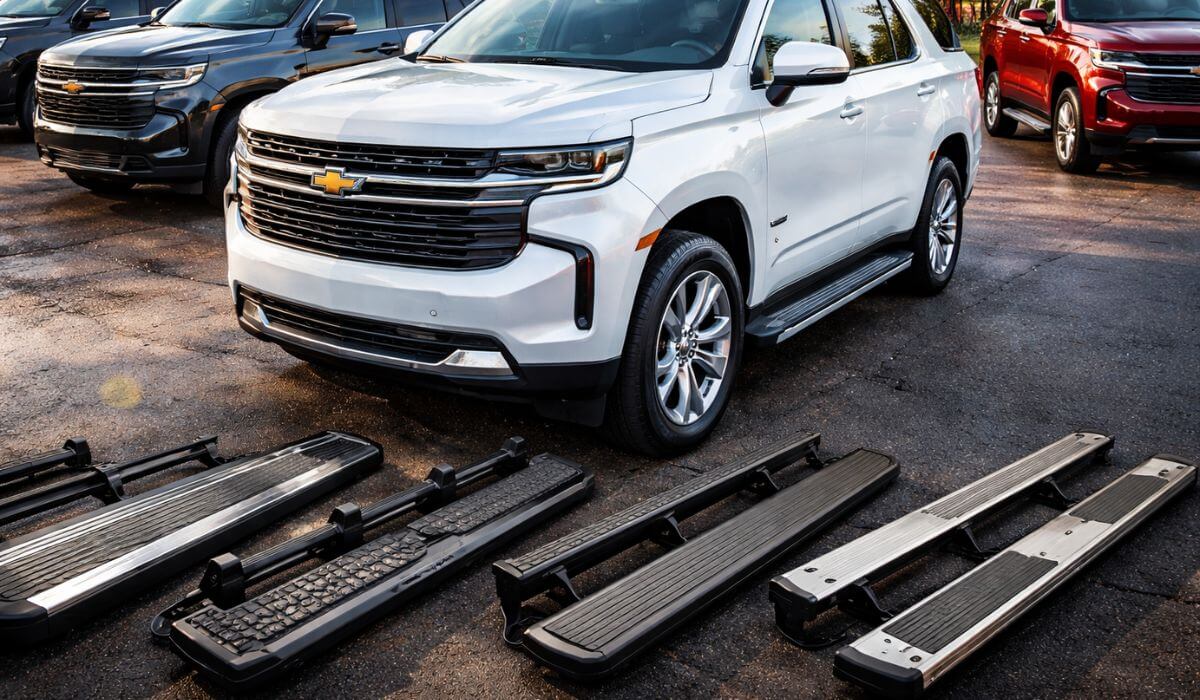
5 Best Running Boards for Chevrolet Tahoe in 2026 (Heavy-Duty, No-Drill Installation & OEM Fit)
If you own a 2021–2026 Chevy Tahoe, you already know it sits tall—and that’s part of the appeal. But climbing in and out every day, loading kids, helping parents, or just dealing with wet shoes in winter? That’s where the right running boards make all the difference. I’ve seen cheap steps flex under weight, paint chip within months, and brackets rust before the second monsoon. A proper set of Chevy Tahoe running boards shouldn’t just look good in photos—they should feel factory, bolt on cleanly, and hold steady after years of use.
This guide isn’t about flashy marketing claims. It’s about fitment accuracy, real-world durability, weight capacity, finish quality, and installation experience—the things that actually matter once the box arrives at your door. Whether you want a rugged fixed step, a budget-friendly Tahoe running board upgrade, or full electric deployable side steps, these are the options worth your attention in 2026.
Best Chevy Tahoe Running Boards for 2007–2026 Models (Expert-Tested & Vehicle-Specific Picks)
#1. APS iStep Black Powder Coated Boards
OEM-Style Chevy Tahoe Running Boards (2021–2026 Direct Bolt-On Fit)
#2. Longyeauto Heavy-Duty Armor Side Steps
Budget-Friendly Tahoe Running Boards with Reinforced Steel Construction (2021–2026)
#3. COGOTA Smart-Deploy Electric Running Boards
Premium Power Chevy Tahoe Running Boards with Automatic Deploy System (2021–2026)
#4. Generic “Stealth Series” Aluminum Rail Bars
Lightweight Aluminum Tahoe Side Steps with Corrosion-Resistant Finish (2021–2025 Fitment)
#5. HD Ridez 6-Inch OE-Style Nerf Bars
Wide-Platform Chevy Tahoe Running Boards for 2007–2020 Models (Heavy-Duty Steel Build)
Expert Tip Before You Buy
Here’s something most people don’t realize until it’s too late: fitment matters more than brand name.
Before clicking “Buy Now,” double-check your Tahoe’s exact model year and trim—especially if you own a Z71 or a newer 2023–2026 refresh. I’ve seen perfectly good running boards returned simply because the owner didn’t notice a slight rocker panel difference. Also, don’t just look at weight capacity numbers—pay attention to bracket thickness and mounting point design. A 500-lb rating means nothing if the brackets flex over time.
If you want zero regrets, choose the set that matches how you actually use your Tahoe—daily family hauler, lifted weekend SUV, or clean city cruiser. The right running boards should feel invisible after install—no rattles, no flex, no second thoughts.
How We Chose These Chevy Tahoe Running Boards
There are hundreds of Tahoe running boards online. Most look strong in photos. Many claim “heavy-duty.” Almost all promise easy installation. That’s not enough.
We approached this the way a serious Tahoe owner would—by asking one simple question: Would we install this on our own SUV and leave it there for the next five years? If the answer wasn’t a confident yes, it didn’t make this list.
Fitment Was Non-Negotiable
The Chevy Tahoe isn’t a one-generation vehicle. Mounting points differ between 2007–2020 and 2021–2026 models. Trim variations matter. Rocker panel shapes matter.
Every product here clearly supports specific model years and uses vehicle-specific brackets. No vague “compatible with most SUVs.” No guesswork. If the fitment details weren’t transparent and precise, it was out.
Because the fastest way to lose trust is recommending something that doesn’t bolt up correctly.
We Prioritized Structure You Can Feel
A running board isn’t decorative. It carries weight—kids jumping in, adults stepping down hard, groceries, boots full of mud.
We examined:
- Material type (true steel vs. thin stamped metal, aircraft-grade aluminum vs. lightweight alloys)
- Step width and usable surface area
- Mounting bracket design and reinforcement points
- Finish quality that resists chipping and corrosion
If it flexes under pressure or feels hollow after install, it doesn’t belong on a full-size SUV like the Tahoe.
Installation Had to Make Sense
Most Tahoe owners don’t want to drill into their frame. They want factory mounting points, clean alignment, and hardware that doesn’t fight them for two hours in the driveway.
Bolt-on design was a requirement.
For the electric deployable option, we looked at wiring complexity and motor housing protection—because power steps are only impressive if they’re reliable.
Each Pick Solves a Different Problem
This isn’t a “top five copies of the same product” list.
- APS iStep is for owners who want that OEM-style look without dealership pricing.
- Longyeauto Armor Side Steps make sense for someone who values durability but wants to stay budget-conscious.
- COGOTA Smart-Deploy is for the Tahoe owner who wants convenience and a clean retractable profile.
- Stealth Series Aluminum Rails suit drivers who prioritize corrosion resistance and lighter weight.
- HD Ridez 6-Inch Nerf Bars serve earlier-generation Tahoe owners needing wider, stable footing.
Different owners. Different needs. Clear choices.
We Looked Beyond First Impressions
Powder coating thickness. Anti-slip texture depth. Edge finishing. Weld consistency. These are the details that separate a one-year accessory from a long-term upgrade.
Running boards take direct abuse from water, road salt, dust, gravel, and daily foot traffic. If a finish can’t survive that environment, the product doesn’t deserve a recommendation.
This list exists for one reason: so when you install your Chevy Tahoe running boards, step onto them for the first time, and close the door, there’s no doubt in your mind.
No flex.
No regrets.
No second guessing.
Just the feeling that you chose right.
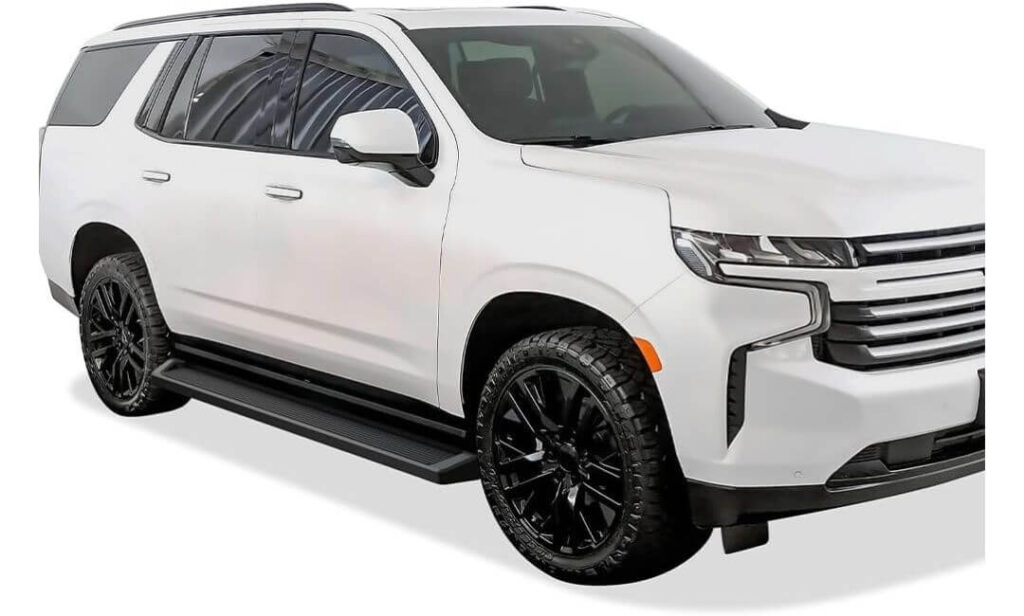
#1. APS iStep Black Powder Coated Boards
Quick Specs:
- Material: 6061 Aircraft-Grade Aluminum
- Finish: Matte Black Powder Coated
- Board Width: 6 Inches
- Weight Capacity: 500 lbs
- Item Weight: 38.46 lbs
- Dimensions: 79 x 6 x 3.25 inches
- Fit Type: Vehicle-Specific (2021–2026 Tahoe 4-Door)
- Install Type: Body Frame Mount, No-Drill
Let’s get something straight — most running boards look tough in photos. These actually feel tough when you step on them. The APS iStep boards aren’t hollow-feeling steel bars pretending to be heavy-duty. They’re solid 6061 aircraft-grade aluminum, finished in matte black powder coat that doesn’t scream aftermarket — it blends like it came from the factory.
That 6-inch width? It’s not marketing fluff. It’s the difference between balancing on a narrow strip and planting your whole foot with confidence, especially when it’s raining, dusty, or you’re stepping out in boots. The full-length UV-resistant tread pad grips properly — not the thin rubber inserts that peel after one summer.
And here’s what matters long-term: aluminum doesn’t rust like traditional steel nerf bars. If you live where there’s road salt, humidity, or heavy rain, that alone makes this a smarter investment. At 38 pounds with a 500-lb rating, they strike the right balance — strong without being frame-straining.
Why This Set Stands Out
- 6-inch one-piece board design feels stable under full body weight
- Aircraft-grade aluminum resists rust better than most steel alternatives
- Matte black finish looks OEM, not overly glossy or cheap
- Full-length non-slip tread actually provides usable grip
- Clean body-frame mounting — no drilling into your Tahoe
Minor Consideration
- Not compatible with Yukon XL models, so double-check before ordering.
Chevy Tahoe Compatibility & Installation Insight
These boards are built specifically for 2021–2026 Chevy Tahoe 4-Door models. The brackets align with factory mounting points on the body frame — no guessing, no fabrication. That vehicle-specific fitment is what separates a smooth install from a frustrating afternoon.
Estimated Install Difficulty: Easy to Moderate
Estimated Time: 60–90 minutes with basic hand tools
If you’ve installed basic bolt-on accessories before, this is straightforward. The hardware lines up cleanly, and once mounted, the boards sit tight without awkward gaps along the rocker panel.
Pro Tip
Before tightening everything down fully, loosely mount all brackets first and align both boards evenly along the body line. Step back. Check the visual alignment. Then torque it down. That small extra step makes the final install look factory-level clean instead of slightly “off.”
If you want running boards that feel right the first time you step on them — no flex, no doubt — this is the kind of upgrade that justifies itself every single day you use your Tahoe.
#2. Longyeauto Heavy-Duty Armor Side Steps
Quick Specs:
- Material: Aluminum + ABS Plastic
- Finish: Black Aluminum
- Fitment: 2021–2026 Chevrolet Tahoe (Vehicle-Specific)
- Installation: Uses Original Factory Holes (No Drilling)
- Package: 2 Side Steps + Mounting Hardware
- Warranty: 1-Year Manufacturer Support
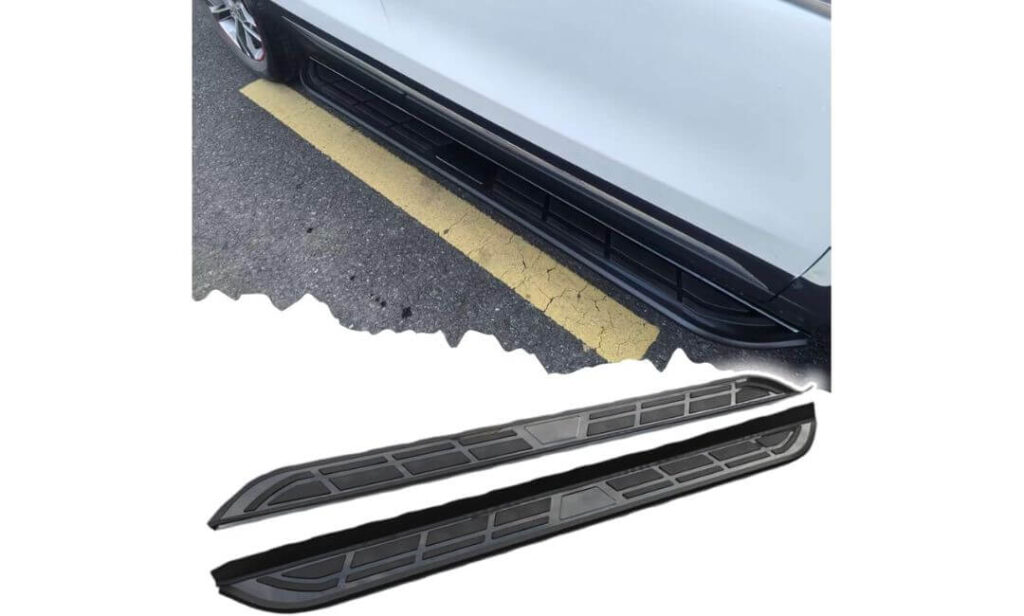
Some Tahoe owners don’t need flashy. They need reliable. Something that bolts on clean, looks right, and handles daily use without drama. That’s exactly where these Longyeauto side steps land.
The construction combines aluminum with reinforced ABS plastic — not the brittle type that cracks under pressure, but thick, structured material designed to absorb impact and resist corrosion. You get a lightweight board that won’t drag your MPG down, but still feels solid once mounted. Step onto it, and there’s no hollow rattle — just a stable platform that does its job.
What stands out here is the direct-fit design. These mount into your Tahoe’s original factory holes. No cutting, no drilling into your frame, no improvising. The included screws, brackets, and hardware are built around the 2021–2026 chassis layout. That matters. Because when installation aligns properly, everything else feels premium — even at a more affordable price point.
And visually? Clean black finish. Not overly aggressive, not overly shiny. It complements the Tahoe’s body lines instead of competing with them.
Where This Set Earns Respect
- Vehicle-specific design for 2021–2026 Tahoe
- Aluminum structure keeps weight down while resisting corrosion
- ABS reinforcement adds durability without flex
- True no-drill installation using factory mounting points
- Complete hardware kit included in the box
Minor Consideration
- While strong for daily use, it’s not as wide as some premium 6-inch boards if you prefer extra foot coverage.
Chevy Tahoe Compatibility & Installation Insight
These are built specifically for the 2021–2026 Chevrolet Tahoe. The brackets align with factory mounting holes, which eliminates guesswork and keeps installation clean. That OEM-style alignment helps the boards sit flush along the rocker panel instead of hanging awkwardly.
Estimated Install Difficulty: Easy
Estimated Time: 45–75 minutes
Most owners with basic tools can handle this at home. Just position the brackets loosely first, align both boards evenly, then tighten everything once satisfied with the placement.
Pro Tip
After installation, apply a light torque re-check after a week of driving. Aluminum settles slightly once weight and vibration come into play. A quick 10-minute check ensures long-term stability and keeps everything feeling factory-tight.
If you want a straightforward, budget-conscious upgrade that respects your Tahoe’s design and doesn’t complicate installation, this is the kind of step that quietly earns its place every single day.
#3. COGOTA Smart-Deploy Electric Running Boards
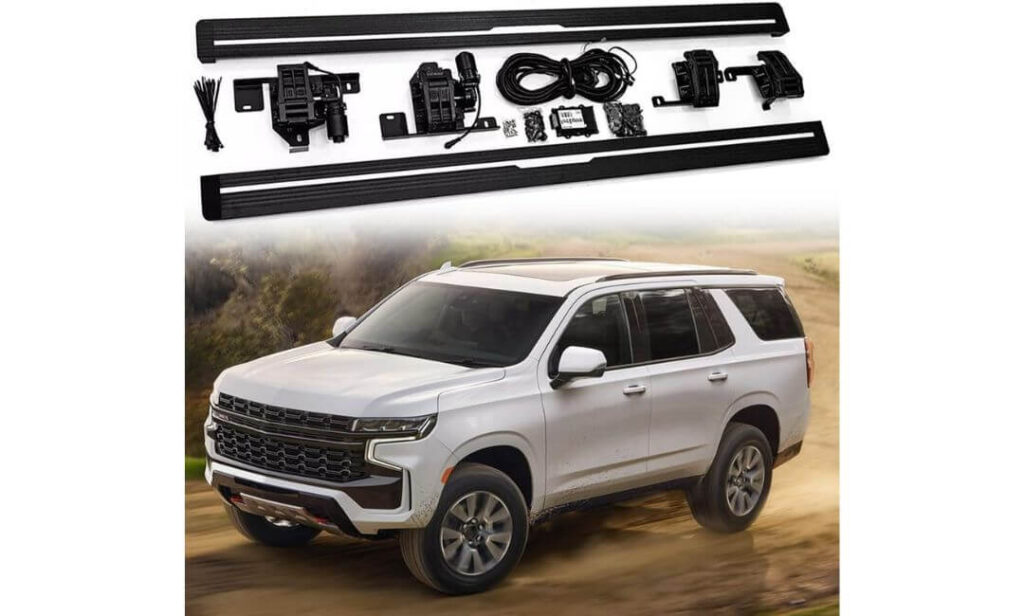
Quick Specs:
- Material: Aircraft-Grade Aluminum + ABS Housing
- Finish: Black Aluminum & ABS
- Dimensions: 78.74 x 7.09 x 5.51 inches
- Fitment: 2021–2026 Chevrolet Tahoe (Vehicle-Specific)
- Operation: Power Electric Deploy & Retract
- Package Includes: 2 Running Boards + Brackets + Screws + Nuts
- Manufacturer: Sunny-Auto
Open the door — the step glides down. Close it — it disappears. That’s the difference between ordinary side steps and a properly engineered power-deploy system.
The COGOTA Smart-Deploy boards aren’t just about convenience; they’re about preserving the Tahoe’s clean body line when parked, while giving you full-width stepping support when needed. Built from aircraft-grade aluminum with reinforced ABS motor housing, these boards balance durability with controlled mechanical movement. They feel substantial, not flimsy, and once extended, they provide a wide, confidence-inspiring platform underfoot.
At nearly 79 inches long, the board coverage aligns well with the Tahoe’s door span, ensuring front and rear passengers both get usable stepping space. The motorized function is door-triggered — meaning no extra switches, no awkward buttons. It’s integrated simplicity. And because the system retracts when doors close, you reduce exposure to debris, mud, and road salt compared to fixed boards.
This is the kind of upgrade that makes the Tahoe feel like a higher trim without paying dealership accessory pricing.
Where This System Earns Its Premium Status
- Automatic deploy-and-retract function tied to door operation
- Aircraft-grade aluminum structure for corrosion resistance
- ABS motor housing designed to protect internal components
- Full-length coverage for both front and rear door access
- Complete hardware kit included for vehicle-specific mounting
Minor Consideration
- Professional installation is recommended due to electrical wiring and motor calibration.
Chevy Tahoe Compatibility & Installation Insight
Designed specifically for 2021–2026 Chevrolet Tahoe models, these boards use vehicle-specific mounting brackets. Mechanically, the installation is straightforward bolt-on. Electrically, it requires proper routing and connection to the vehicle’s power system.
Estimated Install Difficulty: Moderate to Advanced
Estimated Time: 2–3 hours (Professional install advised)
If installed correctly, the boards deploy smoothly and retract flush beneath the rocker panel, maintaining a factory-like profile when not in use.
Pro Tip
After installation, test the deployment cycle multiple times before finalizing wire routing. Make sure nothing binds or rubs during movement. Clean wiring and proper alignment are what separate a smooth, luxury-like operation from a noisy aftermarket setup.
If you want your Tahoe to feel one level above standard — both in convenience and presentation — this is the kind of upgrade that changes the daily experience every single time you open the door.
#4. Generic “Stealth Series” Aluminum Rail Bars
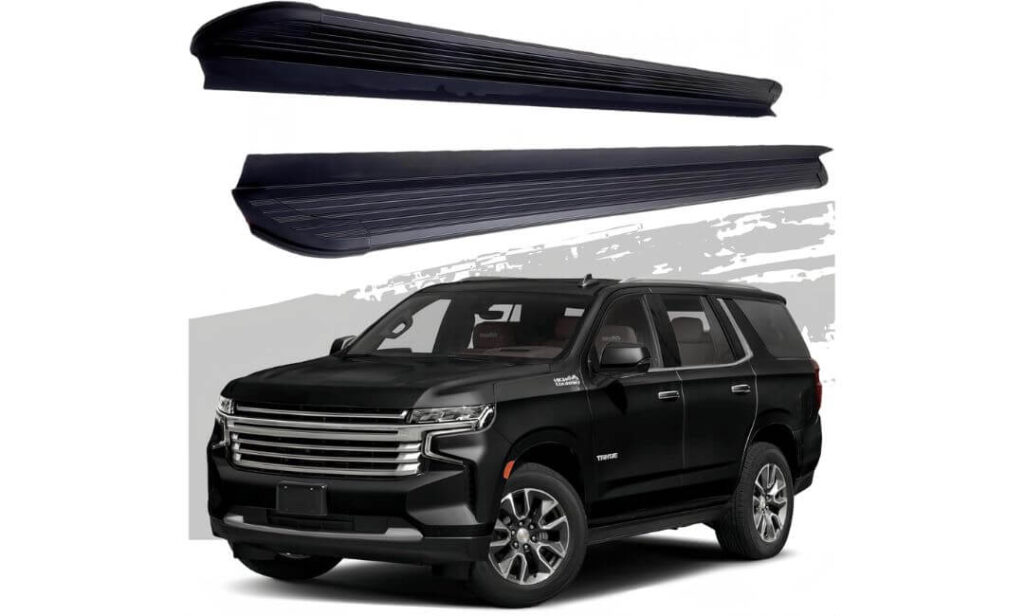
Quick Specs:
- Material: Heavy-Duty Aluminum
- Finish: Protective Black Coating
- Fitment: 2021–2025 Chevrolet Tahoe (Vehicle-Specific)
- Design: 2PCS Side Step Rail System
- Surface: Advanced Anti-Slip Tread Pattern
- Function: Step Assist + Side Protection
Not every upgrade needs motors, branding, or oversized logos. Sometimes the smartest move is choosing something that quietly does three jobs at once — gives you a step, protects your doors, and sharpens the Tahoe’s side profile.
These Stealth Series aluminum rail bars focus on practical strength. The heavy-duty aluminum structure keeps weight manageable while resisting corrosion in rain, heat, or road salt. The anti-slip tread pattern isn’t just cosmetic texture — it’s cut deep enough to provide real grip when shoes are wet or muddy. Step on it in winter boots and you’ll immediately feel the difference.
Beyond stepping assistance, these boards act as a side shield. They sit in the strike zone for road debris and parking lot door dings, taking the hit before your paint does. That protective positioning matters more than people realize — especially on a full-size SUV like the Tahoe where door panels are wide and exposed.
Visually, the black finish blends cleanly with factory trim. It doesn’t overpower the body lines. It complements them.
Where This Set Proves Its Value
- Vehicle-specific compatibility for 2021–2025 Tahoe
- Corrosion-resistant aluminum construction
- Deep anti-slip tread for all-weather footing
- Acts as a barrier against debris and minor side impacts
- Clean, factory-matching appearance
Minor Consideration
- Not currently listed for 2026 models, so 2026 owners should verify updated compatibility before purchase.
Chevy Tahoe Compatibility & Installation Insight
These boards are designed specifically for 2021–2025 Chevrolet Tahoe models. They mount using vehicle-aligned brackets, maintaining a tight fit against the rocker panel. The positioning provides balanced step height without hanging too low or looking bulky.
Estimated Install Difficulty: Easy to Moderate
Estimated Time: 60–90 minutes
Installation is straightforward with standard tools. Align loosely first, check door clearance, then fully secure for a clean finish.
Pro Tip
If you park in tight spaces often, consider these as more than just step bars. Their placement can absorb minor door-edge contact that would otherwise chip paint. That added protection alone can justify the upgrade over time.
For Tahoe owners who want a functional, protective, and visually balanced solution — without overcomplicating things — this setup delivers exactly that.
#5. HD Ridez 6-Inch OE-Style Nerf Bars
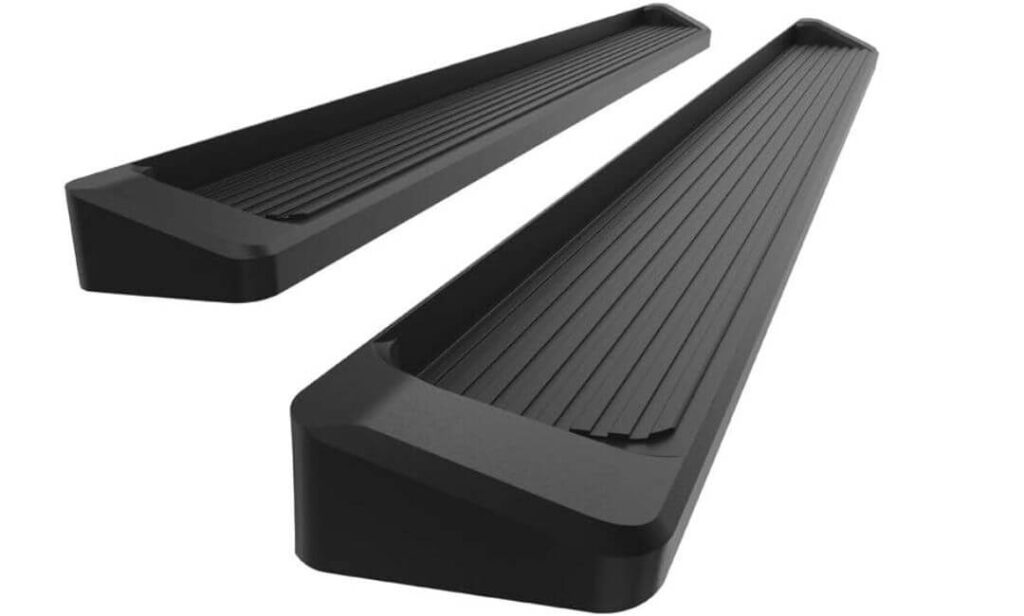
Quick Specs:
- Material: 6061 Aircraft-Grade Aluminum Bars + Steel Brackets
- Finish: Matte Black Powder Coated
- Board Width: 6 Inches
- Dimensions: 79 x 6 x 3.25 inches
- Item Weight: 41.36 lbs
- Weight Capacity: 300 lbs
- Fitment: 2007–2020 Chevy Tahoe / 2005–2020 GMC Yukon (Excludes Z71, Hybrid, Yukon XL)
- Installation: Bolt-On with Brackets & Hardware Included
Older-generation Tahoes deserve proper support — not outdated, narrow step tubes that feel like an afterthought. The HD Ridez 6-inch OE-style boards bring modern width and clean factory presence to 2007–2020 models without overcomplicating the setup.
The 6061 aircraft-grade aluminum bars provide corrosion resistance that holds up against years of road exposure, while the steel brackets anchor the structure firmly to the rocker panel mounting points. At over 41 pounds total weight, these don’t feel flimsy. Once installed, they sit close to the body for that OEM-style profile — not hanging low, not sticking out awkwardly.
The full corrugated surface is where these shine. It’s not just a rubber strip placed in the center — the entire stepping area is textured for traction. Wet shoes, gravel, snow — your footing stays predictable. And those slightly raised metal ends? They’re subtle, but they help block splashed mud and debris from reaching the lower door edges.
For older Tahoe owners wanting stability without flashy styling, this is a balanced upgrade.
Where This Set Proves Itself
- Wide 6-inch stepping surface for stable entry and exit
- Aircraft-grade aluminum resists rust better than standard steel bars
- Steel mounting brackets add structural rigidity
- Full-length corrugated grip surface for all-weather traction
- OEM-style positioning sits close to the vehicle body
Minor Consideration
- Rated at 300 lbs capacity, which is sufficient for daily use but lower than some newer heavy-duty boards.
Chevy Tahoe Compatibility & Installation Insight
These boards are designed for 2007–2020 Chevy Tahoe and 2005–2020 GMC Yukon 4-Door models, excluding Z71, Hybrid, and Yukon XL trims. Fitment aligns with factory mounting locations for those model years.
Estimated Install Difficulty: Easy to Moderate
Estimated Time: 60–90 minutes
The bolt-on setup uses included brackets and hardware. As with most aluminum boards, loosely mount everything first, ensure alignment along the rocker panel, then torque evenly for a clean, tight finish.
Pro Tip
On older Tahoes, rocker panels can collect debris over time. Before installation, take a few minutes to clean the mounting area thoroughly. A clean surface ensures tighter bracket seating and helps prevent long-term vibration.
If you’re upgrading a 2007–2020 Tahoe and want something that feels current without looking overdone, these boards strike that balance — wide, stable, and properly fitted.
Best Chevrolet Tahoe Running Boards Comparison Table (2007–2026 Fitment & Key Specs)
| Model | Best For | Material | Board Width | Weight Capacity | Installation | Fitment Years |
|---|---|---|---|---|---|---|
|
OEM Feel APS iStep Black Powder Coated Clean factory look with wide stepping comfort |
Owners wanting OEM-style upgrade without dealership cost | 6061 Aircraft Aluminum | 6 Inches | 500 lbs | No-Drill Bolt-On | 2021–2026 Tahoe |
|
Best Value Longyeauto Armor Side Steps Practical, clean, budget-conscious option |
Daily drivers needing affordable durability | Aluminum + ABS | Standard Step Rail | Not Listed (Daily Use Rated) | No-Drill (Factory Holes) | 2021–2026 Tahoe |
|
Premium Tech COGOTA Smart-Deploy Electric Automatic extend & retract system |
Drivers wanting luxury convenience and hidden profile | Aircraft Aluminum + ABS Housing | Full-Length Coverage | Heavy-Duty Motorized System | Electrical Install (Pro Recommended) | 2021–2026 Tahoe |
|
Protection Focus Stealth Series Aluminum Rail Bars Side shield + step assist combo |
Owners needing door & debris protection | Heavy-Duty Aluminum | Rail Style Platform | Daily Use Rated | Bolt-On | 2021–2025 Tahoe |
|
Best for Older Models HD Ridez 6-Inch OE-Style Wide platform for legacy Tahoes |
2007–2020 owners wanting wider stable footing | 6061 Aluminum + Steel Brackets | 6 Inches | 300 lbs | Bolt-On | 2007–2020 Tahoe |
Chevrolet Tahoe Running Boards Buying Guide (2026 Update): What Actually Matters Before You Order
By the time you reach this point, you’ve seen the options. Fixed aluminum boards. Armor-style rails. Full electric deploy systems. Now the real question is — how do you choose the right one for your Tahoe without second-guessing it later?
This isn’t generic advice. This is built specifically around the 2007–2026 Chevy Tahoe platform and the exact types of boards we covered above.
1. Weight Capacity Isn’t Just a Number
Most buyers glance at the weight rating and move on. Don’t.
- 300 lbs is perfectly fine for standard daily use.
- 500 lbs gives extra structural confidence, especially for larger passengers or heavy step-down force.
- The real factor? Bracket thickness and mounting design.
A 500-lb rating means nothing if thin brackets flex over time. On a full-size SUV like the Tahoe, leverage force is higher because of the step height. Always look at:
- Material strength (6061 aluminum vs thin steel)
- Reinforced mounting brackets
- Full-length support vs two-point mounting
For families, daily drivers, and long-term ownership — don’t cut corners here.
2. Material: Aluminum vs Steel (And Why It Matters More in 2026)
Aluminum (6061 Aircraft Grade)
- Rust-resistant by nature
- Lighter weight
- Ideal for humid, rainy, or snow-heavy climates
- Modern OEM-style finish
Steel (Powder-Coated)
- Heavier, sometimes stronger in raw impact resistance
- Can rust if coating chips
- Often more affordable
In 2026, aluminum is generally the smarter long-term play for Tahoe owners unless you specifically need extreme-duty steel protection.
3. Surface Texture & Step Width
A narrow tube step looks fine in photos. In real life? It feels unstable.
For a Tahoe:
- 6-inch wide boards offer noticeably better footing.
- Corrugated or full-length anti-slip tread is superior to small rubber pads.
- UV-resistant tread pads prevent peeling over time.
If your Tahoe carries kids, older passengers, or you frequently load cargo, prioritize usable surface area over style.
4. Installation: Know What You’re Signing Up For
There are two major categories:
✔ No-Drill / Factory Mount (Most Common)
- Uses existing mounting holes
- 45–90 minute install
- Basic socket set required
- DIY friendly
✔ Electric Deploy Systems
- Mechanical + electrical wiring
- 2–3 hours install
- Professional install recommended
- Must route wires cleanly to avoid interference
If you don’t want wiring complexity, stick to fixed boards. If you want a clean retractable profile and convenience — electric is worth it.
5. Fit & OEM-Level Integration
Tahoe-specific mounting is critical.
The 2007–2020 generation differs significantly from the 2021–2026 redesign. Bracket positions, rocker panel shape, and ground clearance changed.
Before buying:
- Confirm exact model year compatibility
- Check trim restrictions (Z71, Hybrid, Yukon XL exclusions)
- Verify vehicle-specific bracket inclusion
Improper fitment isn’t just inconvenient — it can void return eligibility or create long-term stress on mounting points.
6. Aesthetics vs Function: Choose With Intention
Matte Black Powder Coat
- Blends with factory trim
- Works well on RST, Z71, and blacked-out builds
- Hides dirt and scratches better
Polished / Stainless Finish
- More traditional SUV look
- Reflective, stands out more
- Requires more maintenance
For most 2026 Tahoe builds, black powder-coated aluminum delivers the best balance of OEM appearance and durability.
7. Compatibility Warning Most Buyers Miss
Some listings online mix compatibility tags with other SUVs like Jeep Gladiator, Silverado, or universal step bars.
A Tahoe is a full-size SUV with:
- Specific rocker panel curvature
- Unique frame spacing
- Different door span length
Even if a product looks similar, bracket geometry matters. Always confirm it states Chevrolet Tahoe with exact model years — not just “full-size SUV compatible.”
Final Word Before You Decide
The best running boards for your Chevy Tahoe aren’t the most expensive or the most advertised.
They’re the ones that:
- Mount cleanly
- Support weight confidently
- Resist corrosion long-term
- Match how you actually use your SUV
Choose based on structure, fitment accuracy, and real-world usability — not just photos.
If you follow that standard, you won’t just buy running boards.
You’ll install them once — and forget about them for years.
Chevy Tahoe Running Boards Installation & Fit Deep-Dive (2026 Technical Guide)
You can buy the right running boards and still end up disappointed — not because of the product, but because of installation mistakes. On a full-size SUV like the Chevy Tahoe, alignment, bracket seating, and torque balance matter more than most people realize.
This section breaks down exactly how to install a no-drill Chevy Tahoe running board setup properly, what to watch for, and how to confirm true OEM-level fit.
Step-By-Step: No-Drill Chevy Tahoe Installation (Factory Mount Method)
This applies to APS, Longyeauto, Stealth Series, and HD Ridez style fixed boards.
Step 1: Prep the Mounting Area
- Park on level ground.
- Clean rocker panel underside thoroughly (remove mud, debris, salt buildup).
- Locate factory mounting holes along the body frame.
On 2021–2026 Tahoes, mounting points are pre-threaded. On 2007–2020 models, you may see capped or sealed holes — remove carefully without damaging threads.
Step 2: Pre-Assemble Brackets
- Attach mounting brackets loosely to the running board first.
- Do not fully tighten yet.
Loose assembly allows adjustment once the board is lifted into position.
Step 3: Align to Factory Mount Points
- Lift board into place (two people recommended).
- Insert bolts into factory holes by hand first — never force-thread.
- Check that brackets sit flush against frame rails.
If a bracket tilts or gaps, stop and reposition. Misalignment here causes long-term vibration.
Step 4: Level & Visual Check
- Step back and check side profile alignment.
- Ensure board runs parallel to rocker panel.
- Confirm door clearance on front and rear doors.
This is where most DIY installs go wrong — tightening too early before checking symmetry.
Step 5: Final Torque
- Tighten bolts evenly from center outward.
- Re-check torque after first 50–100 miles.
Aluminum can settle slightly under initial load.
Common Installation Mistakes (And How to Avoid Them)
1. Over-tightening One Side First
Causes board to sit unevenly. Always tighten gradually across all brackets.
2. Ignoring Frame Debris
Dirt between bracket and frame leads to micro-movement and future rattling.
3. Skipping Door Clearance Check
Especially important on 2021+ Tahoes with wider door swing angles.
4. Mixing Hardware
Some kits include multiple bolt lengths. Always match bolt depth to factory thread depth.
5. DIY Electric Install Without Planning Wire Routing
For deployable boards, wires must avoid heat sources and moving suspension components
Tools Checklist (Realistically What You’ll Need)
- Metric socket set
- Torque wrench (recommended)
- Ratchet extension
- Trim removal tool (for plastic caps if present)
- Floor jack (optional for solo install)
- Electrical tools (for power boards only)
Time Estimates
- Fixed running boards: 45–90 minutes
- Electric deploy systems: 2–3 hours (professional recommended)
Verified OEM Fit Indicators (How to Confirm You Bought the Right Set)
Before tightening fully, confirm these signs of proper fit:
✔ Brackets align naturally with factory holes — no forcing
✔ Board sits tight to rocker panel without wide gaps
✔ Even spacing between front and rear doors
✔ Hardware threads smoothly without resistance
✔ No contact with brake lines, wiring, or underbody components
If you have to “make it fit,” it’s not true vehicle-specific.
Generation-Specific Fit Notes
2021–2026 Tahoe:
Redesigned chassis and rocker profile. Bracket geometry differs significantly from older models.
2007–2020 Tahoe:
Mounting points are simpler but frame spacing differs from newer generation.
Never assume cross-generation compatibility — even if listings look similar.
Final Installation Insight
The goal isn’t just getting them on.
It’s achieving that factory-installed appearance where nothing looks aftermarket.
When properly installed:
- No flex under full weight
- No rattling over bumps
- No visible bracket exposure from side profile
That’s when you know you did it right.
Because on a vehicle like the Chevy Tahoe, accessories should feel integrated — not added.
Chevy Tahoe Running Boards Maintenance, Warranty & Long-Term Durability Guide
Buying the right running boards is step one.
Keeping them solid for the next five winters — that’s where smart ownership shows.
On a full-size SUV like the Chevy Tahoe, side steps live in the harshest environment possible: direct road spray, salt exposure, mud impact, UV heat, and daily foot traffic. If you maintain them properly, they’ll look factory-fresh for years. If you ignore them, even premium boards will age fast.
Let’s break this down properly.
For Aluminum Running Boards (APS, Stealth Series, HD Ridez, COGOTA)
Aluminum doesn’t rust like steel — but the powder coat finish can still degrade if neglected.
Best Practice Routine:
- Rinse with clean water every 2–3 weeks (weekly in winter climates)
- Use mild automotive soap — no harsh degreasers
- Avoid abrasive brushes that scratch powder coat
- Dry with microfiber to prevent water spotting
For added protection:
- Apply a spray ceramic sealant or automotive wax every 3–4 months
- Focus on exposed leading edges and bracket areas
This simple routine dramatically slows down finish fading and oxidation.
For Steel Brackets (Often Overlooked)
Even aluminum boards usually use steel mounting brackets.
Twice per year:
- Inspect bracket connection points
- Check for chipped coating
- Touch up exposed metal with rust-preventive paint if needed
This small step prevents long-term corrosion from starting at mounting joints.
Snow, Salt & Mud: What to Expect Long-Term
If you drive in:
- Northern snow climates
- Coastal humidity
- Heavy monsoon regions
- Off-road mud conditions
Then rinse frequency becomes critical.
Salt is the real enemy — not water. Salt accelerates corrosion on hardware and brackets.
Realistically:
- Powder-coated aluminum boards should last 5+ years with care
- Steel brackets may need minor touch-up after 3–4 winters
- Electric deploy systems require occasional motor housing inspection
Neglect them completely, and finish wear may show within 2–3 years.
Maintain them, and they’ll age slowly and evenly.
Warranty Considerations (Especially with No-Drill Installs)
One reason no-drill, factory-mount boards are recommended:
✔ They typically do not interfere with factory warranty
✔ They use existing mounting points
✔ No frame modifications required
However:
- Electrical running boards must be wired properly to avoid electrical warranty complications.
- Over-tightening bolts into factory threads can damage mounting points — which could create disputes if later repairs are needed.
Keep documentation:
- Save purchase receipts
- Keep installation instructions
- Photograph proper mounting
If professionally installed, retain invoice copy.
That protects you long-term.
Long-Term Durability Expectations by Type
Fixed Aluminum Boards (APS, HD Ridez, Stealth Series)
- Lowest maintenance
- Highest corrosion resistance
- Minimal moving parts
Aluminum + ABS Hybrid (Longyeauto)
- Good balance for daily driving
- Slightly more cosmetic wear possible on plastic sections
Electric Deploy Systems (COGOTA)
- Moving components require periodic inspection
- Clean debris from hinge points
- Ensure wiring remains secure
Electric boards deliver convenience — but like any mechanical system, they reward attention.
What Separates Boards That Last From Boards That Fail
It’s not just material.
It’s:
- Proper installation torque
- Even bracket seating
- Routine cleaning
- Seasonal inspection
A running board that’s installed cleanly and maintained lightly will outlast one that’s simply bolted on and forgotten.
Final Ownership Insight
Running boards aren’t flashy upgrades. They’re daily-use hardware. You step on them thousands of times per year.
Treat them like structural components — not decorative accessories.
If you:
- Rinse them in winter
- Inspect brackets twice a year
- Protect the finish occasionally
They won’t just last.
They’ll still feel solid five years from now — when most people would’ve already replaced cheaper alternatives.
And that’s when you’ll know you made the right choice the first time.
FAQs About Chevrolet Tahoe Running Boards
Do I really need running boards on a Chevy Tahoe, or are they just cosmetic?
On a full-size SUV like the Tahoe, they’re functional first — cosmetic second. The step-in height is higher than most midsize SUVs, especially on 4WD or Z71 trims. Without running boards, passengers tend to drag across the seat edge while climbing in, which causes long-term seat wear. Properly installed Tahoe running boards reduce strain on knees, protect interior bolsters, and make entry smoother for kids and older passengers. After a few weeks of use, most owners realize they should’ve installed them sooner.
Will adding running boards reduce ground clearance?
Fixed boards do sit slightly below the rocker panel, but quality vehicle-specific designs are engineered to maintain practical clearance. On stock-height Tahoes, the difference is minimal for daily driving. Electric deploy systems retract completely, preserving ground clearance when not in use. If you regularly off-road, choose a tighter OEM-style board rather than wide, low-hanging designs.
Are aluminum running boards strong enough compared to steel?
Yes — when we’re talking about 6061 aircraft-grade aluminum, strength isn’t the issue. It’s lighter than steel but highly resistant to corrosion. For daily-use Tahoes, aluminum provides excellent structural support without the long-term rust concerns of lower-grade steel. The key factor isn’t just the board material — it’s bracket design and mounting quality. A well-mounted aluminum board can feel just as solid underfoot as steel.
Can I install Chevy Tahoe running boards myself, or should I hire a professional?
For no-drill, factory-mount boards, most owners with basic tools can handle installation in under 90 minutes. The critical part is alignment — loosely mount everything first, level the board, then torque evenly. Electric deploy systems are different. Because they involve wiring and motor calibration, professional installation is recommended unless you’re experienced with vehicle electrical work.
How long should quality Tahoe running boards realistically last?
With proper care, aluminum running boards should last 5+ years without structural issues. Powder coating may show light wear over time depending on climate exposure, but routine cleaning and seasonal inspection extend lifespan significantly. Electric systems may require occasional maintenance, but fixed aluminum boards are generally low-maintenance and long-term reliable.
If chosen carefully, installed correctly, and maintained minimally, running boards aren’t a short-term accessory — they’re a long-term upgrade that becomes part of the vehicle’s daily function.
Final Verdict: Choose Once. Install Right. Enjoy Every Step.
By now, you’ve seen the difference between basic step bars and properly engineered Chevy Tahoe running boards. This isn’t about adding an accessory. It’s about improving how your Tahoe works every single day.
The right set should do three things effortlessly:
- Feel solid the first time you step on it
- Blend into the body like it came from the factory
- Hold up season after season without drama
Whether you go with the wide, OEM-style confidence of the APS iStep, the value-focused practicality of Longyeauto, the clean protection of the Stealth Series, the tech convenience of COGOTA’s power deploy system, or the stable 6-inch platform from HD Ridez for older models — each one solves a specific need. None of them are random picks. Every option fits a real Tahoe owner profile.
Here’s the honest truth: the moment you install the right running boards and step up without stretching, slipping, or thinking about it — that’s when you know you made the right call.
No flex.
No second guessing.
No regret scrolling afterward.
Just a Tahoe that feels complete.
Choose based on how you actually use your SUV. Install them properly. Maintain them lightly. And then forget about them — because they’ll simply do their job, day after day.
That’s the upgrade that lasts.
Also Check: