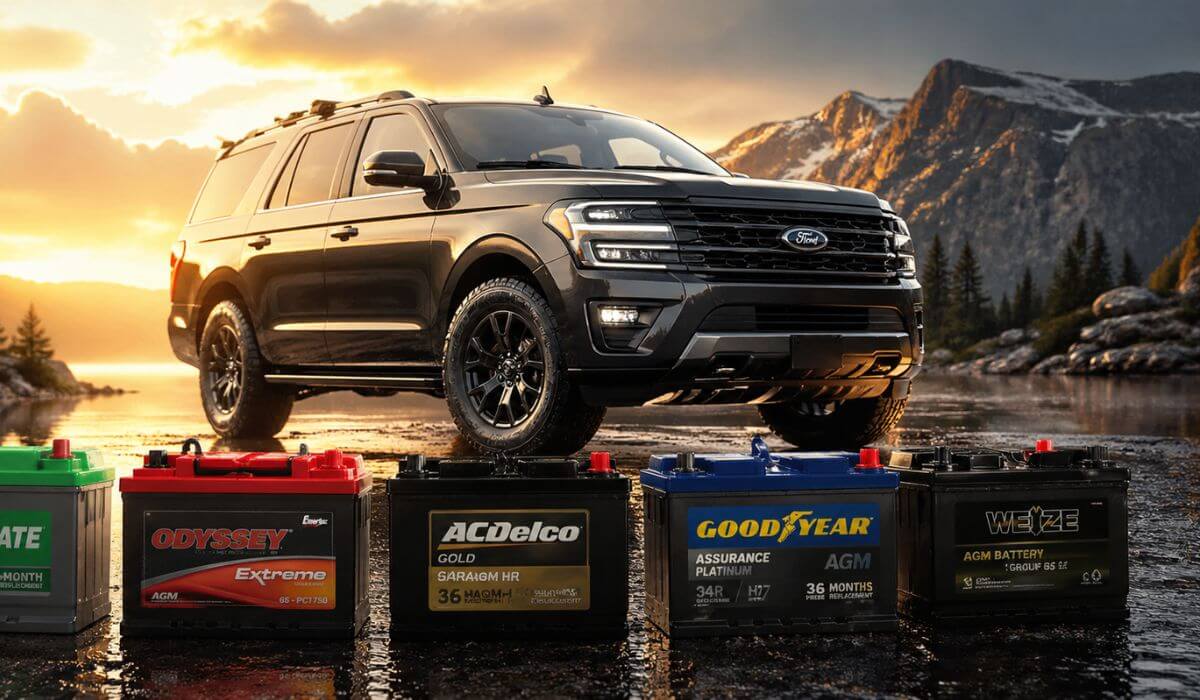
5 Best Batteries for Ford Expedition in 2026: High CCA Power, AGM Durability & Zero Cold-Start Stress
If you’ve spent any time around a modern Ford Expedition, you already know it’s not the kind of SUV that tolerates a weak battery. This thing is loaded—twin-turbo V6, heavy electronics, big screens, power everything—and when the battery starts slipping, it doesn’t whisper… it shows up in slow cranks, random warnings, or that one morning when it just refuses to start.
Here’s the truth most guides won’t tell you: there isn’t just one battery size that fits every 2026 Expedition. Most newer models run Group 65 or Group 94R (H7), and if you’re buying today, AGM is the move—not optional, not “nice to have.” It handles the electrical load better, lasts longer, and deals with heat and cold like it actually belongs in a full-size SUV.
So instead of throwing random options at you, this list is built around what actually works in real ownership—high CCA, strong reserve capacity, and batteries that don’t give up under pressure. If you just want something that starts every time and doesn’t make you think twice, start here.
Best Ford Expedition Battery: Top 2026 Picks With High CCA And AGM Power
#1. Interstate MTP-65HD Flooded Automotive Battery
Best Battery For Ford Expedition With High CCA And Proven Daily Reliability
#2. Odyssey ODX-AGM65 Extreme Series Battery
Premium AGM Battery For Ford Expedition With Long Life And Strong Power Delivery
#3. ACDelco Gold 94RAGMHR AGM Battery
Ford Expedition Battery Replacement With High Reserve And AGM Durability
#4. Goodyear 94R-H7 AGM Platinum Automotive Battery
Best Group 94R Battery For SUV With Strong Cold Start And Balanced Performance
#5. Weize Platinum AGM Group 65 Automotive Battery
Affordable AGM Battery For Ford Expedition With Reliable Daily Performance
Expert Tip
If there’s one thing I’ve seen with the Ford Expedition, it’s this: don’t chase the cheapest battery, chase the right spec. This SUV pulls more electrical load than most people realize—multiple control modules, big infotainment, power seats, everything working at once. A battery might fit physically, but if it doesn’t have enough CCA and reserve capacity, it will start acting weak way before its time.
Here’s the real move:
Go for AGM if your budget allows, and never go below 750 CCA for this vehicle. That’s where the difference shows—cold mornings, long drives, or even just sitting idle for a few days. A strong battery in an Expedition doesn’t just start the engine… it keeps the whole system stable.
How We Chose These Batteries
We didn’t just pick popular names or throw in random “top-rated” options. Every battery on this list was selected based on what actually matters in a 2026 Expedition—real-world load handling, correct fitment, and long-term reliability, not just specs on paper.
First, we locked in the correct battery sizes. Newer Expedition models commonly run Group 65 or Group 94R (H7), so every product here fits within those real-world configurations. No guesswork, no universal-fit nonsense.
Then we focused on CCA and reserve capacity, because that’s where most batteries fail in big SUVs. Anything weak gets exposed fast—slow cranks, voltage drops, random electronic glitches. Every pick here delivers strong cold start power and enough backup capacity to handle heavy electronics without strain.
We also gave priority to AGM technology. Not because it sounds premium, but because it actually performs better in this kind of vehicle—handles heat better, lasts longer, and supports modern electrical systems without voltage dips. That’s why most of our top picks are AGM, with only one traditional option for those who want a simpler, budget-friendly route.
Brand selection wasn’t random either. We leaned on manufacturers with consistent track records, not just hype. Even if these exact models are newer in the market, the brands behind them have been building reliable batteries for years. That matters more than early reviews.
And finally, we balanced the list. Not everyone wants the same thing. Some want maximum lifespan, some want strong performance under load, and some just want a reliable daily driver without overspending. This list covers all three without compromising on fitment or core performance.
At the end of the day, this isn’t a “top 5” for clicks. It’s a filtered selection of batteries that actually make sense for the Expedition—the kind you install once and don’t have to think about again.
#1. Interstate MTP-65HD Flooded Automotive Battery
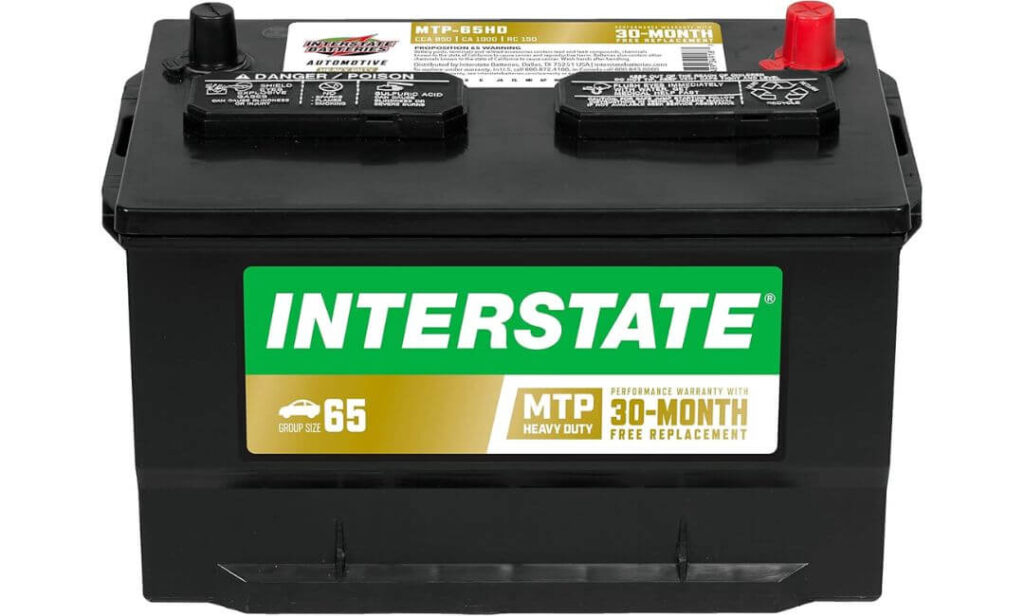
Quick Specs:
- Group Size: 65 (Full-size SUV fitment standard)
- Battery Type: Flooded Lead-Acid (Non-AGM)
- Cold Cranking Amps: 850 CCA (strong cold start performance)
- Reserve Capacity: 150 minutes (extended backup support)
- Voltage: 12V
- Terminal Type: Top Post
- Weight: ~46 lbs (solid internal build)
- Warranty: 30 Months
You feel it the first time you turn the key—no hesitation, no lazy crank, just a clean, confident start. That’s where this battery earns its place. With 850 CCA and a solid 150-minute reserve, it’s built for SUVs that demand real power, not just paper specs. In a vehicle like the Expedition, where everything from infotainment to power seats is always drawing energy, that extra reserve isn’t a bonus… it’s survival.
What stands out here isn’t flashy tech—it’s consistency. This is a flooded battery done right, tuned for cold to moderate climates, where higher cranking amps actually matter. It doesn’t try to be premium AGM, but it delivers where it counts—reliable starts, stable voltage, and predictable performance over time. (And honestly, that’s what most owners care about after year one.)
There’s also a trust factor you can’t fake. Interstate has been around long enough to understand what real-world driving looks like—not lab conditions, not perfect installs. This unit is built to match OEM expectations, which means it behaves the way your SUV expects it to—no surprises, no weird electrical quirks. (If you just want a battery that works every single morning without drama, this is exactly that.)
What Stands Out In Real Use
- Strong 850 CCA output handles cold starts without hesitation
- 150-minute reserve capacity keeps electronics stable under load
- Proven OEM-level reliability for full-size SUVs
- Simple plug-and-play fitment with top post terminals
- Backed by a 30-month warranty with consistent performance
Where It Falls Slightly Short
- Not AGM, so it won’t match AGM-level lifespan under extreme electrical load
Real-World Fitment For Ford Expedition
For most Expedition setups, Group 65 is the natural fit, and this battery sits right in that sweet spot. No modification, no guesswork—just proper alignment with factory tray and terminal layout. That matters more than people think, especially in tight engine bays where even small mismatches become a headache.
Performance-wise, it handles the Expedition’s load comfortably in daily driving. From cold starts to stop-and-go traffic, the combination of high CCA and strong reserve keeps voltage steady. It may not be the choice for extreme accessory builds, but for stock or lightly loaded setups, it delivers exactly what the SUV demands.
The Insider Pro-Tip
If you’re running a stock Expedition without heavy aftermarket electronics, this is one of those rare batteries where going “simpler” actually makes sense. The key is not underestimating reserve capacity—that’s what keeps your systems stable when the engine isn’t doing all the work.
And here’s the part most people overlook: a battery like this performs best when it’s not constantly pushed to its limits. With 850 CCA already exceeding basic requirements, you’re giving your vehicle breathing room. That’s what quietly extends battery life over time—no stress, no voltage dips, just steady performance that doesn’t get noticed… because it never fails.
#2. Odyssey ODX-AGM65 Extreme Series Battery
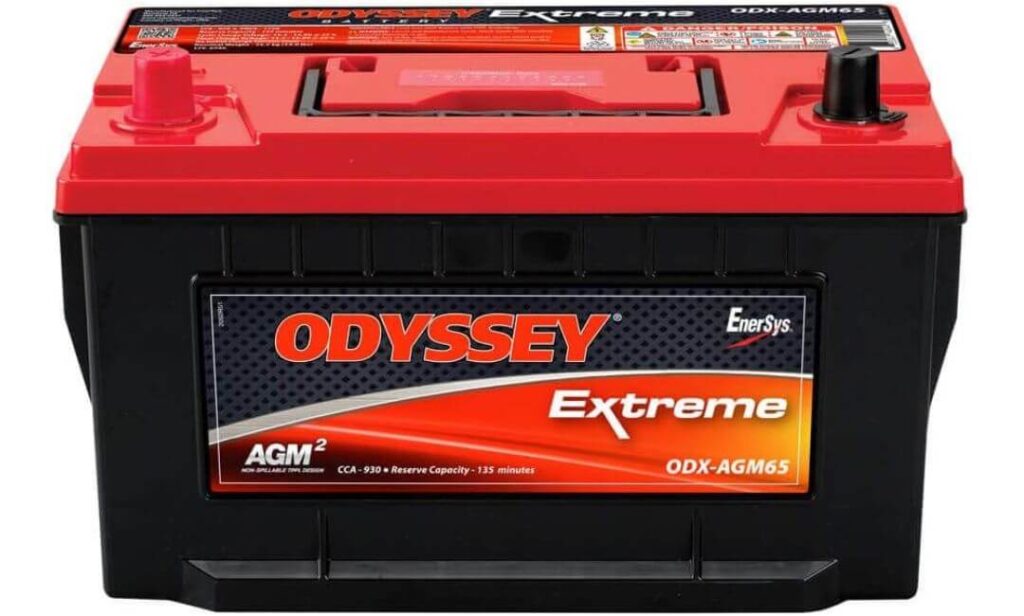
Quick Specs:
- Group Size: 65 (heavy-duty SUV fitment)
- Battery Type: AGM (Absorbed Glass Mat with pure lead plates)
- Cold Cranking Amps: 930 CCA (extreme cold start capability)
- Peak Cranking Amps: 1750 PHCA (instant high burst power)
- Reserve Capacity: 135 minutes
- Voltage: 12V
- Terminal Type: SAE Top Post (tin-plated brass)
- Weight: ~60 lbs (heavy internal build quality)
- Warranty: 4 Years
There’s a different kind of confidence when a battery doesn’t just start the engine—it hits it hard. That’s exactly what you notice here. With 930 CCA and a massive 1750 PHCA, this isn’t built for “normal use”… it’s built for situations where the engine demands everything instantly. In a full-size SUV setup, especially something as loaded as an Expedition, that kind of power changes how the vehicle feels on startup.
What makes this one stand apart is what’s inside. This isn’t your typical AGM—it uses pure lead plates, which means faster recharge, higher output, and deeper cycling capability. You’re looking at up to 400 cycles at 80% depth of discharge, something most batteries don’t even come close to. That matters if your SUV sees heavy electrical usage—long idling, accessories running, or just constant load from modern systems.
And then there’s durability. This unit is sealed, vibration-resistant, and built to operate in extreme conditions—heat, cold, even unconventional mounting positions. It’s not trying to be “good enough”—it’s built for people who don’t want to think about battery failure again. (If your usage pushes beyond normal driving, this is the kind of upgrade that actually makes a difference.)
What Stands Out In Real Use
- Massive 930 CCA + 1750 PHCA for instant, aggressive starts
- Pure lead AGM design delivers faster recharge and higher output
- Handles deep cycling up to 400 cycles without performance drop
- Strong vibration resistance and sealed construction
- Built for high electrical load and demanding conditions
Where It Falls Slightly Short
- Premium performance comes with a higher price and heavier build
Real-World Fitment For Ford Expedition
For Expedition owners looking beyond basic performance, this fits right into the Group 65 slot with zero compromise. The size and terminal layout align properly, but what really matters is how it performs under load. This isn’t just about starting the engine—it’s about supporting everything else running in the vehicle at the same time.
In real-world use, especially with newer models packed with electronics, the difference becomes clear. Voltage stays stable, cranking remains sharp, and even under extended use, it doesn’t feel like it’s being pushed. This is the kind of battery that matches the Expedition’s capability instead of struggling to keep up.
The Insider Pro-Tip
If you’re someone who keeps vehicles long-term or runs extra load—audio systems, accessories, or even frequent short trips—this is where AGM like this actually pays off. The deep cycle capability isn’t marketing, it’s what prevents early degradation when the battery isn’t fully recharged every time.
And here’s the honest truth most people miss: a battery like this doesn’t just give you power, it gives you margin. With 930 CCA already above standard needs, the system never feels strained. That’s what keeps performance consistent year after year—not pushing limits, but operating comfortably within them.
#3. ACDelco Gold 94RAGMHR AGM Battery
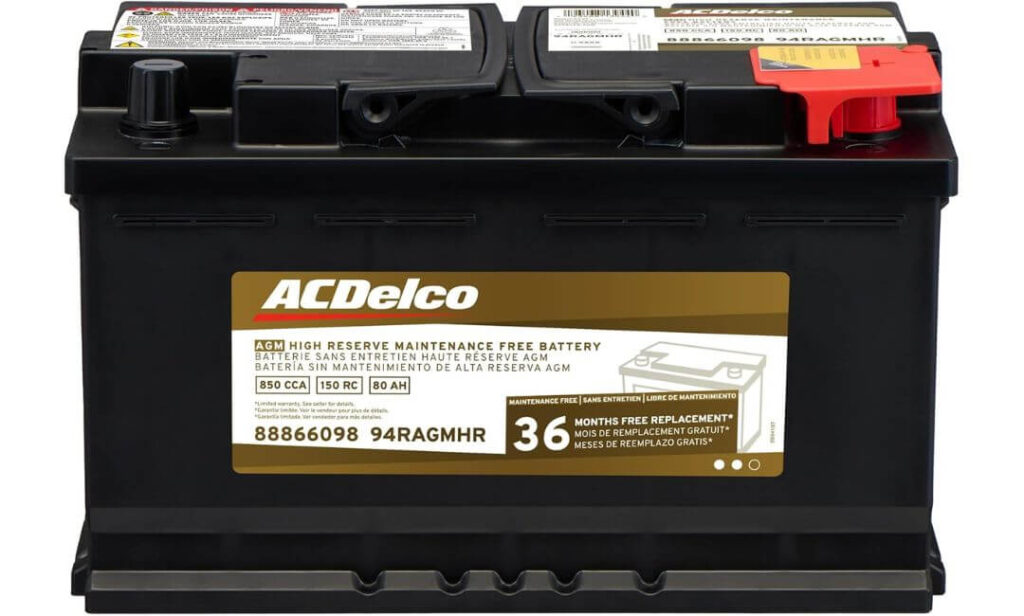
Quick Specs:
- Group Size: 94R (H7 – modern SUV fitment)
- Battery Type: AGM (Maintenance-Free, Sealed Design)
- Cold Cranking Amps: ~800+ CCA (strong real-world starts)
- Reserve Capacity: High (built for sustained electrical load)
- Voltage: 12V
- Terminal Type: SAE Top Post
- Weight: ~51 lbs
- Warranty: 36 Months Free Replacement
Step into a modern SUV setup and you’ll notice one thing fast—electronics don’t stop drawing power, even when you think everything is off. That’s exactly where this battery earns its place. Built around AGM technology with high-density plate design, it doesn’t just start the engine—it supports everything happening behind the scenes without voltage drops or hesitation.
What makes this one stand out is how balanced it feels in real use. It’s not trying to be extreme or overbuilt—it’s engineered to deliver consistent power across daily driving, stop-start conditions, and extended accessory use. The pressurized valve system and sealed construction mean no leaks, no maintenance, and no surprises over time. You install it and forget about it—that’s the point.
There’s also a reason this design is trusted across multiple platforms. It’s built to meet OEM-level fit, form, and function, which means it behaves exactly the way modern SUVs expect. No erratic behavior, no unstable voltage under load—just clean, predictable performance. (If your priority is reliability without overthinking specs, this sits right in that sweet spot.)
What Stands Out In Real Use
- Maintenance-free AGM design with no leaks or upkeep
- High reserve capacity supports electronics without strain
- Stable voltage output under daily and stop-start driving
- OEM-level engineering for consistent system compatibility
- Strong 36-month replacement warranty for peace of mind
Where It Falls Slightly Short
- Not the highest CCA option if you’re chasing extreme performance builds
Real-World Fitment For Ford Expedition
For Expedition setups running Group 94R (H7), this battery fits naturally without adjustment. The dimensions and terminal layout line up cleanly, which matters more than it sounds—modern engine bays don’t leave room for compromise. It’s a proper match for trims that lean heavier on electronics and system integration.
In real driving, this battery shines in stability. Whether it’s frequent starts, short trips, or extended accessory use, the AGM design keeps voltage consistent, avoiding the small issues that build up over time. It doesn’t try to overpower the system—it works with it, which is exactly what a modern Expedition needs.
The Insider Pro-Tip
If your Expedition is packed with features—and most are—then consistency matters more than raw numbers. A battery like this focuses on steady output and system compatibility, which is what prevents random electrical issues months down the line.
And here’s the honest angle: not every setup needs the highest CCA on paper. What actually matters is how the battery behaves under normal use. With AGM stability and solid reserve capacity, this one keeps everything running smoothly without pushing extremes—and that’s exactly why it lasts.
#4. Goodyear 94R-H7 AGM Platinum Automotive Battery
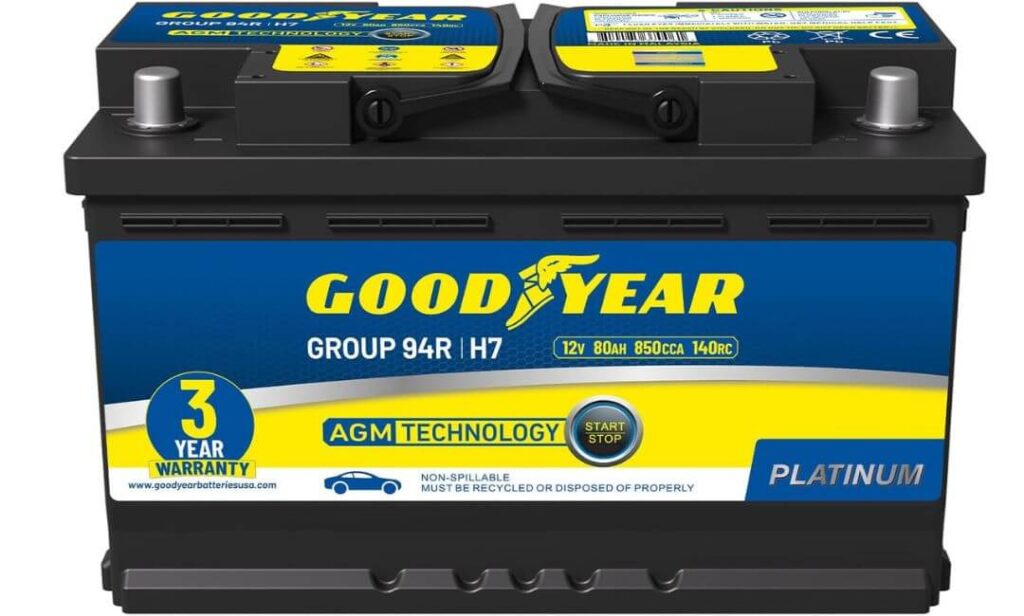
Quick Specs:
- Group Size: 94R (H7 – modern SUV configuration)
- Battery Type: AGM (sealed, maintenance-free)
- Cold Cranking Amps: 850 CCA (strong all-weather starts)
- Capacity: 80 Ah (solid energy storage for electronics)
- Reserve Capacity: 140 minutes
- Voltage: 12V
- Weight: ~52.5 lbs
- Terminal Type: Standard polarity (right positive)
- Warranty: 36 Months
Here’s the part most people don’t expect—some batteries don’t feel “strong” on paper, but the moment you use them daily, they just don’t break rhythm. That’s exactly what happens here. With 850 CCA and a healthy 140-minute reserve, this unit isn’t chasing extreme numbers—it’s tuned for consistent, no-drama performance across every condition you throw at it.
What makes it stand out is how well it balances everything. The 80Ah capacity gives it enough depth to handle modern SUV electronics without dipping under load, while the AGM construction keeps things sealed, vibration-resistant, and maintenance-free. Whether it’s heat, cold, or rough roads, it holds its ground without feeling stressed. This isn’t about peak output—it’s about staying stable when everything is running at once.
There’s also a practical side that works in real ownership. Flexible mounting, durable internal grid design, and wide temperature tolerance mean it adapts easily to different setups without becoming sensitive over time. (If you want a battery that quietly does its job in every situation without needing attention, this one fits that role perfectly.)
What Stands Out In Real Use
- Reliable 850 CCA output for all-weather starting
- 140-minute reserve capacity supports sustained electrical load
- Balanced 80Ah capacity for modern SUV electronics
- Strong vibration resistance and sealed AGM design
- Consistent performance across heat, cold, and rough conditions
Where It Falls Slightly Short
- Not built for extreme high-performance setups compared to premium-tier AGM options
Real-World Fitment For Ford Expedition
For Expedition models that use Group 94R (H7), this battery drops in with proper alignment and no fitment issues. The dimensions and terminal layout match what newer setups expect, making installation straightforward without adjustments.
In everyday driving, this is where it earns trust. The combination of balanced CCA, solid capacity, and AGM stability keeps everything running smoothly—starts remain sharp, electronics stay stable, and the system doesn’t feel strained even during extended use. It fits the Expedition’s character well—strong, steady, and built for real-world conditions.
The Insider Pro-Tip
If you’re not chasing maximum specs but want something that performs consistently over time, this kind of setup is where smart buyers land. The key is the balance between capacity and reserve—that’s what prevents voltage dips when multiple systems are active.
And here’s the real takeaway: batteries like this don’t stand out on day one—they prove themselves months later. With AGM durability and stable output, you’re not just buying performance… you’re buying predictability, which is what actually matters in long-term ownership.
#5. Weize Platinum AGM Group 65 Automotive Battery
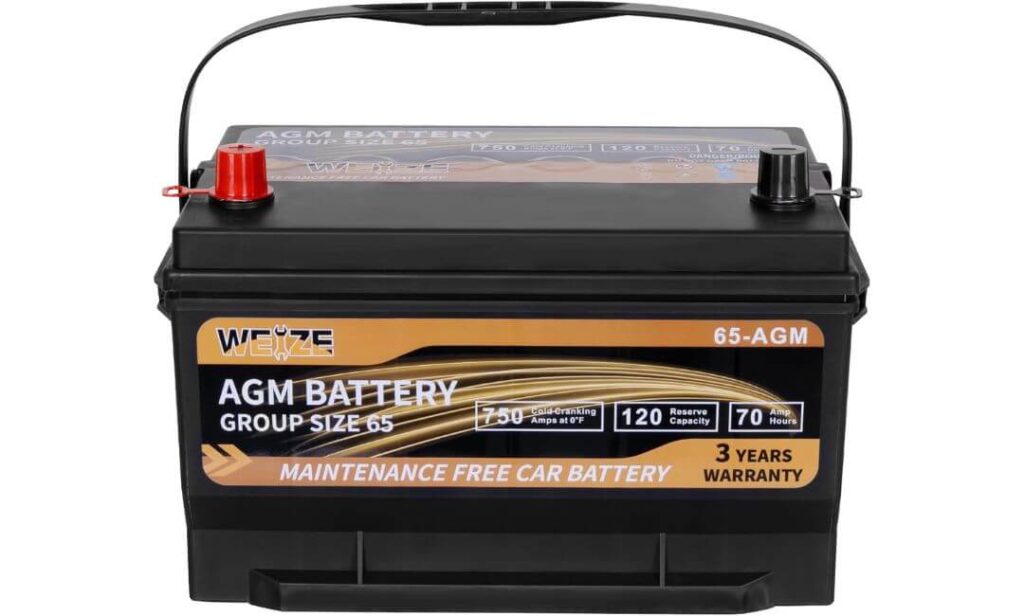
Quick Specs:
- Group Size: 65 (standard full-size SUV fitment)
- Battery Type: AGM (sealed, maintenance-free)
- Cold Cranking Amps: 750 CCA
- Capacity: 70 Ah
- Reserve Capacity: 120 minutes
- Voltage: 12V
- Terminal Type: Tapered (Left Positive, Right Negative)
- Operating Range: -22°F to 158°F
- Weight: ~46 lbs
- Warranty: 36 Months
Most people assume you need to spend big to get a reliable AGM battery—but that’s not always true. This one proves it the moment you install it. With 750 CCA and a 70Ah capacity, it delivers exactly what a full-size SUV needs for daily driving—clean starts, stable voltage, and enough depth to support modern electronics without feeling underpowered.
What really works here is the balance between performance and practicality. The 120-minute reserve capacity gives you breathing room when the engine isn’t doing all the work, while the AGM design keeps everything sealed, vibration-resistant, and maintenance-free. It’s built to handle heat, cold, and irregular usage, which is where many budget options fall apart. This one doesn’t try to overpromise—it just performs where it matters.
There’s also a smart engineering angle behind it. With low self-discharge and improved cycle life, it holds charge better over time, especially if the vehicle isn’t driven daily. Add in stop/start compatibility and enhanced safety design, and it starts to feel less like a “budget pick” and more like a practical long-term solution. (If you want AGM benefits without stretching your budget too far, this hits that sweet spot.)
What Stands Out In Real Use
- Reliable 750 CCA output for everyday starting
- 70Ah capacity + 120 RC supports modern SUV electronics
- AGM design with better heat and cold resistance
- Low self-discharge helps maintain charge over time
- Strong value-to-performance balance for daily use
Where It Falls Slightly Short
- Not as high in raw output as premium AGM options for heavy-load setups
Real-World Fitment For Ford Expedition
For Expedition setups using Group 65, this battery fits properly with correct dimensions and terminal alignment. No adjustment needed, no compatibility issues—just a straightforward install that matches factory layout.
In real use, it handles daily driving comfortably. The combination of AGM stability, decent CCA, and usable reserve capacity keeps the system running without stress. It’s not built for extreme setups, but for normal use, it delivers consistent performance without unnecessary complexity.
The Insider Pro-Tip
If your driving pattern includes short trips or occasional use, this is where a battery like this quietly wins. The low self-discharge and AGM design help retain charge better than traditional batteries, which means fewer surprises when the vehicle sits for a while.
And here’s the honest truth: not everyone needs maximum specs. What matters is choosing something that fits your usage. With balanced output and solid AGM reliability, this battery does exactly that—no excess, no compromise, just dependable performance where it counts.
Best Ford Expedition Battery Comparison: Which Option Actually Delivers Under Load
| Battery | Type | CCA | Reserve | Capacity | Real Use Feel | Best For |
|---|---|---|---|---|---|---|
|
Interstate MTP-65HD
Group 65
Most Reliable Daily Choice
|
Flooded | 850 | 150 min | — | Strong, consistent starts with no drama in daily driving | Stock Expedition owners wanting simple, proven reliability |
|
Odyssey ODX-AGM65
Group 65
Extreme Performance
|
AGM | 930 | 135 min | High Output | Hits hardest on startup, handles heavy load without stress | High electrical load, long-term ownership, premium builds |
|
ACDelco Gold 94RAGMHR
Group 94R
Balanced OEM Feel
|
AGM | ~800+ | High | — | Smooth, stable performance with zero voltage fluctuation | Modern Expedition trims with more electronics |
|
Goodyear 94R-H7 AGM
Group 94R
All Weather Stability
|
AGM | 850 | 140 min | 80 Ah | Balanced power, performs reliably in heat and cold | Drivers needing consistent performance across conditions |
|
Weize AGM Group 65
Group 65
Best Budget AGM
|
AGM | 750 | 120 min | 70 Ah | Simple, dependable daily performance without overspending | Budget buyers wanting AGM benefits without high cost |
How to Choose the Right Battery for a Ford Expedition Without Guesswork
If you’ve made it this far, you already know this isn’t a small car where any battery will “just work.” The Expedition demands the right balance—power, fitment, and stability—otherwise issues start showing up quietly. The goal here isn’t to overcomplicate things, it’s to make sure you pick a battery that actually matches how this SUV operates in real life.
Understanding What Actually Matters Before You Buy
Cold Cranking Amps and Reserve Capacity Are Not Optional
Start with CCA and reserve capacity, because this is where most wrong choices begin. A full-size SUV like the Expedition needs at least 750 CCA, but realistically, 800–900 CCA is where things feel stable, especially in colder starts or when the engine hasn’t been run for a while.
Reserve capacity matters just as much, even if people ignore it. That number tells you how long your battery can support the vehicle when the alternator isn’t doing all the work. In real use—idling, short drives, electronics running—120 to 150 minutes RC is the safe zone. Anything lower, and you’ll start seeing voltage dips over time.
AGM vs Flooded Isn’t Just a Feature, It Changes Ownership
This is where you decide how the battery behaves long term.
AGM batteries handle heat, vibration, and electrical load far better, and they maintain voltage consistency when multiple systems are active. They’re sealed, maintenance-free, and built for modern vehicles that never truly “rest.”
Flooded batteries, on the other hand, are simpler and more affordable. They work well if your usage is basic—no heavy accessory load, no extreme conditions. But they don’t tolerate stress the same way AGM does.
If your Expedition is newer or loaded with features, AGM isn’t an upgrade—it’s the correct match.
Getting the Right Group Size Fit Is Non-Negotiable
This isn’t something you guess. The Expedition typically uses:
- Group 65 → the most common and widely compatible size
- Group 94R (H7) → found in newer or more electronics-heavy setups
Both can work depending on trim, but the key is physical fit—length, height, and terminal position must match exactly. Even small differences can lead to poor connections or installation issues.
If the battery doesn’t sit properly or the terminals feel forced, it’s the wrong size—no matter what the specs say.
Matching Battery Specs With Real Vehicle Demand
Numbers on paper don’t mean much unless they align with how the vehicle actually behaves. The Expedition runs multiple systems at once—engine management, infotainment, climate control, power features—so the battery needs to handle continuous demand, not just startup.
That’s why a balanced setup matters:
- Enough CCA for confident starts
- Enough reserve capacity to support electronics
- Stable AGM output (in most cases) to prevent voltage fluctuation
When all three align, the vehicle feels smooth and predictable. When they don’t, issues start slowly—never immediately, but always eventually.
Warranty and Brand Consistency Tell You More Than Reviews
Reviews can be mixed, especially with newer models. What matters more is how the brand has performed over time and what kind of support backs the product.
A 3 to 4-year warranty isn’t just coverage—it’s a signal of expected lifespan. Brands that consistently deliver tend to back their batteries properly.
The key here is simple: don’t chase hype, look for proven consistency and realistic warranty support.
Quick Fit Checklist Before You Buy
Confirm Physical Fit and Layout
Make sure the group size matches (65 or 94R), and double-check dimensions. Even a slight mismatch can cause mounting issues or loose fitment.
Check Terminal Position and Orientation
Look at the positive and negative terminal placement. If polarity doesn’t match your vehicle layout, installation becomes a problem instantly.
Verify Mounting and Hold-Down Compatibility
The battery should sit flat and secure with the factory hold-down. If it shifts or doesn’t align properly, it’s not the right fit.
Look for Venting Compatibility (If Required)
Some setups require venting, especially with enclosed battery areas. AGM batteries usually handle this better, but it’s still worth confirming.
Match Specs With Your Usage, Not Just the Label
If your driving includes short trips, heavy electronics, or long idle times, lean toward higher CCA and AGM design. If usage is simple, a balanced setup works fine.
Final Thought That Actually Matters
Choosing a battery for the Expedition isn’t about picking the most expensive option or the highest number on the label. It’s about choosing something that matches how the vehicle is used every day.
Get the size right, don’t compromise on core specs, and pick a design that can handle the load—and you won’t have to think about your battery again for a long time. That’s the real goal here.
How to Replace a Ford Expedition Battery Safely Without Creating New Problems
Battery replacement on a full-size SUV like the Ford Expedition isn’t difficult—but it’s also not something you rush through. Modern vehicles are sensitive to voltage changes, and one careless step can trigger warning lights, reset modules, or worse, damage electronics. The goal here is simple: do it once, do it clean, and avoid unnecessary headaches later.
What You Should Do Before Even Touching the Battery
Start with preparation, not tools. A lot of issues happen before the first bolt is even loosened.
- Park the vehicle on a flat, stable surface, engage parking brake
- Turn everything off—engine, lights, infotainment, climate control
- Remove the key or ensure push-start system is completely inactive
- Let the vehicle sit for a few minutes so systems fully power down
If you want to do it properly, consider using a memory saver device (connected via OBD or 12V port). It helps retain settings like clock, seat memory, and ECU adaptations. Not mandatory, but it avoids small annoyances after replacement.
Step-by-Step Replacement Process (Real-World Flow)
1. Locate and Access the Battery
On most Expedition models, the battery sits under the hood, usually on the passenger side. Remove any plastic covers or brackets carefully—don’t force clips, they break easily.
2. Disconnect the Negative Terminal First
Always start with the negative (-) terminal, not positive.
This reduces the risk of short circuits while working.
- Use the correct wrench size
- Loosen, then lift the cable away
- Keep it positioned so it doesn’t accidentally touch the terminal again
3. Disconnect the Positive Terminal
Once negative is safely off, move to positive (+).
Same process—loosen, lift, and keep it clear.
4. Remove the Hold-Down Clamp
The battery is secured with a base clamp or bracket. Remove it fully before trying to lift the battery. Skipping this step is how trays crack or mounts get damaged.
5. Lift the Battery Out Carefully
This is where most people underestimate the job. These batteries weigh 45–60 lbs, so lift with control. Keep it straight—tilting too much can cause acid spill in flooded types.
6. Clean the Battery Tray and Terminals
Before installing the new one, take a moment here—it matters more than it seems.
- Remove dirt, corrosion, or residue
- Check cables for wear or buildup
- If needed, clean terminals using a brush
A clean connection ensures proper current flow and prevents future issues.
7. Install the New Battery in Correct Orientation
Place the new battery exactly as the old one sat—same direction, same terminal alignment.
- Positive and negative positions must match
- Battery should sit flat without movement
8. Secure the Hold-Down Properly
Reinstall the clamp and tighten it firmly. The battery should not shift at all. Loose mounting leads to vibration damage over time.
9. Reconnect Terminals (Positive First This Time)
Reverse the disconnection order:
- Connect positive (+) first
- Then connect negative (-)
Tighten securely, but don’t overtighten—terminal damage is real.
10. Final Check and First Start
Before closing everything:
- Ensure terminals are tight
- No tools left in engine bay
- Covers properly reinstalled
Start the vehicle and observe. A clean install means smooth crank, no hesitation, no warning lights.
Safety Practices That Actually Matter
This isn’t just about “being careful”—it’s about avoiding problems that don’t show up immediately.
- Never let tools touch both terminals at once
- Avoid sparks near the battery—especially with flooded types
- Wear gloves if possible, battery terminals can have corrosive residue
- Don’t lean directly over the battery while working
And one important point people ignore: never rush terminal reconnection. That’s where most accidental shorts happen.
Situations Where You Should Not DIY
There are times when stepping back is the smarter move.
- If your Expedition has battery monitoring systems (BMS) that require reset or calibration
- If the battery is located in a tight or partially enclosed space
- If you’re unsure about terminal polarity or wiring layout
- If the old battery shows signs of leakage, swelling, or corrosion damage
In these cases, a professional install isn’t about convenience—it’s about avoiding bigger repair costs.
Small Details That Make a Big Difference
- After installation, let the engine run for a few minutes to stabilize voltage
- Expect minor resets (clock, radio presets) if no memory saver was used
- If idle feels slightly off initially, give the system time—it relearns quickly
Replacing a battery in an Expedition isn’t complicated—but doing it properly is what separates a smooth experience from a frustrating one.
How to Make Your Ford Expedition Battery Last Longer Without Guesswork
Most battery failures don’t happen suddenly—they build up quietly. In a full-size SUV like the Ford Expedition, the load is constant, even when the engine is off. That’s why maintenance isn’t about doing “extra work,” it’s about preventing the slow drop in performance that people usually notice too late.
Why Small Maintenance Habits Matter More Than You Think
A modern SUV doesn’t give your battery many breaks. Background systems, sensors, memory modules—all of them keep drawing power. If the battery isn’t maintained properly, it doesn’t fail overnight, it just becomes weaker every week until one day it shows up as a slow crank or random electrical behavior.
The goal is simple: keep connections clean, keep charge levels stable, and avoid unnecessary stress cycles.
Terminal Cleaning and Proper Connection Checks
This is one of the most ignored areas, and also one of the biggest reasons batteries underperform. Even slight corrosion or a loose terminal can reduce current flow.
What actually works in real use:
- Check terminals every few months for white or bluish buildup
- Clean using a soft brush or terminal cleaner, nothing aggressive
- Make sure connections are tight but not overtightened
- Look at cable ends—if they feel loose or worn, fix them early
A clean and secure connection ensures the battery delivers its full power. Without that, even a strong battery starts behaving like a weak one.
Keeping the Battery Properly Charged (Especially AGM)
AGM batteries are more advanced, but they also expect proper charging behavior. Letting them sit in a partially discharged state for too long slowly reduces their lifespan.
If your driving pattern includes short trips or long parking periods, this matters more than anything else.
- Avoid repeated short drives where the battery never fully recharges
- If the vehicle sits for days or weeks, use a smart charger or maintainer
- Don’t let voltage drop too low—AGM batteries don’t recover well from deep discharge
A fully charged battery is a healthy battery. Once it starts operating below its ideal charge range regularly, degradation begins—even if you don’t notice it immediately.
Managing Heat and Cold the Right Way
Temperature plays a bigger role than most people realize. Extreme heat shortens battery life silently, while cold exposes weak batteries instantly.
In Hot Conditions
- Heat accelerates internal wear, especially in flooded batteries
- Park in shade whenever possible
- Ensure proper airflow around the battery area
In Cold Conditions
- Cold reduces starting power, even in strong batteries
- Keep battery fully charged before winter sets in
- If possible, avoid leaving the vehicle unused for long periods
A battery that’s already slightly weak will fail much faster in cold weather—that’s why strong CCA and proper maintenance matter together.
Driving Habits That Affect Battery Life
Most people don’t connect driving style with battery life, but it makes a real difference.
- Frequent short trips = battery never fully recharges
- Long idle times = extra electrical load without proper recharge
- Heavy accessory use (audio, lights, charging devices) = constant drain
The fix isn’t complicated—just balance it out. Occasional longer drives help restore full charge and stabilize battery health.
Periodic Checks That Prevent Bigger Issues
You don’t need constant inspection, but ignoring the battery completely is where problems start.
Every few months, take a quick look at:
- Terminal condition and tightness
- Battery casing (no swelling or damage)
- Mounting stability (no movement in tray)
- Starting behavior (any delay or hesitation)
These small checks catch issues early, before they turn into a no-start situation.
Charging System Matters More Than the Battery Itself
A good battery won’t survive long with a weak charging system. If the alternator isn’t maintaining proper voltage, even the best battery will degrade faster.
Signs to watch:
- Dimming lights at idle
- Slow crank even with a newer battery
- Electrical fluctuations while driving
If you notice these, the problem may not be the battery at all.
What Actually Extends Battery Life
Not expensive add-ons, not complicated routines—just consistency.
- Keep connections clean
- Avoid deep discharge cycles
- Maintain proper charge level
- Protect from extreme conditions
- Use the right battery type for your vehicle
When all of this comes together, the battery doesn’t just last longer—it performs consistently throughout its life, which is what most people actually want.
FAQs About Ford Expedition Battery
Is it okay to switch between Group 65 and 94R in a Ford Expedition, or does it create long-term issues?
This is where most people get confused—and honestly, not all answers online get it right. Yes, both Group 65 and 94R (H7) are commonly used in the Ford Expedition, but that doesn’t mean they’re interchangeable in every situation. The difference isn’t just size—it’s how the battery sits, how the terminals align, and how the vehicle’s electrical system behaves with it.
In real use, switching works only if three things match perfectly:
- Physical fit in the tray (no movement, no forced placement)
- Terminal position aligns naturally with cables (no stretching or bending)
- Electrical output (CCA and reserve) meets or exceeds original demand
If any of these are off, you won’t notice it immediately—but over time, you’ll see small issues: unstable voltage, faster wear, or inconsistent starts. So yes, switching is possible, but only when it’s done properly—not just because “it fits.”
Why does my Ford Expedition still show weak starts even after installing a new battery?
This is one of those situations where the battery gets blamed, but the real issue is somewhere else. A new battery should solve starting problems instantly—if it doesn’t, there’s a deeper reason.
What actually happens in many cases:
- The battery installed has lower real output than required (even if labeled correctly)
- Terminals aren’t making full, clean contact
- The charging system isn’t maintaining proper voltage
- The vehicle hasn’t fully adapted after replacement
Here’s the part most people miss: modern vehicles don’t just rely on the battery, they rely on stable voltage behavior. If the system senses irregular output, it may still behave like the battery is weak—even if it’s new.
Before blaming the battery again, check:
- Terminal tightness and cleanliness
- Alternator output consistency
- Whether the battery spec actually matches the SUV’s demand
A new battery doesn’t fix a weak system—it only performs as well as the system allows.
Does upgrading to a higher CCA battery actually improve performance in an Expedition, or is it just overkill?
Higher CCA sounds like an upgrade—and in some cases, it is—but not always in the way people think. The Expedition doesn’t “use” extra CCA constantly; it only draws what it needs. So installing a battery with 900+ CCA doesn’t make the engine stronger—it gives it more headroom.
That headroom matters in real-world conditions:
- Cold mornings where oil is thicker
- Long periods of inactivity before startup
- Heavy electrical load during ignition
Where it becomes overkill is when the rest of the system doesn’t need it. If your usage is normal and conditions are mild, going extremely high on CCA won’t change your daily experience—it just gives extra margin.
The real benefit of higher CCA isn’t performance—it’s consistency under stress. That’s the difference people feel over time, not on day one.
Why do AGM batteries sometimes fail earlier than expected in large SUVs like the Expedition?
This surprises a lot of people because AGM is supposed to last longer—and it usually does. But when it fails early, it’s rarely because the battery is “bad.” It’s usually because of how it’s being used.
AGM batteries are sensitive to charging behavior. If they spend too much time in a partially charged state, they degrade faster. That happens more often than people realize, especially with:
- Frequent short trips (battery never fully recharges)
- Long idle periods without a maintainer
- Charging systems that don’t consistently reach optimal voltage
The twist here is simple: AGM batteries don’t fail from overuse—they fail from undercharging over time.
If you keep them properly charged and avoid deep discharge cycles, they outlast traditional batteries. If not, they can actually feel weaker sooner, which leads people to think they made the wrong choice.
What’s the one mistake most Ford Expedition owners make when replacing a battery?
It’s not choosing the wrong brand. It’s not even choosing the wrong type. The biggest mistake is assuming that any battery that fits physically is good enough.
Here’s what actually goes wrong:
- People focus on price instead of correct specs (CCA + reserve)
- They ignore how the SUV is used—short trips, heavy electronics, idle time
- They install a battery that fits the tray but doesn’t match the electrical demand
The result isn’t immediate failure—it’s gradual frustration. Slow starts, small glitches, reduced lifespan. Nothing dramatic, just enough to feel like something isn’t right.
The fix is simple but often ignored:
Match the battery to how the vehicle is actually used, not just what fits on paper. When that alignment is right, everything feels normal—and that’s exactly how it should be.
What This Really Comes Down To
By now, you’ve probably noticed this isn’t about chasing specs or picking the “top-rated” option. A full-size SUV like the Ford Expedition doesn’t reward shortcuts—it rewards the right match. The right size, the right output, and a battery that can quietly handle everything the vehicle throws at it without making itself noticeable.
Every option in this list was chosen with that exact mindset. Not just what looks good on paper, but what actually holds up when the SUV is used the way it’s meant to be—loaded, driven, sometimes left sitting, and expected to start every single time without hesitation. That’s where weaker batteries expose themselves, and where the right one earns its place.
If you want the safest, no-thinking-required choice, stick with a Group 65 setup with strong CCA and solid reserve capacity. If your model leans heavier on electronics or newer configurations, a 94R AGM makes more sense. And if you’re still deciding between flooded and AGM, it comes down to usage—basic driving vs real-world load. The vehicle will tell you what it needs if you pay attention to how it’s used.
At the end of the day, a battery isn’t something you should have to think about once it’s installed. When the match is right, it disappears into the background—no slow starts, no voltage dips, no second guesses. That’s the point where you know you didn’t just buy a battery… you chose the right one.
Also Check:

