

6 Best Batteries for Honda Odyssey in 2026: High-CCA AGM, Start/Stop Ready, Long Battery Life
If there’s one thing Honda Odyssey owners learn the hard way, it’s that this minivan is far more demanding on a battery than most people expect. Power sliding doors, rear entertainment systems, multiple USB ports, heated seats, stop/start tech, and long family road trips can drain a weak battery surprisingly fast. That’s exactly why so many Odyssey owners end up replacing the factory battery earlier than expected—especially on newer models using AGM systems.
The tricky part is that Honda Odyssey battery sizes changed over the years. Older Odyssey models commonly used Group 24F batteries, while most 2018–2025 models moved to H6/Group 48 AGM batteries. The latest 2025–2026 Odyssey trims are increasingly matched with larger H7/94R AGM batteries because of the van’s growing electrical load and modern start/stop system demands. Choosing the wrong size—or a low-quality AGM—usually shows up first during cold starts, long idling sessions, or family trips loaded with electronics.
That’s why this guide focuses only on battery sizes and AGM options that actually make sense for real-world Odyssey ownership. No random low-capacity picks. No outdated recommendations copied from old forums. Every battery below was selected around the group sizes Honda Odyssey owners search for most today: H7/94R, H6/48, Group 35, and 24F.
Best Honda Odyssey Battery: Top 2026 Picks With High-CCA AGM Power
#1. Interstate MTX-94R/H7 AGM Battery
Best Honda Odyssey 94R Battery Replacement With 850CCA AGM Power for Newer 2025–2026 Models
#2. ACDelco Gold 94RAGM Battery
Reliable AGM Battery for Honda Odyssey With Strong Cold Starts and Long Reserve Capacity
#3. Mighty Max MM-H6 Group 48 AGM Battery
Affordable Honda Odyssey H6 Battery Upgrade for Start/Stop Models and Daily Family Driving
#4. Goodyear 48-H6-AGM Platinum Battery
High-CCA Group 48 AGM Battery for Honda Odyssey With Heavy Electrical Load Support
#5. Weize Platinum Group 35 AGM Battery
Compact Honda Odyssey Battery Replacement for Older Models Needing Reliable AGM Performance
#6. Autocessking Group 24F AGM Battery
Best Group 24F Honda Odyssey Battery for Older Minivans and Long-Term Daily Use
Expert Tip: One mistake Odyssey owners make all the time is buying a battery based only on “it fits.” That worked years ago on older vans, but newer Honda Odyssey models are much less forgiving. If your van has power doors, idle stop/start, rear entertainment screens, or you regularly sit in traffic with AC and charging ports running, a weak AGM battery will usually start showing problems long before it fully dies. Slow cranking in the morning, random warning lights, laggy sliding doors, or weak auto start/stop performance are often battery-related before owners even realize it. That’s why going with a higher-CCA AGM battery in the correct H6 or H7/94R group size usually makes a bigger real-world difference than most people expect.
How We Chose These Honda Odyssey Batteries
There are hundreds of batteries online that technically “fit” the Honda Odyssey. Most of them were never designed around how families actually use this minivan every day. We built this list differently.
Instead of chasing flashy marketing claims or random low-price options, we focused on the battery sizes and AGM setups that Odyssey owners repeatedly end up needing in the real world—especially newer vans running heavier electrical systems.
The first thing we looked at was group size accuracy. That sounds basic, but it’s where many battery lists get sloppy. Newer Odyssey trims increasingly lean toward H6/48 and H7/94R AGM batteries, while older models still rely heavily on 24F and Group 35 setups. We didn’t mix random universal batteries into the list just to fill space. Every pick here was chosen around the sizes Odyssey owners actually search for and install most often.
Next came cold cranking amps and reserve capacity. A minivan like the Odyssey puts more stress on a battery than many midsize SUVs. Sliding doors, rear climate controls, charging ports, family road-trip electronics, and stop/start systems all matter. That’s why most of the batteries we selected stay in the 700–850CCA range with stronger reserve capacity numbers instead of cheaper low-output options that struggle after a year or two.
We also paid close attention to AGM construction quality because modern Odyssey models simply perform better with AGM batteries. They handle repeated starts, heavy accessory usage, long idle times, and temperature swings far better than older flooded batteries. For newer 2025–2026 Odyssey owners especially, AGM is no longer just an upgrade—it’s realistically the safer long-term choice.
Another thing we intentionally avoided was stuffing the list with batteries that have years of outdated reputation but no relevance to modern Odyssey ownership. Some of these products are newer on the market and may not have thousands of reviews yet, but their specifications, fitment compatibility, warranty coverage, reserve capacity, and AGM design align far more closely with what today’s Odyssey owners actually need.
Most importantly, we selected batteries the same way experienced owners usually shop after dealing with one failed battery already:
not by brand hype alone, but by correct fitment, stronger starting power, AGM durability, and long-term reliability under real family use.
#1. Interstate MTX-94R/H7 AGM Battery
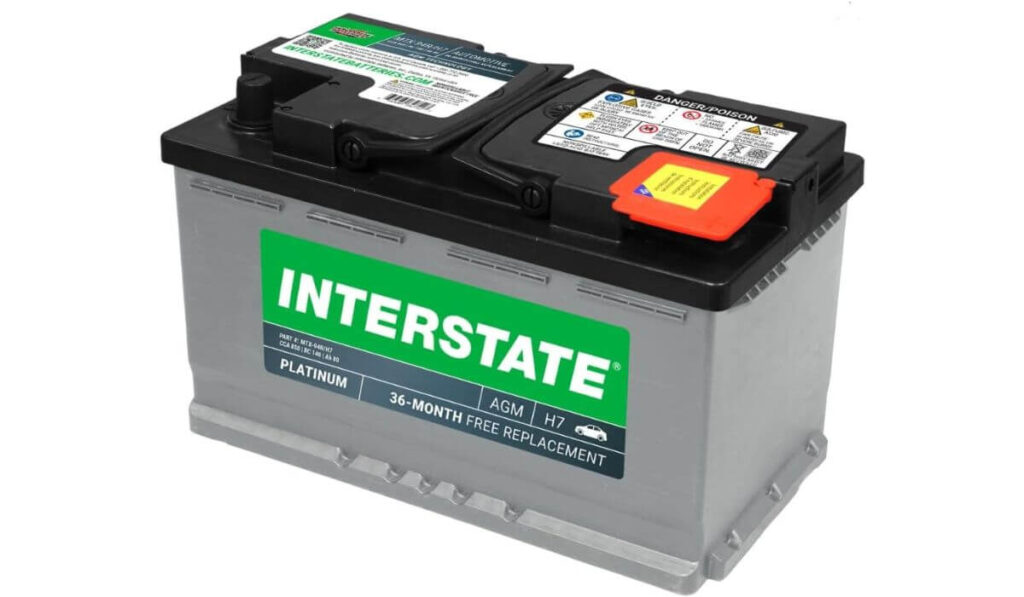
Technical Specs:
- Group Size: H7 / 94R AGM
- Cold Cranking Power: 850CCA
- Battery Capacity: 80Ah
- AGM Type: Pure Lead Absorbed Glass Mat
- Best Use Case: Power sliding doors, stop/start systems, long family driving
- Reserve Strength: Built for heavy accessory load
- Construction: Spill-proof VRLA design
- Fitment Style: Direct-fit modern minivan AGM replacement
- Expected Lifespan: Commonly lasts far longer than standard flooded batteries
- Ideal Odyssey Match: Newer H7/94R-compatible models needing higher electrical stability
Right away, this feels like the kind of battery built for owners who are tired of replacing weak factory batteries every couple of winters. The 850CCA output is the first thing that stands out here because large family vans like the Honda Odyssey demand far more starting power than many people realize—especially once power doors, rear climate controls, charging ports, and stop/start systems all begin pulling energy at the same time. This setup simply feels more composed under heavy daily use.
What genuinely separates this battery from many generic AGM options is the pure lead internal design. Most buyers never notice that detail, but experienced mechanics absolutely do. More lead inside the battery usually means stronger current delivery, better recovery after repeated starts, and noticeably better long-term durability. In a vehicle like the Odyssey where electrical load never really stops, that extra stability matters more than flashy marketing claims.
Another reason this one stands out is how confidently it handles real family-driving conditions. Long idle times during school pickup lines, road trips with phones and tablets plugged in everywhere, cold morning starts after sitting overnight—this is the kind of usage pattern that slowly destroys cheaper batteries. The sealed AGM and VRLA construction here feels purpose-built for that lifestyle instead of just aiming for the lowest price possible.
(And honestly, the stronger reserve capacity becomes very noticeable once the Odyssey is loaded with passengers, accessories, and constant stop-and-go driving.)
Why This One Earned a Spot on Our List
- 850CCA output gives newer Odyssey models far more confident cold starts
- Pure lead AGM design feels noticeably stronger under heavy electrical demand
- Handles repeated stop/start cycles better than many entry-level AGM batteries
- Spill-proof VRLA construction adds long-term durability for daily family use
- Excellent match for owners planning to keep their Odyssey for years instead of replacing batteries repeatedly
A Small Thing Buyers Should Know
This is a heavier premium AGM battery, so the upfront cost is usually higher than basic flooded options—but it’s also built for a completely different level of long-term use.
Real Honda Odyssey Fitment Insight
This battery makes the most sense for newer Honda Odyssey models using the larger H7/94R battery tray setup. It especially fits owners dealing with heavier electrical demand from power doors, rear entertainment systems, heated seats, and idle stop/start operation.
For Odyssey owners upgrading from a weaker factory battery, the jump in starting confidence is usually noticeable within the first few days—particularly during colder mornings or longer city-driving cycles where weaker batteries begin struggling early.
The Insider Pro-Tip
One thing experienced Odyssey owners quietly learn over time: the battery matters more in this van than people expect. When sliding doors begin reacting slower, auto start/stop becomes inconsistent, or the van suddenly feels “lazy” during startup, the battery is often already losing reserve strength long before it fully dies.
That’s exactly why higher-capacity AGM batteries like this tend to feel worth the extra money after a year or two of ownership. Not because of hype, but because the Odyssey’s electrical system rewards stronger reserve capacity almost every single day—especially once family use, traffic, charging devices, and constant accessory load become part of normal driving life.
#2. ACDelco Gold 94RAGM Battery
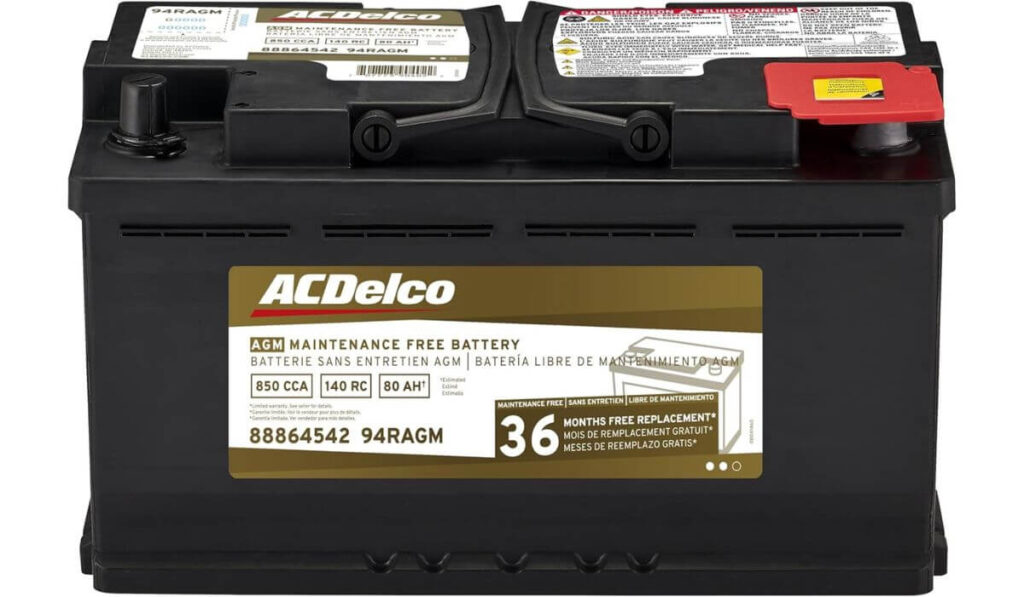
Technical Specs:
- Group Size: 94R / H7 AGM
- Voltage: 12V
- Internal Construction: Silver-Calcium AGM
- Best Strength: Long cycling durability under heavy electrical use
- Case Design: Pressure-tested ribbed housing
- Start/Stop Support: Built for modern idle-stop systems
- Protection Layer: Puncture-resistant separator design
- Performance Focus: Low resistance conductivity for faster starts
- Weight Class: Heavy-duty premium AGM construction
- Ideal Odyssey Match: Newer Odyssey models needing stable daily AGM performance
Oddly enough, this is the kind of battery many people overlook at first because it doesn’t scream for attention with flashy marketing terms everywhere. But once you actually dig into the engineering behind it, the reason experienced installers keep recommending it starts making a lot more sense. The biggest clue is the Silver-Calcium internal alloy design. That setup is usually found in batteries built to survive repeated cycling, long accessory usage, and constant daily driving stress without falling apart early.
For Honda Odyssey owners specifically, that matters more than people think. These vans rarely live easy lives. School runs, long traffic idling, charging devices nonstop, rear climate systems, sliding doors opening every few minutes—it all adds up. What makes this AGM stand out is how focused it feels on staying stable under that kind of continuous load instead of just delivering one big startup number on paper.
Another detail that genuinely impressed us was the internal separator and cooling approach. Most owners never see that part of the battery, but it plays a massive role in long-term reliability. Better acid circulation, lower internal heat, reduced short risk—those things directly affect how the battery behaves after months of real-world use. That’s probably why so many long-term AGM users specifically mention how “consistent” this one feels compared to cheaper alternatives that slowly become unpredictable over time.
(And yes, the stronger cycling stability becomes very noticeable in Odyssey models running heavy electronics or frequent stop-and-go family driving.)
Why This AGM Made Sense for Our Odyssey List
- Silver-Calcium construction improves long-term cycling durability
- Strong fit for Odyssey start/stop systems and modern electrical demand
- High-density internal plate design supports stable cranking power
- Advanced separator design helps reduce heat buildup during daily use
- Pressure-tested leak-resistant case feels built for long ownership cycles
A Small Thing Buyers Should Know
Like many premium AGM batteries, freshness matters here. Batteries with newer manufacturing dates usually perform noticeably better long term, so checking production timing before installation is always a smart move.
Honda Odyssey Compatibility Insight
This AGM makes the most sense for Odyssey owners using the larger 94R/H7 battery setup, especially newer vans loaded with electrical accessories and stop/start systems. It fits particularly well for drivers who spend a lot of time in traffic, run multiple devices, or regularly take long family trips where reserve capacity starts mattering quickly.
It also feels like a smarter long-term fit for owners planning to keep their Odyssey well past the warranty years instead of replacing cheaper batteries every couple seasons.
The Insider Pro-Tip
One thing longtime Odyssey owners quietly notice is that modern minivans punish weak batteries long before they fully fail. You usually see it first in small ways—slower sliding doors, weaker auto stop/start response, dimmer startup behavior, random electronic hesitation—before the battery officially “dies.”
That’s where premium AGM construction starts separating itself from cheaper replacements. Batteries with stronger internal materials and better cycling resistance simply stay more stable under daily family use. In a heavy-use vehicle like the Odyssey, that consistency ends up mattering far more than most spec sheets make it sound.
#3. Mighty Max MM-H6 Group 48 AGM Battery
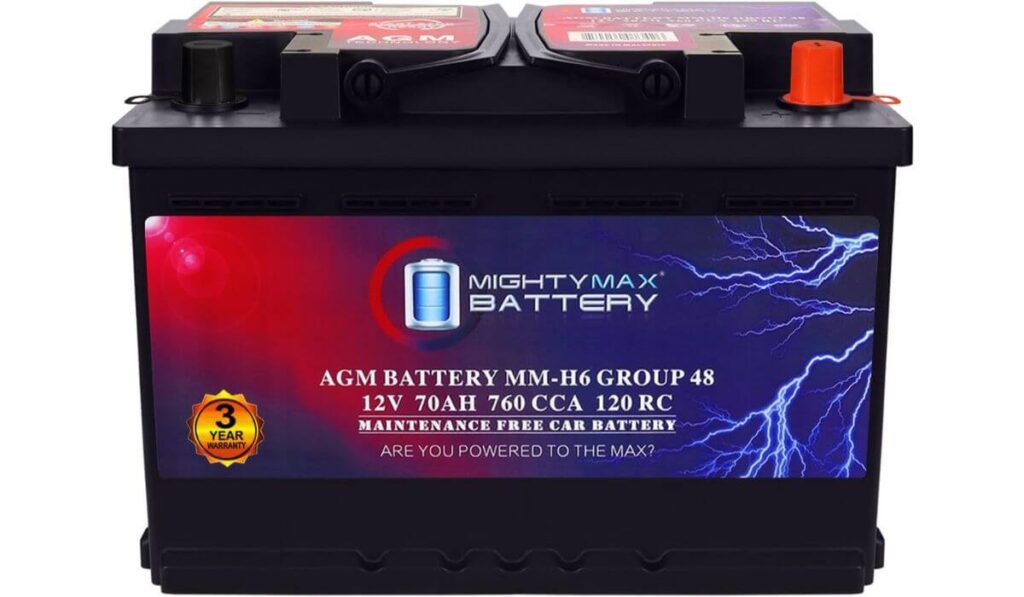
Technical Specs:
- Group Size: H6 / Group 48 AGM
- Cold Cranking Power: 760CCA
- Capacity Rating: 70Ah
- Reserve Capacity: 120RC
- Battery Type: Sealed AGM
- Start/Stop Support: Yes
- Internal Strength: Deep discharge recovery design
- Durability Focus: Shock and vibration resistant construction
- Installation Style: Flexible mounting compatibility
- Best Odyssey Match: 2018+ H6-compatible Odyssey models
Here’s the interesting part about this battery: it doesn’t try too hard to look “premium,” but once you actually compare the specs that affect real-world driving, it starts making a lot more sense than many overpriced AGM options floating around online. The combination of 760CCA and 120-minute reserve capacity is honestly the reason this battery earned a place here. That reserve number matters far more in an Odyssey than most buyers realize because family vans spend huge amounts of time powering electronics even when the engine isn’t working hard.
And that’s exactly where this AGM setup quietly shines. School pickup lines with the AC running, power doors constantly opening, phones charging everywhere, traffic-heavy commutes, rear climate controls going nonstop—those situations slowly expose weak batteries. The MM-H6 feels intentionally built around surviving repeated discharge and recharge cycles instead of just delivering one impressive startup and fading after a year.
Another thing we genuinely liked here is the battery’s recovery behavior after deeper discharge situations. That’s something many lower-tier batteries struggle with badly. If an Odyssey sits for days, handles lots of short trips, or runs stop/start systems constantly, batteries without proper deep discharge recovery begin degrading surprisingly fast. This AGM construction does a noticeably better job handling that type of usage pattern while also resisting vibration and temperature stress better than standard flooded setups.
(And yes, the stronger reserve capacity becomes extremely useful once the Odyssey starts acting like a moving charging station for the entire family.)
Why This Battery Quietly Stands Out
- Strong balance between 760CCA power and 120RC reserve capacity
- AGM construction handles repeated stop/start cycling more confidently
- Better deep discharge recovery than many entry-level replacements
- Shock and vibration resistance helps during long-term daily use
- H6 sizing makes it a strong fit for many modern Odyssey models
A Small Thing Buyers Should Know
This battery offers impressive specs for the price range, but like many value-focused AGM brands, buying from a reliable seller with a good return policy is always the smarter move.
Honda Odyssey Fitment Reality
This H6/Group 48 AGM fits particularly well for many modern Honda Odyssey models using the smaller AGM tray setup instead of the larger H7/94R configuration. It feels especially suitable for daily-driven family vans where reserve capacity matters just as much as startup strength.
For Odyssey owners upgrading from a weaker factory battery, the improvement usually shows up during city driving first—less electronic hesitation, stronger cold starts, and more stable stop/start behavior during heavy traffic use.
The Insider Pro-Tip
One thing people rarely mention about the Odyssey is how brutally hard short-trip driving can be on the battery. Five-minute drives, constant restarts, power doors opening nonstop, charging cables everywhere—that kind of usage quietly drains battery health month after month.
That’s why reserve capacity and AGM recovery behavior matter so much more here than flashy marketing numbers alone. A battery that can repeatedly recover from partial discharge without getting unstable usually ends up feeling stronger in real ownership than one chasing only maximum CCA figures on paper.
#4. Goodyear 48-H6-AGM Platinum Battery
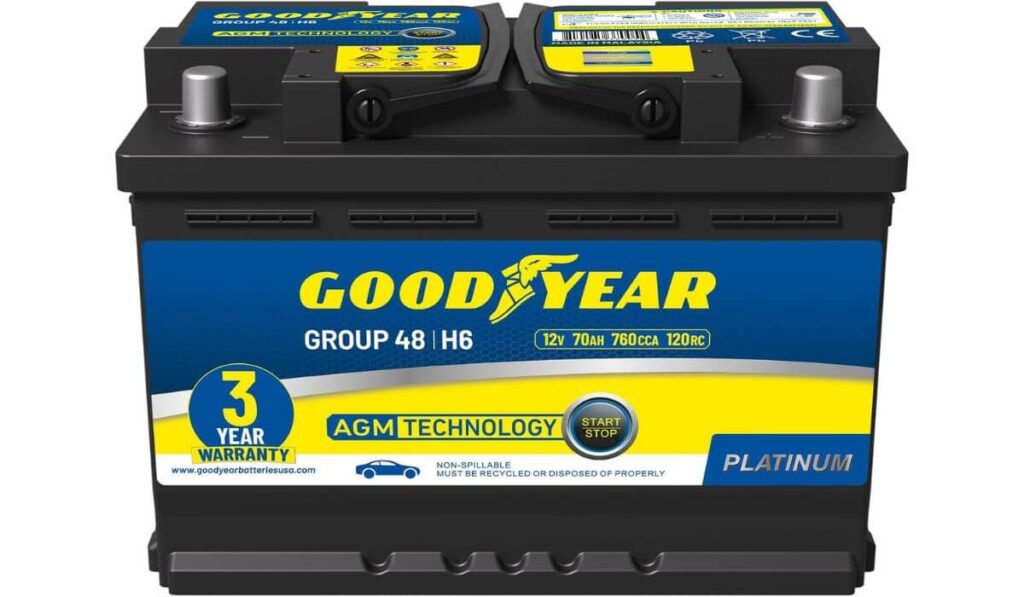
Technical Specs:
- Group Size: H6 / Group 48 AGM
- Starting Power: 760CCA
- Capacity Rating: 70Ah
- Reserve Capacity: 120RC
- Battery Type: Maintenance-Free AGM
- Internal Grid Design: Calcium-alloy construction
- Durability Focus: Shock and vibration resistant
- Temperature Range: Designed for extreme weather stability
- Manufacturing Standard: ISO-certified production
- Ideal Odyssey Match: Modern Odyssey models using H6 AGM setup
Truthfully, this battery feels like it was designed for people who are tired of replacing batteries that slowly become unreliable the moment weather changes or electrical demand increases. On paper, the specs already look solid—760CCA, 120RC, AGM construction—but what makes this one genuinely interesting is how balanced the entire setup feels for real-world Honda Odyssey use instead of just spec-sheet marketing.
The hidden strength here is the calcium-alloy internal grid design. Most buyers skip right past that line, but it changes how the battery behaves over time. Better charge retention, lower self-discharge, more stable voltage during long idle periods—those are exactly the things Odyssey owners start appreciating once the van becomes part family shuttle, part charging station, and part road-trip machine. It simply feels more composed during heavy daily use than many cheaper AGM alternatives trying to win only on price.
Another thing we genuinely liked was the reserve capacity tuning. A 120-minute RC rating matters massively in a vehicle loaded with power sliding doors, climate systems, rear charging ports, and nonstop accessory use. Most batteries can deliver one strong startup when brand new. The real test is how they behave months later during traffic-heavy driving, cold mornings, or long family weekends where electronics never stop pulling power. This AGM setup feels intentionally built for those situations.
(And honestly, Odyssey owners who spend a lot of time in traffic will probably notice the stronger electrical stability before they even notice the cold-start performance.)
Why This Battery Made More Sense Than Many Big-Name Alternatives
- 120RC reserve capacity supports heavy family-electronics usage far better
- Calcium-alloy design helps reduce self-discharge during idle periods
- AGM construction handles stop/start systems more confidently
- Strong vibration resistance improves long-term durability on rough roads
- Stable year-round voltage performance suits daily Odyssey driving extremely well
A Small Thing Buyers Should Know
The physical dimensions run slightly larger than some traditional Group 48 batteries, so checking tray clearance before ordering is always worth the extra minute.
Honda Odyssey Compatibility Insight
This battery works best for Odyssey owners using the H6/Group 48 AGM setup, especially vans loaded with modern convenience features and constant accessory usage. It feels particularly suitable for family vehicles handling city traffic, school runs, road trips, and frequent short-distance driving where weaker batteries slowly lose consistency.
For many Odyssey owners, the biggest difference here won’t be one dramatic startup moment—it’ll be the way the van keeps feeling electrically stable week after week instead of gradually becoming unpredictable.
The Insider Pro-Tip
One thing many people underestimate about modern Honda Odyssey ownership is how often the battery is working even when the engine isn’t doing much. Sliding doors, cabin electronics, charging ports, rear controls, stop/start systems—it’s a nonstop cycle of small electrical demands adding up every single day.
That’s why reserve capacity and voltage stability quietly become more important than headline specs alone. A battery that can stay calm under constant accessory load usually ends up feeling more reliable in real ownership than one chasing only flashy startup numbers.
#5. Weize Platinum Group 35 AGM Battery
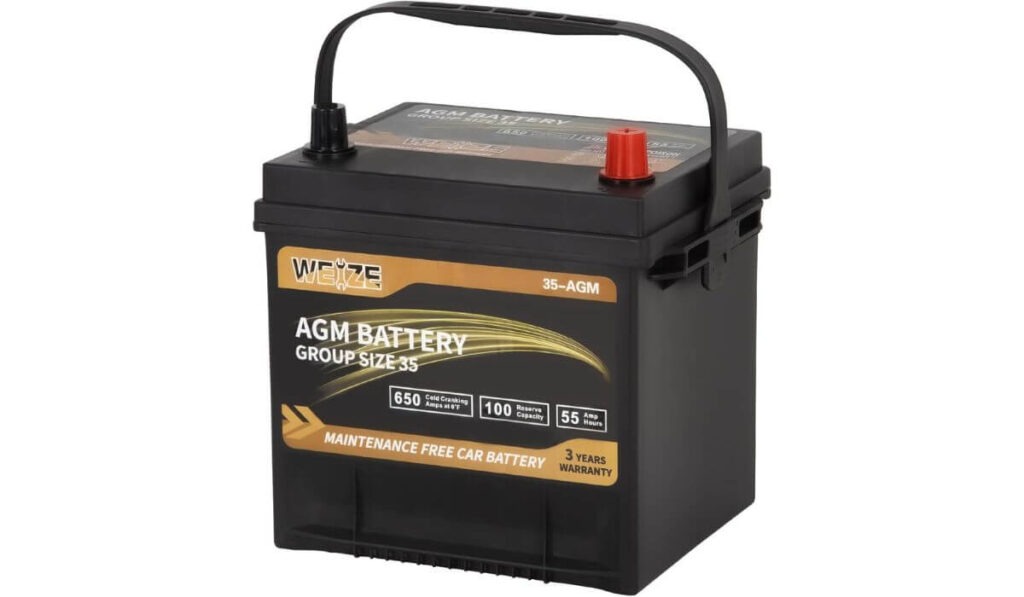
Technical Specs:
- Group Size: 35 AGM
- Cold Cranking Power: 650CCA
- Capacity Rating: 55Ah
- Reserve Capacity: 100RC
- Battery Type: Sealed AGM
- Charging Range: 14.4V–15.0V recommended
- Durability Focus: Heat and vibration resistance
- Internal Construction: Glass fiber mat AGM design
- Best Strength: Low self-discharge stability
- Ideal Odyssey Match: Older Honda Odyssey models using Group 35 fitment
Some batteries feel built for spec-sheet competition. This one feels built for owners who simply want their Odyssey to start every morning without drama. The first thing that makes this AGM stand out is how balanced the overall setup feels for older Odyssey models that still demand reliable electrical stability but don’t necessarily need oversized H7 batteries.
The 650CCA output combined with a 100-minute reserve capacity lands in a very smart middle ground for real-world family driving. It’s enough to confidently handle cold starts, power accessories, and stop-and-go traffic without turning the battery into unnecessary overkill for older Odyssey setups. What genuinely helps here is the AGM construction itself. Because the electrolyte is suspended inside fiberglass mats instead of free-flowing liquid, the battery stays far more resistant to vibration, temperature swings, and gradual internal wear over time.
Another detail many people overlook is the lower self-discharge behavior. That matters a lot more than most buyers realize—especially for Odyssey owners who don’t drive long highway miles every day. Short trips, school runs, sitting parked for days, occasional weekend driving… weaker flooded batteries slowly hate that kind of usage. AGM batteries like this usually stay healthier during those conditions because they hold voltage more consistently instead of draining themselves quietly in the background.
(And honestly, older Odyssey models tend to feel noticeably happier with stable AGM voltage once factory batteries start aging out.)
Why This AGM Earned a Place on Our List
- Strong balance of 650CCA and 100RC for older Odyssey platforms
- AGM construction handles vibration and heat far better than flooded batteries
- Lower self-discharge helps during irregular or short-trip driving
- Compact Group 35 sizing fits many older Odyssey configurations cleanly
- Good option for owners wanting AGM reliability without oversized battery setups
A Small Thing Buyers Should Know
AGM batteries perform best when charged properly, so using the correct AGM-compatible charger matters more here than with older flooded battery designs.
Honda Odyssey Compatibility Insight
This battery makes the most sense for older Honda Odyssey models using the Group 35 battery tray configuration. It especially suits owners wanting a cleaner AGM upgrade without jumping to larger heavy-duty battery sizes designed for newer electrical systems.
For daily family driving, occasional long trips, and city commuting, the combination of AGM stability and lower self-discharge tends to feel much more consistent than many traditional flooded replacements.
The Insider Pro-Tip
One thing longtime Odyssey owners quietly figure out is that older minivans often develop “random electrical weirdness” before the battery completely dies. Slow crank mornings, inconsistent accessory behavior, weak startup after sitting parked—those small warning signs usually point toward unstable voltage long before total battery failure happens.
That’s exactly where AGM batteries tend to feel different in real ownership. More stable voltage delivery, better recovery after sitting unused, and stronger resistance to heat and vibration quietly make the van feel more dependable over time instead of gradually becoming unpredictable.
#6. Autocessking Group 24F AGM Battery
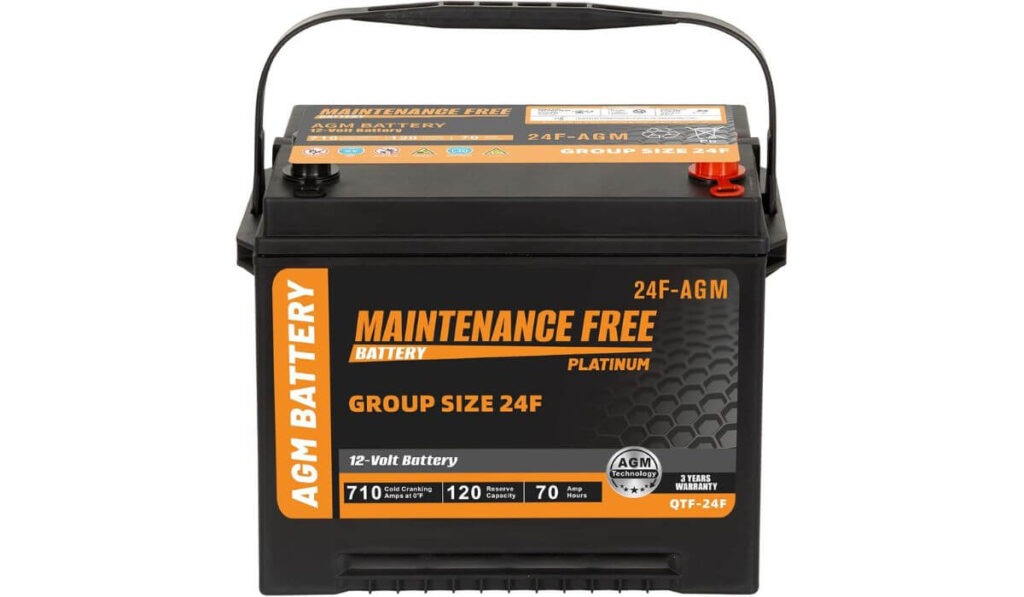
Technical Specs:
- Group Size: 24F AGM
- Cold Cranking Power: 710CCA
- Capacity Rating: 70Ah
- Reserve Capacity: 120RC
- Battery Type: Maintenance-Free AGM
- Best Strength: High reserve power for older minivan electronics
- Internal Design: Glass fiber mat AGM construction
- Durability Focus: Heat, vibration, and corrosion resistance
- Self-Discharge Behavior: Low power drain during long parking periods
- Ideal Odyssey Match: Older Honda Odyssey models using Group 24F fitment
Surprisingly, this ended up being one of the more interesting batteries in the entire lineup—not because of flashy branding, but because the specs quietly line up extremely well with what older Honda Odyssey owners actually need today. The combination of 710CCA and 120RC is unusually strong for a Group 24F setup, especially in a category where many batteries still feel stuck in older low-capacity designs.
And honestly, that extra reserve power matters a lot more in aging Odyssey models than most people expect. Older vans may not have massive touchscreen systems everywhere, but years of added electronics, aftermarket accessories, power doors, climate systems, and daily stop-and-go driving slowly put more pressure on the battery than factory engineers originally planned for. This AGM setup feels like a modern upgrade for owners who want their older Odyssey to feel electrically stable again instead of barely hanging on every winter morning.
Another thing we genuinely liked here was the low self-discharge behavior combined with the sealed AGM construction. Many older Odyssey owners don’t drive long highway miles every day anymore. The van sits parked for stretches, handles short errands, school pickups, or weekend family use—and that’s exactly the kind of lifestyle where weak flooded batteries slowly deteriorate. AGM designs like this simply tolerate that usage pattern better while also resisting vibration and heat damage far more effectively over time.
(And yes, the stronger reserve capacity becomes surprisingly noticeable once an older Odyssey starts carrying modern accessory loads every day.)
Why This Battery Quietly Makes a Lot of Sense
- 710CCA output is stronger than many traditional 24F replacements
- 120RC reserve capacity supports aging Odyssey electrical systems better
- AGM construction greatly improves vibration and corrosion resistance
- Low self-discharge helps during irregular driving schedules
- Excellent fit for owners wanting modern AGM stability in older Odyssey models
A Small Thing Buyers Should Know
The dimensions can run slightly larger than some older factory 24F batteries, so checking tray space beforehand is still the smarter move.
Honda Odyssey Fitment Insight
This battery works particularly well for older Honda Odyssey generations still using the 24F battery configuration. It feels especially suitable for vans handling daily family errands, occasional long trips, and years of accumulated electrical accessories that place more strain on the charging system than when the vehicle was new.
For many older Odyssey owners, the biggest improvement usually isn’t just startup power—it’s the way the van starts feeling more electrically stable overall during everyday driving.
The Insider Pro-Tip
One thing experienced Odyssey owners eventually realize is that aging minivans don’t usually ask for help loudly. They give small signs first—slower cranking, weak accessory behavior, inconsistent startup after sitting parked, dim interior electronics during cold mornings.
That’s why reserve capacity quietly becomes one of the most underrated battery specs for older Honda Odyssey models. A stronger AGM battery with stable voltage delivery often makes the entire van feel healthier long before the old battery completely fails.
Best Honda Odyssey AGM Battery Comparison for Modern and Older Odyssey Models
| Battery | Group Size | Starting Power | Reserve Capacity | Best Real-World Use | Why It Stands Out |
|---|---|---|---|---|---|
|
Interstate MTX-94R/H7 AGM
Best for Newer Odyssey Models
|
H7 / 94R AGM | 850CCA | Heavy-Duty Long Reserve Stability | Power doors, family road trips, heavy electronics, stop/start systems | Pure lead AGM design feels stronger under daily stress and repeated starts than many standard AGM replacements. |
|
ACDelco Gold 94RAGM
Premium Long-Term AGM Choice
|
94R / H7 AGM | High-Density AGM Power | Strong Cycling Durability | Traffic-heavy driving, frequent stop/start use, long ownership cycles | Silver-Calcium internal construction helps maintain stable voltage during heavy accessory use. |
|
Mighty Max MM-H6 AGM
Smart H6 Upgrade for Daily Driving
|
H6 / Group 48 | 760CCA | 120RC | City driving, school runs, short-trip family use | Excellent balance between reserve capacity and AGM recovery performance for modern Odyssey vans. |
|
Goodyear 48-H6-AGM Platinum
Stable All-Weather AGM Performer
|
H6 / Group 48 | 760CCA | 120RC | Extreme weather, long idling, heavy electrical demand | Calcium-alloy design improves charge retention and keeps electrical systems feeling more stable daily. |
|
Weize Platinum Group 35 AGM
Reliable AGM for Older Odyssey Vans
|
Group 35 AGM | 650CCA | 100RC | Older Odyssey models, occasional driving, balanced daily use | Lower self-discharge behavior makes it surprisingly dependable for vans that sit parked often. |
|
Autocessking Group 24F AGM
Best Modern 24F AGM Upgrade
|
24F AGM | 710CCA | 120RC | Older Odyssey generations needing stronger reserve power | One of the stronger 24F AGM setups for restoring electrical stability in aging family vans. |
Buying Guide: How to Choose the Right Battery for Your Honda Odyssey Without Wasting Money
Buying a battery for the Honda Odyssey sounds simple until you actually start comparing options. Suddenly there are H6 batteries, H7 batteries, AGM labels, CCA ratings, reserve capacity numbers, and dozens of batteries claiming to fit the same van. That confusion is exactly why so many Odyssey owners either overpay for the wrong battery or end up replacing a weak one much sooner than expected.
The truth is, the Odyssey is harder on batteries than many people realize. Power sliding doors, rear climate controls, stop/start systems, charging ports, infotainment screens, heated seats, and long idle times all place continuous demand on the battery—even when the engine isn’t doing much. Choosing the right battery is less about chasing the biggest number on the label and more about matching the battery to how the van is actually used every day.
Why Battery Choice Matters More in the Honda Odyssey
A basic sedan can survive on an average battery for years because electrical demand stays relatively light. The Odyssey is different. Family vans spend huge amounts of time idling in traffic, powering accessories during school pickups, charging multiple devices, and running climate systems for long stretches.
That’s why Odyssey owners often notice battery problems earlier than expected:
- Slower power sliding doors
- Weak or inconsistent auto start/stop operation
- Longer crank times in cold weather
- Random dashboard electrical warnings
- Dimmer interior electronics during startup
Most of those symptoms begin long before the battery completely dies. A stronger AGM battery with better reserve capacity usually keeps the Odyssey feeling more stable overall instead of slowly becoming unpredictable.
Understanding Honda Odyssey Battery Group Sizes
One of the biggest mistakes people make is assuming every Odyssey uses the same battery size. Honda changed battery configurations across generations, and newer models now demand larger AGM setups than older vans.
Here’s the simple breakdown most owners actually need:
| Honda Odyssey Generation | Most Common Battery Sizes | Typical Battery Type |
|---|---|---|
| Older Odyssey Models | 24F, Group 35 | Flooded or AGM |
| 2018+ Odyssey Models | H6 / Group 48 | AGM Recommended |
| Newer High-Load Models | H7 / 94R | AGM Preferred |
The H6 and H7/94R batteries have become especially important because modern Odyssey trims carry much heavier electrical loads than older generations ever did. Choosing a smaller low-capacity battery may technically “fit,” but long-term performance usually suffers.
AGM vs Flooded Batteries: Which One Makes More Sense?
For many Odyssey owners, this is the most important decision in the entire buying process.
Traditional flooded batteries are usually cheaper upfront, but modern Odyssey models place enough electrical demand on the charging system that AGM batteries often end up lasting longer and performing better overall.
AGM batteries offer several real-world advantages:
- Better support for stop/start systems
- Stronger recovery after repeated short trips
- More stable voltage during heavy accessory use
- Better resistance to vibration and heat
- Lower self-discharge when parked for days
- Spill-proof sealed construction
That’s exactly why most newer Odyssey models work best with AGM batteries, especially vans running idle stop/start technology. Downgrading from AGM to a standard flooded battery may save money initially, but it often creates weaker long-term reliability.
Why Cold Cranking Amps (CCA) Actually Matter
CCA, or Cold Cranking Amps, measures how well the battery can start the engine in low temperatures. Many buyers ignore this number until winter arrives and the van suddenly struggles during cold morning starts.
For the Honda Odyssey, higher CCA matters because the van itself is heavy and the electrical system pulls significant power during startup.
Here’s the realistic sweet spot:
- Older Odyssey models: around 600–710CCA
- Modern AGM-equipped models: around 760–850CCA
Bigger isn’t always automatically better, but going too low usually becomes noticeable fast—especially once the battery ages.
Reserve Capacity Is the Hidden Number Most Buyers Miss
Many people shop batteries based only on CCA, but reserve capacity often matters more in daily Odyssey driving.
Reserve Capacity (RC) measures how long the battery can continue powering essential systems if the alternator stops charging properly. In real life, higher RC also helps the battery handle:
- Long traffic idling
- Rear entertainment systems
- Charging multiple devices
- Heavy accessory usage
- Frequent short-distance driving
That’s why many of the strongest Odyssey batteries sit around the 100RC–120RC range. The van simply feels more electrically stable during everyday use.
Start/Stop Compatibility Is No Longer Optional
If your Odyssey uses idle stop/start technology, battery choice becomes even more important. These systems repeatedly shut the engine off and restart it in traffic, placing far more cycling stress on the battery than older vehicles ever experienced.
A weak battery may still start the van normally while the stop/start system quietly begins malfunctioning first. That’s usually one of the earliest warning signs.
Modern AGM batteries are specifically engineered for this repeated cycling behavior:
- Faster recharge recovery
- Better discharge tolerance
- Improved voltage stability
- Longer cycle life
For stop/start Odyssey models, AGM is realistically the smarter long-term move.
How to Read Battery Labels Without Getting Confused
Battery labels look complicated until you know what actually matters.
Here’s the information worth paying attention to:
- Group Size: Physical battery size and fitment (H6, H7, 24F, Group 35)
- CCA: Starting strength during cold weather
- RC: Reserve power for electronics and backup runtime
- AGM: Indicates sealed absorbed glass mat construction
- Ah (Amp Hours): Overall battery energy capacity
- Warranty Length: Helpful, but not always the best indicator of real lifespan
One important thing experienced Odyssey owners always check: terminal orientation and dimensions. Even batteries with the same group size can sometimes vary slightly in length or terminal placement.
The Smartest Way to Choose an Odyssey Battery
The best battery usually isn’t the cheapest one—or even the most expensive one.
The smarter approach is matching the battery to:
- Your Odyssey’s correct group size
- Whether the van uses stop/start technology
- How heavily the electrical system is used
- Your climate conditions
- How long you plan to keep the vehicle
For newer Odyssey owners with heavy daily use, larger AGM batteries like H6 or H7/94R setups generally make the most sense. For older Odyssey models, modern AGM upgrades in 24F or Group 35 sizes often feel like a major reliability improvement compared to aging flooded batteries.
And honestly, once you’ve dealt with one weak battery during a freezing morning, long traffic jam, or family road trip, reserve capacity and AGM quality stop feeling like “extra features” very quickly.
Honda Odyssey Battery Maintenance Tips That Actually Help AGM Batteries Last Longer
One thing many Honda Odyssey owners discover too late is that modern AGM batteries usually don’t fail suddenly—they wear down slowly through everyday habits most people never think about. Short trips, constant accessory use, traffic-heavy driving, charging devices nonstop, leaving the van parked for long periods… all of those things quietly reduce battery life over time, especially in minivans loaded with electronics.
The good news is that AGM batteries are usually far more durable than traditional flooded batteries when maintained properly. The bad news is that many owners accidentally shorten their lifespan without realizing it. A strong AGM battery in the Odyssey can easily feel reliable for years, but only if the charging system, driving habits, and electrical load stay healthy together.
Why Honda Odyssey Batteries Wear Out Faster Than Expected
The Odyssey places continuous electrical demand on the battery even during normal daily driving. Power sliding doors, rear entertainment systems, heated seats, climate controls, idle stop/start systems, USB charging ports, navigation screens—all of that adds up fast.
And unlike older vehicles, newer Odyssey models repeatedly cycle the battery during stop/start operation in traffic. That constant charge-discharge behavior slowly stresses the battery every single day.
Here’s where most battery wear quietly begins:
- Frequent short trips without enough recharge time
- Leaving electronics plugged in while parked
- Long idle periods with AC and accessories running
- Weak alternator performance
- Extreme hot or cold weather exposure
- Corroded battery terminals reducing charging efficiency
Most owners blame the battery first, but in reality, charging habits and electrical demand are often what shorten lifespan early.
The Biggest Mistake People Make With AGM Batteries
One of the worst things for AGM batteries is staying partially discharged for long periods. AGM batteries recover well from heavy cycling, but they still prefer staying properly charged.
For example, many Odyssey owners mainly drive:
- school pickups,
- grocery runs,
- short commutes,
- five-minute city trips.
That type of driving rarely gives the alternator enough time to fully recharge the battery after each startup. Over weeks and months, the battery slowly loses reserve strength even though the vehicle still starts normally.
That’s why many AGM batteries seem to “randomly fail early.” In reality, they spent months operating below ideal charge levels.
How to Extend AGM Battery Life in the Honda Odyssey
The simplest way to help an AGM battery survive longer is keeping it fully charged consistently instead of forcing it to recover from repeated low-charge cycles.
A few habits genuinely make a noticeable difference:
- Drive longer occasionally instead of only short trips
- Keep battery terminals clean and corrosion-free
- Avoid leaving chargers, cameras, or accessories plugged in overnight
- Turn off electronics before shutting the vehicle off
- Don’t ignore slow cranking or weak startup behavior
- Use an AGM-compatible smart charger if the van sits parked often
Owners who regularly maintain AGM charge health usually see significantly better lifespan than owners who simply “wait until the battery dies.”
Why Proper Charging Matters More Than Most Owners Realize
AGM batteries charge differently than older flooded batteries. They prefer more controlled charging voltage and stable charging cycles.
That’s why using the wrong charger can quietly damage AGM batteries over time.
A proper AGM-compatible charger typically:
- maintains safer charging voltage,
- reduces overcharging risk,
- prevents sulfation buildup,
- improves long-term capacity retention.
This becomes especially important for Odyssey owners who:
- drive infrequently,
- store the van seasonally,
- use the vehicle mainly for short trips,
- leave the van parked for weeks at a time.
Even a high-quality AGM battery can lose lifespan surprisingly fast if it stays undercharged constantly.
Heat Is Often More Dangerous Than Cold
Most people worry about winter battery failure, but extreme heat actually damages batteries faster long term.
Heat accelerates:
- internal chemical breakdown,
- fluid evaporation,
- plate degradation,
- voltage instability.
That’s why Odyssey batteries in hot climates often wear out earlier even if the vehicle starts fine every day.
AGM batteries handle heat better than flooded batteries overall, but reducing heat stress still matters:
- park in shade when possible,
- avoid long idle sessions unnecessarily,
- keep engine bay airflow healthy,
- inspect charging system voltage regularly.
Warning Signs Your Odyssey Battery May Be Failing Early
Most AGM batteries give subtle warnings before completely dying. The problem is that many owners miss those early signs.
Things worth paying attention to:
- slower engine cranking in the morning,
- inconsistent idle stop/start operation,
- sliding doors reacting slower than usual,
- dashboard flickering during startup,
- dim interior lights,
- random electronic glitches,
- battery warning lights,
- needing jump starts after short parking periods.
In many Odyssey models, stop/start systems often stop functioning correctly before the battery completely fails. That’s usually one of the earliest warning signals.
Why Reserve Capacity Becomes So Important Over Time
As batteries age, reserve capacity usually declines before starting power completely disappears. That’s why an older battery may still crank the engine while the rest of the vehicle begins acting strangely.
In a heavily equipped Odyssey, reserve capacity directly affects:
- accessory stability,
- power door performance,
- infotainment behavior,
- charging consistency,
- stop/start reliability.
That’s also why stronger AGM batteries with higher RC ratings often feel more dependable long-term even when startup performance initially seems similar.
A Small Maintenance Habit That Makes a Huge Difference
One thing experienced mechanics quietly recommend: check battery voltage before problems appear, not after.
Many Odyssey owners wait until the van struggles to start. By then, battery health has often been declining for months already.
A healthy fully charged AGM battery typically sits around:
- 12.6V–12.8V with engine off
- around 13.7V–14.7V while running
Checking voltage occasionally can help catch:
- weak charging systems,
- early battery decline,
- alternator issues,
- parasitic electrical drain.
That small habit alone can prevent a lot of unexpected battery failures.
The Real Secret to Long AGM Battery Life
Honestly, the longest-lasting Odyssey batteries usually aren’t owned by people who bought the most expensive battery. They’re owned by people who avoid constantly stressing the battery with poor charging habits.
Modern AGM batteries are extremely capable when treated correctly. The combination of proper charging, stable voltage, clean terminals, occasional longer drives, and avoiding constant low-charge operation usually matters more than brand names alone.
And in a vehicle as electrically demanding as the Honda Odyssey, those small maintenance habits often decide whether a battery lasts two years… or quietly survives for six or seven.
How to Choose the Right Honda Odyssey Battery for Your Model Year, Driving Style, and Electrical Needs
One reason so many Odyssey owners end up frustrated with replacement batteries is because they buy based only on “fitment.” Technically fitting inside the tray and actually handling the way the van is used every day are two completely different things.
The Honda Odyssey changed a lot over the years. Older models were relatively simple compared to newer trims loaded with power sliding doors, stop/start systems, heated seats, infotainment screens, rear climate controls, and nonstop charging ports. That’s why the “best” battery depends less on brand hype and more on matching the battery to your specific Odyssey generation, driving habits, climate, and electrical load.
A battery that works perfectly in an older Odyssey may feel completely overwhelmed in a newer stop/start-equipped model after a year of heavy family use.
Start With Your Honda Odyssey Model Year First
The smartest place to begin is identifying which battery group size your Odyssey actually uses. Many online fitment charts mix sizes together, which creates unnecessary confusion.
Here’s the real-world breakdown most owners actually need:
| Odyssey Model Years | Most Common Battery Sizes | Recommended Battery Style |
|---|---|---|
| Older Odyssey Generations | 24F or Group 35 | AGM preferred, flooded possible |
| 2018+ Odyssey Models | H6 / Group 48 | AGM strongly recommended |
| Higher Electrical Load Models | H7 / 94R | Premium AGM preferred |
Newer Odyssey models place significantly more stress on the battery because of stop/start systems and increased accessory demand. That’s exactly why many owners upgrading from smaller factory batteries notice a major improvement after switching to larger AGM setups like H6 or H7/94R.
If Your Odyssey Has Idle Stop/Start, AGM Matters More Than Ever
Modern stop/start systems cycle the battery constantly in traffic. Every time the engine shuts off and restarts at a light, the battery takes another hit.
That repeated cycling is where weaker batteries begin falling apart early.
If your Odyssey uses:
- Idle stop/start,
- heavy electronics,
- frequent city driving,
- power accessories running constantly,
then AGM batteries usually make far more sense long term because they handle:
- repeated discharge cycles,
- faster recharge recovery,
- voltage stability,
- accessory demand,
- heat resistance,
much better than older flooded battery designs.
Honestly, many Odyssey electrical complaints that seem unrelated at first—sluggish power doors, unstable start/stop behavior, weak startup response—often trace back to underpowered or aging batteries.
Climate Should Influence Battery Choice More Than People Think
Weather changes battery behavior dramatically.
In colder regions:
- higher CCA becomes extremely important,
- weak batteries reveal problems much earlier,
- startup strain increases heavily during freezing mornings.
That’s why H7/94R AGM batteries with 800–850CCA often feel worth the extra money for colder climates.
In hotter climates:
- reserve capacity and heat resistance matter more,
- internal battery degradation accelerates faster,
- voltage stability becomes more important during long idling sessions.
AGM batteries generally survive heat stress better than flooded batteries because of their sealed construction and stronger internal stability.
Match the Battery to How the Van Is Actually Used
This is where many battery guides fail completely.
Two Odyssey owners with the same model year may need completely different batteries depending on driving habits.
For example:
Light-Duty Family Use
Best for:
- occasional driving,
- shorter trips,
- lighter accessory usage,
- older Odyssey models.
Usually a strong Group 35 AGM or 24F AGM works very well here.
Heavy Daily Family Driving
Best for:
- school pickups,
- traffic-heavy commuting,
- power doors constantly cycling,
- charging devices nonstop,
- rear entertainment systems.
H6/Group 48 AGM batteries generally feel much more stable under this type of use.
Maximum Electrical Demand
Best for:
- newer Odyssey trims,
- stop/start systems,
- cold climates,
- long family road trips,
- heavy accessory load.
H7/94R AGM batteries usually make the most sense here because reserve capacity and startup strength matter far more.
Warranty Matters—But Not Always the Way Buyers Think
A longer warranty sounds impressive, but warranty length alone doesn’t guarantee a better battery.
What actually matters more:
- fresh manufacturing date,
- proper AGM charging,
- reserve capacity,
- correct fitment,
- stable voltage under load.
Some batteries with huge warranty claims still struggle if they sit in storage too long before installation.
That’s why experienced Odyssey owners usually care more about:
- build quality,
- AGM design,
- real reserve capacity,
- charging stability,
than flashy warranty marketing alone.
Quick Real-World Battery Matching Guide
| If Your Odyssey Situation Looks Like This | The Better Battery Direction Usually Looks Like This |
|---|---|
| Older Odyssey with moderate daily use | Group 35 AGM |
| Older Odyssey needing stronger reserve power | 24F AGM |
| 2018+ Odyssey with stop/start | H6 / Group 48 AGM |
| Heavy electronics + family road trips | H7 / 94R AGM |
| Cold climate driving | Higher CCA AGM setup |
| Mostly short city trips | AGM with stronger reserve capacity |
| Long-term ownership plans | Premium AGM battery with better cycling durability |
A Few Fitment Details Owners Should Never Ignore
Before buying any battery, always double-check:
- tray dimensions,
- terminal orientation,
- hold-down compatibility,
- AGM vs flooded requirement,
- battery registration needs (on some newer systems).
Even batteries with the correct group size can vary slightly in physical dimensions depending on the manufacturer.
And honestly, checking fitment carefully beforehand is much easier than dealing with return shipping after discovering the battery is half an inch too long for the tray.
The Smartest Honda Odyssey Battery Choice Usually Comes Down to One Thing
The right battery is usually the one that quietly handles your daily life without forcing the van to work harder than it should.
If the Odyssey spends most of its life:
- in traffic,
- loaded with electronics,
- carrying family gear,
- running stop/start systems,
- handling short trips,
then reserve capacity, AGM durability, and electrical stability matter much more than chasing the cheapest option possible.
Because in real ownership, the best battery usually isn’t the one with the loudest marketing—it’s the one you stop thinking about completely because the van simply works every morning without hesitation.
Honda Odyssey Battery Installation Tips and Safety Mistakes Most Owners Don’t Think About
Replacing a Honda Odyssey battery is not especially difficult, but modern Odyssey models are far less forgiving than older vehicles when installation is rushed or done carelessly. Between AGM battery systems, tighter engine bays, idle stop/start technology, and sensitive electronics, small mistakes during installation can create problems that have nothing to do with the battery itself.
The good news is that many Odyssey owners can absolutely handle a battery replacement at home with basic tools and patience. The important part is understanding that newer AGM-equipped minivans behave differently than older vehicles that simply needed “a battery swap.”
Before Removing the Old Battery, Check These First
One of the smartest things you can do before disconnecting anything is verify:
- battery group size,
- terminal orientation,
- tray dimensions,
- hold-down bracket position,
- AGM vs flooded battery type,
- start/stop compatibility.
This sounds obvious, but many battery fitment problems happen because owners buy based only on online listings without checking the actual tray and terminal layout inside the Odyssey.
Some H6, H7, 24F, and Group 35 batteries vary slightly in dimensions even within the same category. Half an inch can matter more than people expect once the hold-down bracket and terminal cables are involved.
Why AGM Battery Installation Requires More Attention
Modern AGM batteries are heavier, more sensitive to charging conditions, and designed around stable voltage management systems.
That means:
- loose terminals matter more,
- poor grounding affects performance faster,
- weak alternators become more noticeable,
- incorrect charging voltage creates problems earlier.
Many Odyssey electrical complaints after installation are actually caused by:
- under-tightened terminals,
- dirty battery connections,
- weak grounding points,
- incorrect battery registration on newer systems,
- old corroded terminal clamps reused with a new battery.
The battery itself often gets blamed unfairly.
Basic Honda Odyssey Battery Replacement Steps
The actual installation process is straightforward when done carefully.
A typical Odyssey battery replacement usually follows this order:
- Turn the vehicle completely off and remove the key
- Let electronics fully power down for a minute or two
- Disconnect the negative terminal first
- Disconnect the positive terminal second
- Remove the hold-down bracket carefully
- Lift the old battery straight upward
- Clean tray debris and terminal corrosion before installing the new battery
- Install the new battery securely in the tray
- Reconnect the positive terminal first
- Reconnect the negative terminal last
- Double-check terminal tightness and bracket security
That order matters more than many people realize because it helps reduce accidental shorting risk.
One Thing Many DIY Installers Forget
A loose battery is a bad battery installation—even if the engine starts normally afterward.
Modern AGM batteries are heavy, and the Odyssey itself creates constant vibration during daily driving. If the hold-down bracket isn’t secured correctly:
- internal battery wear increases,
- terminals loosen over time,
- charging stability suffers,
- lifespan can shorten dramatically.
A properly secured AGM battery simply lasts longer.
Why Corrosion Should Never Be Ignored
Even premium AGM batteries can develop charging problems if terminal corrosion builds up.
Corrosion creates resistance between the battery and vehicle electrical system, which can lead to:
- weaker startup behavior,
- charging inconsistency,
- voltage drops,
- electronic glitches,
- premature battery wear.
Before installing a new battery:
- inspect terminals carefully,
- clean corrosion thoroughly,
- check cable condition,
- verify grounding points look healthy.
Sometimes replacing worn terminal clamps makes a bigger difference than owners expect.
When a Honda Odyssey May Need Battery Registration
Some newer Odyssey models with advanced charging systems or idle stop/start technology may require battery monitoring system recalibration after installation.
That doesn’t always mean dealership-only service, but ignoring it can occasionally lead to:
- improper charging behavior,
- weak stop/start performance,
- charging system warning lights,
- shortened battery life.
If the Odyssey:
- suddenly behaves strangely after replacement,
- stop/start stops functioning,
- charging voltage seems inconsistent,
then system relearning or battery registration may be worth checking.
Safety Mistakes That Cause the Most Problems
Battery replacement injuries usually happen because people rush.
A few things worth taking seriously:
- AGM batteries are heavy and awkward to lift
- accidental terminal contact can spark instantly
- metal tools near terminals create short risks
- battery acid exposure is still possible even with sealed AGM designs
- incorrect polarity connection can damage electronics very quickly
That’s also why:
- gloves help,
- eye protection is smart,
- removing jewelry before installation is safer,
- working slowly matters more than working fast.
Modern minivans contain too many expensive electronics to gamble on careless installation.
When It’s Smarter to Let a Professional Handle It
DIY installation is completely reasonable for many Odyssey owners, but there are situations where professional installation simply makes more sense.
Especially if:
- the battery tray is difficult to access,
- electrical warning lights already exist,
- the alternator may be weak,
- battery registration is required,
- corrosion damage is severe,
- terminal cables look damaged,
- you are unsure about AGM charging compatibility.
A professional installation often includes:
- charging system testing,
- alternator inspection,
- battery health verification,
- electrical load testing,
- proper system reset procedures.
Sometimes that extra inspection prevents future problems entirely.
The Real Secret to a Trouble-Free Battery Replacement
Honestly, the best battery installation is usually the one you never have to think about afterward.
Most long-term battery issues don’t begin because the battery itself was bad. They begin because:
- the wrong group size was forced into the tray,
- terminals weren’t tightened correctly,
- the charging system was already weak,
- corrosion was ignored,
- AGM requirements weren’t understood.
When the correct battery size, proper installation, stable charging voltage, and clean connections all come together, the Honda Odyssey usually feels immediately healthier—quicker starts, more stable electronics, smoother stop/start behavior, and fewer random electrical headaches overall.
FAQs About Honda Odyssey Battery
Does the Honda Odyssey actually benefit from upgrading from H6 to H7/94R AGM, or is it just overkill?
Honestly, for many newer Honda Odyssey owners, upgrading to a larger H7/94R AGM battery is one of those things that sounds unnecessary until you actually live with it for a few months. On paper, the van may technically run fine with a smaller H6 battery. In real-world family use, though, the difference becomes easier to notice than most people expect.
The Odyssey constantly pulls electrical load:
- power sliding doors,
- rear climate systems,
- charging ports,
- infotainment screens,
- heated seats,
- stop/start cycling,
- traffic-heavy driving.
That extra reserve capacity in an H7/94R battery often translates into more stable electronics, smoother stop/start behavior, stronger cold starts, and less battery strain over time. It’s not about “more power for racing.” It’s about reducing how hard the battery has to work every single day.
For lighter-use Odyssey owners, H6 AGM batteries still make excellent sense. But for families doing heavy city driving, long trips, or constant accessory usage, the jump to H7/94R usually feels more practical than excessive.
Why do some Honda Odyssey AGM batteries fail early even when the battery itself is high quality?
This is probably the most misunderstood part of modern battery ownership.
Most AGM batteries that “fail early” are not actually defective from day one. What usually happens is the battery spends months operating in poor charging conditions until reserve capacity slowly collapses.
The Odyssey is especially tough on batteries because many owners drive:
- short trips,
- heavy traffic routes,
- constant stop/start conditions,
- school pickup cycles,
- accessory-heavy commutes.
That type of driving often prevents the battery from fully recharging consistently.
Add in:
- weak alternators,
- corroded terminals,
- long parking periods,
- cheap chargers,
- incorrect AGM charging voltage,
and even premium batteries start aging faster than expected.
Ironically, many Odyssey batteries die from chronic undercharging—not from “old age.” That’s why owners who occasionally use AGM-compatible smart chargers or take longer drives often see dramatically better battery lifespan from the exact same battery model.
Is reserve capacity secretly more important than CCA for the Honda Odyssey?
For many Odyssey owners, yes—especially during daily family use.
CCA matters because the battery still needs enough cold-start strength to crank the engine confidently during winter mornings. But once the van is running, reserve capacity quietly becomes the thing supporting almost everything modern Odyssey owners use constantly.
A higher reserve capacity helps stabilize:
- power doors,
- interior electronics,
- infotainment systems,
- rear climate controls,
- charging ports,
- stop/start systems,
- heavy traffic idling.
That’s why many Odyssey owners notice electrical “weirdness” before complete battery failure. The battery may still start the engine normally while reserve capacity has already weakened badly underneath.
In real ownership, a battery with strong reserve capacity usually feels healthier longer because the van itself stops fighting for stable voltage every day.
Why do Honda Odyssey batteries seem to struggle more during short-trip driving than highway driving?
Because short-trip driving quietly creates one of the worst possible charging environments for AGM batteries.
Every startup takes a significant amount of energy from the battery. On longer drives, the alternator has enough time to recharge that energy properly. During repeated short trips, the battery often never fully recovers before the next startup cycle happens again.
The Odyssey makes this worse because accessories continue draining power constantly:
- doors opening repeatedly,
- AC systems running,
- phones charging,
- screens staying active,
- stop/start systems cycling.
Over time, the battery slowly operates in a partially discharged state almost every day.
That’s also why many Odyssey owners say things like:
“The battery seemed fine until one cold morning it suddenly died.”
Usually, the battery had been weakening quietly for months already.
Can installing the wrong battery group size damage a Honda Odyssey over time?
Direct damage is uncommon, but incorrect sizing absolutely creates long-term problems more often than people realize.
A battery that is too small for the Odyssey’s electrical demand usually ends up:
- cycling harder,
- overheating more,
- losing reserve capacity faster,
- struggling during traffic-heavy driving,
- wearing out prematurely.
Even when the engine still starts, the vehicle may begin showing subtle signs:
- weaker stop/start behavior,
- slower sliding doors,
- unstable voltage,
- dim startup electronics,
- inconsistent charging performance.
Physical fitment matters too. Batteries that barely fit the tray or place stress on terminal cables can create vibration-related wear over time.
That’s exactly why matching the Odyssey’s correct group size—H6, H7/94R, 24F, or Group 35—matters far beyond simple “does it fit” compatibility. Modern minivans are electrically demanding enough that battery sizing now directly affects how stable the vehicle feels during everyday use.
Final Thoughts
The Honda Odyssey has quietly become one of those vehicles where the battery matters far more than most people expect. Years ago, almost any decent replacement battery could keep a family minivan running without much thought. Modern Odyssey models are completely different. Between stop/start systems, power sliding doors, rear entertainment setups, charging ports everywhere, and nonstop accessory demand, the battery now plays a major role in how the entire van feels every single day.
That’s exactly why choosing the right battery is no longer just about replacing a dead one. It’s about matching the battery to how the Odyssey is actually used in real life. A family van spending hours in traffic with electronics running nonstop needs something very different than an older Odyssey used mainly for occasional errands and weekend driving.
And honestly, after comparing all these AGM options side by side, one thing becomes very clear: reserve capacity, AGM durability, and proper fitment matter much more long term than flashy marketing or chasing the cheapest price online. The batteries that usually leave Odyssey owners happiest are the ones that quietly handle daily stress without making the van feel electrically “tired” after a year or two.
For newer Odyssey models with heavier electrical demand, H6 and H7/94R AGM batteries simply make the most sense today. For older Odyssey generations, modern AGM upgrades in Group 35 or 24F sizes often feel like a much bigger improvement than many owners expect—especially once cold starts, voltage stability, and daily reliability start improving together.
At the end of the day, the best Honda Odyssey battery is usually the one you stop thinking about completely. The van starts cleanly on cold mornings, power doors move without hesitation, stop/start systems behave normally, electronics stay stable, and family road trips happen without random battery anxiety sitting in the back of your mind.
And in a vehicle built around carrying families, kids, luggage, electronics, and daily chaos all at once, that kind of reliability honestly matters more than most spec sheets will ever admit.
Also Check:

