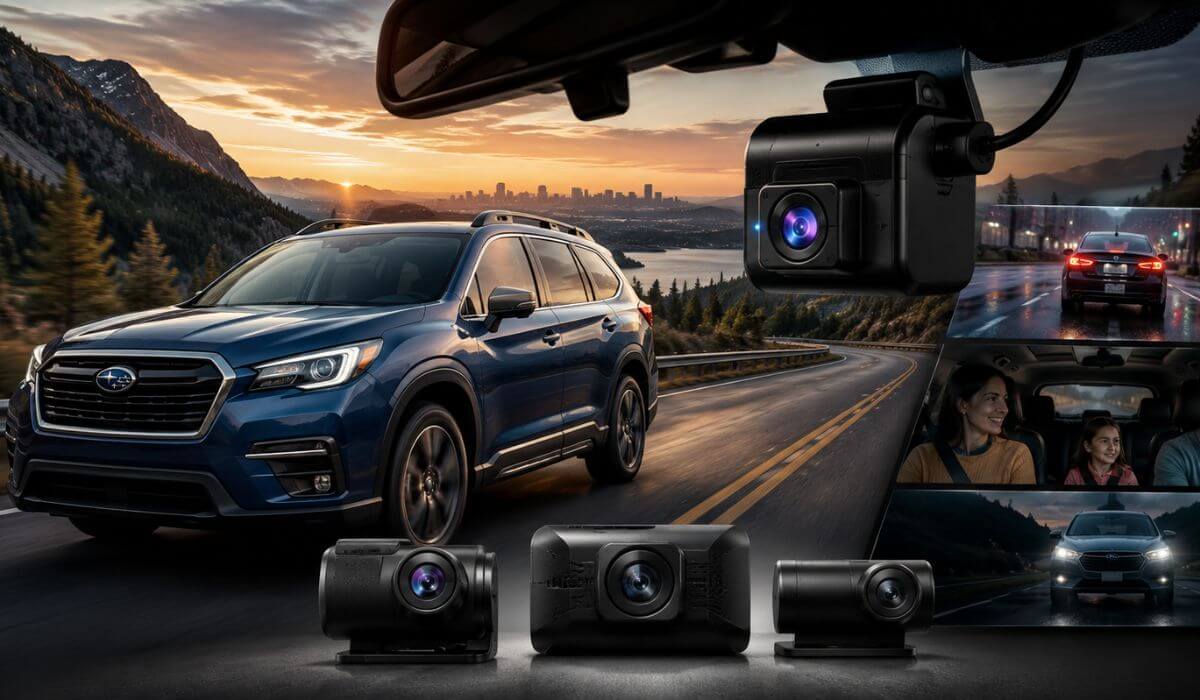
5 Best Dash Cams for Subaru Ascent in 2026: STARVIS 2 Clarity LTE Alerts & Triple-View Coverage
If you own a Subaru Ascent, you are driving one of the largest family-focused SUVs in Subaru’s lineup. From the 2019 launch model to the latest 2026 trims, the Ascent’s three-row layout, large rear glass area, and family-oriented design create different dash cam needs than a typical sedan or compact SUV. A camera that performs well in a smaller vehicle can struggle to capture the full picture inside a larger cabin or provide meaningful coverage when the vehicle is parked overnight.
That is why we approached this guide differently. Instead of chasing marketing claims, we focused on the features that matter most in a real Subaru Ascent: STARVIS 2 low-light performance, long-range plate readability, multi-channel coverage, parking surveillance, and installation options that suit both newer and older Ascent models. Whether your SUV spends most of its time on school runs, interstate road trips, or sitting in crowded parking lots, the right dash cam should work quietly in the background and deliver clear evidence when it actually matters.
The dash cams below were selected because they offer the strongest combination of video clarity, reliability, coverage area, and day-to-day usability for Subaru Ascent owners in 2026.
Best Subaru Ascent Dash Cams: Top Picks For STARVIS 2 Night Vision And Parking Security
#1. Thinkware U3000 PRO 4K/2K 2CH Dash Cam
Best Subaru Ascent parking mode dash cam with radar-assisted surveillance, LTE connectivity, premium STARVIS 2 imaging, and long-term protection for family SUVs.
#2. Vantrue N4 Pro S 3-Channel Dash Cam
Top-rated front and rear dash cam for Subaru Ascent owners who want triple-channel recording, cabin monitoring, and exceptional HDR night capture.
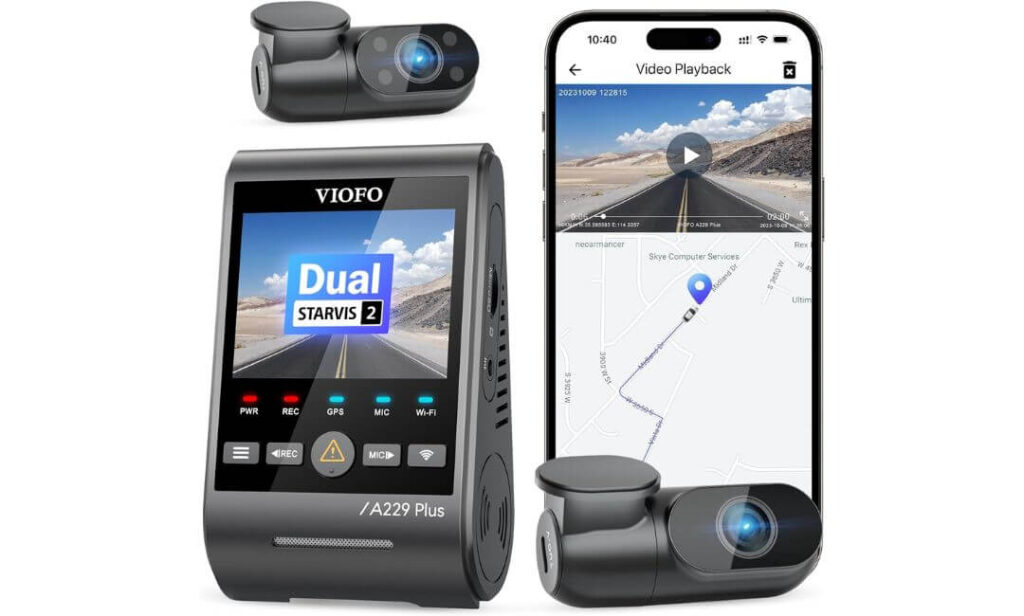
#3. VIOFO A229 Plus 3 Channel Dash Cam
Outstanding Subaru Ascent dash camera combining dual STARVIS 2 sensors, three-view recording, accurate GPS data, and excellent value for everyday driving.
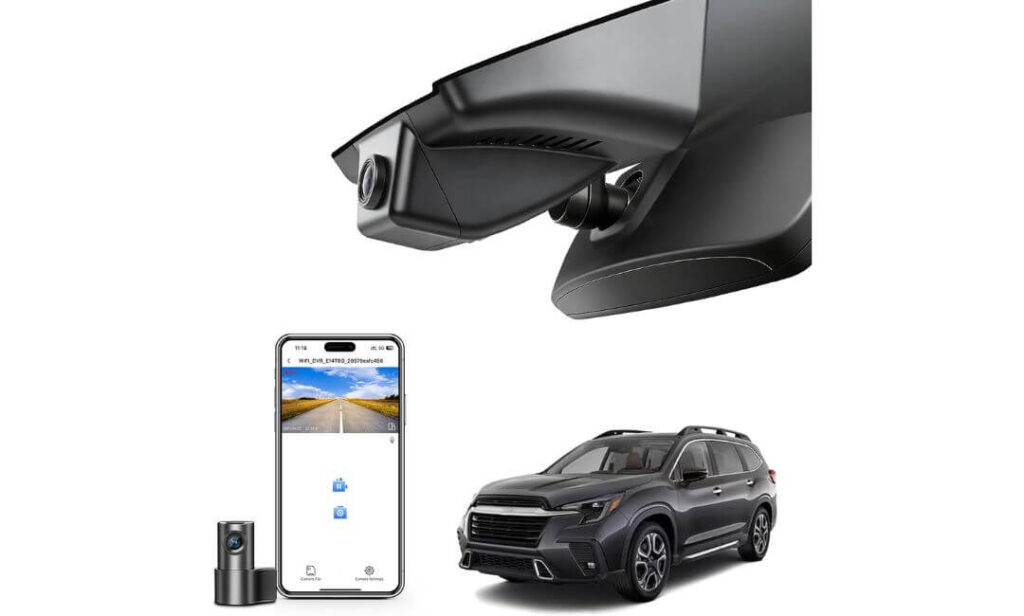
#4. Mangoal Front 4K & Rear 1080P OEM-Fit Dash Cam
Best OEM-style Subaru Ascent dash cam featuring a factory-integrated appearance, discreet installation, built-in GPS, and clean interior aesthetics.
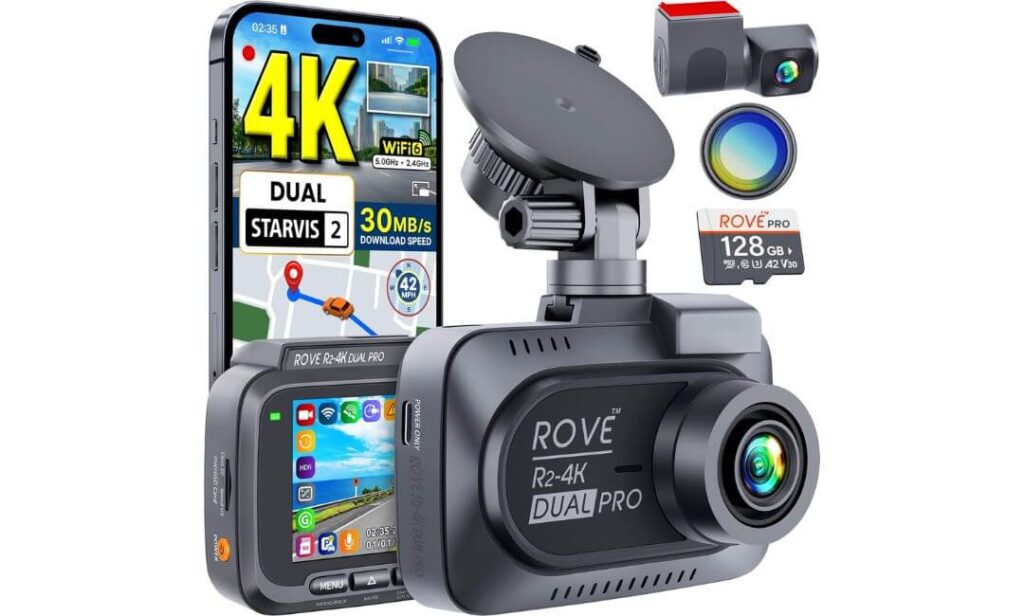
#5. ROVE R2-4K Dual PRO Dash Cam
Feature-packed 4K dash cam for Subaru Ascent drivers seeking STARVIS 2 clarity, ultra-fast WiFi 6 transfers, and dependable front-and-rear coverage.
Expert Tip: Many Subaru Ascent owners focus on resolution first and regret it later. In a large three-row SUV, the real difference comes from sensor quality, coverage angle, and parking protection, not just whether the box says 4K. A clear license plate at night is worth far more than a blurry 4K recording that cannot identify what actually happened. For most Ascent drivers, especially families, the best dash cam is the one that keeps recording reliably when the vehicle is parked, loaded with passengers, or traveling long highway distances.
How We Chose the Best Dash Cams for Subaru Ascent
The Subaru Ascent is not a vehicle where every dash cam performs equally well. Its larger cabin, longer body, higher seating position, and family-focused use create challenges that many standard dash cam reviews never consider. That is why we evaluated these models specifically through the lens of real Subaru Ascent ownership.
First, we prioritized image sensors over marketing claims. Every top-ranked model on this list uses either Sony STARVIS 2 technology or delivers proven low-light performance because nighttime incidents are where dash cams earn their value. Clear footage in poor lighting matters far more than impressive numbers printed on a product page.
Next, we looked at coverage for a three-row SUV. The Ascent often carries children, passengers, pets, and cargo. Cameras offering multi-channel recording gained a significant advantage because they provide a more complete view of what is happening around and inside a larger vehicle.
We also placed heavy importance on parking surveillance capability. Many Subaru Ascents spend hours in school parking lots, airports, shopping centers, hotels, and public garages. Features such as radar-assisted monitoring, buffered recording, impact detection, and intelligent parking modes were treated as essential rather than optional.
Installation was another key factor. Some owners want the most advanced protection available, while others prefer a factory-style appearance that blends naturally into the interior. That is why both premium aftermarket systems and OEM-style solutions earned spots on this list.
Finally, we considered something that is often ignored in dash cam rankings: long-term ownership experience. App stability, GPS accuracy, wireless transfer speed, storage support, update history, and day-to-day reliability all played a role in our selections. A dash cam may look impressive on paper, but if retrieving footage becomes frustrating when you need it most, it fails its primary job.
The five models selected here consistently stood out because they combine video quality, dependable operation, parking security, and real-world usability in ways that make sense for Subaru Ascent owners rather than simply chasing specifications. This is why they earned their positions in our rankings.
#1. Thinkware U3000 PRO 4K/2K 2CH Dash Cam with LTE Module
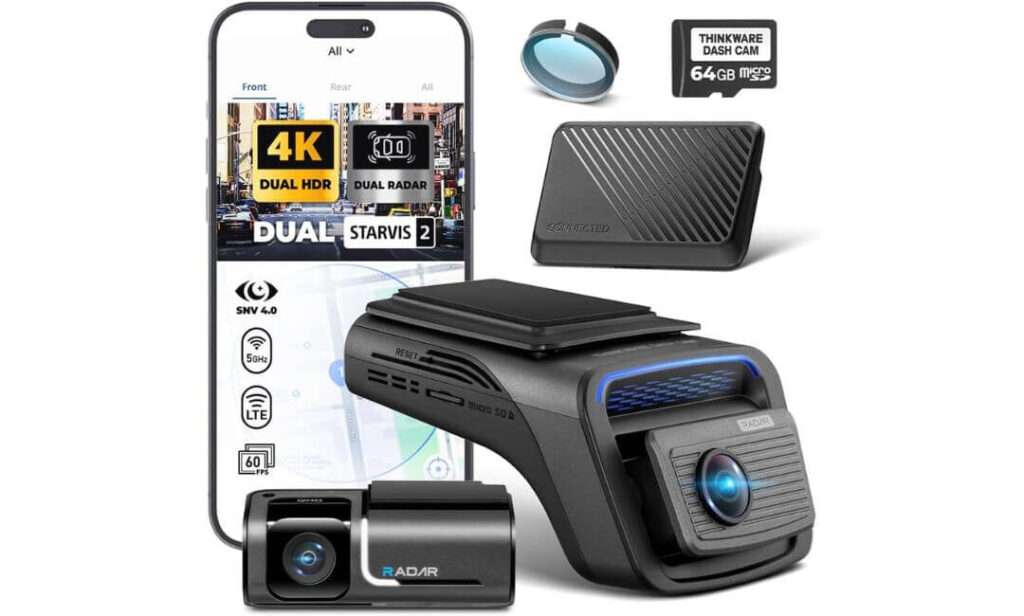
Quick Specs:
- 4K Front Recording + 2K Rear Recording
- Sony STARVIS 2 Sensors on both cameras
- Dual Radar Parking Surveillance
- LTE Connectivity Module Included
- Super Night Vision 4.0
- GPS Location Tracking
- Wi-Fi and Bluetooth Connectivity
- Buffered Impact Recording
- Supports Up To 512GB microSD Cards
- Designed For Large Family SUVs
Realistically, most dash cams look impressive until you start comparing what happens after sunset or when the vehicle is parked for hours. This model separates itself because it focuses on the situations Subaru Ascent owners encounter most often. School parking lots. Overnight hotel parking. Long interstate trips. Crowded shopping centers. Those are the moments where its hardware starts making sense.
The combination of 4K front recording, 2K rear coverage, and Sony STARVIS 2 imaging produces footage that remains usable when lighting conditions become difficult. Instead of relying solely on higher resolution numbers, the camera prioritizes detail retention, headlight control, and clearer vehicle recognition in low-light environments. That matters far more than marketing specifications when reviewing footage after an incident.
Another reason this model ranked first is its dual radar parking technology. Unlike conventional systems that continuously monitor everything around the vehicle, the radar system intelligently watches for movement while reducing unnecessary battery consumption. For a Subaru Ascent that regularly spends hours parked away from home, that is a genuinely useful feature rather than a gimmick.
(If protecting your vehicle matters even when you are nowhere near it, few systems currently combine video quality, parking intelligence, and connected features this effectively.)
What Impressed Us Most
- Dual STARVIS 2 sensors deliver consistently strong day and night footage.
- Radar-assisted parking surveillance reduces unnecessary battery drain.
- LTE connectivity allows remote access, alerts, and vehicle monitoring.
- 4K front resolution captures excellent roadway detail.
- Super Night Vision 4.0 performs exceptionally well in challenging lighting conditions.
Worth Knowing Before You Buy
- To unlock its full potential, many owners will want to add a high-endurance microSD card, which is purchased separately.
Subaru Ascent Compatibility Notes
The windshield layout of the Subaru Ascent requires a little more attention during installation than many vehicles. Because Subaru’s EyeSight driver-assistance cameras occupy space near the upper center windshield area, proper positioning is important.
Fortunately, the included mounting system gives enough flexibility to achieve a clean installation while keeping the camera clear of the EyeSight hardware. Once installed correctly, the system works naturally within the Ascent’s cabin and does not feel intrusive during daily driving.
The Insider Pro-Tip
Many drivers purchase premium dash cams for video quality and overlook parking protection. In reality, parked incidents are often where the most expensive damage occurs. That is exactly why the radar system matters here. It allows the camera to stay intelligent rather than simply staying active.
If your Subaru Ascent regularly spends time in airport parking lots, hotel garages, apartment complexes, or busy shopping centers, this is one of the few systems that genuinely feels designed around those ownership realities rather than simply recording what happens while you drive.
#2. Vantrue New N4 Pro S 4K 3 Channel Dash Cam
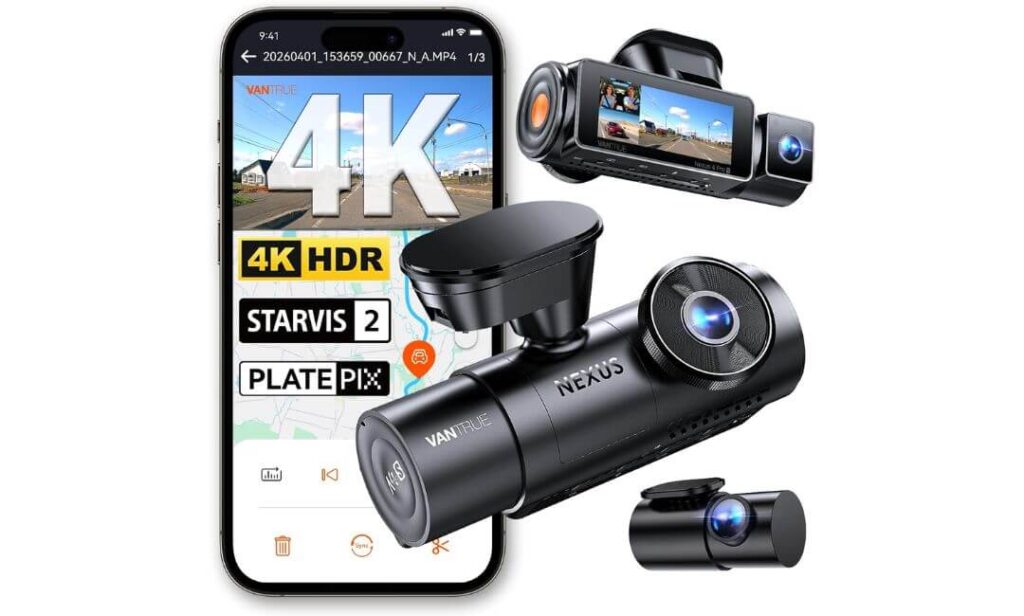
Quick Specs:
- 4K Front + 2.5K Rear + 1080P Interior Recording
- Triple Sony STARVIS 2 Sensors
- PlatePix License Plate Enhancement Technology
- Triple HDR Processing
- 360° Rotating Rear Camera
- 5GHz Wi-Fi Connectivity
- Voice Command Control
- Built-In GPS Tracking
- Buffered Parking Recording
- Supports Up To 1TB microSD Storage
- Super Capacitor Design For Extreme Temperatures
Few dash cams feel like they were genuinely designed with a vehicle the size of the Subaru Ascent in mind. This one does. The moment you look beyond the specification sheet, the biggest advantage becomes obvious: it records what is happening in front of the vehicle, behind the vehicle, and inside the cabin at the same time. For families, rideshare drivers, pet owners, and frequent road-trippers, that extra visibility can become incredibly valuable.
What impressed us most during research was the camera’s focus on capturing usable footage rather than simply chasing higher numbers. The combination of triple STARVIS 2 sensors, Triple HDR processing, and PlatePix technology helps preserve detail when headlights, streetlights, or poor weather would normally wash out important information. That becomes especially noticeable during evening driving when identifying another vehicle can matter more than having the highest resolution available.
The flexible 2.5K rotating rear camera is another thoughtful touch. Larger SUVs create unique viewing challenges, and the ability to adjust the rear camera position provides more installation flexibility than many competing systems. Combined with 1TB storage support, 5GHz Wi-Fi, and advanced parking recording, this setup feels engineered for owners who spend serious time behind the wheel rather than occasional commuters.
(For Subaru Ascent owners carrying passengers in all three rows, very few systems provide this level of complete vehicle awareness without stepping into a much higher price category.)
Highlights That Earned Its Place On This List
- Triple STARVIS 2 sensors deliver exceptional low-light performance.
- Three-channel recording covers the road, cabin, and rear surroundings simultaneously.
- PlatePix technology improves nighttime plate readability.
- 360-degree adjustable rear camera offers added installation flexibility.
- 1TB card support allows extremely long recording cycles before footage is overwritten.
Worth Knowing Before You Buy
To unlock features such as continuous buffered parking surveillance, a compatible hardwire kit is required. Most owners looking for full-time vehicle protection end up adding one anyway, so this is less of a drawback and more of a setup consideration.
Subaru Ascent Installation Considerations
The included 20-foot rear camera cable works particularly well with the Subaru Ascent’s larger cabin layout. Routing the cable from the windshield to the rear glass is straightforward and does not typically require extensions or modifications.
As with any dash cam installed in an Ascent, careful placement around Subaru’s EyeSight camera system is important. Positioning the front unit slightly away from the central EyeSight housing ensures proper operation while maintaining a clean factory-like appearance.
The Insider Pro-Tip
When shopping for a three-channel dash cam, many buyers focus entirely on the front camera specifications. The smarter approach is evaluating the entire system as a package. In a large SUV like the Subaru Ascent, rear and cabin footage often become just as important as what the front lens captures.
That is exactly where this model shines. Instead of treating interior and rear recording as secondary features, it gives all three cameras meaningful recording quality. For families, long-distance travelers, and anyone who wants a complete record of what happens around their vehicle, that balance is difficult to overlook.
#3. VIOFO A229 Plus 3 Channel Dash Cam
Quick Specs:
- 1440P Front + 1440P Interior + 1080P Rear Recording
- Dual Sony STARVIS 2 IMX675 Sensors
- 3-Channel HDR Processing
- Infrared Interior Camera
- Quad-Mode GPS Positioning
- 5GHz Wi-Fi Connectivity
- Voice Command Support
- Supercapacitor Power Design
- Three Parking Surveillance Modes
- Supports Up To 512GB Storage
Sometimes the best dash cam is not the one with the longest feature list. It is the one that quietly gets everything right. That is exactly the impression this system leaves behind. For Subaru Ascent owners who want comprehensive protection without stepping into ultra-premium pricing, this setup strikes one of the best balances we found during our research.
What immediately stands out is how intelligently the camera system has been configured. The combination of 1440P front recording, 1440P cabin coverage, and HDR across all three channels creates footage that looks remarkably consistent regardless of changing lighting conditions. Whether sunlight is pouring through the windshield or headlights are reflecting off wet pavement, the system does an good job preserving detail where it matters most.
The interior camera deserves particular attention. Unlike many cabin cameras that become nearly useless after dark, this setup combines infrared illumination, HDR processing, and a STARVIS-powered sensor to continue recording meaningful detail even when the cabin is almost completely dark. For Subaru Ascent owners carrying family members, passengers, pets, or valuable cargo, that added visibility can become surprisingly useful over time.
(Not every driver needs LTE connectivity or radar technology. Many simply want dependable footage, strong night performance, and complete vehicle coverage. That is where this system feels especially well judged.)
Reasons It Earned A Place In Our Rankings
- Dual STARVIS 2 sensors improve low-light clarity and reduce motion blur.
- HDR recording on all three cameras helps maintain detail during difficult lighting conditions.
- Infrared interior camera continues working effectively after dark.
- Quad-mode GPS support delivers highly accurate route and speed information.
- Compact camera design provides more mounting flexibility inside larger SUVs.
Worth Knowing Before You Buy
Owners planning to use one of the advanced parking recording modes should factor a compatible hardwire kit into their setup plans. The camera works perfectly well without it during normal driving, but permanent power unlocks its full monitoring capabilities.
Subaru Ascent Installation Notes
This system fits particularly well inside the Subaru Ascent because the included 6-meter rear camera cable provides ample length for routing through the vehicle’s larger cabin. Even models equipped with three rows of seating leave plenty of cable for a clean installation.
The front camera should be positioned carefully around the EyeSight camera assembly near the rearview mirror. Taking a few extra minutes during installation usually results in a cleaner setup and avoids interference with Subaru’s driver-assistance systems.
The Insider Pro-Tip
One overlooked advantage of this system is not found in the resolution numbers. It is found in the overall balance. Many dash cams excel in one area while making compromises elsewhere. Some focus heavily on front recording. Others prioritize parking features. Others become overly complicated to operate.
This model feels different because nothing dominates the experience. The recording quality, cabin monitoring, GPS accuracy, Wi-Fi performance, and installation flexibility all work together in a way that feels genuinely practical for daily Subaru Ascent ownership. For many drivers, that balance becomes more valuable than chasing one standout specification.
#4. Mangoal Front 4K & Rear 1080P Dash Cam
Quick Specs:
- Custom Subaru Ascent Fitment
- 4K Front + 1080P Rear Recording
- Sony STARVIS IMX335 Sensor
- Factory-Style Hidden Installation
- Built-In Wi-Fi
- GPS Tracking Included
- 128GB Memory Card Included
- 150° Front Viewing Angle
- Supercapacitor Design
- App-Based Video Access
Most dash cams remind you they are there every time you get behind the wheel. Wires hanging near the mirror. Bulky mounts. Extra screens cluttering the windshield. This setup takes the opposite approach. The first thing that makes it different is what you do not see.
Designed specifically around the Subaru Ascent’s interior layout, the camera integrates neatly behind the rearview mirror area and creates a look that feels remarkably close to a factory-installed system. For owners who care about keeping their cabin clean and uncluttered, that alone can be a compelling reason to choose it over many universal alternatives.
Beyond the appearance, there is still plenty of substance underneath. The combination of 4K front recording, 1080P rear coverage, and the Sony STARVIS IMX335 sensor delivers dependable footage during everyday driving conditions. License plates, road signs, and surrounding traffic remain clear while the wide-angle coverage helps reduce blind spots around a larger SUV. Built-in GPS, Wi-Fi connectivity, and included 128GB storage further strengthen the overall package by eliminating several extra purchases many competing systems require.
(If your priority is preserving the original look of your Subaru Ascent without sacrificing essential recording features, this is easily one of the most purpose-built solutions currently available.)
What Made This Model Stand Out
- Designed specifically for Subaru Ascent models rather than adapting a universal design.
- Factory-style appearance blends naturally into the vehicle interior.
- 4K front recording captures excellent roadway detail.
- 128GB card included right out of the box.
- Wi-Fi and GPS functionality are already integrated into the system.
Worth Knowing Before You Buy
This camera is built around a specific Subaru Ascent mirror and sensor-cover design. Taking a moment to verify the correct vehicle configuration before ordering helps ensure a perfect installation experience from day one.
Subaru Ascent Ownership Notes
Unlike universal dash cams that rely on windshield-mounted screens and visible wiring, this system was engineered around the Ascent’s cabin architecture. The included power adapter and installation hardware are designed to help maintain a cleaner factory-inspired appearance throughout the interior.
Before purchasing, confirm that your vehicle matches the required Model B sensor-cover configuration. Subaru has used different mirror-area designs across certain trims and production periods, so checking compatibility beforehand is well worth the effort.
The Insider Pro-Tip
Many owners focus exclusively on image quality and overlook something that affects their experience every single day: cabin integration. A dash cam can have excellent video quality, but if it constantly catches your attention, blocks visibility, or leaves cables exposed, it never truly feels like part of the vehicle.
That is where this system earns respect. It was clearly designed by people who understood that some Subaru Ascent owners want protection without changing the character of the cabin. The result is a setup that feels less like an accessory and more like something that should have been installed at the factory from the beginning.
#5. ROVE R2-4K Dual PRO Dash Cam Front and Rear
Quick Specs:
- 4K Front + 2K Rear Recording
- Sony STARVIS 2 IMX678 Front Sensor
- Sony STARVIS 2 IMX675 Rear Sensor
- WiFi 6 Connectivity
- Up To 30MB/s Wireless Transfers
- Quad-Mode GPS Tracking
- 24-Hour Parking Monitoring
- 128GB Memory Card Included
- CPL Filter Included
- Supports Up To 1TB Storage
- Supercapacitor Power System
Here’s something we noticed while comparing dozens of dash cams for the Subaru Ascent. Many manufacturers focus heavily on one headline feature and quietly cut corners elsewhere. Higher resolution but weaker sensors. Better sensors but outdated connectivity. Strong parking features but poor accessories. This setup feels refreshingly complete.
The first thing that jumps out is the hardware package. You are getting Sony’s STARVIS 2 IMX678 sensor in the front camera, IMX675 in the rear camera, a 128GB card already included, and even a CPL filter in the box. Most competing models require additional purchases before they feel fully equipped. This one arrives far closer to a complete solution.
The real surprise, however, is the WiFi 6 performance. Downloading large 4K footage files has traditionally been one of the most frustrating parts of dash cam ownership. Here, transfer speeds can reach up to 30MB/s, making video retrieval noticeably faster than many similarly priced alternatives. Combined with sharp 4K front recording, detailed 2K rear footage, HDR imaging, and highly accurate GPS logging, the overall ownership experience feels polished from day one.
(For Subaru Ascent owners who want premium imaging technology without paying premium flagship prices, this is one of the strongest value-focused packages currently available.)
Features That Made It Easy To Recommend
- Dual STARVIS 2 sensors provide excellent daytime and nighttime image quality.
- WiFi 6 connectivity dramatically improves video download speeds.
- 128GB card included eliminates an immediate extra purchase.
- CPL filter included helps reduce dashboard reflections and windshield glare.
- Quad-mode GPS tracking delivers highly accurate location and speed data.
Worth Knowing Before You Buy
Drivers planning to use continuous parking surveillance should budget for a compatible hardwire kit. The camera performs exceptionally well during normal driving straight out of the box, while the hardwire kit simply unlocks its advanced parked-vehicle monitoring features.
Subaru Ascent Installation Insights
The included rear camera cable provides sufficient length for the Subaru Ascent’s larger cabin dimensions, allowing clean routing from the front windshield to the rear glass without needing extension cables.
As with the other windshield-mounted systems in this guide, careful placement around Subaru’s EyeSight camera housing is important. Installing the front camera slightly below the EyeSight area helps maintain proper operation of Subaru’s driver-assistance technologies while preserving a clean viewing angle.
The Insider Pro-Tip
One reason many Subaru Ascent owners end up satisfied with this system is because it addresses several hidden ownership costs before they appear. The included 128GB memory card, bundled CPL filter, high-capacity storage support, and fast wireless transfers reduce the number of upgrades many drivers eventually make with other dash cams.
In practical terms, that means less time shopping for accessories and more time actually using the camera. For buyers who value simplicity, strong image quality, and excellent overall value, that combination is surprisingly difficult to beat.
Best Subaru Ascent Dash Cams Compared: From OEM Integration To LTE Security
Buying Guide: How to Choose the Right Dash Cam for a Subaru Ascent
A Subaru Ascent places different demands on a dash cam than a compact SUV or sedan. Its three-row interior, larger glass area, family-focused role, and long-distance travel capability mean that choosing the right camera involves much more than simply selecting the highest resolution available.
The factors below are the ones that genuinely matter when evaluating a dash cam for everyday Subaru Ascent ownership.
Why STARVIS 2 Sensors Matter More Than Resolution Numbers
Many buyers begin by comparing resolution figures. While 4K recording certainly has advantages, image sensor quality usually has a bigger impact on real-world footage.
This is where Sony STARVIS 2 technology stands out. Cameras equipped with STARVIS 2 sensors typically produce cleaner nighttime footage, better headlight control, improved dynamic range, and clearer vehicle details under challenging conditions. Whether you are driving through heavy rain, poorly lit highways, parking garages, or dark residential streets, the sensor often determines whether important details remain visible.
For Subaru Ascent owners who regularly travel with family members, strong low-light performance should be treated as a priority rather than an optional upgrade.
Front-Only vs Front and Rear Coverage
A single front-facing camera can provide valuable evidence during many incidents. However, larger vehicles often benefit significantly from rear coverage.
The Subaru Ascent’s longer body creates more distance between the driver and rear traffic activity. Rear cameras help document rear-end collisions, parking lot incidents, and situations that may never appear in the front camera’s field of view.
Drivers who frequently carry passengers, use all three rows, travel with pets, or take long road trips may also benefit from three-channel systems that include an interior camera.
For most owners, a quality front and rear dash cam offers the best balance between protection and value.
Understanding 4K Versus 1080P Recording
Resolution remains important, but context matters.
A well-designed 4K dash cam can capture license plates, road signs, and vehicle details with greater clarity than many lower-resolution alternatives. This advantage becomes particularly noticeable when zooming into footage after an incident.
That said, resolution alone does not guarantee superior results. A properly tuned 1440P system with HDR and a STARVIS 2 sensor can often outperform a lower-quality 4K camera in difficult lighting situations.
The goal should be finding the best combination of sensor technology, HDR processing, lens quality, and recording resolution rather than focusing on a single specification.
Parking Protection Can Be Just As Important As Driving Footage
Many Subaru Ascents spend hours parked at schools, airports, shopping centers, sports venues, hotels, and office complexes.
This makes parking protection one of the most valuable features available in a modern dash cam.
Advanced systems can detect motion, monitor impacts, record buffered footage before an event occurs, and preserve critical clips automatically. Some premium models even incorporate radar-assisted monitoring to reduce unnecessary battery consumption while remaining alert to nearby activity.
If your vehicle frequently remains unattended for long periods, investing in a capable parking mode system is often worth the additional cost.
LTE Connectivity And Cloud-Based Features
Traditional dash cams record footage locally and require manual access when reviewing videos.
Connected systems offer a different experience.
Models equipped with LTE or cloud connectivity can provide instant impact notifications, remote viewing access, vehicle location tracking, and real-time status monitoring. These features become particularly useful during travel, overnight parking, or situations where the vehicle is parked far from home.
Not every owner needs connected functionality, but for those seeking maximum awareness and convenience, it can significantly enhance the overall ownership experience.
Storage Capacity And Loop Recording Explained
Dash cams continuously record while driving, which means storage management is essential.
Loop recording automatically overwrites the oldest footage when storage becomes full, ensuring continuous operation without manual intervention. Higher-capacity cards simply allow footage to remain available for longer periods before being replaced.
For a family-oriented vehicle like the Subaru Ascent, storage capacities between 256GB and 512GB provide a comfortable balance for most drivers. Frequent travelers may benefit from systems supporting 1TB storage for extended recording retention.
Regardless of capacity, using a high-endurance memory card specifically designed for dash cam use is strongly recommended.
Installation Considerations For Subaru Ascent Owners
The Subaru Ascent includes Subaru’s EyeSight driver-assistance system, which occupies space near the upper center windshield area.
Any dash cam installation should be planned carefully to avoid obstructing these cameras.
Fortunately, most modern dash cams can be positioned cleanly below or beside the EyeSight housing while maintaining an unobstructed recording angle. Rear camera cable routing is also generally straightforward thanks to the Ascent’s interior layout.
Owners planning to use advanced parking features should also consider whether a hardwire kit will be required during installation.
OEM-Style Designs Versus Traditional Dash Cams
Not every owner wants a visible camera attached to the windshield.
OEM-style systems offer a different approach by integrating directly into the vehicle’s mirror and sensor area, creating a factory-installed appearance. These setups often hide wiring more effectively and maintain a cleaner cabin aesthetic.
Traditional windshield-mounted systems usually provide greater flexibility, more advanced features, and easier upgrades. The choice ultimately depends on whether appearance or feature depth is the higher priority.
Reliability Matters More In A Family SUV
Family vehicles often accumulate more driving hours, more passengers, and more daily responsibilities than secondary vehicles.
For that reason, reliability should never be overlooked.
Features such as supercapacitor power systems, stable mobile apps, dependable GPS logging, quality firmware support, and consistent recording performance often prove more valuable over time than flashy specifications.
A dash cam should remain dependable through summer heat, winter cold, long road trips, daily commuting, and years of ownership without becoming a source of frustration.
Choosing The Right Budget Range
Dash cam pricing has become more competitive than ever, but different price ranges still serve different needs.
Entry-level options generally focus on basic recording functionality and affordability.
Mid-range models often introduce higher-quality sensors, HDR processing, GPS tracking, and improved parking features.
Premium systems typically add advanced parking technologies, cloud connectivity, LTE monitoring, larger storage support, and superior low-light performance.
The best value usually comes from selecting the model that matches your actual driving habits rather than simply purchasing the most expensive option available.
Warranty And Long-Term Support
Finally, do not overlook manufacturer support.
Dash cams are long-term purchases that may remain installed for several years. Companies that provide regular firmware updates, responsive customer service, clear installation resources, and reliable warranty coverage often deliver a significantly better ownership experience over time.
A great dash cam is not just the one that records well today. It is the one that continues performing reliably years after installation.
How to Install a Subaru Ascent Dash Cam Properly
Installing a dash cam in a Subaru Ascent is usually easier than most owners expect, but doing it correctly makes a significant difference in both appearance and long-term reliability. Because the Ascent uses Subaru’s EyeSight driver-assistance system and has a larger three-row cabin, careful placement and cable routing are more important than they would be in many smaller vehicles.
The goal is not simply to get the camera recording. The goal is achieving a clean installation that looks factory-fitted, avoids interference with safety systems, and provides dependable operation for years.
Gather The Right Tools Before Starting
Most modern dash cams include basic installation accessories, but having a few additional tools nearby makes the process much easier.
Recommended tools include:
- Plastic trim removal tools
- Microfiber cloth
- Isopropyl alcohol wipes
- Cable clips or adhesive wire retainers
- Fuse tap kit if using a hardwire installation
- Multimeter or fuse tester
- Zip ties for cable management
- Flashlight or inspection light
Before mounting anything, clean the windshield thoroughly. Even high-quality adhesive mounts can fail over time if installed on glass containing dust, fingerprints, or residue.
Understand The EyeSight Camera Zone First
This is the most important installation consideration for any Subaru Ascent owner.
Subaru’s EyeSight system uses forward-facing stereo cameras mounted near the upper center portion of the windshield behind the rearview mirror. Blocking these cameras can affect the operation of adaptive cruise control, pre-collision braking, lane-keeping assistance, and other driver-assistance functions.
Before mounting a dash cam, sit in the driver’s seat and identify the EyeSight housing location. The dash cam should be positioned nearby but should never obstruct the cameras’ field of view.
Most owners achieve the cleanest result by mounting the camera slightly below or beside the mirror assembly while keeping the lens centered toward the roadway.
Choosing The Best Front Camera Position
A dash cam can only capture useful footage if it has a clear view of the road.
The ideal front camera position usually provides:
- Maximum windshield coverage
- Unobstructed road visibility
- Minimal dashboard reflection
- No interference with EyeSight hardware
- Easy access for memory card maintenance
Avoid placing the camera too low on the windshield. Lower mounting positions often increase dashboard glare and reduce the effective viewing angle.
When installed correctly, the camera should remain largely hidden behind the rearview mirror from the driver’s perspective.
Finding The Optimal Rear Camera Location
The Subaru Ascent’s large rear window provides several mounting options, but not every location performs equally well.
For most installations, the rear camera should be positioned near the upper center area of the rear glass.
This placement helps:
- Maximize rearward visibility
- Reduce passenger obstruction
- Minimize cargo interference
- Improve nighttime vehicle detection
- Maintain a cleaner overall appearance
Before permanently attaching the rear camera, temporarily power the system and verify that the viewing angle captures the roadway rather than excessive portions of the interior.
Routing Power Through The Cabin
Most Subaru Ascent owners use one of three power methods.
Standard 12V Power Adapter
This is the simplest installation method.
The power cable runs from the windshield area to the vehicle’s 12V outlet, usually through the headliner, A-pillar trim, and dashboard panels.
Advantages include:
- Quick installation
- No electrical modifications
- Easy camera removal later
The main drawback is that parking mode functionality is often limited.
OBD Power Adapter
Many newer dash cam systems support OBD power kits.
This method plugs directly into the vehicle’s diagnostic port while providing continuous power for parking surveillance.
Benefits include:
- Faster installation than hardwiring
- Parking mode support
- No fuse tapping required
For many Subaru Ascent owners, OBD power offers an excellent balance between convenience and functionality.
Fuse Box Hardwire Installation
For maximum parking protection, hardwiring remains the preferred solution.
A hardwire kit connects directly to the vehicle’s fuse panel using fuse taps.
Advantages include:
- Full parking monitor functionality
- Cleaner cable management
- Automatic battery protection systems
- Continuous power availability
This setup is particularly useful for premium models such as the Thinkware U3000 PRO, Vantrue N4 Pro S, and VIOFO A229 Plus when using their advanced parking features.
Creating A Factory-Like Wiring Appearance
One of the biggest differences between a professional installation and an average one is cable management.
The Subaru Ascent’s interior design makes it relatively easy to hide wiring if you take your time.
For the cleanest results:
- Tuck cables into the headliner
- Route wiring behind A-pillar trim carefully
- Follow factory wiring paths where possible
- Secure loose sections using clips or ties
- Avoid crossing airbag deployment areas
OEM-style systems such as the Mangoal dash cam naturally simplify this process because much of the wiring remains hidden near the mirror assembly.
A properly installed dash cam should appear integrated into the vehicle rather than added afterward.
Setting Up Parking Monitoring Features
Many owners purchase advanced dash cams specifically for parking protection but never configure the settings correctly.
After installation:
- Enable parking mode
- Select desired sensitivity levels
- Configure impact detection thresholds
- Set voltage cutoff protection
- Enable motion detection if available
- Configure cloud or LTE notifications where supported
Parking sensitivity that is too high can create unnecessary recordings. Sensitivity that is too low may miss important events.
Finding the correct balance usually takes a few days of real-world adjustment.
Configuring GPS, Wi-Fi And Mobile Apps
Modern dash cams offer far more than video recording.
Once the hardware installation is complete:
- Pair the camera with its mobile app
- Verify GPS signal acquisition
- Configure video quality settings
- Set date and time preferences
- Enable voice controls if available
- Review emergency recording settings
Spending ten minutes configuring these features now can prevent significant frustration later.
Perform A Full System Test Before Finishing
Never assume everything is working simply because the camera powers on.
Before considering the installation complete:
- Record a daytime test drive
- Record a nighttime drive
- Verify front camera footage
- Verify rear camera footage
- Check GPS data accuracy
- Confirm audio recording quality
- Test parking mode activation
- Review video downloads through the mobile app
A quick test today is much easier than discovering a problem weeks later after footage is needed.
Update Firmware Before Daily Use
One step many owners skip is firmware updating.
Manufacturers regularly release updates that improve:
- Video performance
- GPS accuracy
- App stability
- Parking mode reliability
- Memory card compatibility
- General system performance
Before relying on the dash cam daily, check for the latest firmware version through the manufacturer’s website or mobile application.
A properly updated and correctly installed dash cam can provide years of reliable service while remaining nearly invisible inside the Subaru Ascent cabin.
Subaru Ascent Dash Cam Features Explained
Modern dash cams have evolved far beyond simple video recorders. Today’s premium systems combine advanced imaging technology, cloud connectivity, parking intelligence, GPS tracking, and multi-camera coverage into a single package. For Subaru Ascent owners, understanding what these features actually do is often more important than comparing technical specifications alone.
The sections below explain the technologies that make the biggest difference in daily ownership and long-term protection.
LTE Alerts, Cloud Connectivity, And Why STARVIS 2 Completes The Package
A few years ago, most dash cams operated in complete isolation. They recorded footage locally and required the driver to physically access the memory card whenever something happened.
LTE-connected systems change that experience entirely.
When paired with a compatible LTE module or cloud platform, certain dash cams can instantly notify you if your vehicle experiences an impact while parked. Some systems also allow remote live viewing, vehicle location tracking, status monitoring, and video access directly from a smartphone.
For Subaru Ascent owners who frequently leave their vehicle at airports, hotels, office complexes, shopping centers, or public parking structures, this additional awareness can provide meaningful peace of mind.
However, connectivity alone is not enough.
The quality of the recorded footage remains equally important, which is why STARVIS 2 sensors have become such a significant advancement. A cloud alert may tell you something happened, but STARVIS 2 technology helps ensure the footage contains usable details when you review the event later.
The combination of cloud awareness and advanced image sensors creates a far more complete protection system than either feature could provide on its own.
Why 4K Recording Matters In A Subaru Ascent
Many buyers see 4K listed on a specification sheet and immediately assume it guarantees superior footage.
The reality is more nuanced.
The primary advantage of 4K recording is not simply sharper video. It is the ability to preserve fine details that may become important after an incident. License plates, road signs, lane markings, vehicle damage, and distant objects often remain more recognizable when viewed frame by frame.
This becomes particularly useful in a larger vehicle like the Subaru Ascent. Because the seating position is higher and visibility extends farther down the road, capturing distant details can sometimes be just as important as recording nearby traffic.
That said, 4K recording introduces storage considerations.
Higher-resolution footage creates larger file sizes. As recording quality increases, memory cards fill more quickly and footage retention periods become shorter unless storage capacity is increased accordingly.
For most Subaru Ascent owners using 4K recording regularly:
- 128GB works for lighter usage
- 256GB offers a better balance
- 512GB provides extended retention
- 1TB is ideal for frequent travelers and multi-channel systems
This is why several cameras in our rankings support high-capacity storage configurations.
Triple-View Coverage And Its Impact On Evidence Quality
One of the biggest changes in the dash cam industry has been the rise of three-channel recording systems.
Instead of recording only the road ahead, these systems simultaneously capture:
- Front roadway activity
- Vehicle interior activity
- Rear traffic activity
For Subaru Ascent owners, this configuration can be particularly valuable because of the vehicle’s size and family-oriented design.
A front camera records what you see while driving.
A rear camera documents what is happening behind the vehicle.
An interior camera records activity inside the cabin.
When combined, these perspectives create a much more complete picture of an incident.
Imagine a situation involving sudden braking, a rear-end collision, or a parking lot impact. Single-camera footage may show only part of the story. Triple-view recording often provides context from multiple angles, making it easier to understand exactly what occurred.
For families, rideshare drivers, pet owners, and long-distance travelers, this additional context can become one of the most valuable features available.
Parking Mode Versus Parking Monitor: Understanding The Difference
These two terms are often used interchangeably, but they are not exactly the same thing.
Parking mode refers to the recording system itself.
It determines how the camera behaves when the vehicle is turned off. Depending on the model, parking mode may use:
- Motion detection
- Impact detection
- Buffered recording
- Time-lapse recording
- Low-bitrate continuous recording
- Radar-assisted monitoring
Parking monitor is a broader term describing the overall protection capability provided while the vehicle is unattended.
Think of parking mode as the technology and parking monitoring as the result.
For example:
A dash cam with basic parking mode may only begin recording after detecting an impact.
A more advanced parking monitoring system may capture footage before the event occurs, continue recording afterward, send alerts to your phone, and store the video automatically.
This distinction becomes especially important for Subaru Ascent owners because family SUVs often spend significant time parked in public locations where damage can occur without the driver present.
Which Features Matter Most For Most Subaru Ascent Owners?
After evaluating dozens of systems and comparing real-world ownership priorities, a clear pattern emerges.
For most Subaru Ascent drivers, the features that consistently provide the greatest long-term value are:
- High-quality image sensors such as STARVIS 2
- Front and rear recording capability
- Reliable parking protection
- GPS tracking
- Stable mobile app support
- Adequate storage capacity
- Clean installation compatibility with EyeSight systems
LTE connectivity, cloud access, triple-camera recording, and OEM-style integration are excellent additions, but they become most valuable when paired with a strong foundation of image quality and reliability.
At the end of the day, the best dash cam is not necessarily the one with the longest feature list. It is the one that captures clear evidence consistently, operates reliably every day, and continues protecting your Subaru Ascent long after the excitement of a new purchase has worn off.
FAQs About Subaru Ascent Dash Cam
Can a Subaru Ascent’s EyeSight system affect dash cam footage quality or installation options?
Yes, and this is something many generic dash cam guides completely overlook. The Subaru Ascent’s EyeSight cameras occupy valuable windshield space near the rearview mirror, which means dash cam placement becomes more important than it is in many other SUVs.
The good news is that EyeSight usually affects mounting location rather than recording quality. When installed correctly, the dash cam should sit slightly below or beside the EyeSight housing without obstructing its field of view. In fact, some Subaru Ascent owners discover that a carefully positioned camera actually produces cleaner footage because it reduces glare and windshield reflections that can occur when mounted too low.
Is a three-channel dash cam actually worth it in a Subaru Ascent, or is front and rear coverage enough?
This depends entirely on how the vehicle is used.
For a solo commuter, a quality front and rear setup is often sufficient. However, the Subaru Ascent was designed as a family SUV, and that changes the equation. If you regularly travel with children, pets, passengers, sports equipment, or luggage, an interior camera adds an extra layer of context that standard dual-camera systems simply cannot provide.
In real-world incidents, the most valuable footage is not always what happened outside the vehicle. Sometimes it is proving what was happening inside at the same time. That is one reason why models such as the Vantrue N4 Pro S and VIOFO A229 Plus continue gaining popularity among larger SUV owners.
What is the biggest mistake Subaru Ascent owners make when buying a dash cam?
Most people focus on resolution first and everything else second.
The reality is that sensor quality, HDR tuning, parking protection, and installation compatibility often have a greater impact on ownership satisfaction than whether the camera records in 1440P or 4K. A poorly optimized 4K camera can still produce footage that is difficult to use at night.
Before comparing resolution numbers, focus on these factors:
- Image sensor technology
- Nighttime performance
- Parking surveillance features
- App reliability
- Storage support
- Compatibility with EyeSight
These are the characteristics that usually determine whether a dash cam remains useful years later.
How much storage does a family SUV dash cam really need for long road trips?
The answer depends more on recording channels than most buyers realize.
A front-only camera recording in 4K may perform perfectly with 128GB storage for many drivers. Once you move into front-and-rear systems or triple-channel recording, storage requirements increase dramatically because multiple video streams are being recorded simultaneously.
For most Subaru Ascent owners:
- 128GB works for everyday commuting
- 256GB is ideal for regular family use
- 512GB provides extended retention
- 1TB makes sense for frequent travelers and multi-channel systems
Many drivers only appreciate the value of larger storage after needing footage from several days earlier and discovering it has already been overwritten.
Which feature becomes more valuable over time: better image quality, parking protection, or cloud connectivity?
After the excitement of a new purchase fades, parking protection often becomes the feature owners appreciate most.
Most accidents occur while driving, but many frustrating incidents happen when the vehicle is unattended. Shopping cart damage, parking lot impacts, hit-and-runs, and overnight incidents are exactly the situations where advanced parking monitoring proves its worth.
That said, the strongest systems combine all three elements:
- High-quality sensors for usable evidence
- Intelligent parking protection for unattended security
- Connected features for remote awareness
When these technologies work together, the dash cam becomes more than a recorder. It becomes a continuous protection system that remains useful whether the Subaru Ascent is moving, parked, occupied, or sitting hundreds of miles away from its owner.
Final Thoughts
After comparing today’s leading options, one thing became clear: the best dash cam for a Subaru Ascent is not necessarily the one with the highest resolution or the longest feature list. It is the one that fits how you actually use your vehicle.
A three-row family SUV faces different challenges than most vehicles on the road. School drop-offs, long-distance road trips, crowded parking lots, weekend adventures, and daily family responsibilities place unique demands on a dash cam. That is why factors such as nighttime visibility, parking protection, cabin coverage, installation quality, and long-term reliability matter just as much as video resolution.
For owners who want the most advanced protection available, the Thinkware U3000 PRO stands out with its radar-assisted monitoring and connected features. Those seeking complete vehicle coverage will appreciate the three-channel capabilities offered by the Vantrue N4 Pro S and VIOFO A229 Plus. Drivers prioritizing a clean factory-style appearance may find the Mangoal OEM solution particularly appealing, while value-focused buyers will discover a lot to like in the ROVE R2-4K Dual PRO.
The most important takeaway is simple. A dash cam should not feel like another gadget attached to your windshield. It should become a dependable part of the vehicle, quietly doing its job every time you drive and every time you walk away.
Invest in a model that matches your driving habits, install it correctly around Subaru’s EyeSight system, use a quality memory card, and take the time to configure parking protection properly. Do that, and your dash cam will likely prove its value long before you ever expect it to.
(The best dash cam is rarely the one you think about every day. It is the one that is already recording when the unexpected finally happens.)
Also Check:


