
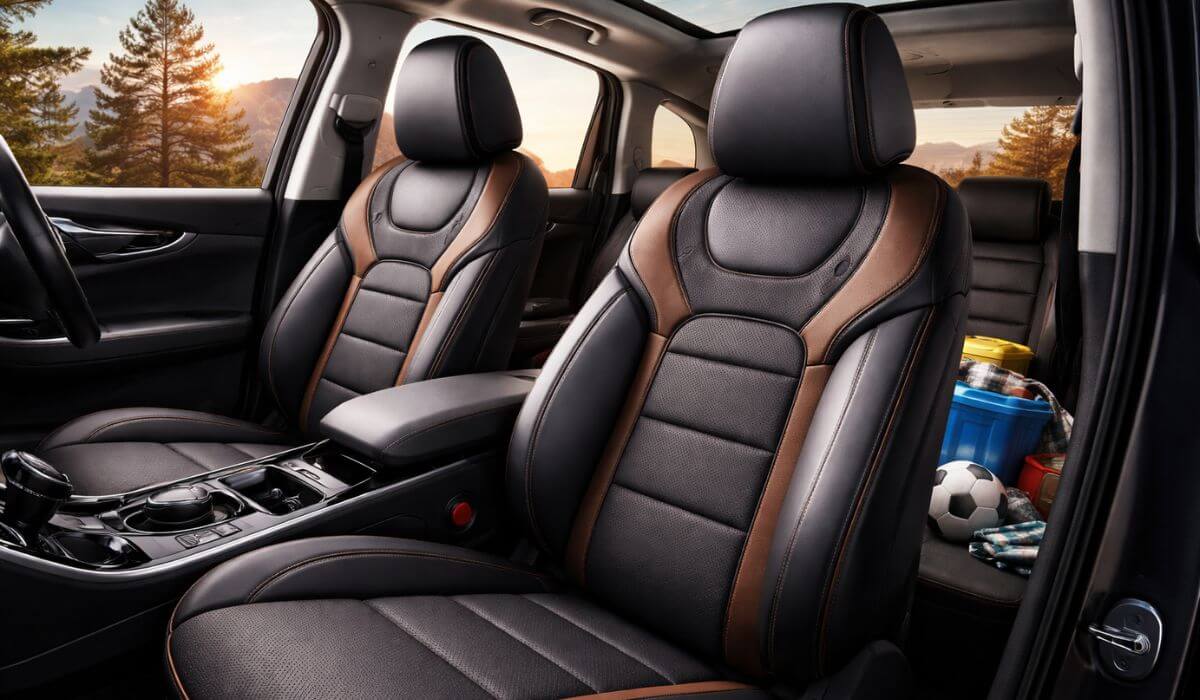
5 Best Seat Covers for Kia Sportage in 2026: Waterproof, Custom-Fit & Easy Install Picks
If you drive a Kia Sportage, you already know one thing: the cabin looks great when it’s new—but daily life can wreck those seats faster than most owners expect. Coffee spills during morning commutes, dusty clothes after a long drive, pets jumping in the back seat, kids kicking the seatbacks… it adds up quickly.
After spending time around Sportage owners and testing different aftermarket options, one thing becomes obvious: not every seat cover actually fits the Sportage properly. Some slide around, some block airbags, and some look cheap within a few months. The good ones, however, do the opposite—they fit tight, protect the factory upholstery, and make the interior look like it came straight from the dealership.
That’s why this guide focuses only on seat covers that genuinely work with the Kia Sportage platform—models that Sportage owners are already installing on 2009–2026 vehicles. Some offer full custom-fit protection, others focus on breathable comfort or budget-friendly upgrades, but every option below solves the same problem: protecting the Sportage interior without ruining its clean SUV look.
If you’re trying to keep your seats looking new—or simply want a tougher, more practical interior—these are the five seat covers worth looking at right now.
Best Kia Sportage Seat Covers: Top 2026 Picks for Comfort, Fit & Protection
#1. EKR Custom Fit Leather Car Seat Cover Full Set
Premium Custom-Fit Seat Covers for Kia Sportage (2023–2026 Models)
#2. Kaomim Full Coverage Leather Seat Covers (5-Seat Set)
Waterproof All-Weather Seat Covers for Kia Sportage (2009–2026)
#3. TTX LIGHTING Waterproof Faux Leather Seat Covers
Durable Waterproof Seat Protectors for Kia Sportage (2009–2026)
#4. JIAMAOXIN Breathable Ice Leather Front Seat Covers
Breathable Front Seat Covers with Lumbar Support for Kia Sportage (2009–2026)
#5. Coverado Universal Waterproof Seat Covers Full Set
Universal Waterproof Seat Covers Compatible with Kia Sportage (Most Model Years)
Expert Tip From a Sportage Owner
If there’s one thing long-time Kia Sportage owners learn quickly, it’s this: fit matters more than material.
A lot of seat covers online promise “premium leather” or “luxury comfort,” but if the cover doesn’t follow the shape of the Sportage seat—especially around the side bolsters and seat controls—it will start shifting within weeks. Once that happens, the cover stops protecting anything and just becomes another thing you keep adjusting every time you get in the car.
The trick most experienced owners follow is simple. Choose covers designed around Sportage seat geometry first, then worry about material. A properly fitted faux leather cover will protect your interior far better than an expensive universal cover that slides around.
Another thing people overlook is airbag compatibility. The Sportage has side airbags built into the seats, so the stitching and side panels on a seat cover must be designed to release properly. Every option in this guide respects that requirement.
If your goal is simple—keep the factory upholstery clean while making the cabin look sharper—a well-fitted waterproof cover will usually outperform flashy “luxury” options that were never built with the Sportage interior in mind.
How We Chose These Seat Covers
Seat cover lists on the internet often feel random. You’ll see dozens of options thrown together without any thought about whether they actually work with a Kia Sportage cabin.
This guide was built differently. The goal wasn’t to list the most popular seat covers on the internet. The goal was to find options that make practical sense for Sportage owners right now, especially with many new products entering the market for the latest model years.
The first thing we looked at was vehicle compatibility across model years. The Sportage has changed its interior layout several times since 2009, so covers that claim “universal fit” often leave gaps around the headrests or seat edges. Products like the EKR and Kaomim sets stood out because they were clearly designed with Sportage seat dimensions in mind, particularly for newer models like the 2023–2026 redesign.
Next came real interior protection. Many covers look good in photos but fail during daily use. The selections here prioritize waterproof faux leather or durable protective materials that can handle everyday driving—coffee spills, dusty clothes, pets, and the constant friction that happens when getting in and out of an SUV.
Comfort was another factor we didn’t ignore. Some cheap covers feel stiff and uncomfortable on longer drives. That’s why options like the JIAMAOXIN breathable front seats were included. Breathable materials and proper cushioning matter more than flashy textures when you spend hours behind the wheel.
We also checked installation practicality. Sportage owners don’t want to spend an entire afternoon wrestling with straps and hooks. The covers selected here are known for straightforward installation and secure attachment, meaning once they’re on, they stay in place.
Finally, we looked at airbag compatibility and safety design. Because modern Sportage seats contain side airbags, poorly designed covers can interfere with deployment. The products included here specifically account for airbag-safe stitching or open side designs, which is non-negotiable for a safety-conscious upgrade.
In short, these seat covers weren’t picked because they were trending or heavily advertised. They were chosen because they fit the realities of owning a Kia Sportage—protecting the interior, maintaining comfort, and actually working with the seat design rather than fighting against it.
For Sportage owners who want a cabin that still looks fresh years down the road, these options are a solid place to start.
#1. EKR Custom Fit Leather Seat Cover Full Set
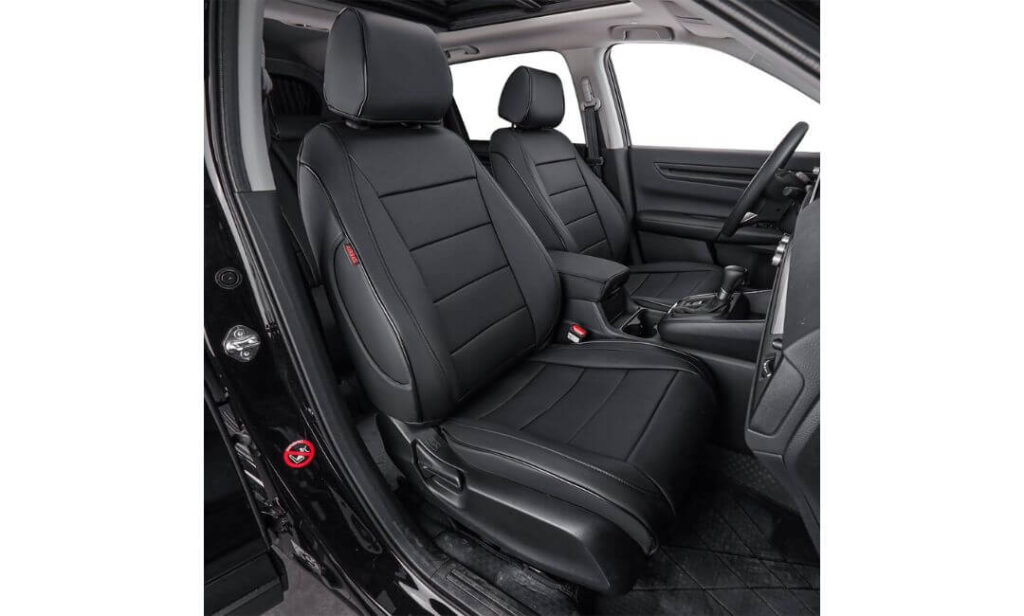
Quick Specs:
- Fit Type: True custom pattern for Kia Sportage seats (not universal)
- Material: Multi-layer faux leather with polyester backing
- Coverage: Full interior set (front + rear seating surfaces)
- Protection: Waterproof, stain-resistant, scratch-resistant surface
- Safety: Side-airbag compatible stitching zones
- Access Points: Seatbelt and armrest openings built into design
- Warranty: 2-Year manufacturer warranty
- Installation: Multi-piece install with step-by-step video guide
The first time you see these installed in a Kia Sportage, the reaction is usually the same: “Wait… these aren’t factory seats?”
That’s because the design follows the actual seat contours instead of sitting loosely on top like most aftermarket covers. The panels wrap around the bolsters, the stitching lines match the seat shape, and the material sits tight across the cushions. On the newer Sportage interior—especially the 2023 redesign—the result looks surprisingly close to OEM upholstery.
Material quality is where these start separating from cheap alternatives. The multi-layer faux leather has a dense, slightly textured surface, which means it wipes clean easily after spills or dust. Coffee, mud from hiking trips, or everyday wear from sliding in and out of the driver’s seat won’t leave permanent marks. More importantly, the material doesn’t feel plasticky the way budget seat covers often do.
Safety and practicality also feel well thought out. Dedicated side-airbag deployment zones are built into the stitching, while seatbelt anchors and armrests remain fully accessible. The installation takes patience because the covers use multiple pieces to achieve the tight fit—but that’s also exactly why they stay in place once installed.
(In simple terms: these behave less like “seat covers” and more like a protective second upholstery layer for your Sportage.)
What Stands Out the Most
- True custom pattern designed around Sportage seat geometry
- Waterproof faux leather that resists stains and daily wear
- Airbag-safe side stitching, so safety systems remain functional
- Full interior coverage, including rear seats
- Factory-style appearance once installed correctly
One Thing to Know
Installation takes time because the snug design uses several individual pieces. It’s not difficult, but patience helps.
Compatibility With Kia Sportage Seats
These covers are specifically designed for 2023–2026 Kia Sportage models, which use a newer seat shape compared to earlier generations. The custom pattern follows the seat bolsters, headrests, and cushion layout found in these newer interiors.
That tailored approach makes a noticeable difference. Instead of sliding around like universal covers, the panels grip the seat contours and stay aligned even after weeks of daily driving. For Sportage owners trying to preserve factory upholstery, this tighter design is exactly what you want.
The Insider Pro-Tip
Most Sportage owners install seat covers after the seats start showing wear. That’s actually the wrong moment.
The smarter move is installing them while the interior is still fresh. When covers go on early, they protect the original upholstery from friction, sunlight, and small stains that slowly build up over time. Years later, if you remove them, the seats underneath often look almost untouched.
That’s the quiet trick many long-term SUV owners follow—protect the seats before they ever look worn, and the cabin stays looking new far longer than people expect.
#2. Kaomim Full Coverage Leather Seat Covers (5-Seat Set)
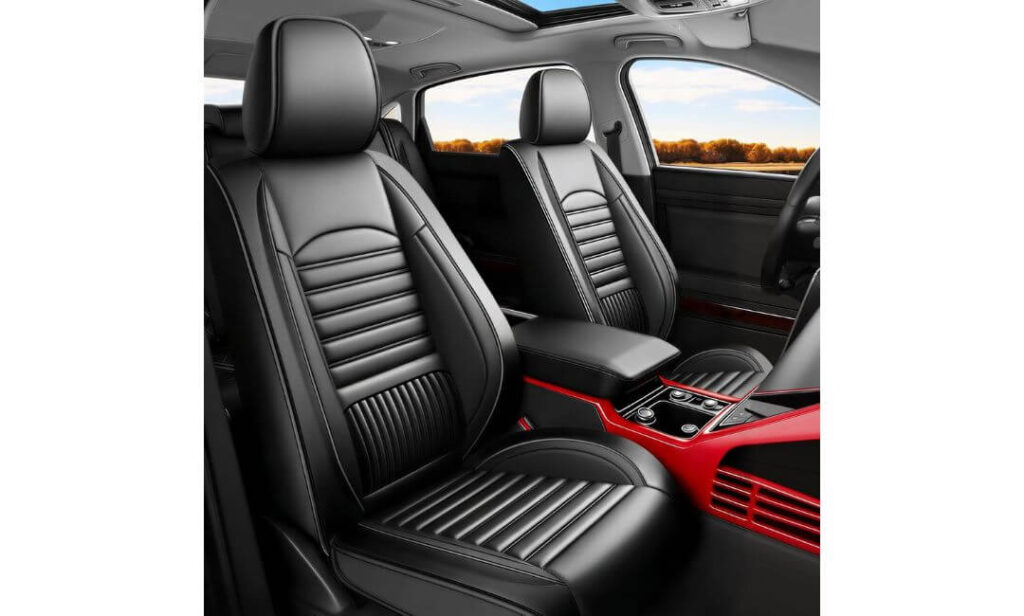
Quick Specs:
- Fit Type: Vehicle-specific pattern for Kia Sportage seats
- Material: Abrasion-resistant artificial leather surface
- Coverage: Full 5-seat interior set (front + rear)
- Protection: Waterproof, stain-resistant, scratch-resistant finish
- Safety: Side-airbag compatible design with precise seatbelt slots
- Comfort: Maintains heated and ventilated seat functions
- Stability: Anti-slip base with fixing straps for secure positioning
- Installation: Single-person install with illustrated manual (~20 minutes)
Sometimes the difference between a decent seat cover and a genuinely useful one comes down to how carefully it was designed for the vehicle itself. With these, it’s clear the focus was on the Kia Sportage seat layout, not just a generic “SUV fit.”
The covers follow the seat structure surprisingly well—especially across the shoulder bolsters and seatbacks. When installed correctly, the panels sit flat rather than bunching up around the edges, which is usually where cheaper covers start to look sloppy. The artificial leather surface also feels thicker than most budget options, which helps with durability if the vehicle regularly carries pets, luggage, or kids in the back seat.
Where this set becomes practical for daily driving is its all-weather usability. The surface is waterproof and stain-resistant, meaning spills wipe away quickly with a damp cloth. At the same time, the material doesn’t feel overly stiff, so it remains comfortable in both hot summers and colder mornings.
(For owners who use their Sportage as a daily commuter or family SUV, that balance between durability and comfort makes a noticeable difference.)
What Makes This One Stand Out
- Sportage-specific design developed after repeated seat measurements
- Waterproof artificial leather that handles spills and dirt easily
- Airbag-compatible stitching and precise seatbelt alignment
- Anti-slip backing with fixing straps for stability on long drives
- Maintains heated and ventilated seat functionality
One Thing Worth Knowing
The material is durable and protective, but it has a slightly firmer texture than softer premium leather covers.
Designed Around the Kia Sportage Interior
One reason these covers work well is their wide compatibility across Sportage generations. The design has been adjusted to accommodate seating layouts from 2009 through the latest models, which means owners of both older and newer Sportage SUVs can upgrade their interiors without worrying about mismatched panels.
Because the covers follow the seat structure closely, they stay positioned even during longer drives. That stability matters—loose covers tend to wrinkle quickly, while properly tailored ones keep the interior looking clean and intentional.
The Insider Pro-Tip
When installing seat covers in a Sportage, always start with the rear seats first.
Most people instinctively begin with the driver seat, but doing the rear bench first lets you understand how the straps and anchor points work before tackling the front seats. By the time you move to the driver and passenger seats, the process becomes much quicker—and the final result usually looks much cleaner.
It’s a small trick experienced installers follow, but it often saves time and prevents frustration during the installation process.
#3. TTX LIGHTING Waterproof Faux Leather Seat Covers
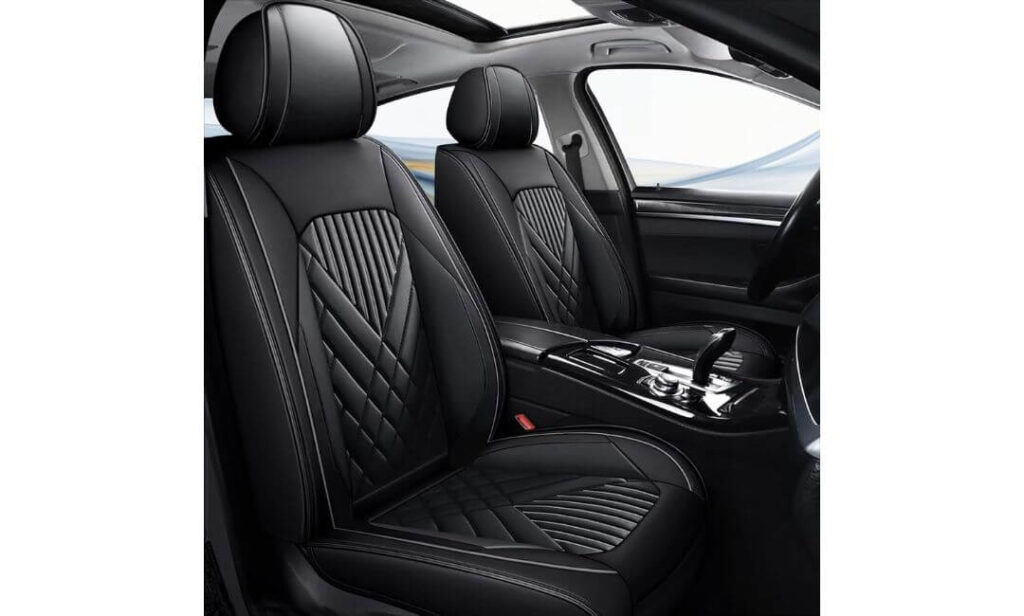
Quick Specs:
- Fit Type: Vehicle-specific pattern for Kia Sportage seats
- Material: High-grade faux leather with high-elastic sponge padding
- Coverage: Available as front set or full interior configuration
- Protection: Scratch-resistant, waterproof surface for daily use
- Safety: Airbag-compatible side seams and seatbelt access
- Comfort: Cushion layer designed to mimic factory seat padding
- Maintenance: Wipe-clean surface for quick interior upkeep
- Installation: Hook-based attachment system with manual included
Here’s something most Sportage owners realize after trying cheap seat covers: if the cushion layer isn’t right, the cover feels wrong every time you drive.
That’s where this setup quietly stands out. The outer layer uses durable faux leather for protection, but underneath sits a high-elastic sponge padding that mirrors the softness of the factory seat foam. Once installed, the seat doesn’t feel stiff or overly padded—it simply feels like the original Sportage seat, just better protected.
The material choice also makes sense for real daily driving. The faux leather surface is scratch-resistant and waterproof, which means muddy clothes, spilled drinks, or pet claws won’t immediately damage the upholstery beneath. A quick wipe with a damp cloth usually removes most stains, which is exactly the kind of low-maintenance interior solution many SUV owners are looking for.
Another thoughtful detail is how the design respects the car’s built-in systems. The covers include airbag-compatible seams and precise seatbelt openings, so safety functions remain unaffected. Heated seats continue working normally, and the material itself is produced using environmentally conscious compounds that won’t release unpleasant odors during hot summer days.
(In practical terms, these covers focus less on flashy styling and more on everyday durability—exactly what many Sportage owners actually need.)
What Makes This Option Worth Considering
- High-elastic sponge padding that keeps the seat comfortable on longer drives
- Scratch-resistant faux leather for protection against pets and daily wear
- Waterproof surface that wipes clean in seconds
- Airbag-compatible stitching and seatbelt access for safety
- Simple hook-based installation system
One Thing to Know
Because the focus is durability and protection, the design leans toward a clean, practical appearance rather than decorative styling.
Built Around the Kia Sportage Cabin
These covers were designed around the seat layout used in 2009–2026 Kia Sportage models, which helps them sit more naturally on the cushions compared with typical universal covers. The panels follow the seat contours well enough that the interior still looks organized instead of cluttered.
For drivers who use their Sportage daily—commuting, road trips, family errands—that tighter fit prevents the constant shifting and wrinkling that happens with loose covers.
The Insider Pro-Tip
When installing seat covers in a Sportage, don’t skip tightening the lower hooks beneath the seat frame.
Many people attach the top portion and assume the job is done, but the lower anchors are what actually hold the cover firmly against the cushion. Taking an extra minute to secure those hooks properly makes the difference between a cover that stays perfectly aligned for months—and one that slowly slides forward every time you brake.
#4. JIAMAOXIN Breathable Ice Leather Front Seat Covers
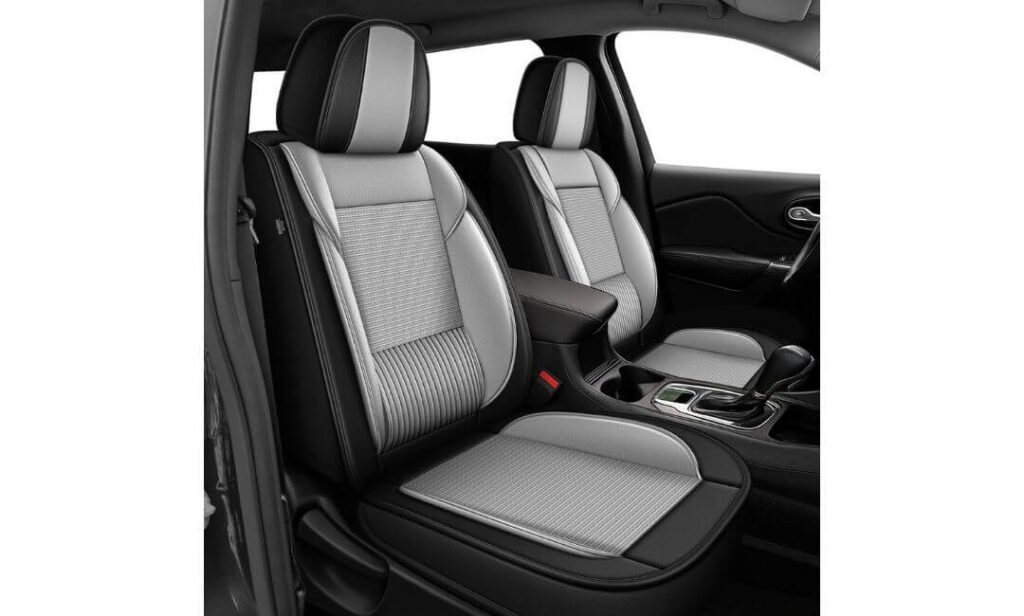
Quick Specs:
- Fit Type: Sportage-specific design for front driver and passenger seats
- Material: Breathable ice leather with soft-touch surface
- Coverage: Front 2-seat configuration with full seat protection
- Comfort Feature: Built-in lumbar support padding
- Protection: Waterproof, pet-friendly surface with easy cleaning
- Compatibility: Works with airbags, seatbelts, armrests, and heated seats
- Storage: Integrated front storage pockets
- Installation: Single-person installation with included instructions
Not every Sportage owner needs a full interior seat cover set. Sometimes the driver and passenger seats are the only ones that actually take the daily abuse—the constant sliding in and out, long drives, spilled drinks, or pets jumping into the front seat. That’s exactly the situation these front-seat covers are built for.
The standout feature here is the “ice leather” material, which feels noticeably cooler and softer compared with standard faux leather. During hot weather especially, this makes a difference because the surface doesn’t trap heat the same way thicker seat covers often do. Combined with breathable construction and a soft-touch finish, the seats remain comfortable even during longer drives.
Another thoughtful detail is the built-in lumbar support integrated directly into the cover’s structure. Instead of simply protecting the seat, the design slightly improves posture and comfort while driving. The 3D-molded panels also help the covers follow the seat shape closely, preventing the annoying shifting that happens with loose seat cushions.
(For drivers who spend hours behind the wheel, that small comfort upgrade often becomes more noticeable than the protection itself.)
What Makes This Option Interesting
- Breathable ice leather material that stays cooler during summer drives
- Integrated lumbar support padding for improved driver comfort
- Sportage-specific fit designed for front seats only
- Waterproof and pet-friendly surface that cleans easily
- Convenient front storage pockets for small items
One Thing to Know
This set focuses on front seats only, so rear seat protection would require a separate cover set.
Designed for Kia Sportage Driving Comfort
The covers are tailored for Kia Sportage models from 2009 through 2026, following the typical seat shape used across those generations. Because they target only the front seats, the design pays more attention to driver comfort and seating posture, where it matters most.
Once installed correctly, the covers sit tightly enough that they feel integrated with the seat rather than layered on top. For everyday commuting, that subtle difference makes the interior feel more refined.
The Insider Pro-Tip
If your Sportage is used mostly for commuting, protecting the front seats first is often the smartest upgrade.
The driver’s seat alone absorbs the majority of wear over time—friction from entering and exiting, body pressure during long drives, and constant sun exposure through the windshield. Installing protective covers there early helps preserve the original upholstery underneath far longer than most owners expect.
It’s a small upgrade, but over the years it quietly keeps the cabin looking far newer than it should.
#5. Coverado Waterproof Seat Covers Full Set
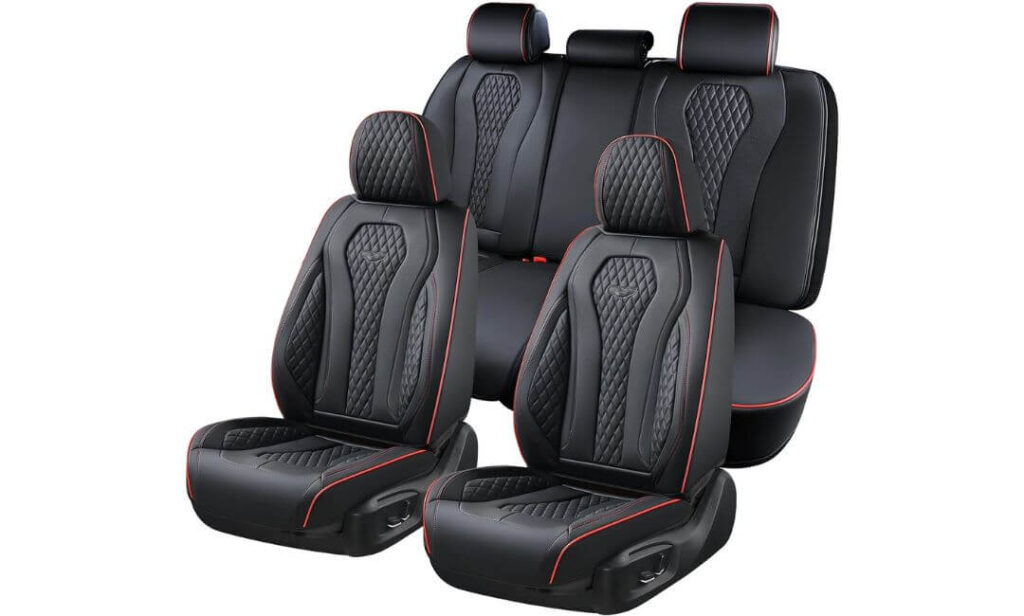
Quick Specs:
- Fit Type: Universal adaptive design (fits most Kia Sportage seats)
- Material: Premium faux leather with Nappa-style surface finish
- Coverage: Full interior set (2 front + 3 rear seat covers)
- Protection: Waterproof, dust-resistant, fade-resistant outer layer
- Comfort: High-density foam padding for extra seating support
- Compatibility: Airbags, seatbelts, and most seat functions preserved
- Installation: Hook-and-chuck system for front seats, adjustable rear section
- Design Detail: Redline stitching accent for sportier interior look
If you’re the type of Sportage owner who wants a quick interior upgrade without chasing model-specific seat covers, this setup makes immediate sense. Instead of chasing a perfect factory pattern, it focuses on something many drivers actually want: a durable full-seat cover set that looks sharp and installs without turning the afternoon into a project.
The material is where these start feeling more premium than typical universal covers. The outer layer uses Nappa-style faux leather, which has a smoother, softer finish compared with basic synthetic leather. Underneath, a layer of high-density foam padding adds extra comfort, which becomes noticeable during longer drives. It’s one of those small touches that quietly improves the daily driving experience without trying too hard to look flashy.
Protection is still the main goal. The surface is waterproof, dust-resistant, and fade-resistant, meaning everyday mess—coffee spills, muddy clothes, pet hair—doesn’t easily damage the original upholstery underneath. Cleaning usually takes nothing more than a damp cloth.
(For many drivers, that simple wipe-clean practicality is the real reason seat covers like this become popular.)
What Makes This One Stand Out
- Nappa-style faux leather with a smoother premium feel
- Full 5-seat coverage for front and rear seats
- High-density foam padding that improves seating comfort
- Sporty redline stitching that upgrades the cabin look
- Waterproof and dust-resistant surface for easy maintenance
One Thing Worth Knowing
Because the design is universal rather than vehicle-specific, the fit may not look as tight as fully custom Sportage seat covers.
Compatibility With Kia Sportage Interiors
Even though this is a universal design, the covers adapt surprisingly well to most Kia Sportage seat layouts, especially models from the past decade. The adjustable rear sections and flexible side panels allow them to settle around the seat shape without blocking airbags or seatbelt access.
That flexibility is the reason many Sportage owners choose this style—it installs quickly while still protecting the entire interior rather than only the front seats.
The Insider Pro-Tip
Many drivers buy seat covers only after the interior already looks worn. A smarter move is installing them while the upholstery still looks new.
Once covers absorb the daily friction, sunlight, and spills that normally damage factory seats, the original upholstery underneath stays protected for years. When it eventually comes time to sell or trade the vehicle, lifting the covers can reveal seats that still look surprisingly fresh.
It’s a small trick long-time car owners quietly rely on—protect the interior early, and the whole cabin ages far more slowly.
Best Kia Sportage Seat Covers Comparison for 2009–2026 Models
| Seat Cover | Fit Type | Material | Sportage Fitment | Protection | Best For |
|---|---|---|---|---|---|
|
EKR Custom Fit Premium Pick |
Custom Fit | Faux Leather Multi-Layer | 2023–2026 | Waterproof • Scratch Resistant | Factory-style interior protection |
|
Kaomim Full Coverage Best Overall |
Vehicle Specific | Artificial Leather | 2009–2026 | Waterproof • Anti-Slip | All-around daily driving protection |
|
TTX LIGHTING Best Value |
Vehicle Specific | Faux Leather + Sponge | 2009–2026 | Waterproof • Wear Resistant | Comfortable daily commuting |
|
JIAMAOXIN Front Set Comfort Focus |
Front Seat Fit | Breathable Ice Leather | 2009–2026 | Waterproof • Breathable | Driver & passenger seat comfort |
|
Coverado Universal Style Upgrade |
Universal Fit | Nappa-style Faux Leather | Most Sportage Models | Waterproof • Dust Resistant | Quick interior makeover |
Kia Sportage Seat Covers Buying Guide (What Actually Matters Before You Buy)
Buying seat covers for a Kia Sportage sounds simple until you start comparing options. Suddenly there are dozens of materials, “custom-fit” claims, universal designs, and features that may or may not matter in real driving.
Many buyers make the mistake of focusing only on price or appearance. But seat covers live in one of the most heavily used parts of the vehicle, so the wrong choice quickly becomes uncomfortable, loose, or worn out.
This guide focuses on the factors that actually determine whether a seat cover works well in a Kia Sportage interior.
Fit Type: Why Custom Patterns Matter More Than Most People Realize
The first decision is fitment style, and it has the biggest impact on how the interior will look and feel.
Custom-fit covers are designed around the exact seat shape of the vehicle. They follow the bolsters, headrests, and cushion contours, so once installed they sit tightly across the seat. This is why options like the EKR or Kaomim sets look more like factory upholstery than aftermarket accessories.
Universal covers, on the other hand, are designed to fit many vehicles. While they install faster, they may leave small gaps around the seat edges or require adjustment after long drives.
For Sportage owners who care about a clean interior appearance and stable seating, a vehicle-specific design almost always delivers the better experience.
Material Quality: Comfort vs. Durability
Seat cover materials affect how the seat feels every time you drive.
Most Sportage seat covers fall into three main material categories:
Faux Leather
This is the most common material in quality seat covers. It offers strong protection against spills, dirt, and scratches while maintaining a leather-like look. Many modern faux leathers are also waterproof and easy to clean with a damp cloth.
Breathable Leather or Ice Leather
These materials prioritize airflow and comfort, especially during warmer months. They feel softer and cooler than standard synthetic leather, making them ideal for drivers who spend long hours in the vehicle.
Nappa-Style Synthetic Leather
This is typically used for more premium-looking seat covers. It has a smoother finish and softer texture, giving the cabin a slightly more upscale appearance.
For most Sportage owners, the ideal balance is durable faux leather with breathable backing, offering both protection and comfort during daily driving.
Protection Level: What Seat Covers Should Actually Protect Against
Seat covers aren’t just cosmetic upgrades. They act as the first layer of defense for the original upholstery.
The most useful protective features include:
Waterproof surfaces
Important for spills, rain-soaked clothing, and general daily mess.
Scratch resistance
Especially valuable if pets regularly ride in the vehicle.
Stain resistance
Helps prevent long-term discoloration from drinks, dirt, or food.
Anti-slip backing
Prevents covers from sliding around during braking or cornering.
Without these features, seat covers may look good initially but fail to protect the interior over time.
Safety Compatibility: A Non-Negotiable Detail
Modern Sportage seats contain side-impact airbags built into the seat structure.
Seat covers must account for this by including airbag-compatible seams or release zones along the sides of the seatback. Without these features, poorly designed covers can interfere with airbag deployment during an accident.
Quality seat covers also preserve access to:
- seatbelt anchors
- armrests
- seat adjustment controls
- heated seat functions
If a seat cover blocks any of these elements, it’s not designed correctly for modern vehicles.
Installation: What Real Owners Experience
Installation difficulty varies widely between different seat cover types.
Universal covers often install quickly using hooks and straps. They can usually be mounted in under 20–30 minutes.
Custom-fit covers require more patience because they use multiple pieces to wrap tightly around the seat contours. Installation can take longer, but the result is a much cleaner, factory-like appearance.
Many modern brands now include video tutorials and illustrated instructions, making the process manageable even for first-time installers.
The key thing to remember is that a snug installation usually means the cover was designed properly.
Climate and Daily Use Considerations
Your driving environment also affects which seat cover material works best.
If you frequently drive in hot climates, breathable or ice-leather materials will feel cooler during summer months.
If the vehicle is used for family trips, pets, or outdoor activities, waterproof and scratch-resistant materials provide the most practical protection.
Drivers who spend long hours commuting may prefer covers with extra cushioning or lumbar support, as small comfort improvements become noticeable over time.
Full Sets vs. Front Seat Protection
Another choice Sportage owners face is whether to buy full interior sets or front seat covers only.
Full sets protect both front and rear seats and maintain a consistent interior appearance.
Front seat covers, however, focus protection where it matters most. The driver’s seat typically experiences the highest wear because of constant entry, exit, and long driving hours.
For many drivers, protecting the front seats first is often the most practical approach.
The Practical Truth Most Buyers Discover
After years of owning SUVs like the Sportage, many drivers realize something simple: seat covers are easier to appreciate when installed early.
Once the original upholstery begins showing wear, covers can hide damage—but they can’t reverse it. Installing protection while the seats are still clean helps preserve the interior for years.
It’s a small upgrade, but it quietly keeps the cabin looking far newer than many vehicles of the same age.
For Sportage owners who care about long-term interior condition, seat covers aren’t just accessories—they’re preventative protection.
Installation & Maintenance Tips for Kia Sportage Seat Covers
(What Experienced Owners Actually Do to Make Them Last)
Installing seat covers in a Kia Sportage seems straightforward at first glance. But the difference between seat covers that look factory-installed and ones that constantly wrinkle or slide usually comes down to how carefully they’re installed and maintained.
Most people rush through installation, skip a few steps, and then blame the product when the covers start shifting after a few weeks. The reality is that even high-quality covers need to be installed and maintained correctly to perform the way they’re supposed to.
The following tips come from real-world ownership experience and focus on the things that actually make a difference over time.
Start With a Proper Seat Cleaning
Before installing any seat cover, the original seats should be cleaned thoroughly. Dust, crumbs, or moisture trapped under the cover can slowly wear down the seat fabric or cause unpleasant odors over time.
Use a vacuum to remove loose dirt from the seat seams and cushion edges. After that, wipe the seating surface with a mild interior cleaner or a damp microfiber cloth. Allow the seats to dry completely before installing the covers.
This step might seem minor, but it ensures the covers sit flat against the seat surface and prevents hidden debris from creating pressure points beneath the material.
Install the Rear Seats First
Most experienced installers start with the rear seat section before moving to the driver and passenger seats.
The reason is simple. The rear bench usually involves fewer adjustments and helps you understand how the straps, hooks, and anchors work. Once you’ve figured out how the system tightens and locks into place, installing the front covers becomes much easier.
Starting with the rear seats also allows you to adjust the fit without feeling rushed, since those seats typically see less daily use than the driver’s seat.
Align the Seat Panels Before Tightening
Many seat covers include multiple sections designed to wrap around different parts of the seat. A common mistake is tightening the straps immediately after placing the covers on the seat.
Instead, place the cover loosely and align all the panels first. Make sure the seams match the seat edges and the headrest openings sit in the correct position. Only after everything is properly aligned should you begin tightening the hooks and straps.
This approach prevents uneven tension and helps the cover sit smoothly across the seat surface.
Secure the Lower Hooks Beneath the Seat Frame
The most important step in the entire installation process often happens underneath the seat.
Many covers include hooks or elastic straps designed to anchor to the seat frame. These lower anchors prevent the cover from sliding forward when braking or shifting when entering the vehicle.
Skipping this step is the main reason seat covers begin to wrinkle or shift after a few weeks of use. Taking an extra minute to secure these anchors properly can make the covers feel almost permanently attached to the seat.
Allow the Material to Settle After Installation
Once installed, seat covers sometimes appear slightly tight or stiff. This is normal, especially with faux leather materials.
Driving the vehicle for a few days allows the material to adjust naturally to the seat contours. Body weight, temperature changes, and regular use gradually help the cover settle into place.
After about a week, it’s worth checking the straps again and tightening any that may have loosened slightly during this settling period.
Keep the Covers Clean With Simple Routine Care
Seat covers require much less maintenance than factory upholstery, but occasional cleaning keeps them looking new.
Most waterproof faux leather covers can be cleaned with a damp microfiber cloth. For heavier dirt or stains, a mild interior cleaner works well without damaging the surface.
Avoid harsh chemicals or abrasive brushes, as these can wear down the protective coating over time.
A quick wipe-down every couple of weeks is usually enough to keep the interior looking fresh.
Protect the Material From Extreme Heat
Although modern seat cover materials are designed to handle high temperatures, prolonged exposure to extreme heat can still cause fading or stiffness.
If the vehicle is frequently parked in direct sunlight, using a windshield sunshade helps reduce interior temperatures. This simple habit protects not only the seat covers but also the dashboard and steering wheel.
For drivers living in hot climates, breathable materials such as ice leather or perforated faux leather can also improve comfort during summer months.
Check the Fit Every Few Months
Seat covers naturally experience tension from daily use. Over time, straps and hooks may loosen slightly.
Every few months, take a moment to inspect the covers and tighten any adjustable straps. This quick check helps maintain the snug fit that keeps the covers looking neat and prevents them from developing wrinkles.
Regular inspection also ensures that seatbelt openings and airbag-compatible seams remain unobstructed.
Remove and Deep Clean Once or Twice a Year
For vehicles used frequently—especially family SUVs or cars that carry pets—it’s helpful to remove the covers once or twice a year for deeper cleaning.
This allows you to clean both the covers and the original seats underneath. Vacuuming the seat cushions and wiping down hidden areas helps maintain a clean interior environment.
Reinstalling the covers afterward also gives you the opportunity to re-tighten the straps and restore the original snug fit.
The Detail Most Owners Forget
One small habit can dramatically extend the life of seat covers: how you enter and exit the vehicle.
Sliding across the seat rather than lifting your body slightly places extra friction on the seat surface. Over time, this constant rubbing can wear down both factory upholstery and seat cover material.
Taking a moment to step in and out more carefully reduces that friction and keeps the seating surface looking newer for much longer.
Why Proper Installation and Care Matter
Seat covers are designed to protect the interior of the Kia Sportage, but their effectiveness depends on how they’re treated.
When installed correctly and maintained occasionally, good seat covers can preserve the original upholstery for years. Without proper installation and care, even high-quality covers can become loose or worn prematurely.
A little attention during installation and a few minutes of maintenance throughout the year make the difference between seat covers that simply sit on the seat—and ones that truly protect the vehicle’s interior.
FAQs About Kia Sportage Seat Covers
Do custom-fit seat covers actually feel different inside a Kia Sportage, or is it mostly cosmetic?
Yes, there is a noticeable difference once they’re installed correctly in a Kia Sportage.
Loose universal covers tend to sit on top of the seat like an extra layer of fabric, which means you feel movement every time you shift your weight. Custom-fit covers behave differently because they follow the seat contours—especially around the side bolsters and seat base.
When fitted tightly, they start to feel less like removable covers and more like a protective second upholstery layer. Many Sportage owners actually forget the covers are there after a few weeks because the seat shape and cushioning remain almost identical to the factory feel.
Will seat covers damage the original upholstery in a Kia Sportage over time?
When good-quality covers are installed properly, the opposite usually happens—they protect the original upholstery from long-term wear.
Daily friction from getting in and out of the vehicle slowly breaks down the outer surface of factory seats. Seat covers absorb most of that friction instead. This is especially noticeable on the driver’s seat in a Kia Sportage, which typically shows wear first due to constant entry and exit.
The only situation where covers can cause problems is when cheap materials trap moisture or debris underneath, which is why occasional cleaning and proper installation matter.
Do seat covers affect heated seats or ventilation in modern SUVs?
Most well-designed seat covers are built to work with heated seats, and in everyday driving the heating function usually remains noticeable. However, thicker multi-layer covers can slightly reduce how quickly the heat reaches the surface.
Breathable materials—such as perforated faux leather or ice leather—tend to preserve the heating effect better because they allow warmth to pass through more easily.
For most Sportage owners, the difference is minor and becomes unnoticeable after a few minutes of driving.
Why do some seat covers start shifting after a few weeks even if they looked tight at first?
This usually has less to do with the cover itself and more to do with how it was installed.
Many people tighten the visible straps but skip the lower anchors beneath the seat frame. Those anchors are what keep the cover from sliding forward when braking or leaning into the seat.
When those lower hooks are properly secured, the cover stays stable for months. Without them, even a good cover can slowly shift during everyday driving.
Is it better to install seat covers immediately after buying a vehicle, or wait until the seats start showing wear?
Most long-time car owners eventually realize it’s smarter to install them early rather than later.
Once the original upholstery starts wearing down, covers can hide the damage but can’t restore the seat’s original condition. Installing covers while the seats are still fresh helps preserve the interior beneath them.
Years later, removing the covers can reveal upholstery that still looks surprisingly clean. That’s why many drivers who plan to keep their vehicle for a long time treat seat covers as preventive protection rather than cosmetic accessories.
Final Thoughts: Protecting the Kia Sportage Interior the Smart Way
At the end of the day, seat covers aren’t really about decoration—they’re about preserving the part of the vehicle you interact with every single time you drive. The seats in a Kia Sportage take more daily wear than almost any other interior surface. Getting in and out, long drives, pets jumping in the back, spilled drinks during commutes—over time, all of it slowly shows up on the upholstery.
That’s exactly why many experienced Sportage owners eventually install seat covers. Not because the factory seats are bad, but because protecting them early keeps the cabin looking newer for far longer than expected.
The options in this guide approach that goal from slightly different angles. Some focus on tight custom-fit protection, others prioritize comfort or breathable materials, and a few offer a quick interior upgrade without complicated installation. But they all serve the same purpose: keeping the original upholstery underneath protected from the kind of everyday wear most SUVs experience.
One practical truth most owners discover after installing good seat covers is that the interior starts feeling easier to maintain. Dirt wipes away faster, spills stop being stressful, and the seats themselves remain in far better condition than they would have otherwise.
For anyone planning to keep their Sportage for years—or simply wanting to maintain a clean, well-kept cabin—the decision usually becomes pretty simple. Protect the seats now, and the interior will thank you later.
And sometimes the smartest upgrades aren’t the flashiest ones—they’re the ones that quietly keep the vehicle looking great long after the novelty of a new car has worn off.
Also Check:


