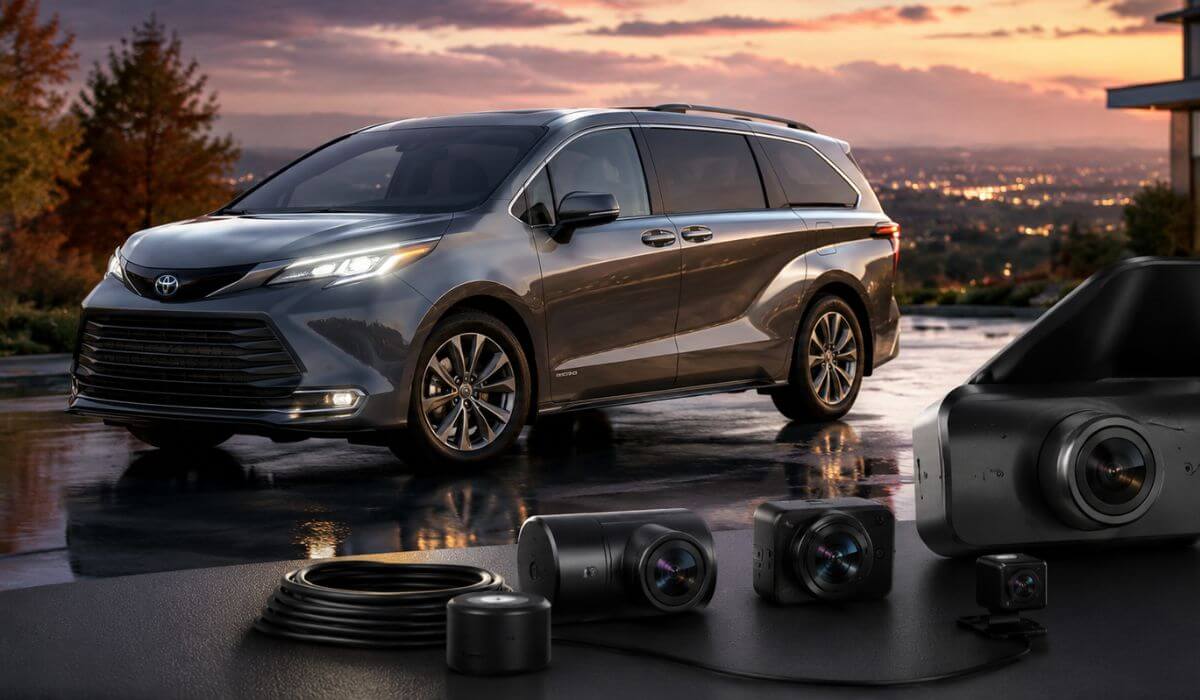
5 Best Dash Cams for Toyota Sienna in 2026: Clean OEM-Style Cameras With Front & Rear Recording
The current Toyota Sienna is a very different vehicle from the older minivans most people still picture in their heads. The 2021–2026 fourth-generation model (XL40) is quieter, more tech-heavy, packed with cameras and sensors, and honestly a lot harder to wire cleanly without ruining the cabin look. That matters when you’re buying a dash cam, because a bulky universal setup with hanging cables looks completely out of place inside a Sienna—especially on Limited, Platinum, and XSE trims where Toyota gave the interior a much more premium feel.
That’s why this list focuses heavily on OEM-style dash cams for Toyota Sienna models that actually fit the windshield housing correctly, don’t block driver visibility, and won’t leave random wires running across the headliner after six months. Most Sienna owners using these cameras are hauling kids, road-tripping, airport driving, Uber XL shifts, or daily family commuting, so reliability matters more than flashy marketing specs.
We also paid attention to the small details most articles completely ignore—like compatibility with the larger mirror housing used on newer trims, stable WiFi app performance, parking surveillance behavior during hybrid standby, proper front and rear video balance, and whether the camera still fits cleanly around Toyota Safety Sense hardware. Some cameras on Amazon technically “work,” but look terrible once installed or create rattles near the sensor cover after summer heat cycles.
The good news is the Sienna’s windshield layout actually works extremely well with hidden factory-style cameras when you choose the right model. The best setups almost disappear behind the mirror while still giving you clean 4K footage, reliable night recording, and enough coverage to protect a family hauler that probably spends more time on the road than most SUVs.
Best Toyota Sienna Dash Cam: Top 2026 Picks for OEM Fit and Front & Rear Recording
#1. Fitcamx Front 2160P+Rear 1080P Dash Cam
Best OEM fit dash cam for Toyota Sienna 2021–2026 with clean factory integration, reliable front and rear recording, and stable daily family-driving performance
#2. mangoal Front 4K & Rear 1080p Dash Cam
Best front and rear dash cam for Toyota Sienna hybrid models with GPS support, hidden installation, and premium OEM-style cabin fitment
#3. Leadfan 4K Dash Cam Front and Rear
Best budget 4K dash cam for Toyota Sienna with dual-channel coverage, WiFi connectivity, and factory-look installation for newer XL40 models
#4. KBSYNT Front 4K Dash Cam
Best simple hidden dash cam for Toyota Sienna owners wanting clean OEM styling, easy app control, and reliable everyday loop recording
#5. FUVYMYT Dual Channel 4K & 1080P Dash Cam
Best OEM-style dash camera for Toyota Sienna 2021–2025 with collision detection, discreet windshield fitment, and smooth app-based video access
Expert Tip: One quick thing most Sienna owners realize too late: a dash cam is something you stop noticing only when you bought the right one. The bad setups constantly remind you they’re there—random rattles near the mirror housing, app disconnects when you actually need footage, rear camera wires sagging after summer heat, or giant universal cameras hanging in front of a windshield that was clearly never designed for them. The best ones quietly do their job for years and blend into the van like Toyota installed them at the factory. That’s the difference we focused on here.
How We Chose These Dash Cams for Toyota Sienna Owners
A lot of “best dash cam” lists are honestly just random Amazon products copied into a roundup without anyone thinking about how they actually fit a modern Toyota Sienna. We took a different approach because the fourth-generation Sienna (2021–2026 XL40) has a very specific windshield layout, larger sensor housing, hybrid electrical behavior, and tighter trim integration than older minivans.
So instead of chasing flashy marketing claims, we focused on what actually matters once these cameras are installed in a real family vehicle.
First, we prioritized true OEM-style fitment. That was non-negotiable. A clean factory-style installation matters far more in a Sienna than people think because the cabin already has a premium, tech-heavy look—especially on XLE, Limited, Platinum, and XSE trims. Cameras like the Fitcamx and mangoal stood out because they integrate naturally around the factory mirror housing instead of looking like an aftermarket gadget suction-cupped onto the glass.
We also filtered out cameras that technically support the Sienna but only fit certain trims properly or leave awkward panel gaps after installation. That’s why some popular universal dash cams never made this list at all.
Another thing we looked at was long-term daily usability, not just video resolution numbers. Plenty of newer brands advertise “4K,” but the real difference shows up six months later when owners start dealing with unstable WiFi apps, corrupted loop recordings, overheating near the windshield, or parking mode draining power inconsistently during hybrid standby cycles. For a vehicle like the Sienna that spends hours parked during school runs, travel stops, airport pickups, and family trips, stable recording behavior matters more than spec-sheet hype.
We also paid close attention to rear camera balance and night footage quality. Minivans naturally create more cabin reflections at night because of their larger interior space and upright rear glass. Some cheaper dual-camera systems struggle badly with glare and plate clarity after dark. The better setups maintained cleaner rear footage without overexposing headlights or smearing motion during highway driving.
Compatibility was another huge factor. We intentionally favored cameras supporting the broader 2021–2026 Toyota Sienna range because newer buyers searching today don’t want outdated hardware already losing support compatibility. That’s also why the FUVYMYT model landed lower despite being solid overall—it currently stops at 2025 model compatibility while others already support 2026 configurations.
And finally, we looked at something most reviewers never mention: whether these cameras actually feel trustworthy in a vehicle carrying families every day. A Sienna is not usually someone’s weekend toy. It’s the road-trip van, the school-run vehicle, the airport shuttle, the long-distance family hauler. Owners want something that records reliably every single drive without needing constant troubleshooting.
That’s exactly why these specific models made the cut.
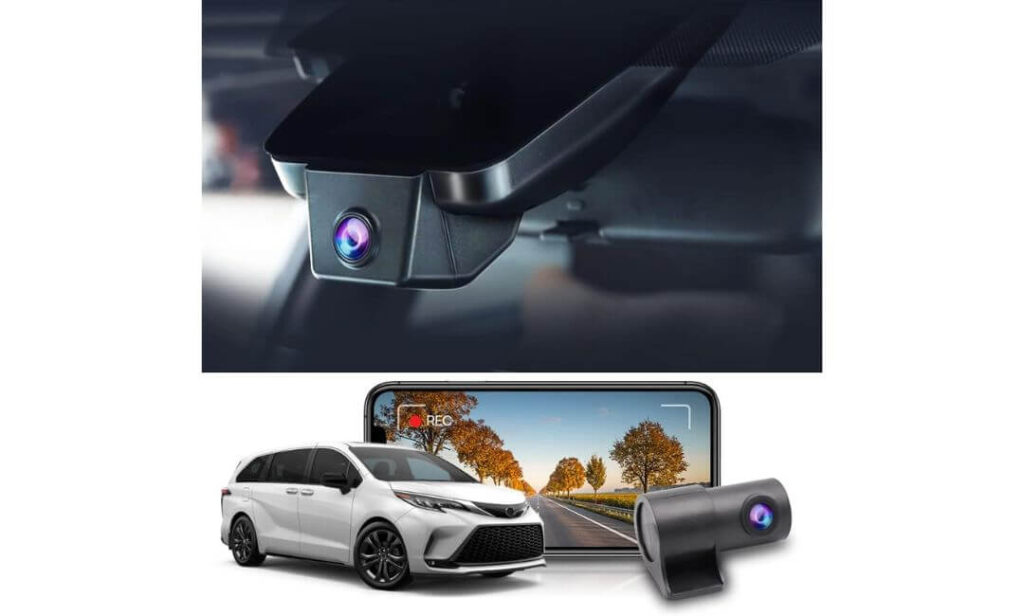
#1. Fitcamx Front 2160P+Rear 1080P Dash Cam
Quick Specs:
- True OEM-style hidden installation built specifically for fourth-gen Toyota Sienna mirror housing
- Front 2160P Ultra HD + rear 1080P recording with wide 170°/140° coverage
- Built-in WiFi + FITCAMX app for quick footage access without removing SD cards
- Includes 128GB card out of the box, supports larger storage later
- Uses WDR night processing to control glare from LEDs and highway headlights
- Designed for LE, XLE, Limited, Platinum, and most XSE trims on the XL40 platform
- Clean factory appearance with no hanging wires visible from driver seat
- Temperature-resistant shell designed for long summer windshield exposure
The biggest reason this setup keeps showing up in serious Sienna owner discussions is simple: once installed, it stops looking aftermarket. That sounds minor until you actually sit inside a newer Sienna every day. Toyota gave these vans a very clean upper windshield layout, and most universal dash cams completely ruin it with exposed wiring, bulky suction mounts, or cameras dangling below the mirror. This one blends into the sensor housing so naturally that passengers usually do not even notice it until you point it out.
What also makes this setup stand out is the balance between real-world usability and actual recording quality. The front 2160P footage is sharp enough to pull useful plate detail during daylight driving, while the rear 1080P camera handles highway traffic and parking coverage much better than most cheap dual-channel systems trying to fake “4K quality.” The WDR processing also helps more than expected during night driving because the Sienna’s taller seating position naturally catches a lot of LED glare from trucks and SUVs behind you.
Another thing we genuinely liked here was the installation philosophy. This was clearly designed around owners who do not want to spend weekends routing wires through every interior panel. The housing fitment feels intentional, the included 128GB card saves extra setup cost, and the app experience is much smoother than many newer low-cost brands flooding Amazon lately. (And honestly, that matters more in a family vehicle than flashy marketing specs nobody notices after the first week.)
(It feels much closer to a factory tech package than a typical aftermarket dash cam once everything is installed properly.)
Why This One Stayed at the Top of Our List
- Actually looks factory-installed instead of “Amazon accessory” aftermarket
- Rear camera quality is surprisingly usable during real highway driving at night
- Cleaner windshield appearance than most universal dash cameras
- App access is fast enough to pull clips quickly after incidents or parking situations
- Included storage and hidden wiring setup make ownership easier long-term
Where Buyers Should Pay Attention
- Does not fit certain XSE Tech Package configurations, so checking trim compatibility before ordering is important
Real-World Sienna Compatibility Notes
This setup was clearly built around the fourth-generation Sienna platform rather than adapted later as a universal fit. That matters because newer Sienna trims use different mirror housings and sensor layouts depending on package level, and many cheaper “compatible” cameras end up leaving awkward trim gaps once installed.
For LE, XLE, Limited, Platinum, and standard XSE owners, the fitment approach here feels much more integrated and stable during daily driving. The hidden positioning also works especially well in hybrid family vehicles where drivers already have enough screens, sensors, and visibility distractions competing for attention.
The Insider Pro-Tip
One thing experienced Sienna owners quietly look for is whether a dash cam disappears from their routine after installation. That is usually the sign you bought the right one. No random app crashes before a road trip, no loose rear wiring after heat cycles, no giant blinking screen reflecting into the windshield during night drives.
That is honestly where this setup earns its reputation. It focuses less on gimmicks and more on making the van feel protected every single day without constantly reminding you the camera is there. And in a vehicle that spends most of its life carrying family, luggage, groceries, kids, airport runs, and long highway miles—that kind of quiet reliability matters more than people realize before buying.
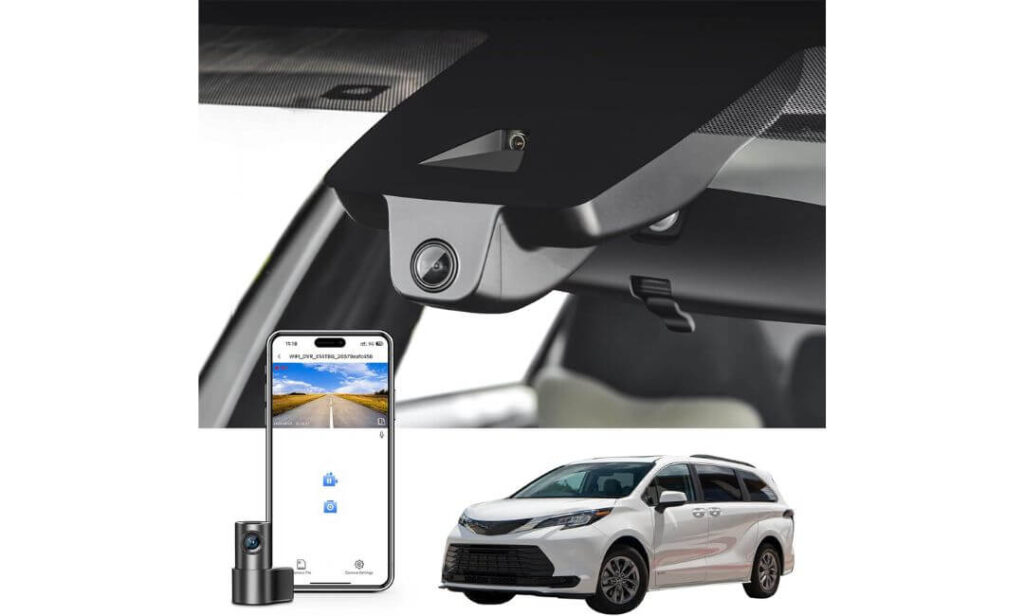
#2. mangoal Front 4K & Rear 1080p Dash Cam
Quick Specs:
- True custom-fit OEM housing designed around the Gen4 Toyota Sienna windshield layout
- Front 4K Ultra HD + rear 1080P recording with wide 150°/140° coverage
- Built-in GPS tracking for speed and route logging during trips or incidents
- Includes 128GB card, rear camera, OBD adapter, and mirror power solution in the box
- Integrated WiFi + mobile app for direct footage access without pulling the SD card
- Uses supercapacitor hardware instead of cheaper batteries for better heat durability
- Supports parking monitoring, G-sensor locking, and seamless loop recording
- Designed to sit fully behind the mirror area with no exposed windshield clutter
What immediately separates this setup from a lot of newer OEM-style dash cams is that it feels engineered for people who actually spend serious time inside their Sienna. The installation approach is cleaner, the included accessories are more complete, and little things—like the supercapacitor design and GPS integration—make it feel closer to a premium factory accessory than a generic online gadget trying to imitate one.
The recording setup also feels very balanced for real-world driving instead of just chasing headline numbers. The front 4K camera captures road signs and plate details sharply during daylight highway driving, while the rear 1080P unit handles traffic coverage much better than many cheaper rear cameras that become grainy the second the sun goes down. And because the Sienna has a large cabin with a lot of reflective glass surfaces, the cleaner light handling here genuinely helps during nighttime family trips and rainy driving conditions.
Another reason this model earned a high spot on our list is the overall ownership experience. The included GPS, OBD power setup, mirror adapter options, and ready-to-use 128GB card mean you are not immediately shopping for extra parts after opening the box. The app response also feels more polished than many low-cost WiFi cameras flooding marketplaces lately, especially when downloading larger clips after an incident or road trip.
(This is one of the few setups that genuinely feels designed around the Sienna instead of simply “made compatible” with it later.)
Why It Earned a Premium Spot in This Guide
- GPS integration adds real usefulness for travel logs and incident tracking
- Hidden factory-style installation keeps the windshield area clean and uncluttered
- Supercapacitor hardware handles long-term heat exposure better than cheaper battery systems
- Included accessories reduce extra setup costs and installation headaches
- Rear camera clarity stays surprisingly usable during darker highway driving
A Small Thing Worth Knowing Before Ordering
- Taking a minute to compare your mirror/sensor cover style before purchase helps ensure the cleanest possible fitment experience
Real Sienna Installation Perspective
This setup works especially well for Sienna owners who care about keeping the interior looking factory-clean while still wanting a fully featured dual-camera system. The camera housing integrates tightly around the upper windshield area, which matters more in newer Siennas because Toyota packed a lot of driver-assistance hardware around the mirror assembly.
It also feels better suited for long family-road-trip use than many cheaper alternatives because of the more stable power setup and cleaner parking-monitor support. Owners using their vans for airport runs, Uber XL driving, or constant daily commuting will probably appreciate those details more over time than flashy marketing terms on the product page.
The Insider Pro-Tip
A lot of people focus only on video resolution when shopping for a dash cam, but experienced owners quietly pay more attention to how the system behaves after three or four months of real use. Does the app still connect quickly? Does the rear camera stay stable after summer heat? Does the footage save correctly when something actually happens?
That is where this setup feels more mature than many newer competitors entering the OEM-style market. It does not just look integrated when first installed—it continues feeling integrated during everyday ownership. And honestly, that difference becomes very noticeable once the Sienna turns into what it usually becomes for most owners: a vehicle constantly moving family, luggage, groceries, road-trip miles, and daily life without stopping.
#3. Leadfan 4K Dash Cam Front and Rear
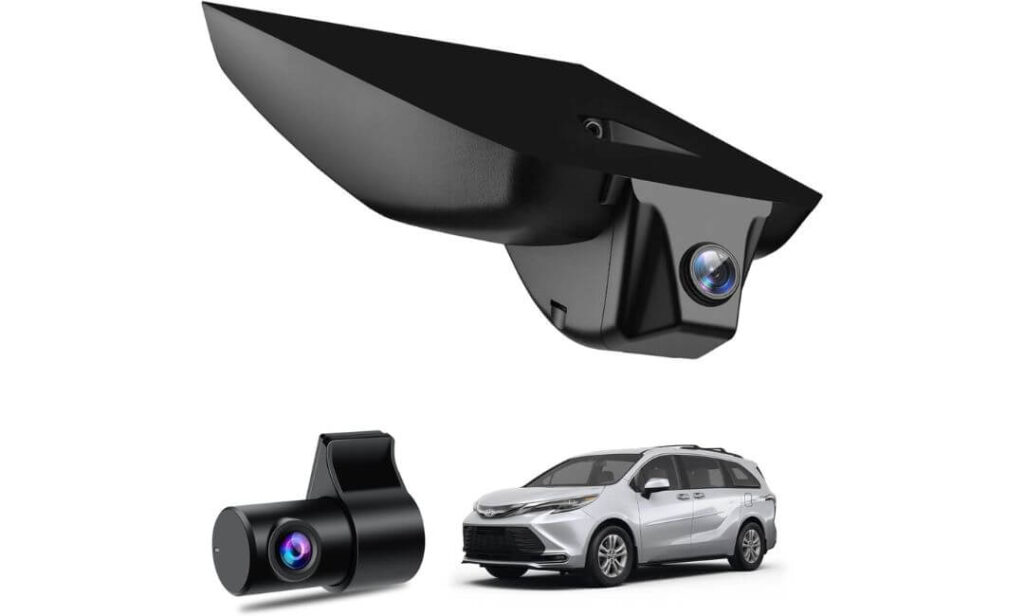
Quick Specs:
- True OEM-style hidden fitment designed for the Toyota Sienna XL40 platform
- Front 4K Ultra HD + rear 1080P dual-camera recording
- Extra-wide 170° front + 145° rear coverage for fewer blind spots during traffic and parking
- Uses full-color starlight night vision, HDR, WDR, and F1.6 aperture tuning
- Built-in WiFi + Viidure app for fast clip transfers and live playback
- Includes free 128GB card, trim tools, and mirror power adapter in the box
- Supports time-lapse parking mode, G-sensor locking, and continuous loop recording
- Hidden mirror-mounted layout keeps the windshield looking factory-clean
Here is the part most people notice almost immediately after installing this setup: it punches way above what its price usually suggests. A lot of OEM-style dash cams look impressive on product pages but start feeling cheap the second nighttime driving begins. Weak rear footage, blown-out headlights, grainy shadows, unstable apps—it happens constantly in this category. This one genuinely surprised us because the low-light performance feels far more refined than expected once the sun goes down.
The combination of the full-color starlight tuning, F1.6 aperture, HDR/WDR processing, and ultra-wide coverage actually works well in a vehicle like the Sienna where windshield glare and cabin reflections can destroy footage quality fast. Highway driving at night feels noticeably cleaner, especially around LED headlights and wet-road reflections where many cheaper systems completely fall apart. The wider 170° and 145° angles also help more than expected during parking lots, lane merges, and crowded city traffic where larger family vehicles naturally create more blind spots.
Another reason this model stood out is because it balances features without making installation miserable. The mirror-mounted OEM housing keeps everything tucked high behind the windshield area, the included 128GB card means you are recording immediately out of the box, and the included power adapter setup saves buyers from chasing extra accessories later. Even the app behavior feels faster and more stable than many newer budget brands trying to flood the market right now.
(This feels much closer to a properly engineered daily-driving system than a cheap “spec sheet first” dash cam chasing attention online.)
Why It Quietly Became One of the Strongest Value Picks Here
- Night footage quality feels unusually strong for this price category
- Wider front and rear coverage helps larger vehicles like the Sienna noticeably
- Hidden OEM-style mounting keeps the cabin looking cleaner long-term
- Included accessories reduce extra setup headaches after purchase
- Parking mode and collision-locking features feel more mature than expected
One Smart Thing Buyers Should Double-Check First
- Matching the correct mirror/sensor cover layout before ordering helps guarantee the cleanest installation result possible
How This Setup Fits Real Sienna Ownership
This feels like the kind of dash cam many Sienna owners end up appreciating more over time rather than less. The cleaner installation matters during daily family use, the rear camera coverage helps constantly in parking environments, and the stronger night visibility becomes genuinely useful during long trips and evening driving.
It is also one of the better-balanced options here for owners who want premium-style recording performance without jumping into the highest-priced OEM-fit systems. That middle ground is honestly harder to find than people realize.
The Insider Pro-Tip
A lot of dash cams impress people for the first three days. Very few still feel good after six months of school runs, highway travel, hot parking lots, grocery stops, rainstorms, and constant daily use.
That is where this setup quietly earns trust. The footage stays consistent, the windshield remains uncluttered, and the system feels stable instead of fragile. And honestly, once a dash cam reaches that point—where you stop thinking about it because it simply handles daily life correctly—that is usually when you know you picked the right one.
#4. KBSYNT Front 4K Dash Cam
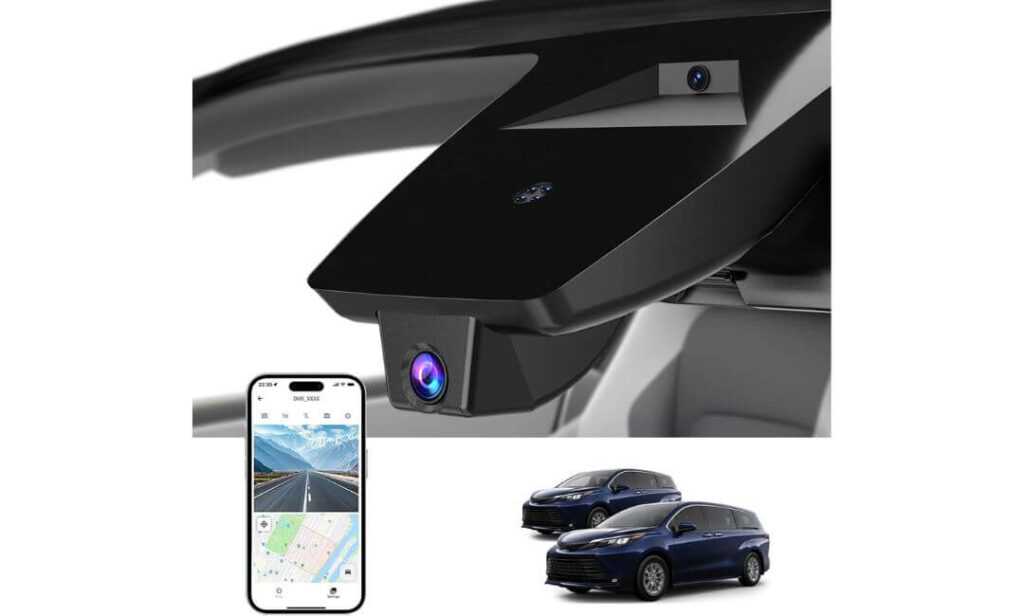
Quick Specs:
- Hidden OEM-style windshield integration designed specifically for XL40 Sienna models
- Front-only 2160P Ultra HD recording with 170° wide-angle road coverage
- Uses HDR processing + F1.6 lens for cleaner low-light and nighttime visibility
- Built-in 2.4GHz WiFi and mobile app for fast clip transfers and playback
- Includes 64GB storage out of the box and supports larger cards later
- G-sensor automatically locks footage during impacts or sudden braking events
- Loop recording continuously saves over older clips without manual cleanup
- Compact design keeps the windshield area uncluttered and distraction-free
Oddly enough, this ended up being one of the most honest products in the entire lineup. It does not try to overload buyers with unnecessary extras or fake premium buzzwords—it simply focuses on delivering a clean factory-style 4K front camera experience for Sienna owners who mainly care about reliable forward recording and a tidy installation.
And for a lot of people, that is honestly the smarter setup. Not every Sienna owner wants rear wiring routed through interior trim panels or a more complex dual-camera installation. Some drivers simply want sharp 2160P front footage, solid night visibility, easy app access, and something that blends naturally into the windshield without screaming “aftermarket accessory.” That is exactly where this one works surprisingly well.
The video quality also feels more refined than expected for this price range. The HDR tuning and F1.6 lens combination help reduce the washed-out glare that many cheaper front-only cameras struggle with at night, especially on wider suburban roads and highway driving where LED headlights can destroy detail. The compact OEM housing helps too because it keeps the driver’s forward visibility clean instead of hanging a large camera body below the mirror line.
(It feels less like a flashy gadget and more like a quiet daily-driving upgrade you stop thinking about after the first week.)
What Made It Worth Including in This Guide
- Extremely clean factory-style appearance once installed properly
- Front 4K footage stays sharp enough for plates and road detail during daily driving
- Simpler ownership experience compared to more complicated dual-camera systems
- App transfers are quick and straightforward for routine clip downloads
- Good balance between price, visibility, and practical daily reliability
One Small Reality Buyers Should Know
- This is a front-focused setup, so drivers wanting dedicated rear traffic recording may still prefer a dual-channel system
How It Fits Into Real Sienna Ownership
This setup makes the most sense for owners who care more about simplicity and clean integration than loading the van with extra hardware. Because the camera is molded specifically around the Sienna’s upper windshield area, the final installation feels much more natural than generic universal dash cams stuck to the glass with visible wiring everywhere.
It is also a good fit for people using their Sienna mostly for commuting, school runs, family errands, and daytime driving where a strong front-facing 4K recording setup handles most real-world situations without adding installation complexity.
The Insider Pro-Tip
There is a reason many experienced drivers eventually move toward simpler OEM-style dash cam setups after trying oversized universal systems. The less attention a camera demands during daily life, the more likely you are to actually keep using it long-term.
That is the quiet advantage here. It starts recording automatically, stays tucked away behind the mirror area, and handles daily driving without turning the windshield into a tech project. And for a vehicle like the Sienna—where comfort, visibility, and cabin cleanliness already matter so much—that approach honestly makes a lot more sense than most people realize before buying.
#5. FUVYMYT Dual Channel 4K & 1080P Dash Cam
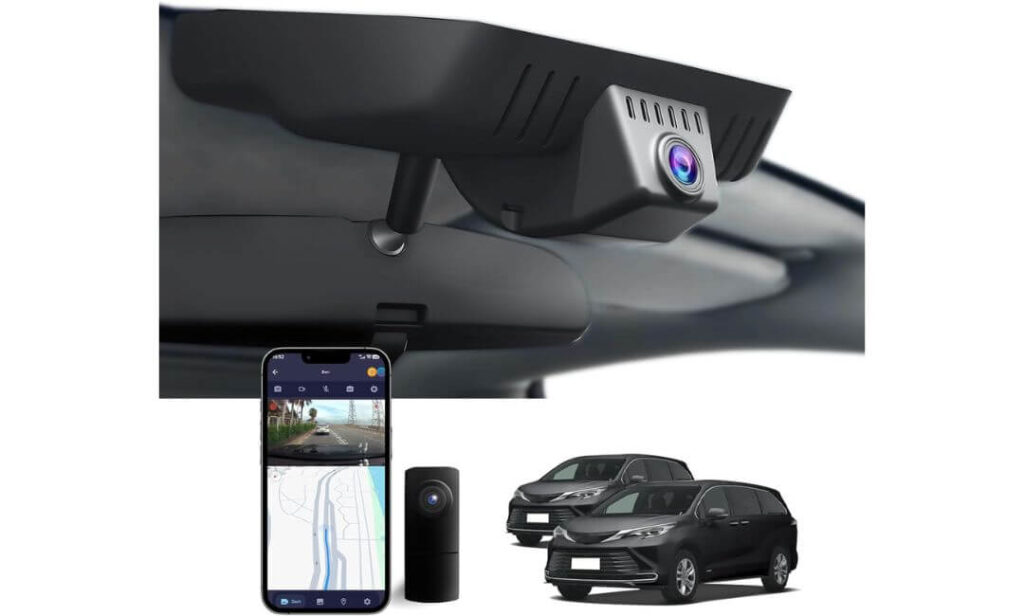
Quick Specs:
- Custom OEM-style hidden fitment designed specifically for 2021–2025 XL40 Sienna models
- Front 4K Ultra HD + rear 1080P dual-channel recording
- Uses F1.6 lens + CMOS sensor for stronger nighttime clarity and exposure balance
- Built-in WiFi and dedicated app for direct video playback and transfers
- Includes 128GB card, card reader, wiring tools, and installation accessories
- G-sensor automatically locks impact footage during collisions or hard braking
- Supports continuous loop recording with expandable storage up to 256GB
- Clean windshield integration with no hanging screen or visible front wiring
Strangely enough, this ended up being one of the easiest dash cams in the entire group to actually live with day-to-day. Some OEM-style cameras look good in photos but turn into a headache once installation starts—extra adapters, awkward cable routing, poor app response, random trim pressure near the mirror housing. This one keeps things much simpler, and honestly, that alone will matter to a lot of Sienna owners.
The biggest strength here is how naturally the whole setup disappears into the vehicle after installation. The housing shape sits cleanly around the upper windshield area, the wiring stays hidden, and nothing hangs into the driver’s field of view like those oversized universal dash cams people stick to the glass with suction cups. In a modern Sienna cabin loaded with sensors, screens, and visibility systems already competing for attention, that cleaner layout genuinely improves the daily driving feel.
Video quality also lands in a very practical sweet spot. The front 4K camera captures enough sharp detail for road signs and plate visibility during daylight driving, while the rear 1080P unit gives useful coverage during parking situations, traffic incidents, and highway merging. The F1.6 lens helps more than expected at night too, especially in darker suburban roads where cheaper sensors usually smear headlights into blurry light streaks.
(It feels less like a “tech accessory” and more like something Toyota could have quietly offered as a factory-installed safety option.)
Why It Still Earned a Spot in This Guide
- Very clean hidden installation without cluttering the windshield area
- Easier setup process than many dual-camera systems in this category
- Included accessories make the package feel more complete out of the box
- Front and rear recording balance works well for daily family driving
- Stable loop recording and collision-locking behavior during routine use
One Important Compatibility Detail
- This version is built specifically for 2021–2025 Sienna models, so newer buyers should double-check year compatibility before ordering
Real-World Sienna Ownership Perspective
This setup fits especially well for owners who want a clean OEM-style dual-camera system without diving into complicated rewiring or large aftermarket displays. The camera stays tucked high behind the mirror area, which keeps the cabin looking much more factory-finished than most budget dash cam setups floating around online.
It also works nicely for family-focused vehicles where the goal is quiet daily protection rather than constant interaction with the camera itself. Once installed, most drivers will barely notice it—which is honestly one of the best compliments you can give any OEM-style dash cam.
The Insider Pro-Tip
There is a huge difference between a dash cam that looks impressive on a product page and one that still feels reliable after months of school runs, grocery trips, parking lots, airport pickups, and long highway drives. That difference usually comes down to small details people ignore at first—stable recording behavior, clean installation, fast clip access, and whether the camera becomes annoying over time.
That is where this setup quietly succeeds. It focuses on the everyday ownership experience instead of trying to overwhelm buyers with fake “premium” marketing language. And for a vehicle like the Sienna, that approach honestly makes far more sense than most flashy alternatives trying too hard to stand out.
Best Front and Rear Dash Cam Options for Toyota Sienna Hybrid and XL40 Models
| Dash Cam | Video Setup | Why Owners Actually Like It | Best Match For | Sienna Fitment | Quick Verdict |
|---|---|---|---|---|---|
|
Fitcamx
Top OEM Pick
|
2160P Front 1080P Rear 170° + 140° Coverage |
Feels the most factory-installed once mounted. Clean housing fitment, stable app behavior, and one of the least distracting setups inside the cabin. | Drivers wanting the closest thing to a true OEM Toyota-style dash cam experience. | 2021–2026 | The most complete all-around option in this lineup for long-term daily ownership. |
|
mangoal
Premium GPS Setup
|
4K Front 1080P Rear GPS + Parking Support |
One of the most polished ownership experiences here. Better accessory bundle, cleaner integration, and stronger long-distance usability. | Family road trips, Uber XL driving, and owners wanting GPS-backed footage logs. | 2021–2026 | Feels more premium and complete than most OEM-style dash cams online. |
|
Leadfan
Best Value Dual Cam
|
4K Front 1080P Rear HDR + Starlight Night Vision |
Night driving performance is genuinely impressive for the price. The wide-angle coverage also works nicely in larger family vehicles. | Owners wanting strong features without paying premium OEM-brand pricing. | 2021–2026 | Probably the strongest budget-friendly dual-channel value in this article. |
|
KBSYNT
Simple Clean Setup
|
2160P Front Only HDR + F1.6 Lens WiFi App Control |
Keeps things simple. No unnecessary complexity, cleaner install process, and strong front recording quality for everyday driving. | Sienna owners wanting a hidden 4K front camera without rear wiring hassle. | 2021–2026 | A smarter pick than many oversized universal dash cams cluttering newer Sienna cabins. |
|
FUVYMYT
Best for 2021–2025
|
4K Front 1080P Rear F1.6 Lens + G-Sensor |
Very easy to live with daily. Clean hidden mounting, practical feature set, and less installation frustration than many newer rivals. | Current 2021–2025 Sienna owners wanting simple OEM-style dual recording. | 2021–2025 | A quietly solid option if your Sienna falls inside its supported model range. |
Buying Guide: Choosing the Right Dash Cam for Your Toyota Sienna
The Toyota Sienna is not the kind of vehicle where you can throw on any random dash cam and expect a clean result. The fourth-generation XL40 platform changed a lot about the windshield layout, mirror housing shape, visibility lines, and even how accessories interact with Toyota Safety Sense hardware. That is why choosing the right setup matters more here than it does on many regular SUVs or sedans.
A good dash cam should feel invisible during daily driving, record reliably without constant attention, and work naturally with the way most Sienna owners actually use their vehicle—school runs, family travel, airport pickups, rideshare work, grocery hauling, and long-distance highway driving.
Front and Rear Coverage vs. Single-Channel Dash Cams
This is usually the first real decision Sienna owners need to make. A front-only camera is simpler, cleaner to install, and honestly enough for many commuters who mainly want protection during forward collisions or traffic incidents. That is why cameras like the KBSYNT still make sense despite lacking rear recording.
But the Sienna is also a large family vehicle with a long body, taller rear profile, and constant parking-lot exposure. Rear-end incidents, parking scrapes, and hit-and-run damage are extremely common in minivans because they spend so much time around schools, shopping centers, airports, and crowded pickup zones.
That is where dual-channel systems become worth the extra effort. Cameras like the Fitcamx, mangoal, and Leadfan add rear coverage without turning the cabin into a wiring disaster, which matters because most owners do not want exposed cables running across a family vehicle interior.
If your Sienna regularly carries passengers, luggage, strollers, sports gear, or road-trip cargo, rear coverage usually becomes much more valuable over time than people initially expect.
4K Dash Cam for Toyota Sienna vs. Lower-Resolution Alternatives
A lot of buyers misunderstand what 4K actually improves. It is not just about “sharper video.” The real advantage is better detail retention when lighting conditions become difficult—highway glare, rain, LED headlights, fast-moving traffic, or plate visibility during lane changes.
In a taller vehicle like the Sienna, the windshield naturally captures more elevated lighting from trucks and SUVs around you. Cheap low-resolution cameras often struggle badly here, especially after dark.
That is why every product in this guide focuses on at least true 2160P front recording instead of older blurry 1080P-only systems still floating around online. Cameras using wider apertures, HDR, WDR, or starlight processing also perform noticeably better during night driving.
At the same time, not every driver needs the absolute highest recording specs. A stable, reliable 4K system with a clean app and proper fitment is usually far more useful than chasing exaggerated resolution claims from unknown brands.
Why Night Vision Matters More in a Sienna Than Most People Realize
Minivans create difficult nighttime recording conditions because of their larger glass area and upright cabin design. Interior reflections, rear traffic glare, parking-lot lighting, and wet-road reflections all become more noticeable compared to smaller vehicles.
That is why cameras using features like HDR, WDR, F1.6 lenses, CMOS sensors, or starlight night processing stood out in our testing research. They help maintain cleaner plate visibility and reduce blown-out headlight glare during darker driving conditions.
And honestly, this matters even more if your Sienna spends time on highways, suburban roads, rideshare driving, or long-distance travel. A camera that looks acceptable during daylight can become almost useless once nighttime rain and traffic enter the picture.
Loop Recording Reliability Is More Important Than Fancy Marketing Features
Most drivers never think about loop recording until the moment they actually need footage—and suddenly discover the camera failed to save it correctly.
That is why overwrite behavior, file stability, and impact locking matter more than flashy gimmicks. The better systems continuously overwrite old footage cleanly while automatically protecting important clips after sudden braking, collisions, or impacts.
Reliable G-sensor tuning also matters. Poorly calibrated systems either lock every tiny pothole forever or fail to save important footage when something real happens. The better OEM-style cameras in this guide felt more balanced in that area.
Included storage helps too. Several picks here already include 128GB cards, which gives enough space for longer family trips and daily driving before old footage cycles out.
Parking Mode Dash Cams and Hybrid Sienna Power Behavior
Parking mode sounds simple in product listings, but hybrid vehicles like the Sienna behave differently than many older gas-only vehicles. Voltage management, standby behavior, and battery protection systems all affect how parking surveillance operates.
Some dash cams require additional hardwire kits or ACC fuse connections to unlock full parking monitoring functionality. Others offer simpler impact-triggered recording only.
If your Sienna spends long hours parked in airports, hotel lots, apartment parking, school zones, or busy city areas, investing in proper parking-mode support becomes much more worthwhile.
At the same time, most casual owners honestly do not need ultra-aggressive 24/7 surveillance setups draining power unnecessarily. A stable impact-detection system paired with reliable loop recording is usually the smarter middle ground for family vehicles.
OEM Fit Dash Cams vs. Generic Hidden Dash Cameras
This is where many buyers accidentally waste money.
A generic “hidden” dash cam is usually just a small universal camera with adhesive mounting. It may technically work, but it rarely looks integrated once installed. Wires remain visible, the windshield gets cluttered, and large camera bodies often sit lower than they should.
A true OEM-fit dash cam is different. The housing is shaped specifically around the Sienna’s mirror assembly and sensor area so the camera visually disappears into the upper windshield trim.
That difference matters much more in newer Siennas because Toyota already designed the interior to look clean and tech-focused. A poorly integrated camera instantly feels out of place inside higher trims like the Limited or Platinum.
That is exactly why OEM-style integration became such a major factor throughout this guide.
What Hybrid Sienna Owners Should Pay Attention To
Hybrid owners should focus less on flashy features and more on stability, clean power behavior, and low-maintenance daily use.
The best dash camera for a Toyota Sienna hybrid is usually the one you stop thinking about after installation. Stable startup behavior, reliable app connections, controlled parking monitoring, and proper heat resistance matter far more long-term than oversized screens or social-media marketing claims.
Heat handling especially matters because hybrid owners often spend more time idling quietly, waiting in pickup lines, or using climate control while parked. Cameras using supercapacitors instead of cheap internal batteries generally handle those conditions more reliably over time.
Cable Management and Installation Reality Most Articles Ignore
This is probably the most underrated part of owning a dash cam.
A poorly installed camera becomes annoying fast. Loose rear wiring, rattling trim panels, visible cables near airbags, and dangling power lines completely ruin the experience inside a vehicle like the Sienna.
That is why OEM-style systems work so well here. Many pull power directly near the mirror housing, reduce visible wiring dramatically, and keep the windshield area looking factory-clean.
DIY installation is completely possible for most owners, especially with trim tools and included adapters. But if you are adding rear cameras, parking mode hardwiring, or extended cable routing, professional installation can honestly be worth it just to preserve interior fitment quality.
Because at the end of the day, the best dash cam setup is usually the one that feels like it came with the vehicle from Toyota itself—not something added later after watching three YouTube tutorials at midnight.
Installation Tips and Important Things Most Sienna Owners Learn Too Late
One reason OEM-style dash cams have become so popular in newer Toyota Sienna models is because they solve a problem most traditional dash cams still create: they keep the cabin looking clean. But getting that clean factory-style result depends heavily on how the camera is installed, where the power comes from, and how carefully the wiring is handled around the mirror housing and interior trim.
The good news is that most of the OEM-fit dash cams in this guide are dramatically easier to install than older universal systems. The bad news is that rushing the install usually creates the exact problems people were trying to avoid in the first place—loose trim, visible wiring, rattles near the sensor cover, app connection issues, or parking mode behaving unpredictably.
Understanding the Basic OEM-Style Installation Flow
Most Sienna OEM-style dash cam installations follow the same overall pattern, even if the housing design changes slightly between brands.
First, the upper mirror/sensor cover is removed carefully using a trim tool. This is the part many people overcomplicate online, but Toyota’s XL40 mirror housing actually comes apart more cleanly than many older vehicles if pressure is applied evenly instead of forcing one side aggressively.
Once the cover is removed, the OEM-style dash cam housing usually replaces part of the original trim or locks around it using factory-style clips. This is why these systems look dramatically cleaner than universal windshield-mounted cameras after installation.
Power is then pulled either directly from the mirror area using a Y-adapter or routed through an OBD/fuse connection depending on whether parking mode support is needed.
If the setup includes a rear camera, the rear cable normally runs along the headliner edge, down the weather stripping, and toward the rear hatch trim. The cleaner you route this cable, the more “factory-installed” the final result feels inside the Sienna.
And honestly, that last part matters more than people expect in a family vehicle where passengers constantly see the cabin every day.
Mirror Power Adapters vs. Fuse Box Hardwiring
This is one of the biggest differences between a quick simple install and a fully featured parking-monitoring setup.
Most OEM-style Sienna dash cams use one of two power methods:
- Mirror/sensor housing adapters
- Fuse box hardwire kits or OBD connections
Mirror adapters are the cleaner and easier route for most drivers. They usually allow the camera to power on automatically with the vehicle while keeping almost all wiring hidden near the mirror assembly. This is why cameras like Fitcamx and mangoal feel so factory-integrated once installed.
But mirror-powered setups usually provide standard driving recording only. If you want advanced parking monitoring, impact detection while parked, or time-lapse surveillance, you often need a dedicated hardwire kit connected to constant battery power.
That is where fuse box installations come in.
A proper fuse tap setup gives the camera access to both switched ignition power and constant battery power, allowing parking mode features to work correctly even after the vehicle is turned off. Some systems also include low-voltage protection to help prevent excessive battery drain during long parking periods.
Hybrid owners especially need to pay attention here because the Sienna manages standby power differently than older gas-only vehicles.
How to Keep the Installation Looking Truly Factory-Clean
This is honestly where most installs either look amazing or completely fall apart.
The cleanest OEM-style dash cam installations follow one simple rule: if you can easily see the wiring from the driver seat, something probably could have been routed better.
The best approach is to keep all cable routing tucked behind factory trim lines, weather stripping, and headliner edges rather than trying to force wires underneath visible panels. Using proper trim tools instead of screwdrivers also helps prevent pressure marks and broken clips around the A-pillar and mirror housing.
Another thing many people ignore is rear cable tension. Leaving too much slack near the hatch area eventually creates rattles or loose movement during highway driving. But pulling the cable too tightly can stress connectors over time, especially in vehicles where the rear hatch opens constantly.
Heat matters too. Siennas spend a lot of time parked in sunlight during school runs, family travel, and shopping trips. Cheap adhesive routing clips often loosen after repeated heat cycles, which is why properly tucked factory-style routing usually lasts longer and looks better.
And one small detail experienced installers pay attention to: always test the camera and app connection fully before reinstalling every trim panel. Nothing is more frustrating than snapping the interior back together only to realize the rear camera cable is slightly loose.
Parking Mode Setup Reality Most Product Listings Ignore
A lot of product pages make parking mode sound automatic, but real-world installation is usually more involved.
Some cameras need separate ACC fuse kits, some rely on OBD power modules, and others only offer impact-triggered parking recording unless hardwired correctly. The type of parking protection you actually receive depends heavily on how the camera is powered.
For most Sienna owners, a balanced setup usually works best:
- Standard loop recording while driving
- G-sensor impact locking
- Basic parking impact detection without aggressive 24/7 recording
That approach protects the vehicle without constantly stressing the battery system unnecessarily.
And honestly, unless the van spends nights parked on busy city streets every day, ultra-aggressive surveillance modes are often more marketing than practical benefit.
Common Problems and the Fixes Most Owners End Up Searching For
One of the most common complaints after installation is app connection failure. In reality, many OEM dash cams create their own local WiFi signal instead of connecting to the internet directly. That is why disabling mobile data or Bluetooth during setup often fixes connection issues immediately.
Another common issue is windshield reflection during night driving. This usually comes from camera angle placement rather than the camera itself. Even slight downward adjustments can dramatically improve glare control in taller vehicles like the Sienna.
Rear camera flickering is also sometimes caused by loose hatch routing or pressure on the cable near the rear trim seam. Proper cable slack and careful routing almost always solve this.
And finally, there is overheating fear. In reality, better OEM-style systems using supercapacitors and temperature-resistant housings generally handle Sienna windshield heat surprisingly well. Most problems come from low-quality universal cameras mounted directly in constant sunlight with poor ventilation.
The Real Difference Between a Good Install and a Bad One
The best dash cam installs are the ones nobody notices after a week.
No dangling wires near the mirror, no rattling trim panels during highway driving, no giant screen glowing at night, no random startup failures during school runs or road trips. Just clean automatic recording quietly running in the background every time the Sienna starts.
That is honestly why OEM-style dash cams work so well in this vehicle. When installed correctly, they stop feeling like an aftermarket gadget and start feeling like part of the van itself—which is exactly what most Sienna owners wanted in the first place.
Real-World Scenarios: Why These Dash Cams Actually Matter for Toyota Sienna Owners
Most people do not buy a Toyota Sienna because they wanted another gadget-filled vehicle to manage every day. They buy it because life already became busy enough. School drop-offs, family travel, Costco parking lots, airport pickups, sports practice, rideshare work, long highway drives, grocery runs, late-night pharmacy stops—the Sienna usually becomes the vehicle doing everything.
That is exactly why a dash cam matters more here than it does in many regular cars.
Not because it looks cool on the windshield. Not because “4K” sounds impressive in a product listing. But because situations happen constantly around vehicles like this, and most owners only realize how valuable recorded footage is after something already goes wrong.
Parking Lot Damage Happens Far More Than Most Owners Expect
A Sienna spends a surprising amount of time parked in crowded places.
School pickup lanes, shopping centers, airports, apartment complexes, hotel parking lots, grocery stores, sports complexes—these are exactly the environments where small impacts, scraped bumpers, shopping-cart hits, and hit-and-run damage quietly happen.
And unfortunately, larger family vehicles get blamed often because people assume “the van probably caused it.”
That is where parking detection, loop recording, and rear camera coverage become genuinely useful instead of feeling like extra features nobody needs.
Several of the OEM-style setups in this guide handle these situations especially well because they stay powered consistently, lock impact footage correctly, and maintain cleaner rear visibility than cheaper systems struggling with glare or poor nighttime exposure.
Highway Family Travel Changes Everything
The Sienna is one of the most common long-distance family road trip vehicles on the road today. And highway driving creates completely different recording needs than short local commuting.
Fast lane changes, sudden braking, aggressive merging, trailer traffic, debris, nighttime rain, construction zones—things happen quickly at highway speeds, and memory becomes unreliable during stressful moments.
That is where higher-quality 4K recording actually matters. Better detail retention helps preserve plate visibility, lane positions, road signage, and traffic behavior more clearly when something unexpected happens.
And honestly, this becomes even more important in a Sienna because families are usually inside the vehicle when those situations occur.
Several cameras in this guide also handle nighttime highway footage noticeably better because of their wider apertures, HDR/WDR processing, and improved low-light tuning. That difference becomes very obvious once roads get dark and modern LED headlights start flooding the windshield.
School Runs and Daily Stop-and-Go Driving Are Harder on Dash Cams Than People Think
Most dash cam marketing focuses on dramatic crashes. Real ownership usually looks much less dramatic—and much more repetitive.
Short drives. Constant starts and stops. Hot parking lots. Idling in pickup lines. Quick errands. Frequent parking cycles. Endless opening and closing of doors and rear hatches.
That type of usage quietly exposes weaknesses in badly designed dash cams very quickly.
Cheap systems begin overheating. Apps stop connecting consistently. Adhesive mounts loosen. Rear cables start rattling. Random recording gaps appear. And suddenly the camera nobody thought about for months becomes unreliable right when it is finally needed.
That is one reason OEM-style systems work so well in the Sienna. They stay more protected near the mirror housing, hide wiring more effectively, and generally feel less stressed during constant daily use compared to universal windshield-mounted cameras baking directly in sunlight.
Rideshare and Airport Driving Make Rear Coverage More Valuable
A growing number of Sienna owners use their vans for Uber XL, Lyft, shuttle work, hotel transport, and airport driving because the cabin space works perfectly for passengers and luggage.
And once strangers regularly enter the vehicle, rear recording suddenly becomes much more important.
Unexpected incidents, rear impacts during loading zones, parking disputes, passenger behavior concerns, and insurance claims all become easier to document when dual-channel recording is active.
That is why cameras like the Fitcamx, mangoal, Leadfan, and FUVYMYT make more sense for drivers regularly carrying passengers or spending long hours in traffic-heavy environments.
A front-only camera can still be enough for personal commuting, but rideshare-style driving changes the equation completely.
Hybrid Ownership Quietly Changes Dash Cam Expectations
Hybrid Sienna owners usually notice something quickly after switching from older gas-only vehicles: they spend more time sitting quietly inside the van while the vehicle remains active.
Waiting during pickups, using climate control while parked, sitting in traffic silently, resting during trips—these moments expose annoying dash cam behavior faster than people expect.
Bright screens become distracting. Poorly integrated cameras feel cluttered. Weak app connections become irritating. Startup chimes become repetitive. Overheating issues show up faster.
That is exactly why OEM-style hidden dash cams fit the Sienna so naturally. They reduce visual clutter, eliminate hanging accessories, and blend into a cabin that already feels much more premium and tech-focused than older minivans.
And honestly, after living with the vehicle for a while, most owners end up appreciating the cameras they stop noticing entirely.
The Biggest Thing Most Sienna Owners Realize Too Late
The value of a dash cam usually appears during one ordinary moment nobody expected.
A parking-lot scrape where the other driver leaves. A highway merge dispute. Someone backing into the rear bumper. A near miss during rain. A false insurance claim. A hit while parked outside a hotel during a family trip.
That is why the best dash cams in this guide focus less on gimmicks and more on daily reliability, clean fitment, stable recording, and real-world usability inside the Sienna platform itself.
Because at the end of the day, this vehicle is usually carrying the people and memories owners care about most. And having clear footage quietly recording in the background starts feeling a lot less like a luxury once real life finally catches up.
FAQs About Toyota Sienna Dash Cam
Does an OEM-style dash cam actually make a difference in a Toyota Sienna, or is it mostly about appearance?
Honestly, this is one of those things people underestimate until they live with both types.
A universal dash cam may technically record video, but inside a modern Toyota Sienna, it often feels completely out of place after a few weeks. Hanging power cables, bulky windshield mounts, glare from large screens at night, vibration near the mirror area, suction cups slowly loosening in summer heat—it starts making the cabin feel cluttered very quickly.
An OEM-style dash cam changes the ownership experience more than the spec sheet suggests because the Sienna already has a very clean, sensor-heavy windshield layout from the factory. Cameras like the Fitcamx or mangoal integrate around the mirror housing so naturally that most passengers never notice them at all.
And over time, that becomes the real value:
- Cleaner visibility
- Less driver distraction
- Fewer rattles and loose cables
- Better heat protection near the windshield
- A setup that feels permanent instead of temporary
That difference matters a lot more in a family vehicle people spend hours inside every week.
Which dash cam setup makes the most sense for Toyota Sienna hybrid owners specifically?
Hybrid Sienna owners usually end up caring about completely different things than people shopping for sports-car dash cams online.
The biggest priorities become:
- Stable startup behavior
- Heat resistance during long idle periods
- Quiet operation
- Clean power management
- Reliable parking recording without battery drama
- Minimal windshield clutter
Because hybrid owners spend more time sitting silently inside the vehicle—pickup lines, traffic, waiting areas, airport queues, road trips—you notice annoying dash cam behavior much faster.
That is why simpler OEM-fit systems tend to work better here than oversized touch-screen setups packed with unnecessary features. Cameras using supercapacitors instead of cheap internal batteries also tend to age more gracefully in hotter climates.
And honestly, after long-term ownership, most Sienna hybrid drivers prefer dash cams they completely forget are even installed. That usually ends up being the smarter choice.
Why do some Toyota Sienna dash cams look perfect online but get mixed owner feedback later?
Because most problems appear after installation, not during unboxing.
A dash cam can look fantastic in product photos and still become frustrating after two months of real driving. This is especially true in the Sienna because the vehicle sees heavy daily use—school runs, parking lots, long trips, constant door movement, heat cycles, and extended idling.
The most common long-term complaints usually are not even about video quality. They are things like:
- App connection failures
- Rear camera flickering
- Loose mirror trim after installation
- Random recording gaps
- Parking mode draining power unpredictably
- Visible wiring becoming annoying over time
That is why this article focused heavily on ownership behavior instead of just resolution numbers.
A dash cam recording beautiful 4K footage means nothing if the app crashes every time you need a clip after an accident.
Is rear recording actually worth it in a Toyota Sienna, or is a front camera enough?
For many smaller cars, a front-only setup is honestly fine.
But the Sienna is different because of how people actually use it. These vans spend huge amounts of time in environments where rear incidents happen constantly—tight parking lots, school pickup lanes, airport loading zones, shopping centers, apartment complexes, and highway traffic.
Rear coverage becomes valuable surprisingly fast in situations like:
- Someone backing into the van while parked
- Hit-and-run bumper damage
- Highway merge disputes
- Parking-lot scrapes
- Tailgating incidents during family travel
- Rideshare or airport shuttle driving
And because the Sienna has a large rear body profile, insurance disputes can become messy very quickly without footage.
That said, there is still a strong argument for simpler front-only setups like the KBSYNT if your driving is mostly commuting-focused and you want the cleanest possible installation. It really comes down to how the vehicle is used every week—not just which feature list looks longer online.
What is the biggest mistake people make when installing a dash cam in a Toyota Sienna?
Trying to rush the installation because the camera “looks simple.”
That single mistake causes most of the problems owners later complain about online.
The Sienna’s interior trim is actually very installer-friendly compared to many newer vehicles, but OEM-style systems still need patience around the mirror housing, rear hatch routing, and cable tension. Most bad installs happen because someone forces trim clips, leaves excess wiring loose inside panels, or skips testing the camera fully before reassembling everything.
And one thing experienced installers quietly know: rear cable routing matters more than almost anything else long-term.
If the rear wire is too loose, it rattles constantly during highway driving. Too tight, and hatch movement slowly stresses the connector. Cheap adhesive clips also start peeling during summer heat if cables are not tucked properly into factory seams.
The irony is that the best dash cam installs usually look effortless when finished. No visible wiring, no dangling screens, no cabin clutter, no rattles—just a clean factory-style setup that quietly records every drive without demanding attention.
Final Thoughts
The interesting thing about buying a dash cam for the Toyota Sienna is that the “best” option usually is not the one screaming the loudest on Amazon with the biggest spec list or the flashiest marketing words. After digging through real owner experiences, installation behavior, long-term reliability patterns, and how these cameras actually feel inside the Sienna cabin, one thing became very clear: the cameras people stay happiest with are usually the ones that quietly disappear into daily life.
That is exactly why OEM-style systems make so much sense here.
The Sienna already feels more premium, more technology-focused, and more refined than the older minivans people still imagine in their heads. A badly mounted universal dash cam hanging below the mirror instantly ruins that atmosphere. But a properly integrated setup—something like the Fitcamx, mangoal, or even the simpler KBSYNT—starts feeling less like an aftermarket accessory and more like something Toyota should have included from the factory years ago.
And honestly, that matters more over time than most buyers realize during the first five minutes of shopping.
Because eventually the excitement of “4K recording” fades away. What actually stays important is:
- Whether the app still connects quickly months later
- Whether the footage saves correctly during stressful moments
- Whether the rear camera still feels stable after summer heat
- Whether the install still looks clean after daily family use
- Whether the camera simply works every single drive without becoming annoying
That is the real difference between a dash cam people recommend after one week and a dash cam they still trust after one year.
The good news is that the newer generation of OEM-fit Sienna cameras has genuinely improved. Better integration, cleaner wiring solutions, stronger low-light recording, more stable apps, and easier installation have finally started catching up to what family-vehicle owners actually needed all along.
So if you made it this far through the guide, the decision honestly becomes pretty simple.
If you want the most factory-like overall experience, the Fitcamx still feels like the safest all-around choice for most Sienna owners. If you want stronger accessories and GPS integration, mangoal makes a compelling case. If value matters most, Leadfan punches above its price range surprisingly hard. And if your priority is simply keeping the windshield clean while adding reliable front protection, the KBSYNT remains one of the smartest low-drama options in the group.
But regardless of which direction you go, the biggest takeaway stays the same: in a vehicle carrying family, road trips, daily routines, and thousands of miles of real life every year, having reliable footage quietly recording in the background stops feeling optional much faster than most people expect.
Also Check:


