
6 Best Batteries for Subaru Ascent in 2026: Stronger Starts, Better Reserve Power, Less Trouble
If you’ve spent even a few weeks researching Subaru Ascent batteries, you’ve probably noticed something frustrating: half the internet still recommends the old Group 35 setup, while newer Ascents are quietly moving toward larger 24F AGM batteries. That matters more than most owners realize. The Ascent is packed with electronics, safety systems, and auto start-stop tech that can drain a weak battery faster than older Subaru SUVs ever did.
After digging through owner reports, fitment data, AGM specs, and newer 2024–2026 battery revisions, one thing became clear — most newer Subaru Ascent models simply perform better with a stronger 24F AGM battery offering higher reserve capacity and more reliable cold starts. Older 2019–2023 models still commonly use Group 35 batteries, but many owners upgrade after dealing with slow cranks, random warning lights, or batteries that struggle in extreme weather.
That’s exactly why this list focuses on real-world fitment, reserve power, AGM reliability, and actual compatibility instead of random Amazon rankings. Every battery below was selected around the sizes Subaru Ascent owners are actually using today: 24F AGM, Group 35 AGM, and a smaller H5/LN2 AGM option for certain newer trims. If you want a battery that starts the Ascent confidently in winter, handles stop-start traffic without drama, and doesn’t leave you second-guessing reliability two years later, these are the ones worth looking at.
Best Subaru Ascent Battery: Top 2026 Picks for Start-Stop SUVs & Heavy Electronics
#1. Interstate Batteries MTX-24F AGM Automotive Battery
Best AGM Battery Replacement for 2024–2026 Subaru Ascent With Strong Cold Starts and Higher Reserve Capacity
#2. Weize Platinum AGM Group 24F Battery
Best Value 24F AGM Battery for Subaru Ascent Owners Wanting Reliable Start-Stop Performance
#3. Mighty Max MM-G24F Start-Stop AGM Battery
Best Budget-Friendly 24F AGM Battery for Newer Subaru Ascent Models With Heavy Electronics
#4. Goodyear 35-AGM Platinum Series Battery
Best Group 35 AGM Battery Replacement for 2019–2023 Subaru Ascent Models
#5. UPLUS AGM-L60-UP Group 47 Battery
Best H5/LN2 AGM Battery for Subaru Ascent Owners Looking for Compact OEM-Style Fitment
#6. Autocessking Group 35 AGM Automotive Battery
Affordable AGM Battery Upgrade for Older Subaru Ascent Models Needing Better Daily Reliability
Expert Tip: One thing a lot of Subaru Ascent owners learn the hard way is that battery size matters just as much as battery quality. A cheap battery might still start the SUV for a few months, but once cold weather hits or the start-stop system begins cycling constantly in traffic, weak reserve capacity shows up fast. That’s why many newer Ascent owners are moving toward larger 24F AGM batteries instead of sticking with smaller entry-level replacements. The extra reserve power genuinely makes the SUV feel more stable during daily driving, especially with heated seats, large infotainment screens, safety tech, and frequent short trips draining the system in the background.
How We Chose These Subaru Ascent Batteries
There are hundreds of batteries online claiming to fit the Subaru Ascent, but once you start comparing actual dimensions, reserve capacity, AGM construction, cold-cranking power, and owner feedback, the list gets much smaller very quickly. We didn’t build this list around random best-seller rankings or marketing claims. We focused on the batteries Ascent owners are actually upgrading to after dealing with weak factory batteries, slow winter starts, and start-stop system strain.
The first thing we looked at was real-world fitment. Newer Subaru Ascent models are increasingly moving toward larger 24F AGM batteries, while older 2019–2023 models still commonly use Group 35 setups. Instead of forcing one battery size into every model year, we selected products around the sizes owners are genuinely using today. That’s why this list includes dedicated 24F AGM, Group 35 AGM, and H5/LN2 AGM options depending on the type of Ascent you own.
We also paid close attention to reserve capacity, because that’s where many cheap batteries quietly fail. The Subaru Ascent carries far more electronic load than older Subaru SUVs. Between the safety systems, power liftgate, large screens, heated features, and auto start-stop operation, low reserve capacity becomes noticeable faster than most people expect. Batteries like the Interstate MTX-24F and Weize Platinum 24F stood out because they offer the kind of reserve power newer Ascents actually benefit from during daily use, especially in cold climates or stop-and-go driving.
Another thing we intentionally avoided was filling the list with unknown batteries showing unrealistic specs. Some brands advertise huge numbers on paper but have very little long-term owner feedback behind them. For this guide, we leaned toward batteries that showed a better balance of AGM reliability, cold-start performance, warranty support, and real compatibility with Subaru’s electrical demands instead of just chasing the highest CCA number possible.
Most importantly, every battery here was chosen with one simple goal: helping Subaru Ascent owners avoid the common cycle of replacing weak batteries every couple of years. A properly matched AGM battery with the right group size, enough reserve capacity, and solid cold-start performance makes a bigger difference in the Ascent than many people realize until they finally install the right one.
#1. Interstate Batteries MTX-24F AGM Automotive Battery
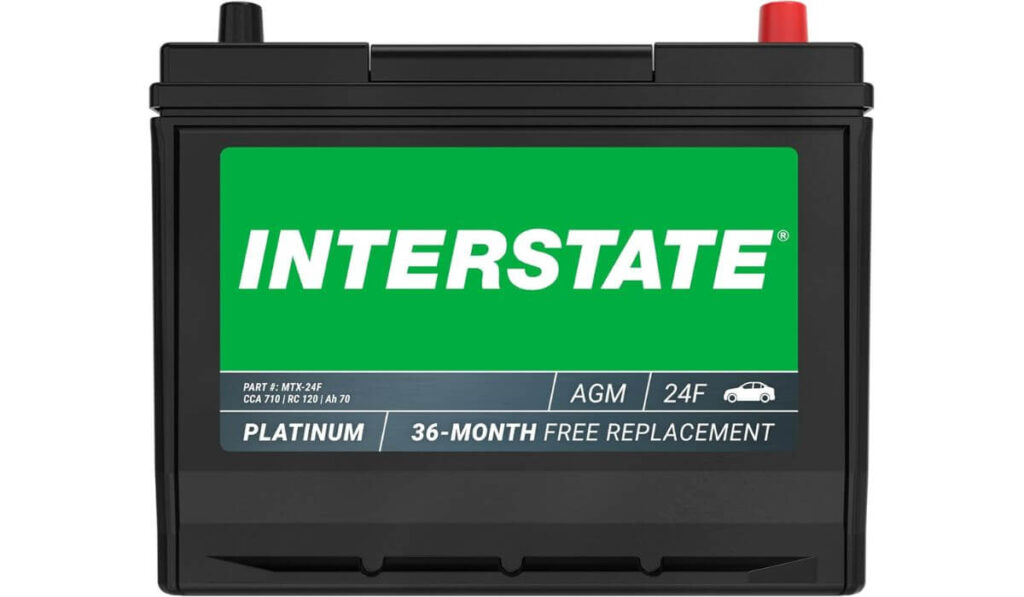
Technical Specs:
- Battery Group Size: 24F AGM
- Cold Cranking Power: 710 CCA
- Reserve Capacity: 120 Minutes
- Battery Capacity: 70Ah
- Battery Type: Premium Pure Lead AGM
- Best Use Case: Start-stop driving, winter starts, heavy electronics
- Expected Lifespan: Up to 2X–3X longer than standard flooded batteries
- Warranty Coverage: 36-Month Free Replacement
- Weight: Around 43–45 lbs
- Fitment Style: Larger-capacity upgrade for newer Subaru Ascent models
There’s a huge difference between a battery that technically “fits” the Subaru Ascent and one that actually feels stable after months of daily driving. This 24F AGM setup falls into the second category. The moment you look at the 70Ah capacity, 120-minute reserve capacity, and the heavier pure lead construction, it becomes obvious this battery was built for vehicles carrying serious electronic load — exactly the kind of environment the Ascent creates every single day.
In real-world use, the biggest thing owners notice isn’t just stronger starts. It’s consistency. Cold mornings feel easier, the auto start-stop system behaves more smoothly, and the SUV doesn’t feel electrically strained when everything is running at once (“heated seats, rear climate controls, giant infotainment display, charging ports, safety tech” — the Ascent quietly pulls a lot more power than people think). That extra reserve capacity genuinely changes how stable the vehicle feels during short trips and city driving.
Another reason this battery earned a top spot is the pure lead AGM design. A lot of batteries advertise AGM technology now, but this one packs more lead internally, which helps explain why it performs noticeably stronger under repeated starts and long accessory use. The spill-proof construction, vibration resistance, and maintenance-free setup also make it feel more like a proper long-term upgrade rather than a temporary replacement you’ll be second-guessing two winters later.
(If your Subaru Ascent regularly handles cold weather, short commutes, school runs, or heavy stop-and-go traffic, this is the kind of battery that quietly makes ownership feel easier every morning.)
What Impressed Us the Most
- Strong 710 CCA output feels genuinely confident during cold starts
- Excellent 120-minute reserve capacity for electronics-heavy SUVs
- Pure lead AGM construction feels more premium than most standard AGM options
- Handles start-stop systems without feeling strained in traffic
- Maintenance-free design makes it ideal for long-term daily use
- One of the more trusted battery names among independent shops and installers
One Thing Worth Knowing Before Buying
- The larger 24F size may require checking tray compatibility on some older Subaru Ascent model years before upgrading from Group 35.
Subaru Ascent Compatibility Notes
This battery makes the most sense for newer Subaru Ascent models moving toward the larger 24F AGM format, especially owners wanting stronger reserve power than the older factory setups typically delivered. It’s particularly well-suited for Ascents carrying heavy daily electrical load or frequent start-stop driving.
For older 2019–2023 models still running Group 35 batteries, many owners upgrade to a larger 24F setup after repeated weak-battery issues. The extra reserve capacity alone is often enough to justify the switch if tray compatibility is properly checked beforehand.
The Insider Pro-Tip
One thing experienced Subaru owners eventually figure out is that reserve capacity matters more than people think. A battery can show strong CCA numbers on paper and still feel weak after months of short trips, winter starts, and constant electronic drain. That’s exactly why larger AGM batteries like this tend to age more gracefully inside SUVs like the Ascent.
If you plan to keep your Subaru Ascent for several years, it usually makes more sense to buy a battery with extra reserve power now instead of replacing an undersized battery again in two winters. The difference becomes obvious the first time temperatures drop and the SUV still starts like nothing happened.
#2. Weize Platinum AGM Group 24F Battery
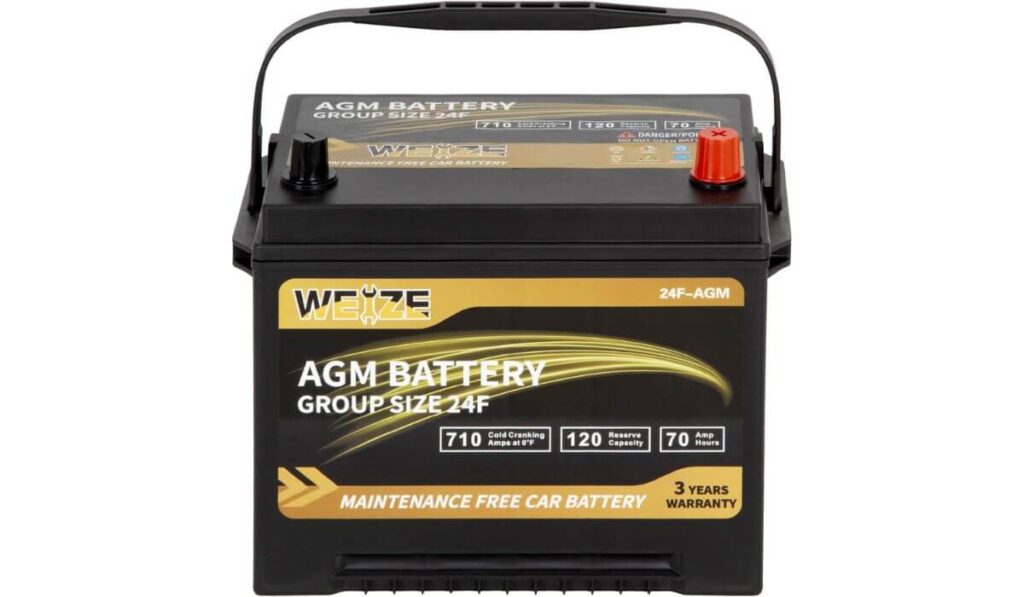
Technical Specs:
- Battery Group Size: 24F AGM
- Cold Cranking Power: 710 CCA
- Reserve Capacity: 120 Minutes
- Battery Capacity: 70Ah
- Operating Temperature Range: -22°F to 158°F
- Battery Type: Sealed AGM Lead-Acid
- Warranty Coverage: 3-Year Warranty
- Weight: Around 46 lbs
- Terminal Layout: Left Negative (-), Right Positive (+)
- Designed For: Start-stop systems, heavy accessory load, colder climates
Some batteries look good on a spec sheet, then start feeling weak six months later once daily driving, cold mornings, and stop-start traffic begin stressing the system. This one surprised us for a different reason — the numbers actually translate into real-world stability inside the Subaru Ascent. The combination of 70Ah capacity, 710 CCA, and a proper 120-minute reserve capacity gives it the kind of balanced power newer three-row SUVs genuinely benefit from.
What stands out most is how composed it feels under electrical load. The Ascent isn’t a simple SUV anymore (“massive touchscreen, heated features, driver-assist systems, rear charging ports, liftgate electronics” — it’s constantly pulling power in the background). Smaller or cheaper batteries often start showing hesitation during repeated short trips, but this AGM setup feels far more relaxed handling those daily demands.
The temperature performance also deserves attention. A lot of AGM batteries claim all-weather reliability, but the wide operating range here actually matters for owners dealing with harsh winters or brutal summer heat. The sealed AGM construction, low self-discharge rate, and vibration resistance all help the battery feel more confidence-inspiring long term instead of just “good enough” for a quick replacement.
(For Subaru Ascent owners wanting a larger AGM battery without jumping into ultra-premium pricing, this is one of the few options that still delivers genuinely strong reserve power and daily usability.)
What Stood Out During Research
- Strong 710 CCA output handles cold starts confidently
- Excellent balance between price, reserve power, and AGM durability
- Wide temperature tolerance helps in both winter and summer climates
- Sealed AGM construction reduces leak and corrosion concerns
- Maintains charge well during periods of lower vehicle use
- Works especially well for start-stop driving and electronics-heavy SUVs
One Thing Worth Knowing Before Buying
- Since this uses the larger 24F footprint, double-check tray dimensions and terminal orientation before upgrading from a smaller factory battery.
Subaru Ascent Compatibility Notes
This battery fits best for Subaru Ascent owners moving toward the larger 24F AGM configuration, particularly newer models carrying heavier electrical demand and start-stop functionality. The reserve capacity alone makes it a much stronger daily-driving option than many entry-level replacements.
For older Ascent owners considering an upgrade from Group 35, this battery becomes especially attractive if reliability and longer-term electrical stability matter more than simply replacing the cheapest battery possible.
The Insider Pro-Tip
One thing most people never realize until they install a stronger AGM battery is how much smoother the entire SUV starts behaving electrically. Dim startup screens, sluggish cold cranks, rough start-stop restarts — these little annoyances usually don’t happen all at once. They build slowly over time as weaker batteries begin falling behind.
That’s why reserve capacity matters so much in the Subaru Ascent. A properly sized AGM battery doesn’t just start the engine; it keeps the entire vehicle feeling calmer under load. Once you experience that difference during winter mornings or long stop-and-go traffic, going back to a weaker battery honestly feels obvious.
#3. Mighty Max MM-G24F Start-Stop AGM Battery
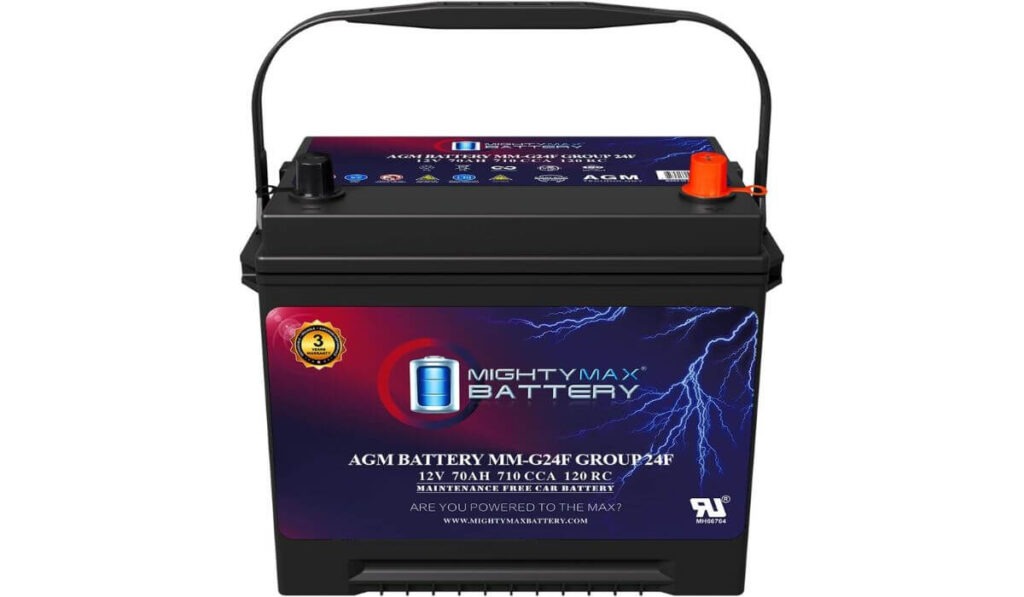
Technical Specs:
- Battery Group Size: 24F AGM
- Cold Cranking Power: 710 CCA
- Reserve Capacity: 120 Minutes
- Battery Capacity: 70Ah
- Battery Type: Sealed AGM Lead-Acid
- Installation Style: Right Positive / Left Negative terminals
- Operating Strength: Shock and vibration resistant construction
- Mounting Flexibility: Multi-position installation support
- Warranty Coverage: 3-Year Warranty
- Best For: Daily-driven Subaru Ascents with start-stop systems and heavy electrical load
Here’s the interesting part about this battery: it doesn’t try to look ultra-premium or overcomplicated, yet the real-world specs line up almost perfectly with what newer Subaru Ascent owners actually need. The combination of 710 CCA, 70Ah capacity, and a proper 120-minute reserve capacity gives it the kind of balanced performance many factory batteries struggle to maintain once the SUV starts aging.
What makes this battery stand out is how planted it feels during repeated daily use. Short trips, stop-start traffic, freezing mornings, rear climate controls running nonstop — the Ascent quietly puts a serious workload on its battery. This AGM setup handles that kind of usage surprisingly well because it was clearly built around sustained electrical demand instead of just producing one impressive startup number for marketing purposes.
The sealed AGM construction also helps it feel more confidence-inspiring over time. No leaks, no maintenance headaches, and much better vibration resistance compared to older flooded batteries. Add in the deep discharge recovery capability and the battery feels especially well-suited for drivers who spend a lot of time in city traffic or leave accessories running frequently during family trips and daily errands.
(For Subaru Ascent owners wanting genuine AGM performance without paying dealership-level pricing, this battery hits a surprisingly smart middle ground between power, reserve capacity, and everyday usability.)
What Earned It a Spot on This List
- Strong 710 CCA output handles winter starts confidently
- Excellent 120-minute reserve capacity for electronics-heavy SUVs
- AGM construction feels far more stable than basic flooded replacements
- Deep discharge recovery helps during stop-and-go driving conditions
- Rugged internal build handles vibration and rough roads well
- One of the easier 24F AGM batteries to install and live with daily
One Thing Worth Knowing Before Buying
- Like most larger 24F AGM batteries, it’s smart to confirm tray space and terminal orientation before upgrading from a smaller factory battery setup.
Subaru Ascent Compatibility Notes
This battery fits naturally into the direction many newer Subaru Ascent owners are already moving — larger-capacity AGM replacements with stronger reserve power for modern electrical demands. It works especially well for Ascents carrying constant accessory usage, frequent short drives, or colder-climate operation.
Older Ascent owners upgrading from Group 35 batteries may also appreciate the added reserve capacity and smoother start-stop performance, especially if the factory battery has already struggled under daily load.
The Insider Pro-Tip
One thing experienced SUV owners eventually notice is that weak batteries rarely fail all at once. First, the start-stop system feels inconsistent. Then cold starts become rougher. Then random electrical behavior slowly starts creeping in. By the time the battery finally dies, the warning signs were usually there for months.
That’s why batteries like this make more sense than many cheap replacements. The stronger reserve capacity and AGM stability help the Subaru Ascent stay consistent long after weaker batteries begin feeling strained. In real ownership, that difference matters more than flashy marketing numbers ever will.
#4. Goodyear 35-AGM Platinum Series Battery
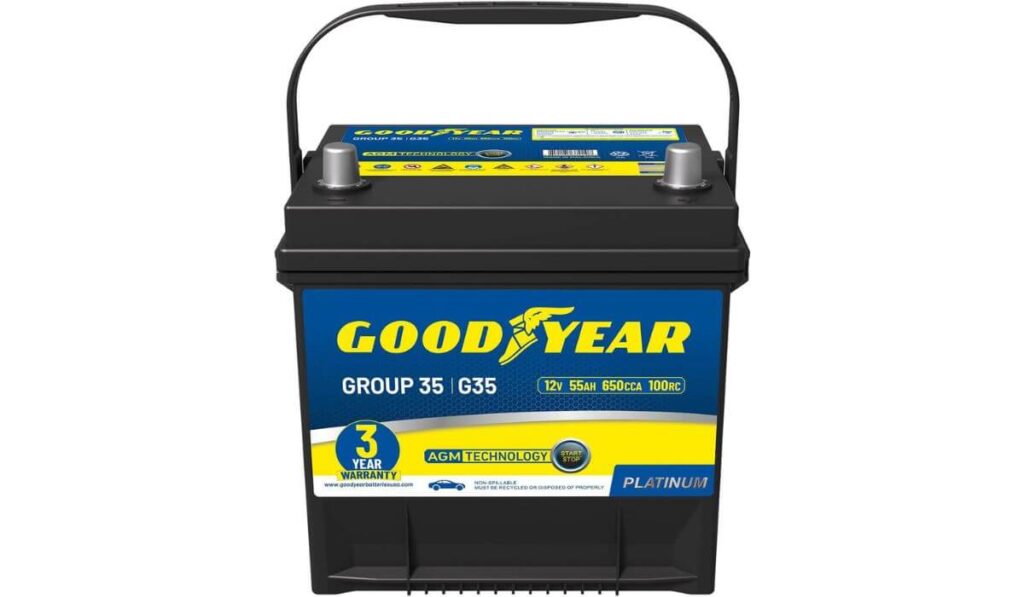
Technical Specs:
- Battery Group Size: Group 35 AGM
- Cold Cranking Power: 650 CCA
- Reserve Capacity: 100 Minutes
- Battery Capacity: 55Ah
- Battery Type: Maintenance-Free AGM
- Construction Style: Spill-proof, vibration-resistant sealed design
- Temperature Performance: Built for hot and cold climate reliability
- Installation Layout: Positive terminal right / Negative left
- Warranty Coverage: 36-Month Warranty
- Best Fitment Use: Older Subaru Ascent models originally using Group 35 batteries
Oddly enough, some of the best battery upgrades for older Subaru Ascents are the ones that don’t try too hard to look flashy. This Group 35 AGM setup keeps things simple — solid cold-start power, respectable reserve capacity, proper AGM durability — and that honestly fits the personality of earlier Ascent models extremely well.
The 650 CCA output gives it enough confidence during winter starts without feeling undersized, while the 100-minute reserve capacity helps stabilize the SUV during short trips and accessory-heavy driving. That matters more than people expect because older Ascents can become surprisingly sensitive once factory batteries begin aging (“slower starts, random electrical weirdness, hesitant start-stop behavior” usually starts gradually, not overnight).
Another thing we appreciated is the overall balance of the battery. It doesn’t chase unrealistic specs or oversized dimensions. Instead, it focuses on delivering dependable AGM performance inside the exact size many 2019–2023 Subaru Ascents originally came with. The sealed spill-proof construction, vibration resistance, and maintenance-free design also make it feel much more modern than older flooded Group 35 replacements still floating around online.
(For Subaru Ascent owners wanting a direct-fit AGM replacement without changing tray size or modifying anything, this battery simply makes sense.)
What Made It Worth Including
- Reliable 650 CCA output for cold-weather starts
- Proper AGM construction feels more durable than standard flooded batteries
- Direct-fit Group 35 sizing works well for many older Ascent models
- 100-minute reserve capacity helps with electronics and short-trip driving
- Sealed leak-resistant design handles vibration and rough roads confidently
- Balanced specs make it feel practical instead of overhyped
One Thing Worth Knowing Before Buying
- If you’re specifically upgrading for maximum reserve power, larger 24F AGM batteries may offer more electrical headroom — but this remains one of the cleaner direct-fit Group 35 solutions.
Subaru Ascent Compatibility Notes
This battery works especially well for Subaru Ascent owners staying with the original Group 35 battery format used in many earlier models. It delivers a noticeable improvement over basic flooded batteries while avoiding the extra fitment questions larger battery upgrades sometimes create.
For drivers wanting a straightforward AGM replacement with better reliability, stronger cold starts, and less maintenance hassle, this setup fits naturally into the way older Ascents are actually used day to day.
The Insider Pro-Tip
A lot of Subaru owners focus only on CCA numbers, but the real ownership difference usually comes from how stable the battery feels after months of use. Weak batteries tend to feel “fine” at first, then slowly become inconsistent during cold starts, short trips, and stop-and-go traffic.
That’s why balanced AGM batteries like this still matter. The combination of decent reserve capacity, proper AGM construction, and direct-fit sizing often ends up feeling more reliable long term than chasing oversized specs that don’t realistically match how the vehicle is driven every day.
#5. UPLUS AGM-L60-UP Group 47 Battery
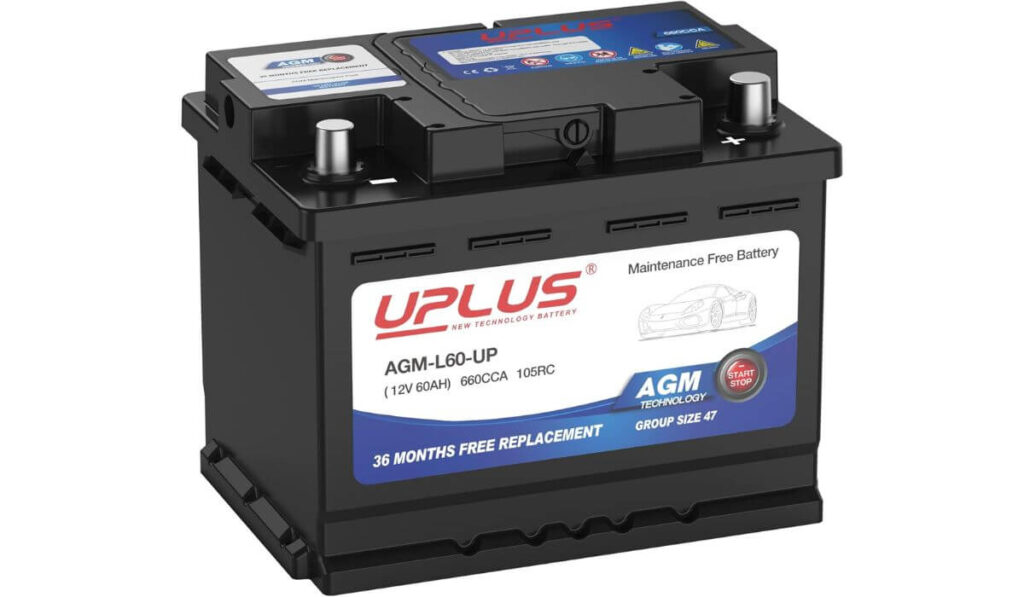
Technical Specs:
- Battery Group Size: H5 / Group 47 / LN2 AGM
- Cold Cranking Power: 660 CCA
- Reserve Capacity: 105 Minutes
- Battery Capacity: 60Ah
- Battery Type: Premium Start-Stop AGM
- Construction: Silver calcium alloy with high-density negative paste
- Vibration Resistance: Up to 15X more resistant than standard batteries
- Terminal Layout: Left Negative (-) / Right Positive (+)
- Warranty Coverage: 3-Year Free Replacement
- Best For: Subaru Ascent owners wanting compact AGM fitment with strong electrical stability
Here’s what surprised us about this battery: despite being physically smaller than the larger 24F setups on this list, it still feels unusually capable for modern SUVs carrying heavy electrical demand. The combination of 660 CCA, 105-minute reserve capacity, and enhanced AGM cycling performance gives it far more real-world usefulness than most people expect from an H5/Group 47 battery.
What makes it interesting for Subaru Ascent owners is the balance. Not everyone wants the biggest possible battery or tray modifications. Some drivers simply want a cleaner OEM-style AGM replacement that still handles modern electronics, short-trip driving, and start-stop systems without feeling weak after a few months. That’s exactly where this battery fits in naturally.
The deeper-cycle capability also matters more than people realize. SUVs like the Ascent quietly drain batteries through safety systems, powered accessories, and frequent stop-start operation (“heated seats, liftgate electronics, infotainment systems, constant charging ports”). The upgraded alloy construction and extra cycle-life design help this battery stay more stable under repeated daily use than many entry-level AGM replacements floating around online.
(If you want a more compact AGM battery that still feels genuinely modern and capable inside the Subaru Ascent, this is one of the cleaner H5/LN2 options currently available.)
What Helped It Stand Out
- Strong 660 CCA performance for an H5/Group 47 battery
- Compact size works well for tighter OEM-style fitment needs
- AGM construction handles start-stop systems confidently
- Enhanced cycle-life design feels better suited for daily SUV use
- Excellent vibration resistance for rough roads and long-term durability
- Maintains charge stability well during short trips and parked periods
One Thing Worth Knowing Before Buying
- This battery is smaller than larger 24F AGM upgrades, so owners prioritizing maximum reserve capacity for heavy accessory use may still prefer a full-size setup.
Subaru Ascent Compatibility Notes
This battery works best for Subaru Ascent owners wanting a more OEM-style AGM replacement without moving into oversized battery territory. It’s particularly attractive for newer trims or drivers prioritizing clean fitment, easier installation, and modern AGM reliability.
For owners mainly dealing with daily commuting, moderate climates, and regular start-stop driving, the balance of size, reserve power, and AGM stability here honestly feels smarter than many oversized budget batteries trying too hard to chase spec-sheet numbers.
The Insider Pro-Tip
A lot of battery problems in modern SUVs don’t come from lack of starting power — they come from batteries slowly losing stability under constant electronic load. That’s why a properly built AGM battery with good cycling capability often feels stronger long term than a larger battery using cheaper internal construction.
This is one of those batteries that makes more sense the longer you own the vehicle. The quieter electrical behavior, smoother starts, and better charge retention become noticeable over time, especially if your Subaru Ascent spends most of its life in traffic, school runs, grocery trips, and short-distance driving.
#6. Autocessking Group 35 AGM Automotive Battery
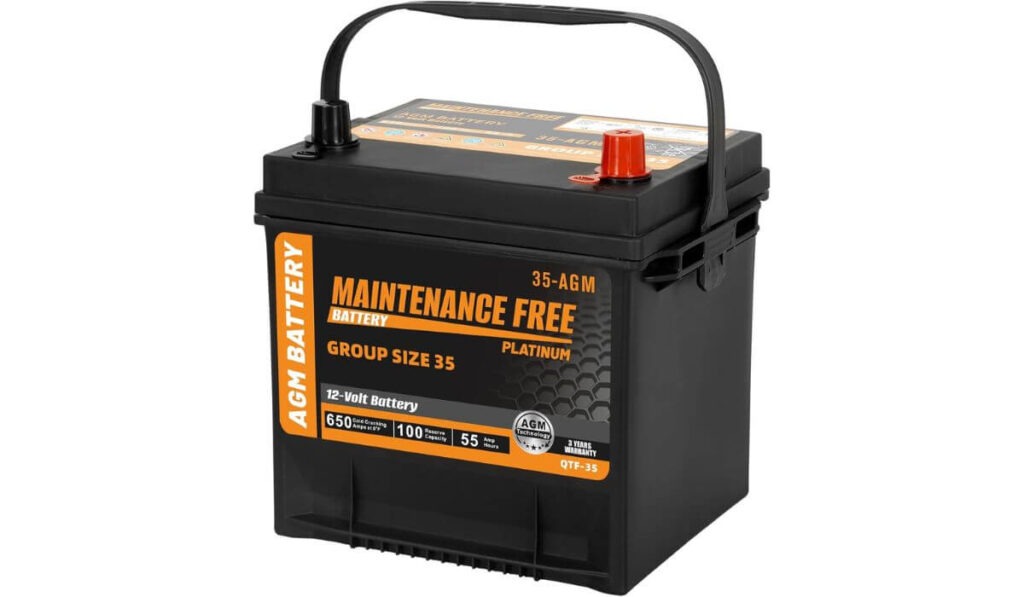
Technical Specs:
- Battery Group Size: Group 35 AGM
- Cold Cranking Power: 650 CCA
- Reserve Capacity: 100 Minutes
- Battery Capacity: 55Ah
- Battery Type: Start-Stop AGM Starting Battery
- Temperature Resistance: Designed for hot and cold climate operation
- Construction Style: Spill-proof sealed AGM design
- Weight: Around 38 lbs
- Warranty Coverage: 3-Year Manufacturer Coverage
- Best For: Older Subaru Ascent owners wanting affordable AGM reliability without oversized upgrades
Plenty of affordable AGM batteries look decent online, but very few actually balance price, fitment, and daily usability well enough to deserve a place in a serious Subaru Ascent guide. This one quietly does. The specs aren’t exaggerated, the sizing makes sense for older Group 35 applications, and the overall design focuses on solving the exact problems many aging Ascents eventually start showing.
The 650 CCA output delivers more than enough confidence for normal cold starts, while the 100-minute reserve capacity helps stabilize the SUV during stop-and-go driving and short daily trips. That reserve power becomes surprisingly important once the factory battery starts aging because the Ascent continues pulling electrical load even when owners don’t realize it (“safety systems, powered liftgate, charging ports, heated seats, infotainment electronics” all slowly add up).
What we also liked here is the practical AGM construction. The battery uses sealed glass mat technology that helps reduce leaks, vibration wear, and charge instability over time. Combined with the lower self-discharge behavior, it becomes a genuinely smart choice for Subaru Ascent owners who don’t drive long highway miles every single day.
(For drivers wanting a direct-fit AGM replacement without spending premium-money territory, this battery honestly covers the basics better than many people expect.)
What We Appreciated Most
- Reliable 650 CCA starting power for everyday Subaru Ascent driving
- Proper Group 35 sizing keeps installation simple for older models
- AGM design handles vibration and temperature swings much better than flooded batteries
- Lower self-discharge helps if the SUV sits unused for days at a time
- Maintenance-free construction feels cleaner and more modern long term
- Balanced specs make it a sensible upgrade over basic entry-level replacements
One Thing Worth Knowing Before Buying
- This battery focuses more on practical daily reliability than maximum reserve power, so drivers running heavy accessories constantly may still prefer a larger 24F AGM upgrade.
Subaru Ascent Compatibility Notes
This battery makes the most sense for Subaru Ascent owners sticking with the original Group 35 battery format, especially 2019–2023 models that don’t necessarily need a larger tray conversion. The fitment stays straightforward while still giving owners the benefits of AGM durability and improved electrical stability.
For commuters, family SUVs, and normal daily-driving use, the balance here honestly feels more realistic than oversized upgrades many people never fully benefit from in real-world driving.
The Insider Pro-Tip
A lot of battery recommendations online focus only on “biggest specs possible,” but real ownership usually comes down to consistency. A battery that fits correctly, charges properly, and stays stable through temperature changes often ends up feeling more dependable than chasing oversized numbers that don’t match how the SUV is actually used.
That’s where simpler AGM batteries like this still make sense. For many Subaru Ascent owners, avoiding electrical headaches and getting reliable starts every morning matters far more than buying the most expensive battery on the shelf.
Best Subaru Ascent Battery Options Compared: 24F, Group 35 & H5 AGM Picks
Buying Guide: Choosing the Right Battery for Your Subaru Ascent
One of the biggest mistakes people make when replacing a Subaru Ascent battery is assuming every battery that “fits” will actually perform the same. That simply isn’t true anymore. The Ascent is a large modern SUV loaded with electronics, safety systems, power accessories, and auto start-stop technology that constantly puts stress on the battery — even during normal daily driving.
That’s why battery size matters so much here.
Older Subaru Ascent models commonly used Group 35 batteries, while many newer setups and owner upgrades are moving toward larger 24F AGM batteries because they provide noticeably better reserve capacity and stronger long-term stability. Some newer trims and compact OEM-style configurations also use H5/LN2/Group 47 AGM batteries.
The difference isn’t just technical. In real ownership, a larger AGM battery often means:
- smoother cold starts,
- fewer low-voltage issues,
- more stable start-stop operation,
- and less electrical strain during short trips.
A weak or undersized battery usually doesn’t fail immediately. Instead, the vehicle slowly starts feeling inconsistent over time.
Why AGM Batteries Make Far More Sense for the Subaru Ascent
If your Subaru Ascent originally came with an AGM battery, downgrading to a standard flooded battery is usually a bad idea. Modern SUVs like the Ascent are designed around higher electrical demand, and AGM batteries handle that workload much better.
A quality AGM battery offers several real-world advantages:
- better resistance to vibration and heat,
- improved cycling performance during stop-start driving,
- stronger recovery after repeated starts,
- and lower self-discharge when the SUV sits parked.
That last point matters more than people think. Family SUVs often spend days parked between errands, school runs, or weekend driving. AGM batteries tend to maintain voltage stability better during those periods compared to cheaper flooded replacements.
The Subaru Ascent especially benefits from AGM technology because of how many systems remain active in the background. Heated seats, power liftgates, infotainment screens, charging ports, safety sensors, and start-stop systems quietly drain power every day.
Don’t Focus Only on Cold Cranking Amps (CCA)
A lot of buyers look only at CCA numbers and ignore everything else. That can be misleading.
Yes, cold cranking power matters — especially during winter starts — but reserve capacity is often the bigger long-term factor in a vehicle like the Subaru Ascent.
Reserve Capacity (RC) determines how well the battery handles electrical load over time. A battery with stronger reserve capacity generally feels more stable during:
- stop-and-go traffic,
- short daily trips,
- accessory-heavy driving,
- and colder weather.
That’s one reason larger 24F AGM batteries with 120-minute reserve capacity feel noticeably more relaxed inside the Ascent compared to smaller entry-level batteries.
The SUV simply has too many electronics for weak reserve power to age gracefully.
The Best Battery Choice Depends on How You Actually Drive
The “best” battery isn’t automatically the most expensive one. The smarter choice depends on how your Subaru Ascent is used every day.
If your SUV regularly handles:
- short commutes,
- city traffic,
- winter weather,
- school runs,
- heavy accessory use,
- or frequent stop-start driving,
then a larger-capacity AGM battery usually makes the most sense.
On the other hand, if you mainly drive moderate distances and want a simpler direct-fit replacement, a quality Group 35 AGM battery can still perform extremely well without requiring tray changes or oversized upgrades.
That’s why this guide intentionally included multiple battery sizes instead of forcing one solution onto every Subaru Ascent owner.
Pay Attention to Terminal Layout and Tray Compatibility
This gets overlooked constantly.
Even if two batteries look similar online, terminal orientation and tray dimensions can completely change compatibility. Before ordering any battery, always verify:
- group size,
- physical dimensions,
- terminal position,
- and AGM compatibility.
This becomes especially important when upgrading from Group 35 to larger 24F AGM batteries. Many Subaru Ascent owners successfully upgrade, but tray compatibility should always be checked first instead of assuming every battery will drop directly into place.
A properly fitted battery not only installs easier — it usually lasts longer because the connections remain more secure under vibration and daily driving stress.
Realistically, the Goal Is Long-Term Stability
Most people only think about batteries when the vehicle stops starting. But in modern SUVs like the Subaru Ascent, battery quality affects the entire ownership experience long before total failure happens.
Weak batteries slowly create:
- rougher cold starts,
- unstable start-stop behavior,
- dim electronics during startup,
- charging inconsistencies,
- and random low-voltage symptoms.
That’s why choosing the right AGM battery matters more than many owners initially expect.
A properly matched battery with strong reserve capacity and stable AGM construction doesn’t just start the engine — it helps the entire SUV feel calmer, smoother, and more reliable every single day.
Installation and Maintenance Tips for Subaru Ascent Batteries
A surprising number of battery problems in the Subaru Ascent have nothing to do with the battery itself. Loose terminal connections, weak grounding, corrosion buildup, improper charging habits, and poorly secured batteries quietly destroy performance long before the battery technically “fails.” That’s especially true on modern Ascents because the SUV depends heavily on stable voltage for everything from start-stop operation to safety systems and infotainment electronics.
The good news is that most of these issues are preventable if the battery is installed correctly and maintained properly from the beginning.
How to Replace a Subaru Ascent Battery the Right Way
Before removing the old battery, make sure the SUV is completely turned off, including interior lights and accessories. Modern vehicles like the Subaru Ascent continue running background electronics for several minutes after shutdown, so rushing the process can sometimes create unnecessary electrical issues.
Start by disconnecting the negative terminal first, then remove the positive terminal afterward. This reduces the chance of accidental short circuits during removal. Once the hold-down bracket is removed, lift the battery carefully because AGM batteries — especially larger 24F units — are significantly heavier than many people expect.
Before installing the new battery, compare:
- terminal orientation,
- tray dimensions,
- battery height,
- and group size compatibility.
This matters more than most online fitment charts admit. A battery that technically “fits” can still create cable tension, weak hold-down pressure, or improper terminal alignment if dimensions are even slightly off.
After placing the new battery into the tray:
- Secure the hold-down bracket firmly,
- Connect the positive terminal first,
- Then reconnect the negative terminal last.
That order helps reduce accidental electrical contact during installation.
Once installed, start the vehicle and let it idle for several minutes so the charging system can stabilize properly with the new AGM battery.
Why Terminal Connection Quality Matters So Much
One loose terminal can make a perfectly good battery feel weak.
The Subaru Ascent is extremely sensitive to voltage stability because of the amount of electronics constantly operating in the background. Even small connection problems can trigger:
- rough starts,
- dim startup screens,
- random warning lights,
- inconsistent start-stop behavior,
- or charging irregularities.
The terminals should feel completely secure with no movement after tightening. If the connection can twist by hand, it is not tight enough.
It’s also important to inspect for:
- white or green corrosion buildup,
- damaged cable ends,
- cracked terminal clamps,
- or moisture around the posts.
Corrosion slowly increases electrical resistance, which forces the charging system to work harder and weakens overall battery performance over time.
A simple terminal cleaning brush and anti-corrosion protectant can genuinely extend battery life more than many people realize.
The Biggest Reason AGM Batteries Die Early
Heat and undercharging destroy more AGM batteries than cold weather ever will.
Modern Subaru Ascents are often driven on:
- short trips,
- school runs,
- city traffic,
- grocery stops,
- and frequent stop-start driving.
That kind of use prevents the battery from fully recharging consistently. Over time, AGM batteries slowly lose capacity when they spend too much time partially discharged.
This is exactly why larger-capacity AGM batteries often perform better in the Ascent — they have more reserve power to handle constant electrical load without feeling strained as quickly.
If the vehicle regularly sits parked for long periods, using a smart AGM-compatible battery maintainer occasionally can dramatically improve long-term battery health.
Why Proper Battery Mounting Actually Matters
A surprising number of battery failures come from vibration damage.
If the battery is not secured tightly inside the tray, constant movement slowly stresses the internal plates and connections. SUVs naturally experience more vibration than smaller sedans, especially on rough roads, potholes, or uneven pavement.
That’s why every battery in this guide emphasized:
- AGM construction,
- vibration resistance,
- and secure fitment.
A properly mounted AGM battery not only lasts longer, but also maintains more stable voltage under daily driving conditions.
After installation, the battery should sit completely stable with no shifting or rocking movement inside the tray.
Simple Maintenance Habits That Genuinely Extend Battery Life
Most people ignore their battery until the vehicle refuses to start. That approach usually shortens battery lifespan dramatically.
A few simple habits make a real difference:
- Inspect terminals every few months,
- Keep the battery surface clean and dry,
- Avoid leaving electronics running with the engine off,
- Drive long enough occasionally for proper charging,
- And check charging voltage if the SUV starts behaving inconsistently.
One thing experienced Subaru owners eventually notice is that AGM batteries usually give warning signs before failing completely. Slower starts, weaker stop-start operation, or unstable electronics often appear weeks or months earlier.
Paying attention to those small changes early can prevent getting stranded later.
The Truth About Battery Longevity in the Subaru Ascent
The Subaru Ascent simply asks more from its battery than older SUVs ever did. Between the electronics, safety systems, powered accessories, and stop-start operation, weak batteries get exposed very quickly.
That’s why choosing the correct group size, using a quality AGM battery, securing it properly, and maintaining stable terminal connections matters so much here.
A properly installed AGM battery with healthy charging habits can easily feel stronger, smoother, and more reliable for years longer than cheap replacements installed carelessly.
Trust, Warranty, and Real-World Battery Performance Trends
A battery can look perfect on paper and still become frustrating six months later if the warranty process is weak, the internal construction is inconsistent, or the seller disappears when something goes wrong. That’s becoming more important than ever because modern AGM batteries — especially for SUVs like the Subaru Ascent — are now significantly more expensive than older flooded batteries.
The reality is that buyers are no longer paying only for “starting power.” They are paying for:
- long-term electrical stability,
- reserve capacity,
- start-stop durability,
- warranty support,
- and confidence that the battery won’t become unreliable during extreme weather or daily family use.
That’s exactly why warranty quality, seller trust, and long-term performance trends matter just as much as specifications now.
What a Good Battery Warranty Actually Looks Like
A lot of people see “3-year warranty” and assume every battery warranty works the same way. They absolutely do not.
The most valuable warranty type is usually a free replacement period, not a prorated warranty. A free replacement warranty means if the battery fails during that period, you receive another battery without paying partial replacement costs.
That distinction matters because prorated warranties often sound longer than they really are. In many cases, buyers still end up paying a large portion of the replacement price once the battery begins aging.
For modern AGM batteries in the Subaru Ascent, a strong warranty should ideally include:
- at least a 36-month free replacement period,
- clear coverage against manufacturing defects,
- straightforward claim processing,
- and retailer support that actually honors the warranty properly.
This becomes especially important with newer AGM brands entering the market. Some batteries perform extremely well initially but still lack the long-term service network established brands have built over decades.
That doesn’t automatically make newer brands bad — several newer AGM batteries now offer excellent value — but warranty support becomes much more important when buying outside major dealership channels.
Why Climate Affects AGM Battery Life More Than Most People Think
Cold weather gets blamed for battery failure constantly, but heat is often the bigger long-term killer.
In extremely hot climates, internal battery temperatures rise significantly, accelerating wear inside the AGM cells. Over time, excessive heat slowly weakens battery capacity even if the vehicle continues starting normally at first.
Meanwhile, cold weather mainly exposes weaknesses that already exist.
That’s why stronger AGM batteries with:
- higher reserve capacity,
- stable voltage output,
- and better internal construction
usually age more gracefully inside large SUVs like the Subaru Ascent.
Owners living in:
- northern winter climates,
- desert heat,
- humid environments,
- or heavy stop-and-go traffic
typically benefit the most from premium AGM batteries because the charging system works harder under those conditions.
The Subaru Ascent especially rewards stronger batteries because the SUV carries continuous electrical demand through:
- safety systems,
- large infotainment displays,
- power liftgates,
- heated features,
- and auto start-stop operation.
Smaller or lower-quality batteries often begin feeling strained much earlier in those environments.
The Truth About Expected Battery Lifespan
Most AGM batteries don’t fail suddenly without warning.
Instead, performance slowly changes over time:
- start-stop operation becomes inconsistent,
- winter starts feel rougher,
- electronics behave less smoothly during startup,
- or the battery begins losing charge more quickly after sitting parked.
A properly matched AGM battery in the Subaru Ascent can realistically last:
- around 4–6 years in moderate climates,
- sometimes longer with good charging habits,
- or shorter under extreme heat and repeated short-trip driving.
Reserve capacity often determines how gracefully the battery ages. That’s one reason larger 24F AGM batteries frequently feel more stable long term than smaller entry-level replacements.
The extra electrical headroom matters more than many owners initially expect.
Why Buying Location Matters More Than Price Alone
Battery pricing online can vary wildly, but the cheapest option is not always the smartest long-term purchase.
Authorized retailers and trusted sellers usually provide:
- fresher inventory,
- better shipping protection,
- easier warranty claims,
- and more reliable customer support.
That matters because batteries can sit in warehouses for extended periods before being sold. A poorly stored battery may already have reduced health before installation even happens.
When possible, it’s smart to check:
- manufacturing dates,
- seller ratings,
- return policy details,
- and whether the battery ships fully charged.
Many Subaru Ascent owners also prefer buying from retailers that allow local exchange support instead of requiring complicated shipping returns if warranty problems appear later.
Return Policies Quietly Matter More Than Buyers Expect
Battery fitment mistakes happen constantly, especially when moving between:
- Group 35,
- 24F,
- and H5/LN2 AGM configurations.
That’s why flexible return policies are extremely valuable.
Before ordering any battery, it helps to confirm:
- tray dimensions,
- terminal orientation,
- hold-down compatibility,
- and exact group size requirements.
A good return policy creates a safety net if the battery physically fits differently than expected or arrives with shipping damage.
This becomes especially important for larger AGM batteries because returning heavy automotive batteries is far more complicated than returning smaller car accessories.
Realistically, Trust Comes From Long-Term Consistency
The best battery experience usually isn’t dramatic. The SUV simply starts every morning, electronics stay stable, winter cranking feels confident, and the battery quietly does its job year after year without demanding attention.
That’s why experienced Subaru Ascent owners eventually stop chasing flashy marketing claims and focus more on:
- proper AGM construction,
- realistic reserve capacity,
- stable cold-start performance,
- trusted warranty support,
- and genuine fitment compatibility.
In real ownership, long-term consistency almost always matters more than whichever battery advertises the biggest numbers on the box.
FAQs About Subaru Ascent Battery
Why do so many Subaru Ascent owners replace the factory battery earlier than expected?
One thing a lot of owners don’t realize at first is that the Subaru Ascent places a much heavier electrical load on its battery than older Subaru SUVs ever did. The vehicle is constantly running systems in the background — driver-assist tech, powered liftgate electronics, large infotainment displays, heated features, charging ports, and auto start-stop operation all quietly consume power every single day.
That’s why many factory batteries begin feeling “tired” long before they completely fail. Usually the first signs are subtle:
- rougher cold starts,
- dim startup screens,
- weaker stop-start performance,
- or electronics behaving inconsistently after short trips.
In real-world ownership, the Ascent simply rewards stronger AGM batteries with higher reserve capacity far more than people expect. That’s also why many owners move from older Group 35 setups toward larger 24F AGM upgrades once the original battery begins struggling.
Is upgrading from a Group 35 battery to a 24F AGM actually worth it in the Subaru Ascent?
For many owners, yes — especially if the SUV handles heavy daily driving, cold weather, short commutes, or constant accessory use.
The biggest difference usually isn’t raw starting power. It’s electrical stability over time. Larger 24F AGM batteries typically offer:
- more reserve capacity,
- stronger cycling performance,
- smoother stop-start behavior,
- and less strain during repeated short trips.
That matters because modern SUVs don’t just “start the engine” anymore. They support an entire network of electronics before the vehicle even begins moving.
The important part is verifying tray compatibility and terminal orientation before upgrading. Some Subaru Ascent owners can move to 24F AGM batteries very easily, while others prefer staying with direct-fit Group 35 AGM options to avoid modification concerns.
Why does the Subaru Ascent seem more sensitive to weak batteries than older SUVs?
Because modern voltage-sensitive vehicles behave very differently than older vehicles.
In older SUVs, a weak battery mostly caused slow cranking. In the Subaru Ascent, low voltage can affect:
- start-stop operation,
- safety systems,
- touchscreen responsiveness,
- charging behavior,
- warning lights,
- and even how smoothly electronics initialize during startup.
That’s why weak batteries in the Ascent often create strange behavior before total failure ever happens.
A lot of owners mistakenly chase alternator problems or software issues when the real problem is simply unstable battery voltage under load. Once a stronger AGM battery with healthier reserve capacity is installed, the vehicle suddenly feels calmer and more consistent electrically.
Do expensive AGM batteries actually last longer, or are you mostly paying for branding?
Honestly, both things can be true depending on the battery.
Some premium batteries genuinely use:
- denser internal lead construction,
- stronger plate design,
- better heat resistance,
- and improved cycle-life engineering.
Those upgrades matter inside vehicles like the Subaru Ascent because the battery experiences repeated stress from stop-start driving and constant electronic demand.
At the same time, some expensive batteries mostly charge extra for branding without dramatically outperforming well-built mid-range AGM options.
That’s why this guide focused less on marketing reputation alone and more on the combination of:
- reserve capacity,
- AGM construction quality,
- fitment compatibility,
- cold-weather stability,
- and real-world owner feedback.
In real ownership, a properly sized AGM battery with balanced specs usually matters more than simply buying the most expensive battery available.
What’s the biggest mistake people make when buying a replacement Subaru Ascent battery?
Buying only based on CCA numbers.
A battery can advertise huge cold cranking power and still feel disappointing in daily Subaru Ascent use if reserve capacity and AGM quality are weak. The Ascent continuously pulls electrical load through:
- infotainment systems,
- safety sensors,
- liftgate electronics,
- heated features,
- and stop-start cycling.
That’s why reserve capacity often matters just as much as starting power here.
Another common mistake is ignoring fitment details. Group size, tray dimensions, terminal layout, and AGM compatibility all matter more in modern SUVs than many buyers expect. A battery that technically “fits” online may still create installation problems or unstable terminal connections if dimensions are even slightly off.
The best Subaru Ascent battery usually ends up being the one that feels stable, reliable, and electrically consistent after years of real-world use — not just the one with the flashiest marketing numbers printed on the box.
Final Thoughts
Finding the right battery for the Subaru Ascent is honestly less about chasing the biggest numbers and more about understanding what this SUV actually demands every single day. Between the start-stop system, constant background electronics, family-road-trip duty, winter mornings, short commutes, and heavy accessory load, the Ascent quietly pushes its battery harder than many owners initially realize.
That’s exactly why battery choice matters so much here.
For newer Subaru Ascent models, larger 24F AGM batteries simply make more sense for many drivers because the extra reserve capacity helps the SUV feel more stable long term. Older models still perform well with quality Group 35 AGM batteries, especially when owners want direct-fit simplicity without changing tray setup. Meanwhile, compact H5/LN2 AGM options continue making sense for drivers prioritizing OEM-style fitment and balanced daily performance.
The biggest takeaway after researching all these batteries is surprisingly simple: the Subaru Ascent rewards consistency more than extreme specs. A properly sized AGM battery with healthy reserve capacity, stable voltage behavior, strong cold-weather performance, and real-world durability usually feels better after two years than an oversized battery chosen only for marketing numbers.
That’s why every battery in this guide was selected around actual ownership experience — not random spec-sheet hype.
Because at the end of the day, the best Subaru Ascent battery is the one that quietly does its job every morning without making you think about it at all.
Also Check:

