
6 Best Batteries for Subaru Forester in 2026: Powerful 650 CCA AGM Batteries Worth Buying
If you’ve owned a newer Subaru Forester for more than a couple winters, you already know the factory battery is usually the first thing owners start complaining about. The SUV itself is solid, but once temperatures drop or the start-stop system begins cycling constantly in traffic, weak batteries show up fast. That’s exactly why choosing the right replacement matters more on a Forester than most people expect.
Most 2014–2026 Subaru Forester models use a BCI Group 35 battery, and newer trims with automatic start-stop systems respond noticeably better to AGM replacements instead of cheaper flooded batteries. The good news is you don’t need to overspend on dealership replacements anymore. A properly sized Group 35 AGM battery with around 650 CCA is usually the sweet spot for daily driving, cold starts, short commutes, and long-term reliability.
For this guide, the focus stayed on real-world fitment, newer-generation compatibility, warranty value, and batteries that actually make sense for Forester owners instead of random universal picks. Every option below is a true Group 35 replacement chosen specifically for modern Subaru Forester models, while still fitting many older trims without modification.
Best Subaru Forester Battery: Top 2026 AGM Batteries for Start-Stop Models
#1. Interstate Batteries MTX-35 AGM Battery
Best Subaru Forester Battery Replacement for Long-Term Reliability and Consistent Cold Weather Starts
#2. Weize Platinum Group 35 AGM Battery
Top-Rated AGM Battery for Subaru Forester Owners Wanting Strong Warranty Value and Daily Dependability
#3. UPLUS BCI Group 35 AGM Battery
Best AGM Battery for Subaru Forester Start-Stop Systems and Heavy City Driving Conditions
#4. 1AUTODEPOT Group 35 AGM Battery
Reliable Group 35 Battery for Subaru Forester Drivers Looking for Premium Features Without Overspending
#5. Mighty Max MM-G35 AGM Battery
Affordable Subaru Forester Group 35 Battery With Solid 650 CCA Performance for Everyday Driving
#6. Autocessking Group 35 AGM Battery
Budget-Friendly AGM Battery for Subaru Forester Models Needing a Modern OEM-Style Replacement
Expert Tip for Subaru Forester Owners
One thing a lot of Forester owners don’t realize until it’s too late is that the battery itself usually isn’t the only problem. Subaru’s start-stop system, colder morning starts, short daily trips, dash cams, chargers, and constant electronics slowly wear weak batteries down long before they completely die. That’s why choosing a cheap battery with lower reserve capacity often ends up costing more within a year or two.
A strong Group 35 AGM battery with around 650 CCA and higher reserve capacity simply handles modern Forester use better. The engine starts faster, voltage stays more stable during stoplights, and you avoid that frustrating slow crank many owners start noticing after winter hits. Even if your factory battery still works, upgrading before it begins struggling is usually the difference between a normal replacement and getting stranded unexpectedly on a cold morning.
How We Chose These Subaru Forester Batteries
There are hundreds of batteries online claiming to fit the Subaru Forester, but most owners are not looking for random “universal” replacements. They want something that fits correctly, starts reliably in every season, works properly with newer start-stop systems, and doesn’t become weak after a few months of daily driving. That’s exactly why this list stayed focused on real BCI Group 35 AGM batteries instead of mixing unrelated sizes just to make the article longer.
Every battery included here matches the sizing most newer Subaru Forester models actually use. We also prioritized options with 650 CCA output, because anything lower can start feeling weak once temperatures drop or the vehicle sits for a couple days. A Forester may not be the largest SUV on the road, but Subaru’s electronics and stop-start behavior can be surprisingly demanding on cheaper batteries.
Another thing that mattered heavily was reserve capacity and AGM construction. On paper, many batteries look similar, but real-world driving tells a different story. Batteries with stronger reserve capacity handle repeated stoplights, short trips, heated accessories, infotainment systems, and winter starts much more consistently. That becomes especially important for newer Forester owners who drive in traffic daily or make lots of shorter commutes where the battery never fully recovers between starts.
We also avoided filling this guide with unknown low-output batteries just because they were cheaper. The goal was not to recommend the absolute cheapest option online. The goal was finding batteries that make sense for modern Subaru Forester ownership — batteries with proper fitment, maintenance-free AGM designs, solid warranty support, and enough real starting power to avoid the common complaints owners usually have with factory replacements.
Brand reputation was part of the process too, but not in the usual marketing-heavy way. Some newer battery brands still have limited long-term history, so instead of blindly trusting logos, the focus stayed on the things that matter more in actual ownership: consistent specifications, proper Group 35 dimensions, AGM durability, warranty length, cold-start performance, and whether the battery realistically fits the way Forester owners actually drive today.
That’s also why every pick here stays close to the same proven formula: Group 35 sizing, AGM construction, around 55Ah capacity, and roughly 650 CCA performance. For most 2014–2026 Subaru Forester models, that combination simply makes the most sense for reliability, fitment confidence, and long-term daily usability.
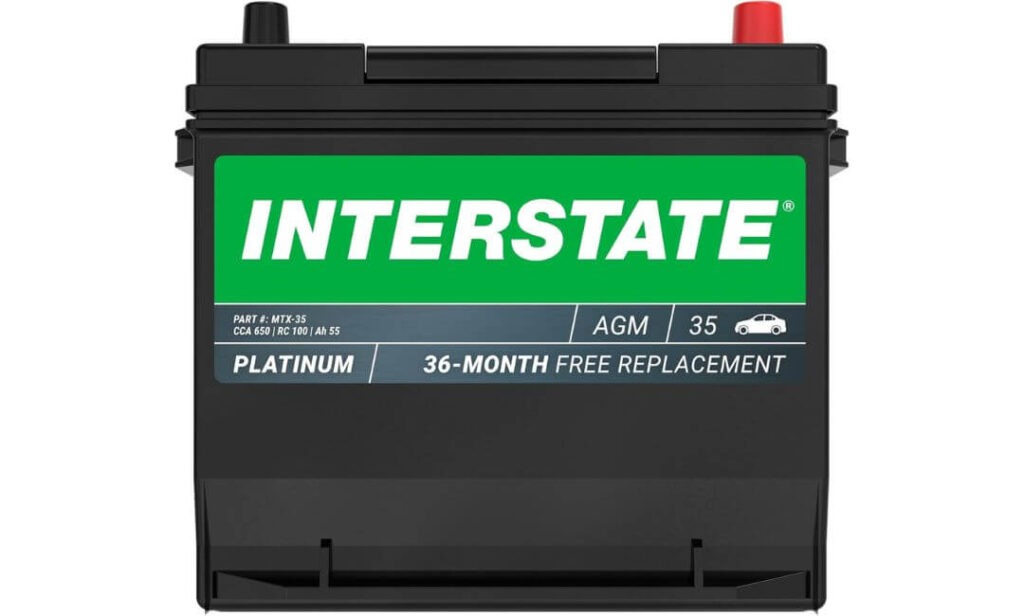
#1. Interstate Batteries MTX-35 AGM Battery
Technical Specs:
- BCI Group 35 fitment for most modern Subaru Forester models
- 12V AGM battery with 55Ah capacity
- 650 Cold Cranking Amps with 800 Cranking Amps
- 100-minute reserve capacity for stop-and-go driving stability
- Pure lead AGM construction with sealed VRLA design
- Maintenance-free and vibration-resistant housing
- Roughly 42 lbs with OEM-style top-post terminals
- 36-month replacement coverage backed by Interstate’s long-standing battery network
The first thing most Forester owners notice after installing this battery is not some dramatic marketing-style performance jump — it’s consistency. Cold morning starts feel cleaner, the engine cranks with less hesitation, and the start-stop system behaves far less erratically in traffic. That matters more than flashy specs because modern Subaru electronics are surprisingly sensitive to weak voltage delivery, especially once the factory battery begins aging.
What helps this battery stand out is the combination of pure lead AGM construction, solid reserve capacity, and a sizing profile that genuinely works well inside the Forester engine bay. A lot of cheaper AGM batteries technically “fit,” but once accessories, heated seats, infotainment systems, chargers, and repeated short trips start piling up, voltage stability becomes the real test. This one feels engineered for that exact type of real-world ownership instead of simply chasing spec-sheet numbers.
Another thing worth paying attention to is the 100-minute reserve capacity. Most people ignore reserve capacity until something goes wrong — alternator strain, winter mornings, sitting parked for days, or constant short commutes. That extra reserve becomes the difference between a vehicle that still starts confidently and one that suddenly feels weak after a few months. Interstate also packs noticeably more lead into this design than many lower-cost AGM competitors, which helps explain why many long-time owners stay loyal to the brand for years.
(For Subaru Forester owners dealing with weak factory batteries or unreliable winter starts, this is the kind of upgrade that usually feels noticeable within the first week.)
Where It Earned Our Respect
- Strong 650 CCA output that feels reliable during colder starts
- AGM construction handles modern Forester electronics much better than standard flooded batteries
- 100 RC helps stabilize voltage during short trips and stop-start traffic
- Proper Group 35 dimensions fit newer Subaru Forester models cleanly
- Interstate’s reputation and nationwide support network still matter when warranty situations happen unexpectedly
Where Some Owners May Hesitate
- Slightly heavier than some competing Group 35 batteries because of the extra lead construction
Subaru Forester Compatibility Notes
This battery makes the most sense for Subaru Forester owners running newer models with heavier electrical demands, especially trims using automatic start-stop systems. The Group 35 sizing aligns properly with what most 2014–2026 Forester models already use from the factory, so installation generally stays straightforward without weird fitment surprises.
It is also a smart option for older Forester owners upgrading from weaker flooded batteries. The AGM design handles vibration, short commutes, winter weather, and repeated starts far more confidently than many entry-level replacements. That becomes especially noticeable once the vehicle crosses higher mileage and electrical systems start becoming more sensitive over time.
The Insider Pro-Tip
One mistake many Forester owners make is replacing the battery only after obvious failure signs appear — slow cranking, dim startup lights, unstable auto start-stop behavior, or random electrical glitches. By that stage, the charging system has usually been working overtime for weeks trying to compensate for declining battery health. A stronger AGM replacement installed earlier often prevents those annoying “small” issues from snowballing into larger electrical headaches later.
Another thing experienced Subaru owners quietly pay attention to is reserve capacity, not just CCA. High CCA may help during a cold start, but reserve capacity is what keeps voltage stable during traffic, accessories, winter mornings, short drives, and modern electronics running together. That’s exactly where this battery tends to separate itself from many cheaper Group 35 options that look similar online but feel very different after a few months of real daily driving.
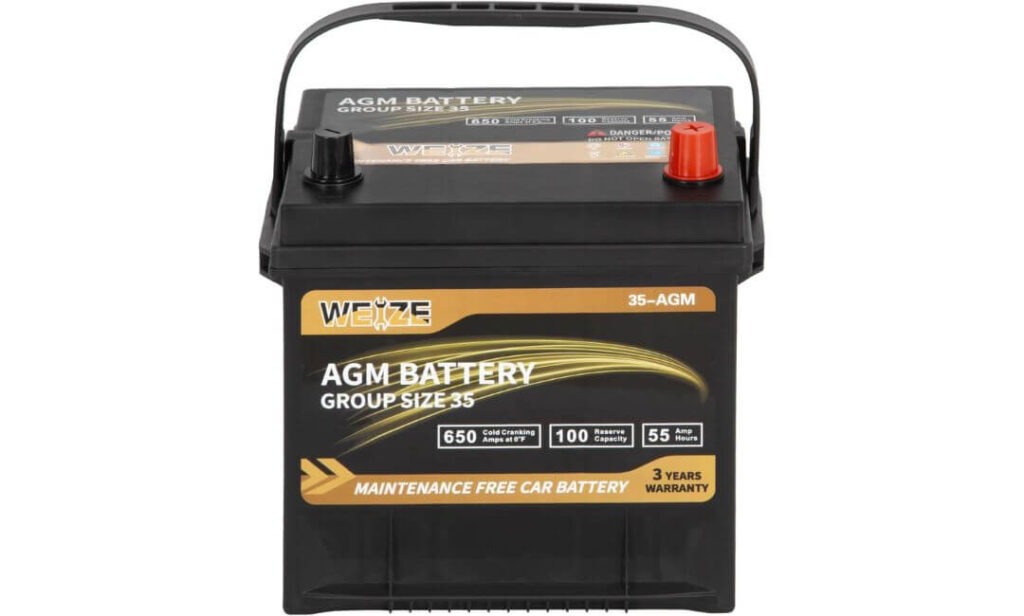
#2. Weize Platinum Group 35 AGM Battery
Technical Specs:
- Proper BCI Group 35 sizing for most modern Subaru Forester models
- 12V AGM battery with 55Ah capacity and 650 CCA output
- 100-minute reserve capacity for stronger electrical stability
- Compact OEM-style dimensions with standard tapered terminals
- Maintenance-free sealed AGM construction
- Designed for start-stop systems and higher accessory loads
- Heat-resistant and cold-weather-ready internal design
- Around 37.6 lbs with a 3-year replacement warranty
Sometimes the biggest surprise is not the premium battery everyone talks about — it’s the one people buy expecting “good enough” and end up genuinely impressed by. That’s exactly the space this Group 35 AGM battery has quietly moved into. The starting response feels sharp, voltage delivery stays stable during stoplights, and it handles modern Subaru electronics far better than most owners expect at this price point.
The real strength here is balance. The 650 CCA output is strong enough for colder mornings, while the 100 reserve capacity gives the battery more breathing room during short commutes, traffic-heavy driving, heated accessories, and repeated engine restarts. Many newer Forester owners underestimate how much stress the automatic start-stop system places on a battery until the factory unit begins struggling. AGM construction changes that experience immediately because the voltage stays more consistent instead of feeling weak after a few months.
Another thing worth appreciating is the temperature resilience. Subaru Foresters are often driven year-round in conditions ranging from freezing mornings to brutal summer heat, and cheaper batteries tend to show weakness quickly once temperatures swing aggressively. This one was clearly built with modern daily driving in mind — sealed AGM internals, vibration resistance, lower self-discharge, and enough cycle durability to handle vehicles that sit parked for days without immediately feeling drained afterward.
(For Forester owners wanting a cleaner OEM-style upgrade without dealership pricing, this battery lands in a surprisingly comfortable sweet spot.)
What Stood Out During Our Evaluation
- 650 CCA output feels dependable during winter starts and daily commuting
- AGM design works properly with Subaru start-stop systems and accessory-heavy driving
- 100 RC helps maintain stable voltage during traffic and short-distance driving
- Lighter construction than some heavier AGM competitors while still feeling solid
- Excellent balance between pricing, fitment confidence, and real-world daily usability
A Small Thing Buyers Should Double-Check
- Terminal orientation should always be verified before ordering, especially on older Forester trims with previous battery swaps
Subaru Forester Installation Perspective
This battery fits naturally into what most newer Subaru Forester owners are already looking for — a proper Group 35 AGM replacement that improves daily reliability without creating installation headaches. The dimensions stay close to OEM expectations, and the sealed AGM construction feels especially well-suited for vehicles using automatic start-stop systems regularly in traffic.
It also makes sense for owners upgrading from aging flooded batteries that no longer hold voltage consistently. Once Foresters begin showing slower cranks, unstable electronics, or weak winter starts, moving to a stronger AGM setup like this usually feels less like a luxury upgrade and more like restoring how the vehicle should have behaved originally.
The Insider Pro-Tip
One thing experienced Subaru owners learn quickly is that modern batteries are no longer just “starting batteries.” On newer Forester models, the battery constantly supports sensors, infotainment systems, safety tech, start-stop cycling, climate controls, charging ports, and standby electronics even when the SUV appears completely off. That’s why reserve capacity and AGM durability matter far more today than they did a decade ago.
Another detail many people overlook is self-discharge behavior. Vehicles that sit for several days at a time — especially during winter — can slowly weaken lower-quality batteries without obvious warning signs. AGM batteries with lower self-discharge rates tend to recover much better from those situations, which is one reason many Forester owners notice fewer surprise weak-start mornings after switching away from standard flooded replacements.
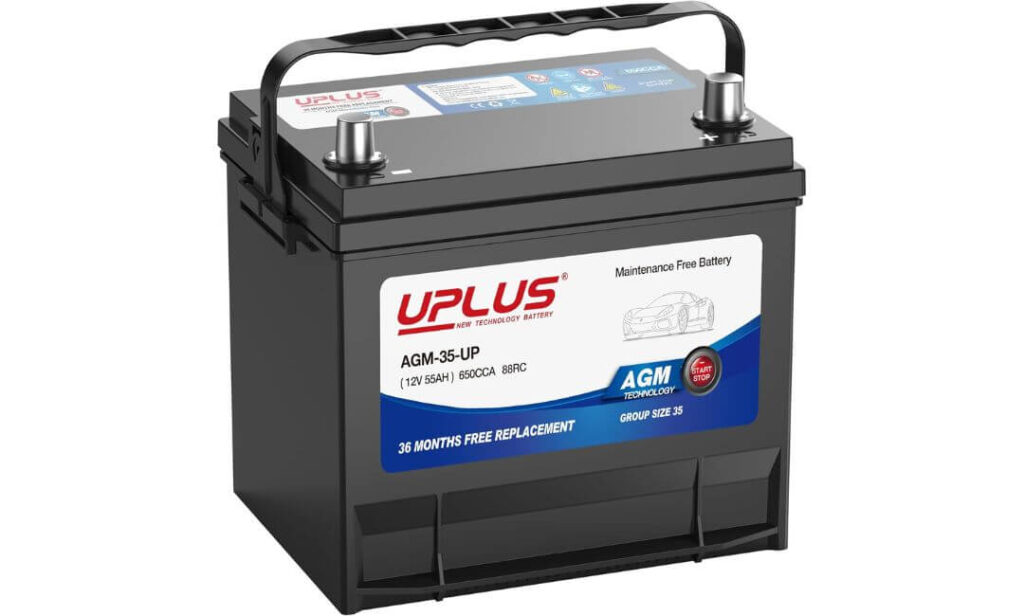
#3. UPLUS BCI Group 35 AGM Battery
Technical Specs:
- Correct BCI Group 35 sizing for most modern Subaru Forester models
- 12V AGM battery with 55Ah capacity and 650 CCA starting power
- 88-minute reserve capacity for stable accessory support
- Maintenance-free sealed AGM construction
- Enhanced silver-calcium alloy and high-density negative paste design
- Engineered specifically for automatic start-stop systems
- 15x stronger vibration resistance than standard flooded batteries
- OEM-style SAE terminal layout with left negative / right positive configuration
- 3-year manufacturer-backed warranty coverage
Oddly enough, this is the kind of battery many Subaru Forester owners buy with low expectations — and then end up recommending later because it quietly solves problems they were tired of dealing with. Weak winter starts, unstable stop-start behavior, voltage drops during short trips, electronics acting strange after sitting parked for days… those are the exact situations where this AGM setup starts making a noticeable difference.
The biggest reason is cycle durability. UPLUS leaned heavily into repeated start-stop performance instead of focusing only on raw cranking numbers, and that matters more than many people realize on newer Forester models. Daily traffic, short commutes, heated accessories, navigation systems, charging ports, and constant restart cycles slowly destroy weaker flooded batteries. The upgraded silver-calcium alloy and higher-density internal materials here are clearly designed to survive that type of real-world abuse longer than basic entry-level replacements.
Another thing that stands out is how planted the battery feels once installed. The stronger vibration resistance gives it a more heavy-duty character compared to lighter economy AGM options that can sometimes feel built only around pricing. Subaru Foresters may drive smoothly on pavement, but once rough roads, potholes, winter weather, or longer highway trips enter the picture, internal battery durability becomes a much bigger deal than most owners expect.
(For Forester owners wanting an AGM battery that feels engineered around daily stress instead of just startup numbers, this one punches well above what its pricing usually suggests.)
What Genuinely Impressed Us Here
- Strong cycle-life focus makes sense for modern Subaru start-stop systems
- 650 CCA output delivers confident cold-weather startup behavior
- AGM construction handles accessory-heavy driving much better than standard flooded batteries
- Excellent vibration resistance for long-term durability on rougher roads
- Stable voltage delivery during short commutes and stop-and-go traffic situations
One Small Thing Worth Knowing Early
- Reserve capacity is slightly lower than some premium AGM competitors, though most daily drivers will likely never notice the difference
Subaru Forester Ownership Perspective
This battery fits extremely well into the type of driving many Subaru Forester owners actually deal with now — shorter commutes, constant traffic, colder mornings, and vehicles packed with electronics running in the background all day. The Group 35 dimensions stay close to OEM expectations, and the AGM design feels noticeably better suited for modern Subaru charging systems compared to cheaper flooded replacements.
It also works especially well for Forester owners who keep their vehicles parked for longer periods during the week. Lower self-discharge behavior combined with AGM stability helps reduce those frustrating moments where the vehicle suddenly feels weak after sitting untouched for several days.
The Insider Pro-Tip
Most people judge a battery by how the engine starts on day one. Experienced Subaru owners pay attention to how the vehicle behaves six months later — during traffic, freezing mornings, short drives, accessory-heavy use, and repeated stop-start cycles. That’s where batteries with stronger cycle-life engineering usually separate themselves from cheaper alternatives that initially feel fine but slowly become inconsistent over time.
Another detail many buyers overlook is vibration resistance. It sounds minor until years of rough roads, expansion joints, winter potholes, and highway miles begin stressing internal battery components. AGM batteries with stronger internal reinforcement tend to stay stable much longer under real daily driving conditions, especially in SUVs like the Forester that are often driven year-round in mixed environments.
#4. 1AUTODEPOT Group 35 AGM Battery
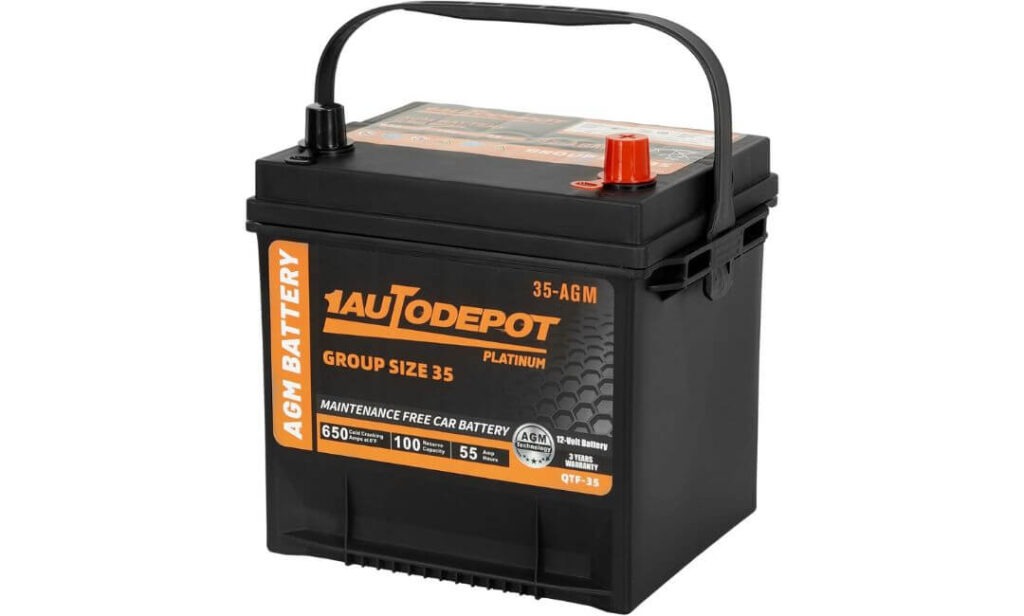
Technical Specs:
- BCI Group 35 sizing designed for most newer Subaru Forester models
- 12V AGM battery with 55Ah capacity and 650 CCA output
- Strong 100-minute reserve capacity for electronics-heavy driving
- Maintenance-free sealed AGM construction
- Built for automatic start-stop systems and modern accessory loads
- Heat- and cold-resistant internal design for year-round performance
- Lower self-discharge rate for vehicles that sit parked longer
- OEM-style tapered terminal layout with left negative / right positive setup
- 36-month warranty support with vibration-resistant construction
Here’s the interesting thing about this battery: it does not try too hard to look flashy, yet almost everything about it lines up with what Subaru Forester owners genuinely need in real daily use. Strong cold starts, stable voltage during stoplights, cleaner accessory support, and less of that annoying sluggish crank behavior that starts appearing once factory batteries begin aging. It simply feels built around modern driving habits instead of old-school “just start the engine” expectations.
The biggest strength here is balance between reserve capacity and AGM durability. Many lower-cost batteries can deliver decent startup power for a while, but the real challenge starts once traffic, heated accessories, charging cables, infotainment systems, and short commutes begin stacking stress onto the electrical system every single day. That’s where the 100 reserve capacity starts making practical sense because the battery has more breathing room when the charging system cannot fully recover between drives.
Another thing worth appreciating is the temperature stability. Subaru Foresters are often driven through harsh winters, brutal summer heat, rough roads, and long-distance trips where internal battery durability matters more than people expect. AGM construction combined with the reinforced internal layout gives this battery a more confidence-inspiring feel than many generic replacements that technically fit but slowly weaken under real-world conditions.
(For Forester owners wanting a dependable OEM-style AGM upgrade without jumping into ultra-premium pricing, this is one of the cleaner all-around options currently available.)
What Made This Battery Stand Out to Us
- 650 CCA output provides stable cold-weather starting confidence
- 100 RC supports modern Subaru electronics and stop-start traffic much better than standard batteries
- AGM construction reduces leak risk while improving long-term durability
- Lower self-discharge behavior helps during longer parking periods
- Excellent fitment sizing for most modern Subaru Forester engine bays
One Thing Buyers Should Keep in Mind
- Like most AGM batteries, proper terminal orientation should still be verified before ordering to avoid installation surprises
Subaru Forester Fitment Perspective
This battery fits naturally into the electrical demands most Subaru Forester owners deal with now — start-stop systems, accessory-heavy driving, frequent short trips, and year-round commuting. The Group 35 dimensions stay very close to what newer Forester trims expect from the factory, making installation feel straightforward instead of turning into a frustrating fitment experiment.
It also works well for owners upgrading from weaker flooded batteries that have started showing signs of decline. Once Foresters begin displaying slower starts, unstable idle-stop behavior, or weak electrical response during colder mornings, moving to a stronger AGM platform like this often restores the vehicle’s normal behavior surprisingly quickly.
The Insider Pro-Tip
A lot of drivers focus only on CCA because it sounds impressive on paper, but modern Subaru ownership is honestly more about voltage stability than raw startup numbers alone. Features like automatic start-stop systems, heated accessories, charging ports, cameras, infotainment systems, and standby electronics quietly put constant stress on the battery even when the SUV seems perfectly normal.
That’s why AGM batteries with stronger reserve capacity usually age more gracefully in real-world Forester use. They recover better from short trips, maintain voltage more consistently during traffic, and generally avoid the “random electrical weirdness” many owners start noticing once weaker batteries begin falling behind.
#5. Mighty Max MM-G35 AGM Battery
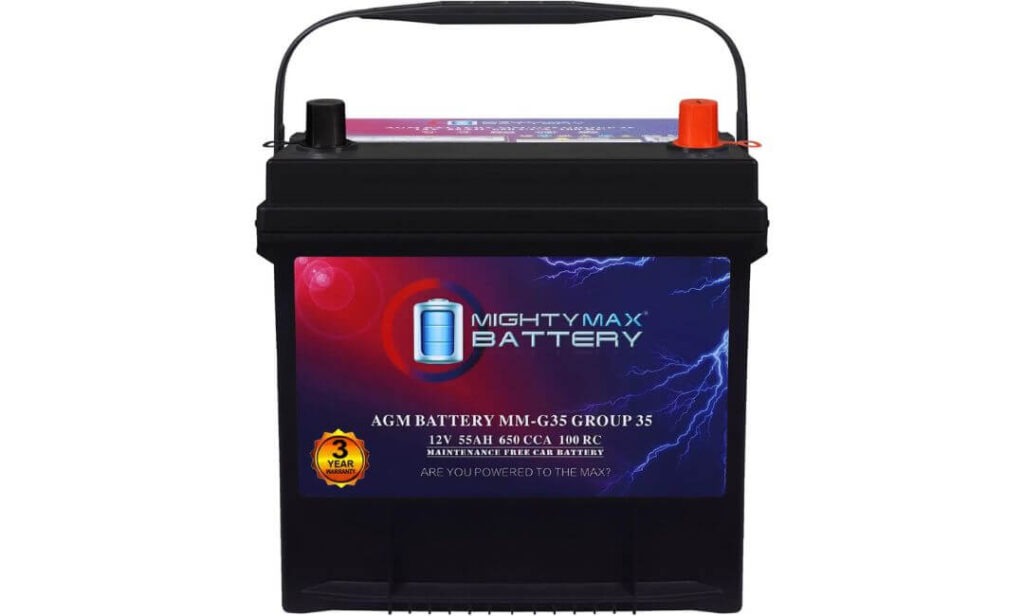
Technical Specs:
- BCI Group 35 sizing compatible with most newer Subaru Forester models
- 12V AGM battery delivering 55Ah capacity and 650 CCA
- Strong 100-minute reserve capacity for accessory-heavy driving
- Maintenance-free sealed AGM construction with spill-proof design
- Deep discharge recovery support for repeated short-trip driving
- Rugged vibration-resistant internal build for rougher road conditions
- Multi-position mounting flexibility (except upside down)
- Standard top-post layout with right positive / left negative configuration
- Around 40 lbs with included mounting hardware for easier installation
Plenty of batteries look good sitting on a product page. Very few continue getting recommended after months of actual ownership. That’s where this Group 35 AGM setup starts making more sense than people initially expect. The startup response feels immediate, voltage delivery stays steady during daily commuting, and the battery handles modern Subaru Forester electronics far more confidently than many budget-focused alternatives.
What makes this one interesting is the balance between price and usable real-world performance. The 650 CCA output gives enough cold-start confidence for winter mornings, while the 100 reserve capacity helps stabilize everything happening behind the scenes — infotainment systems, charging ports, heated accessories, stop-start cycling, and constant electrical draw during traffic-heavy driving. A lot of cheaper batteries can technically start the vehicle, but they begin feeling strained once real daily use piles on.
The AGM construction also gives this battery a more durable feel than traditional flooded replacements. Deep discharge recovery matters more than most Forester owners realize because short trips and stop-and-go driving rarely give the charging system enough time to fully recover weaker batteries. Add vibration resistance, sealed internals, and stable voltage delivery into the mix, and the overall ownership experience feels much closer to premium AGM options than the pricing might suggest at first glance.
(For Subaru Forester owners wanting a dependable AGM upgrade without stretching into premium-brand pricing, this one quietly covers the essentials extremely well.)
What We Appreciated Most Here
- Strong 650 CCA startup performance during colder weather
- 100 RC handles traffic, accessories, and short-trip driving more comfortably
- AGM construction improves voltage stability over standard flooded batteries
- Deep discharge recovery helps during inconsistent driving patterns
- Easy installation process with included mounting hardware
A Fair Thing Buyers Should Know
- Some owners mention the battery can sit slightly taller depending on the exact Forester trim or battery cover setup
Subaru Forester Real-World Fitment Thoughts
This battery fits the type of modern daily use most Subaru Forester owners actually experience now — heavy traffic, repeated stop-start cycles, winter starts, shorter drives, and vehicles constantly running electronics in the background. The Group 35 dimensions stay close to OEM expectations, making it a much cleaner replacement choice than experimenting with oversized upgrades.
It also makes sense for owners moving away from aging factory batteries that have started struggling with voltage consistency. Once Foresters begin showing slower starts, weak accessory response, or inconsistent stop-start behavior, a stronger AGM platform like this usually restores much smoother overall operation surprisingly quickly.
The Insider Pro-Tip
One thing experienced Subaru owners learn after dealing with multiple batteries is that daily driving habits matter just as much as the battery itself. Vehicles used mostly for shorter commutes, traffic-heavy routes, or occasional weekend driving place very different stress on a battery compared to long highway miles. AGM batteries with stronger reserve capacity and deep discharge recovery tend to handle those mixed driving patterns much more gracefully over time.
Another overlooked detail is how modern electronics slowly expose weak batteries long before total failure happens. Dimmer startup lighting, slower infotainment boot-up, rougher auto stop-start behavior, or weaker cold starts usually appear weeks before the battery officially “dies.” Upgrading early to a stronger AGM setup often prevents those small warning signs from turning into inconvenient no-start situations later.
#6. Autocessking Group 35 AGM Battery
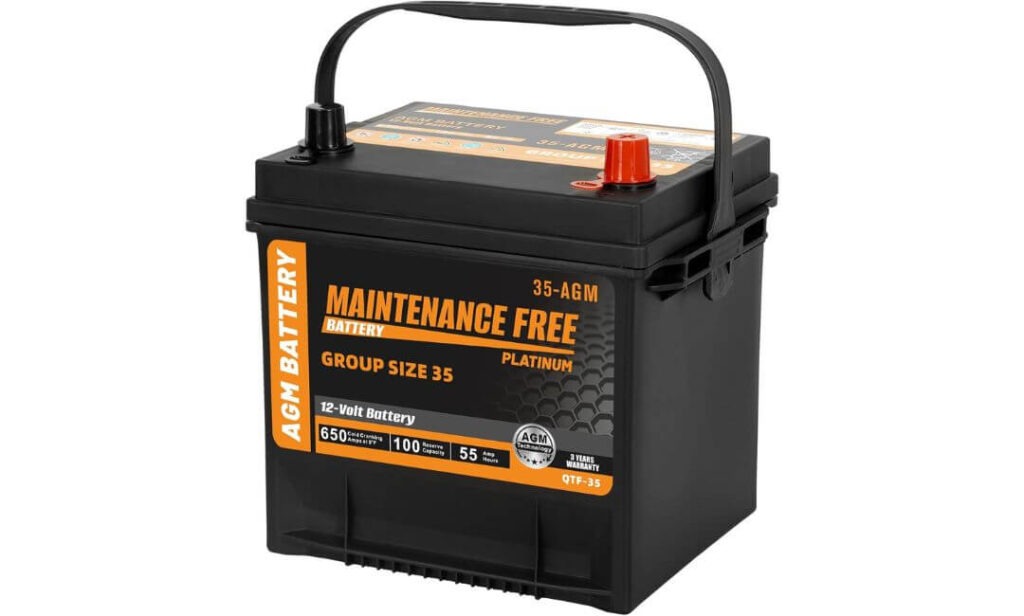
Technical Specs:
- Correct BCI Group 35 sizing for most newer Subaru Forester models
- 12V AGM battery with 55Ah capacity and 650 CCA output
- Strong 100-minute reserve capacity for modern electrical demands
- Maintenance-free sealed AGM construction
- Built for automatic start-stop systems and daily commuting stress
- Heat-resistant and cold-weather-ready internal materials
- Low self-discharge design for vehicles parked longer between drives
- Vibration-resistant housing for rough roads and year-round use
- Around 38 lbs with OEM-style fitment dimensions
Not every good Subaru Forester battery comes from a giant legacy brand people have heard about for decades. Sometimes a newer AGM option simply checks the right boxes where it actually matters — stable startup behavior, solid reserve capacity, proper Group 35 fitment, and enough durability to survive modern stop-start driving without feeling weak after a few months.
This battery leans heavily into practical daily usability. The 650 CCA output gives enough confidence for colder starts, while the 100 reserve capacity helps support everything happening in the background of a modern Forester — charging ports, infotainment systems, heated accessories, cameras, sensors, and constant electrical draw during traffic-heavy driving. A lot of owners only focus on startup power, but long-term voltage stability is usually what separates a smooth-driving Forester from one that slowly starts acting strange electrically.
The AGM construction also gives this battery a more modern feel compared to older flooded replacements. It is sealed, maintenance-free, resistant to vibration, and designed to hold charge longer during periods of inactivity. That last part matters more than people expect because many Foresters today spend days sitting parked between commutes, especially during colder months where weak batteries begin draining faster than owners realize.
(For Subaru Forester owners wanting a modern AGM replacement without overspending purely for a brand name, this battery lands surprisingly close to what most daily drivers genuinely need.)
What Helped This Battery Earn a Spot Here
- 650 CCA output provides dependable cold-weather startup performance
- 100 RC handles electronics-heavy driving more comfortably than basic flooded batteries
- AGM construction supports modern Subaru start-stop systems properly
- Low self-discharge behavior works well for vehicles parked longer between drives
- Strong vibration and temperature resistance for year-round reliability
One Thing Worth Checking Before Installation
- Because this is a newer battery option on the market, long-term ownership history is still more limited compared to older legacy brands
Subaru Forester Compatibility Perspective
This battery fits naturally into the needs of most modern Subaru Forester owners — especially drivers dealing with short commutes, colder climates, frequent stoplights, and vehicles loaded with electronics running throughout the day. The Group 35 dimensions stay close to OEM expectations, helping installation feel straightforward instead of turning into a fitment gamble.
It is also a practical upgrade path for owners replacing weak factory flooded batteries that no longer hold voltage consistently. Once a Forester starts showing signs like rough cold starts, unstable stop-start behavior, or weaker electrical response during daily driving, moving to a stronger AGM setup like this often makes the vehicle feel noticeably healthier again.
The Insider Pro-Tip
A surprising number of battery failures blamed on “bad batteries” are actually caused by driving habits modern vehicles were never designed around — short trips, constant stop-and-go traffic, long parking periods, and heavy accessory use without enough charging recovery time in between. AGM batteries with stronger reserve capacity and lower self-discharge behavior simply tolerate that lifestyle much better than older flooded designs.
Another detail experienced Subaru owners pay attention to is how the battery behaves after the vehicle sits unused for several days. Weak batteries often show their problems there first — slower cranks, weaker voltage, delayed startup electronics, or unstable idle-stop behavior. AGM setups built with stronger internal stability usually recover from those situations far more confidently, especially in newer Forester models packed with background electrical systems.
Best Subaru Forester AGM Batteries Compared
Buying Guide: How to Choose the Right Battery for Your Subaru Forester Without Regretting It Later
A Subaru Forester is not especially difficult on batteries, but newer models absolutely expose weak batteries faster than older vehicles used to. Automatic start-stop systems, heated seats, large infotainment screens, charging ports, cameras, sensors, and short daily commutes quietly put constant stress on the electrical system. That is why choosing the correct battery is no longer just about “getting the car to start.” The right battery changes how the entire vehicle feels during daily driving, especially once temperatures drop or the factory battery begins aging.
Most Forester owners only realize this after dealing with slow cranks, weak cold starts, unstable start-stop behavior, or random electrical quirks that seem unrelated at first. In reality, the battery is usually at the center of those problems.
Why Group 35 AGM Batteries Make the Most Sense for Modern Subaru Forester Models
For most Subaru Forester models from roughly 2014 onward, the safest and most practical choice is usually a BCI Group 35 AGM battery. That size matches what most newer Forester trims expect from the factory, while AGM construction handles modern electrical loads far better than traditional flooded batteries.
A standard flooded battery may still work initially, but repeated stop-start cycles, accessory-heavy driving, traffic, winter weather, and short trips slowly wear weaker batteries down faster than many drivers expect. AGM batteries are designed specifically to handle those conditions with stronger voltage stability, better vibration resistance, lower self-discharge, and longer overall cycle life.
That is exactly why every battery in this guide stayed focused around the same proven formula:
- Group 35 sizing
- AGM construction
- Around 55Ah capacity
- Roughly 650 CCA output
- Strong reserve capacity for modern electrical demands
For most Forester owners, that setup simply delivers the best balance between fitment confidence, reliability, and long-term usability.
The Real Importance of 650 CCA in Everyday Driving
A lot of buyers focus only on price because batteries can look almost identical online. What actually matters is how the battery behaves six months later during freezing mornings, traffic-heavy driving, or repeated short trips.
That is where 650 Cold Cranking Amps (CCA) becomes important.
A Forester may not need massive diesel-truck levels of starting power, but lower-output batteries often begin feeling weak once temperatures drop or the vehicle sits parked for several days. A healthy 650 CCA setup gives cleaner cold starts, steadier voltage delivery, and better overall confidence during winter conditions.
More importantly, stronger CCA output usually helps reduce stress on the starter and charging system over time, especially in vehicles using automatic engine stop-start technology regularly.
Reserve Capacity Matters More Than Most Drivers Realize
Reserve capacity is one of the most overlooked battery specifications, yet it directly affects real-world ownership experience.
A battery with higher reserve capacity handles:
- Traffic-heavy commuting
- Heated seats and climate controls
- Infotainment systems
- Dash cams and chargers
- Repeated stop-start cycling
- Longer idle periods
- Short drives without full recharge time
much more comfortably than lower-capacity batteries.
That is why several batteries in this guide focused heavily on 100-minute reserve capacity. The extra reserve helps stabilize voltage during demanding daily use instead of allowing the electrical system to feel strained after a few months.
Subaru Forester Battery Size and Fitment Checklist
Before ordering any replacement battery, always verify a few things manually instead of assuming every Group 35 battery is automatically identical.
Check:
- Battery dimensions
- Terminal orientation (left negative / right positive is common)
- Battery tray clearance
- Hood clearance
- AGM compatibility requirements
- Existing battery type from factory
Most modern Forester models use Group 35 batteries, but previous owners sometimes install different sizes during earlier replacements. Physically comparing dimensions with the original battery avoids unnecessary installation surprises later.
AGM vs Flooded Batteries for Subaru Forester Owners
If your Forester originally came with an AGM battery, staying with AGM is usually the smarter decision. Downgrading to a cheaper flooded battery may technically work at first, but modern charging systems and start-stop functions are calibrated around AGM behavior in many newer vehicles.
AGM batteries offer:
- Better vibration resistance
- Faster recharge recovery
- Stronger cycle life
- Improved cold-weather starting
- Lower self-discharge
- Better support for modern electronics
Flooded batteries still make sense for some older Forester models without start-stop systems, but for newer daily-driven Foresters, AGM generally feels noticeably more stable long term.
Warranty and Brand Reputation Still Matter More Than Marketing Claims
Most battery listings online promise “premium performance,” but warranty support and real-world consistency matter much more than flashy advertising language.
Established brands usually offer:
- Easier warranty handling
- Better retailer support
- More consistent manufacturing quality
- Wider replacement availability
That said, some newer AGM battery brands now offer surprisingly strong real-world value if the specifications, reserve capacity, fitment, and construction quality are solid. That is why this guide focused less on hype and more on the actual things Forester owners feel during ownership — stable cold starts, proper fitment, reliable voltage delivery, and long-term usability.
The Biggest Mistake Subaru Forester Owners Make
The most common mistake is waiting until the battery completely fails before replacing it.
Modern batteries often show warning signs weeks before total failure:
- Slower morning cranks
- Dim startup lighting
- Rough auto start-stop behavior
- Weak accessory performance
- Random electrical inconsistencies
- Longer engine turnover during cold weather
Once those symptoms start appearing consistently, the charging system is usually already compensating heavily for declining battery health.
Replacing the battery before complete failure often prevents a much bigger headache later, especially during winter or long-distance driving.
Subaru Forester Battery Installation and Maintenance Tips That Actually Prevent Problems Later
Most Subaru Forester battery replacements are physically straightforward, but the difference between a battery that lasts properly and one that starts acting weak early usually comes down to installation habits, charging health, and how the vehicle is driven afterward. Modern Foresters are far more sensitive to battery condition than older SUVs were, especially once automatic start-stop systems and electronics-heavy interiors entered the picture.
A lot of owners blame the replacement battery itself when the real issue is often poor installation, weak charging voltage, dirty terminals, or repeated short-trip driving that never gives the battery enough recovery time.
Quick Subaru Forester Battery Installation Overview
Replacing a Group 35 battery in a Subaru Forester is not especially difficult, but rushing through the process is where small mistakes happen.
Before starting:
- Park on a flat surface
- Turn the engine completely off
- Remove the key from proximity range if using push-button start
- Wear gloves and eye protection
- Avoid letting metal tools touch both terminals simultaneously
Once ready, most installations follow this order:
- Disconnect the negative terminal first
- Disconnect the positive terminal second
- Remove the hold-down bracket carefully
- Lift the old battery straight upward
- Clean corrosion from terminal clamps if necessary
- Place the new Group 35 battery securely into position
- Reconnect positive terminal first
- Reconnect negative terminal last
- Tighten terminals properly without over-tightening
One thing experienced Subaru owners always pay attention to is terminal tightness. Loose terminals can create strange electrical symptoms that mimic battery failure — flickering electronics, rough startup behavior, warning lights, unstable idle-stop operation, or weak charging performance.
Why AGM Batteries Need Slightly Different Care Than Older Flooded Batteries
One reason AGM batteries have become so popular in newer Subaru Forester models is because they require far less day-to-day maintenance than traditional flooded batteries.
AGM batteries are:
- Sealed and spill-resistant
- Maintenance-free
- More vibration resistant
- Better at handling repeated charging cycles
- Faster at recovering after short drives
- More stable during colder weather
That said, AGM batteries still dislike one thing: staying undercharged for long periods.
Foresters driven mostly on short commutes, heavy traffic routes, or occasional weekend trips can slowly drain battery health over time because the alternator never gets enough uninterrupted driving time to fully recharge the battery properly.
That is why many AGM batteries fail early even though the battery itself was never defective.
Early Warning Signs Your Subaru Forester Battery Is Starting to Decline
Modern Subaru vehicles usually give subtle warning signs long before the battery completely dies.
Common symptoms include:
- Slower engine cranking during morning starts
- Auto start-stop behaving inconsistently
- Flickering interior lights during startup
- Infotainment systems rebooting unexpectedly
- Weak accessory performance while idling
- Battery warning lights appearing intermittently
- Electrical systems feeling sluggish during colder weather
A lot of drivers ignore these signs because the vehicle still technically starts. The problem is that once those symptoms begin appearing regularly, the charging system is often already compensating heavily for weakening battery performance.
Replacing the battery earlier usually prevents bigger issues later, especially during winter.
Why Checking the Charging System Matters After Installation
One of the biggest mistakes people make after installing a new battery is assuming the problem is automatically solved.
If the alternator output is weak, the battery terminals are corroded, or the charging system is unstable, even a brand-new AGM battery can begin degrading much faster than expected.
After installation, it is smart to verify:
- Alternator charging voltage
- Battery resting voltage
- Terminal cleanliness
- Ground connection condition
- Charging consistency while idling
Most healthy charging systems will show roughly:
- Around 12.6V engine off
- Around 13.7V–14.7V while running
If charging voltage stays unusually low or fluctuates aggressively, the problem may not be the battery at all.
Driving Habits Affect Battery Life More Than Most Owners Realize
Modern Foresters place constant background demand on the battery, even when everything feels normal.
Things like:
- Heated seats
- Phone chargers
- Dash cameras
- Safety sensors
- Infotainment systems
- Climate controls
- Auto start-stop cycling
all quietly increase battery workload during everyday driving.
Vehicles used mostly for:
- Short trips
- Stop-and-go traffic
- Long parking periods
- Cold-weather commuting
usually wear batteries out faster than vehicles driven regularly on longer highway routes.
That is exactly why stronger AGM batteries with better reserve capacity tend to feel noticeably healthier long term in newer Subaru Forester models.
Subaru Forester Battery Replacement Best Practices Most Owners Overlook
The smartest battery replacements usually happen before complete failure, not after.
Experienced Subaru owners typically:
- Replace aging batteries proactively before winter
- Stay with AGM if the factory battery was AGM
- Verify terminal orientation before ordering
- Avoid mixing old corroded terminals with new batteries
- Test charging voltage after installation
- Keep the battery securely mounted to reduce vibration stress
One overlooked detail is battery registration. Some newer vehicles require charging-system recalibration after battery replacement, although many Subaru Forester trims remain simpler than certain luxury brands in this area. Still, checking the owner’s manual after installation is always a smart idea.
In the long run, battery reliability is usually less about one dramatic moment and more about avoiding months of small electrical stress building quietly in the background.
FAQs About Subaru Forester Battery
Does the Subaru Forester actually need an AGM battery, or is that just marketing hype now?
For older Forester models without automatic start-stop systems, a standard flooded battery can still technically work. The problem is that newer Subaru Foresters place much heavier constant electrical demand on the battery than many owners realize. Heated seats, larger infotainment systems, sensors, safety tech, charging ports, cameras, and idle-stop systems quietly stress the battery every single drive, especially during traffic-heavy commuting.
That is why AGM batteries usually feel noticeably better in real ownership. The startup response stays cleaner, voltage remains more stable during short trips, and the battery recovers faster after repeated engine restarts. Most owners who switch from a weaker flooded battery to a quality Group 35 AGM setup immediately notice:
- smoother cold starts
- more stable auto stop-start behavior
- fewer random electrical glitches
- better performance after the vehicle sits parked for days
The difference is not dramatic in one moment — it is the absence of small daily frustrations over time.
Why do Subaru Forester batteries seem to wear out faster than older SUVs used to?
Modern Foresters are honestly doing far more in the background than older vehicles ever did. Even when parked, certain systems remain partially active, and during driving the battery constantly supports electronics instead of simply starting the engine and relaxing afterward.
The real battery killers today are usually:
- repeated short trips
- stop-and-go traffic
- winter driving
- automatic start-stop systems
- heavy accessory use
- long parking periods without driving
A lot of owners think their battery “randomly died,” but usually the vehicle spent months slowly undercharging the battery during normal daily use. AGM batteries tolerate those conditions much better because they handle cycling stress and voltage recovery more efficiently than traditional flooded batteries.
Is upgrading to a higher reserve capacity battery actually noticeable in a Subaru Forester?
Yes — honestly more noticeable than chasing extremely high CCA numbers alone.
Most people focus only on cold cranking amps because that number sounds impressive, but reserve capacity is what supports the SUV during real-world use. A higher reserve capacity battery usually feels healthier during:
- traffic-heavy commuting
- winter mornings
- short-distance driving
- accessory-heavy use
- long idle periods
- vehicles parked several days between drives
That is exactly why many experienced Subaru owners prefer AGM batteries around the 100 RC range. The vehicle simply feels more electrically stable overall instead of acting slightly strained after months of normal use.
Can a weak battery cause strange Subaru Forester electrical problems even before it completely dies?
Absolutely — and this catches a lot of owners off guard.
Modern Subaru vehicles are extremely sensitive to voltage fluctuations. A weakening battery may still start the engine while quietly causing:
- unstable auto start-stop operation
- infotainment glitches
- dashboard warning lights
- delayed screen boot-up
- flickering startup lighting
- rough idle behavior
- inconsistent sensor warnings
That is why many electrical “mystery problems” disappear immediately after installing a stronger AGM battery. The vehicle was never necessarily broken — it was operating with unstable voltage in the background for weeks or months before total battery failure happened.
What is the biggest mistake people make when replacing a Subaru Forester battery?
Waiting too long.
Most owners replace the battery only after a complete no-start situation happens, but modern batteries usually warn you long before reaching that point. Slow cranking, weaker cold starts, rough stop-start behavior, or electronics acting strange are often early signs the battery is already struggling internally.
Another common mistake is buying a cheap battery that technically fits physically but lacks proper reserve capacity or AGM durability for modern Forester use. On paper, many batteries look nearly identical. In real driving, the difference becomes obvious after several months of traffic, winter weather, short trips, and electrical load start stressing the system daily.
A properly sized Group 35 AGM battery with around 650 CCA and strong reserve capacity usually ends up feeling cheaper long term because it avoids the headaches weaker batteries tend to create later.
Final Thoughts
Finding the best battery for a Subaru Forester is honestly less about chasing the biggest marketing claims and more about understanding how modern Foresters actually behave in daily life. These SUVs may not look electrically demanding on the surface, but once cold mornings, stop-and-go traffic, short commutes, heated accessories, and automatic start-stop systems enter the picture, weaker batteries get exposed surprisingly fast.
That is exactly why every option in this guide stayed focused around the same proven setup: a properly sized Group 35 AGM battery with strong reserve capacity and reliable 650 CCA performance. For most Subaru Forester owners, that combination simply delivers the cleanest balance between fitment confidence, winter reliability, voltage stability, and long-term daily usability.
What matters most is choosing a battery that matches how the vehicle is actually driven. Some owners need maximum long-term durability for heavy commuting, others want the best value possible without sacrificing AGM reliability, while some simply want a cleaner replacement that fixes weak starts and electrical inconsistency before bigger problems appear later.
The good news is that modern AGM batteries have become dramatically better than the weak factory setups many Forester owners complain about after only a few years. A strong replacement battery does not just help the engine start — it changes how stable the entire SUV feels day to day.
And honestly, that is usually the moment Subaru owners realize the battery was affecting far more than they originally thought.
Also Check:

