
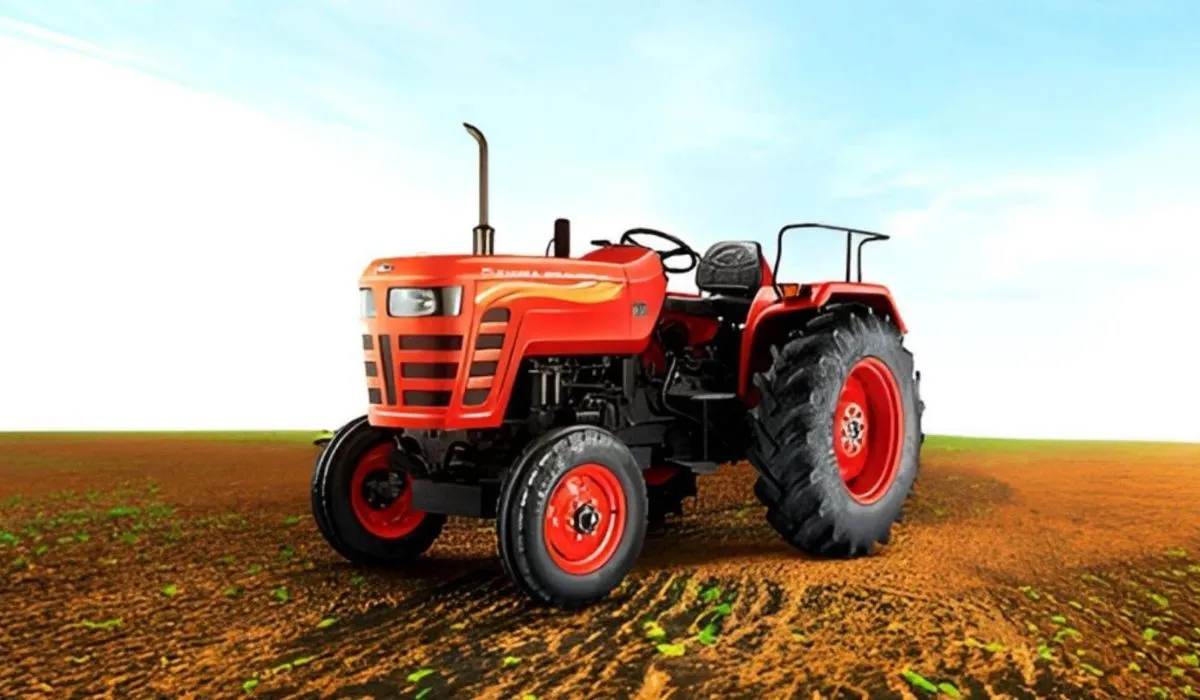
How Mahindra Tractor Implements Contributes to Efficient Farm Management
In Indian farming, timing decides outcomes. If land preparation is late, sowing slips. If spraying is delayed, pests get ahead. Implements matter because they convert the power of your tractor into organised work: faster field operations, consistent quality, and tighter control over labour and costs.
Below is a field-grounded view of how Mahindra implements support for efficient farm management across the season, including for mixed-crop farms and those running a small tractor.
Start with the right match: power, soil and job
Efficiency starts before the first pass. The implement must suit:
- Horsepower and hydraulics of your tractor
- Soil type (black cotton, red, sandy loam)
- Crop pattern (paddy–wheat, cotton, sugarcane, pulses, vegetables)
- Working width that fits your plot size and turning space
A correct match reduces wheel slip and fuel use, and it finishes the task in fewer passes. Fewer passes also mean less compaction, which protects soil structure over time.
Land preparation: better tilth with fewer passes
Land preparation is where farms either lose days or gain them. The aim is clear: open the soil, manage residues and weeds, break clods, and build a seedbed that holds moisture.
Implements commonly used for tillage
- Primary tillage (turning and opening): mouldboard plough, disc plough
- Secondary tillage (clod breaking and mixing): disc harrow, cultivator
- Seedbed finishing (fine tilth where needed): rotavator
What this improves in day-to-day management
- Faster field readiness before sowing, especially between kharif and rabi
- More uniform seedbed, supporting even germination
- Lower labour dependence during peak weeks
For smaller holdings, a small tractor paired with the right working width often finishes the job within the ideal sowing window instead of stretching it across days.
Sowing and planting: accuracy that saves seed and time
Seed and fertiliser are major input costs. When placement is uneven, farmers often increase the seed rate to “cover” gaps. Seeding implements reduce that waste by controlling depth and spacing.
Where seeding implements add efficiency
- Seed drills and seed-cum-fertiliser drills place seed and fertiliser in one run
- Crop planters improve row spacing, which later simplifies interculture and spraying
- Ridgers and bed makers support raised-bed farming in vegetables and cotton belts
Better placement improves plant population, reduces patchy re-sowing, and makes input planning more predictable.
Interculture and weeding: manage weeds without chasing labour
Weeds steal moisture and nutrients when crops are young. Interculture implements allow timely control even when labour is scarce.
Useful interculture tools
- Inter-row cultivators and tines loosen soil and uproot weeds
- Ridgers build up soil around crops such as sugarcane and potato, supporting growth
- Rotary weeders (where crop spacing allows) speed up work in wider rows
With the right settings and steady forward speed, your tractor becomes a reliable weeding partner, so operations follow crop stage rather than labour availability.
Plant protection: spray on time and cover evenly
Pest and disease pressure can change quickly after rain or a humid spell. Tractor-mounted and trailed sprayers make it easier to cover more area per day while keeping output consistent.
How sprayers support efficiency
- Even nozzle height and stable pressure improve coverage
- Wider boom options reduce missed strips
- Faster coverage keeps you within the best spray window for many fungal issues
For farms using a small tractor, compact sprayers still provide strong reach in orchards, vegetables, and small plots where manoeuvrability matters.
Haulage and farm logistics: keep inputs and harvest moving
Farm management is also a movement. Seeds, fertiliser, harvested produce, and residues must travel on time. Trailers and trolleys reduce wasted trips and keep labour focused.
Efficiency gains from haulage implements
- Faster input movement during sowing and top dressing
- Quicker evacuation of harvest to the threshing or drying point
- Better control over harvest timing during weather changes
When your tractor also supports transport, you avoid last-minute vehicle rentals in peak season.
Levelling and residue management: save water and speed the next crop
Uneven fields cause waterlogging in low patches and dryness on ridges. A simple leveller or blade can make a visible difference in paddy and in irrigated wheat. Better levelling means water spreads evenly, fertiliser stays where you put it, and germination is more uniform. On drip or furrow systems, clean beds and straight rows also make irrigation scheduling easier. It also reduces standing water that encourages weeds and some diseases later.
After harvest, residues can slow the next operation. Shredders, mulchers, and rakes reduce bulky stubble into manageable material that can be composted, incorporated, or removed. The time saved here is often the time that protects the next crop’s sowing date.
If you do not need an implement every week, consider sharing through a custom hiring centre or a neighbour group. Higher utilisation improves return on investment while keeping your tractor ready for core tasks.
Uptime, fuel and care: small habits that protect efficiency
Implement performance depends on maintenance and correct setup. Simple routines save hours:
- Check bolts, bearings, and lubrication points before long runs
- Set working depth correctly; deeper is not always better
- Keep blades, discs, and tines in good condition
- Maintain tyre pressure to reduce slip and uneven wear
These steps protect both the implement and the tractor, supporting steadier fuel use and fewer breakdowns during tight schedules.
Choosing implements that match your farm plan
Instead of buying everything at once, start with the bottleneck that costs you the most time. A sensible order for many Indian farms is:
- A primary tillage tool suited to your soil
- A secondary tillage tool for seedbed quality
- A seeding implement that improves placement
- An interculture tool to reduce labour pressure
- A sprayer for timely protection
- A trailer for transport and logistics
For a small tractor, prioritise lighter implements with a suitable width so the machine works within its comfort zone and still completes tasks quickly.
The bigger payoff: better decisions through predictable operations
When implements match your crops and soil, your farm calendar becomes easier to manage. You can plan irrigation turns, labour days, and input purchases around predictable field completion. Over a season, that means fewer rushed decisions and more control over quality.
Used thoughtfully, Mahindra implements turn your tractor from a machine into a farm management tool. Timely land preparation, accurate sowing, efficient interculture, consistent plant protection, and smoother logistics add up to stronger yields, lower stress during peak months, and a farm that runs on planning rather than firefighting.


